
Homework Textbook American History Now Read Chapter 4
Homework: Textbook: American History Now Read Chapter 4 ”Reconstruction and Freedom” Source Reader: ”The Significance of the Frontier in American History” pp. 143 ”The Frontier Thesis (Decoded)” pp. 146
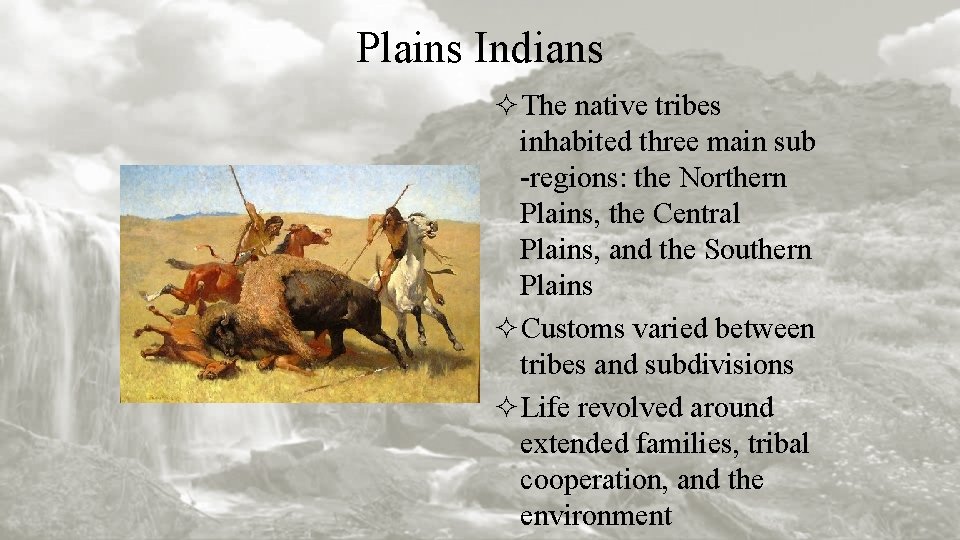
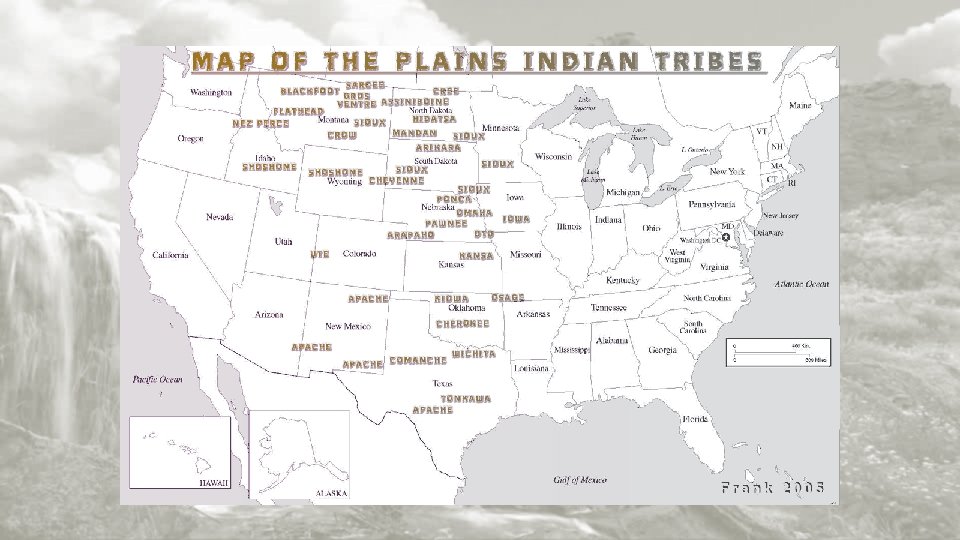
Plains Indians ²The native tribes inhabited three main sub -regions: the Northern Plains, the Central Plains, and the Southern Plains ²Customs varied between tribes and subdivisions ²Life revolved around extended families, tribal cooperation, and the environment
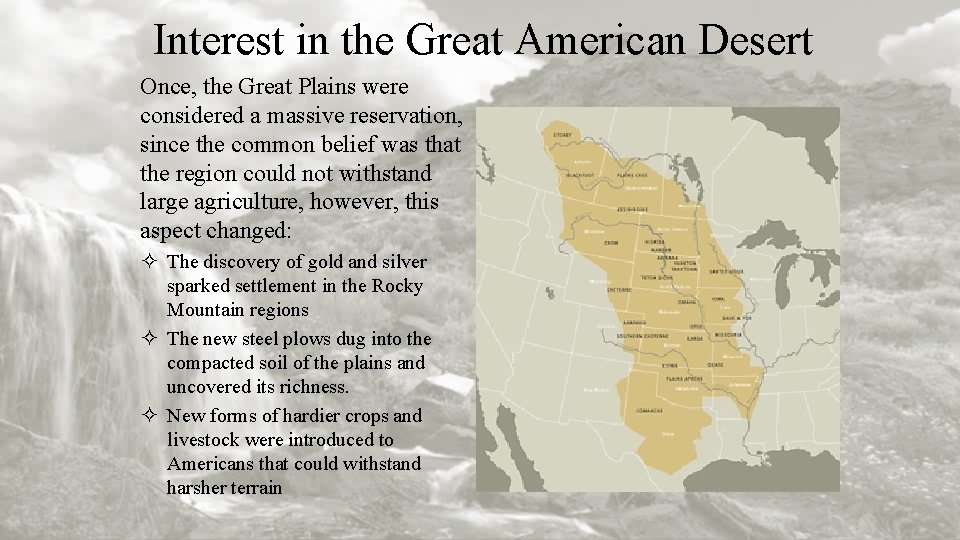
Interest in the Great American Desert Once, the Great Plains were considered a massive reservation, since the common belief was that the region could not withstand large agriculture, however, this aspect changed: ² The discovery of gold and silver sparked settlement in the Rocky Mountain regions ² The new steel plows dug into the compacted soil of the plains and uncovered its richness. ² New forms of hardier crops and livestock were introduced to Americans that could withstand harsher terrain
Misunderstandings and Mistrust A series of treaties and incidents took place between 1850 and 1870 that resulted into conflict between Plains Indians and the United States: ² Treaty of Fort Laramie (1851) and Treaty of Fort Atkinson (1853) ² Pikes Peak Gold Rush (1859), Homestead Act (1862), Pacific Railroad Act (1862), Montana Gold Rush (1862), Sand Creek Massacre (1864), Fetterman Massacre (1866) ² Medicine Lodge Treaty (1867) and the Treaty of Fort Laramie (1868) ² In 1871, Congress abolished treaty making a relied on executive orders and acts of Congress to deal with Native Americans
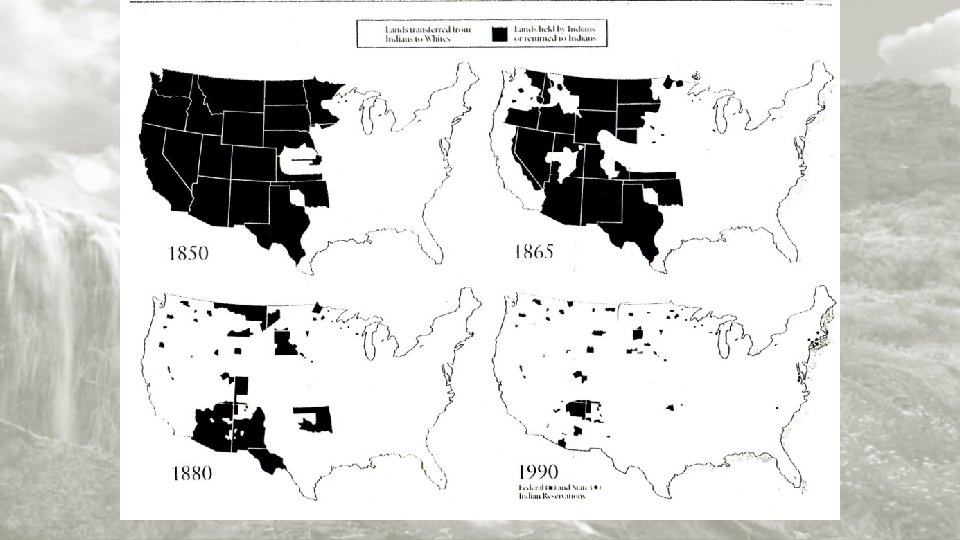
American Indian Wars This was a series of battles that took place between the Plains Indians and the United States military from 1861 to 1890. The results changed US policy with dealing with indigenous peoples: ²Dakota War (1862) ²Red River War (1874) ²The Great Sioux War (1876 -1877)
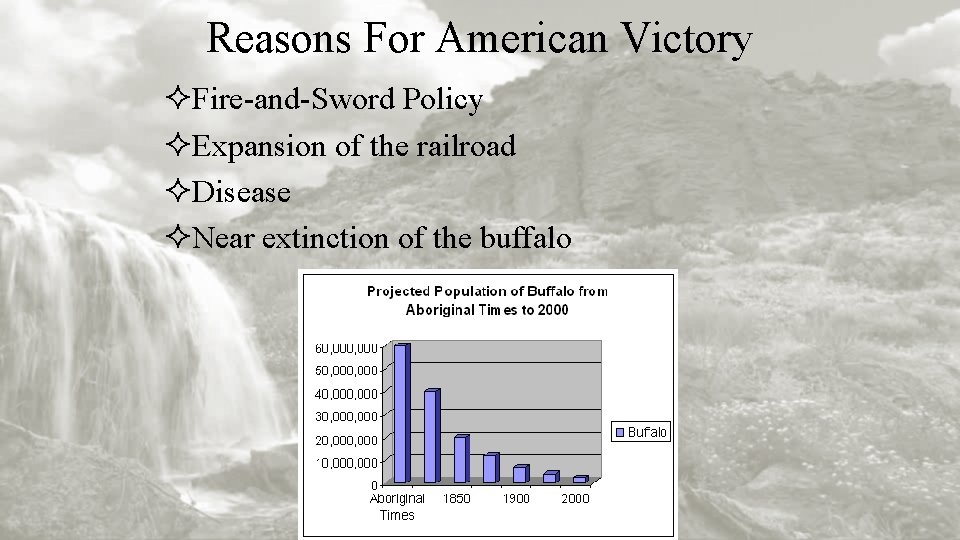
Reasons For American Victory ²Fire-and-Sword Policy ²Expansion of the railroad ²Disease ²Near extinction of the buffalo
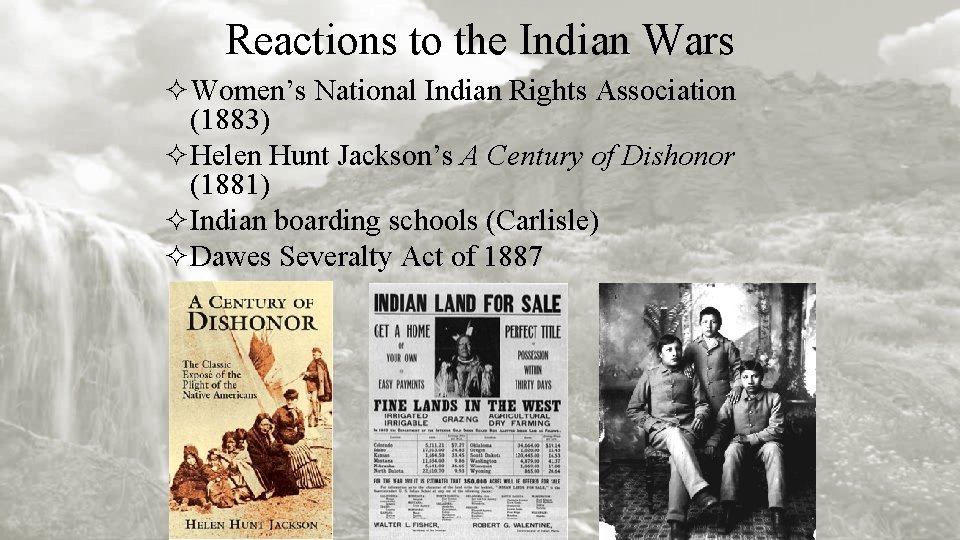
Reactions to the Indian Wars ²Women’s National Indian Rights Association (1883) ²Helen Hunt Jackson’s A Century of Dishonor (1881) ²Indian boarding schools (Carlisle) ²Dawes Severalty Act of 1887
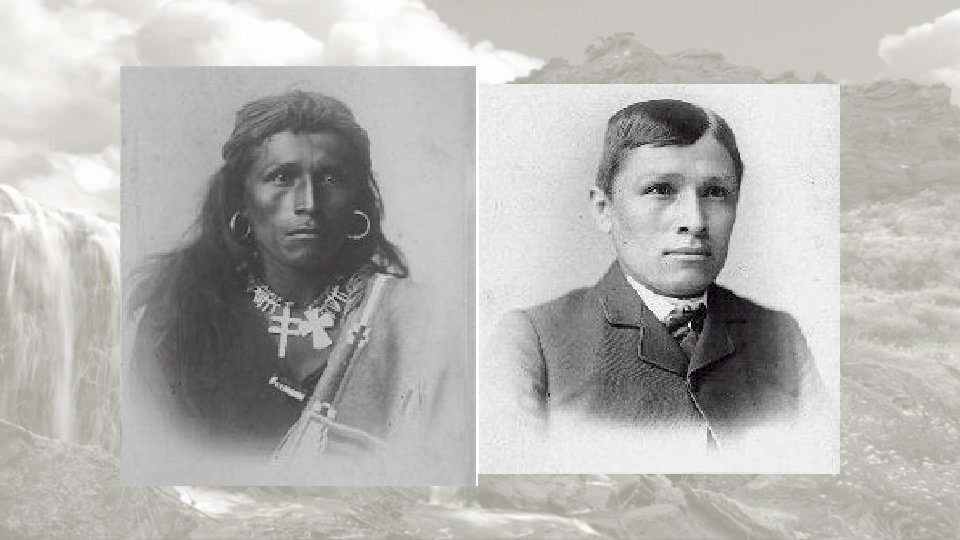
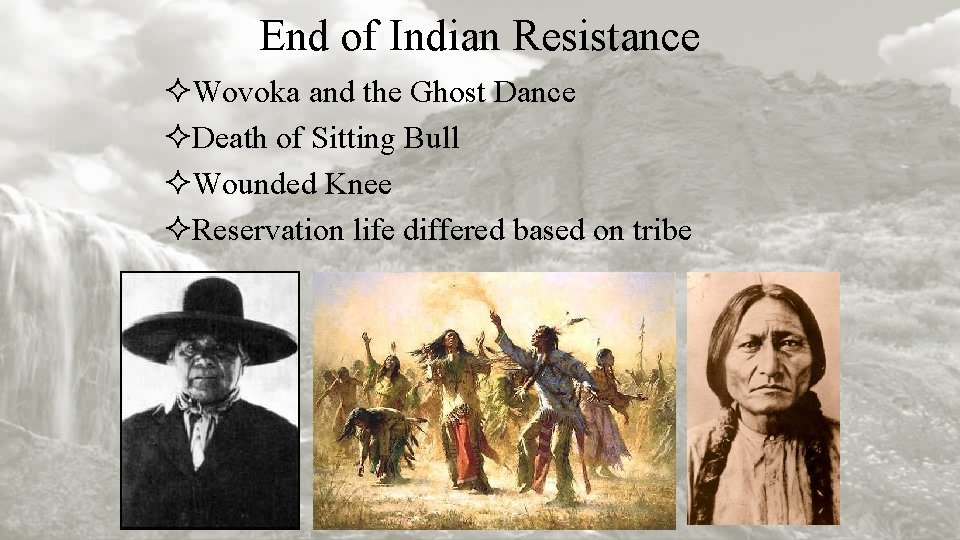
End of Indian Resistance ²Wovoka and the Ghost Dance ²Death of Sitting Bull ²Wounded Knee ²Reservation life differed based on tribe
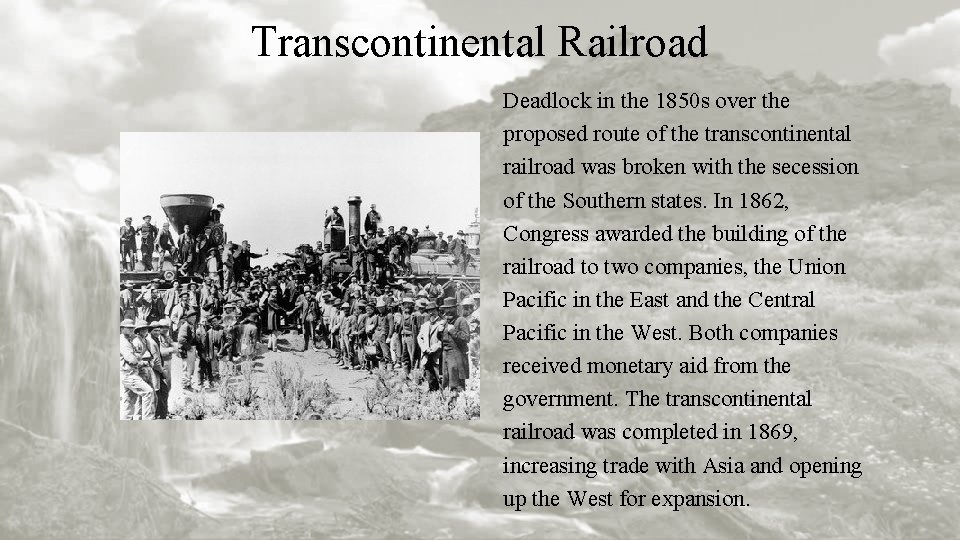
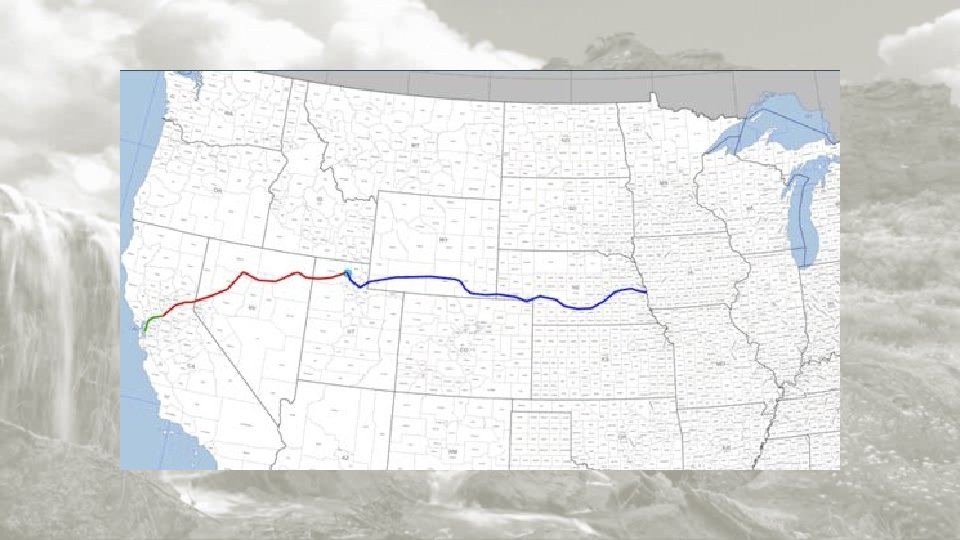
Transcontinental Railroad Deadlock in the 1850 s over the proposed route of the transcontinental railroad was broken with the secession of the Southern states. In 1862, Congress awarded the building of the railroad to two companies, the Union Pacific in the East and the Central Pacific in the West. Both companies received monetary aid from the government. The transcontinental railroad was completed in 1869, increasing trade with Asia and opening up the West for expansion.
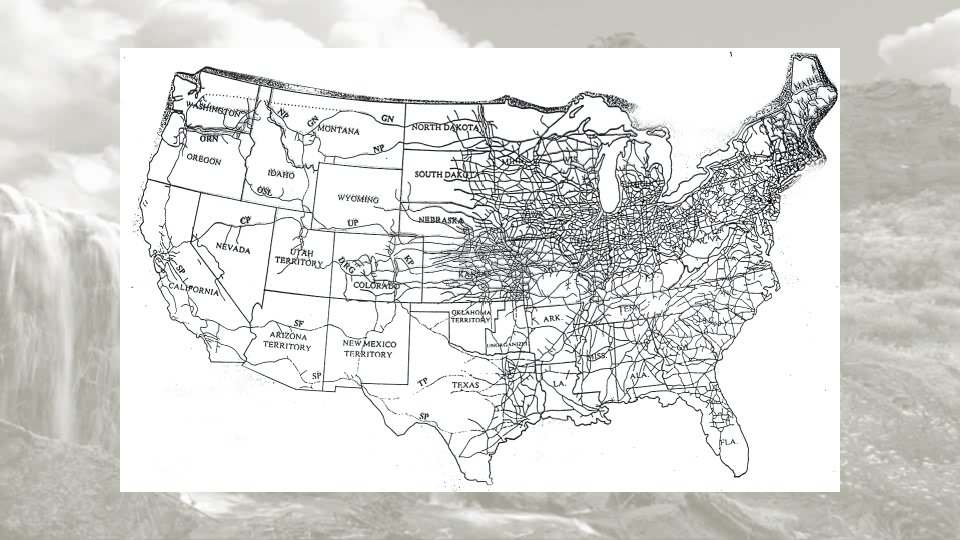
America Molds with Railroads made large impacts in American society: ²It created an enormous domestic market for American raw materials and manufactured goods. ²Railroad companies stimulated immigration. ²In order to keep schedules and avoid wrecks, the continent was divided into 4 times zones and most towns accepted the new time method. ²“Girl Homesteaders” ²Railroads urged farmers to specialize in cash crops to encourage repayments
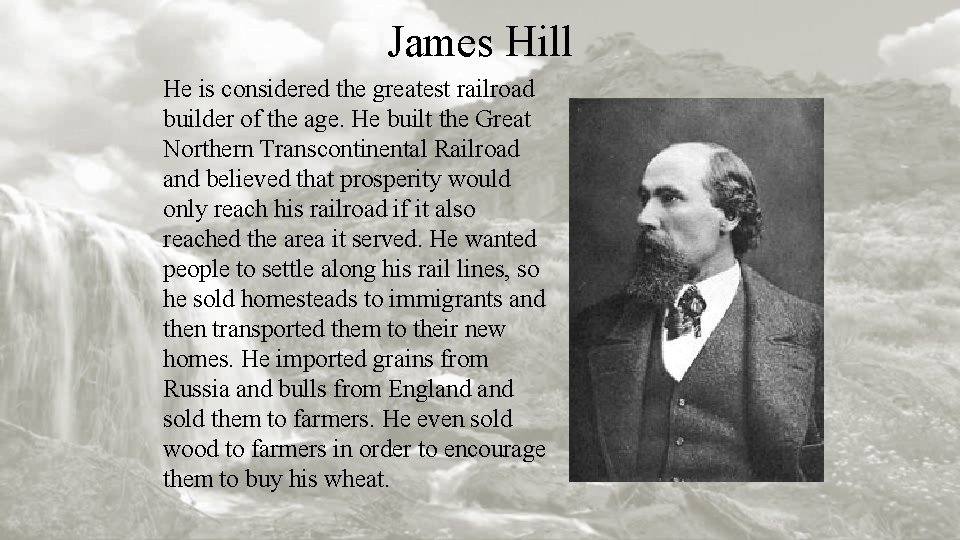
James Hill He is considered the greatest railroad builder of the age. He built the Great Northern Transcontinental Railroad and believed that prosperity would only reach his railroad if it also reached the area it served. He wanted people to settle along his rail lines, so he sold homesteads to immigrants and then transported them to their new homes. He imported grains from Russia and bulls from England sold them to farmers. He even sold wood to farmers in order to encourage them to buy his wheat.
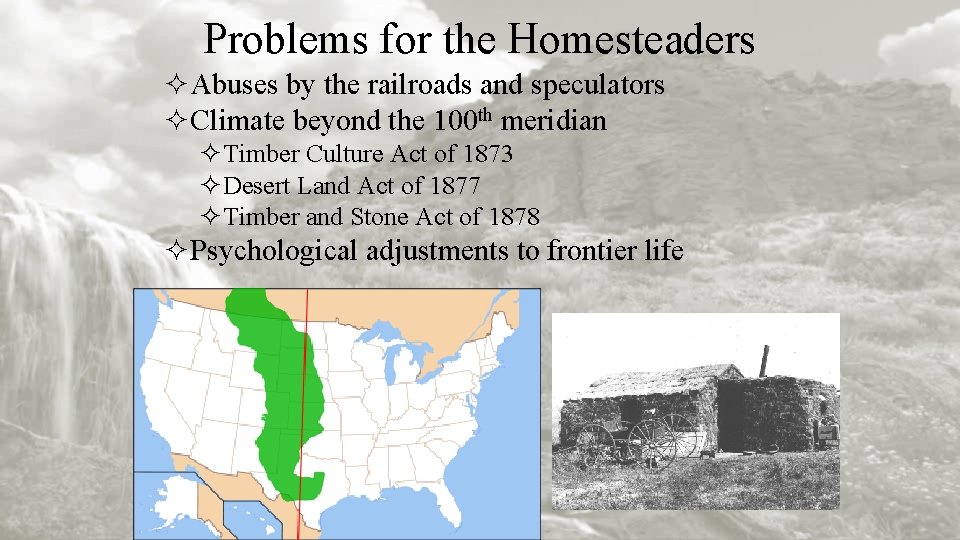
Problems for the Homesteaders ²Abuses by the railroads and speculators ²Climate beyond the 100 th meridian ²Timber Culture Act of 1873 ²Desert Land Act of 1877 ²Timber and Stone Act of 1878 ²Psychological adjustments to frontier life
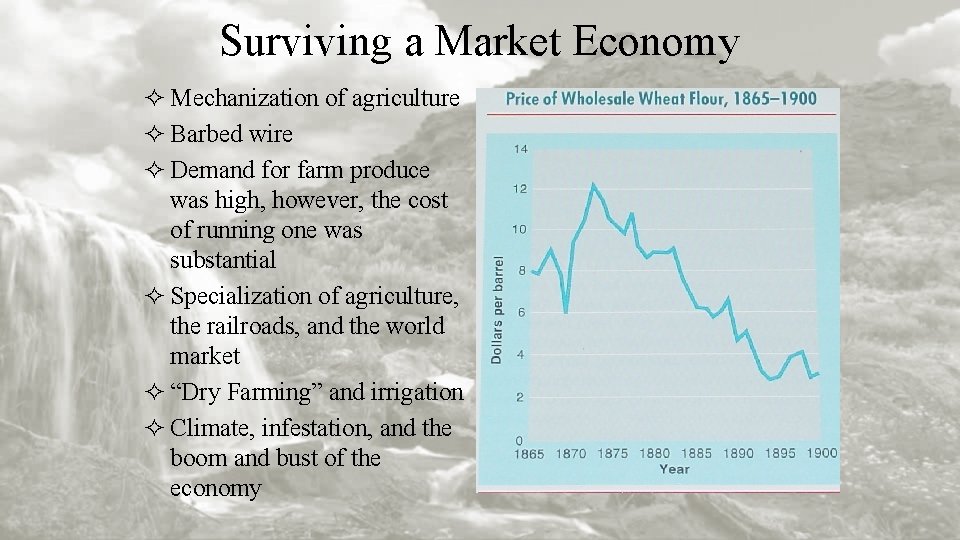
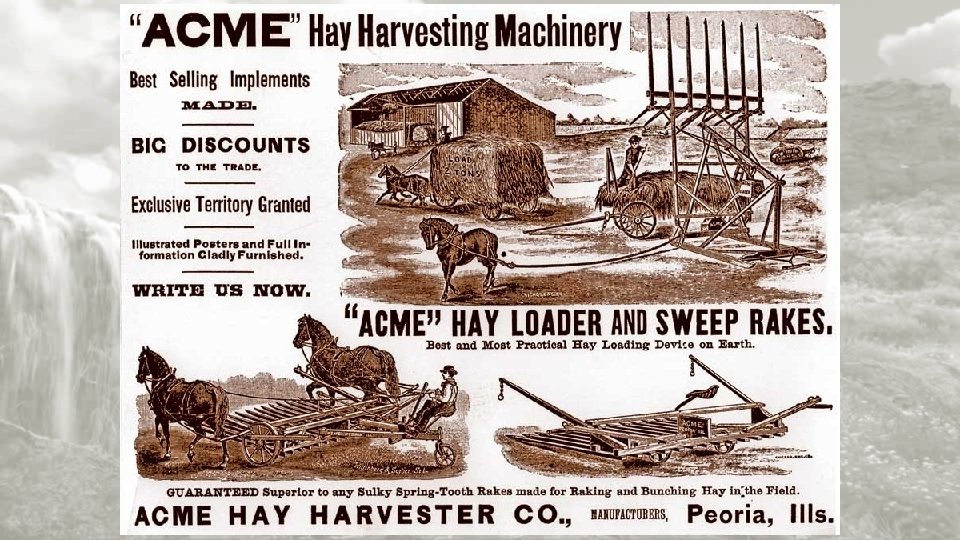
Surviving a Market Economy ² Mechanization of agriculture ² Barbed wire ² Demand for farm produce was high, however, the cost of running one was substantial ² Specialization of agriculture, the railroads, and the world market ² “Dry Farming” and irrigation ² Climate, infestation, and the boom and bust of the economy
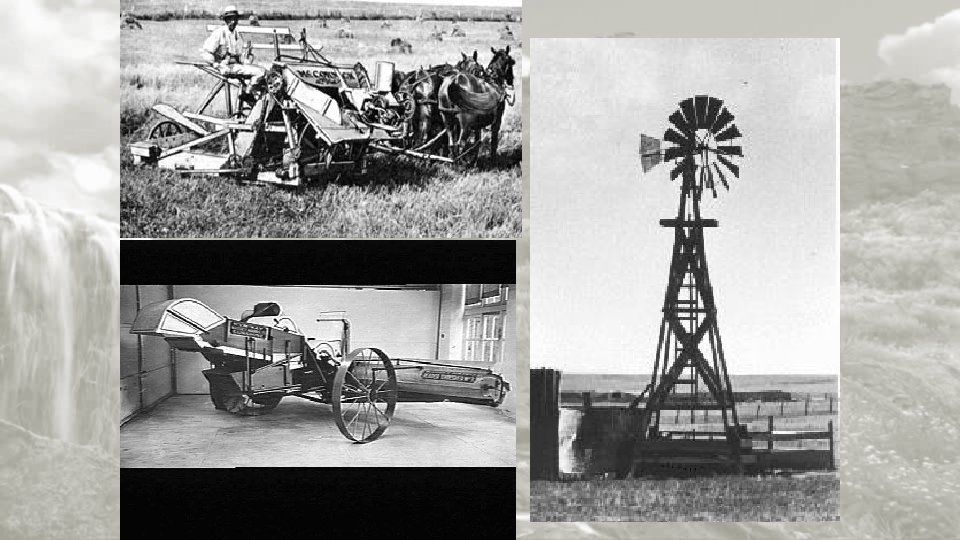
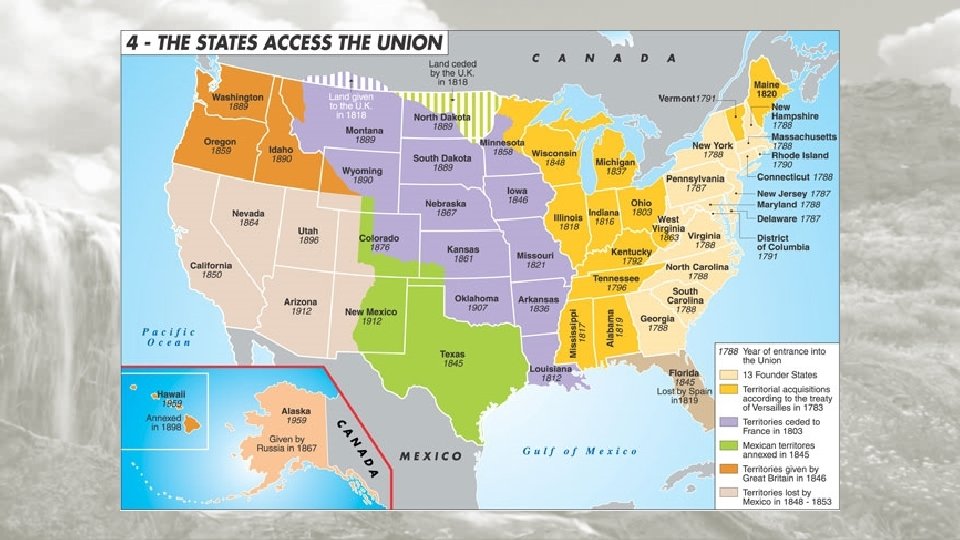
Becoming States ²Despite the hardships, communities did develop and cooperation was a necessity ²Local boosters pushed residents to apply for statehood ²Gold and silver rushes instigated the rise in populations, like Nevada and Colorado ²Others had political motives, like Kansas, the Dakotas, Montana, Washington, Idaho, and Wyoming ²Despite being socially conservative, many of these territories approved women’s suffrage to attract more populations
Mormons and the Federal Government ²After Joseph Smith’s death, Brigham Young moved the congregation to the Great Salt Lake Valley ²After the US acquired the territory with the end of the War with Mexico, conflict arose between Mormon and non-Mormon settlers, as well as, with the federal government ²Morrill Anti-Bigamy Act of 1862 ²United States v. Reynolds ²Edmund-Tucker Act of 1887 ²Utah became a state in 1896
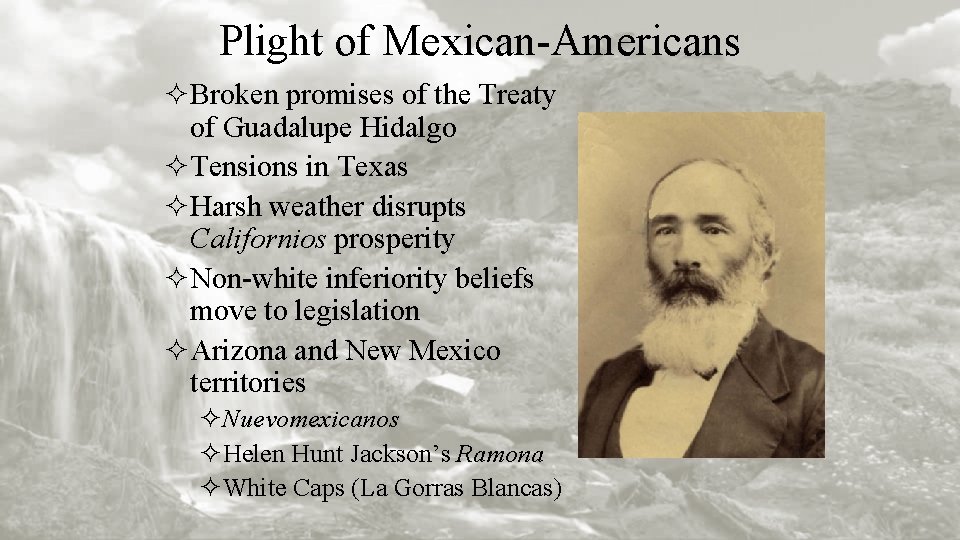
Plight of Mexican-Americans ²Broken promises of the Treaty of Guadalupe Hidalgo ²Tensions in Texas ²Harsh weather disrupts Californios prosperity ²Non-white inferiority beliefs move to legislation ²Arizona and New Mexico territories ²Nuevomexicanos ²Helen Hunt Jackson’s Ramona ²White Caps (La Gorras Blancas)
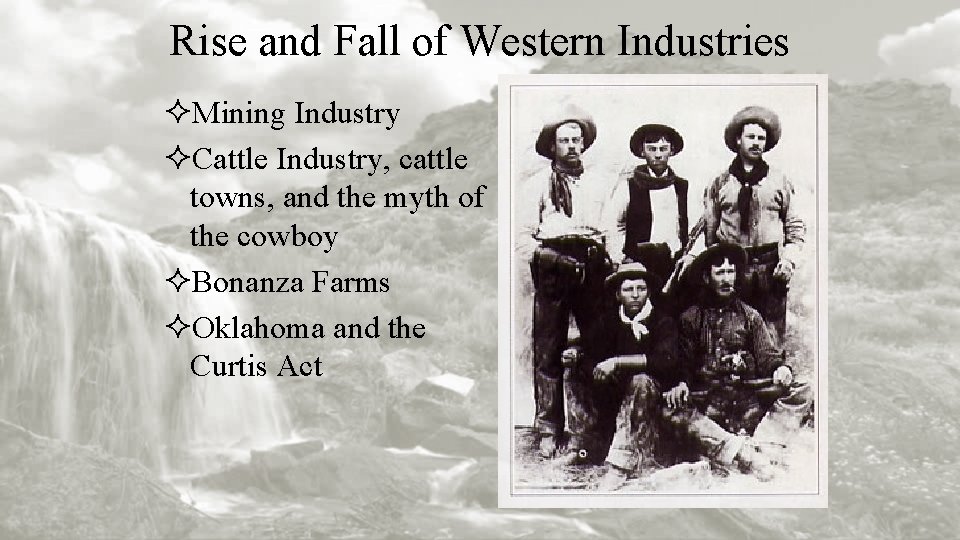
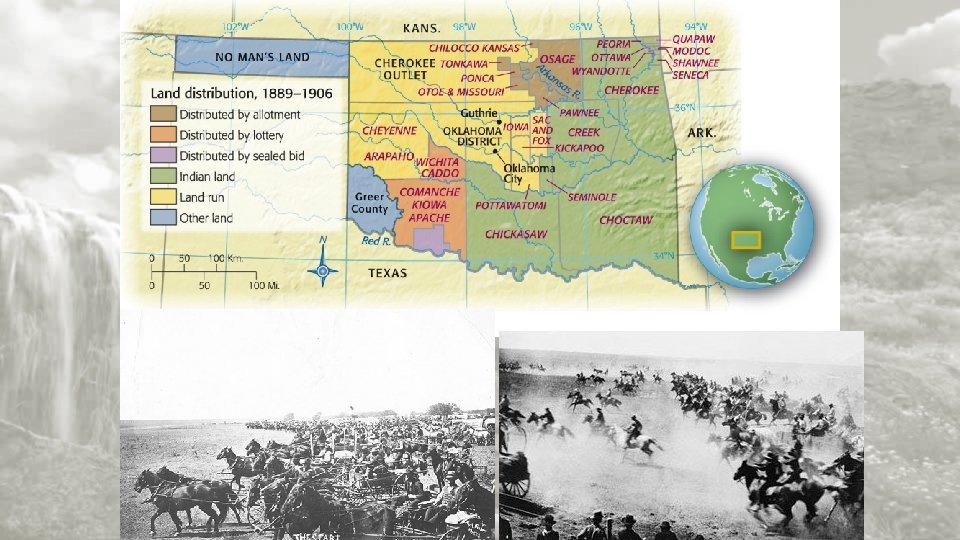
Rise and Fall of Western Industries ²Mining Industry ²Cattle Industry, cattle towns, and the myth of the cowboy ²Bonanza Farms ²Oklahoma and the Curtis Act
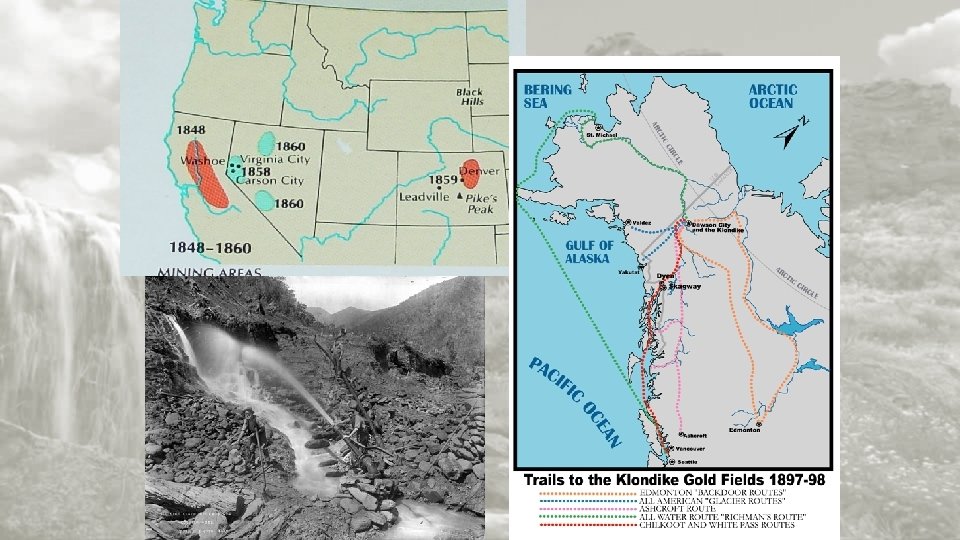
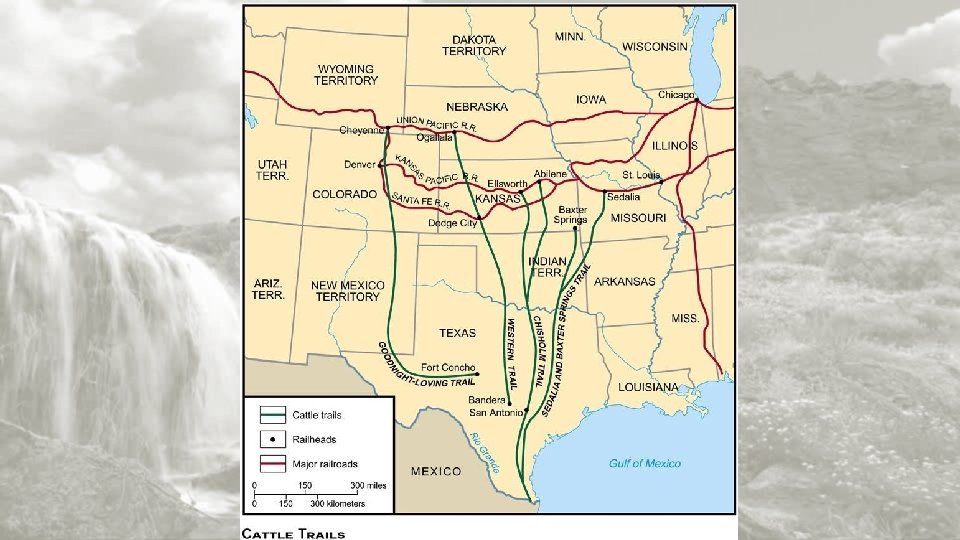
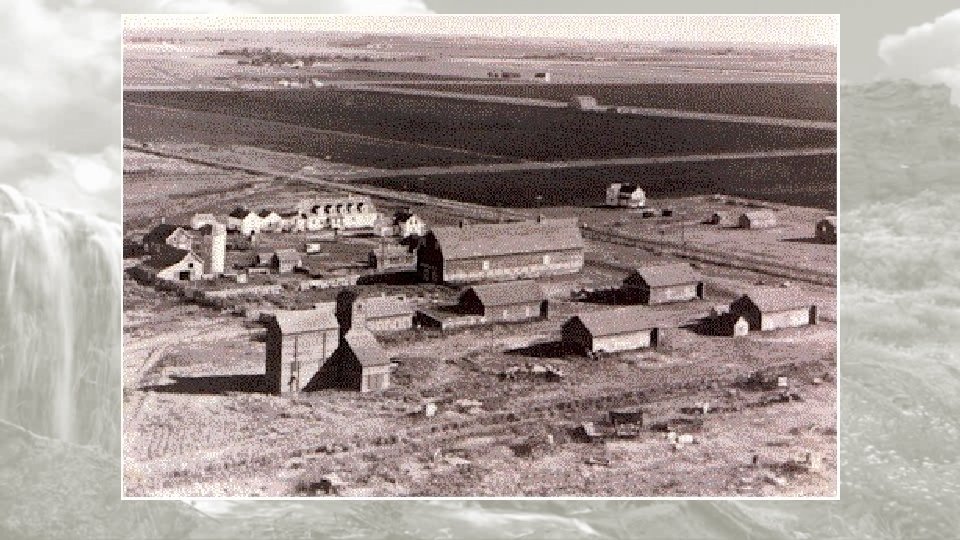
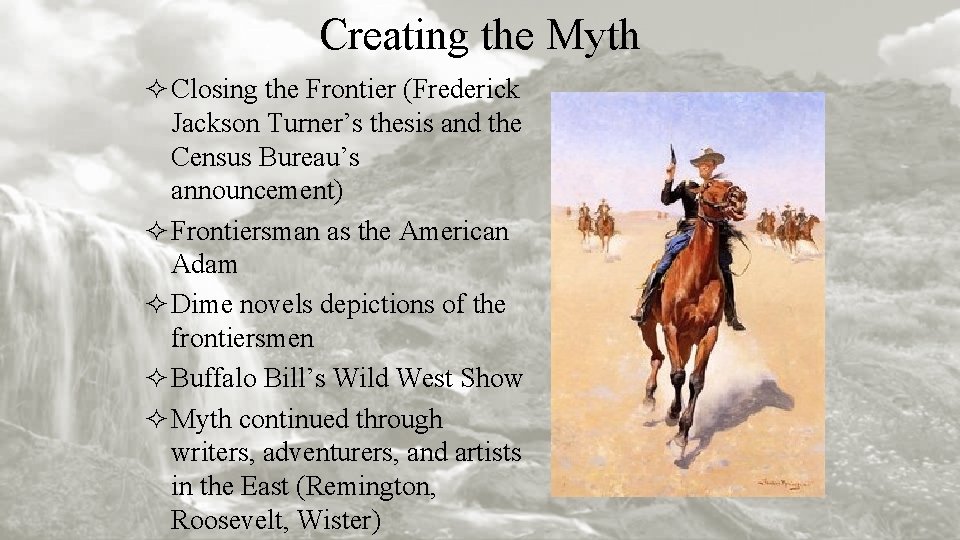
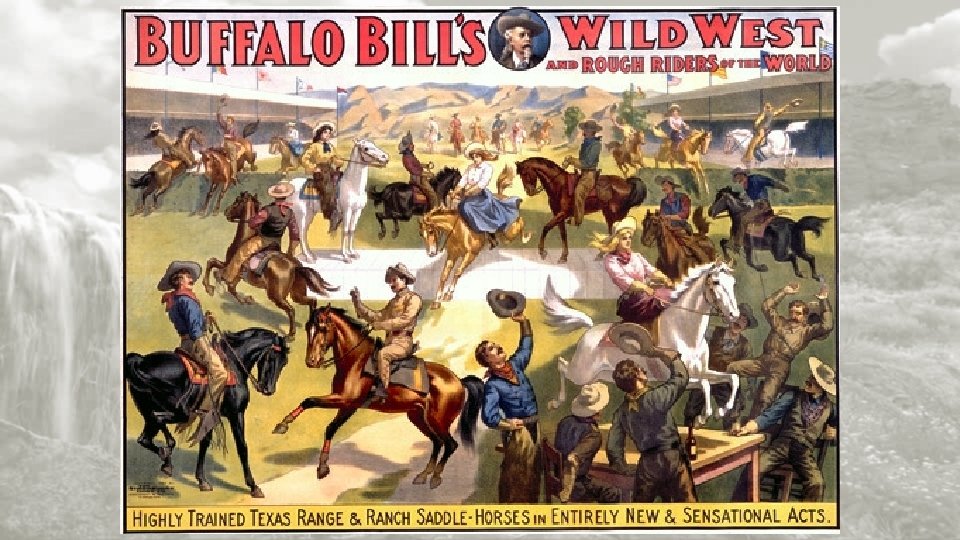
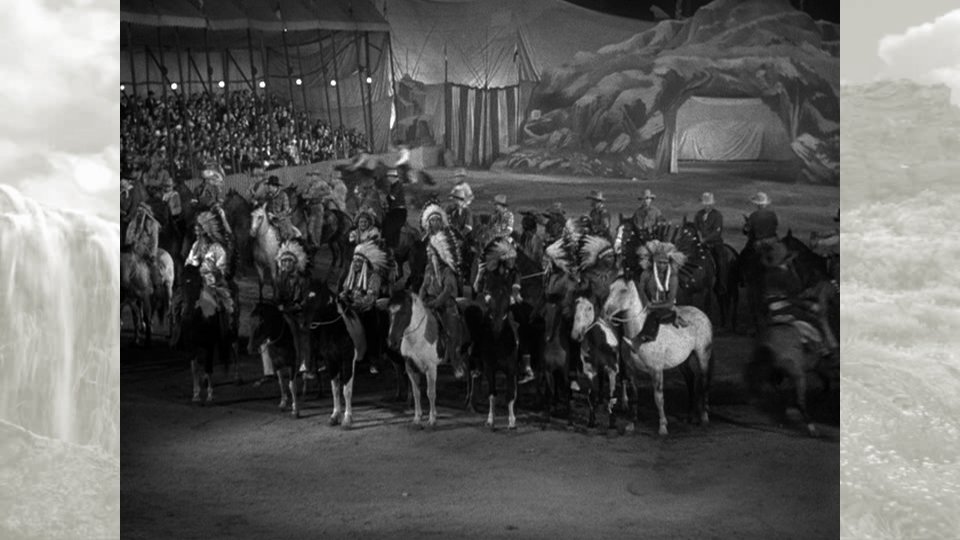
Creating the Myth ² Closing the Frontier (Frederick Jackson Turner’s thesis and the Census Bureau’s announcement) ² Frontiersman as the American Adam ² Dime novels depictions of the frontiersmen ² Buffalo Bill’s Wild West Show ² Myth continued through writers, adventurers, and artists in the East (Remington, Roosevelt, Wister)
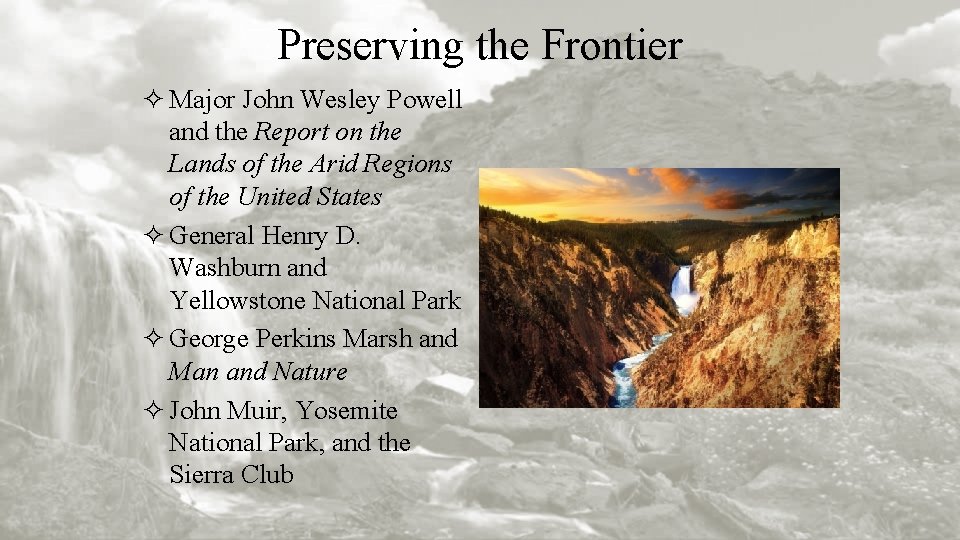
Preserving the Frontier ² Major John Wesley Powell and the Report on the Lands of the Arid Regions of the United States ² General Henry D. Washburn and Yellowstone National Park ² George Perkins Marsh and Man and Nature ² John Muir, Yosemite National Park, and the Sierra Club
- Slides: 33