
Homeostasis Tobacco smoke contains nicotine and carbon monoxide
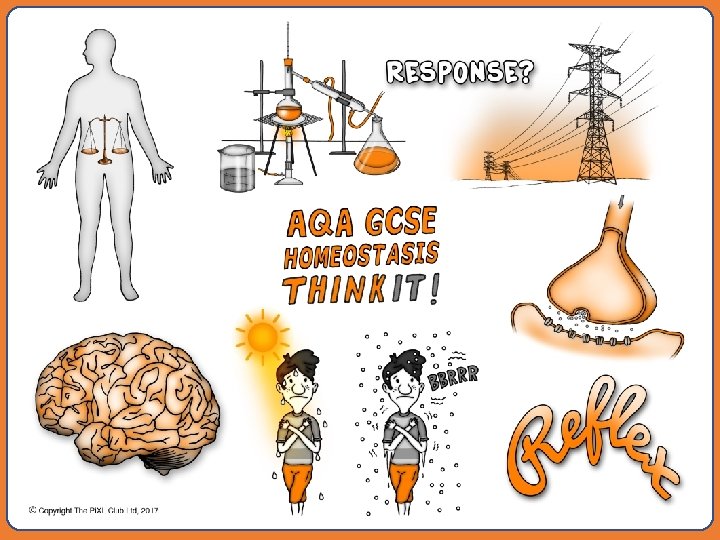
Homeostasis: • Tobacco smoke contains nicotine and carbon monoxide. These chemicals both disrupt homeostasis. Discuss how. • Graves disease is a disease that causes the thyroid to produce too much thyroxine. Discuss how this can effect homeostasis. • The control of breathing involves monitoring the dissolved carbon dioxide levels in the blood and not the oxygen levels. Suggest why breathing rate is controlled by carbon dioxide receptors. The nervous system: • The axons of neurones are covered in a fatty sheath (myelin). Multiple sclerosis (MS) is a disease that damages the myelin. Suggest why MS sufferers movements may be uncontrolled or slow. • Explain the sequence of events at the synapse when a nervous impulse arrives. • With reference to the nervous system suggest why people with congenital analgesia (inability to feel pain) often have a reduced life expectancy. The brain and eye (biology only): • Discuss some the benefits and risks of the procedures that neuroscientists carry out on the brain. • A stroke is a medical condition caused when a blood vessel in the brain bursts or a blood clot stops blood flowing. What symptoms would a stroke in the a. medulla b. cerebral cortex cause? • Orthokeratology is used to correct vision, contact lenses are worn overnight to reshape the cornea and taken out in the morning. Explain how these lenses can correct myopia. Hormonal control: • Explain why the ‘pituitary gland’ is often referred to as the master gland. • Explain how glucagon interacts with insulin in a negative feedback cycle to control blood glucose levels in the body. • Compare and contrast Type 1 and Type 2 diabetes. • Explain the difference between negative and positive feedback giving examples of each in the human body. • Why is adrenalin often call the ‘fight or flight’ hormone. AQA GCSE Homeostasis and Response Think. IT! © Copyright The Pi. XL Club Ltd, 2017 Human reproduction: • Explain the interactions of FSH, oestrogen, LH and progesterone, in the control of the menstrual cycle. • Discuss the role of hormones in fertility treatment. • Discuss the social and ethical issues associated with IVF treatments. • Oral contraceptives ‘the pill’ contain mainly oestrogen. Discuss how ‘the pill’ prevents pregnancy. • Explain why progesterone continues to be produced throughout pregnancy. Control of blood glucose: • How does the formation of glycogen in liver and muscle cells leads to a lowering of blood glucose concentration. • Diabetes mellitus is the full name for diabetes. Diabetes mean siphon (people with diabetes urinate more) and mellitus means sweet (the urine of a diabetic tastes sweet). Explain these symptoms. • Glucagonoma is a tumour that develops in the pancreas and causes excess glucagon to be released into the blood. What would some of the symptoms of this disease be? Water and nitrogen balance (biology only): • With reference to ADH explain the effect of the following on urine production. a. drinking four large cups of water. b. Eating a large bag of salty crisps. c. playing a tennis match on a hot day. • Explain how excess protein in the diet is processed and excreted by the body. • Alcohol suppresses the production of ADH and ecstasy (MDMA) stimulates ADH production. Explain how these two drugs can affect water balance in the body. Plant hormones (biology only): • Explain why shoots grow away from gravity and roots grow towards gravity. • In cold climates farmers soak seeds in gibberellins, Suggest why they might do this. • Some people say that to ripen green tomatoes you can put them in a bag with a ripe banana. Explain why they might think this • A bean seedling is growing upright in soil. Suggest what would happen if it was laid on its side in the soil and the tips of the roots and shoots were cut off.
- Slides: 2