
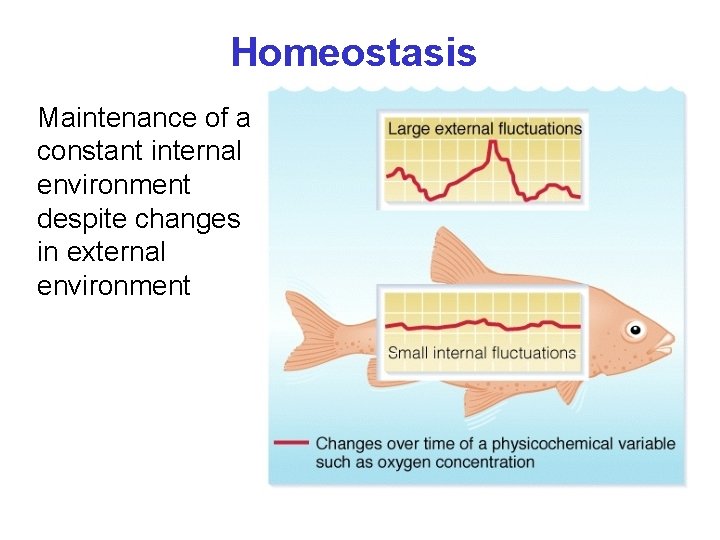
Homeostasis Maintenance of a constant internal environment despite
- Slides: 16
Homeostasis Maintenance of a constant internal environment despite changes in external environment
WHAT ARE THE MAIN HOMEOSTATIC SYSTEMS DISCUSSED? • Blood p. H • Oxygen/Carbon Dioxide • Body Temperature Control • Electrolytes (blood sugar) • Blood Pressure
HOW DOES HOMEOSTASIS WORK? Homeostatic control systems detect stress or change and act to maintain EQUILLIBRIUM They have 3 functional components: • Sensors/Monitors (senses stress compared to a SET POINT) • Coordinating centre • Regulator/ Effector (produces change) There are two main systems (Negative and Positive feedback)
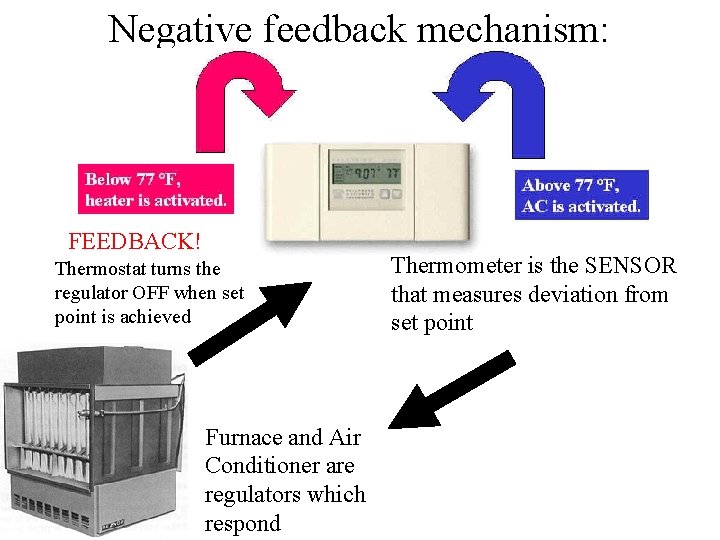
Negative feedback mechanism: FEEDBACK! Thermostat turns the regulator OFF when set point is achieved Furnace and Air Conditioner are regulators which respond Thermometer is the SENSOR that measures deviation from set point
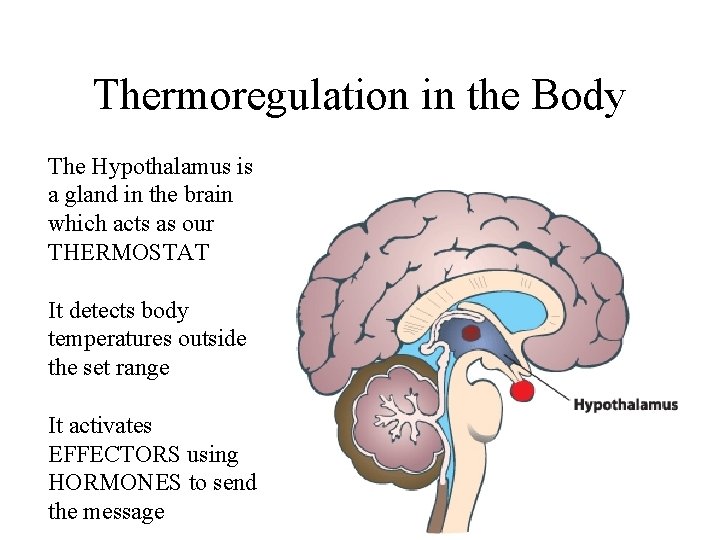
Thermoregulation in the Body The Hypothalamus is a gland in the brain which acts as our THERMOSTAT It detects body temperatures outside the set range It activates EFFECTORS using HORMONES to send the message
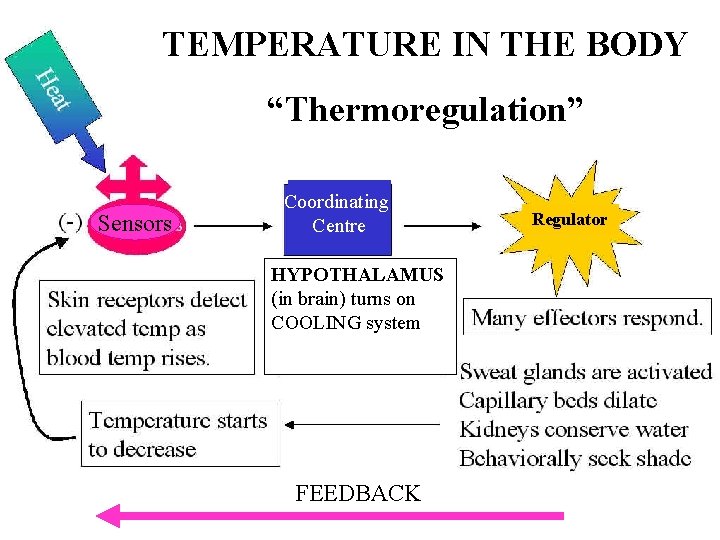
TEMPERATURE IN THE BODY “Thermoregulation” Sensors Coordinating Centre HYPOTHALAMUS (in brain) turns on COOLING system FEEDBACK Regulator
TEMPERATURE IN THE BODY “Thermoregulation” Exercise: We just looked at HEAT stress What would happen if COLD stress occurred? What would your sensors, coordinating centre and regulators be? What result do you expect? Explain how this is negative feedback CHECK YOUR ANSWERS BY READING P 338
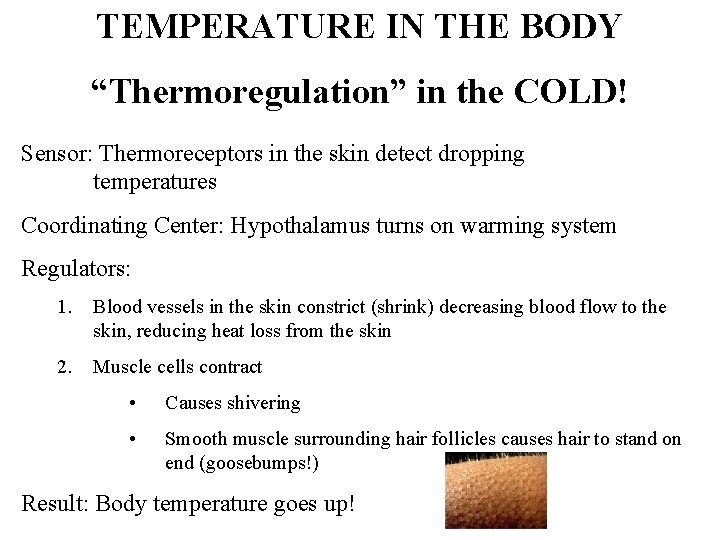
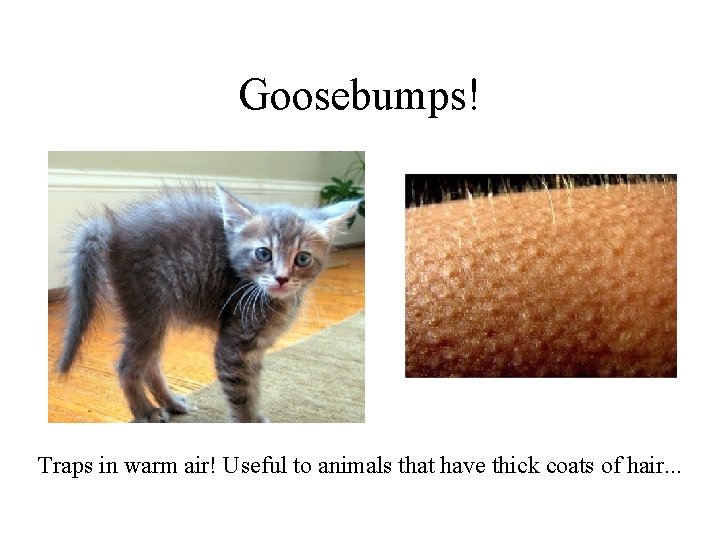
TEMPERATURE IN THE BODY “Thermoregulation” in the COLD! Sensor: Thermoreceptors in the skin detect dropping temperatures Coordinating Center: Hypothalamus turns on warming system Regulators: 1. Blood vessels in the skin constrict (shrink) decreasing blood flow to the skin, reducing heat loss from the skin 2. Muscle cells contract • Causes shivering • Smooth muscle surrounding hair follicles causes hair to stand on end (goosebumps!) Result: Body temperature goes up!
Goosebumps! Traps in warm air! Useful to animals that have thick coats of hair. . .
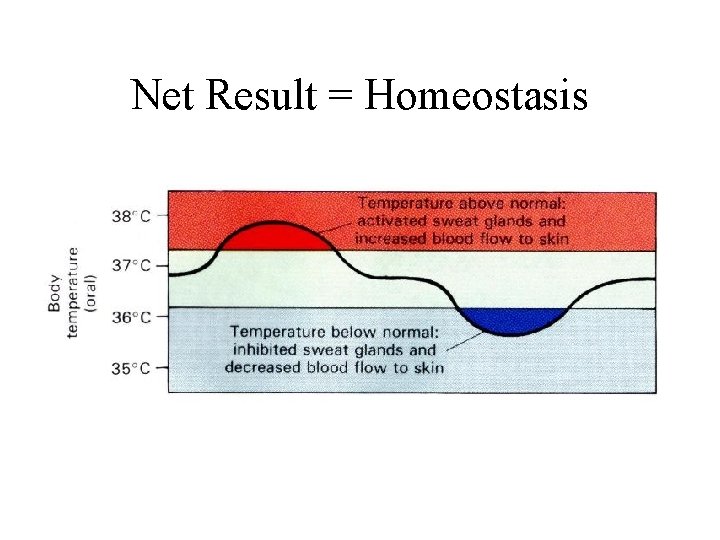
Net Result = Homeostasis
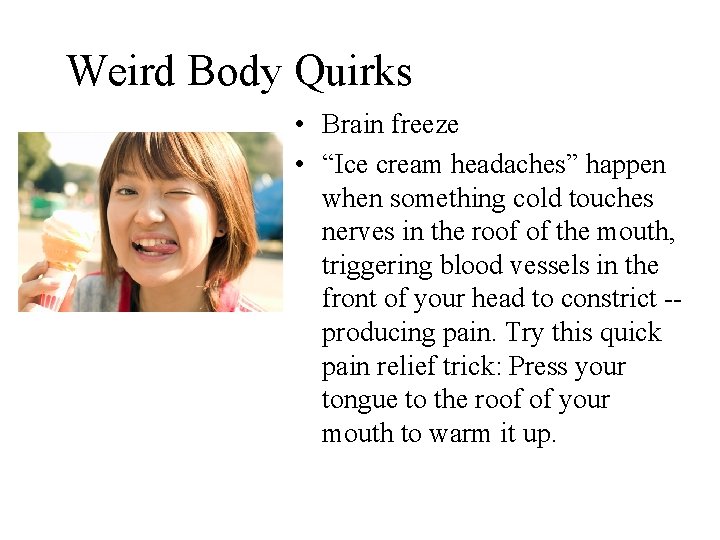
Weird Body Quirks • Brain freeze • “Ice cream headaches” happen when something cold touches nerves in the roof of the mouth, triggering blood vessels in the front of your head to constrict -producing pain. Try this quick pain relief trick: Press your tongue to the roof of your mouth to warm it up.
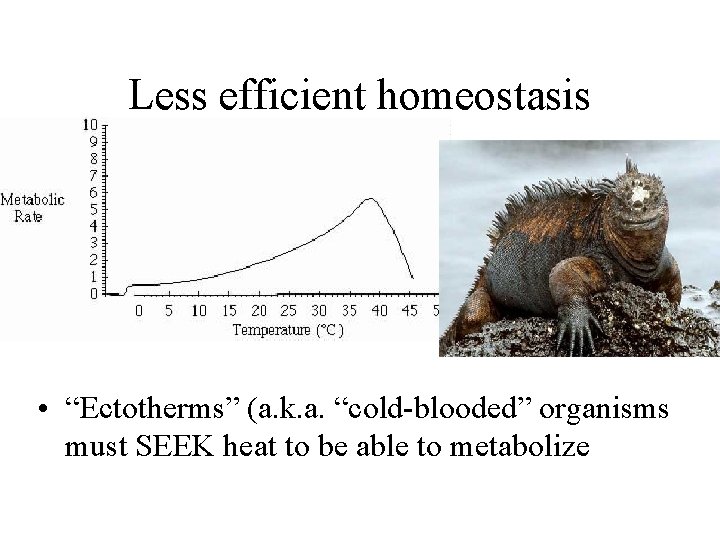
Less efficient homeostasis • “Ectotherms” (a. k. a. “cold-blooded” organisms must SEEK heat to be able to metabolize
Recall: Negative Feedback: Positive Feedback: • Brings fluctuating internal conditions back to NORMAL • Common for homeostasis • sends messages to INDUCE a change • Not common
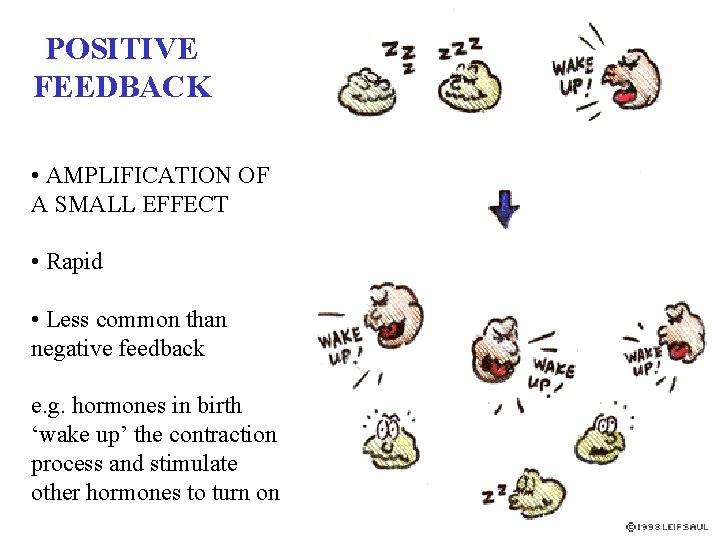
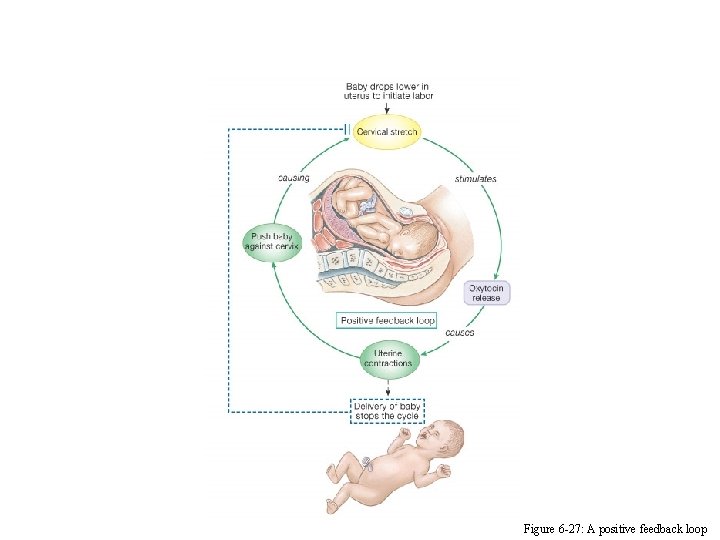
POSITIVE FEEDBACK • AMPLIFICATION OF A SMALL EFFECT • Rapid • Less common than negative feedback e. g. hormones in birth ‘wake up’ the contraction process and stimulate other hormones to turn on
Feedback Loops Figure 6 -27: A positive feedback loop