
HOMEOSTASIS Maintaining a steady state HEATING A HOUSE

- Slides: 28
HOMEOSTASIS Maintaining a steady state
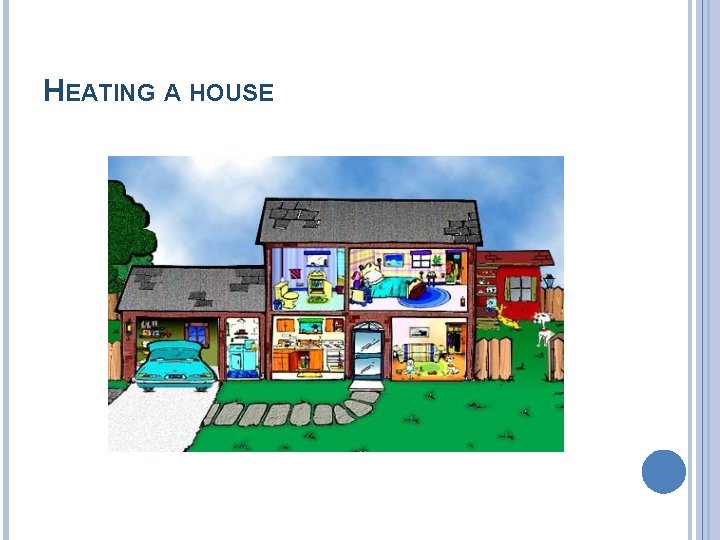
HEATING A HOUSE
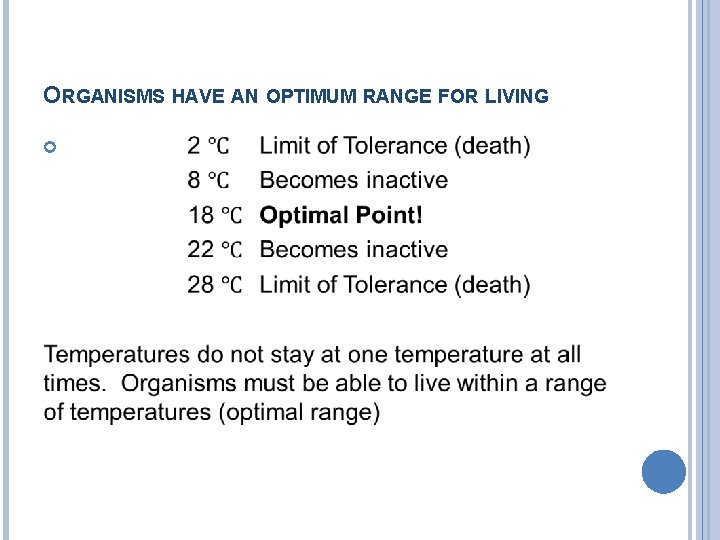
ORGANISMS HAVE AN OPTIMUM RANGE FOR LIVING
FLUCTUATIONS IN AN ENVIRONMENT Cells can tolerate fluctuations for a limited time. However, they will have to work harder to maintain homeostasis. If the environment normally fluctuates, the cells usually become dormant. � Trees during the winter � Frogs during the winter
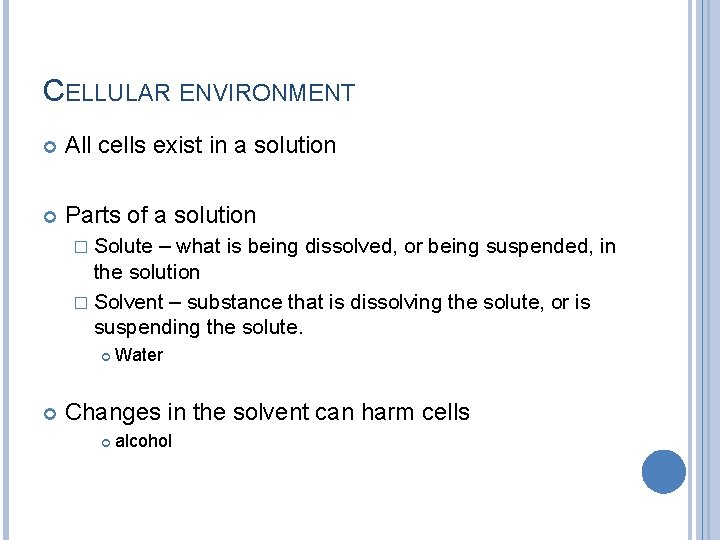
CELLULAR ENVIRONMENT All cells exist in a solution Parts of a solution � Solute – what is being dissolved, or being suspended, in the solution � Solvent – substance that is dissolving the solute, or is suspending the solute. Water Changes in the solvent can harm cells alcohol
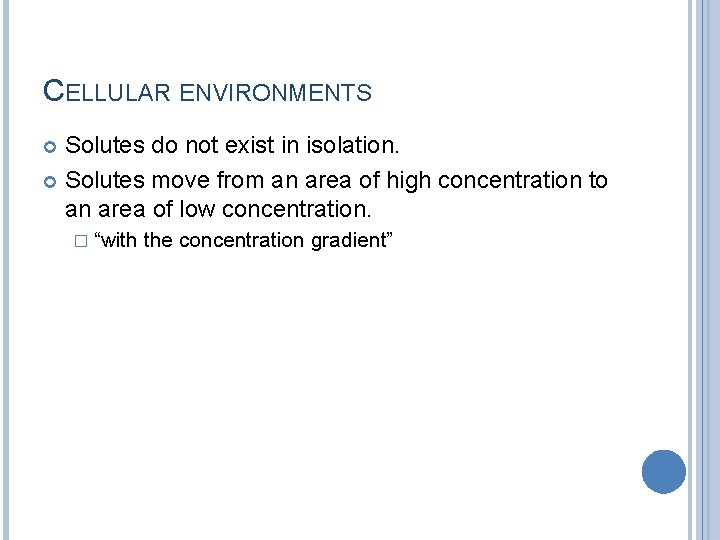
CELLULAR ENVIRONMENTS Solutes do not exist in isolation. Solutes move from an area of high concentration to an area of low concentration. � “with the concentration gradient”
TYPES OF SOLUTIONS CELLS CAN FIND THEMSELVES
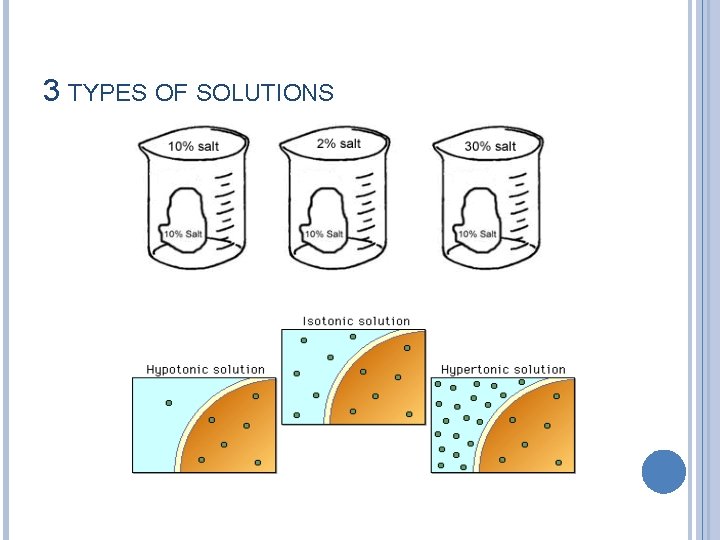
3 TYPES OF SOLUTIONS
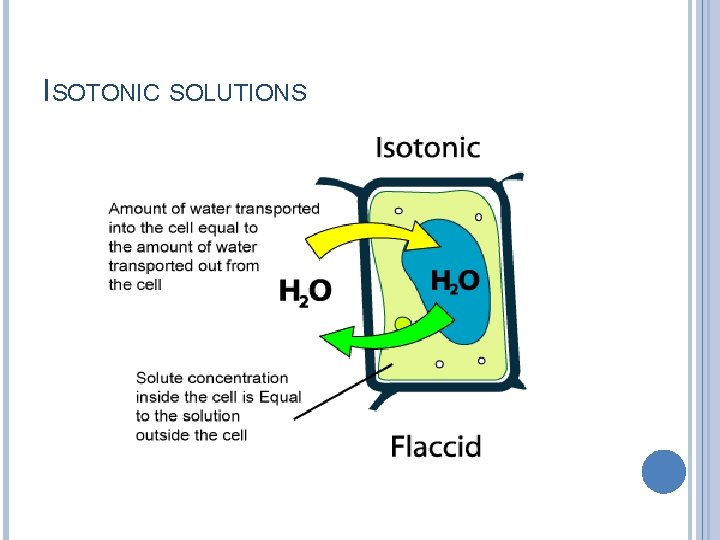
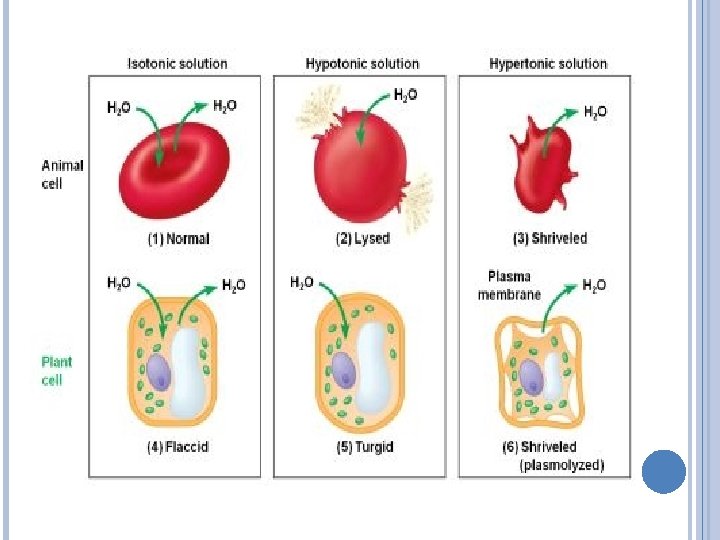
ISOTONIC SOLUTIONS
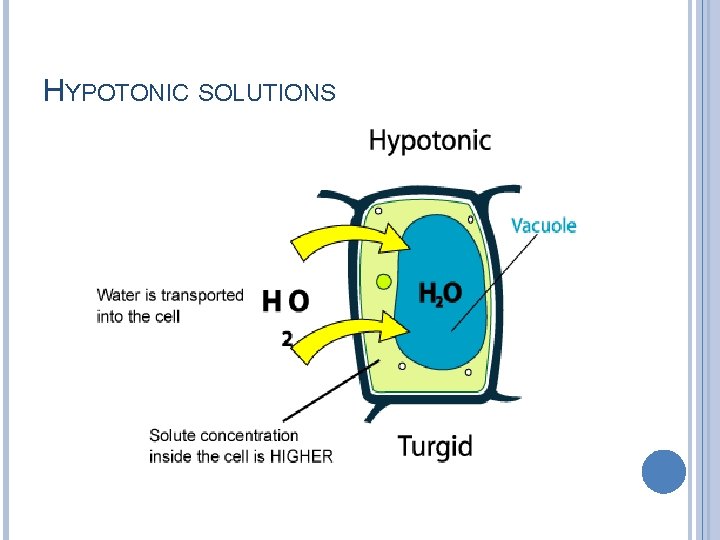
HYPOTONIC SOLUTIONS
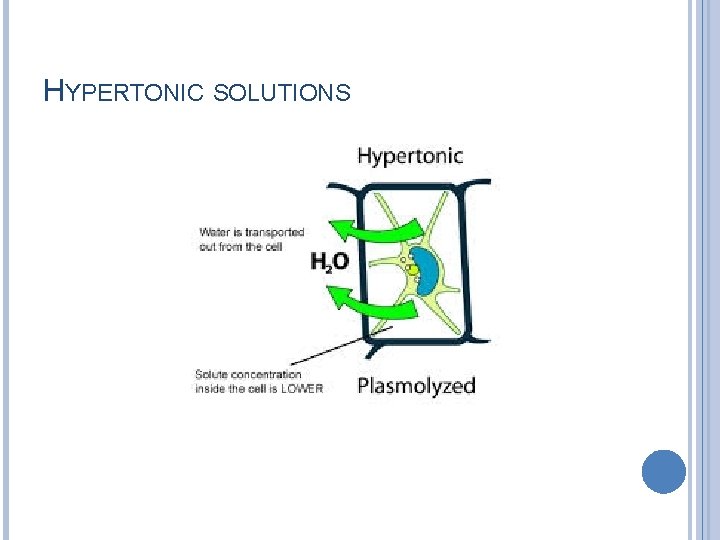
HYPERTONIC SOLUTIONS
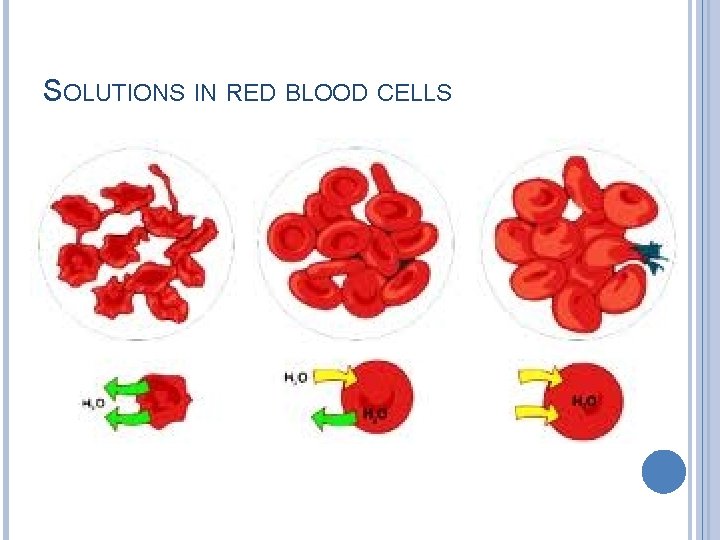
SOLUTIONS IN RED BLOOD CELLS
REVIEW OF SOLUTIONS
SURVIVAL TECHNIQUES FOR CELLS IN SPECIAL SOLUTIONS
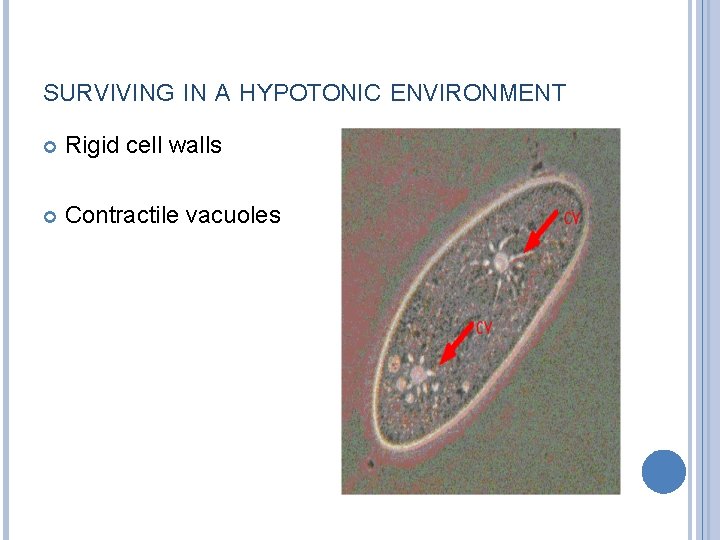
SURVIVING IN A HYPOTONIC ENVIRONMENT Rigid cell walls Contractile vacuoles
SURVIVING IN A HYPERTONIC SOLUTION Stomata in plant leaves
CROSSING A PLASMA MEMBRANE
HOW DO SUBSTANCES CROSS THE PLASMA MEMBRANE? Passive transport – the movement of substances through a membrane with the concentration gradient without the use of energy.
HOW DO SUBSTANCES CROSS THE PLASMA MEMBRANE? Passive transport – the movement of substances through a membrane with the concentration gradient without the use of energy. � Diffusion � Osmosis � Facilitated diffusion (passive mediated transport)
Diffusion � The movement of molecules Factors effecting diffusion � Concentration of the molecules � Size and weight of the molecules � Shape of the molecules � Charge of the molecules � Fat-solubility of the molecules � Permeability of the molecules PASSIVE TRANSPORT
HOW DO SUBSTANCES CROSS THE PLASMA MEMBRANE? Passive transport – the movement of substances through a membrane with the concentration gradient without the use of energy. � Diffusion � Osmosis � Facilitated diffusion (passive mediated transport)
Osmosis � The movement of water � Water travels from a low concentration of solutes to a high concentration of solutes PASSIVE TRANSPORT
HOW DO SUBSTANCES CROSS THE PLASMA MEMBRANE? Passive transport – the movement of substances through a membrane with the concentration gradient without the use of energy. � Diffusion � Osmosis � Facilitated diffusion (passive mediated transport)
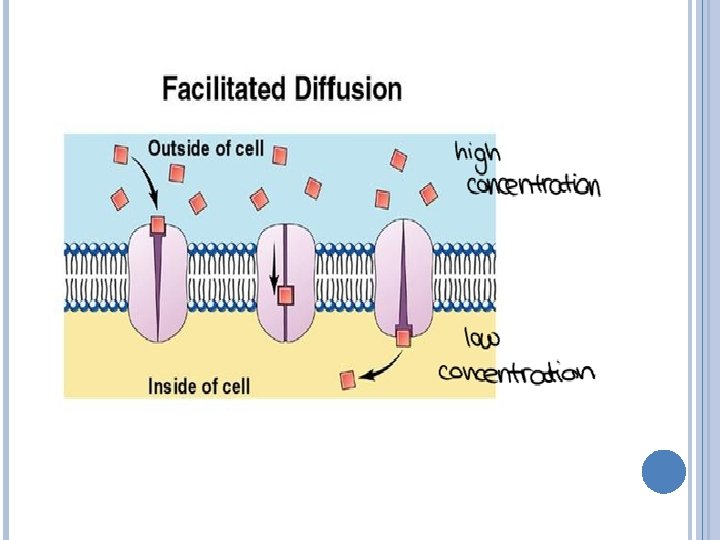
Facilitated diffusion � The movement of molecules � Aka “passive mediated transport” � A form of diffusion in which help is provided Usually in the form of a protein � Reasons One of the factors (size, shape, etc. ) controlling diffusion can not be met PASSIVE TRANSPORT
HOW DO SUBSTANCES CROSS THE PLASMA MEMBRANE? Passive transport – the movement of substances through a membrane with the concentration gradient without the use of energy. � Diffusion � Osmosis � Facilitated diffusion (passive mediated transport) Active transport – the movement of substances through a membrane against the concentration gradient with the use of energy
� Specialized proteins that lower the amount of energy necessary to do a reaction ACTIVE TRANSPORT The movement of molecules Requires a cell to expend energy Solutes move against the concentration gradient Enzymes are usually required