
HOMEOSTASIS KEEPING CONDITIONS INSIDE THE BODY STEADY http
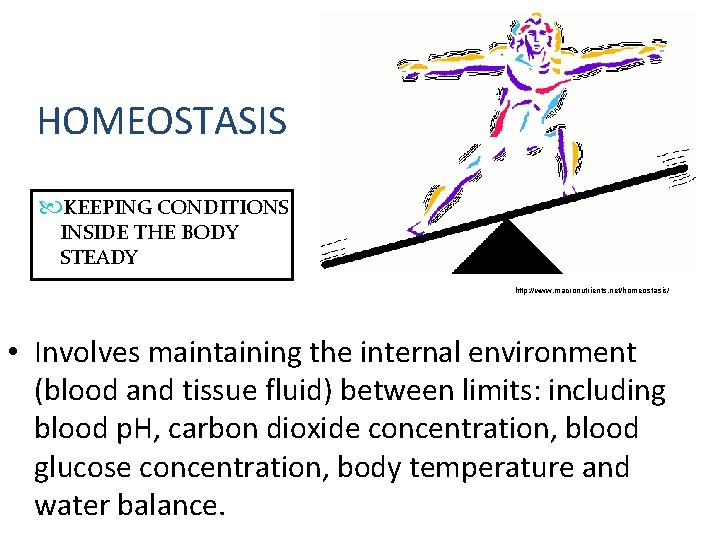
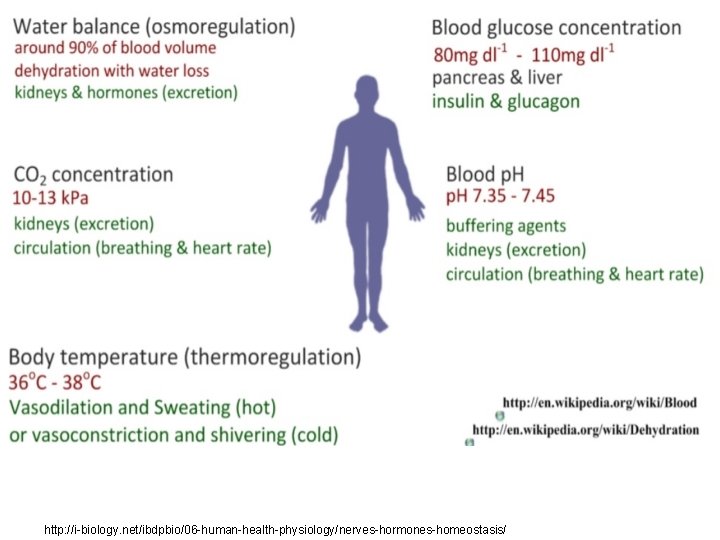
HOMEOSTASIS KEEPING CONDITIONS INSIDE THE BODY STEADY http: //www. macronutrients. net/homeostasis/ • Involves maintaining the internal environment (blood and tissue fluid) between limits: including blood p. H, carbon dioxide concentration, blood glucose concentration, body temperature and water balance.
http: //i-biology. net/ibdpbio/06 -human-health-physiology/nerves-hormones-homeostasis/
HOMEWORK http: //www. phys. unsw. edu. au/biosnippets/
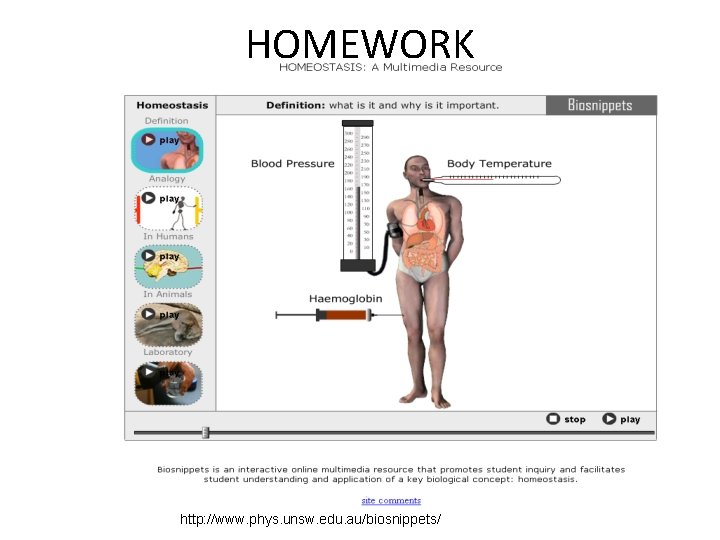
HOMEWORK • Use the examples from previous animation to explain those terms: NEGATIVE FEEDBACK POSITIVE FEEDBACK • Write down your elaborated answer and put in your portfolio
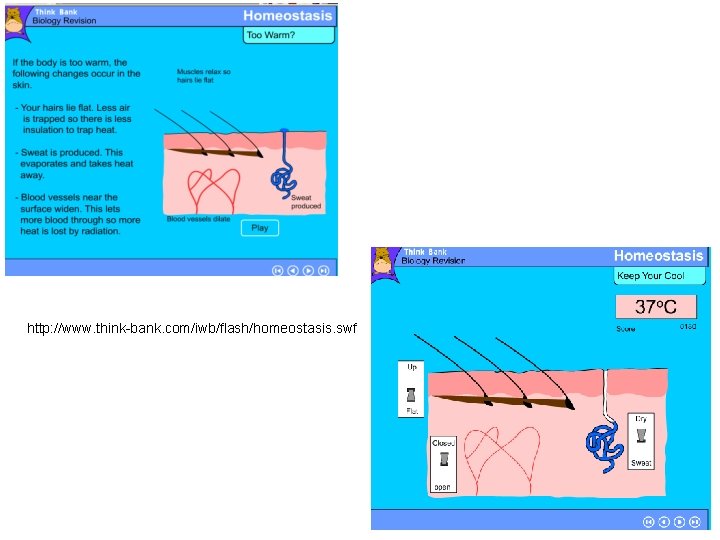
http: //www. think-bank. com/iwb/flash/homeostasis. swf
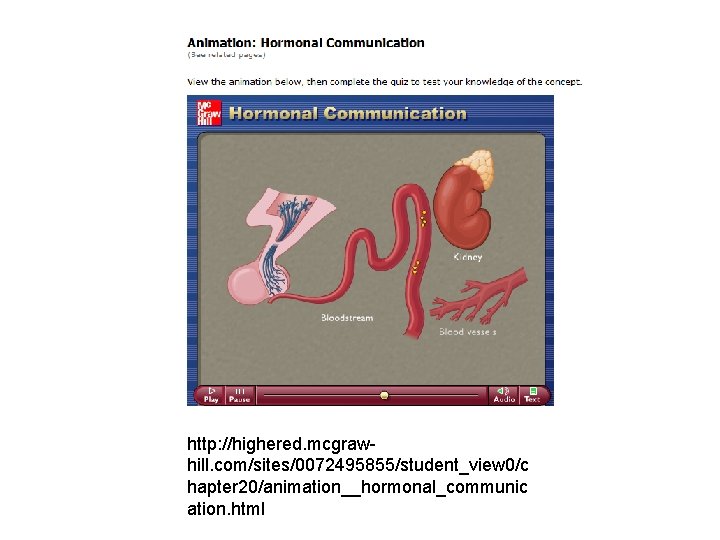
http: //highered. mcgrawhill. com/sites/0072495855/student_view 0/c hapter 20/animation__hormonal_communic ation. html
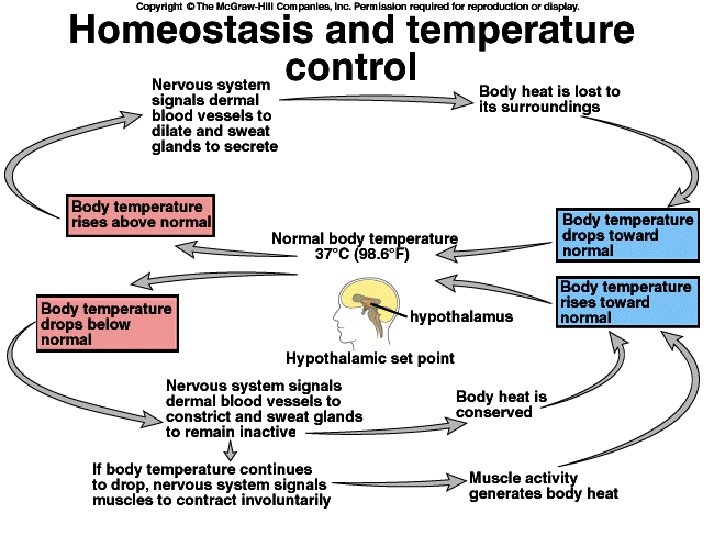
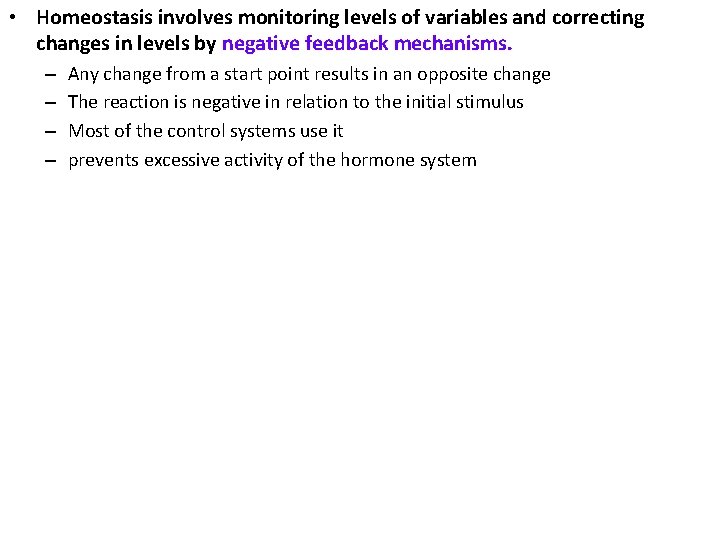
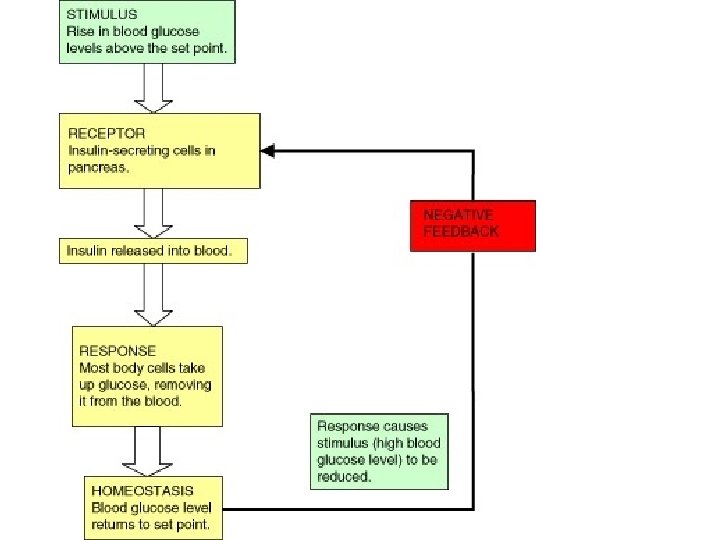
• Homeostasis involves monitoring levels of variables and correcting changes in levels by negative feedback mechanisms. – – Any change from a start point results in an opposite change The reaction is negative in relation to the initial stimulus Most of the control systems use it prevents excessive activity of the hormone system
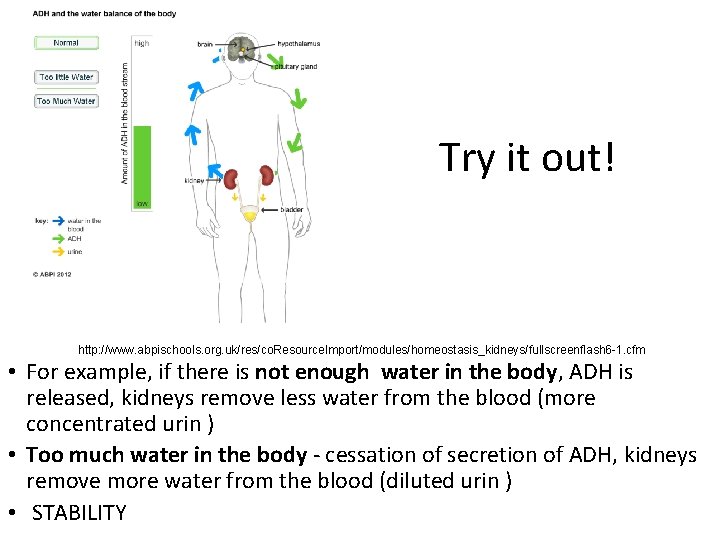
Try it out! http: //www. abpischools. org. uk/res/co. Resource. Import/modules/homeostasis_kidneys/fullscreenflash 6 -1. cfm • For example, if there is not enough water in the body, ADH is released, kidneys remove less water from the blood (more concentrated urin ) • Too much water in the body - cessation of secretion of ADH, kidneys remove more water from the blood (diluted urin ) • STABILITY
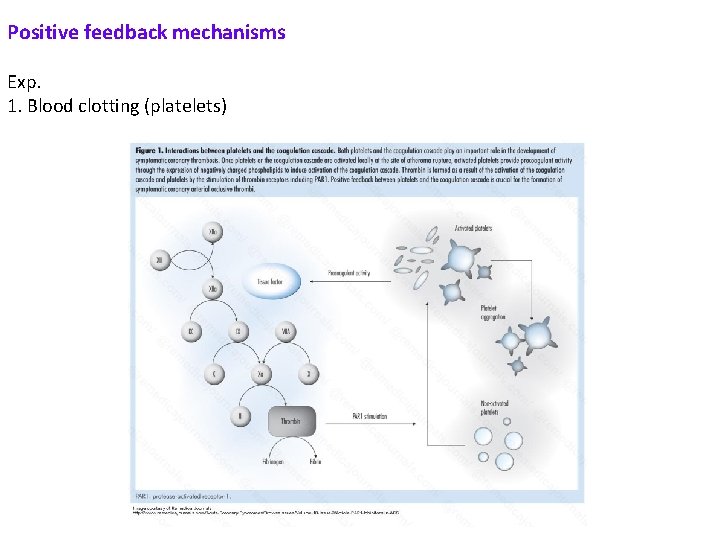
Positive feedback mechanisms Exp. 1. Blood clotting (platelets)
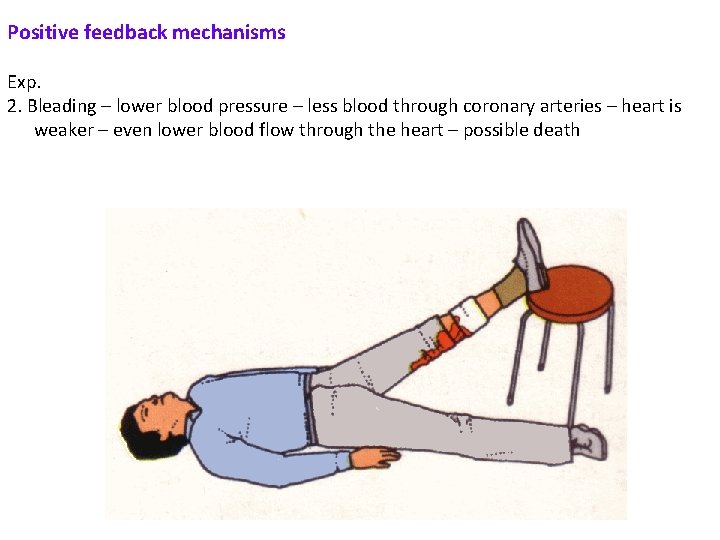
Positive feedback mechanisms Exp. 2. Bleading – lower blood pressure – less blood through coronary arteries – heart is weaker – even lower blood flow through the heart – possible death
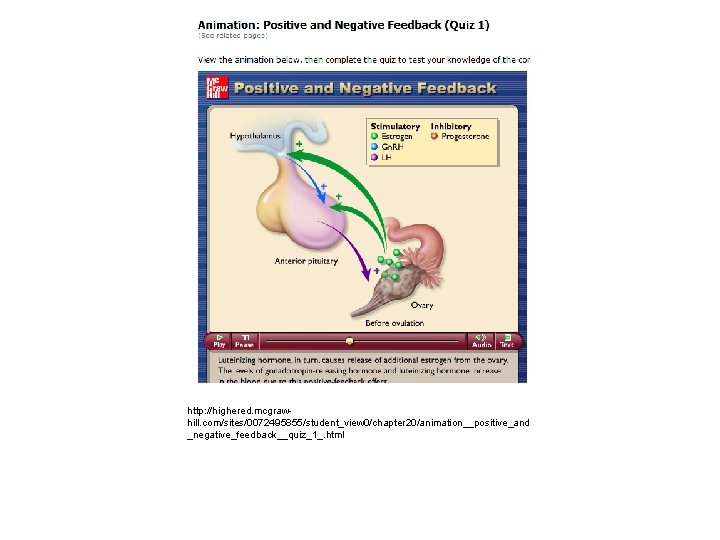
http: //highered. mcgrawhill. com/sites/0072495855/student_view 0/chapter 20/animation__positive_and _negative_feedback__quiz_1_. html
- Slides: 13