
Homeostasis Homeostasis Keeping an organisms internal environment stable
Homeostasis

Homeostasis • Keeping an organism’s internal environment stable • Examples: Water balance Temperature Blood pressure
Feedback Mechanisms • Help the organism respond to stimuli and maintain homeostasis on a large scale (whole body)
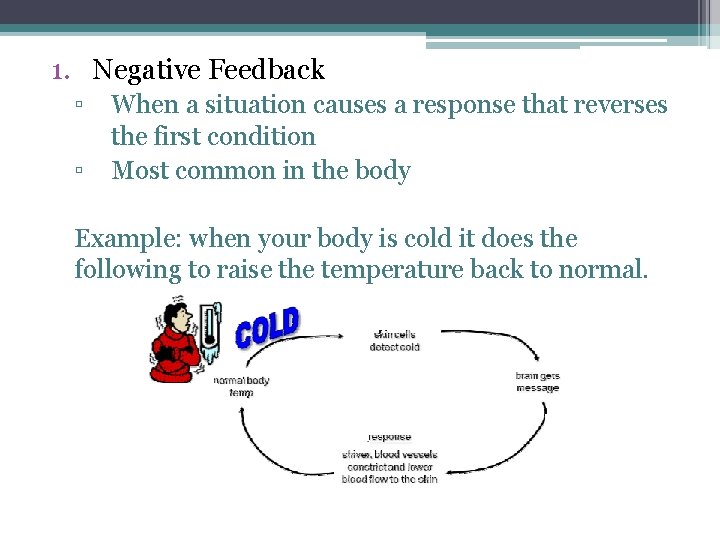
1. Negative Feedback ▫ ▫ When a situation causes a response that reverses the first condition Most common in the body Example: when your body is cold it does the following to raise the temperature back to normal.
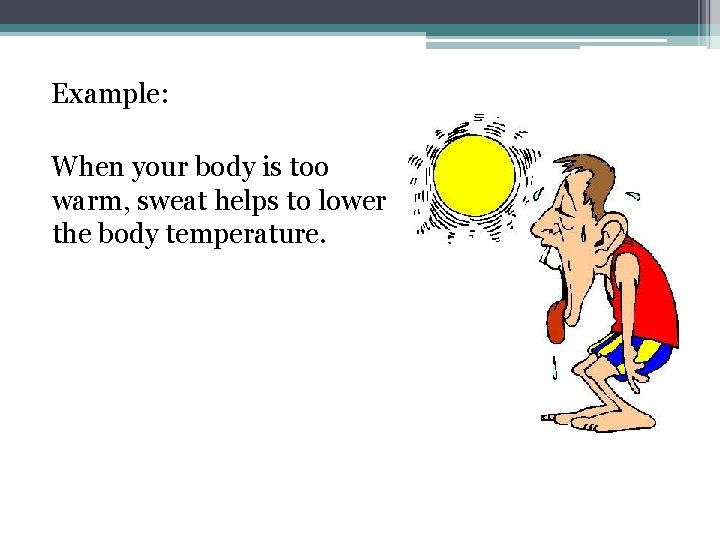
Example: When your body is too warm, sweat helps to lower the body temperature.
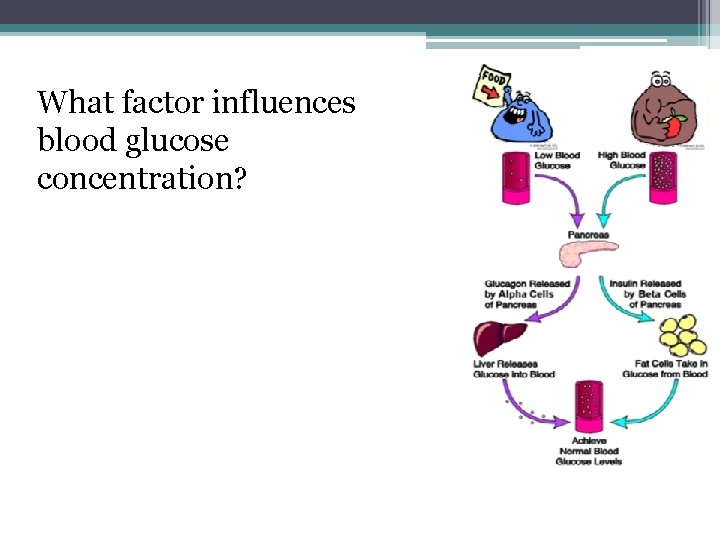
What factor influences blood glucose concentration? Amount of time since eating
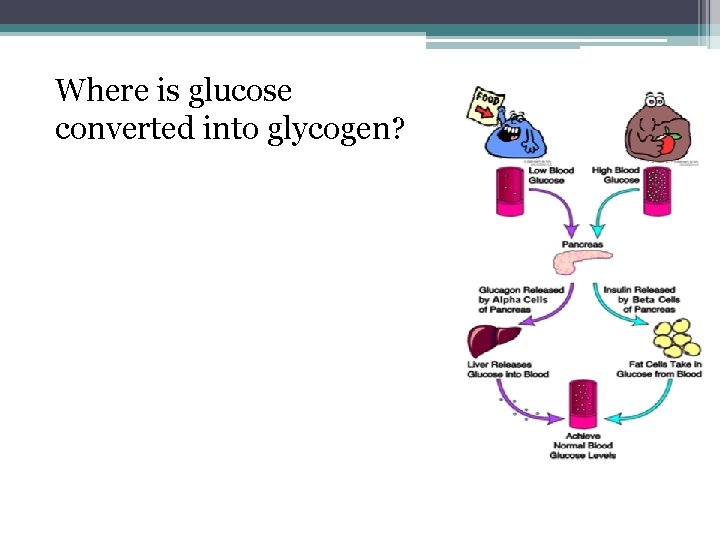
Where is glucose converted into glycogen? pancreas
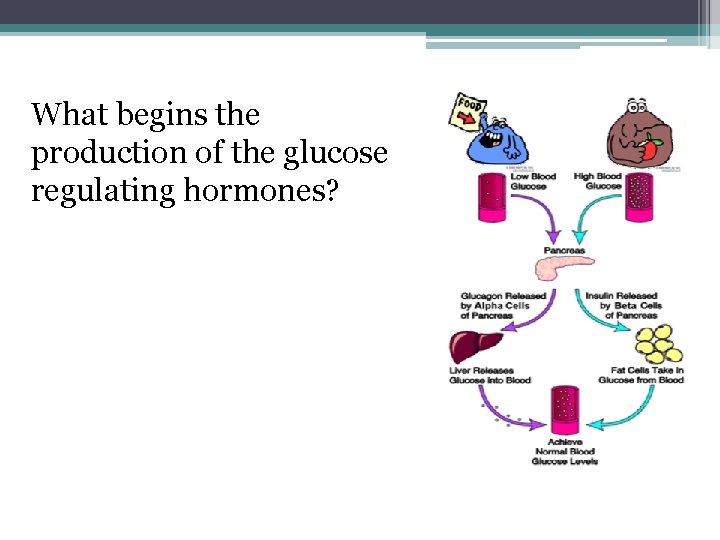
What begins the production of the glucose regulating hormones? Amount of glucose in blood
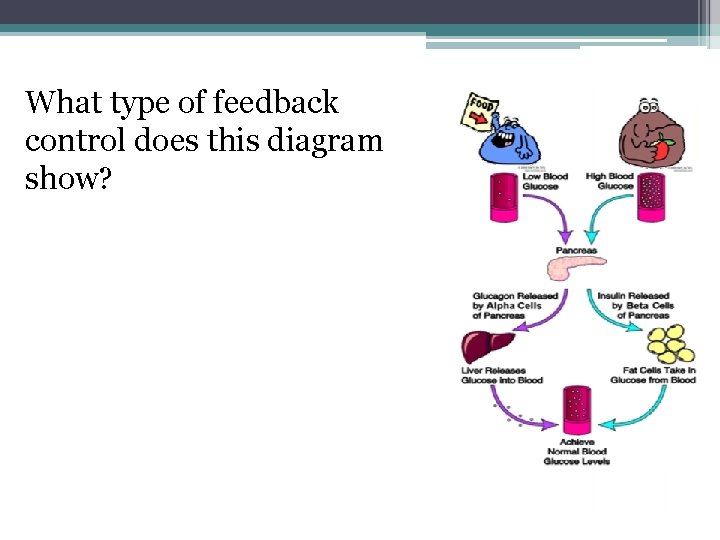
What type of feedback control does this diagram show? Negative (because low becomes normal and high becomes normal)
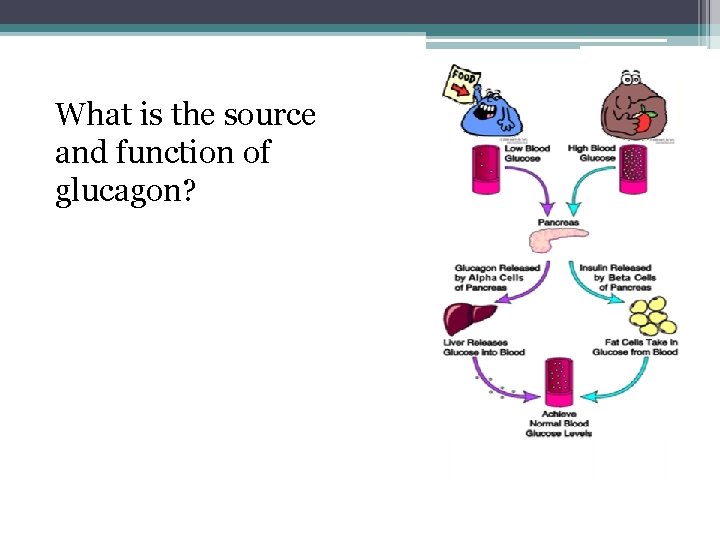
What is the source and function of glucagon? Pancreas, causes liver to release glucose into blood
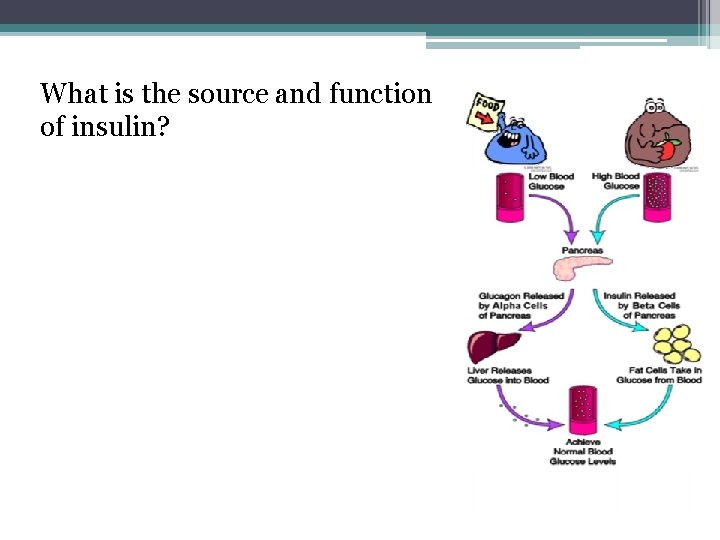
What is the source and function of insulin? Beta cells of pancreas, lowers glucose level
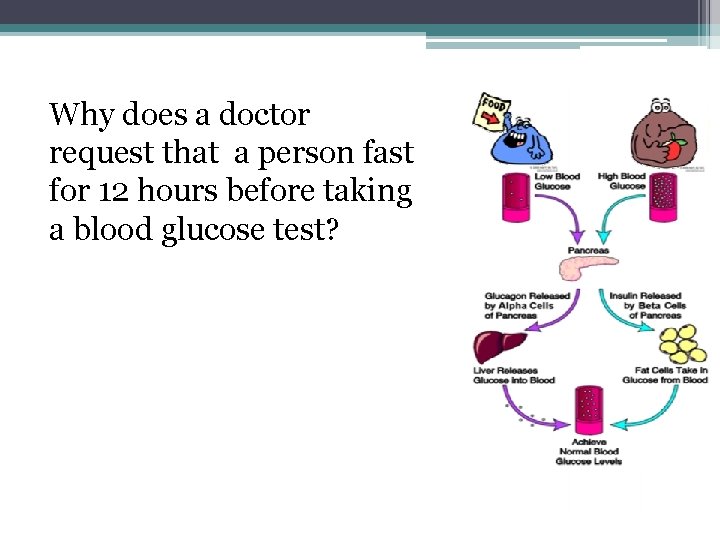
Why does a doctor request that a person fast for 12 hours before taking a blood glucose test? Eating would raise the levels of glucose in the blood and they would not get a normal reading.
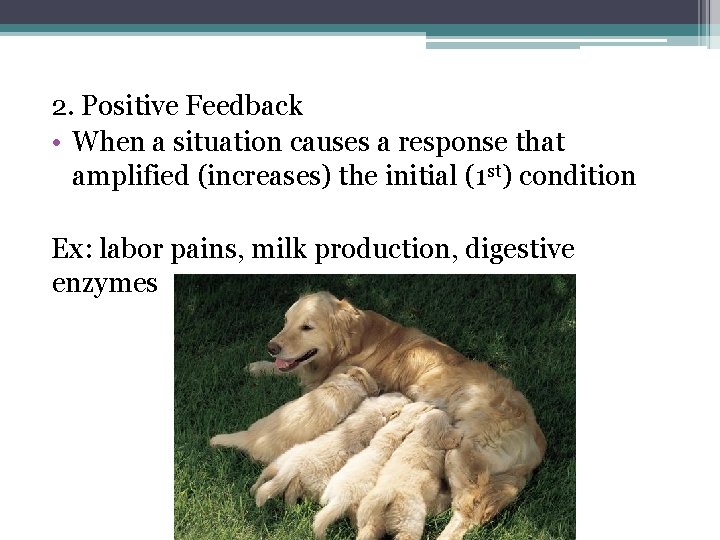
2. Positive Feedback • When a situation causes a response that amplified (increases) the initial (1 st) condition Ex: labor pains, milk production, digestive enzymes
On a small scale, individual cells maintain homeostasis by controlling what gets into and out of cell
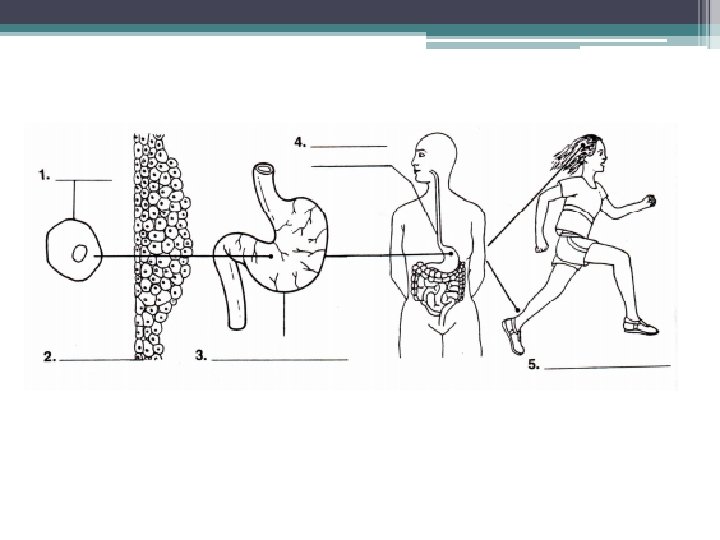
The Cell • Smallest unit of life that can carry on all processes of life • Unicellular or multicellular • Multicellular organization cells tissues organ systems organism
Cell Theory The scientists Schwann, Schleiden, and Virchow contributed to the cell theory… 1. All living things are made of one or more cells 1. Cells are an organisms’ basic unit of structure and function 1. Cells only come from preexisting cells (mitosis)
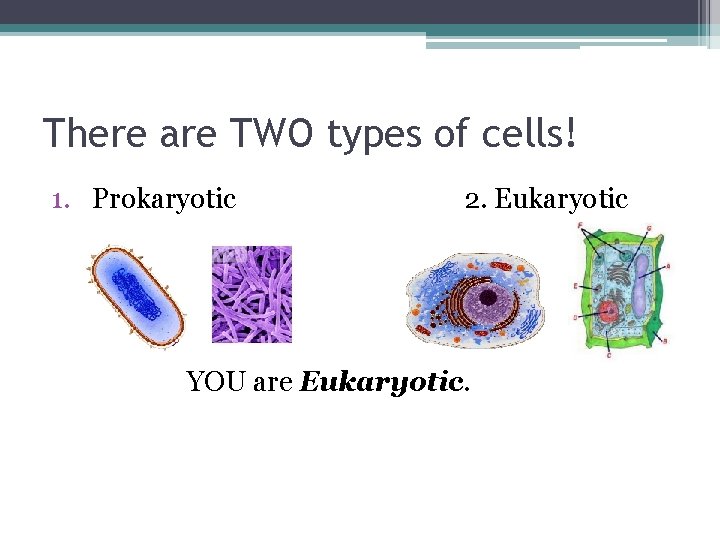
There are TWO types of cells! 1. Prokaryotic 2. Eukaryotic YOU are Eukaryotic.
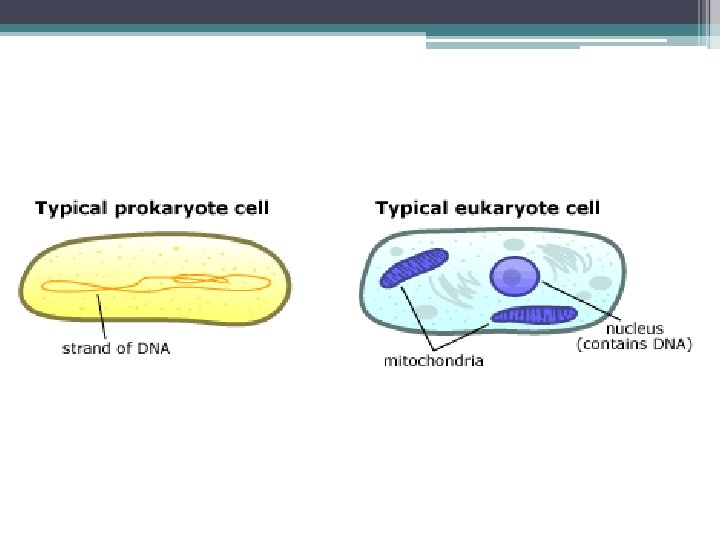
Prokaryote • • • DOES NOT have membrane bound nucleus DOES NOT have organelles with a membrane Smaller cells ALWAYS unicellular ONLY bacteria
Eukaryote • • • HAS a membrane bound nucleus HAS organelles with a membrane LARGER cells Unicellular or multicellular organisms Everything EXCEPT bacteria
- Slides: 21