
Holt Call to Freedom Chapter 4 The English

- Slides: 96
Holt Call to Freedom Chapter 4: The English Colonies (1605 -1735) © Holt Call To Freedom
4. 1 The Virginia Colony Objectives: o Explain why people in England were interested in founding Jamestown and when the colony was established. o Analyze how the Jamestown colonists interacted with local American Indians. o Analyze how the English plantation system began. o Examine the role indentured servants and enslaved Africans played in Virginia’s economy. © Holt Call To Freedom
I. Settlement in Jamestown © Holt Call To Freedom
I. Settlement in Jamestown A. London Company was formed in 1605 to establish a new settlement. © Holt Call To Freedom
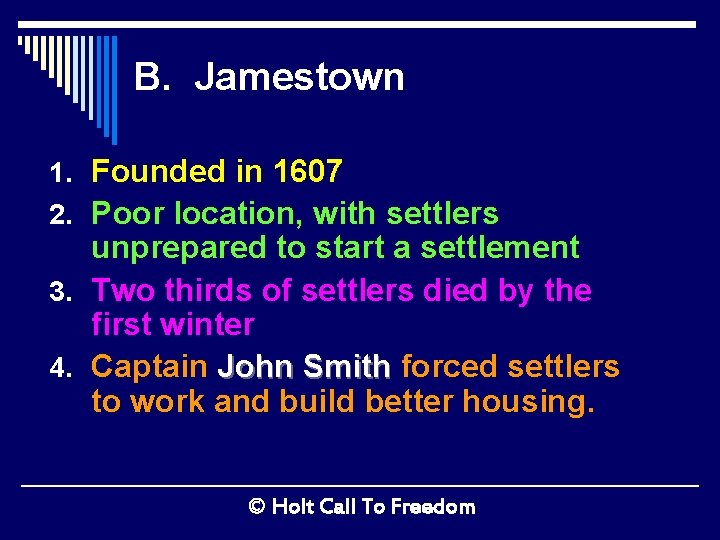
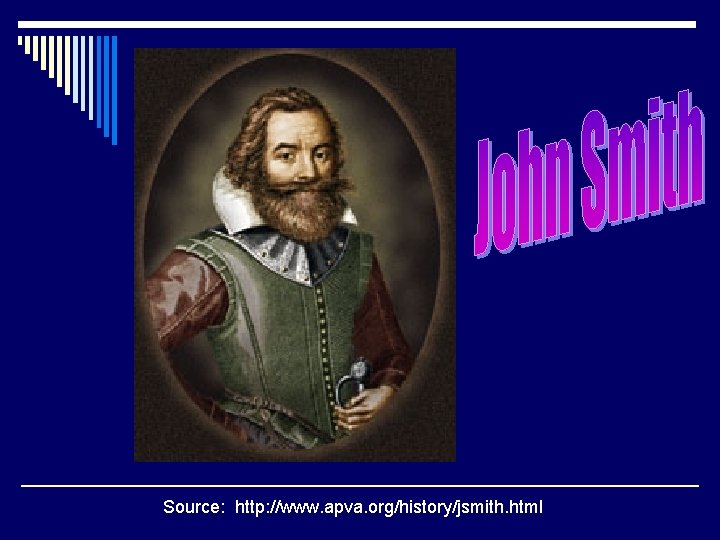
B. Jamestown 1. Founded in 1607 2. Poor location, with settlers unprepared to start a settlement 3. Two thirds of settlers died by the first winter 4. Captain John Smith forced settlers to work and build better housing. © Holt Call To Freedom
Source: http: //www. apva. org/history/jsmith. html
II. The Powhatan Confederacy © Holt Call To Freedom
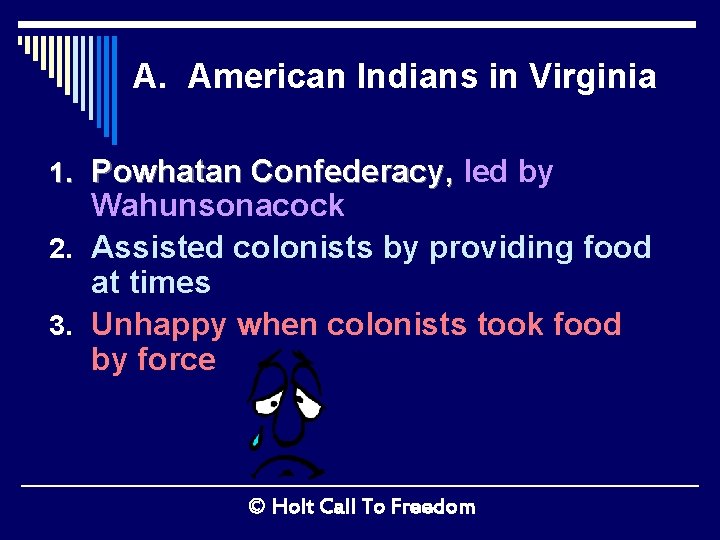
A. American Indians in Virginia 1. Powhatan Confederacy, led by Wahunsonacock 2. Assisted colonists by providing food at times 3. Unhappy when colonists took food by force © Holt Call To Freedom
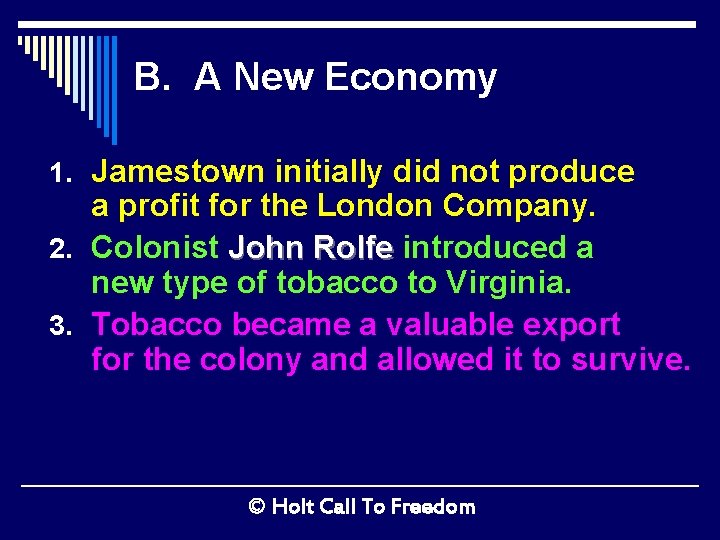
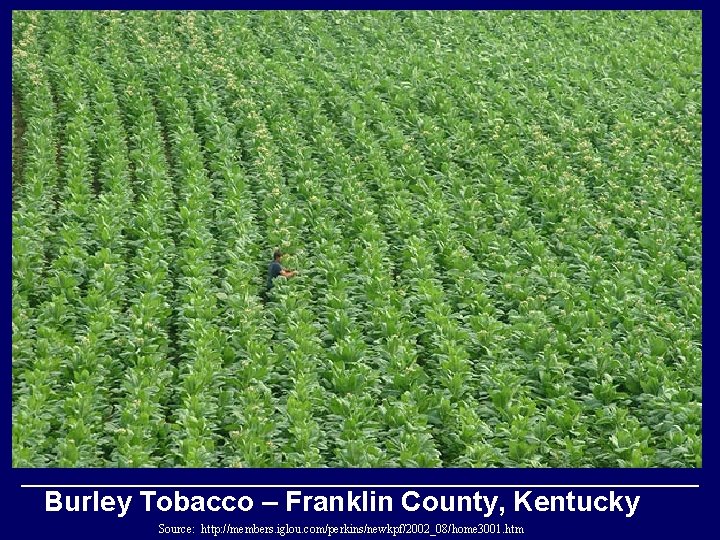
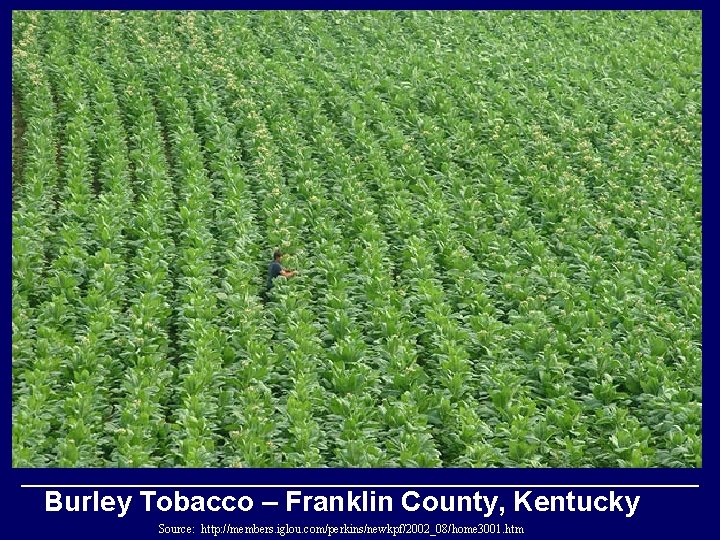
B. A New Economy 1. Jamestown initially did not produce a profit for the London Company. 2. Colonist John Rolfe introduced a new type of tobacco to Virginia. 3. Tobacco became a valuable export for the colony and allowed it to survive. © Holt Call To Freedom
4. 2 – Competing Claims in North America C. The English Settle at Jamestown Burley Tobacco – Franklin County, Kentucky Source: http: //members. iglou. com/perkins/newkpf/2002_08/home 3001. htm
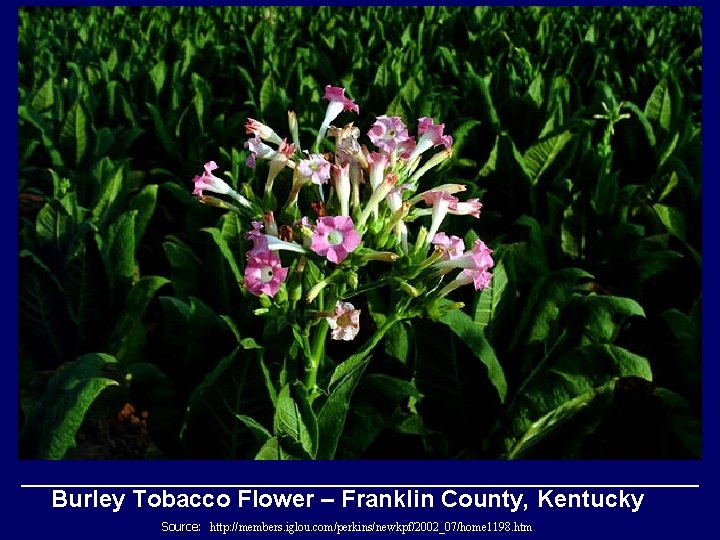
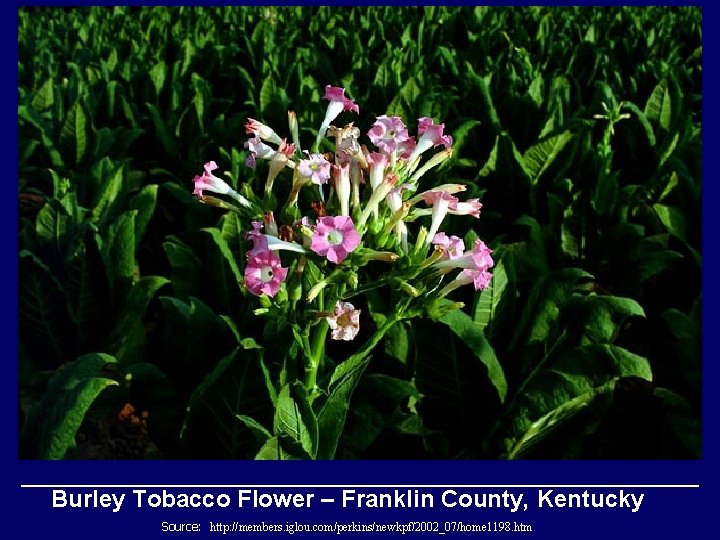
4. 2 – Competing Claims in North America C. The English Settle at Jamestown Burley Tobacco Flower – Franklin County, Kentucky Source: http: //members. iglou. com/perkins/newkpf/2002_07/home 1198. htm
III. War in Virginia © Holt Call To Freedom
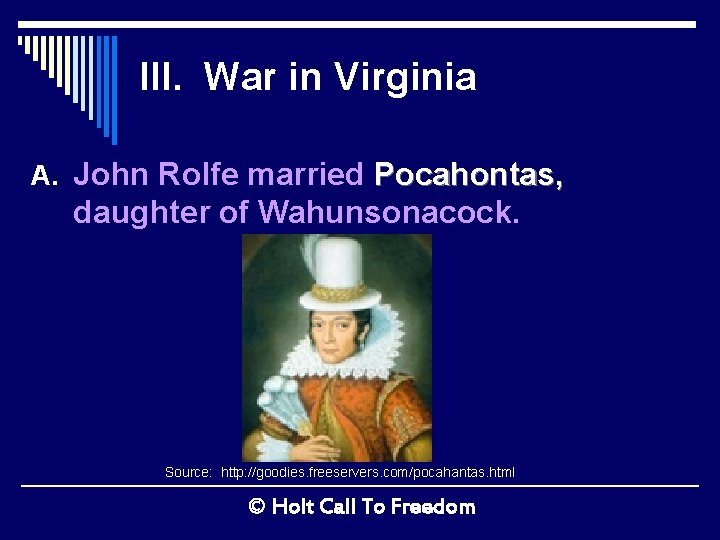
III. War in Virginia A. John Rolfe married Pocahontas, daughter of Wahunsonacock. Source: http: //goodies. freeservers. com/pocahantas. html © Holt Call To Freedom
B. Conflict 1. Colonists no longer relied upon American Indians for food. 2. Colonists desired American Indian land for tobacco farms. 3. American Indians launched a major attack on Virginia settlers in 1622. © Holt Call To Freedom
B. Conflict 4. War continued for some 20 years. 5. The English Crown canceled the London Company’s charter, and Virginia became a royal colony under the king’s control. © Holt Call To Freedom
IV. Daily Life in Virginia © Holt Call To Freedom
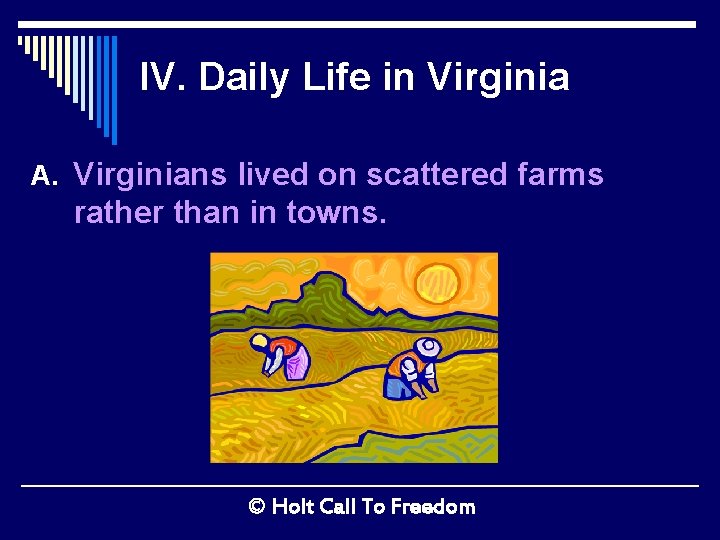
IV. Daily Life in Virginia A. Virginians lived on scattered farms rather than in towns. © Holt Call To Freedom
IV. Daily Life in Virginia B. The headright system allowed colonists to earn 50 acres of land for every settler they brought over from England. © Holt Call To Freedom
V. Labor in Virginia © Holt Call To Freedom
A. An Early Labor System 1. Most plantation workers were indentured servants, or colonists who agreed to work for four to seven years in exchange for passage across the Atlantic. 2. Indentured servants endured poor living conditions. © Holt Call To Freedom
B. Slavery 1. First Africans, some of whom were indentured servants, arrived in 1619. 2. Over time, demand for more workers led planters – wealthy farmers with large plantations – to turn to slave labor. 3. By the late 1600 s, most Africans in Virginia were kept in lifelong slavery. © Holt Call To Freedom
VI. Bacon’s Rebellion © Holt Call To Freedom
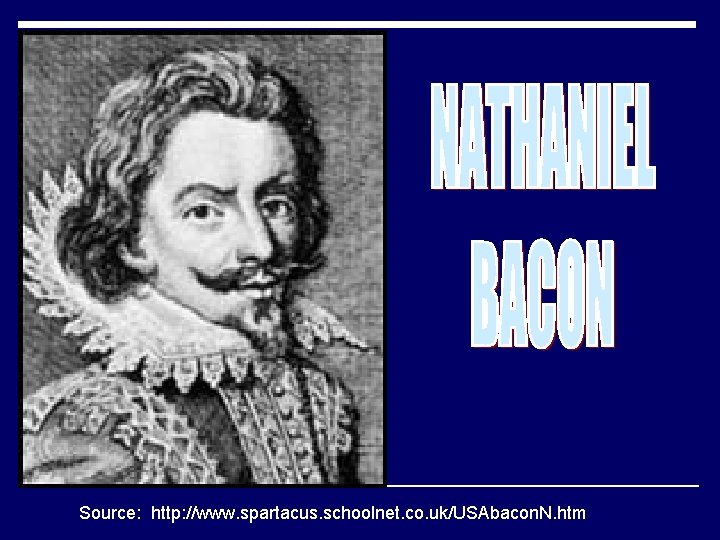
VI. Bacon’s Rebellion A. In 1676 Nathaniel Bacon, a wealthy frontier planter, led former indentured servants in an attack against peaceful American Indians to take their land. © Holt Call To Freedom
Source: http: //www. spartacus. schoolnet. co. uk/USAbacon. N. htm
VI. Bacon’s Rebellion B. Angry at the governor for trying to stop them, Bacon and his followers attacked Jamestown in an uprising called Bacon’s Rebellion. © Holt Call To Freedom
VI. Bacon’s Rebellion C. The rebellion failed, and fear of future rebellions led many planters to favor slaves over indentured servants. © Holt Call To Freedom
4. 2 The Pilgrims’ Experience Objectives: o Explain why the Pilgrims came to America. o Define the Mayflower Compact, and explain why it was important. o Describe life in the Plymouth colony. © Holt Call To Freedom
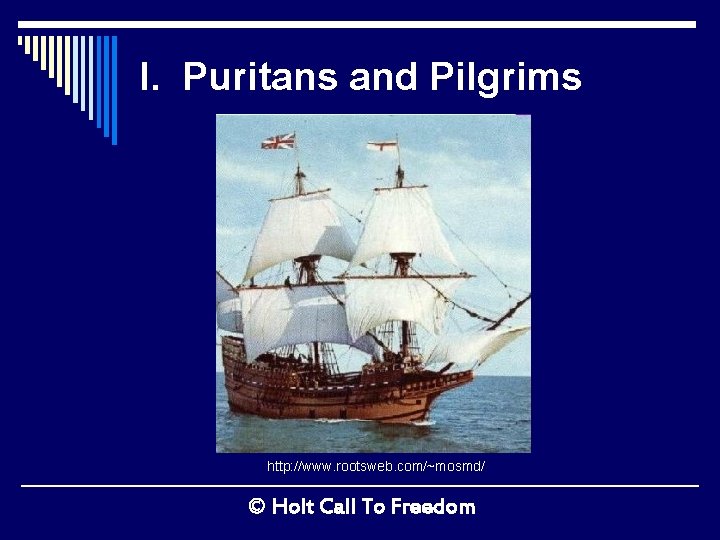
I. Puritans and Pilgrims http: //www. rootsweb. com/~mosmd/ © Holt Call To Freedom
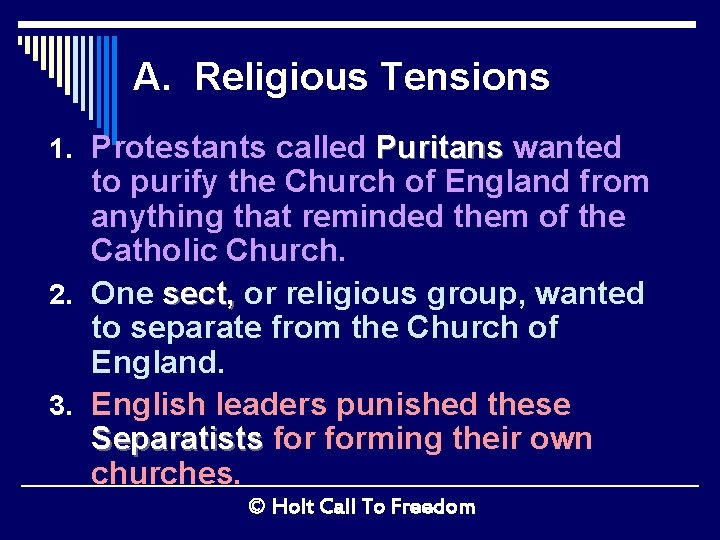
A. Religious Tensions 1. Protestants called Puritans wanted to purify the Church of England from anything that reminded them of the Catholic Church. 2. One sect, or religious group, wanted to separate from the Church of England. 3. English leaders punished these Separatists forming their own churches. © Holt Call To Freedom
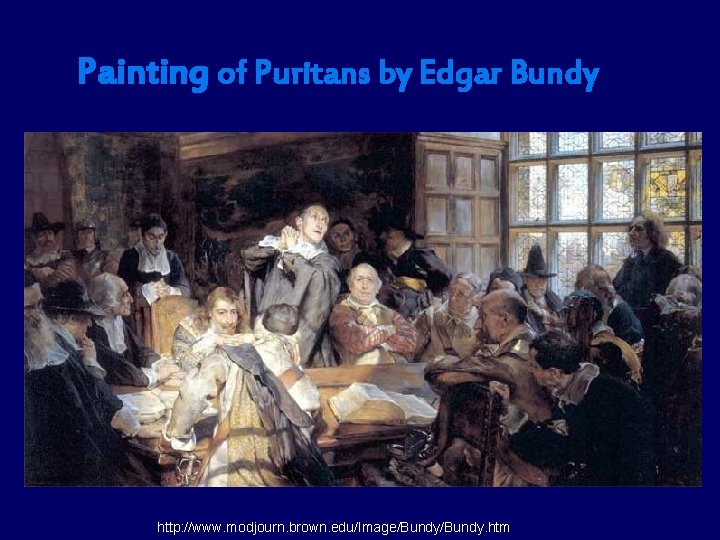
Painting of Puritans by Edgar Bundy http: //www. modjourn. brown. edu/Image/Bundy. htm
B. The Pilgrims 1. One group of Separatists became known as the Pilgrims. 2. They were immigrants – people who come to a new country after leaving the land of their birth – who left England for the Netherlands in 1608. 3. Decided to leave the Netherlands to establish a colony in Virginia © Holt Call To Freedom
II. The Founding of Plymouth © Holt Call To Freedom
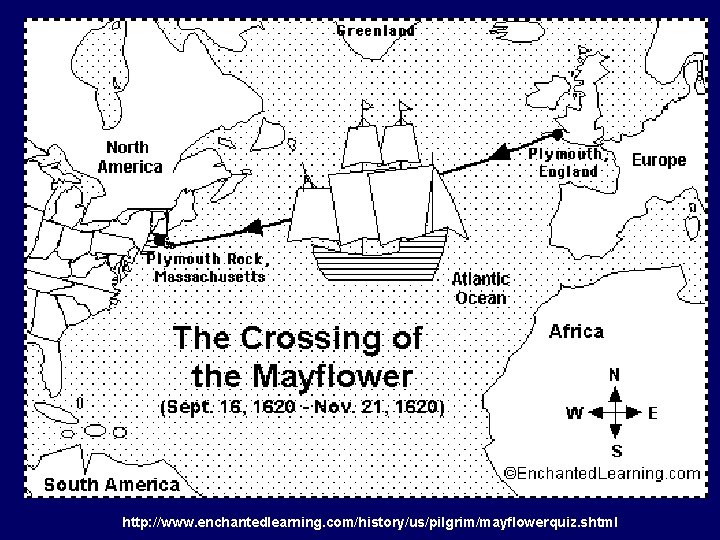
A. The Voyage 1. Pilgrims and others left England on the Mayflower in 1620. 2. Pilgrims such as William Bradford led the group. 3. Arrived way north of Virginia (@ Plymouth Rock in Massachusetts), because of a storm, after two months at sea © Holt Call To Freedom
http: //www. enchantedlearning. com/history/us/pilgrim/mayflowerquiz. shtml
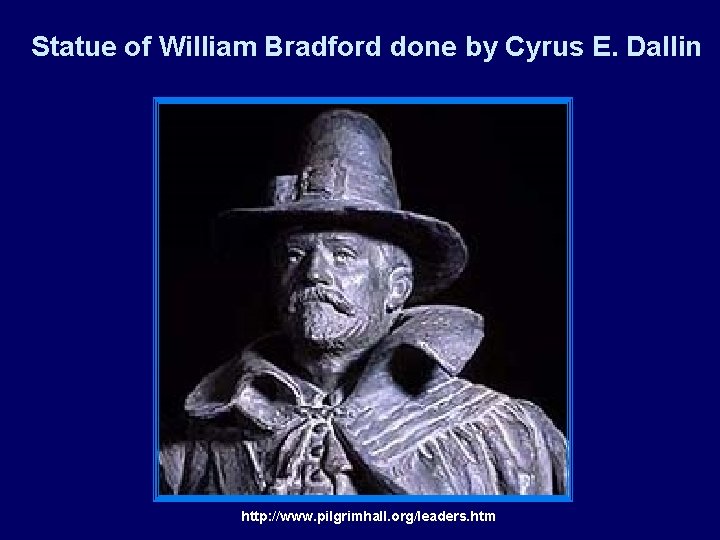
Statue of William Bradford done by Cyrus E. Dallin http: //www. pilgrimhall. org/leaders. htm
B. Creating a Colony 1. Male passengers on the ship signed the Mayflower Compact, an agreement to have fair laws to protect the general good. 2. Landed in Massachusetts in late 1620 3. Half the Pilgrims died from cold and sickness during the first winter. © Holt Call To Freedom
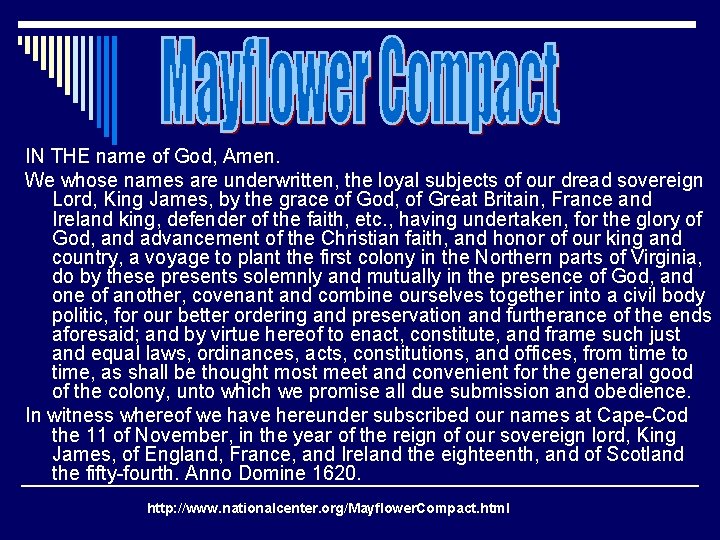
IN THE name of God, Amen. We whose names are underwritten, the loyal subjects of our dread sovereign Lord, King James, by the grace of God, of Great Britain, France and Ireland king, defender of the faith, etc. , having undertaken, for the glory of God, and advancement of the Christian faith, and honor of our king and country, a voyage to plant the first colony in the Northern parts of Virginia, do by these presents solemnly and mutually in the presence of God, and one of another, covenant and combine ourselves together into a civil body politic, for our better ordering and preservation and furtherance of the ends aforesaid; and by virtue hereof to enact, constitute, and frame such just and equal laws, ordinances, acts, constitutions, and offices, from time to time, as shall be thought most meet and convenient for the general good of the colony, unto which we promise all due submission and obedience. In witness whereof we have hereunder subscribed our names at Cape-Cod the 11 of November, in the year of the reign of our sovereign lord, King James, of England, France, and Ireland the eighteenth, and of Scotland the fifty-fourth. Anno Domine 1620. http: //www. nationalcenter. org/Mayflower. Compact. html
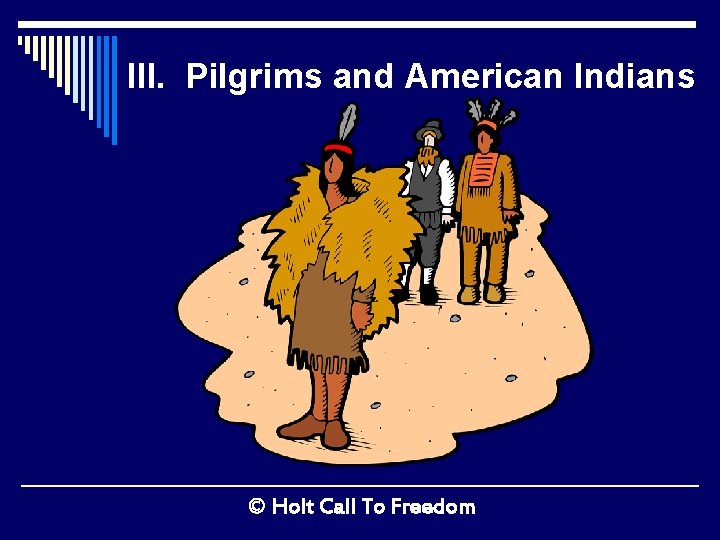
III. Pilgrims and American Indians © Holt Call To Freedom
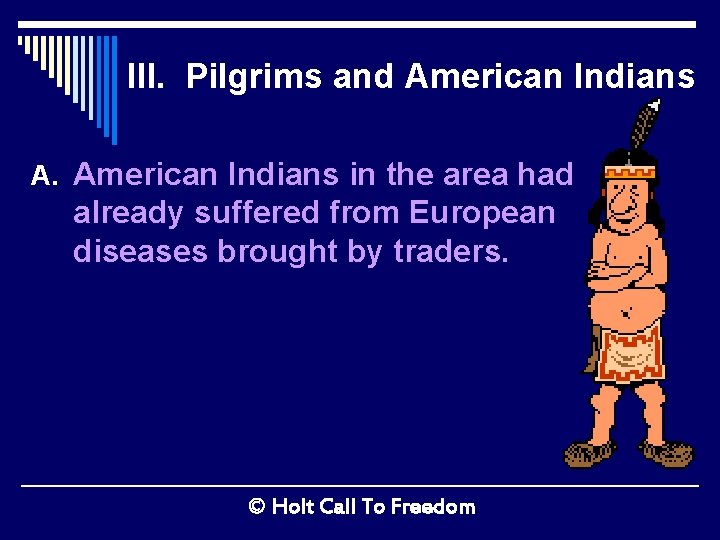
III. Pilgrims and American Indians A. American Indians in the area had already suffered from European diseases brought by traders. © Holt Call To Freedom
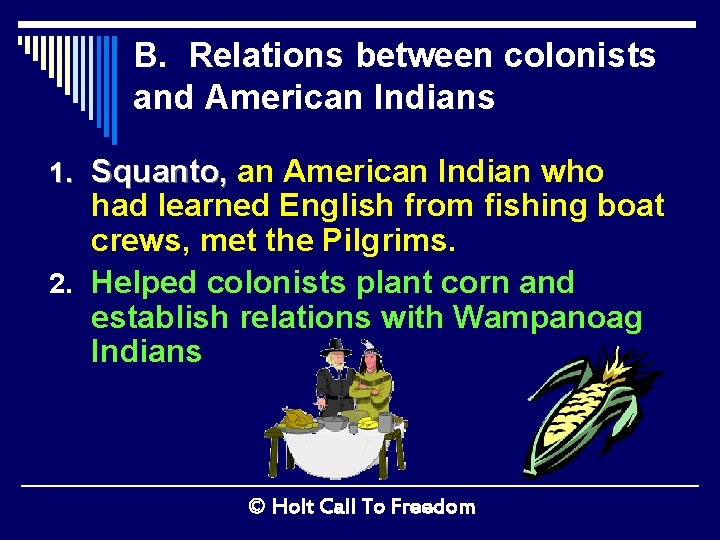
B. Relations between colonists and American Indians 1. Squanto, an American Indian who had learned English from fishing boat crews, met the Pilgrims. 2. Helped colonists plant corn and establish relations with Wampanoag Indians © Holt Call To Freedom
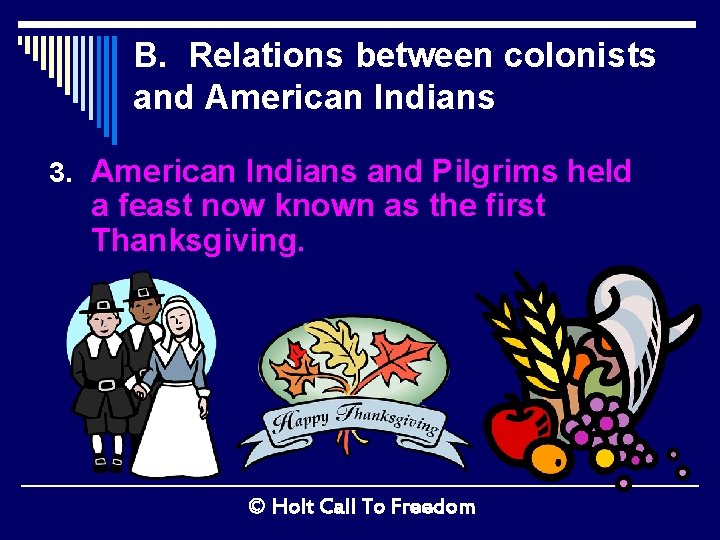
B. Relations between colonists and American Indians 3. American Indians and Pilgrims held a feast now known as the first Thanksgiving. © Holt Call To Freedom
IV. The Pilgrim Community © Holt Call To Freedom
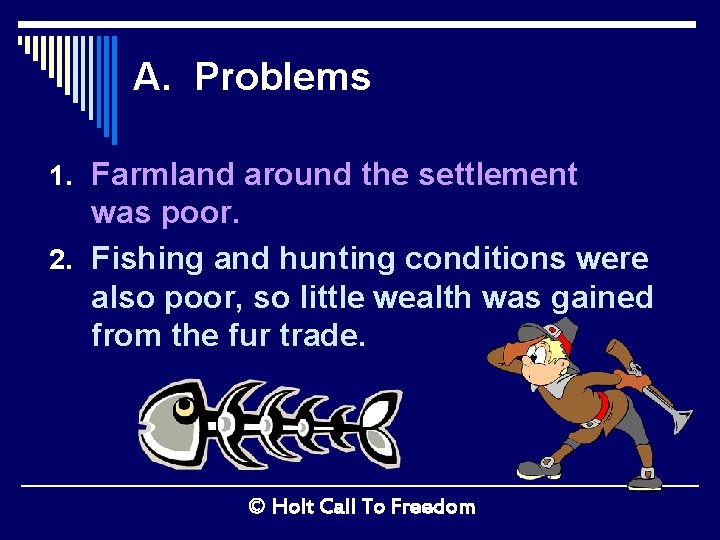
A. Problems 1. Farmland around the settlement was poor. 2. Fishing and hunting conditions were also poor, so little wealth was gained from the fur trade. © Holt Call To Freedom
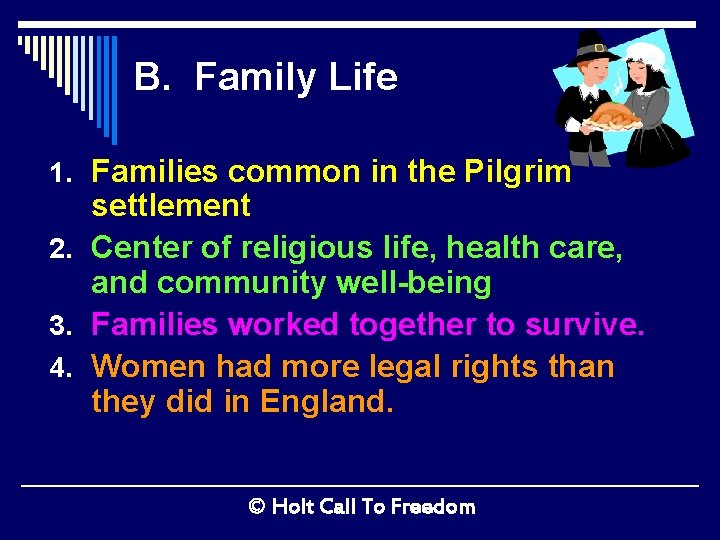
B. Family Life 1. Families common in the Pilgrim settlement 2. Center of religious life, health care, and community well-being 3. Families worked together to survive. 4. Women had more legal rights than they did in England. © Holt Call To Freedom
4. 3 The New England Colonies Objectives: o Explain the Great Migration and why it occurred. o Analyze the role that religion and church played in the Massachusetts Bay Colony. o Describe how the Puritans responded to dissenters. © Holt Call To Freedom
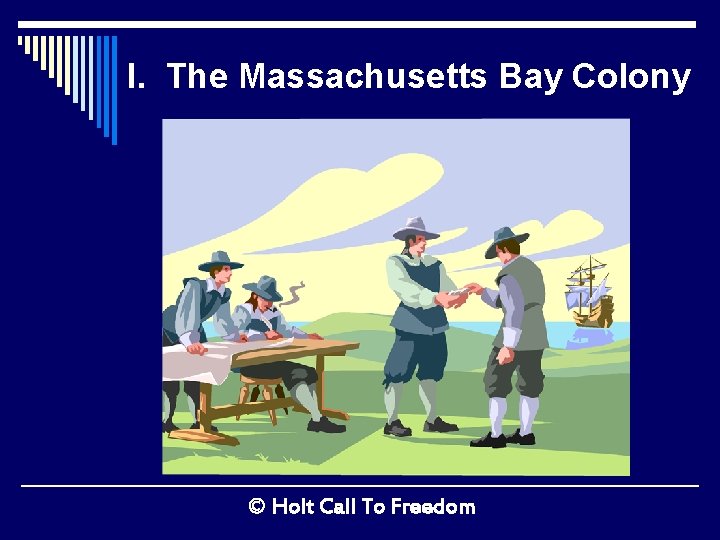
I. The Massachusetts Bay Colony © Holt Call To Freedom
A. Crisis in England 1. About 1620, England experienced an economic downturn. 2. King Charles raised taxes even as jobs disappeared. 3. Church of England punished Puritans as dissenters – people who disagree with official opinions. © Holt Call To Freedom
A. Crisis in England 4. Economic, political, and religious problems led to the Great Migration – tens of thousands of people leaving England. © Holt Call To Freedom
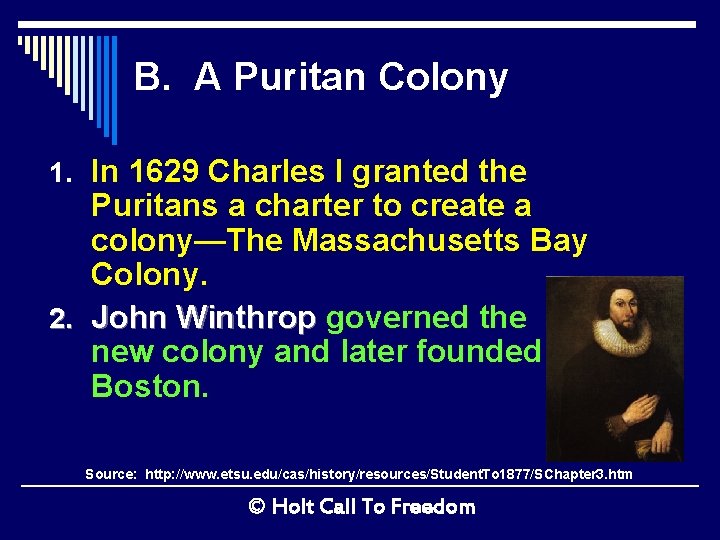
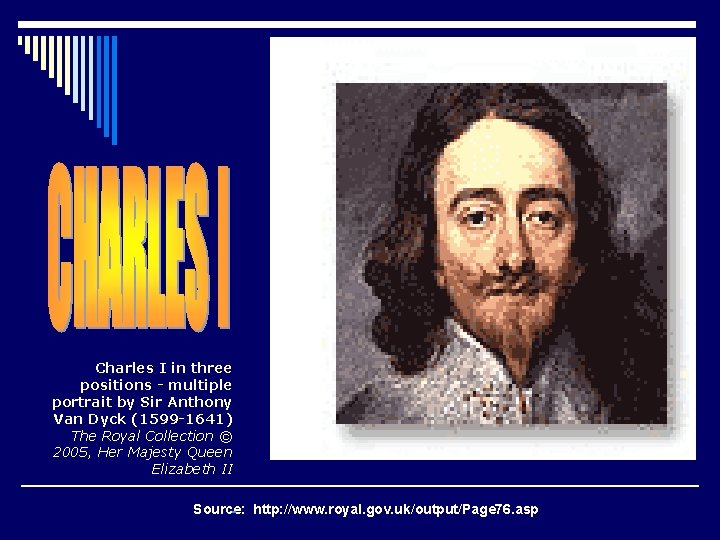
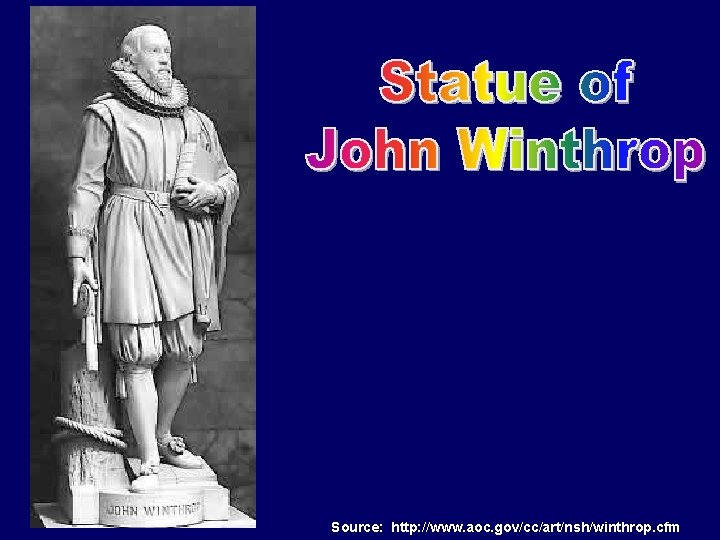
B. A Puritan Colony 1. In 1629 Charles I granted the Puritans a charter to create a colony—The Massachusetts Bay Colony. 2. John Winthrop governed the new colony and later founded Boston. Source: http: //www. etsu. edu/cas/history/resources/Student. To 1877/SChapter 3. htm © Holt Call To Freedom
Charles I in three positions - multiple portrait by Sir Anthony Van Dyck (1599 -1641) The Royal Collection © 2005, Her Majesty Queen Elizabeth II Source: http: //www. royal. gov. uk/output/Page 76. asp
B. A Puritan Colony 3. Puritans believed they had a covenant, or sacred agreement with God, to build an ideal Christian community. © Holt Call To Freedom
Source: http: //www. aoc. gov/cc/art/nsh/winthrop. cfm
II. Church and State in New England © Holt Call To Freedom
A. The Charter 1. Placed colony under English laws but allowed for some independence 2. Created a General Court to run the colony © Holt Call To Freedom
B. Politics and Religion 1. Closely linked in New England 2. Ministers could not hold government positions but had a great deal of authority. 3. Male church members were the only colonists who could vote. © Holt Call To Freedom
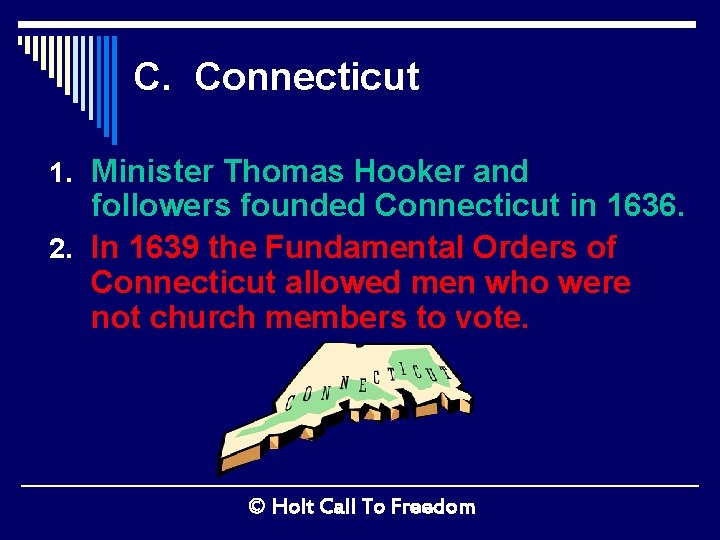
C. Connecticut 1. Minister Thomas Hooker and followers founded Connecticut in 1636. 2. In 1639 the Fundamental Orders of Connecticut allowed men who were not church members to vote. © Holt Call To Freedom
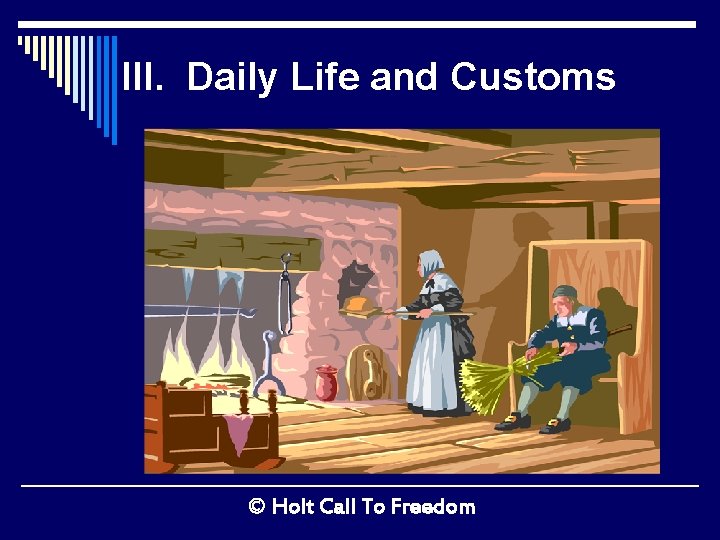
III. Daily Life and Customs © Holt Call To Freedom
III. Daily Life and Customs A. New England communities were more stable than those in Virginia. © Holt Call To Freedom
B. Economy 1. Farmers grew food for their own use rather than for sale. 2. Family members performed farm labor. © Holt Call To Freedom
III. Daily Life and Customs C. Education was highly valued in New England. © Holt Call To Freedom
IV. Dissent in Massachusetts © Holt Call To Freedom
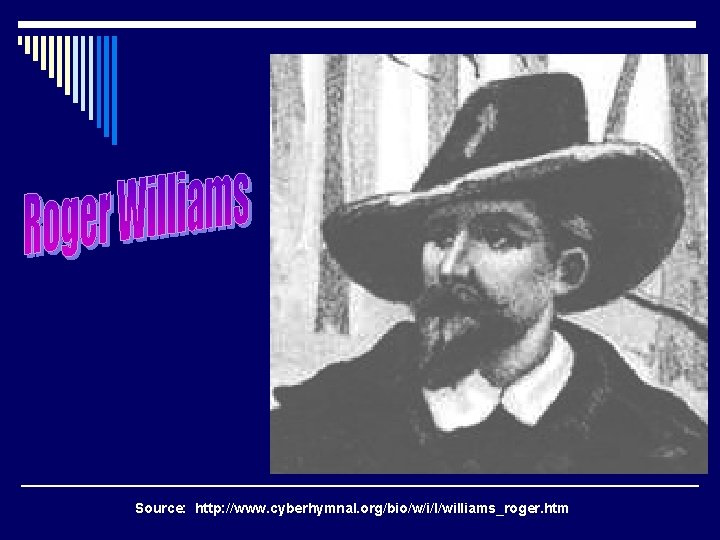
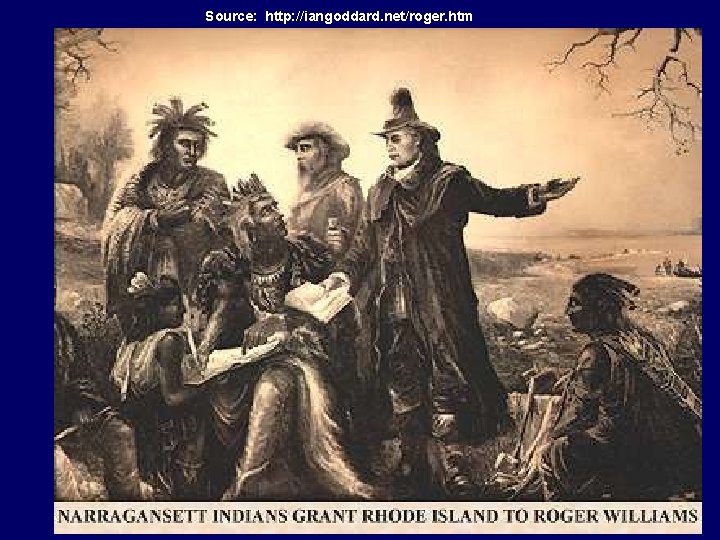
A. Rhode Island 1. Roger Williams disagreed with the leaders of Massachusetts. 2. In 1644 he received a charter to establish a settlement later known as Rhode Island. © Holt Call To Freedom
Source: http: //www. cyberhymnal. org/bio/w/i/l/williams_roger. htm
Source: http: //iangoddard. net/roger. htm
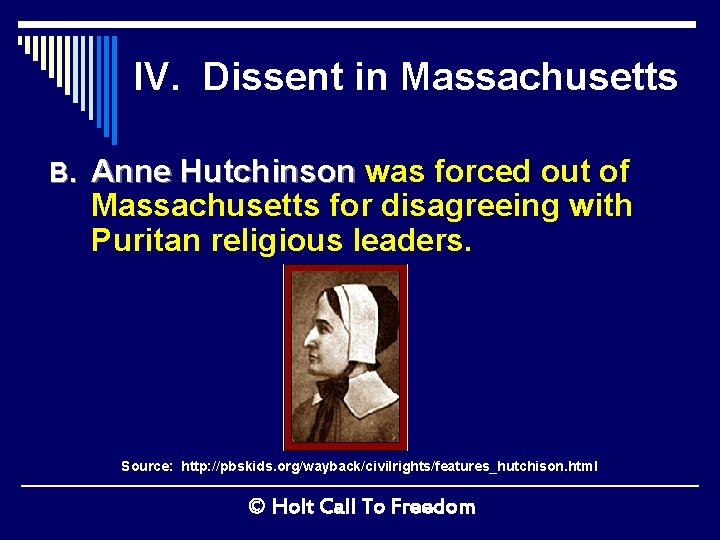
IV. Dissent in Massachusetts B. Anne Hutchinson was forced out of Massachusetts for disagreeing with Puritan religious leaders. Source: http: //pbskids. org/wayback/civilrights/features_hutchison. html © Holt Call To Freedom
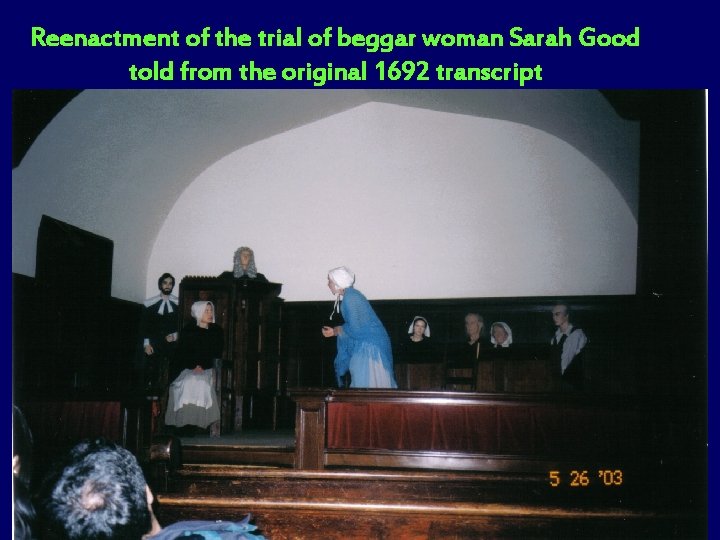
V. The Salem Witch Trials A. Girls in Salem accused people of casting spells on them. © Holt Call To Freedom
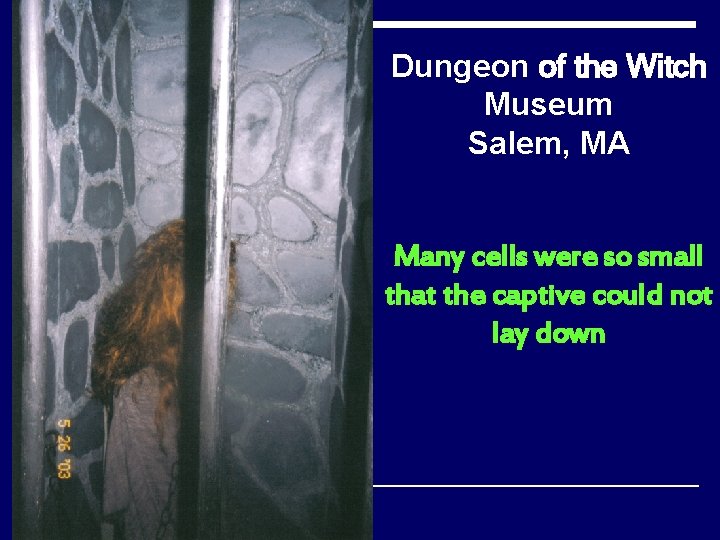
Dungeon of the Witch Museum Salem, MA Many cells were so small that the captive could not lay down
V. The Salem Witch Trials B. Trials led to 19 people being put to death. © Holt Call To Freedom
Reenactment of the trial of beggar woman Sarah Good told from the original 1692 transcript
V. The Salem Witch Trials C. Officials later apologized for the witch trials. © Holt Call To Freedom
4. 4 The Southern and Middle Colonies Objectives: o Discuss the role religion played in the founding and development of Maryland. o Explain how the Carolinas were established and how their economies developed. o Describe how the middle colonies were founded. © Holt Call To Freedom
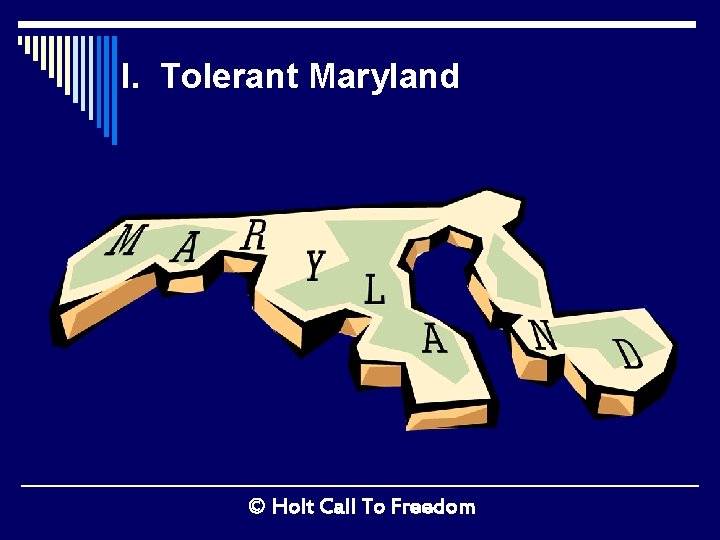
I. Tolerant Maryland © Holt Call To Freedom
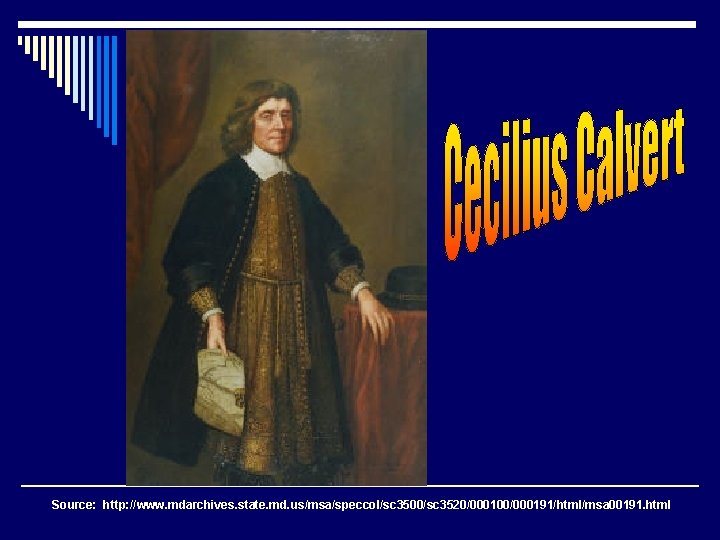
A. Catholics in England 1. Could not worship freely 2. In 1632 Cecilius Calvert obtained a charter to establish a colony that he hoped would be a refuge for Catholics. © Holt Call To Freedom
Source: http: //www. mdarchives. state. md. us/msa/speccol/sc 3500/sc 3520/000100/000191/html/msa 00191. html
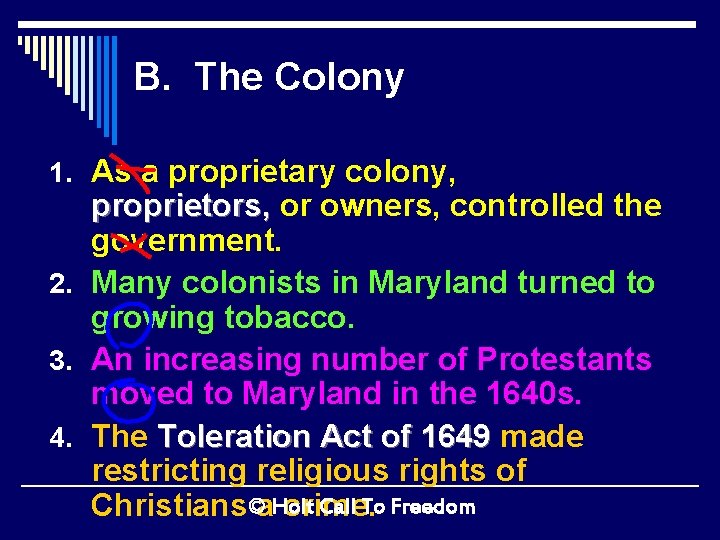
B. The Colony 1. As a proprietary colony, proprietors, or owners, controlled the government. 2. Many colonists in Maryland turned to growing tobacco. 3. An increasing number of Protestants moved to Maryland in the 1640 s. 4. The Toleration Act of 1649 made restricting religious rights of Call To Freedom Christians©a. Holt crime.
4. 2 – Competing Claims in North America C. The English Settle at Jamestown Burley Tobacco – Franklin County, Kentucky Source: http: //members. iglou. com/perkins/newkpf/2002_08/home 3001. htm
4. 2 – Competing Claims in North America C. The English Settle at Jamestown Burley Tobacco Flower – Franklin County, Kentucky Source: http: //members. iglou. com/perkins/newkpf/2002_07/home 1198. htm
II. The Carolinas © Holt Call To Freedom
II. The Carolinas A. Considered a single colony from 1663 to 1712 © Holt Call To Freedom
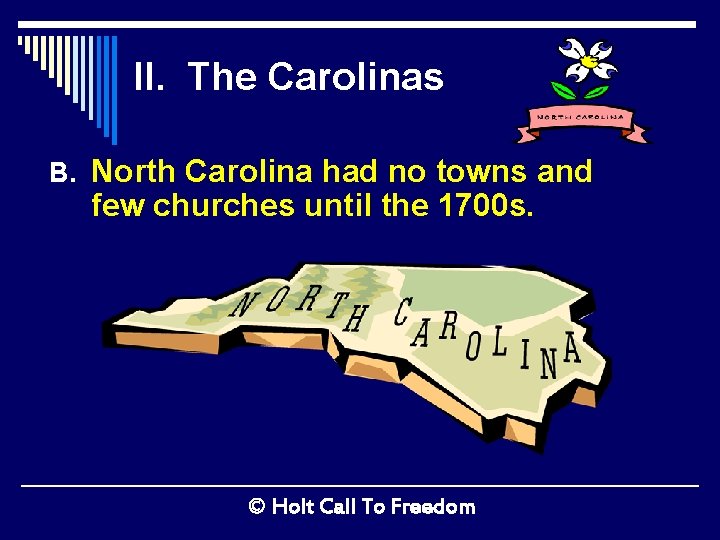
II. The Carolinas B. North Carolina had no towns and few churches until the 1700 s. © Holt Call To Freedom
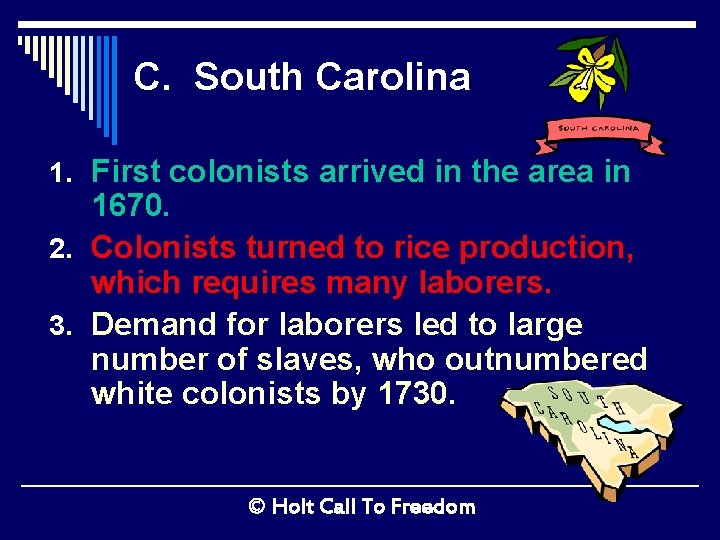
C. South Carolina 1. First colonists arrived in the area in 1670. 2. Colonists turned to rice production, which requires many laborers. 3. Demand for laborers led to large number of slaves, who outnumbered white colonists by 1730. © Holt Call To Freedom
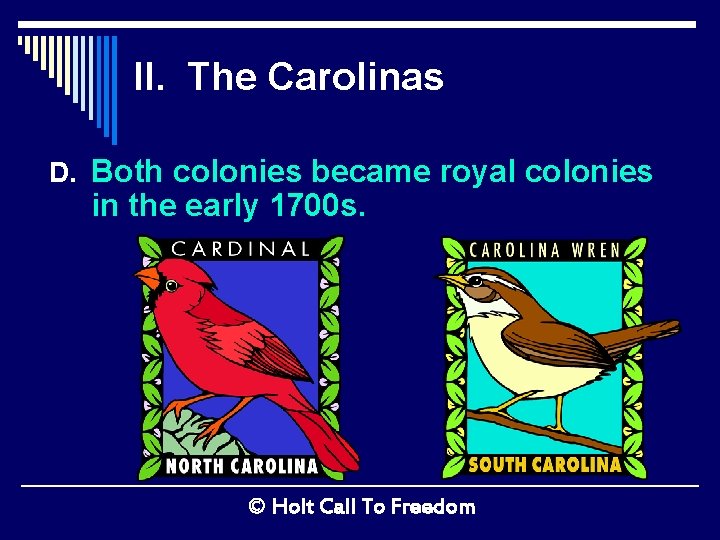
II. The Carolinas D. Both colonies became royal colonies in the early 1700 s. © Holt Call To Freedom
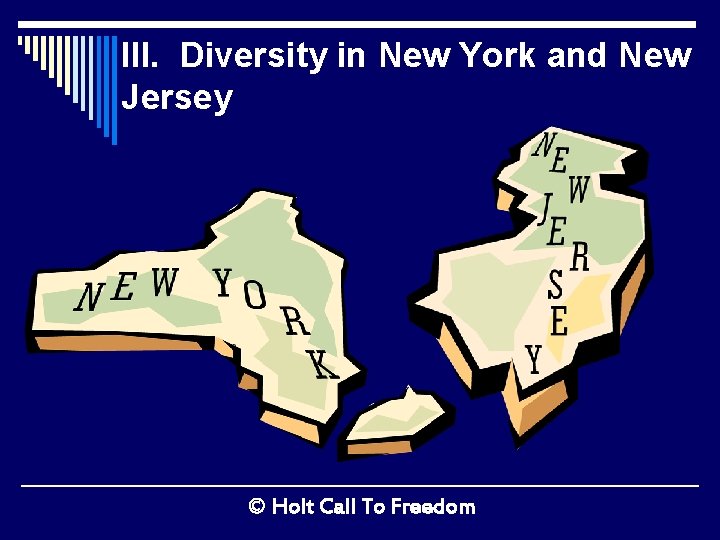
III. Diversity in New York and New Jersey © Holt Call To Freedom
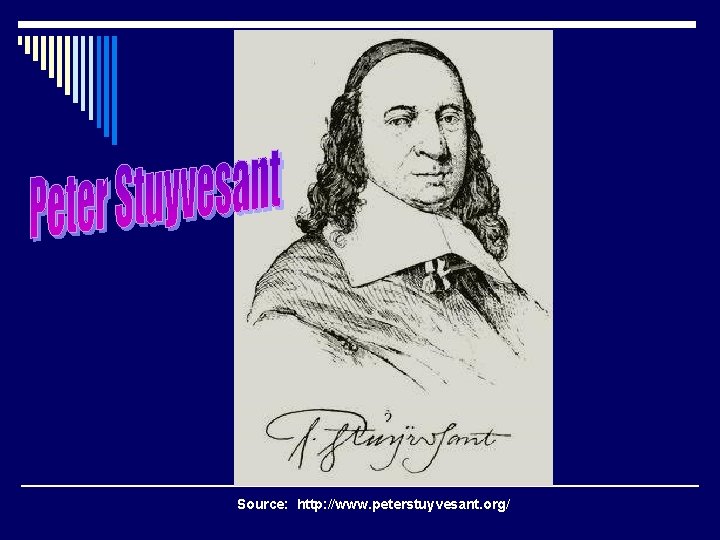
A. New Netherland 1. New Amsterdam became an important fur-trading center. 2. Known for its religious tolerance 3. In 1647 Peter Stuyvesant took command of the colony. © Holt Call To Freedom
Source: http: //www. peterstuyvesant. org/
B. English Rule 1. English took control of New Amsterdam in 1664, renaming it New York. 2. Proprietors established New Jersey in 1664. © Holt Call To Freedom
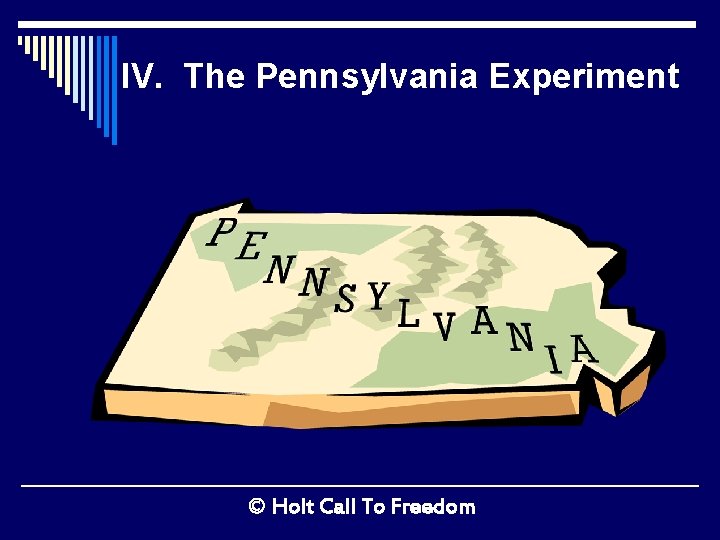
IV. The Pennsylvania Experiment © Holt Call To Freedom
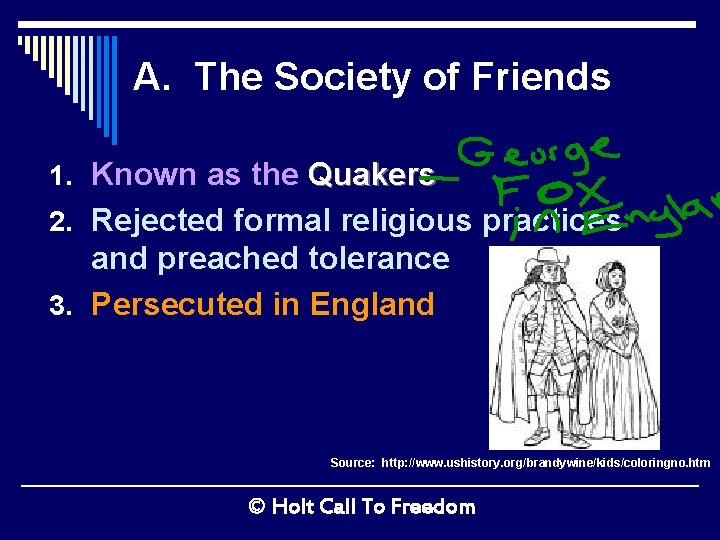
A. The Society of Friends 1. Known as the Quakers 2. Rejected formal religious practices and preached tolerance 3. Persecuted in England Source: http: //www. ushistory. org/brandywine/kids/coloringno. htm © Holt Call To Freedom
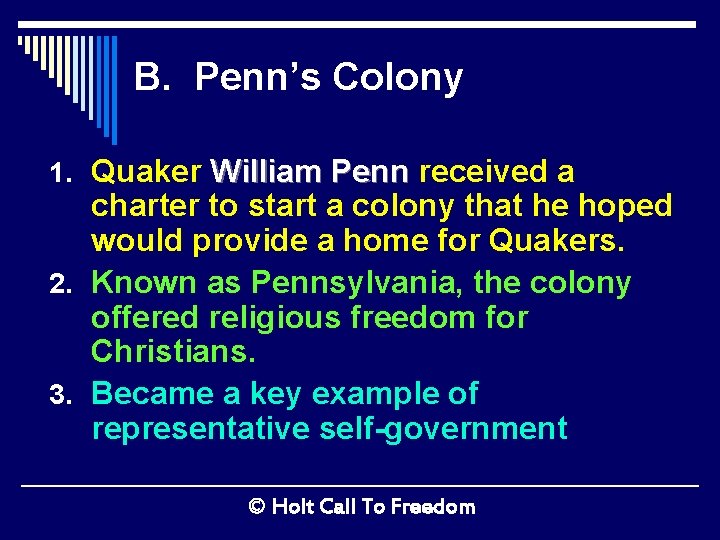
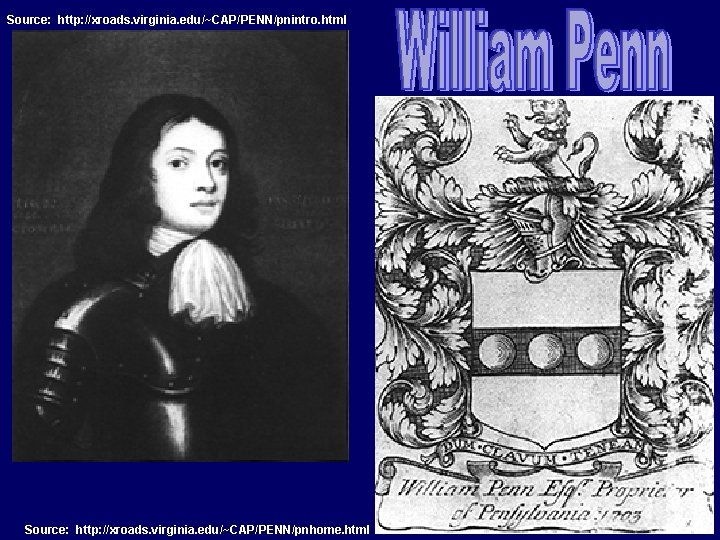
B. Penn’s Colony 1. Quaker William Penn received a charter to start a colony that he hoped would provide a home for Quakers. 2. Known as Pennsylvania, the colony offered religious freedom for Christians. 3. Became a key example of representative self-government © Holt Call To Freedom
Source: http: //xroads. virginia. edu/~CAP/PENN/pnintro. html Source: http: //xroads. virginia. edu/~CAP/PENN/pnhome. html
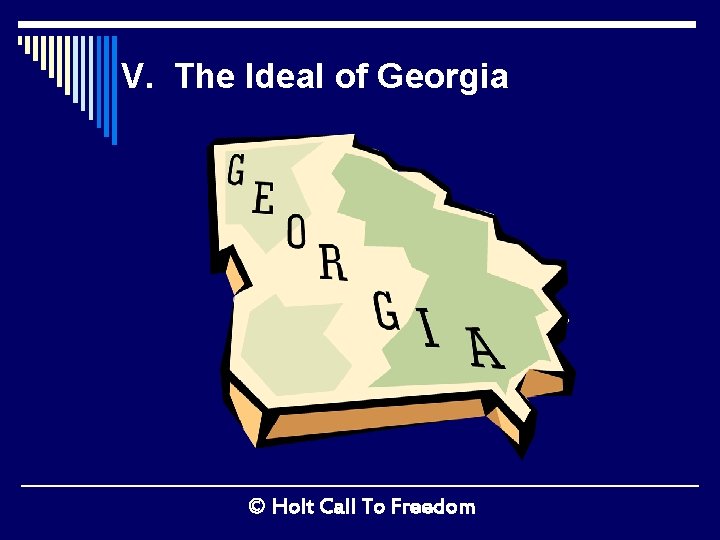
V. The Ideal of Georgia © Holt Call To Freedom
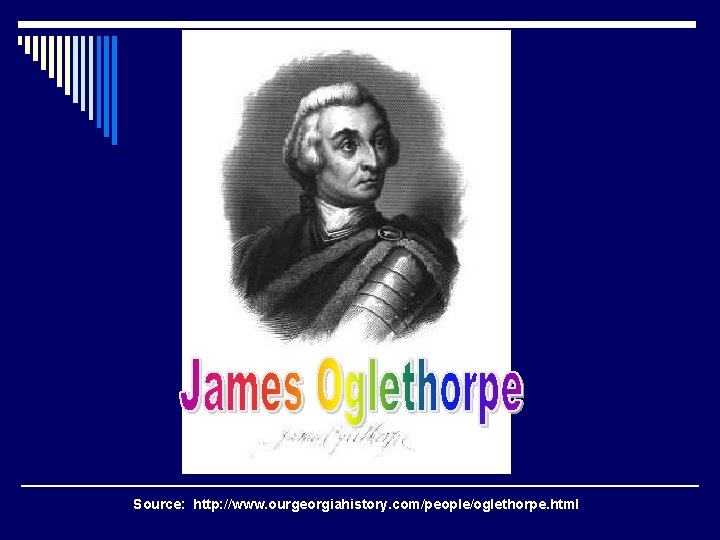
V. The Ideal of Georgia A. In 1732 James Oglethorpe granted charter to found a colony, founded Georgia in 1733 © Holt Call To Freedom
Source: http: //www. ourgeorgiahistory. com/people/oglethorpe. html
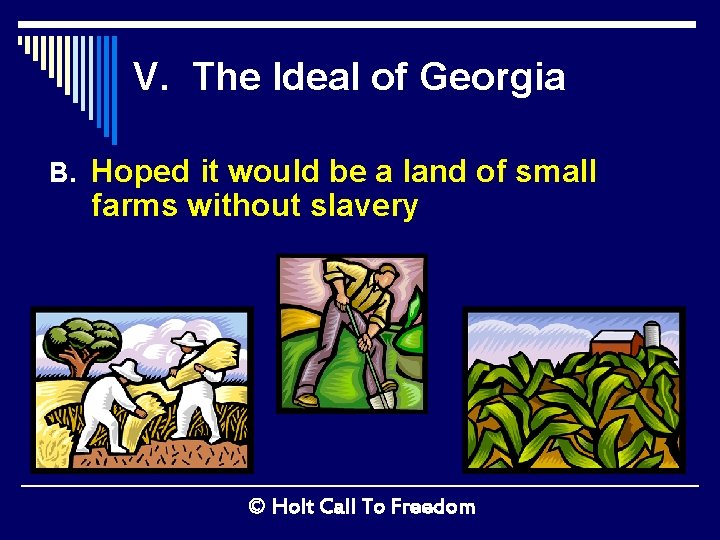
V. The Ideal of Georgia B. Hoped it would be a land of small farms without slavery © Holt Call To Freedom
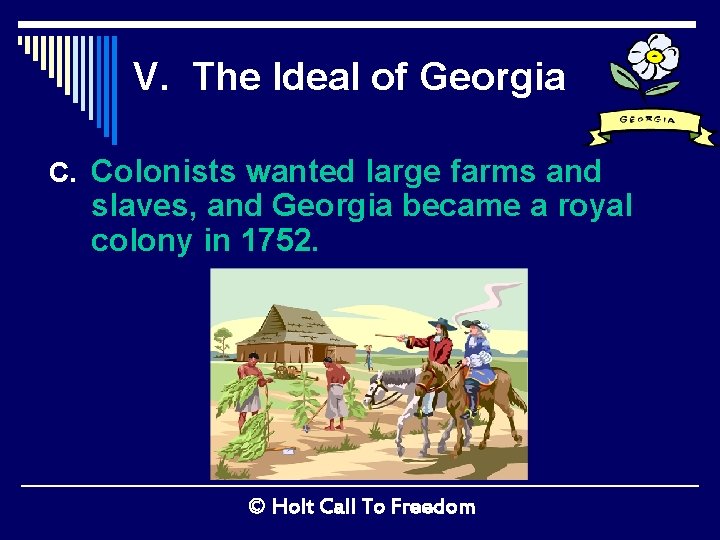
V. The Ideal of Georgia C. Colonists wanted large farms and slaves, and Georgia became a royal colony in 1752. © Holt Call To Freedom