
HOLONIC ENTERPRISE AS A COLLABORATIVE INFORMATION ECOSYSTEM FIPA
HOLONIC ENTERPRISE AS A COLLABORATIVE INFORMATION ECOSYSTEM FIPA Meeting London, UK 2001 MIHAELA ULIERU INTELLIGENT SYSTEMS GROUP HEAD: Dr. Douglas Norrie http: //isg. enme. ucalgary. ca The University of Calgary CANADA
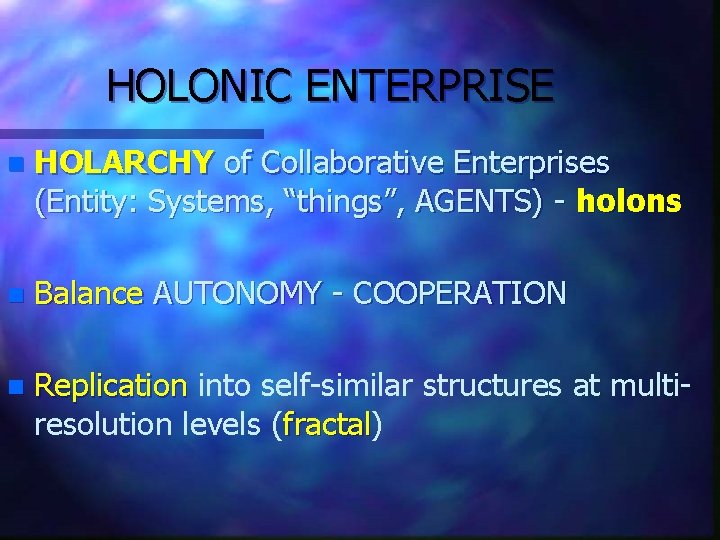
HOLONIC ENTERPRISE n HOLARCHY of Collaborative Enterprises (Entity: Systems, “things”, AGENTS) - holons n Balance AUTONOMY - COOPERATION n Replication into self-similar structures at multiresolution levels (fractal) fractal
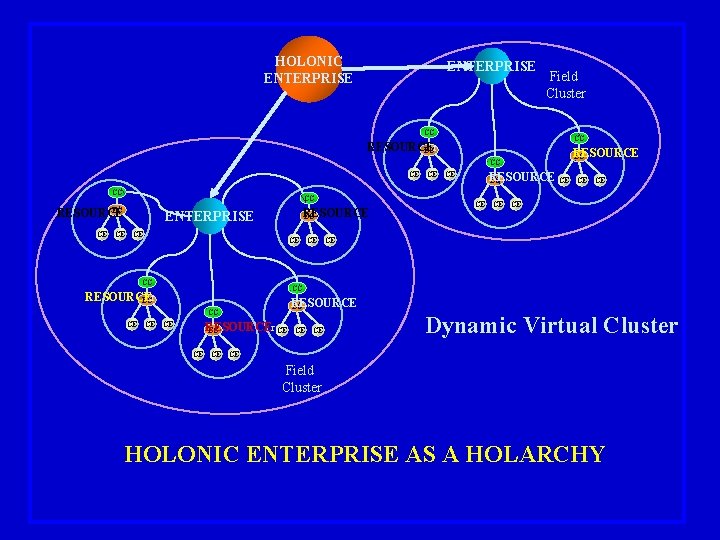
HOLONIC ENTERPRISE Field Cluster CC CC RESOURCE ECr CC CE CE CE CC CC EC RESOURCE EC ENTERPRISE CE CE CE CC CC RESOURCE ECr RESOURCE EC CC CE CE CE RESOURCE EC RESOURCE r CE EC CE CE Dynamic Virtual Cluster CE CE CE Field Cluster HOLONIC ENTERPRISE AS A HOLARCHY
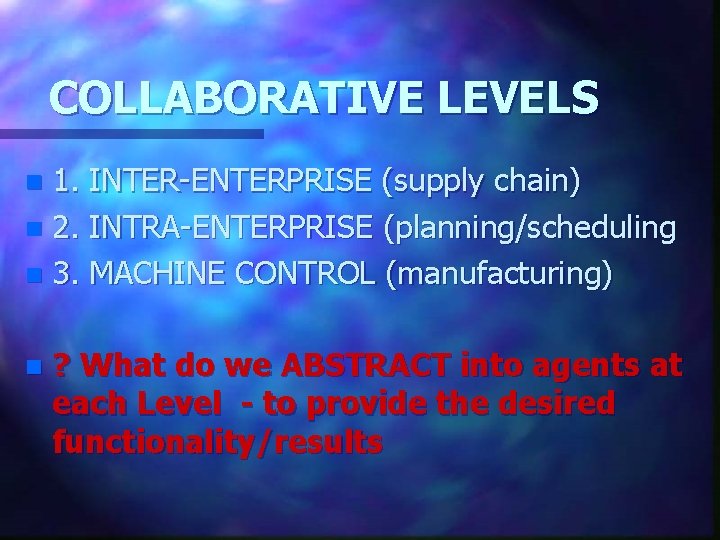
COLLABORATIVE LEVELS 1. INTER-ENTERPRISE (supply chain) n 2. INTRA-ENTERPRISE (planning/scheduling n 3. MACHINE CONTROL (manufacturing) n n ? What do we ABSTRACT into agents at each Level - to provide the desired functionality/results
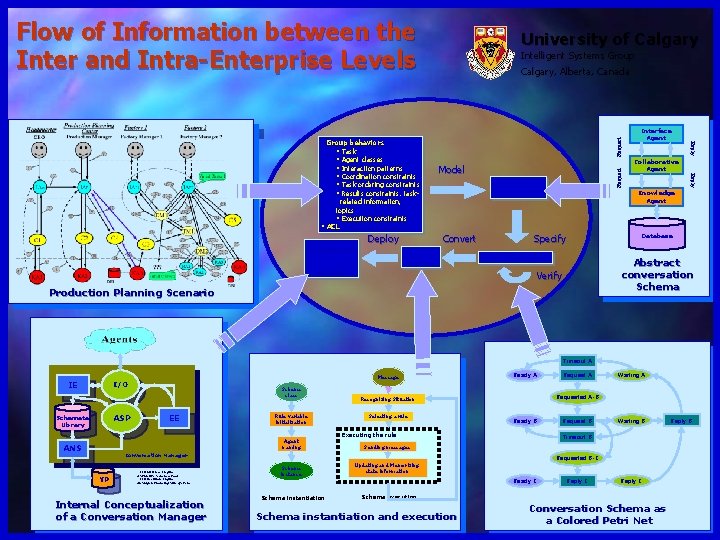
Flow of Information between the Inter and Intra-Enterprise Levels Intelligent Systems Group Request Calgary, Alberta, Canada Request Conversation schemata Knowledge Agent related information, topics • Execution constraints • ACL message protocols Conversation Managers Deploy Convert Java threads (centralized or distributed) Collaborative Agent Reply Model Interface Agent Reply • Group behaviors • Task • Agent classes • Interaction patterns • Coordination constraints • Task ordering constraints • Results constraints: task- University of Calgary Specify Database Colored Petri Nets Abstract conversation Schema Verify Production Planning Scenario Timeout A IE Message I/O ASP Schemata Library Schema class EE Rule variable initialization Agent naming ANS Ready A Ready B Executing the rule YP Internal Conceptualization of a Conversation Manager Request B Waiting B Timeout B Sending messages Conversation Manager IE: Inference Engine ASP: Active Schema Pool EE: Execution Engine ANS: Agent Naming Sub-system Waiting A Requested A-B Recognizing Situation Selecting a rule Request A Requested B-C Schema instance Updating and Memorizing state information Ready C Schema instantiation Reply C Schema execution Schema instantiation and execution Conversation Schema as a Colored Petri Net Reply B
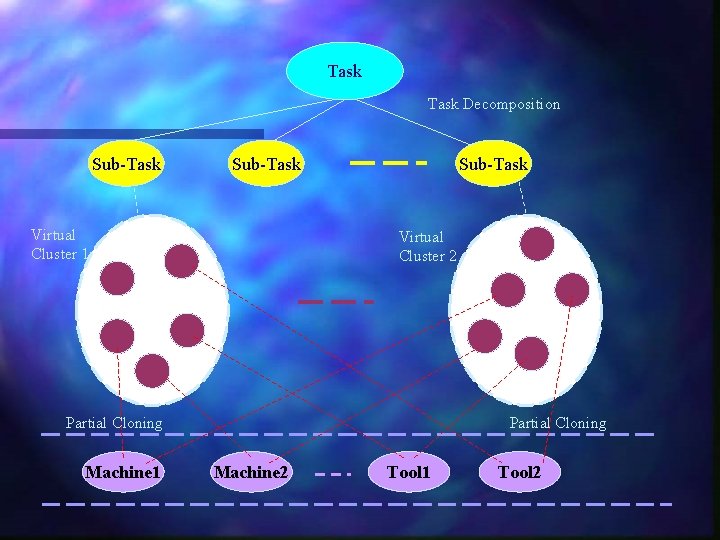
Task Decomposition Sub-Task Virtual Cluster 1 Sub-Task Virtual Cluster 2 Partial Cloning Machine 1 Partial Cloning Machine 2 Tool 1 Tool 2
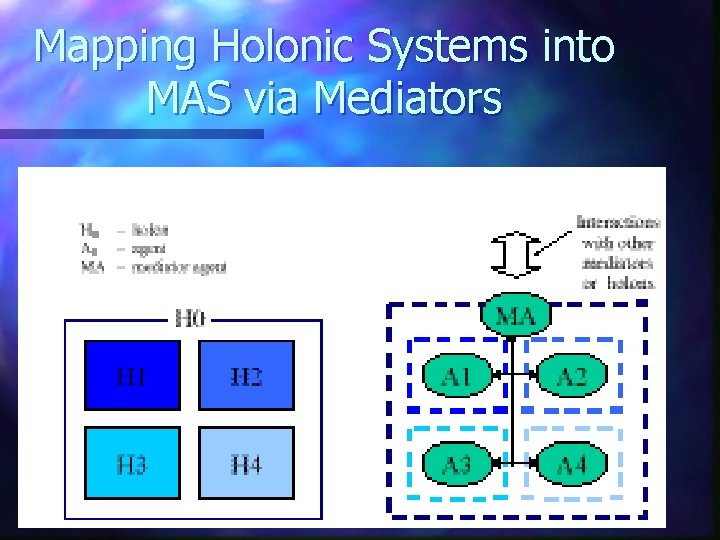
PATTERNS OF HOLONIC COLLABORATION Common mechanisms that characterize the information ecosystem created by the three levels of a holonic enterprise: n Dynamic Virtual Clustering configured to minimize cost and enabling for flexible, re-configurable structures n Mediator Agent (decisions on cluster configuration) n Partial Cloning (enterprises, internal resources, physical machines) n
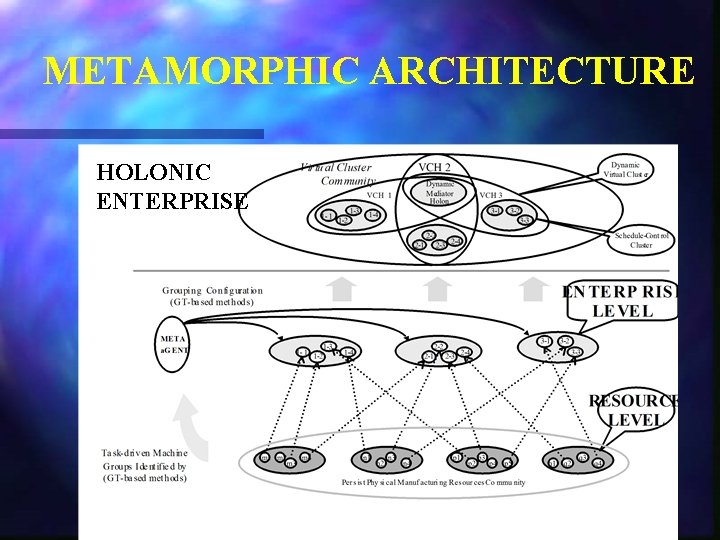
METAMORPHIC ARCHITECTURE HOLONIC ENTERPRISE
HOLONIC PATTERNS INTERACTION
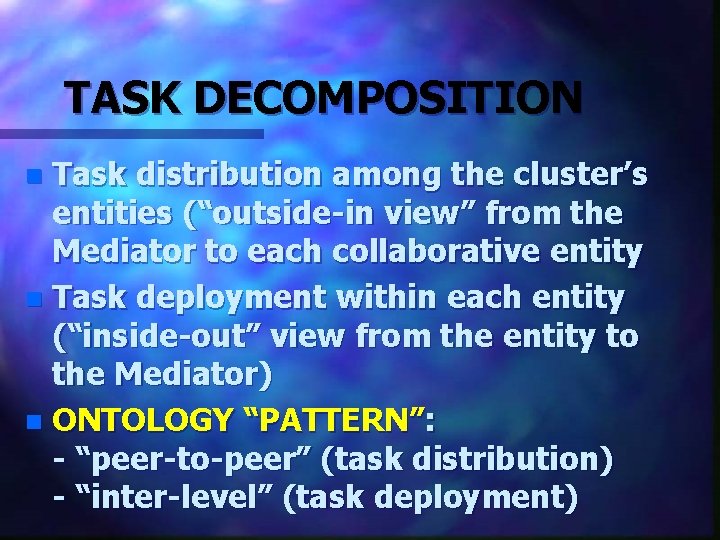
TASK DECOMPOSITION Task distribution among the cluster’s entities (“outside-in view” from the Mediator to each collaborative entity n Task deployment within each entity (“inside-out” view from the entity to the Mediator) n ONTOLOGY “PATTERN”: - “peer-to-peer” (task distribution) - “inter-level” (task deployment) n
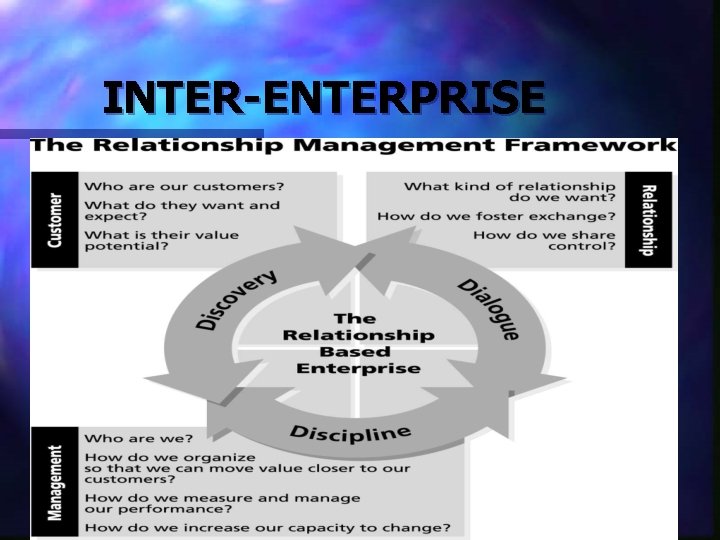
INTER-ENTERPRISE
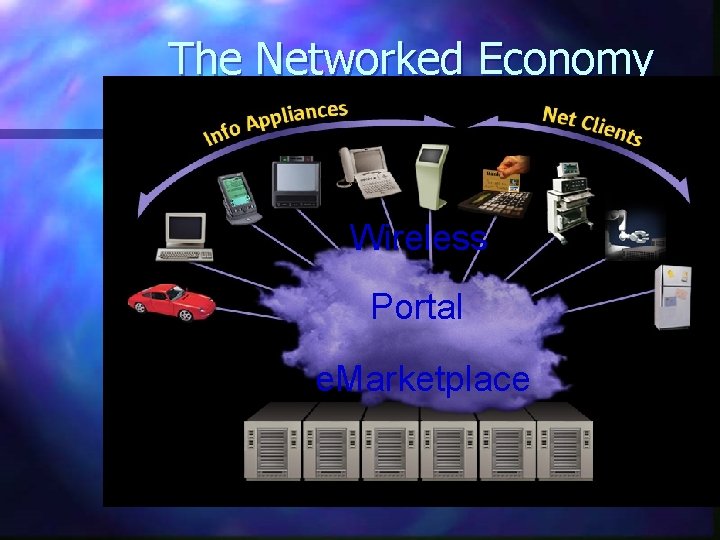
The Networked Economy Wireless Portal e. Marketplace
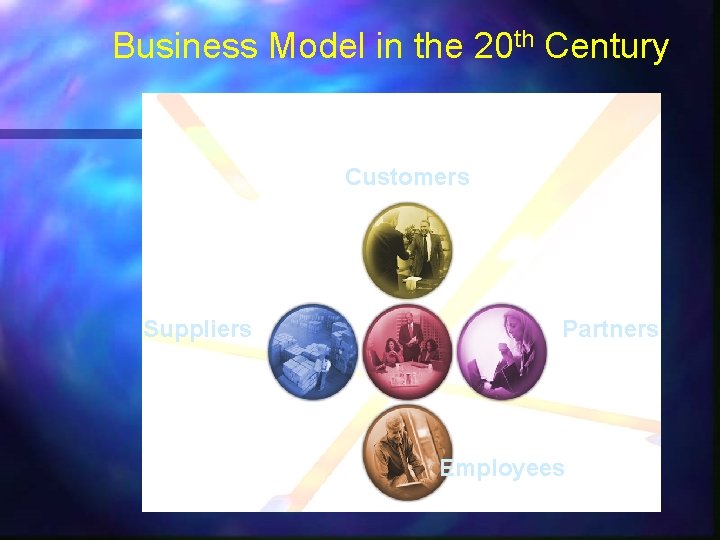
Business Model in the 20 th Century Customers Suppliers Partners Employees
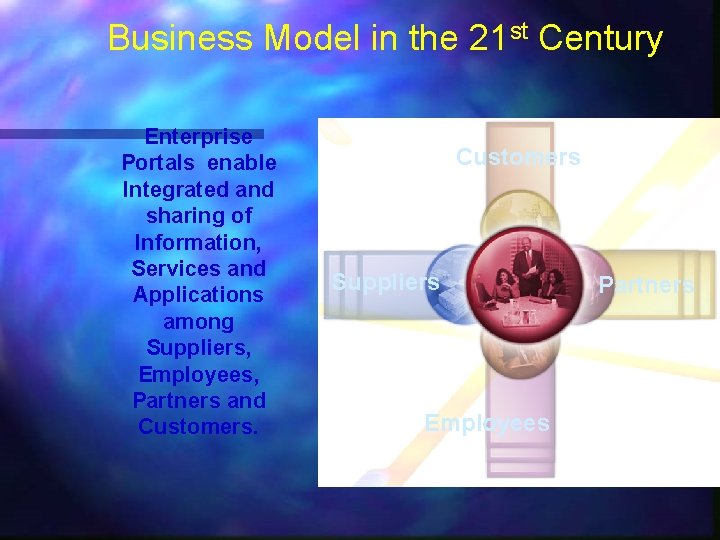
Business Model in the 21 st Century Enterprise Portals enable Integrated and sharing of Information, Services and Applications among Suppliers, Employees, Partners and Customers Suppliers Employees Partners
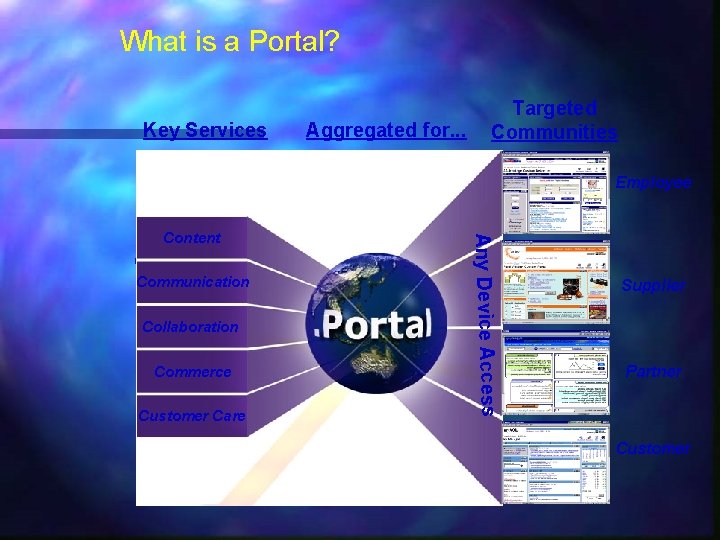
What is a Portal? Key Services Aggregated for. . . Targeted Communities Employee Content Communication Collaboration Commerce Customer Care Any Device Access Content Supplier Partner Customer
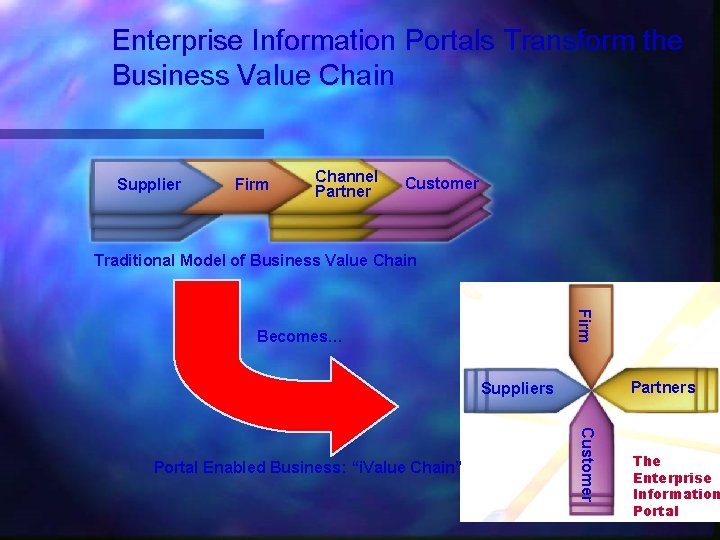
Enterprise Information Portals Transform the Business Value Chain Supplier Firm Channel Partner Customer Traditional Model of Business Value Chain Firm Becomes… Partners Suppliers Customer Portal Enabled Business: “i. Value Chain” The Enterprise Information Portal
INTER-ENTERPRISE n FORCES TO BE BALANCED: Cost Minimization (maximum synergy: cluster the ‘best’ partners) BALANCE Autonomy-Cooperation ‘On-demand’ tracking; on-line failure reporting - On-line re-configuration (to keep ‘optimal’ cluster)
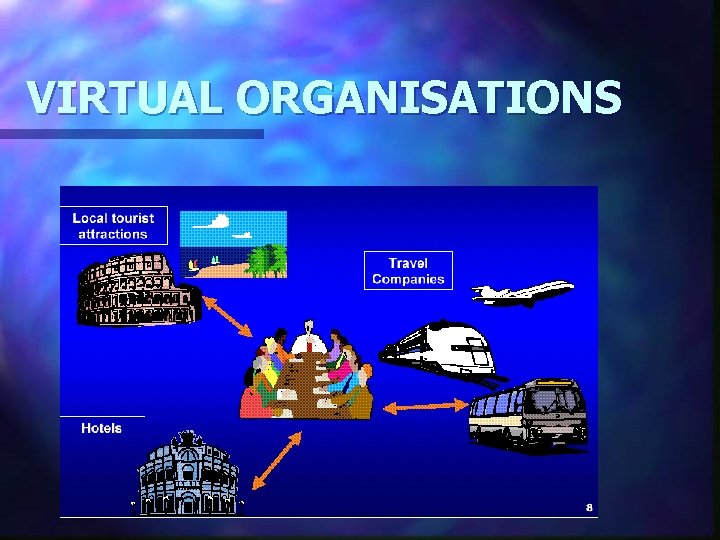
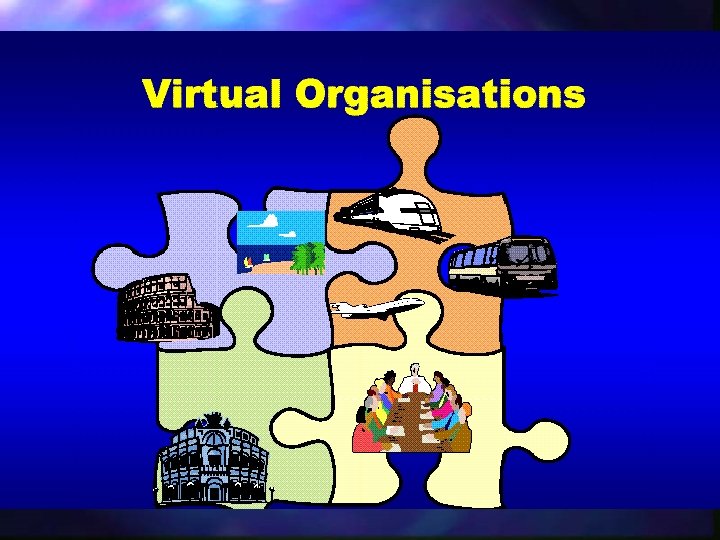
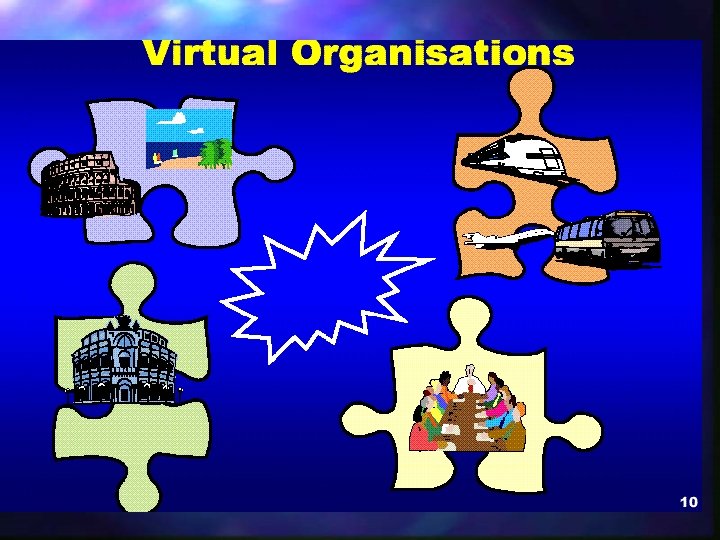
VIRTUAL ORGANISATIONS
SERVICES AND MECHANISMS Metamorphic Architecture: Interoperability (FIPA); Security Standards n Virtual Clustering: Mediator needs Grouping Policies (obligation, authorization, constraining). Contractual frameworks that enable nested management structures in policy-restraining contexts and under security constraints (COOPERATION DOMANINS) n
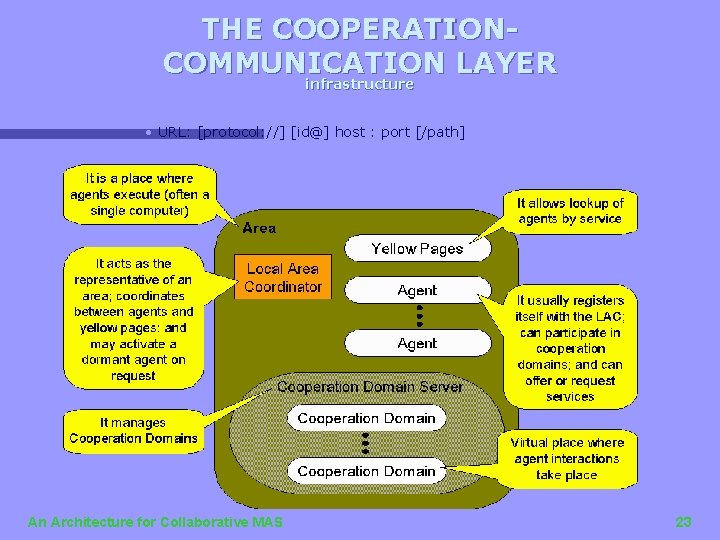
THE COOPERATIONCOMMUNICATION LAYER infrastructure • • URL: [protocol: //] [id@] host : port [/path] An Architecture for Collaborative MAS 23
PARTIAL CLONING n ATTRIBUTES to be abstracted into agents: which goods and services does the enterprise provide and what makes its competitive advantage? ; marketing strategies (attributes that enable penetration into a cluster and be chosen when a new cluster is formed)
MEDIATOR “INSIDE-OUT” - Enterprise-to-cluster negotiation: ISSUE: obtain and maintain the TRUST of the mediator in charge with the coordination of the collaborative cluster n “Otuside-In” - Cluster-to Enterprise decisions: Flexible Utility Function (is cost of keeping the partner worthwhile). [Jennings - “keep partner whose proposal is most similar to opponent’s last offer, but whose trust degree is higher” n
Task Distribution/Decomposition Mediators can enforce Compliance Mechanisms (e. g. ‘reputation’ and ‘regimentation’) on the partners to coerce them to fulfill their obligations. n Negotiation Frameworks (Jennings) using ‘influence’ (Interactive contractual design) n
INTRA-ENTERPRISE FORCES TO BE BALANCED: n 1. Need to keep one’s position within the collaborative cluster n 2. Need to stay Competitive n REQUIRED SERVICES: n 1. Dynamic scheduling to accommodate new orders “on the fly” (re-prioritize; re-configure) n 2. Security Policies; Advertising; Bidding; Interfacing with each cluster; “look-out” n
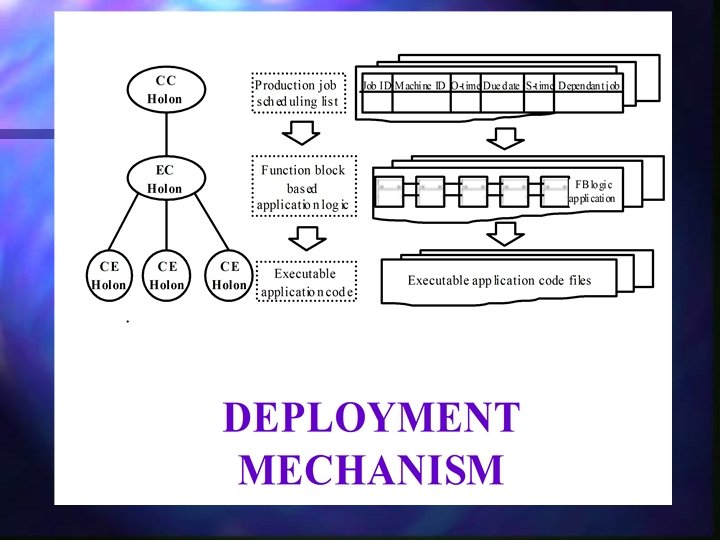
PATTERNS Mediator Agent: channels all access to the system to ensure security and robustness of the collaborative ecosystem inside the enterprise (Static and Dynamic Mediators) n Dynamic Virtual Clustering: GT n Task Decomposition: On-line re-scheduling of the production resources (e. g. EA) Work flow reconfiguration across the organization n ONTOLOGIES: deploy scheduled task down to the machine control level (Jim Christensen) n
A Robust, Scalable Infrastructure Platform Sun’s Three Main Investment Areas Massive Scale H/W S/W Integratable Stack Continuous Real-time
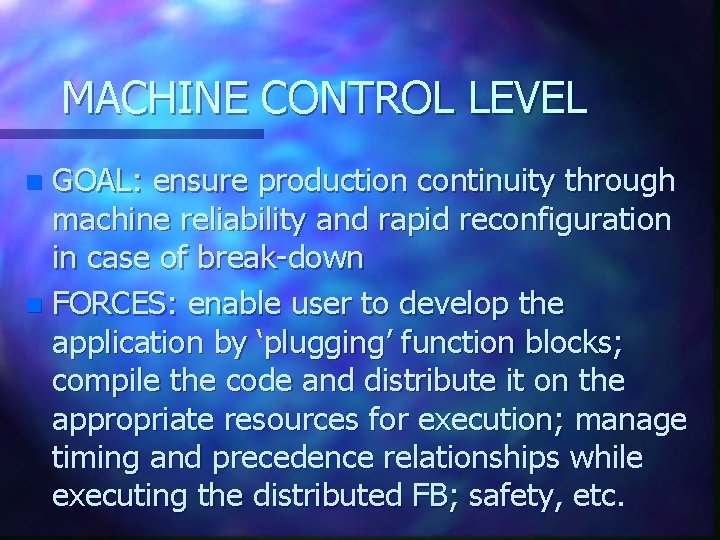
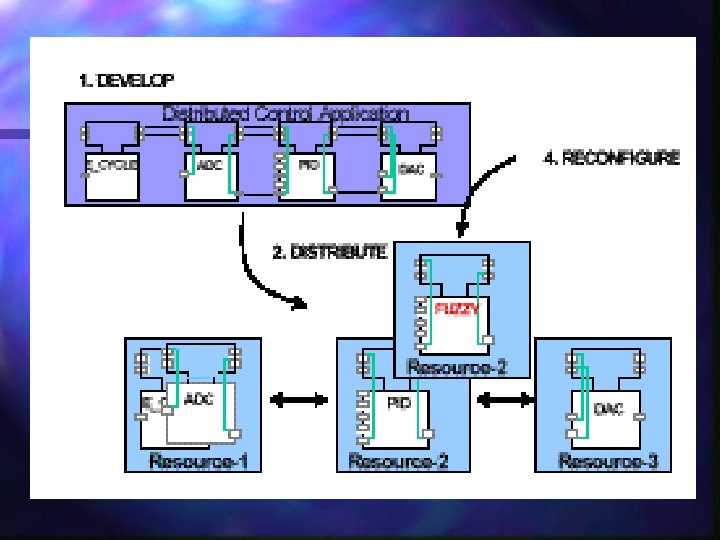
MACHINE CONTROL LEVEL GOAL: ensure production continuity through machine reliability and rapid reconfiguration in case of break-down n FORCES: enable user to develop the application by ‘plugging’ function blocks; compile the code and distribute it on the appropriate resources for execution; manage timing and precedence relationships while executing the distributed FB; safety, etc. n
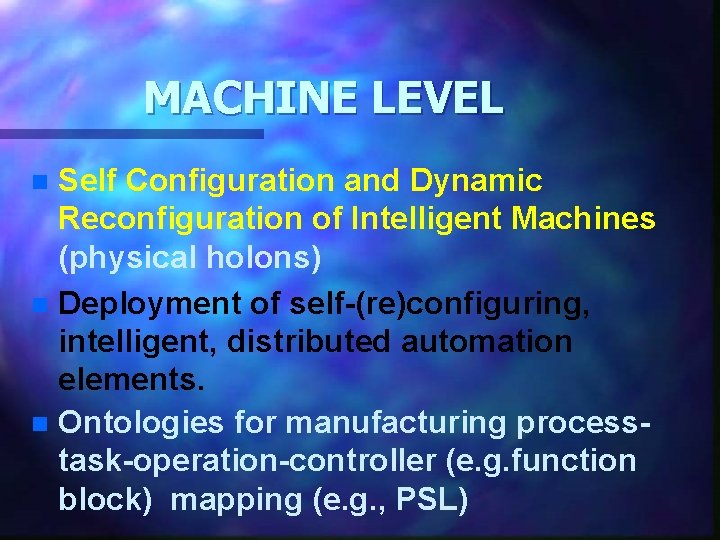
MACHINE LEVEL Self Configuration and Dynamic Reconfiguration of Intelligent Machines (physical holons) n Deployment of self-(re)configuring, intelligent, distributed automation elements. n Ontologies for manufacturing processtask-operation-controller (e. g. function block) mapping (e. g. , PSL) n
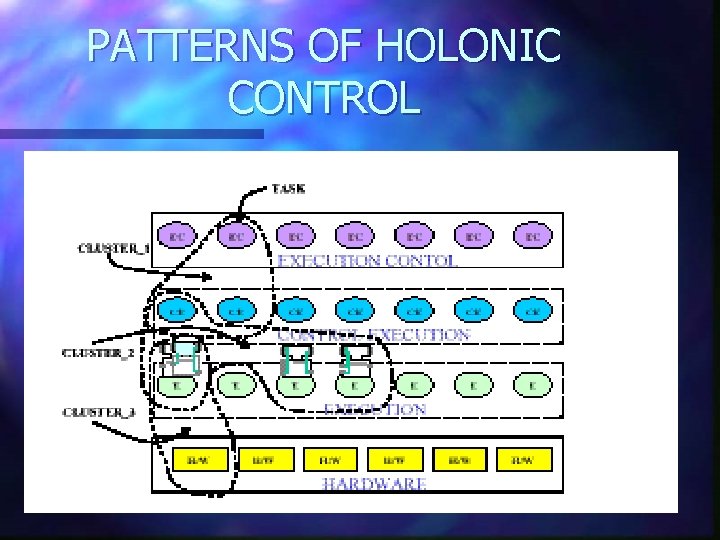
PATTERNS OF HOLONIC CONTROL
Mapping Holonic Systems into MAS via Mediators
PURPOSE OF PD&M – These patterns have specific particularities within each level of the collaborative holarchy. – The purpose of our work is to identify these particularities and clearly define the mechanisms that would enable their implementation on the grounds offered by the FIPA architecture: – E. g. ONTOLOGIES: inter-’thing’ communication Agent - ‘peer-to-peer’ n Level: deployment (‘outside-in’); bidding/advertising (‘inside-out’) n
NEXT MEETING OF THE PD&M WG n ACAI 01 – Summer School Multi-Agent Systems and their Applications http: //cyber. felk. cvut. cz/ACAI 01 n Prague, July 2 -13, 2001 n joint event of Agent. Link, ECCAI, CTU and University of Vienna n 24 invited lecturers (K. Sycara, E. Durfee, M. Wooldridge, M. Tambe, S. Kraus, Y. Demazeau, F. Labrou, W.
- Slides: 36