
Hollow Fiber Infection Model for Antibiotic PKPD By
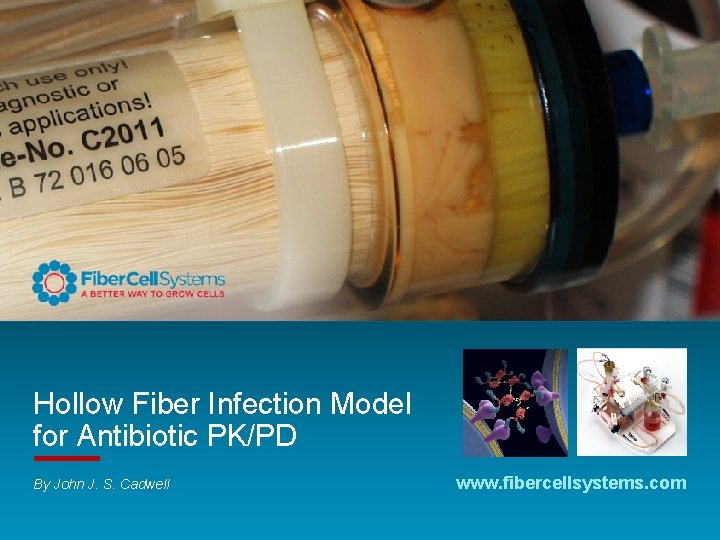
Hollow Fiber Infection Model for Antibiotic PK/PD By John J. S. Cadwell www. fibercellsystems. com
www. fibercellsystems. com
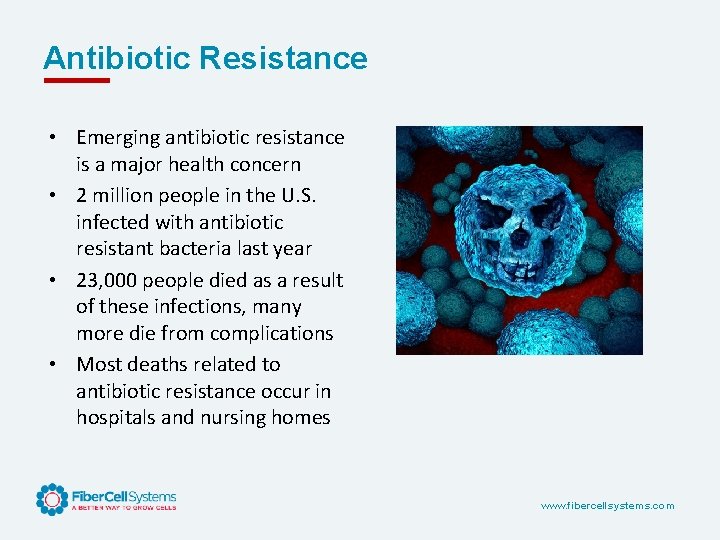
Antibiotic Resistance • Emerging antibiotic resistance is a major health concern • 2 million people in the U. S. infected with antibiotic resistant bacteria last year • 23, 000 people died as a result of these infections, many more die from complications • Most deaths related to antibiotic resistance occur in hospitals and nursing homes www. fibercellsystems. com
Lack of New Antibiotics • Only 2 systemic antibiotic agents approved since 2008 • 16 approved between 1983 and 1987 • 3 reasons: – Scientific: Easy to discover antibiotics have already been found – Economic: Antibiotics represent a poor return on investment and new antibiotics reserved for difficult cases – Regulatory: FDA approval process increasingly complex and expensive. www. fibercellsystems. com
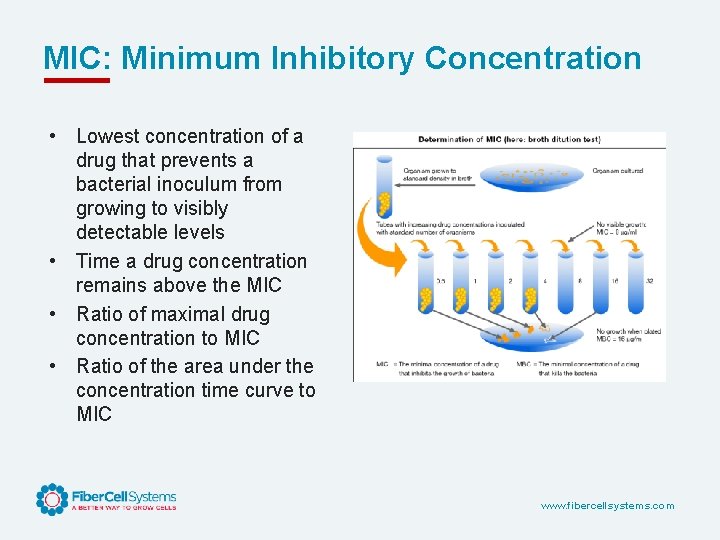
MIC: Minimum Inhibitory Concentration • Lowest concentration of a drug that prevents a bacterial inoculum from growing to visibly detectable levels • Time a drug concentration remains above the MIC • Ratio of maximal drug concentration to MIC • Ratio of the area under the concentration time curve to MIC www. fibercellsystems. com
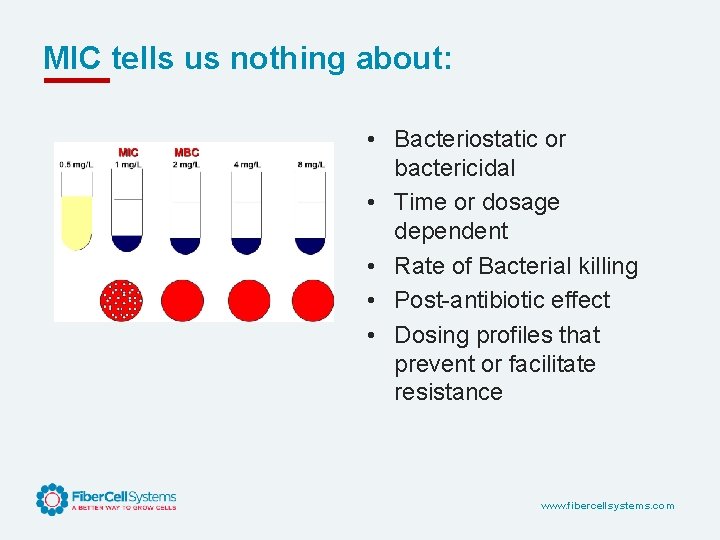
MIC tells us nothing about: • Bacteriostatic or bactericidal • Time or dosage dependent • Rate of Bacterial killing • Post-antibiotic effect • Dosing profiles that prevent or facilitate resistance www. fibercellsystems. com
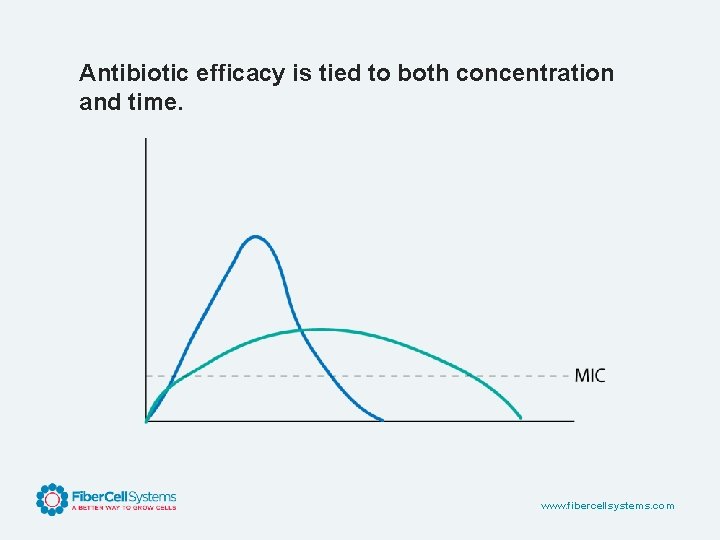
Antibiotic efficacy is tied to both concentration and time. www. fibercellsystems. com
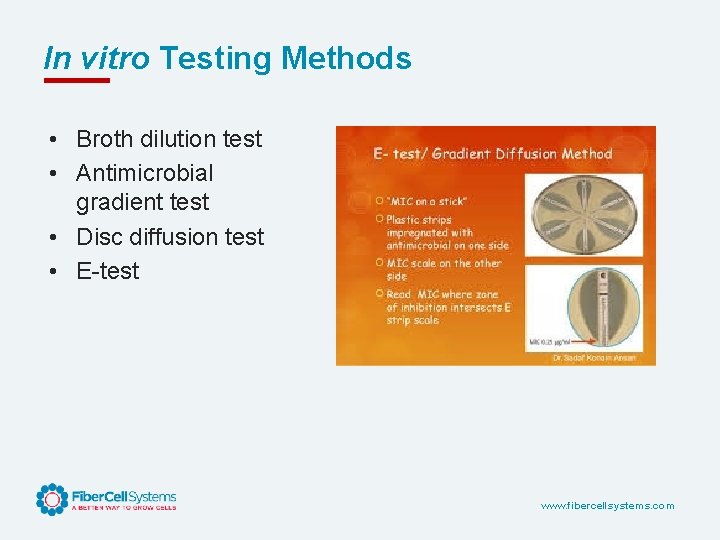
In vitro Testing Methods • Broth dilution test • Antimicrobial gradient test • Disc diffusion test • E-test www. fibercellsystems. com
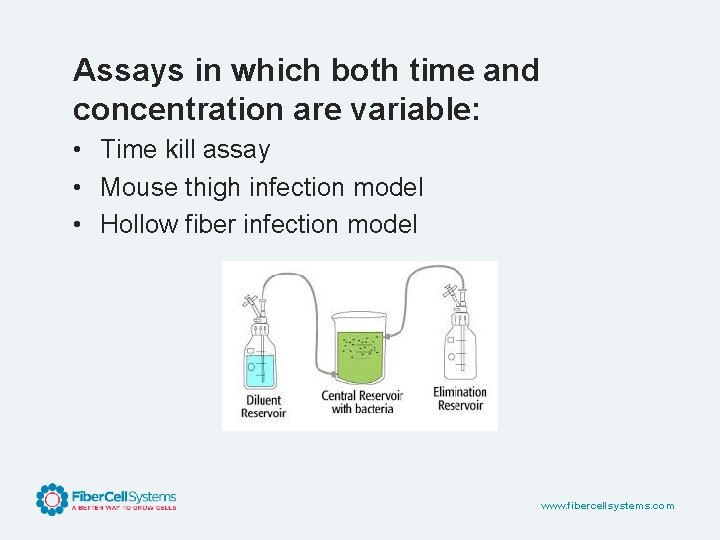
Assays in which both time and concentration are variable: • Time kill assay • Mouse thigh infection model • Hollow fiber infection model www. fibercellsystems. com
Time Kill Assay, One Compartment • Open system, not bio safe • Bacteria numbers change over time • Large volume requires large amount of drug and diluent • Rapid changes in drug concentration not possible, cannot model short half-lifes www. fibercellsystems. com
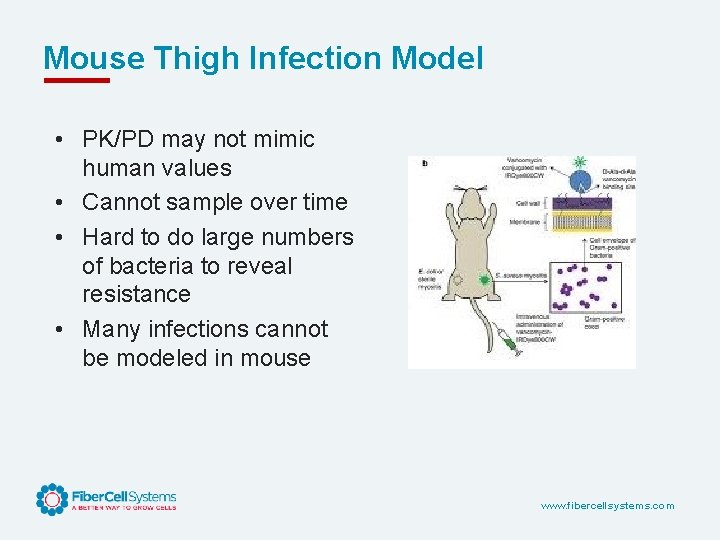
Mouse Thigh Infection Model • PK/PD may not mimic human values • Cannot sample over time • Hard to do large numbers of bacteria to reveal resistance • Many infections cannot be modeled in mouse www. fibercellsystems. com
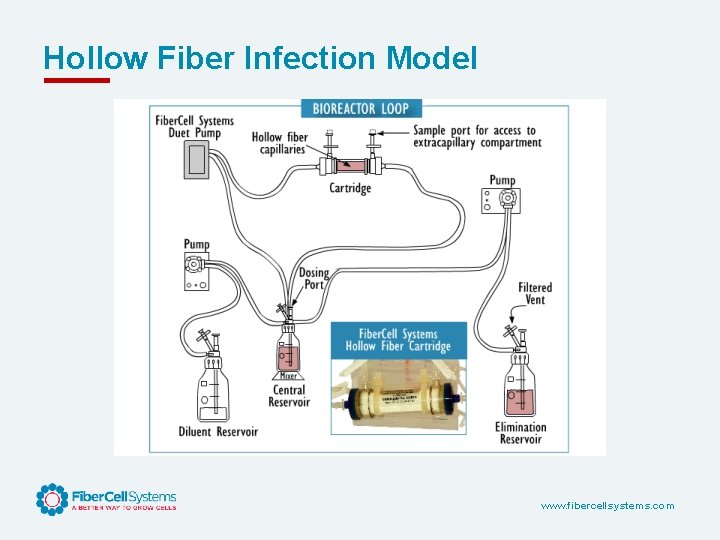
Hollow Fiber Infection Model www. fibercellsystems. com
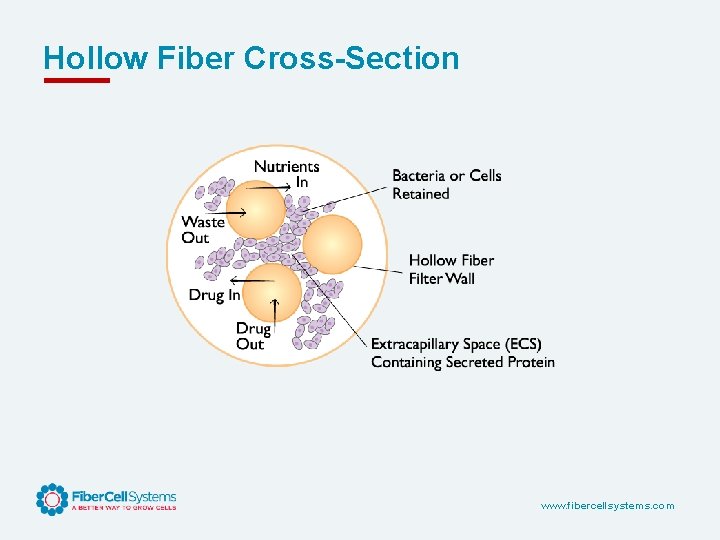
Hollow Fiber Cross-Section www. fibercellsystems. com
www. fibercellsystems. com
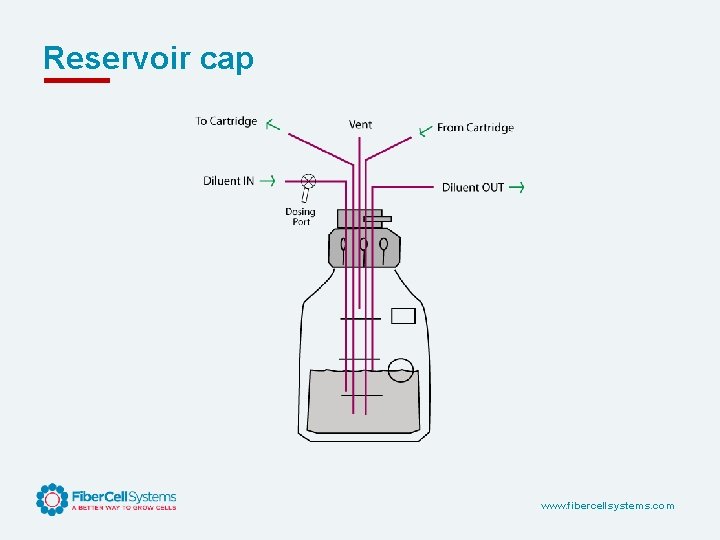
Reservoir cap www. fibercellsystems. com
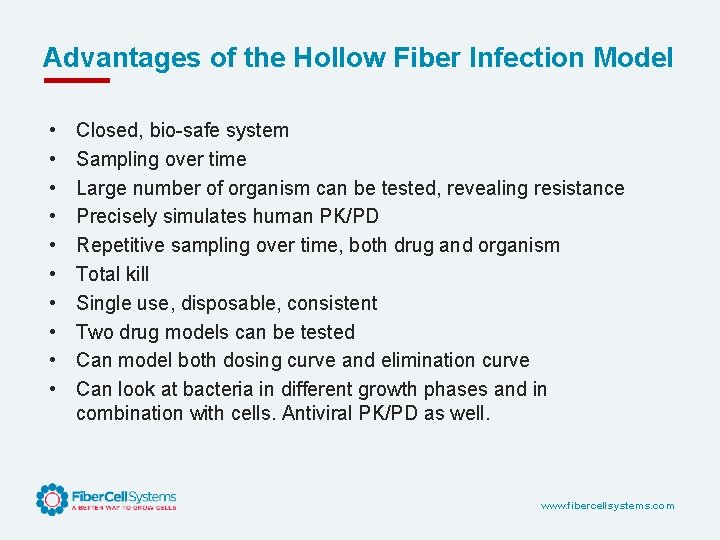
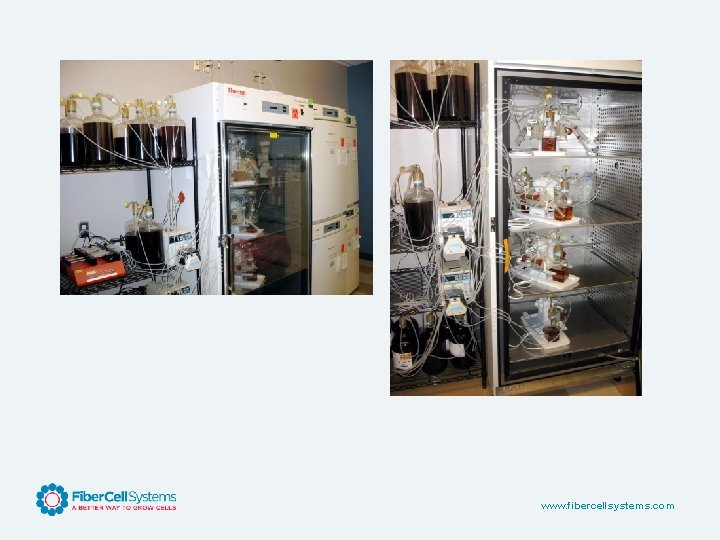
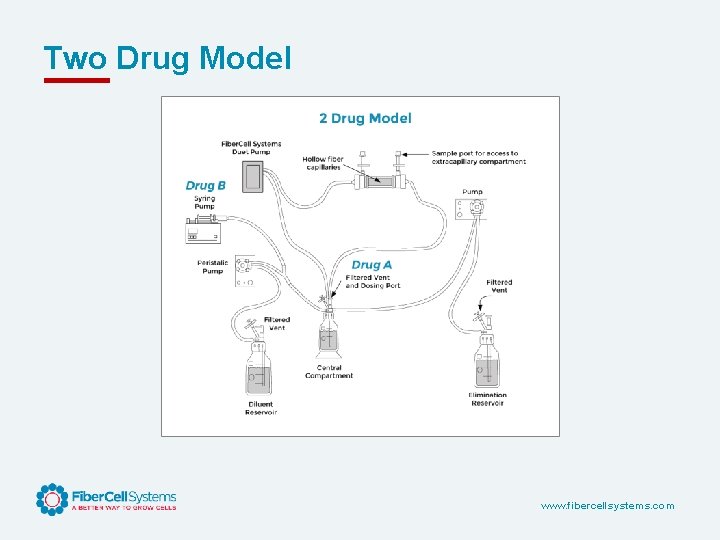
Advantages of the Hollow Fiber Infection Model • • • Closed, bio-safe system Sampling over time Large number of organism can be tested, revealing resistance Precisely simulates human PK/PD Repetitive sampling over time, both drug and organism Total kill Single use, disposable, consistent Two drug models can be tested Can model both dosing curve and elimination curve Can look at bacteria in different growth phases and in combination with cells. Antiviral PK/PD as well. www. fibercellsystems. com
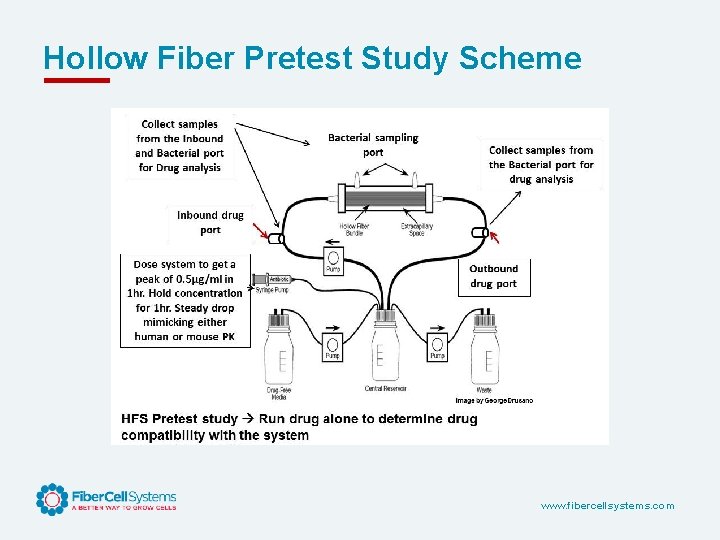
Hollow Fiber Pretest Study Scheme www. fibercellsystems. com
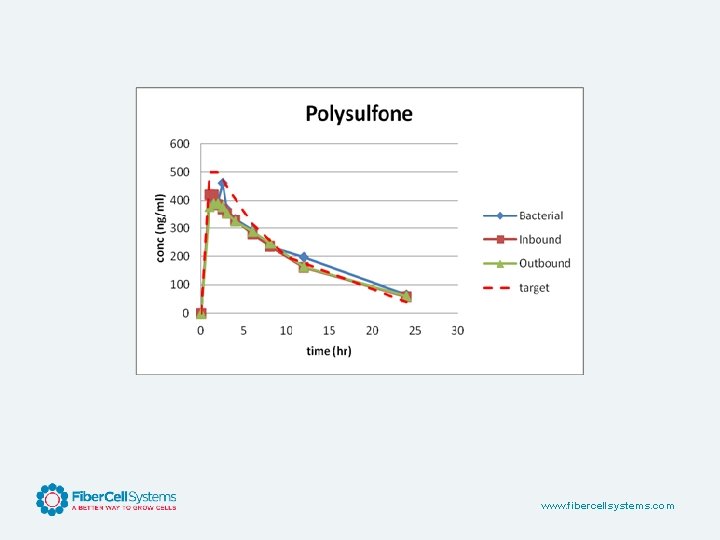
www. fibercellsystems. com
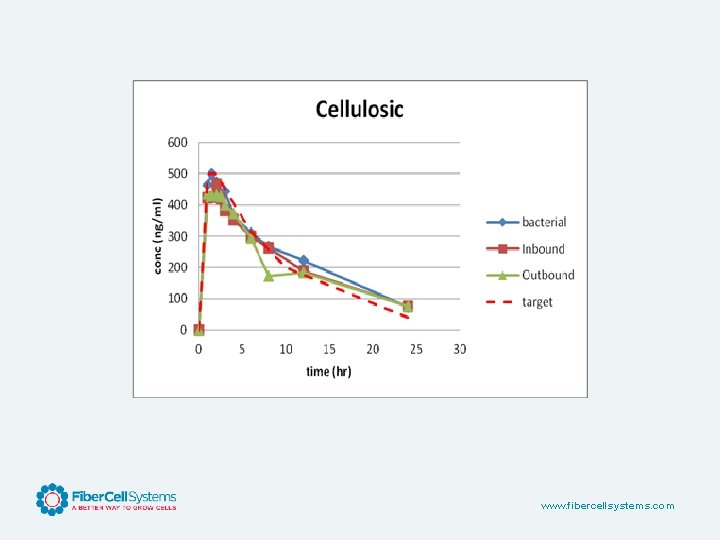
www. fibercellsystems. com
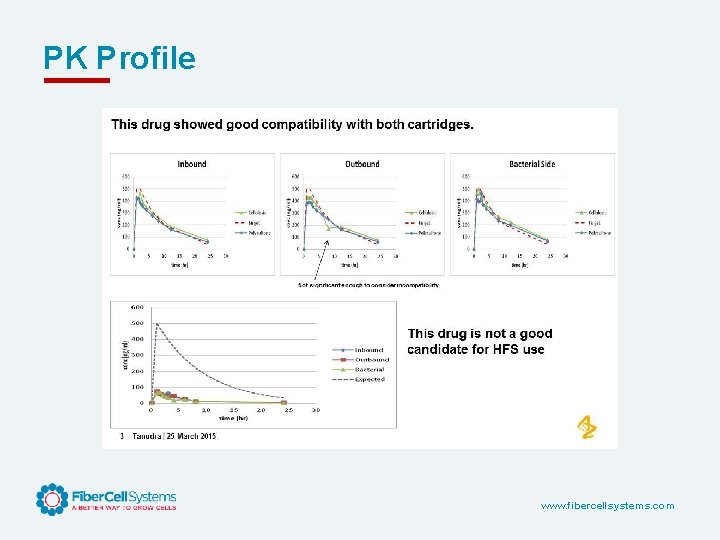
PK Profile www. fibercellsystems. com
www. fibercellsystems. com
Anaerobic Chamber www. fibercellsystems. com
www. fibercellsystems. com
Two Drug Model www. fibercellsystems. com
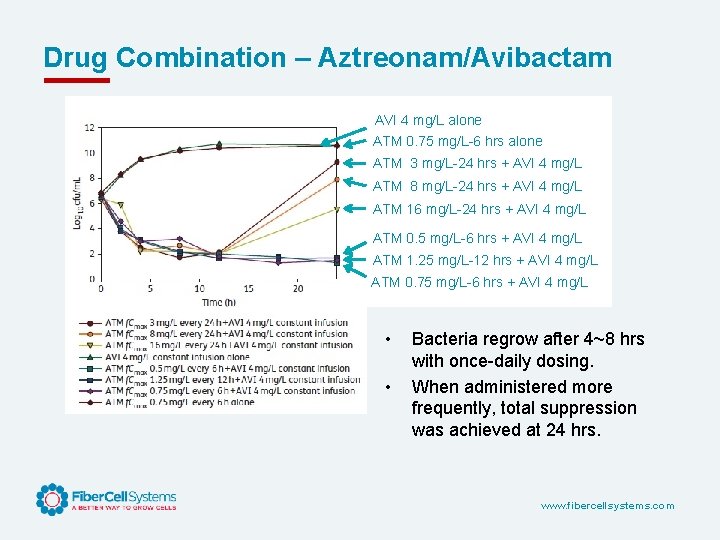
Drug Combination – Aztreonam/Avibactam AVI 4 mg/L alone ATM 0. 75 mg/L-6 hrs alone ATM 3 mg/L-24 hrs + AVI 4 mg/L ATM 8 mg/L-24 hrs + AVI 4 mg/L ATM 16 mg/L-24 hrs + AVI 4 mg/L ATM 0. 5 mg/L-6 hrs + AVI 4 mg/L ATM 1. 25 mg/L-12 hrs + AVI 4 mg/L ATM 0. 75 mg/L-6 hrs + AVI 4 mg/L • • Bacteria regrow after 4~8 hrs with once-daily dosing. When administered more frequently, total suppression was achieved at 24 hrs. www. fibercellsystems. com
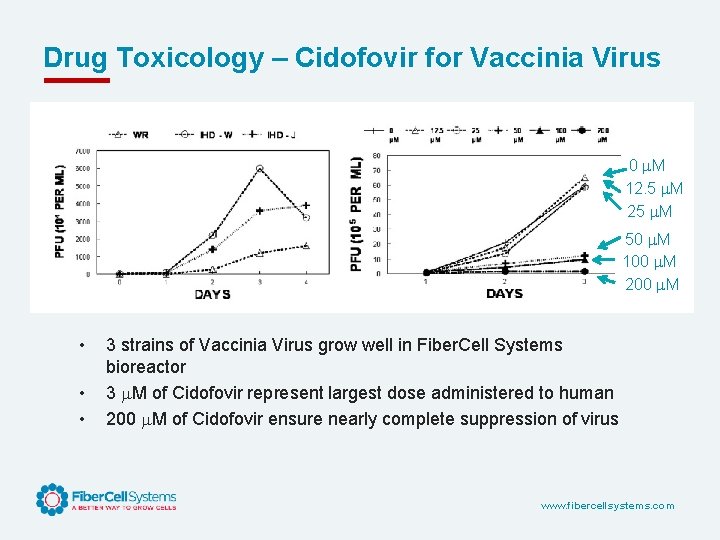
Drug Toxicology – Cidofovir for Vaccinia Virus 0 M 12. 5 M 25 M 50 M 100 M 200 M • • • 3 strains of Vaccinia Virus grow well in Fiber. Cell Systems bioreactor 3 M of Cidofovir represent largest dose administered to human 200 M of Cidofovir ensure nearly complete suppression of virus www. fibercellsystems. com
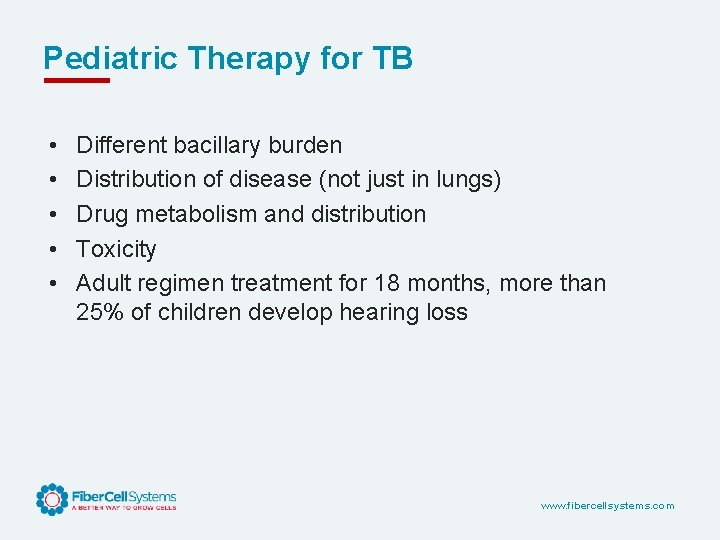
Pediatric Therapy for TB • • • Different bacillary burden Distribution of disease (not just in lungs) Drug metabolism and distribution Toxicity Adult regimen treatment for 18 months, more than 25% of children develop hearing loss www. fibercellsystems. com
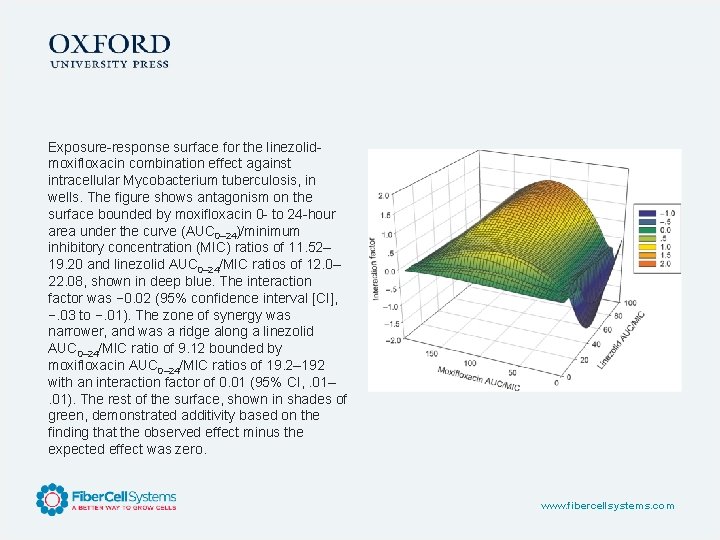
Exposure-response surface for the linezolidmoxifloxacin combination effect against intracellular Mycobacterium tuberculosis, in wells. The figure shows antagonism on the surface bounded by moxifloxacin 0 - to 24 -hour area under the curve (AUC 0– 24)/minimum inhibitory concentration (MIC) ratios of 11. 52– 19. 20 and linezolid AUC 0– 24/MIC ratios of 12. 0– 22. 08, shown in deep blue. The interaction factor was − 0. 02 (95% confidence interval [CI], −. 03 to −. 01). The zone of synergy was narrower, and was a ridge along a linezolid AUC 0– 24/MIC ratio of 9. 12 bounded by moxifloxacin AUC 0– 24/MIC ratios of 19. 2– 192 with an interaction factor of 0. 01 (95% CI, . 01–. 01). The rest of the surface, shown in shades of green, demonstrated additivity based on the finding that the observed effect minus the expected effect was zero. www. fibercellsystems. com
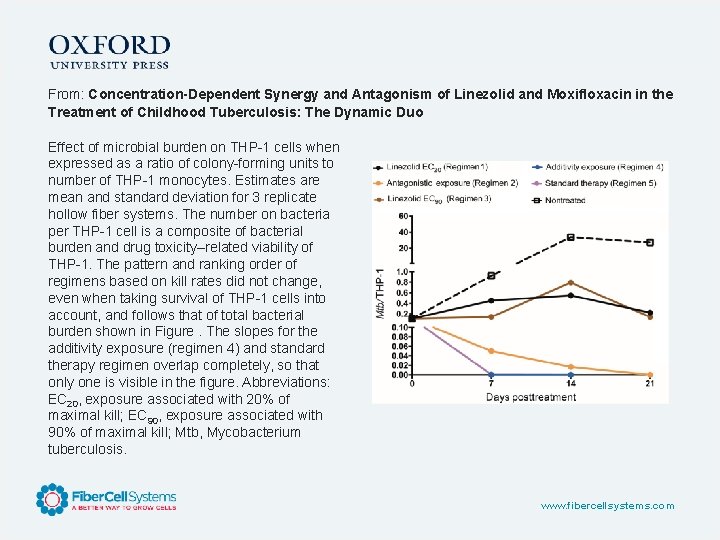
From: Concentration-Dependent Synergy and Antagonism of Linezolid and Moxifloxacin in the Treatment of Childhood Tuberculosis: The Dynamic Duo Effect of microbial burden on THP-1 cells when expressed as a ratio of colony-forming units to number of THP-1 monocytes. Estimates are mean and standard deviation for 3 replicate hollow fiber systems. The number on bacteria per THP-1 cell is a composite of bacterial burden and drug toxicity–related viability of THP-1. The pattern and ranking order of regimens based on kill rates did not change, even when taking survival of THP-1 cells into account, and follows that of total bacterial burden shown in Figure. The slopes for the additivity exposure (regimen 4) and standard therapy regimen overlap completely, so that only one is visible in the figure. Abbreviations: EC 20, exposure associated with 20% of maximal kill; EC 90, exposure associated with 90% of maximal kill; Mtb, Mycobacterium tuberculosis. www. fibercellsystems. com
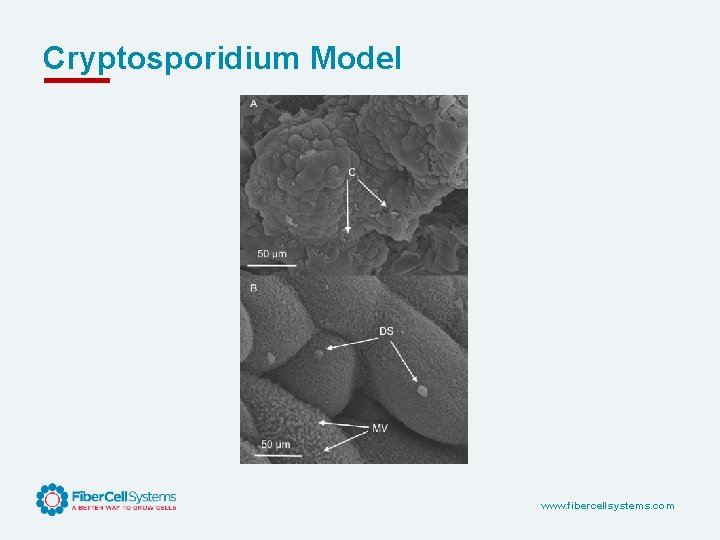
Cryptosporidium Model www. fibercellsystems. com
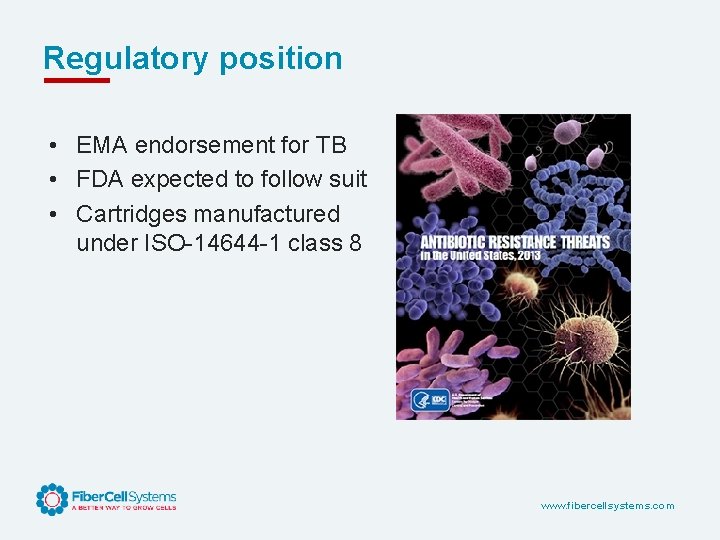
Regulatory position • EMA endorsement for TB • FDA expected to follow suit • Cartridges manufactured under ISO-14644 -1 class 8 www. fibercellsystems. com

The hollow fiber infection model is a complementary and additional tool for drug development, to be implemented at the earliest stages • • Optimal dose selection and route of administration Optimal dosing schedule Possible combination therapies Defines emerging resistance Defines total kill Post-approval drug regimen optimization Can support trial design for Phase I, III and IV clinical trials www. fibercellsystems. com

Thank you. www. fibercellsystems. com
- Slides: 33