
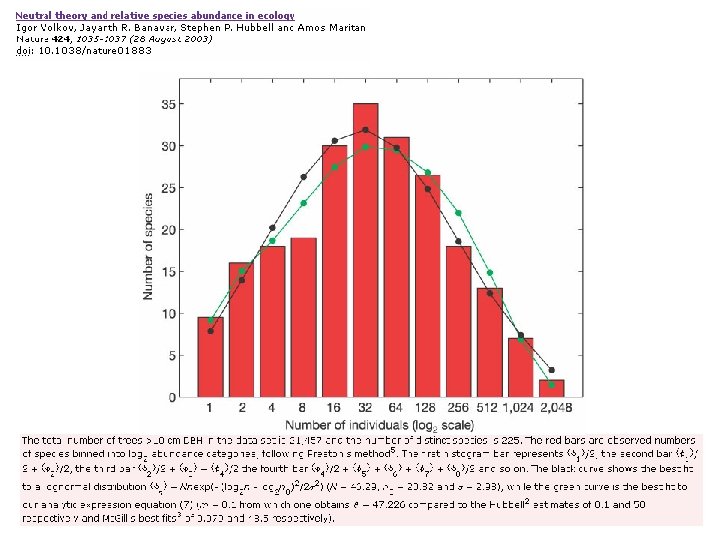
Hollow curve Although the log normal is more
















- Slides: 54
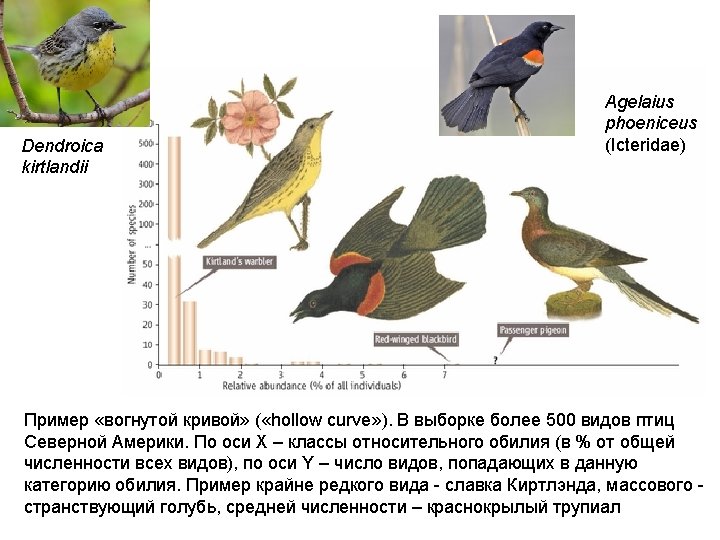
“Hollow curve”
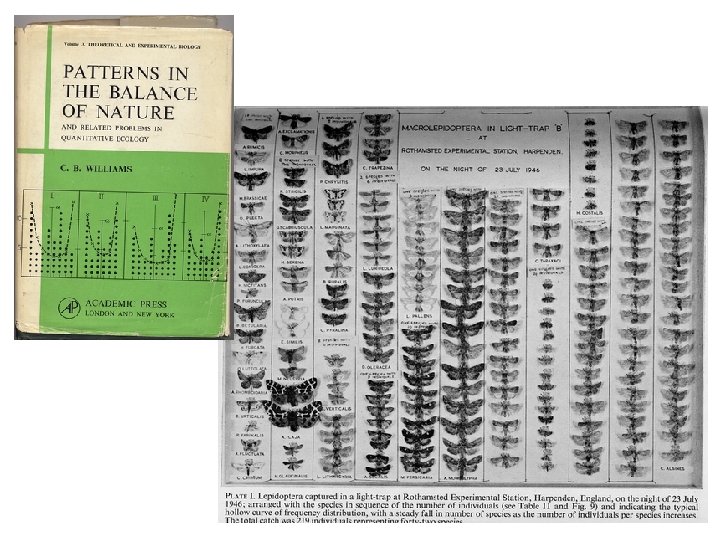
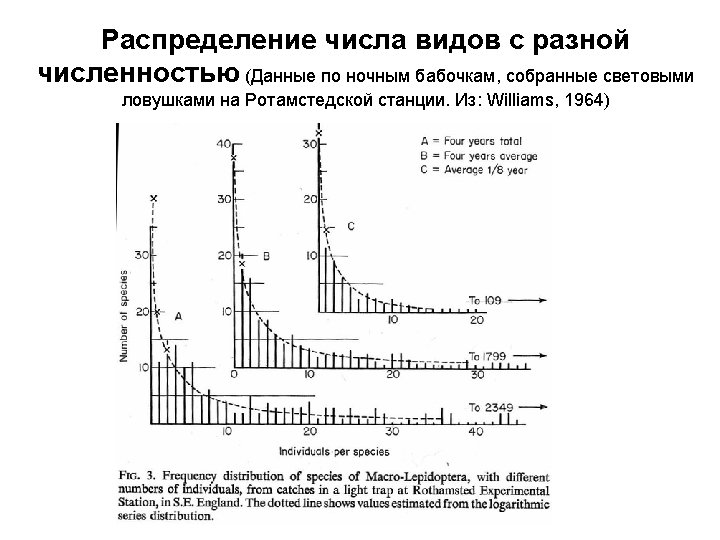
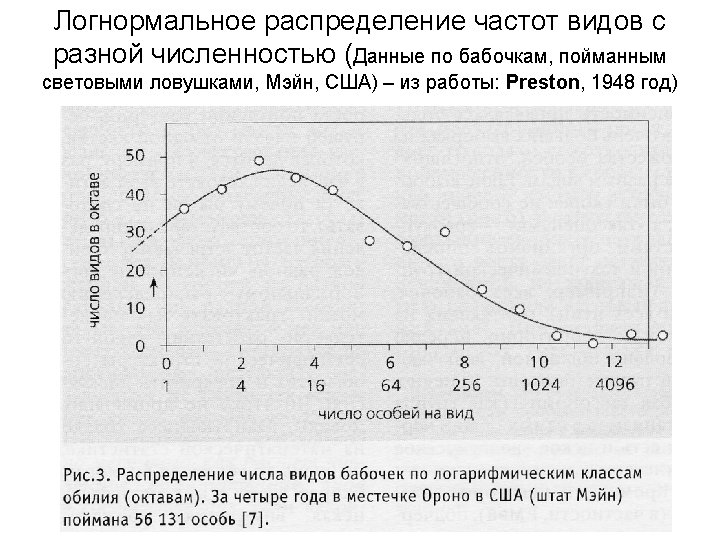
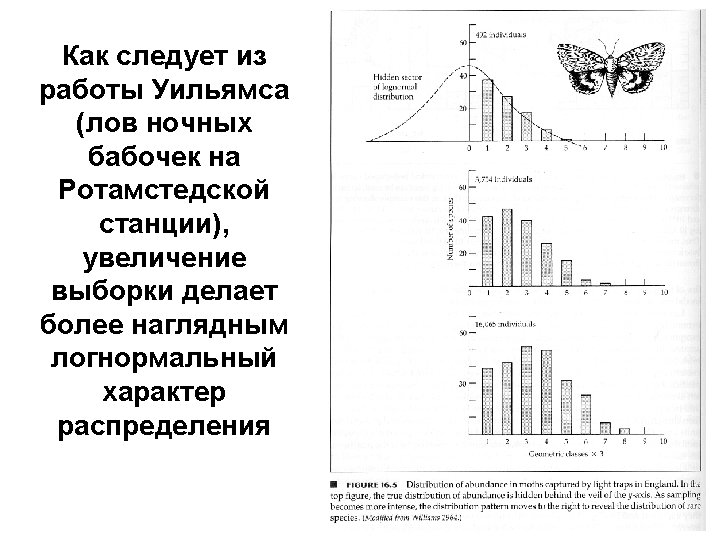
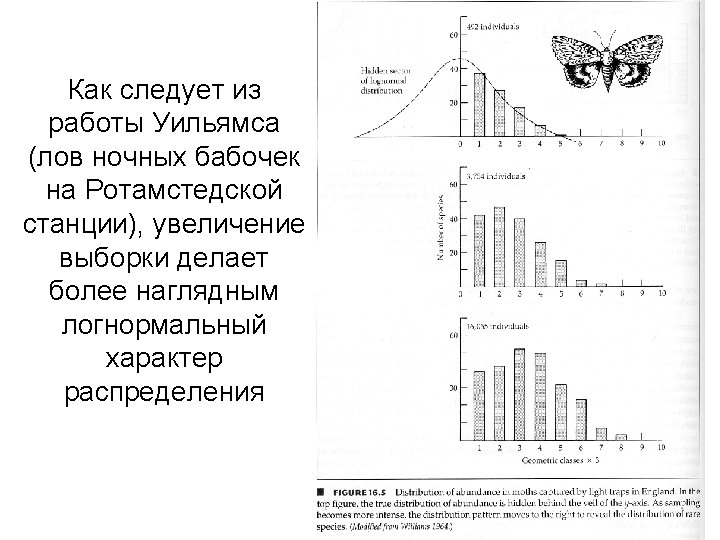
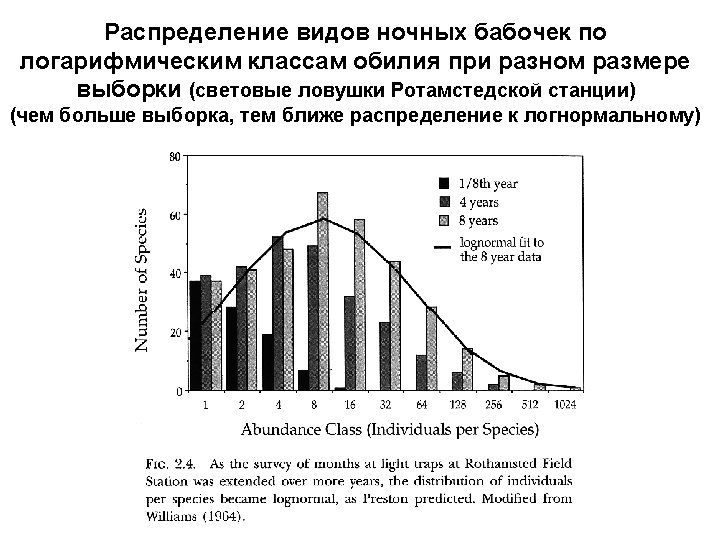
Although the log normal is more complicated mathematically, its applicability is easy to understand, as it is the necessary result of the normal distribution being applied to populations which vary geometrically. In other words the very large number of factors, acting sometimes favourably and sometimes unfavourably, each produces, not additions and subtractions to the number of units in each group, but multiplications and divisions. Thus a logarithmic transformation of the units per group results in the normal distribution becoming applicable (C. B. Williams, 1964)
Ramon Margalef (1919 - 2004)
Ramon Margalef (1919 - 2004)
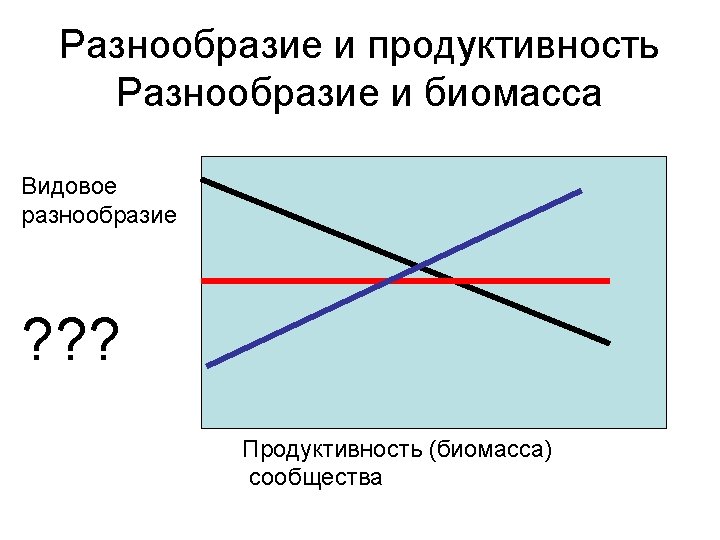
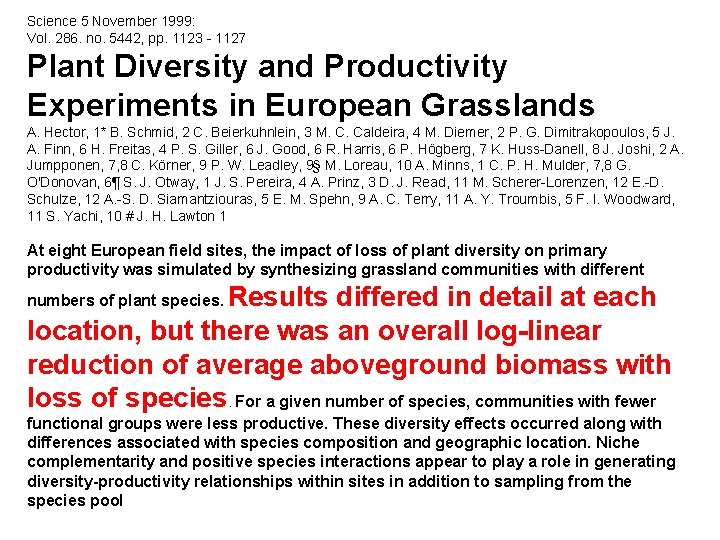
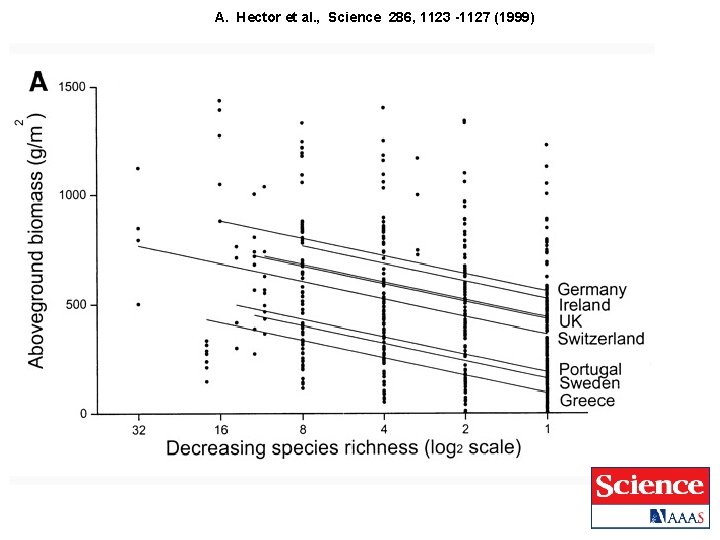
Science 5 November 1999: Vol. 286. no. 5442, pp. 1123 - 1127 Plant Diversity and Productivity Experiments in European Grasslands A. Hector, 1* B. Schmid, 2 C. Beierkuhnlein, 3 M. C. Caldeira, 4 M. Diemer, 2 P. G. Dimitrakopoulos, 5 J. A. Finn, 6 H. Freitas, 4 P. S. Giller, 6 J. Good, 6 R. Harris, 6 P. Högberg, 7 K. Huss-Danell, 8 J. Joshi, 2 A. Jumpponen, 7, 8 C. Körner, 9 P. W. Leadley, 9§ M. Loreau, 10 A. Minns, 1 C. P. H. Mulder, 7, 8 G. O'Donovan, 6¶ S. J. Otway, 1 J. S. Pereira, 4 A. Prinz, 3 D. J. Read, 11 M. Scherer-Lorenzen, 12 E. -D. Schulze, 12 A. -S. D. Siamantziouras, 5 E. M. Spehn, 9 A. C. Terry, 11 A. Y. Troumbis, 5 F. I. Woodward, 11 S. Yachi, 10 # J. H. Lawton 1 At eight European field sites, the impact of loss of plant diversity on primary productivity was simulated by synthesizing grassland communities with different Results differed in detail at each location, but there was an overall log-linear reduction of average aboveground biomass with loss of species. For a given number of species, communities with fewer numbers of plant species. functional groups were less productive. These diversity effects occurred along with differences associated with species composition and geographic location. Niche complementarity and positive species interactions appear to play a role in generating diversity-productivity relationships within sites in addition to sampling from the species pool
A. Hector et al. , Science 286, 1123 -1127 (1999)
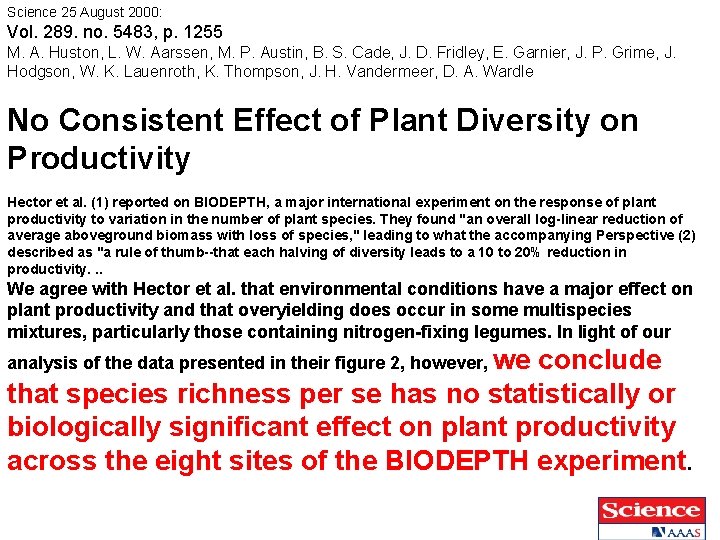
Science 25 August 2000: Vol. 289. no. 5483, p. 1255 M. A. Huston, L. W. Aarssen, M. P. Austin, B. S. Cade, J. D. Fridley, E. Garnier, J. P. Grime, J. Hodgson, W. K. Lauenroth, K. Thompson, J. H. Vandermeer, D. A. Wardle No Consistent Effect of Plant Diversity on Productivity Hector et al. (1) reported on BIODEPTH, a major international experiment on the response of plant productivity to variation in the number of plant species. They found "an overall log-linear reduction of average aboveground biomass with loss of species, " leading to what the accompanying Perspective (2) described as "a rule of thumb--that each halving of diversity leads to a 10 to 20% reduction in productivity. . . We agree with Hector et al. that environmental conditions have a major effect on plant productivity and that overyielding does occur in some multispecies mixtures, particularly those containing nitrogen-fixing legumes. In light of our we conclude that species richness per se has no statistically or biologically significant effect on plant productivity across the eight sites of the BIODEPTH experiment. analysis of the data presented in their figure 2, however,
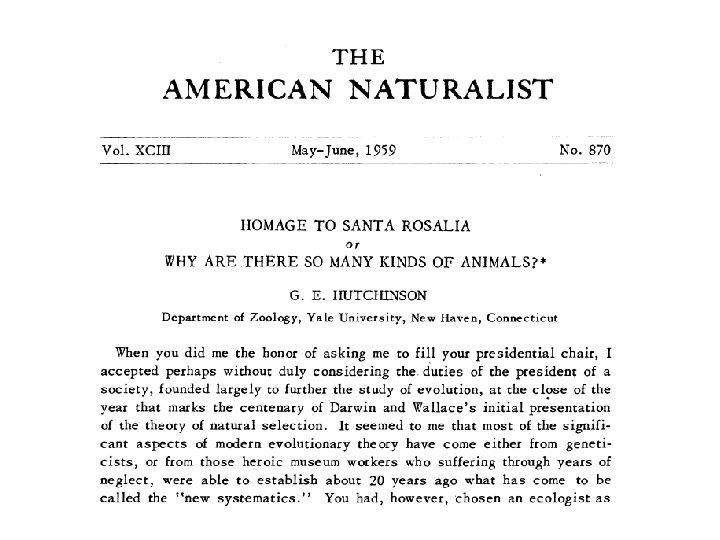
Why are there so many kinds of animals?
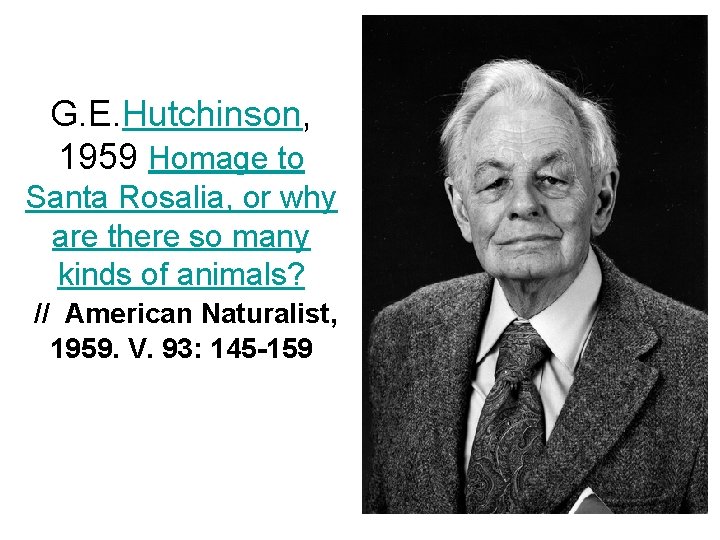
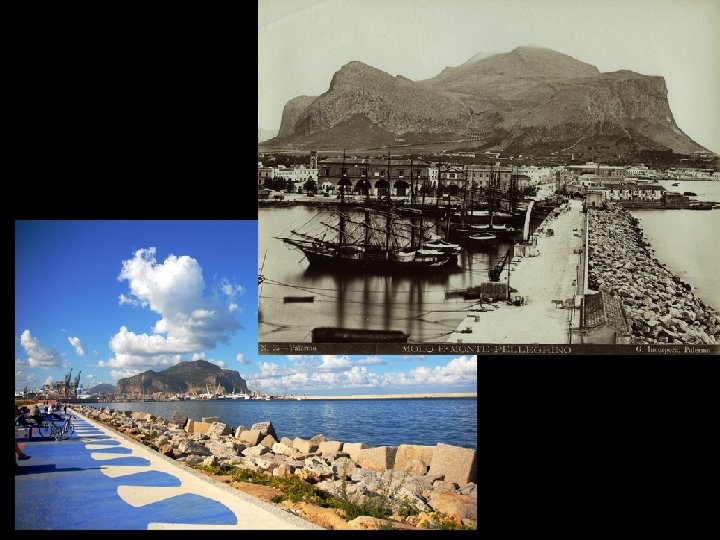
G. E. Hutchinson, 1959 Homage to Santa Rosalia, or why are there so many kinds of animals? // American Naturalist, 1959. V. 93: 145 -159
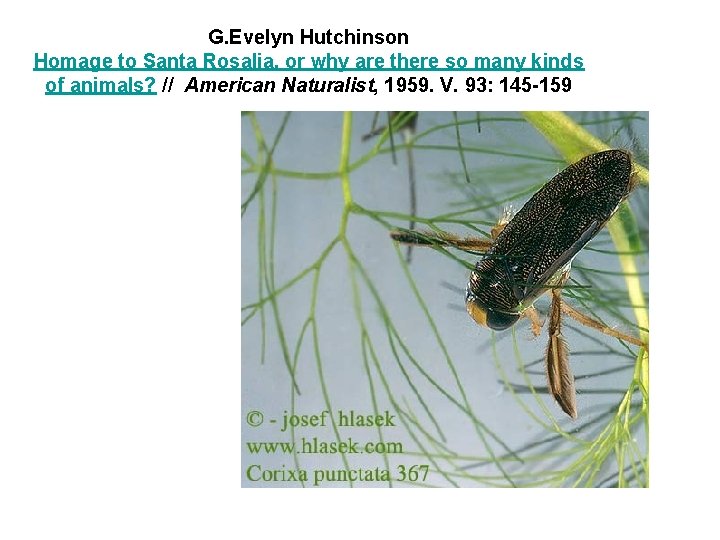
G. Evelyn Hutchinson Homage to Santa Rosalia, or why are there so many kinds of animals? // American Naturalist, 1959. V. 93: 145 -159
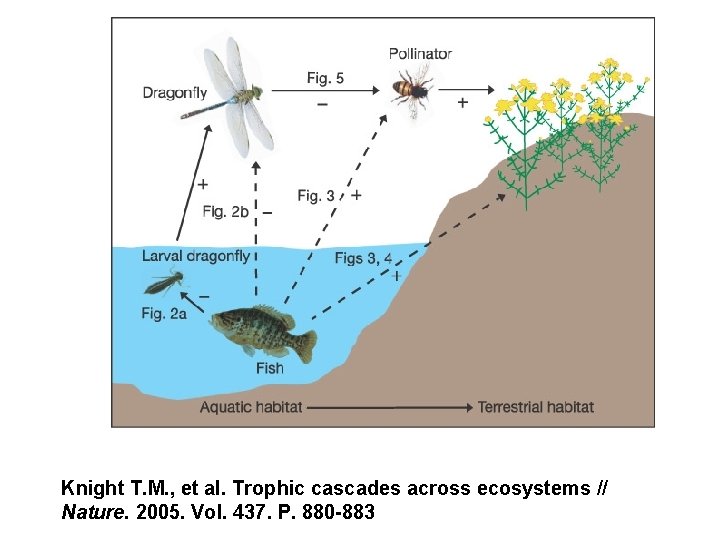
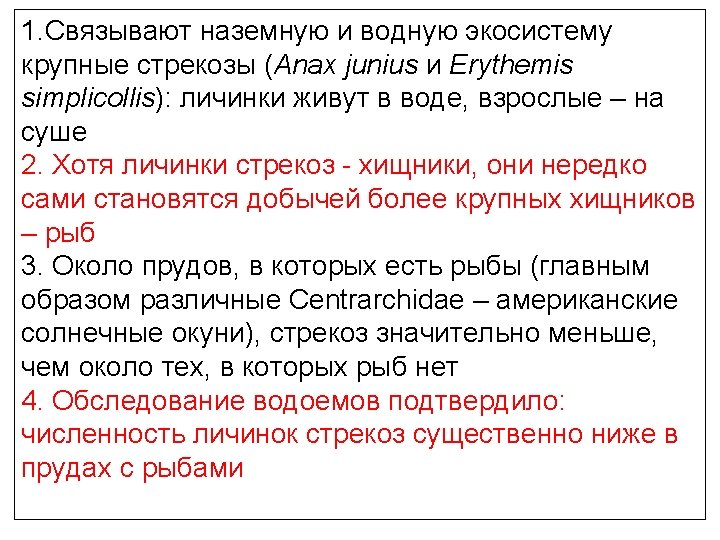
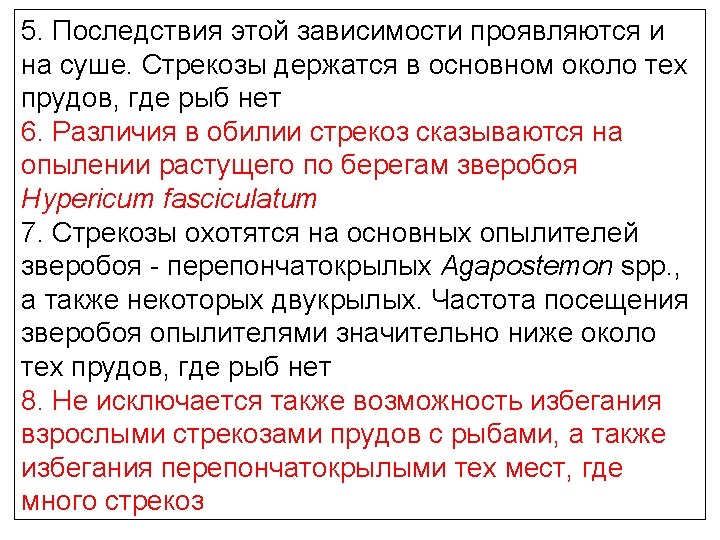
Knight T. M. , et al. Trophic cascades across ecosystems // Nature. 2005. Vol. 437. P. 880 -883