
Holistic Needs Assessment HNA Treatment Summaries Emma Mitchell

- Slides: 22
Holistic Needs Assessment (HNA) & Treatment Summaries Emma Mitchell, Macmillan HNA Project Manager
Holistic Needs Assessment (HNA) & End of Treatment Summary Emma Mitchell Macmillan Holistic Needs Assessment Project Manager
LWBC Programme • Why be part of the LWBC programme? • Increase in cancer patients surviving cancer • 1. 8 million increasing to 3 million: the projected increase in cancer survivors by 2030 • 47. 3% of survivors express a fear of their cancer recurring – Increase in symptoms and concerns not addressed - 40% of prostate cancer survivors report urinary leakage – 19% of colorectal cancer patients report difficulty controlling their bowels • Not everyone is living well – – people with cancer are 35% more likely to be unemployed 1 in 5 people suffer from loneliness as a result of their cancer
LWBC Programme Recovery Package … » Treatment Summaries » Holistic Needs Assessment (HNA) and Care Planning » Health and Wellbeing Events » Cancer Care Plan
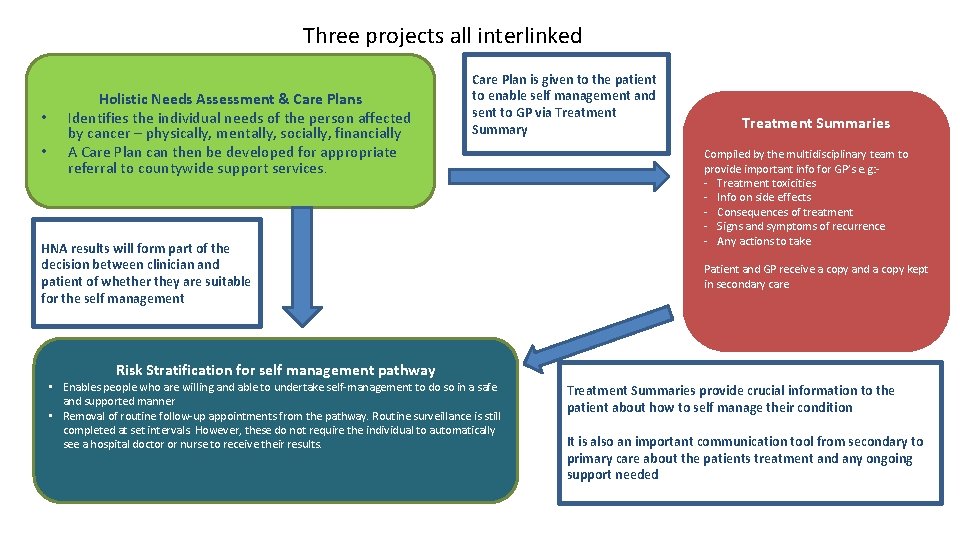
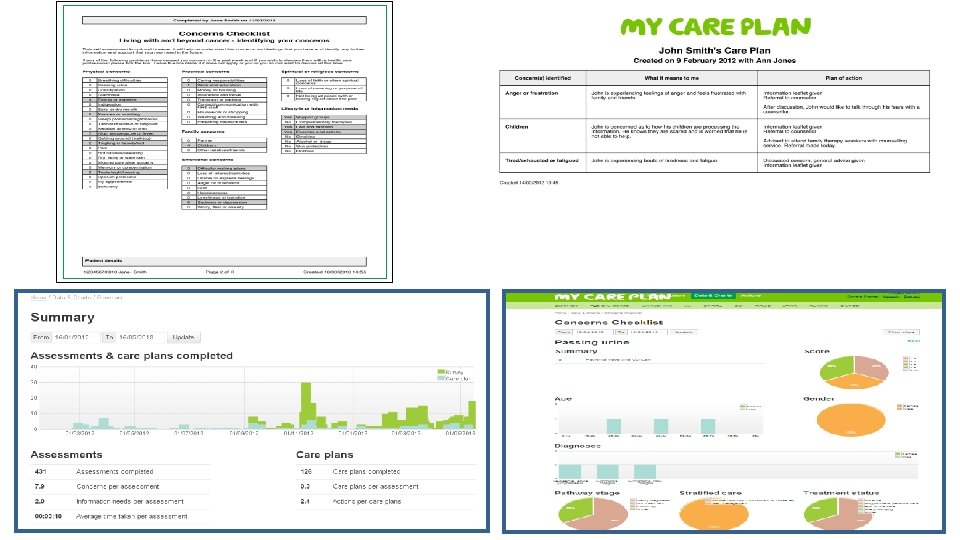
Three projects all interlinked • • Holistic Needs Assessment & Care Plans Identifies the individual needs of the person affected by cancer – physically, mentally, socially, financially A Care Plan can then be developed for appropriate referral to countywide support services. Care Plan is given to the patient to enable self management and sent to GP via Treatment Summary HNA results will form part of the decision between clinician and patient of whether they are suitable for the self management Treatment Summaries Compiled by the multidisciplinary team to provide important info for GP’s e. g: - Treatment toxicities - Info on side effects - Consequences of treatment - Signs and symptoms of recurrence - Any actions to take Patient and GP receive a copy and a copy kept in secondary care Risk Stratification for self management pathway • Enables people who are willing and able to undertake self-management to do so in a safe and supported manner • Removal of routine follow-up appointments from the pathway. Routine surveillance is still completed at set intervals. However, these do not require the individual to automatically see a hospital doctor or nurse to receive their results. Treatment Summaries provide crucial information to the patient about how to self manage their condition It is also an important communication tool from secondary to primary care about the patients treatment and any ongoing support needed
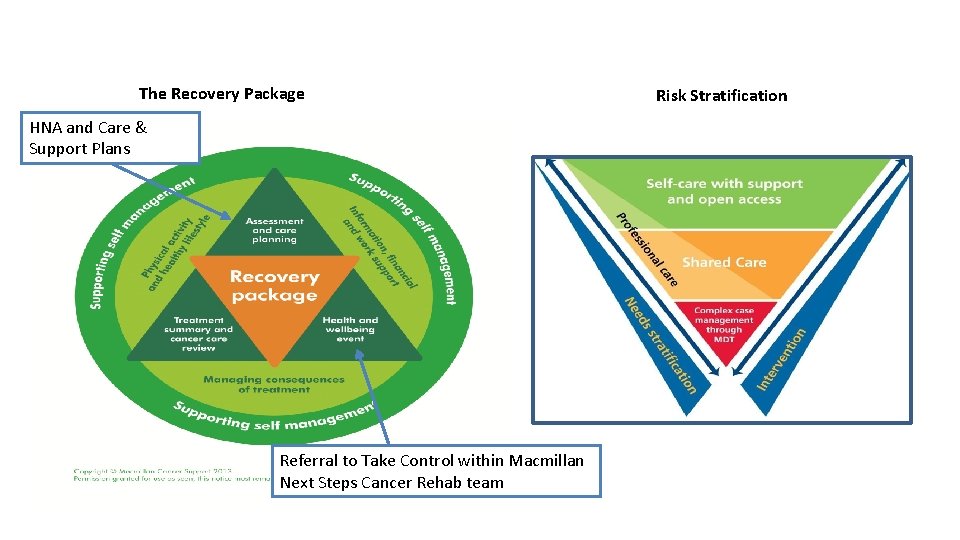
The Recovery Package HNA and Care & Support Plans Referral to Take Control within Macmillan Next Steps Cancer Rehab team Risk Stratification
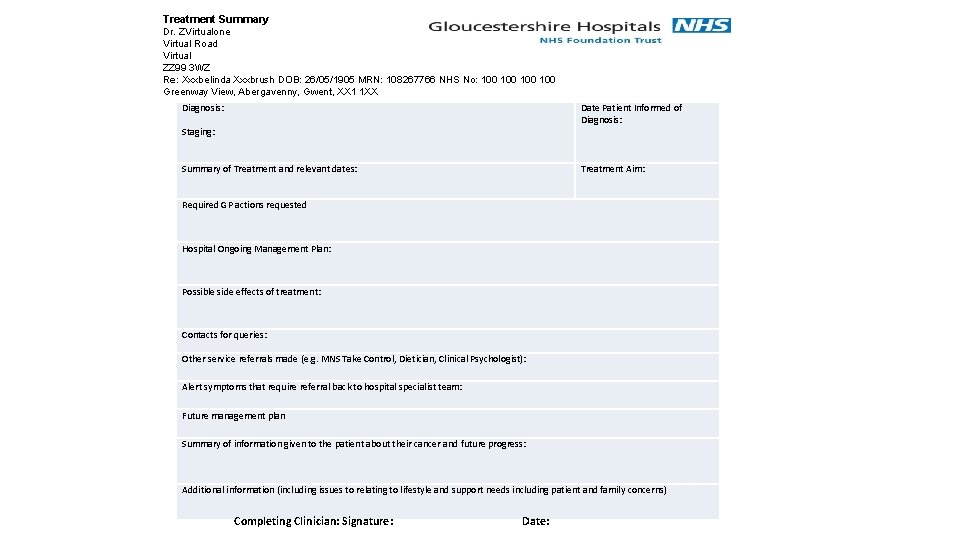
Treatment Summary Dr. ZVirtualone Virtual Road Virtual ZZ 99 3 WZ Re: Xxxbelinda Xxxbrush DOB: 26/05/1905 MRN: 108267766 NHS No: 100 100 Greenway View, Abergavenny, Gwent, XX 1 1 XX Diagnosis: Date Patient Informed of Diagnosis: Staging: Summary of Treatment and relevant dates: Treatment Aim: Required GP actions requested Hospital Ongoing Management Plan: Possible side effects of treatment: Contacts for queries: Other service referrals made (e. g. MNS Take Control, Dietician, Clinical Psychologist): Alert symptoms that require referral back to hospital specialist team: Future management plan Summary of information given to the patient about their cancer and future progress: Additional information (including issues to relating to lifestyle and support needs including patient and family concerns) Completing Clinician: Signature: Date:
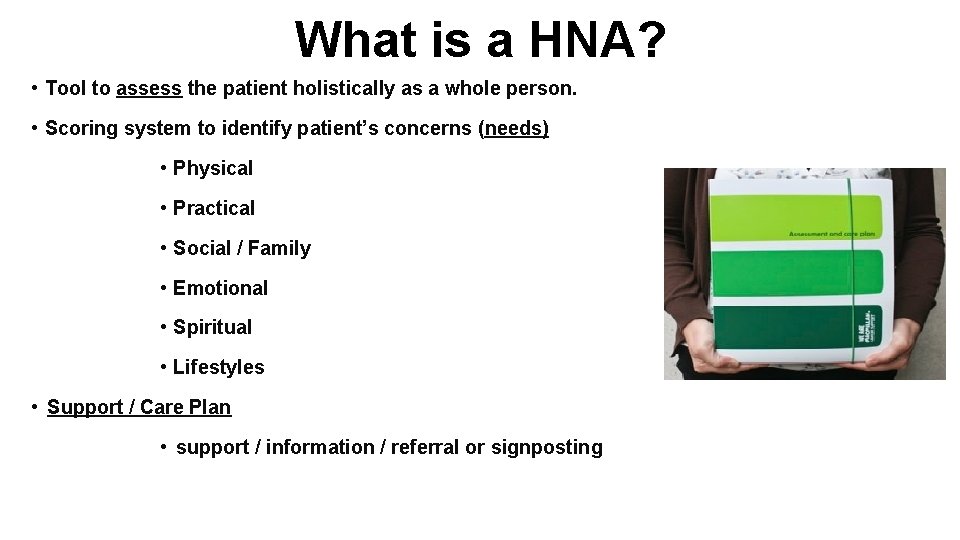
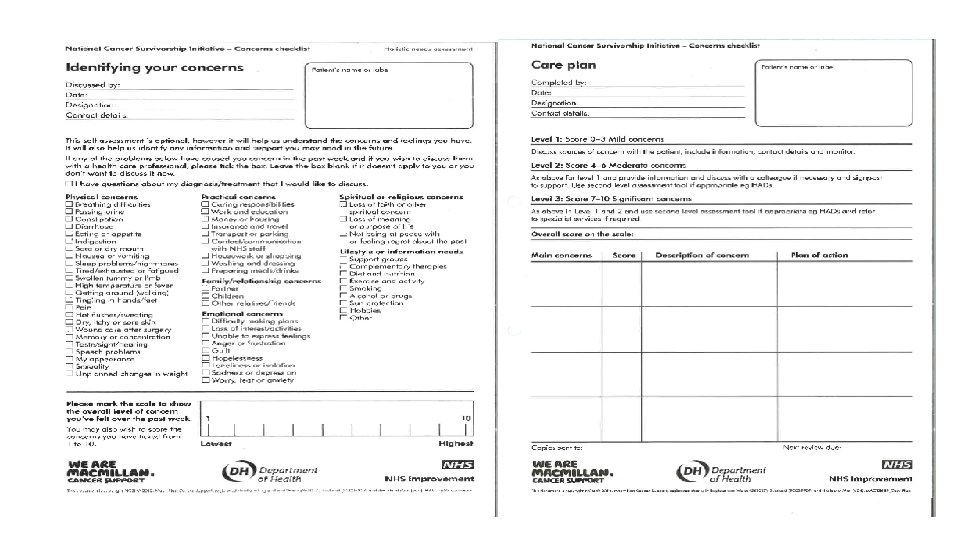
What is a HNA? • Tool to assess the patient holistically as a whole person. • Scoring system to identify patient’s concerns (needs) • Physical • Practical • Social / Family • Emotional • Spiritual • Lifestyles • Support / Care Plan • support / information / referral or signposting
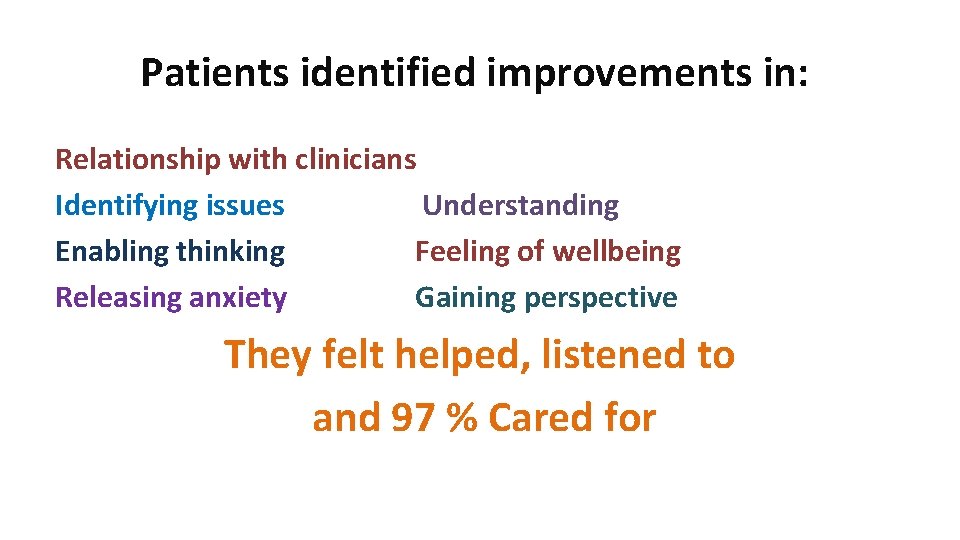
Patients identified improvements in: Relationship with clinicians Identifying issues Understanding Enabling thinking Feeling of wellbeing Releasing anxiety Gaining perspective They felt helped, listened to and 97 % Cared for
Emma Mitchell
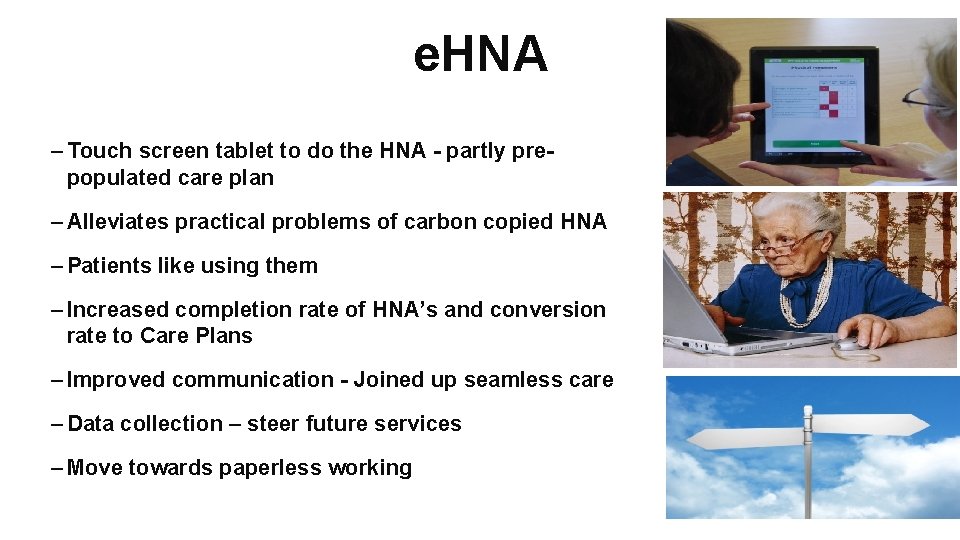
e. HNA – Touch screen tablet to do the HNA - partly prepopulated care plan – Alleviates practical problems of carbon copied HNA – Patients like using them – Increased completion rate of HNA’s and conversion rate to Care Plans – Improved communication - Joined up seamless care – Data collection – steer future services – Move towards paperless working
Emma Mitchell Macmillan HNA Project Manager emma. mitchell@glos. nhs. uk
A Patient’s Story Paul Illott
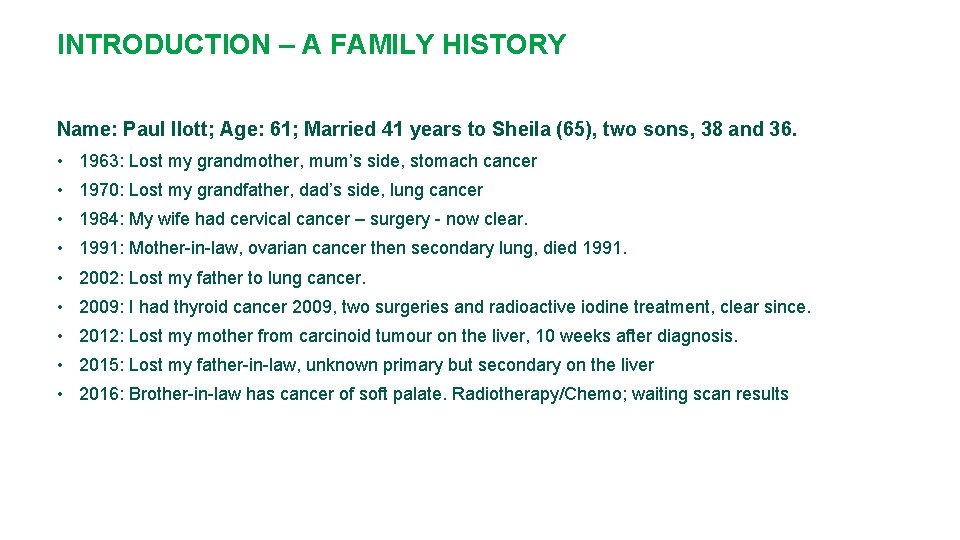
INTRODUCTION – A FAMILY HISTORY Name: Paul Ilott; Age: 61; Married 41 years to Sheila (65), two sons, 38 and 36. • 1963: Lost my grandmother, mum’s side, stomach cancer • 1970: Lost my grandfather, dad’s side, lung cancer • 1984: My wife had cervical cancer – surgery - now clear. • 1991: Mother-in-law, ovarian cancer then secondary lung, died 1991. • 2002: Lost my father to lung cancer. • 2009: I had thyroid cancer 2009, two surgeries and radioactive iodine treatment, clear since. • 2012: Lost my mother from carcinoid tumour on the liver, 10 weeks after diagnosis. • 2015: Lost my father-in-law, unknown primary but secondary on the liver • 2016: Brother-in-law has cancer of soft palate. Radiotherapy/Chemo; waiting scan results
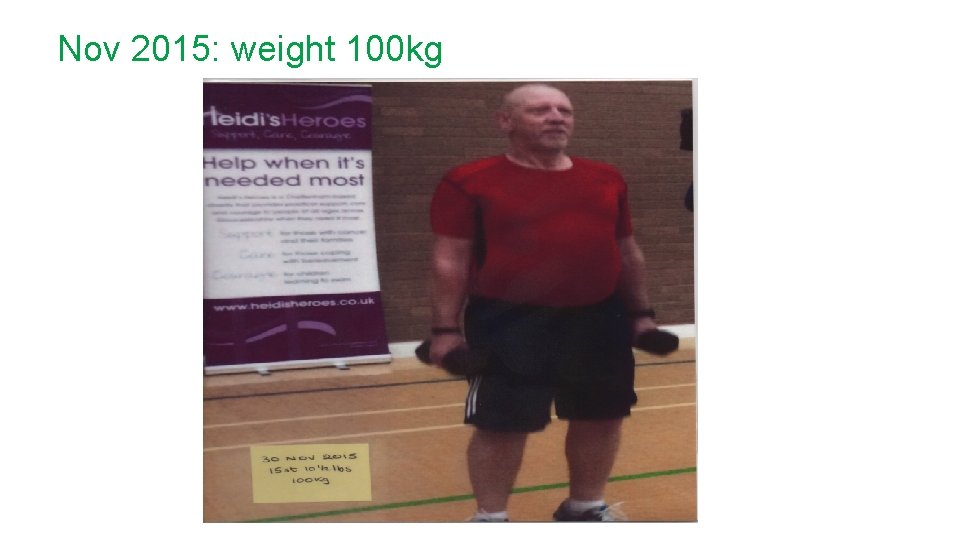
Nov 2015: weight 100 kg
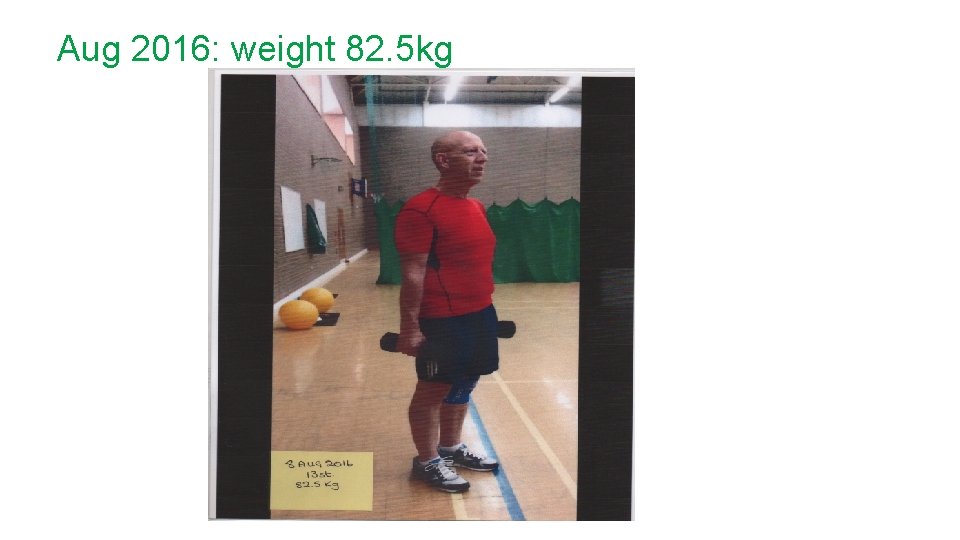
Aug 2016: weight 82. 5 kg
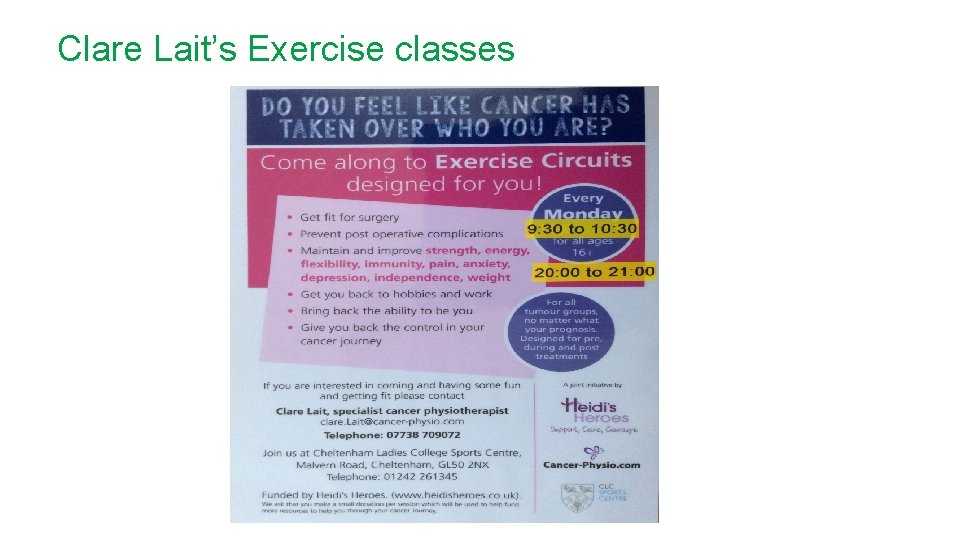
Clare Lait’s Exercise classes
Question Time
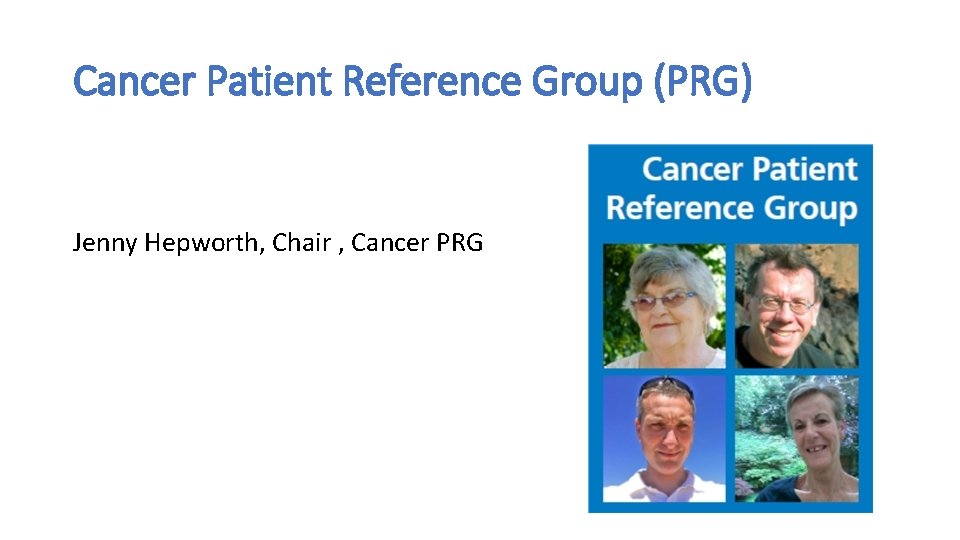
Cancer Patient Reference Group (PRG) Jenny Hepworth, Chair , Cancer PRG
It's your chance to really make a difference… …I joined to make a difference http: //youtu. be/oh. Ihv. S 8 O-ic …this was my way of giving something back by ensuring others benefit from improved services …to take an active role in helping others with cancer
Sum up and Close More questions? Information Stands: • Macmillan • Practice Nurses, helping the transition of caring for patients with cancer from secondary care (hospital-based) to primary care (the GP surgery) • Advanced Care Planning Informal networking time Suggested dates for future meetings 2017: 28 July and 27 October