
HODGKIN LYMPHOMA ST JOHN HOSPITAL AND MEDICAL CENTER


- Slides: 35
HODGKIN LYMPHOMA ST JOHN HOSPITAL AND MEDICAL CENTER HEMATOLOGY/ONCOLOGY FELLOWSHIP
OUTLINE OVERVIEW EPIDEMIOLOGY PATHOGENESIS CLINICAL PRESENTATION WORKUP CLASSIFICATION STAGING SCORING SYSTEMS FOR OUTCOME TREATMENT LATE EFFECTS OF HL TX ROLE OF STEM CELL TRANSPLANT IN HL NEW TX/ TARGETED THERAPY
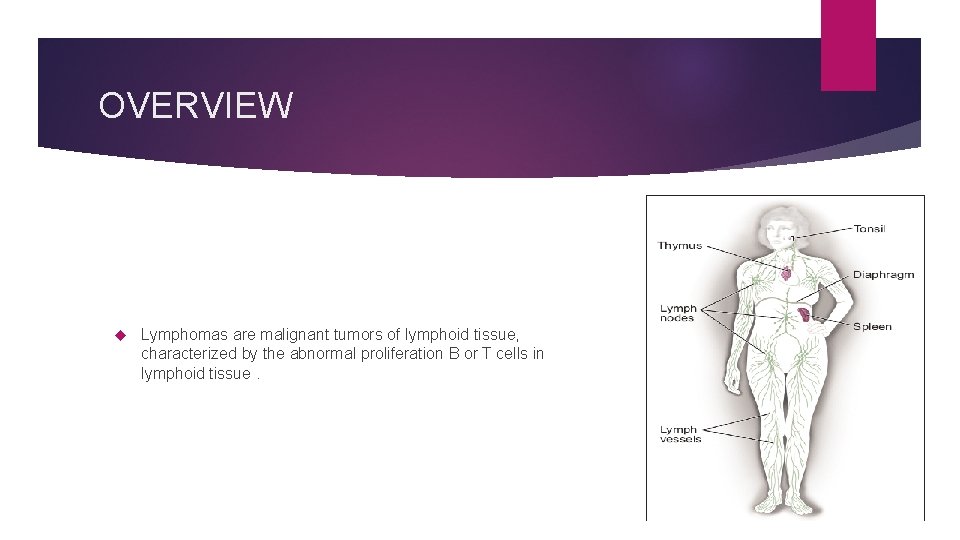
OVERVIEW Lymphomas are malignant tumors of lymphoid tissue, characterized by the abnormal proliferation B or T cells in lymphoid tissue.
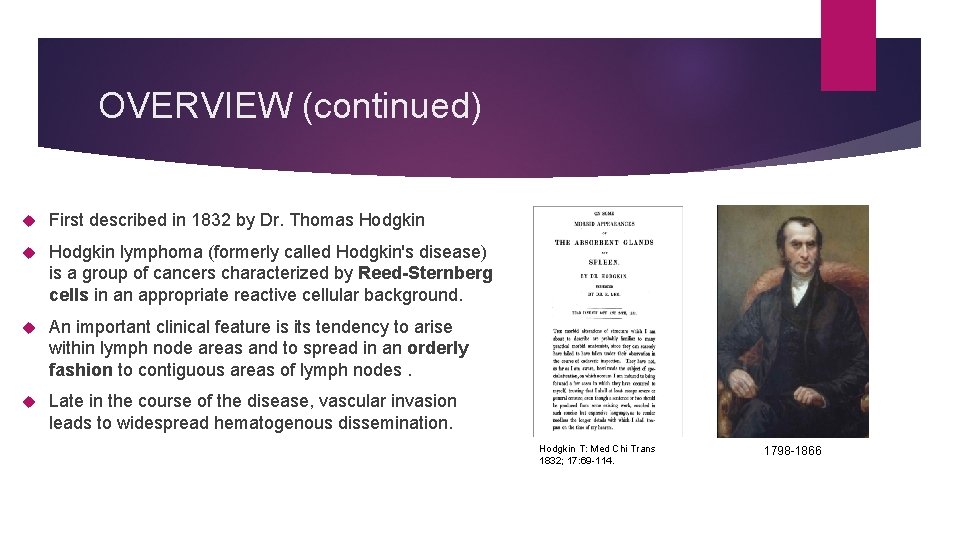
OVERVIEW (continued) First described in 1832 by Dr. Thomas Hodgkin lymphoma (formerly called Hodgkin's disease) is a group of cancers characterized by Reed-Sternberg cells in an appropriate reactive cellular background. An important clinical feature is its tendency to arise within lymph node areas and to spread in an orderly fashion to contiguous areas of lymph nodes. Late in the course of the disease, vascular invasion leads to widespread hematogenous dissemination. Hodgkin T: Med Chi Trans 1832; 17: 69 -114. 1798 -1866
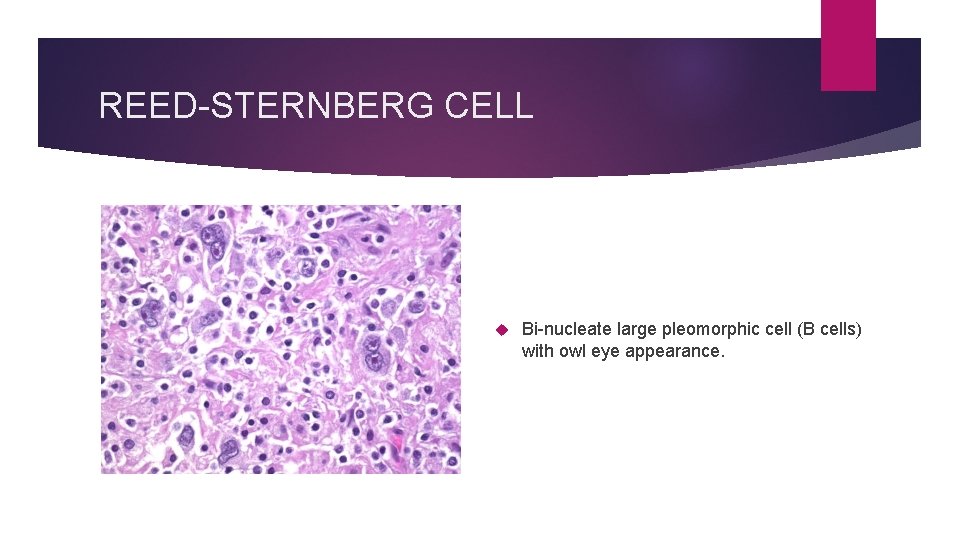
REED-STERNBERG CELL Bi-nucleate large pleomorphic cell (B cells) with owl eye appearance.
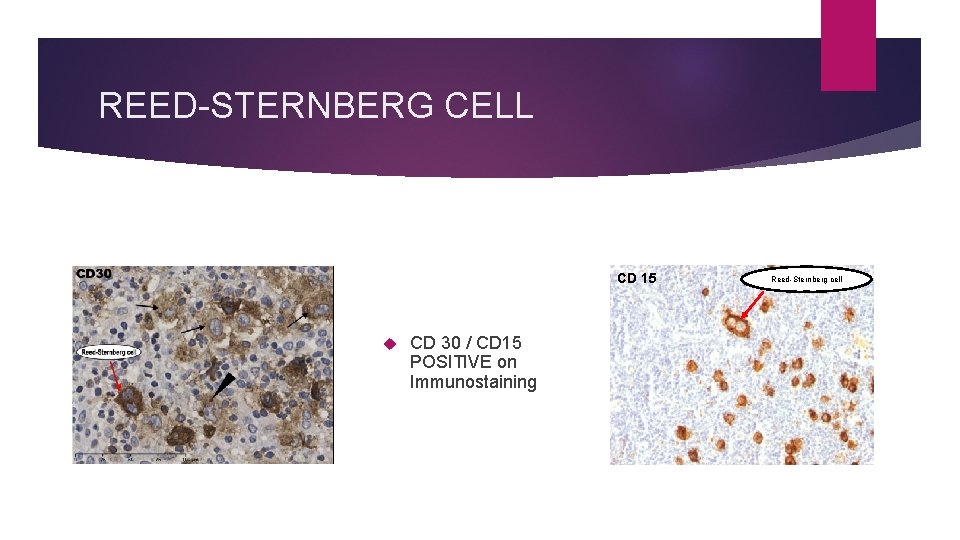
REED-STERNBERG CELL CD 15 CD 30 / CD 15 POSITIVE on Immunostaining Reed-Sternberg cell
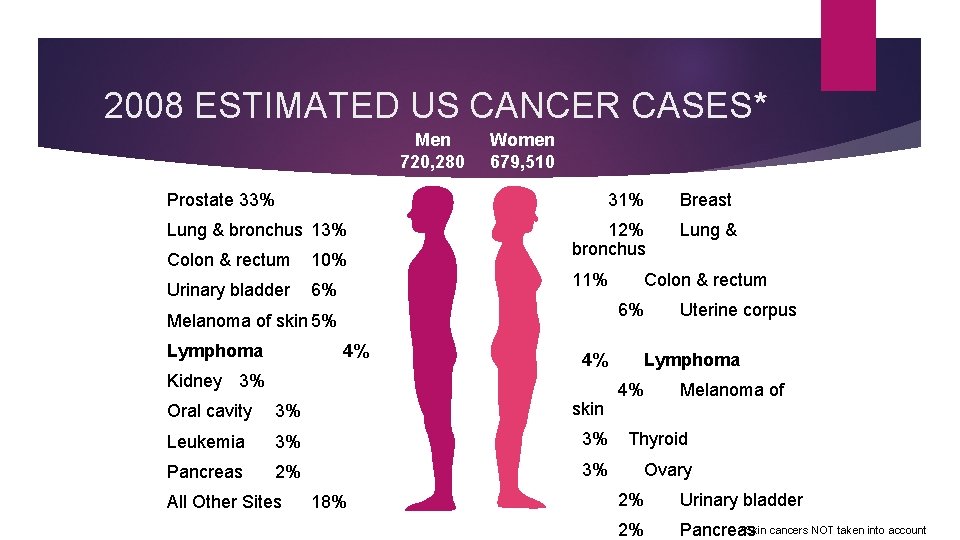
2008 ESTIMATED US CANCER CASES* Men 720, 280 Women 679, 510 Prostate 33% Lung & bronchus 13% Colon & rectum 10% Urinary bladder 6% 31% Breast 12% bronchus Lung & 11% 6% Melanoma of skin 5% Lymphoma Colon & rectum 4% 4% Kidney 3% Uterine corpus Lymphoma 4% Melanoma of Oral cavity 3% skin Leukemia 3% 3% Thyroid Pancreas 2% 3% Ovary All Other Sites 18% 2% Urinary bladder 2% *Skin cancers NOT taken into account Pancreas
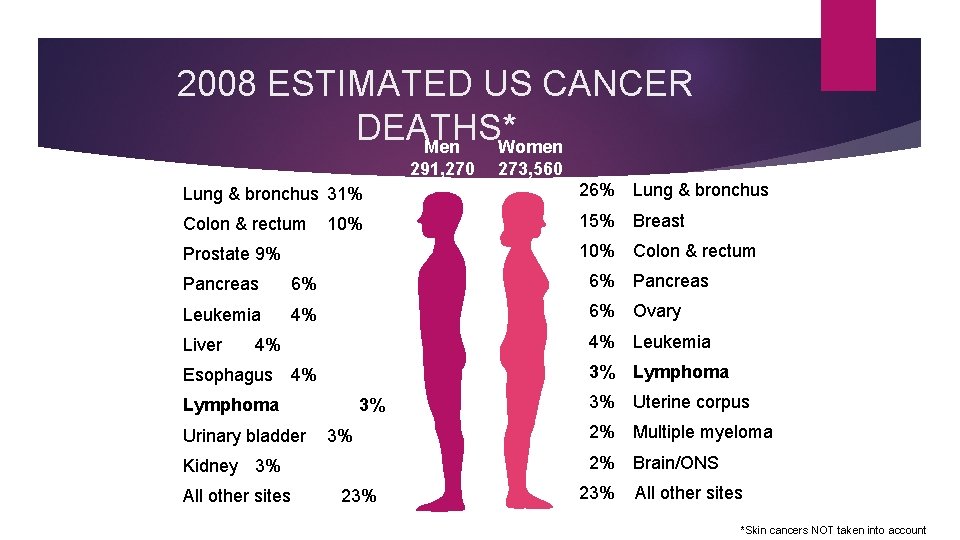
2008 ESTIMATED US CANCER DEATHS* Men Women 291, 270 273, 560 Lung & bronchus 31% 26% Lung & bronchus Colon & rectum 15% Breast 10% Colon & rectum Prostate 9% Pancreas 6% 6% Pancreas Leukemia 4% 6% Ovary 4% Leukemia Liver 4% 3% Lymphoma Esophagus 4% Lymphoma Urinary bladder 3% 3% Kidney 3% All other sites 23% 3% Uterine corpus 2% Multiple myeloma 2% Brain/ONS 23% All other sites *Skin cancers NOT taken into account
OVERVIEW (continued) Bimodal age distribution First peak between 2 nd – 3 rd decade of life Second peak between 5 th-6 th decade of life Adult Male/Female 1: 1 (In kids 2: 1) 10% of all Lymphomas and 0. 6% of all cancers 8500 new cases per year in US With treatment >80% of HL patients are CURED 90% of untreated patients die within 2 -3 years
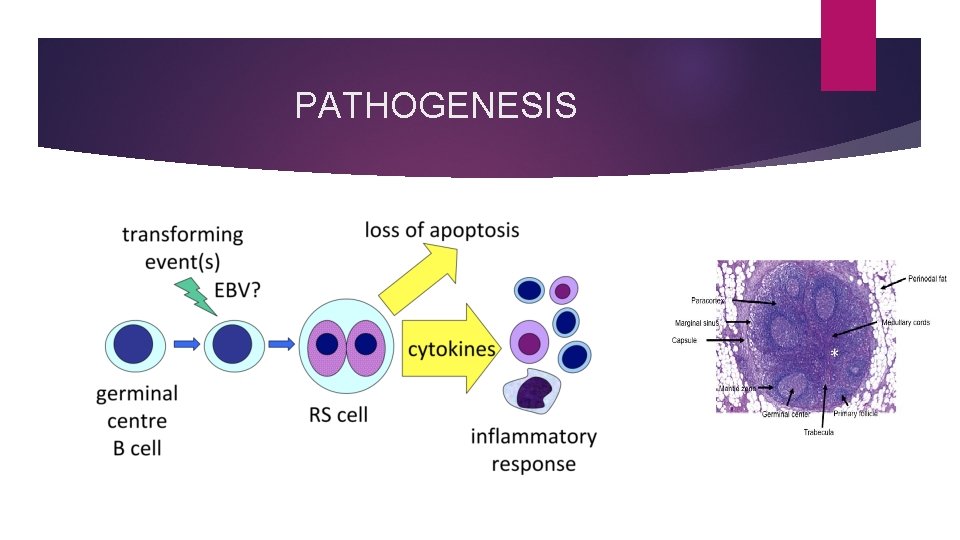
PATHOGENESIS
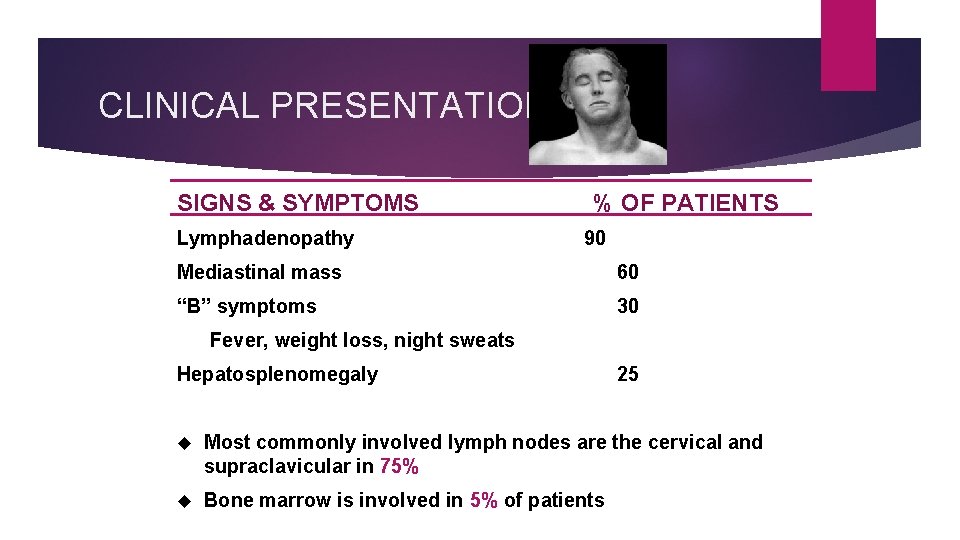
CLINICAL PRESENTATION SIGNS & SYMPTOMS Lymphadenopathy % OF PATIENTS 90 Mediastinal mass 60 “B” symptoms 30 Fever, weight loss, night sweats Hepatosplenomegaly 25 Most commonly involved lymph nodes are the cervical and supraclavicular in 75% Bone marrow is involved in 5% of patients
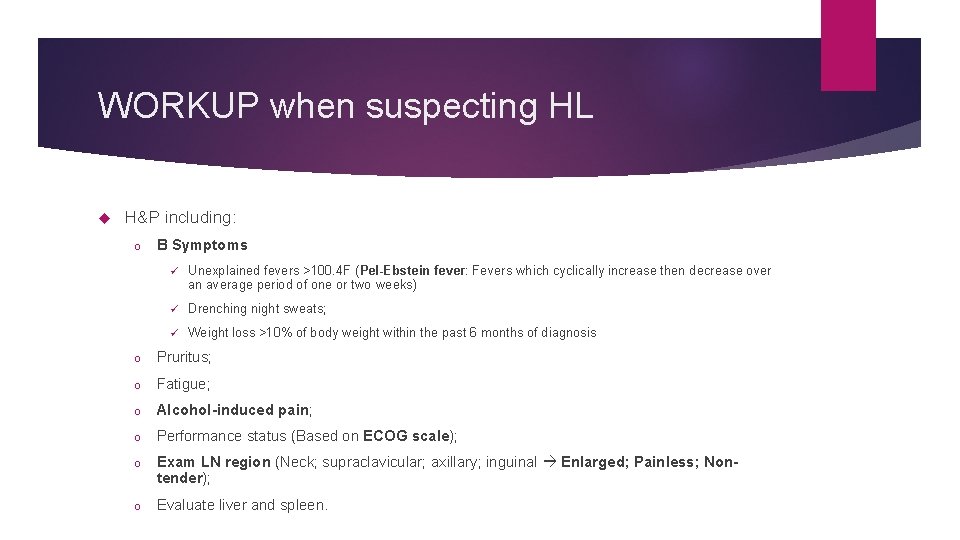
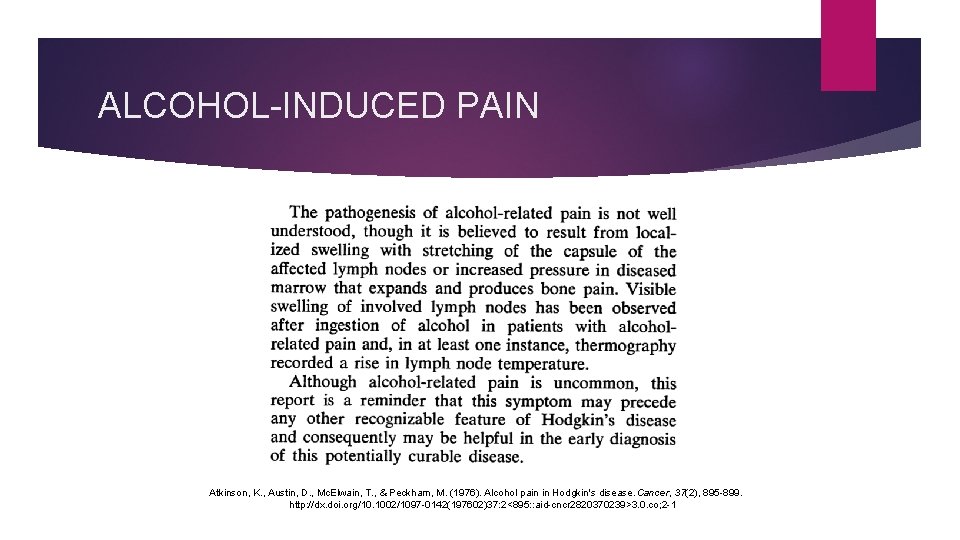
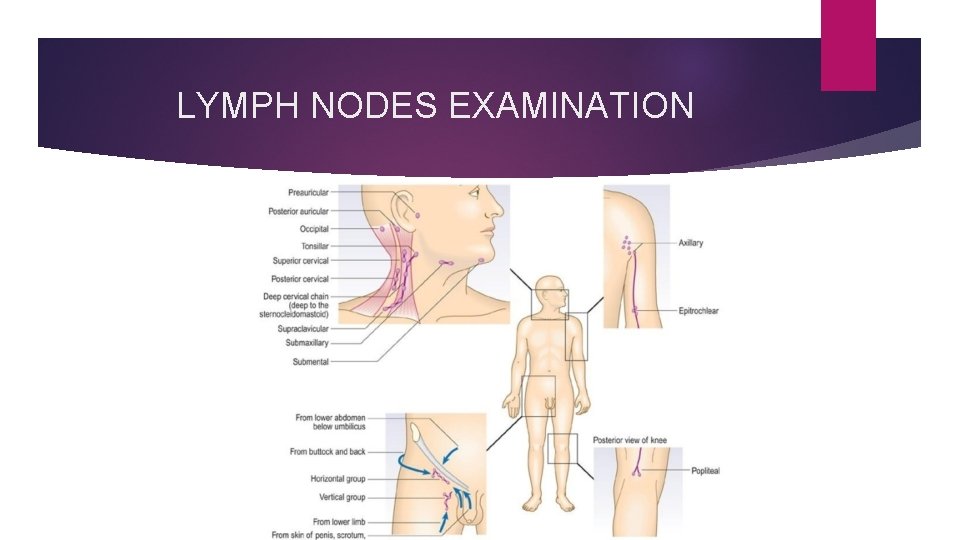
WORKUP when suspecting HL H&P including: o B Symptoms ü Unexplained fevers >100. 4 F (Pel-Ebstein fever: Fevers which cyclically increase then decrease over an average period of one or two weeks) ü Drenching night sweats; ü Weight loss >10% of body weight within the past 6 months of diagnosis o Pruritus; o Fatigue; o Alcohol-induced pain; o Performance status (Based on ECOG scale); o Exam LN region (Neck; supraclavicular; axillary; inguinal Enlarged; Painless; Nontender); o Evaluate liver and spleen.
ALCOHOL-INDUCED PAIN Atkinson, K. , Austin, D. , Mc. Elwain, T. , & Peckham, M. (1976). Alcohol pain in Hodgkin's disease. Cancer, 37(2), 895 -899. http: //dx. doi. org/10. 1002/1097 -0142(197602)37: 2<895: : aid-cncr 2820370239>3. 0. co; 2 -1
PERFORMANCE STATUS (ECOG SCALE) GRADE ECOG PERFORMANCE STATUS 0 Fully active, able to carry on all pre-disease performance without restriction 1 Restricted in physically strenuous activity but ambulatory and able to carry out work of a light or sedentary nature, e. g. , light house work, office work 2 Ambulatory and capable of all selfcare but unable to carry out any work activities; confined to bed or chair <50% of waking hours 3 Capable of only limited selfcare; confined to bed or chair >50% of waking hours 4 Completely disabled; cannot carry on any selfcare; totally confined to bed or chair 5 Dead
LYMPH NODES EXAMINATION
WORKUP when suspecting HL (continued) CBC with diff CMP ESR LDH HIV, Hepatitis B testing CT with IV contrast to NECK/chest/abdomen/pelvis
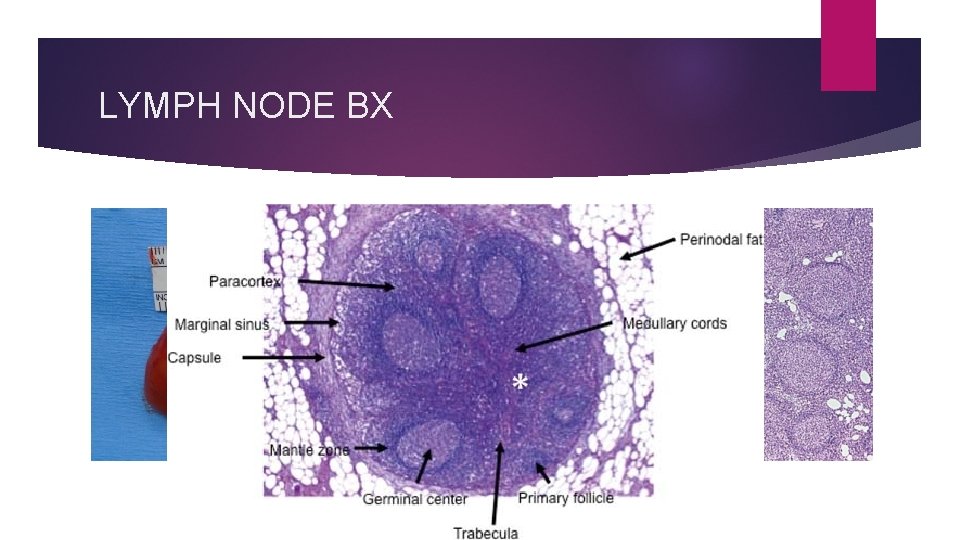
EXCISIONAL BX (highly recommended)
LYMPH NODE BX
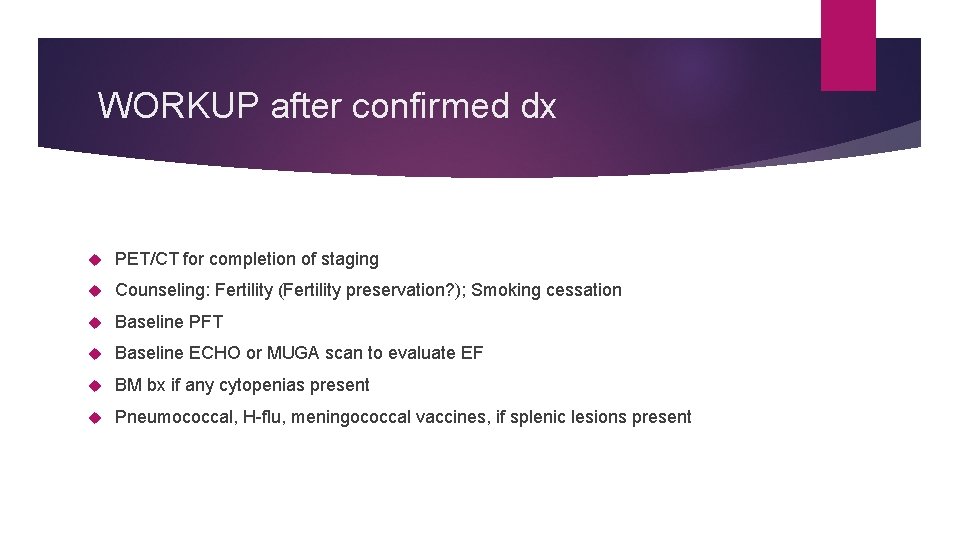
WORKUP after confirmed dx PET/CT for completion of staging Counseling: Fertility (Fertility preservation? ); Smoking cessation Baseline PFT Baseline ECHO or MUGA scan to evaluate EF BM bx if any cytopenias present Pneumococcal, H-flu, meningococcal vaccines, if splenic lesions present
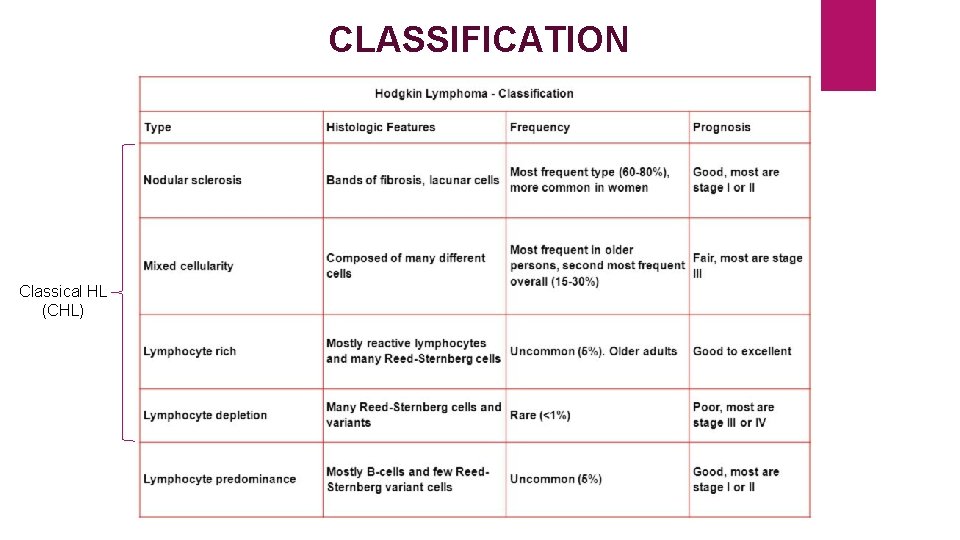
CLASSIFICATION Classical HL (CHL)
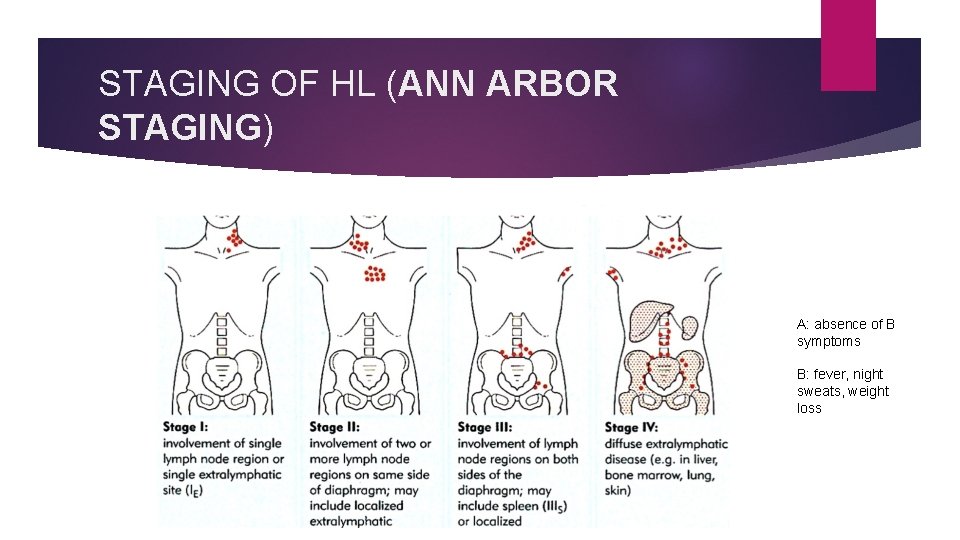
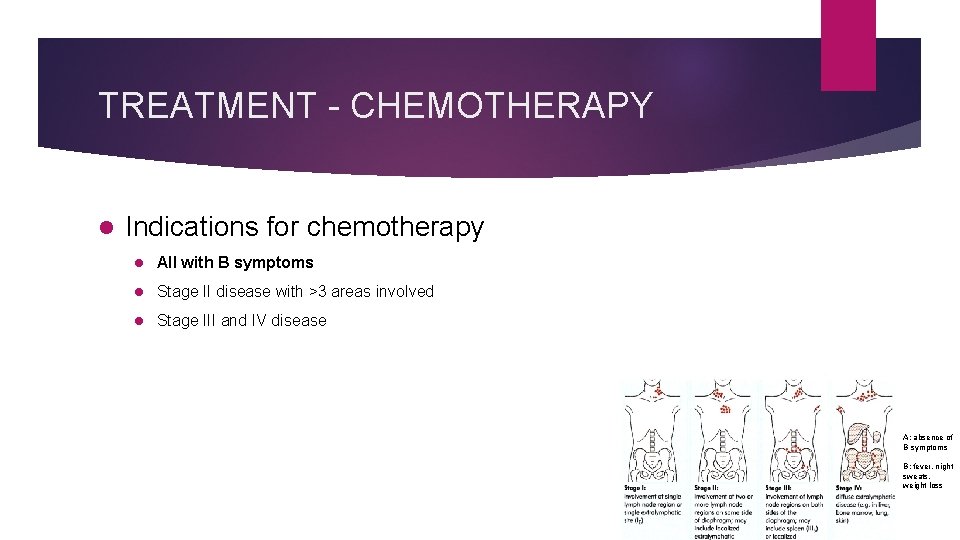
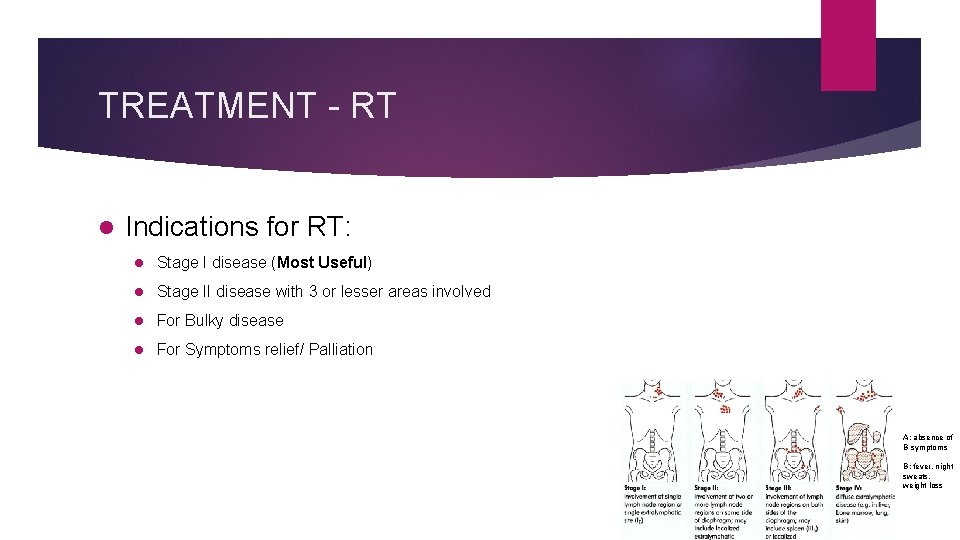
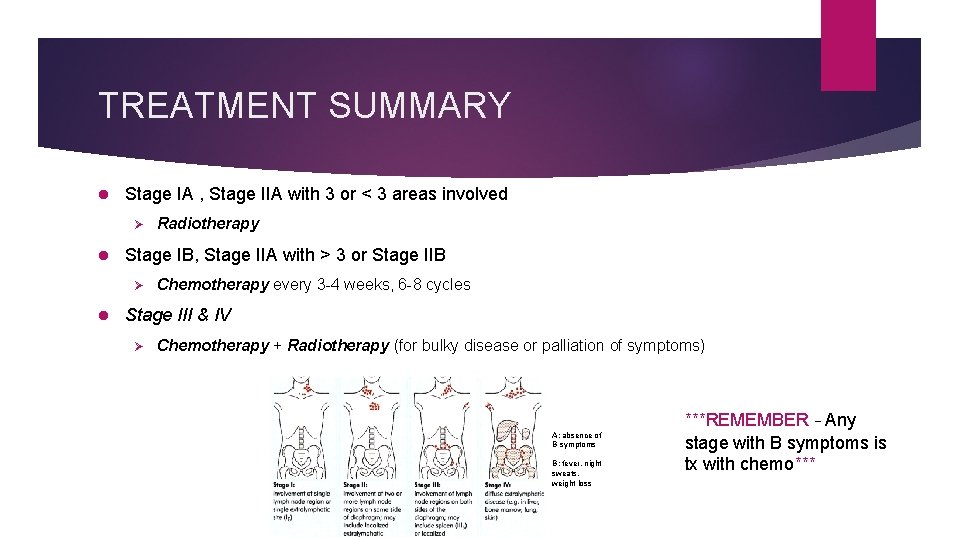
STAGING OF HL (ANN ARBOR STAGING) A: absence of B symptoms B: fever, night sweats, weight loss
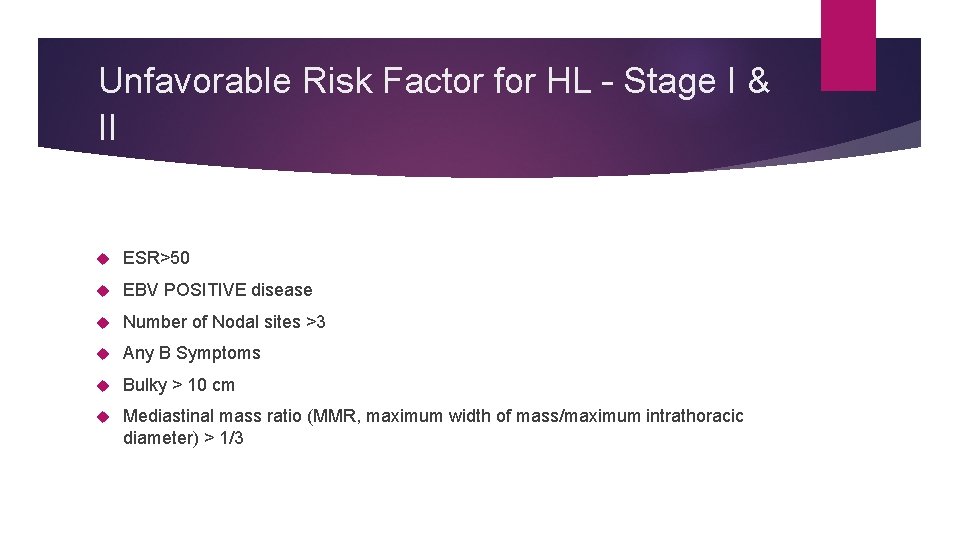
Unfavorable Risk Factor for HL – Stage I & II ESR>50 EBV POSITIVE disease Number of Nodal sites >3 Any B Symptoms Bulky > 10 cm Mediastinal mass ratio (MMR, maximum width of mass/maximum intrathoracic diameter) > 1/3
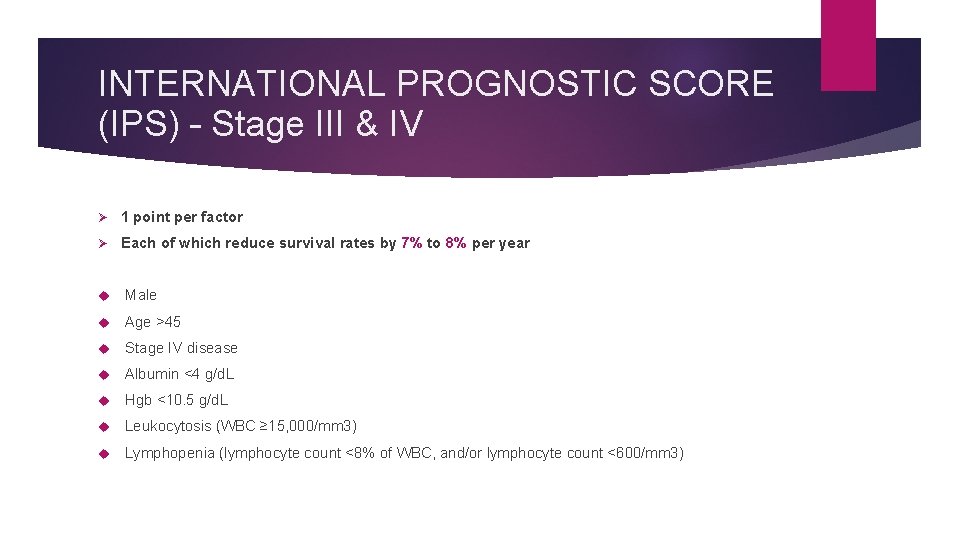
INTERNATIONAL PROGNOSTIC SCORE (IPS) – Stage III & IV Ø 1 point per factor Ø Each of which reduce survival rates by 7% to 8% per year Male Age >45 Stage IV disease Albumin <4 g/d. L Hgb <10. 5 g/d. L Leukocytosis (WBC ≥ 15, 000/mm 3) Lymphopenia (lymphocyte count <8% of WBC, and/or lymphocyte count <600/mm 3)
TREATMENT - CHEMOTHERAPY l Indications for chemotherapy l All with B symptoms l Stage II disease with >3 areas involved l Stage III and IV disease A: absence of B symptoms B: fever, night sweats, weight loss
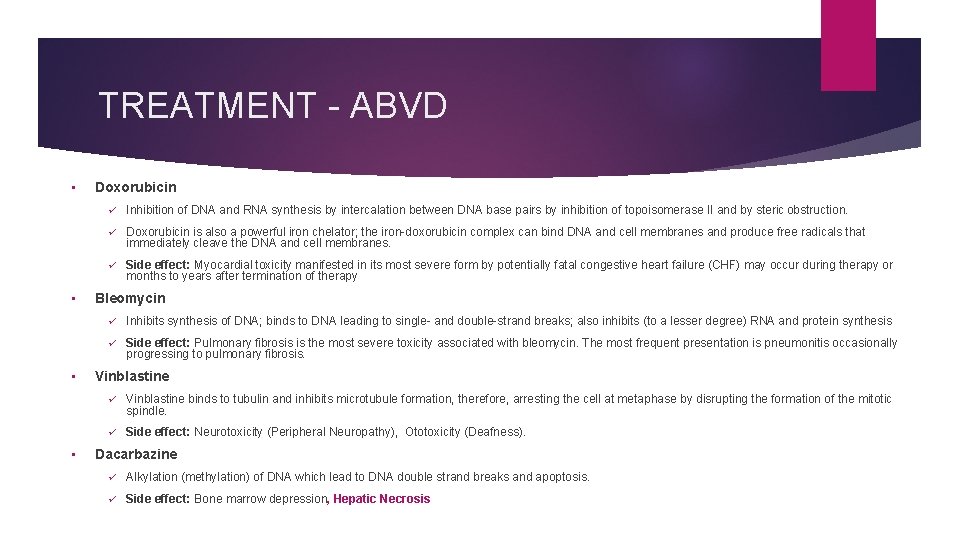
TREATMENT - ABVD • Doxorubicin ü Inhibition of DNA and RNA synthesis by intercalation between DNA base pairs by inhibition of topoisomerase II and by steric obstruction. ü Doxorubicin is also a powerful iron chelator; the iron-doxorubicin complex can bind DNA and cell membranes and produce free radicals that immediately cleave the DNA and cell membranes. ü Side effect: Myocardial toxicity manifested in its most severe form by potentially fatal congestive heart failure (CHF) may occur during therapy or months to years after termination of therapy • Bleomycin ü Inhibits synthesis of DNA; binds to DNA leading to single- and double-strand breaks; also inhibits (to a lesser degree) RNA and protein synthesis ü Side effect: Pulmonary fibrosis is the most severe toxicity associated with bleomycin. The most frequent presentation is pneumonitis occasionally progressing to pulmonary fibrosis. • Vinblastine ü Vinblastine binds to tubulin and inhibits microtubule formation, therefore, arresting the cell at metaphase by disrupting the formation of the mitotic spindle. ü Side effect: Neurotoxicity (Peripheral Neuropathy), Ototoxicity (Deafness). • Dacarbazine ü Alkylation (methylation) of DNA which lead to DNA double strand breaks and apoptosis. ü Side effect: Bone marrow depression, Hepatic Necrosis
TREATMENT - RT l Indications for RT: l Stage I disease (Most Useful) l Stage II disease with 3 or lesser areas involved l For Bulky disease l For Symptoms relief/ Palliation A: absence of B symptoms B: fever, night sweats, weight loss
TREATMENT SUMMARY l Stage IA , Stage IIA with 3 or < 3 areas involved Ø l Stage IB, Stage IIA with > 3 or Stage IIB Ø l Radiotherapy Chemotherapy every 3 -4 weeks, 6 -8 cycles Stage III & IV Ø Chemotherapy + Radiotherapy (for bulky disease or palliation of symptoms) A: absence of B symptoms B: fever, night sweats, weight loss ***REMEMBER – Any stage with B symptoms is tx with chemo***
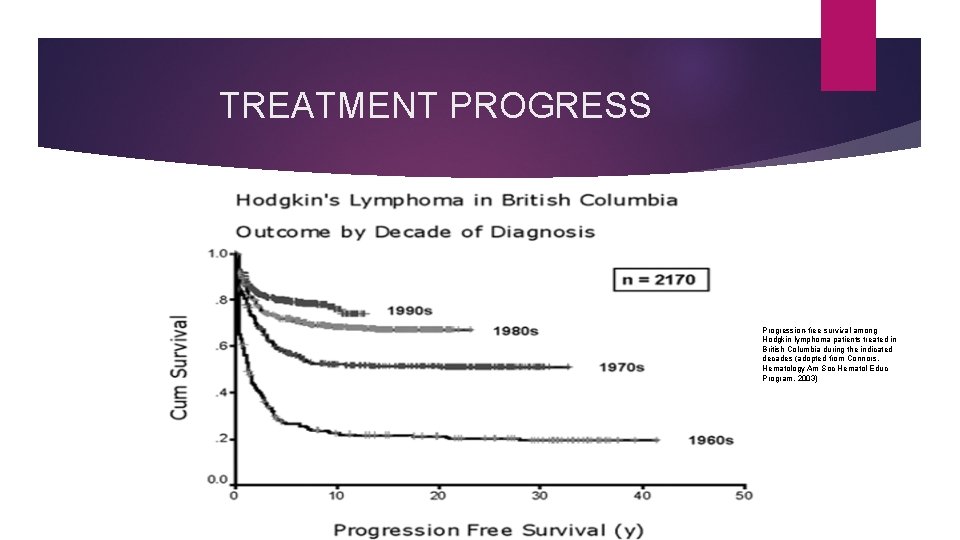
TREATMENT PROGRESS Progression-free survival among Hodgkin lymphoma patients treated in British Columbia during the indicated decades (adopted from Connors, Hematology Am Soc Hematol Educ Program, 2003)
WHAT DO HL PATIENT DIE FROM?
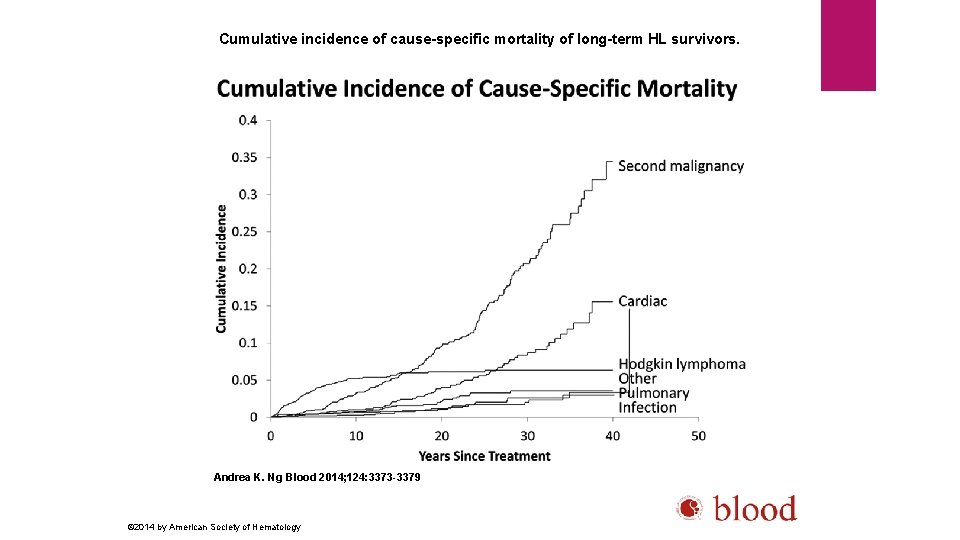
Cumulative incidence of cause-specific mortality of long-term HL survivors. Andrea K. Ng Blood 2014; 124: 3373 -3379 © 2014 by American Society of Hematology
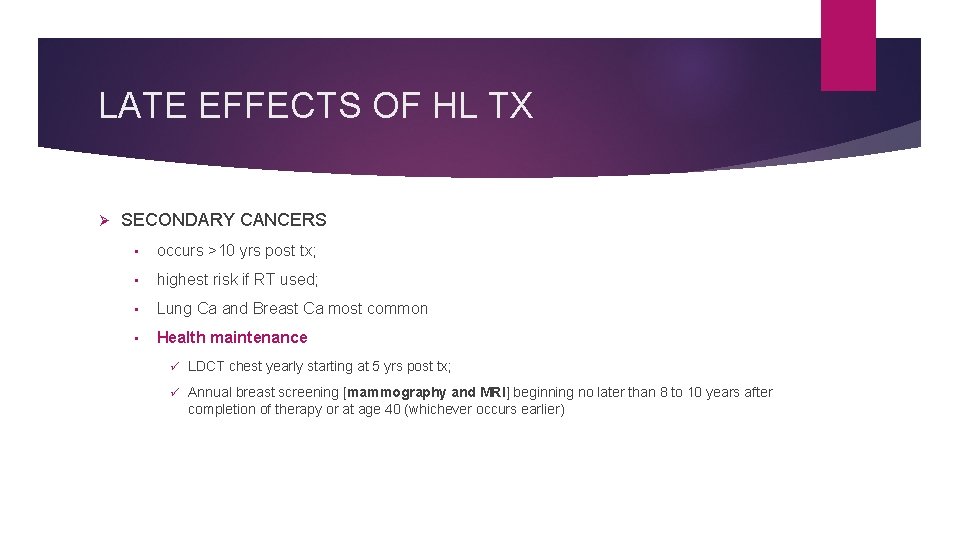
LATE EFFECTS OF HL TX Ø SECONDARY CANCERS • occurs >10 yrs post tx; • highest risk if RT used; • Lung Ca and Breast Ca most common • Health maintenance ü LDCT chest yearly starting at 5 yrs post tx; ü Annual breast screening [mammography and MRI] beginning no later than 8 to 10 years after completion of therapy or at age 40 (whichever occurs earlier)
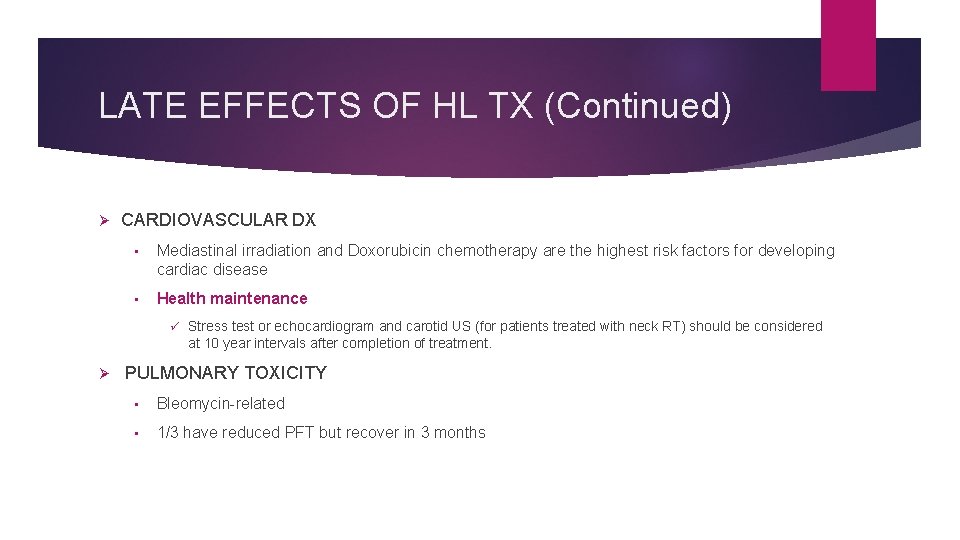
LATE EFFECTS OF HL TX (Continued) Ø CARDIOVASCULAR DX • Mediastinal irradiation and Doxorubicin chemotherapy are the highest risk factors for developing cardiac disease • Health maintenance ü Stress test or echocardiogram and carotid US (for patients treated with neck RT) should be considered at 10 year intervals after completion of treatment. Ø PULMONARY TOXICITY • Bleomycin-related • 1/3 have reduced PFT but recover in 3 months
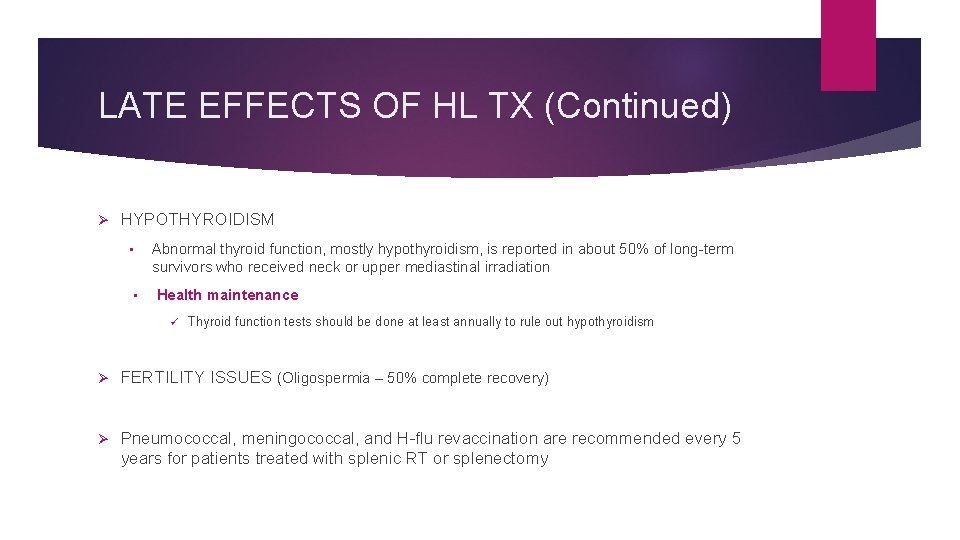
LATE EFFECTS OF HL TX (Continued) Ø HYPOTHYROIDISM Abnormal thyroid function, mostly hypothyroidism, is reported in about 50% of long-term survivors who received neck or upper mediastinal irradiation • • Health maintenance ü Thyroid function tests should be done at least annually to rule out hypothyroidism Ø FERTILITY ISSUES (Oligospermia – 50% complete recovery) Ø Pneumococcal, meningococcal, and H-flu revaccination are recommended every 5 years for patients treated with splenic RT or splenectomy
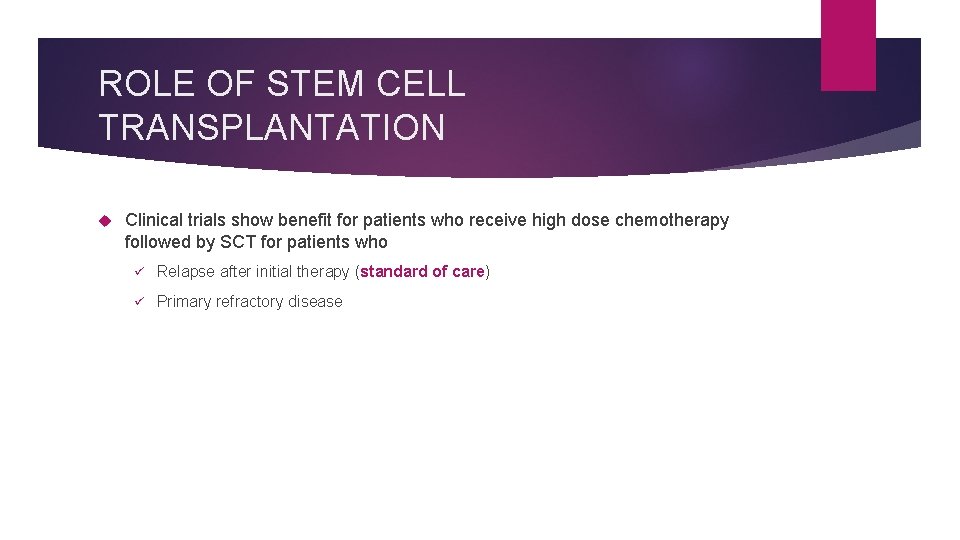
ROLE OF STEM CELL TRANSPLANTATION Clinical trials show benefit for patients who receive high dose chemotherapy followed by SCT for patients who ü Relapse after initial therapy (standard of care) ü Primary refractory disease
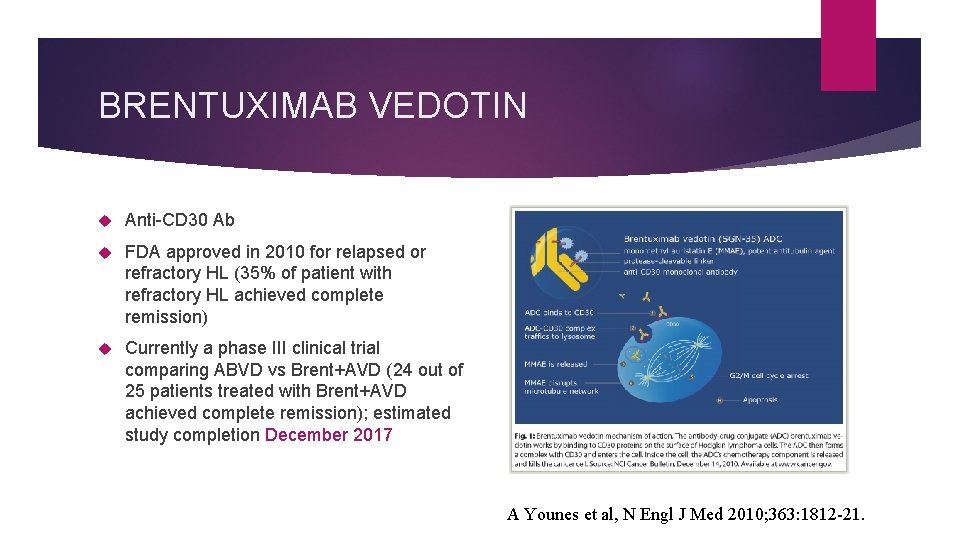
BRENTUXIMAB VEDOTIN Anti-CD 30 Ab FDA approved in 2010 for relapsed or refractory HL (35% of patient with refractory HL achieved complete remission) Currently a phase III clinical trial comparing ABVD vs Brent+AVD (24 out of 25 patients treated with Brent+AVD achieved complete remission); estimated study completion December 2017 A Younes et al, N Engl J Med 2010; 363: 1812 -21.