
HIV Structure Lifecycle and Replication Background Basic Virology
HIV Structure, Lifecycle, and Replication Background: Basic Virology Structure: Virion structure, genome, and proteins Lifecycle: Infection and Expression skitchen@ucla. edu
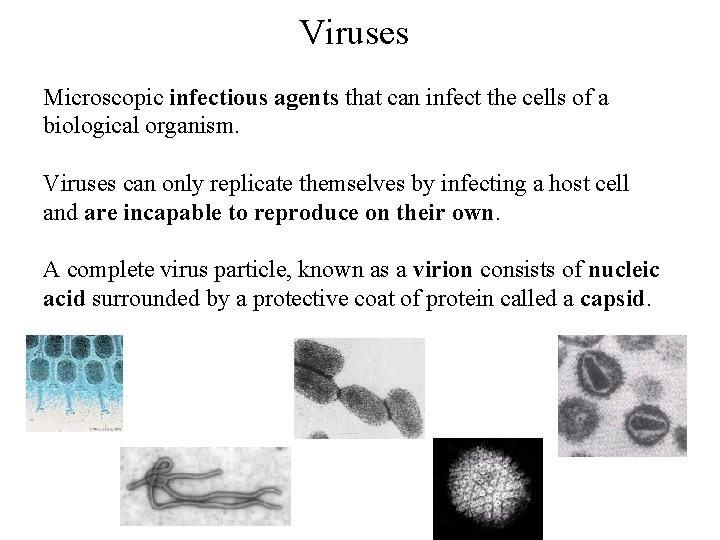
Viruses Microscopic infectious agents that can infect the cells of a biological organism. Viruses can only replicate themselves by infecting a host cell and are incapable to reproduce on their own. A complete virus particle, known as a virion consists of nucleic acid surrounded by a protective coat of protein called a capsid.
Human immunodeficiency virus (HIV) is a retrovirus that causes acquired immunodeficiency syndrome (AIDS). HIV primarily infects vital cells in the human immune system such as helper T cells (CD 4+ T cells), macrophages and dendritic cells. HIV infection leads to low levels of CD 4+ T cells. http: //www. unaids. org/en/
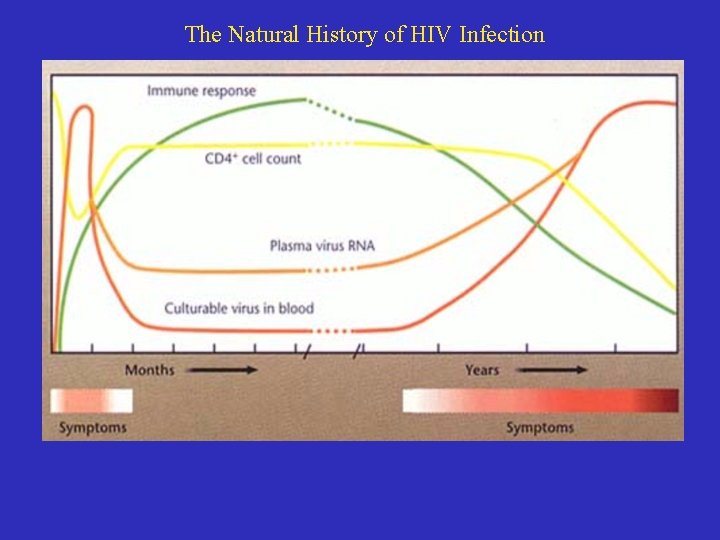
The Natural History of HIV Infection

The “Enemy”
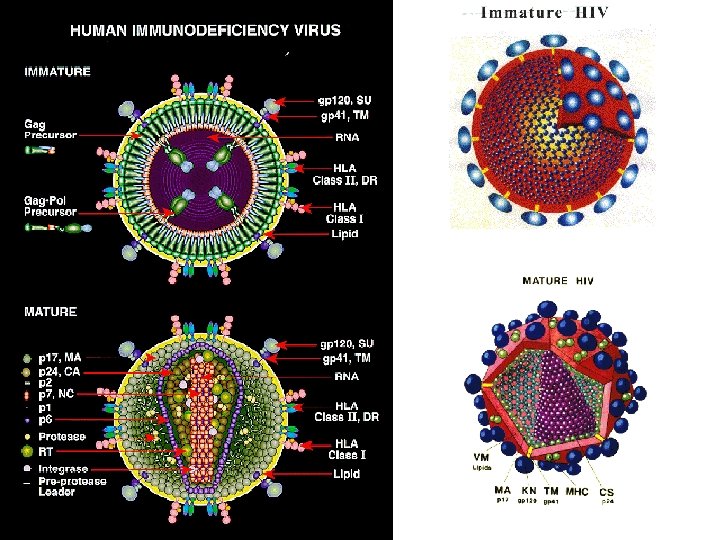
Basic Virology Virus: • Genomic “instructions” (RNA or DNA) • Physical structure (envelope and capsid) • Viral enzymes (reverse transcriptase, accessory gene products) • Parental host cell membrane
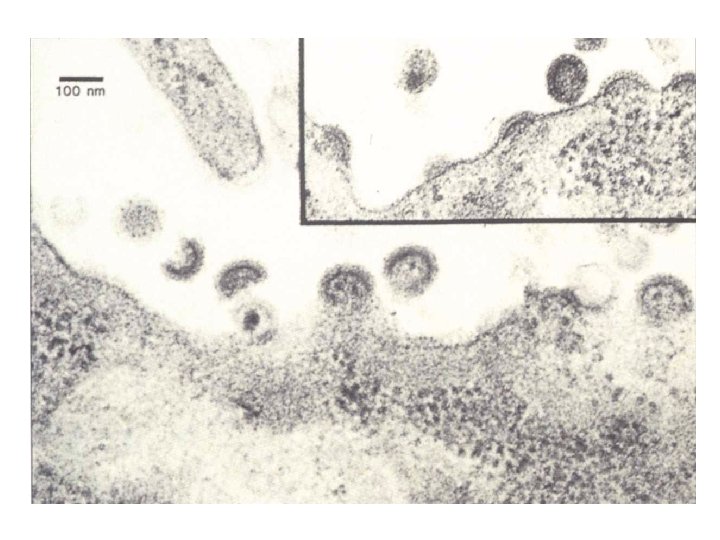
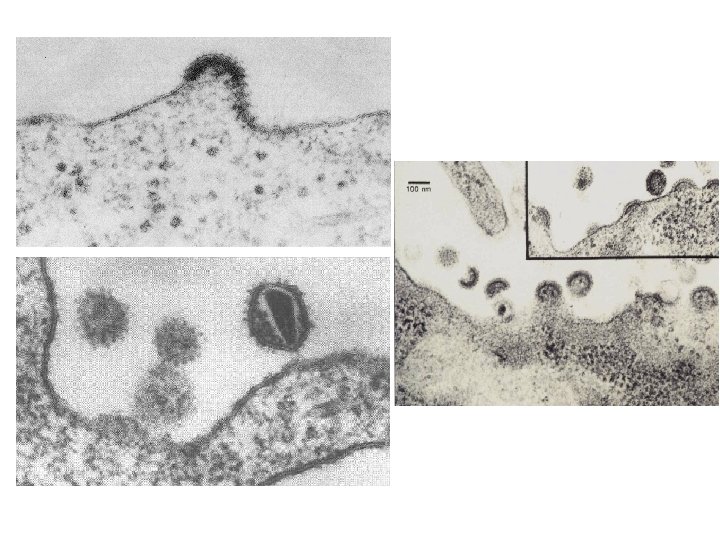
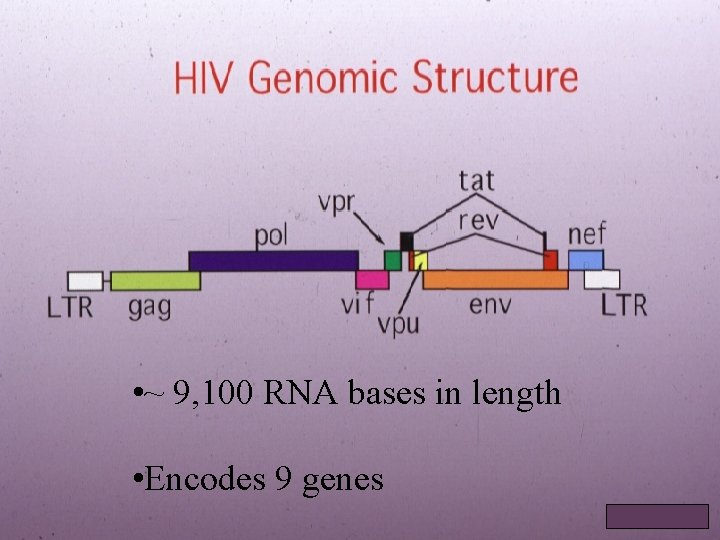
• ~ 9, 100 RNA bases in length • Encodes 9 genes
HIV Structure Virion Genomic Proteomic

HIV Proteins Structural Proteins Gag: Matrix, Capsid, NC Pol: Protease, Reverse Transcriptase, Integrase Env: gp 120, gp 41 Regulatory Proteins Tat Rev Nef Accessory proteins Vif Vpr Vpu
HIV Lifecycle:
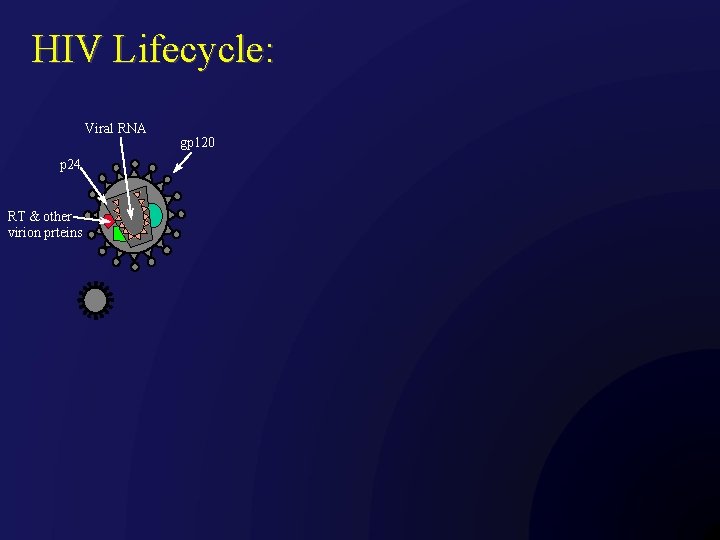
HIV Lifecycle: Viral RNA p 24 RT & other virion prteins gp 120
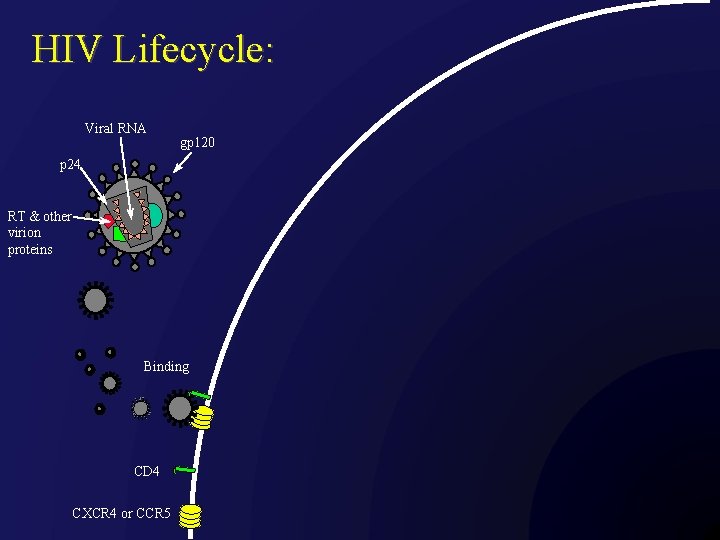
HIV Lifecycle: Viral RNA gp 120 p 24 RT & other virion proteins Binding CD 4 CXCR 4 or CCR 5
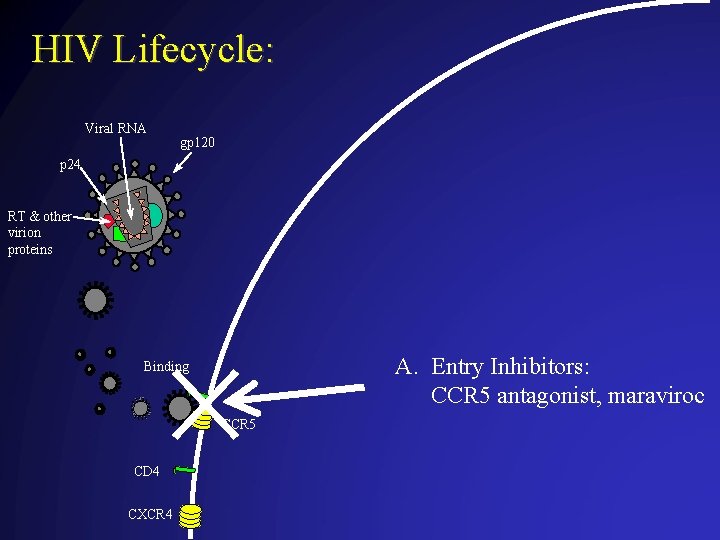
HIV Lifecycle: Viral RNA gp 120 p 24 RT & other virion proteins A. Entry Inhibitors: CCR 5 antagonist, maraviroc Binding CCR 5 CD 4 CXCR 4
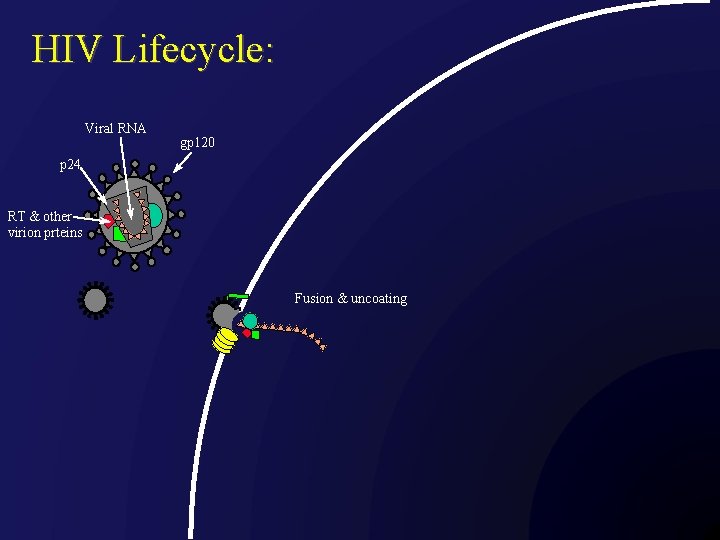
HIV Lifecycle: Viral RNA gp 120 p 24 RT & other virion prteins Fusion & uncoating

HIV Lifecycle: Viral RNA gp 120 p 24 RT & other virion proteins Fusion & uncoating B. Fusion Inhibitors: T 20
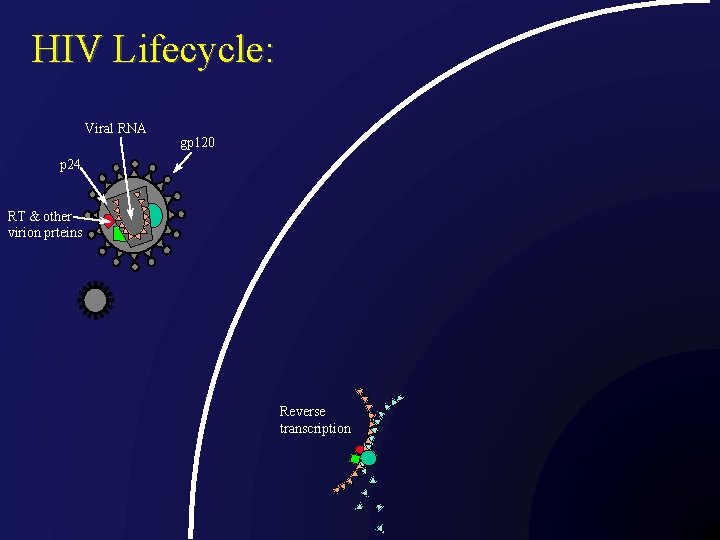
HIV Lifecycle: Viral RNA gp 120 p 24 RT & other virion prteins Reverse transcription
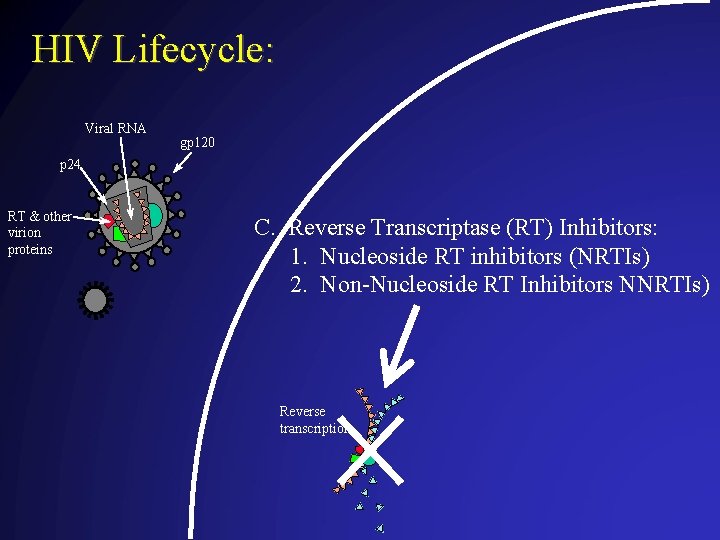
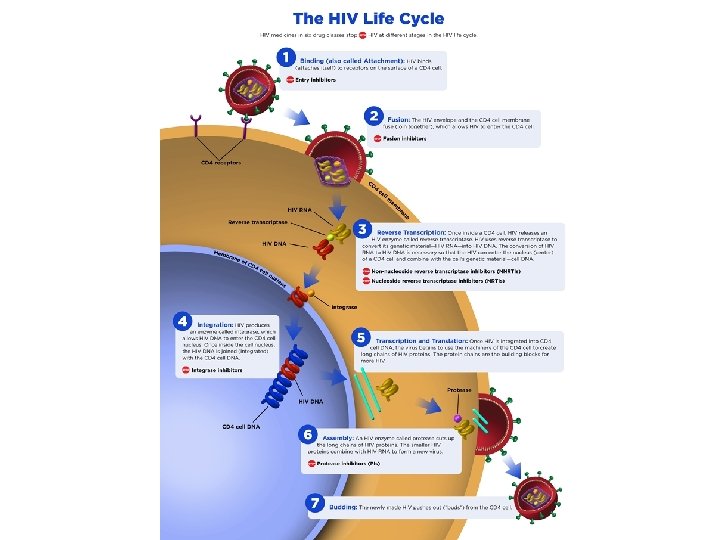
HIV Lifecycle: Viral RNA gp 120 p 24 RT & other virion proteins C. Reverse Transcriptase (RT) Inhibitors: 1. Nucleoside RT inhibitors (NRTIs) 2. Non-Nucleoside RT Inhibitors NNRTIs) Reverse transcription
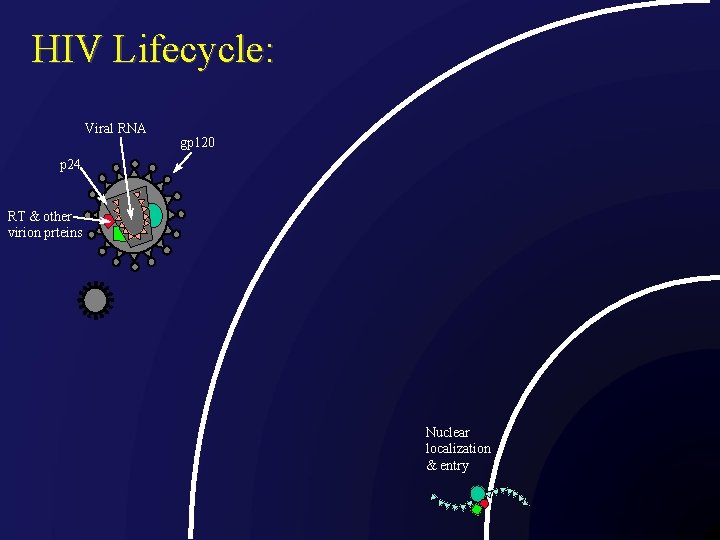
HIV Lifecycle: Viral RNA gp 120 p 24 RT & other virion prteins Nuclear localization & entry
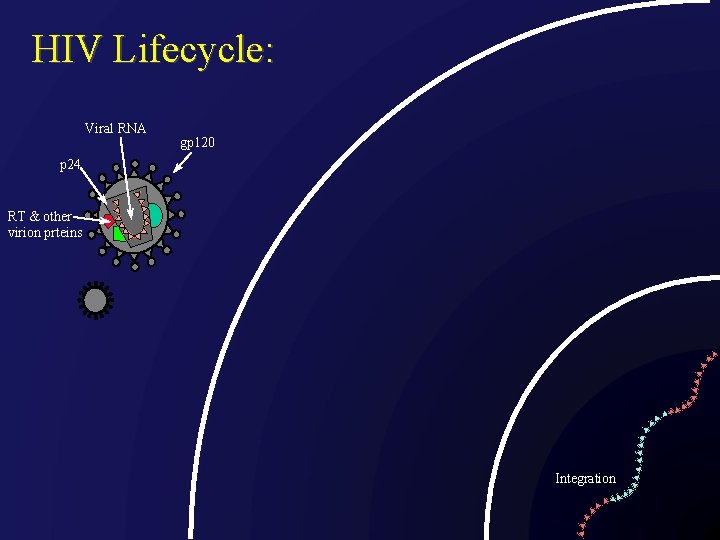
HIV Lifecycle: Viral RNA gp 120 p 24 RT & other virion prteins Integration
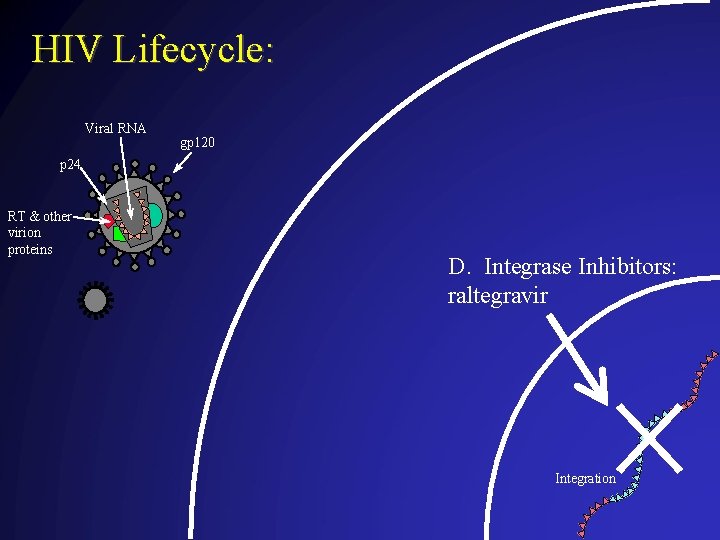
HIV Lifecycle: Viral RNA gp 120 p 24 RT & other virion proteins D. Integrase Inhibitors: raltegravir Integration
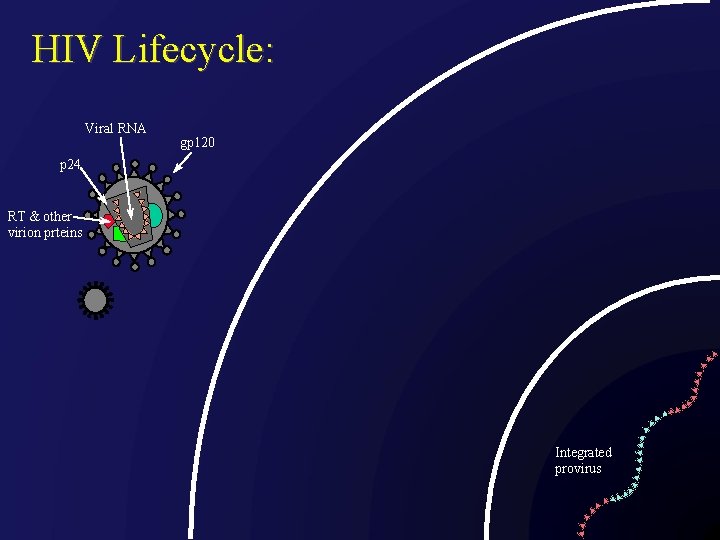
HIV Lifecycle: Viral RNA gp 120 p 24 RT & other virion prteins Integrated provirus
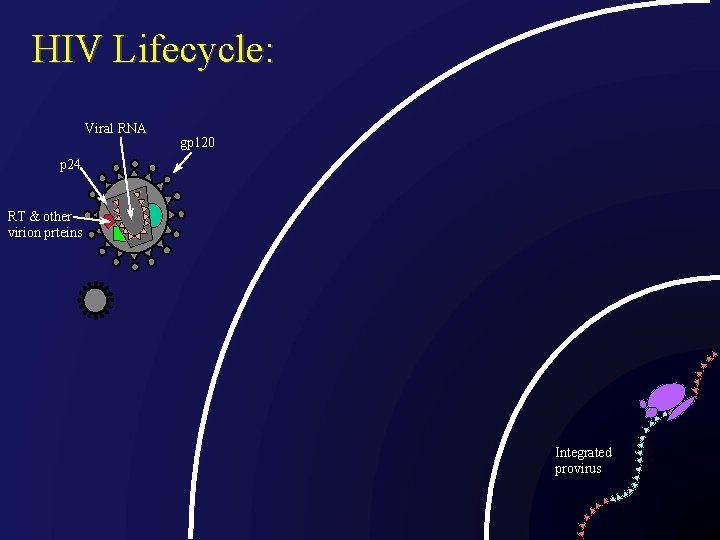
HIV Lifecycle: Viral RNA gp 120 p 24 RT & other virion prteins Integrated provirus
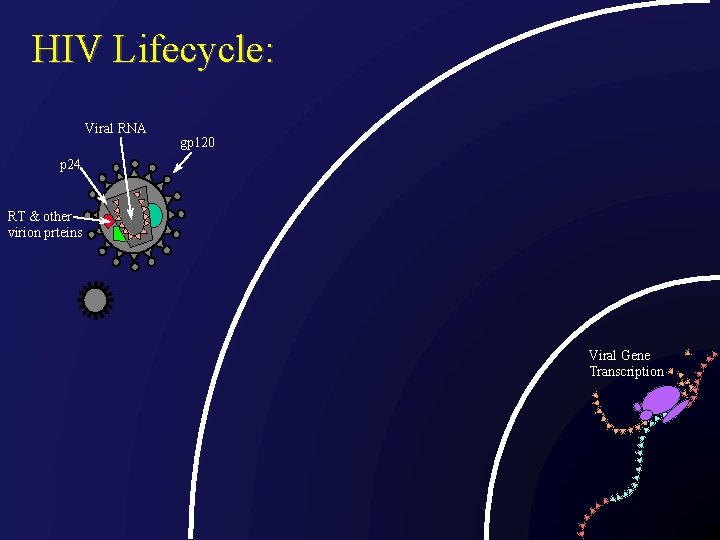
HIV Lifecycle: Viral RNA gp 120 p 24 RT & other virion prteins Viral Gene Transcription
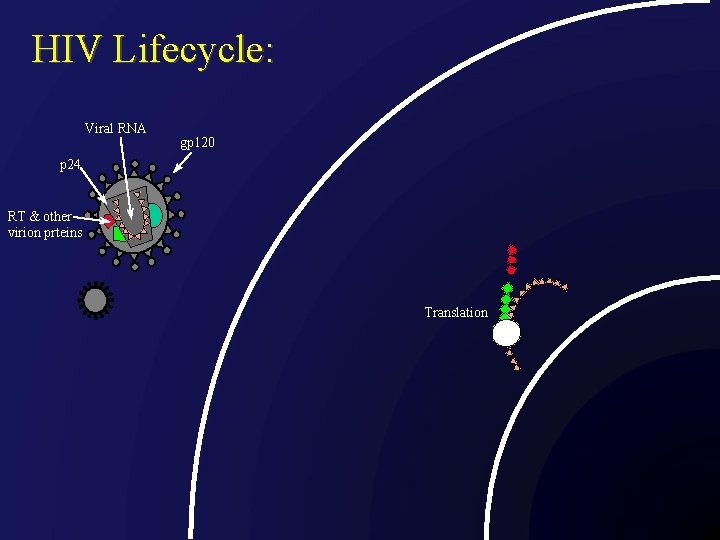
HIV Lifecycle: Viral RNA gp 120 p 24 RT & other virion prteins Translation
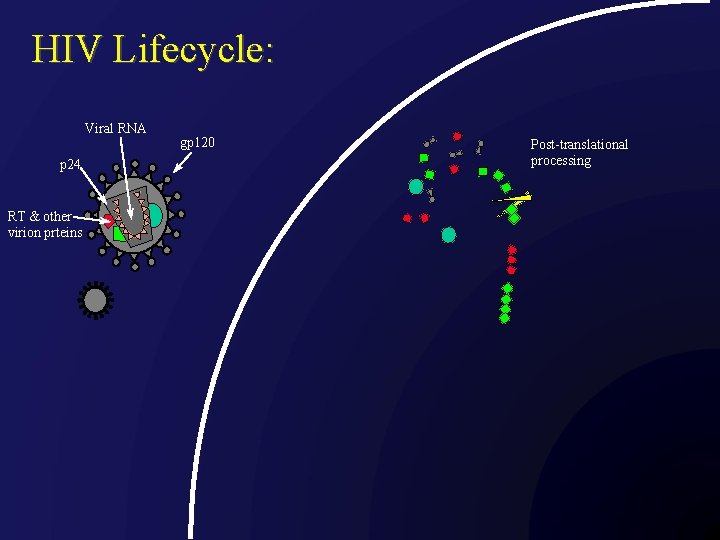
HIV Lifecycle: Viral RNA p 24 RT & other virion prteins gp 120 Post-translational processing
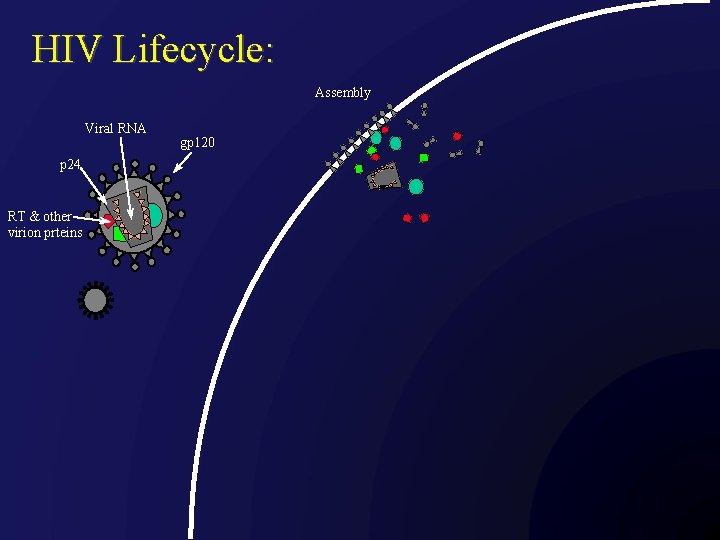
HIV Lifecycle: Assembly Viral RNA p 24 RT & other virion prteins gp 120
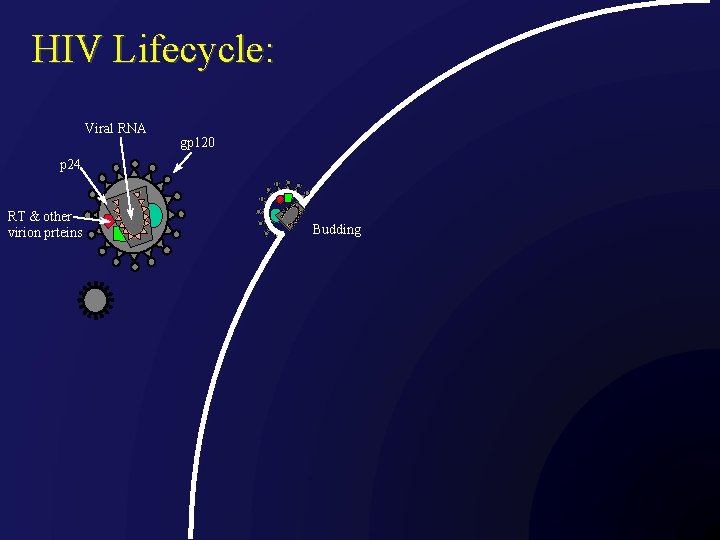
HIV Lifecycle: Viral RNA gp 120 p 24 RT & other virion prteins Budding
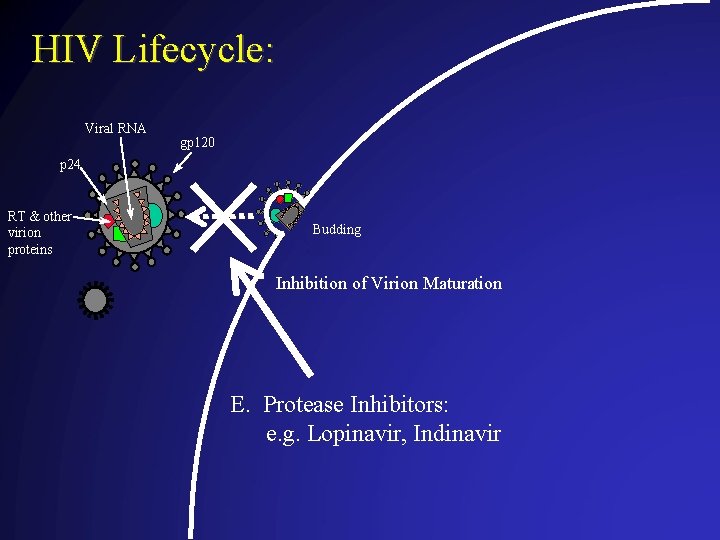
HIV Lifecycle: Viral RNA gp 120 p 24 RT & other virion proteins Budding Inhibition of Virion Maturation E. Protease Inhibitors: e. g. Lopinavir, Indinavir
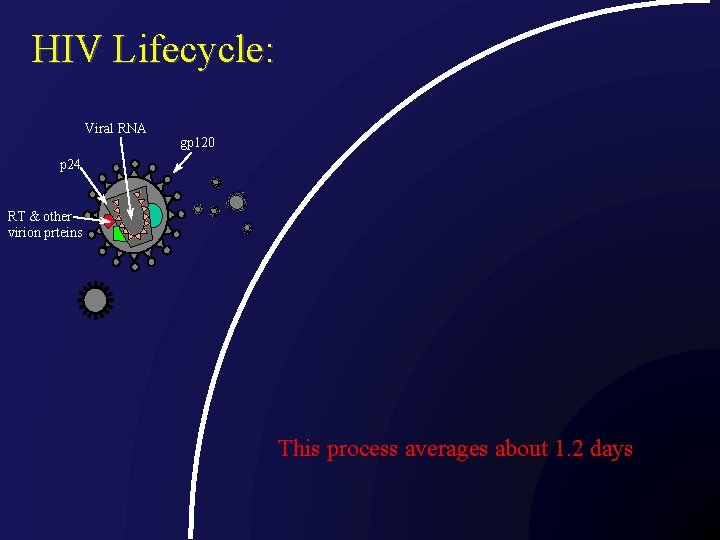
HIV Lifecycle: Viral RNA gp 120 p 24 RT & other virion prteins This process averages about 1. 2 days
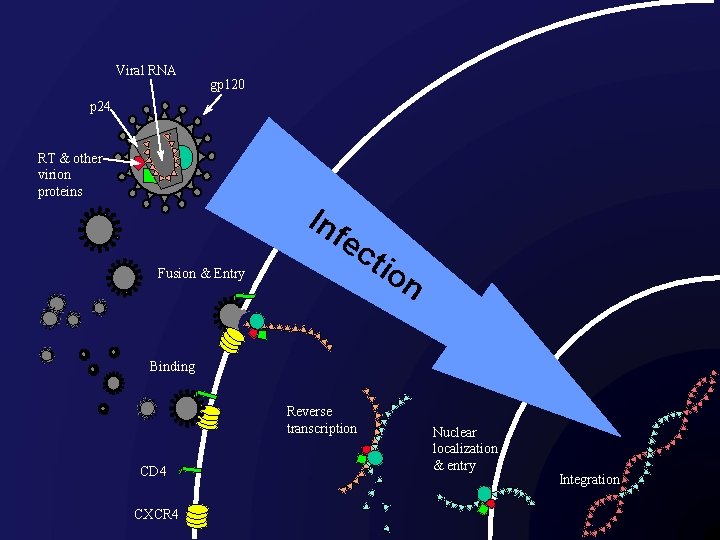
Viral RNA gp 120 p 24 RT & other virion proteins In fe Fusion & Entry ct io n Binding Reverse transcription CD 4 CXCR 4 Nuclear localization & entry Integration
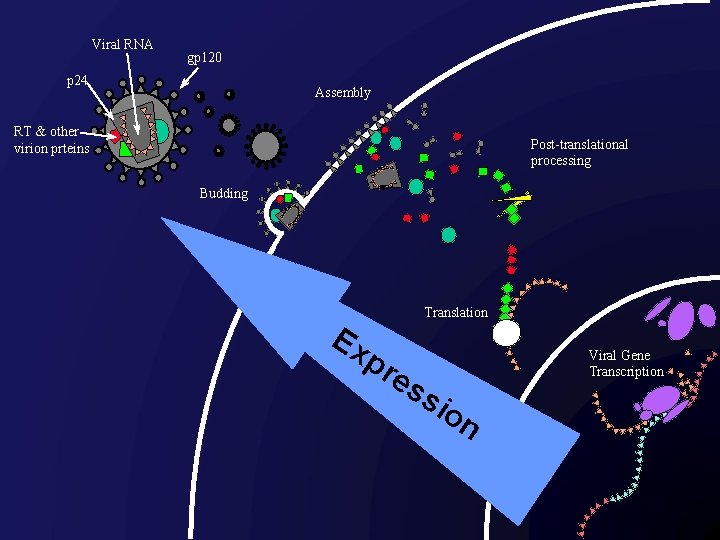
Viral RNA gp 120 p 24 Assembly RT & other virion prteins Post-translational processing Budding Ex Translation pr es sio Viral Gene Transcription n
Some Take-home points: HIV Structure: – HIV is comprised of viral proteins, host cell membrane – env is the only exposed viral protein (evades immune response) – gag (p 24) represents the primary structural component of virion
Take-home points: HIV Genome: – RNA genome -- requires HIV reverse transcription to DNA – In a productive infection, genome permanently integrates into host genome – HIV Genome encodes 9 viral genes: 3 structural, 3 regulatory, 3 accessory
Discussion Points/Exercises 1) Can you draw a representation of what HIV looks like? 2) Explain, in general lay terms in 1 sentence, how an HIV entry inhibitor, reverse transcriptase inhibitor, integrase inhibitor, and protease inhibitor work based on your knowledge of the HIV lifecycle. 3) Discuss where you think other targets for antiretroviral therapy may be based on its lifecycle.
- Slides: 38