
HISTORY OF THE FIGURE IN ART The representation


- Slides: 48
HISTORY OF THE FIGURE IN ART
The representation of the figure in art changes as human needs and artistic expression evolved. Early figure images served only communication and religious purposes. Later, portraits captured images of the living. After the invention of the camera, figure art became highly creative and expressive.
Throughout history, figures are represented as drawings, paintings, and sculpture. Sculpture achieved a realistic appearance before drawings and paintings of figures. However, drawing and painting used modern art styles to illustrate the figure before sculpture.
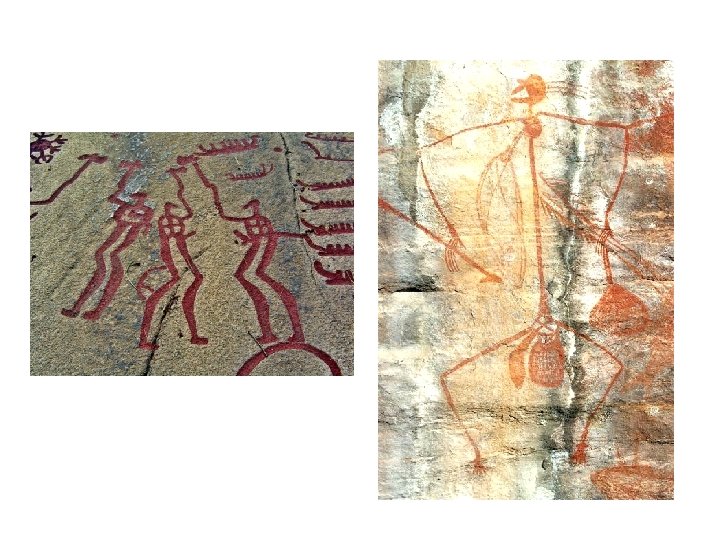
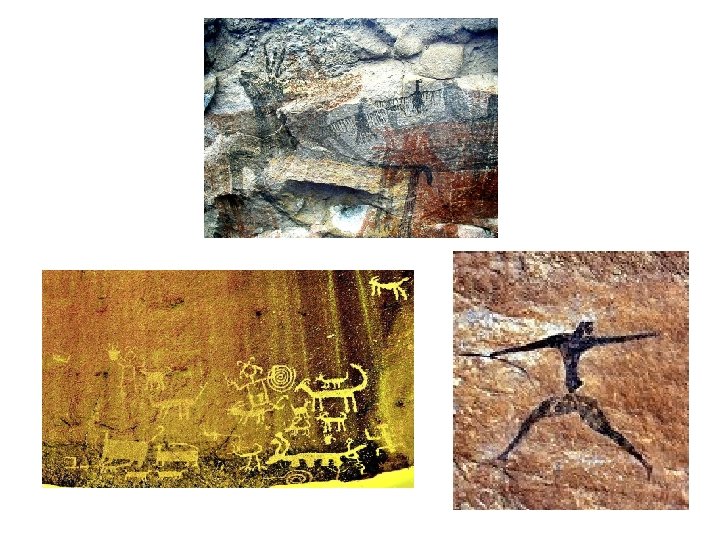
PREHISTORIC FIGURES • Line drawings of figures, similar to “stick figures. ” • Told stories and communicated before written language.
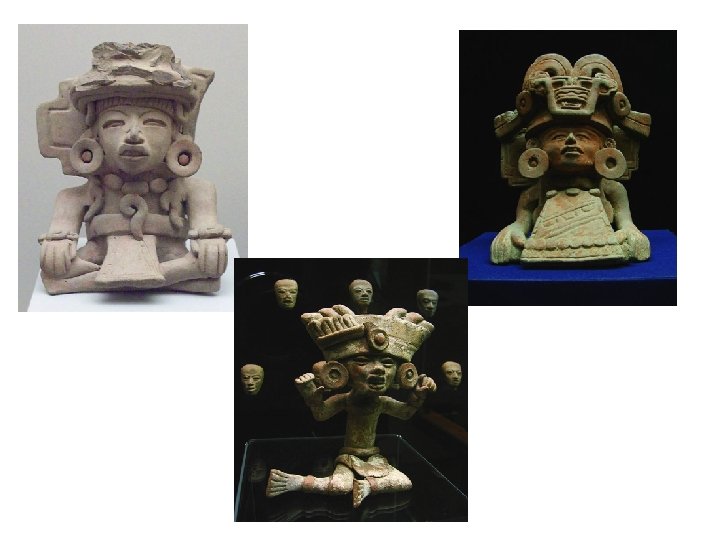
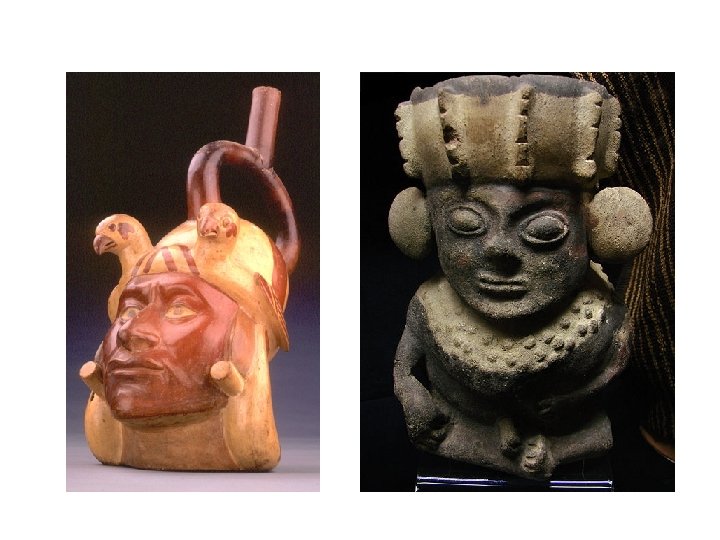
PRE-COLUMBIAN FIGURES • Figures were mostly stylized sculptures. • Represented gods and other deities for worship and ceremonies.
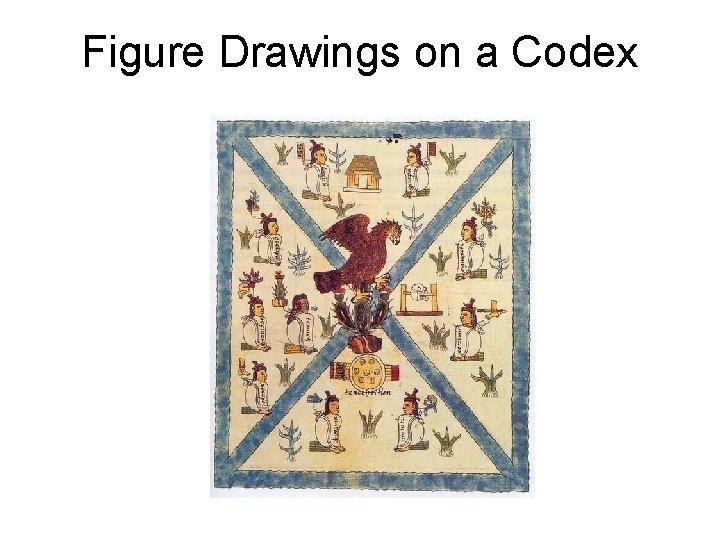
Figure Drawings on a Codex
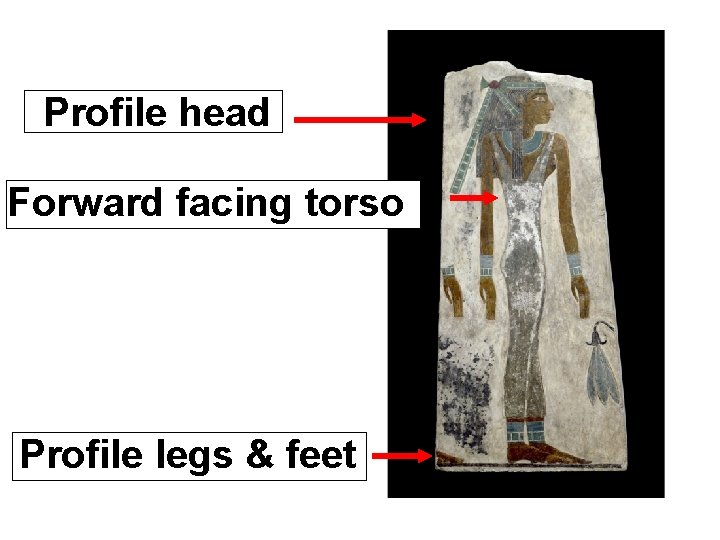
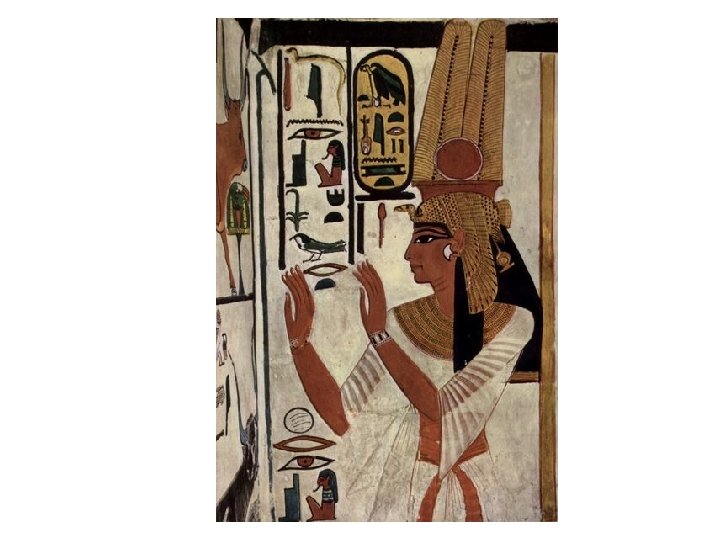
ANCIENT EGYPTIAN FIGURES • Figure drawings were flat looking, with heads and feet in profile, while the body faced forward. • Most important figures were shown larger than others.
Profile head Forward facing torso Profile legs & feet
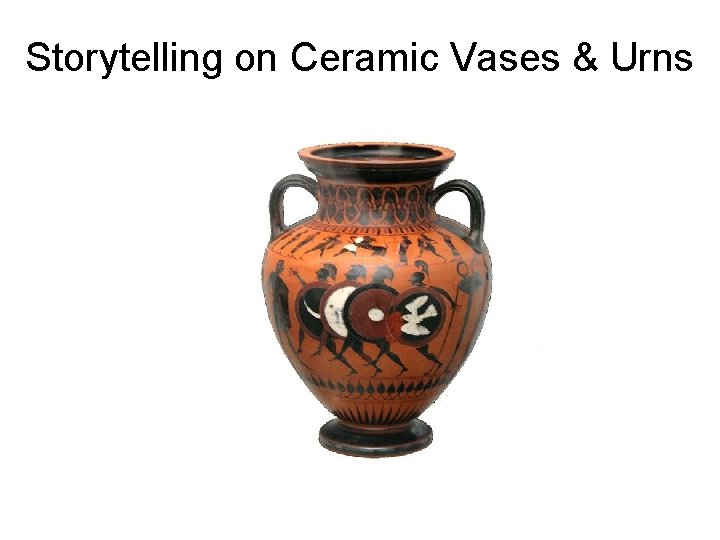
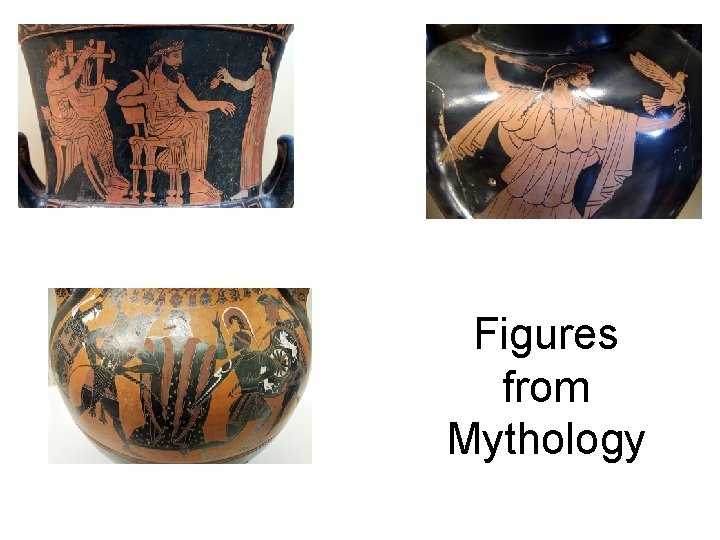
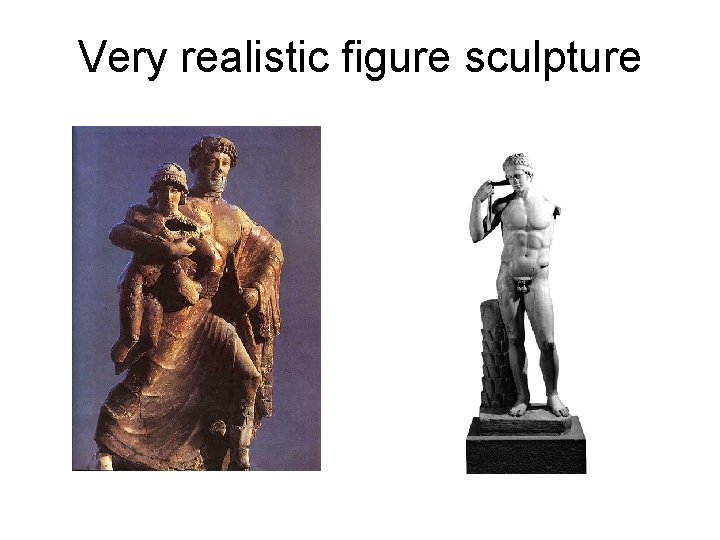
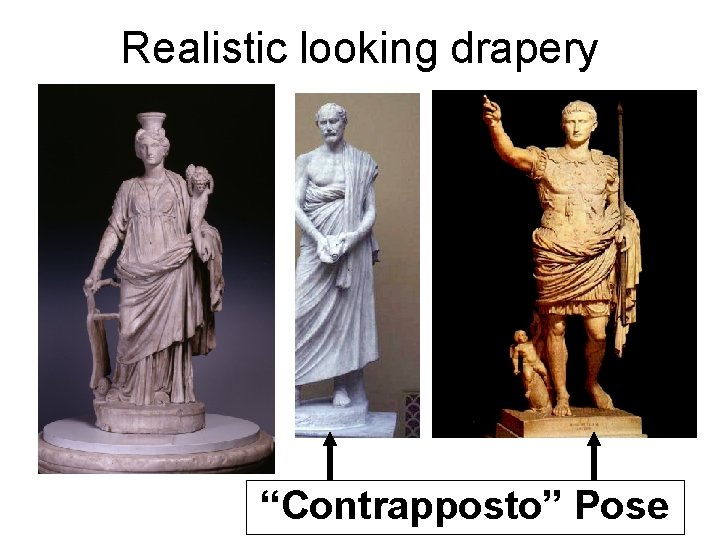
ANCIENT GREEK AND ROMAN FIGURES • Figures were often used in storytelling, especially mythology. • Drawings were still flat looking, but sculptures were very realistic. • Figure sculptures showed the classical “contraposto” pose and realistic looking drapery.
Storytelling on Ceramic Vases & Urns
Figures from Mythology
Very realistic figure sculpture
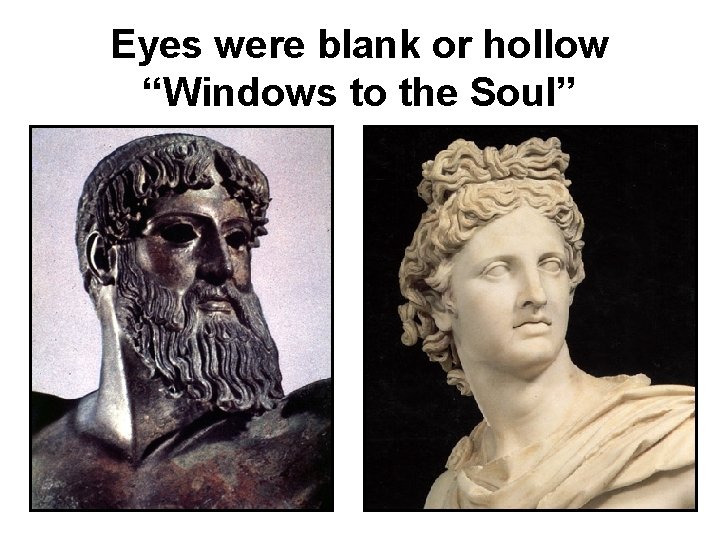
Eyes were blank or hollow “Windows to the Soul”
Realistic looking drapery “Contrapposto” Pose
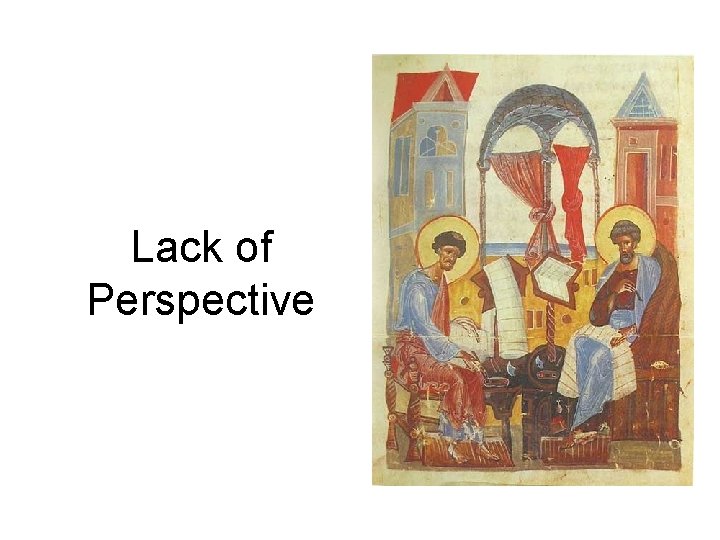
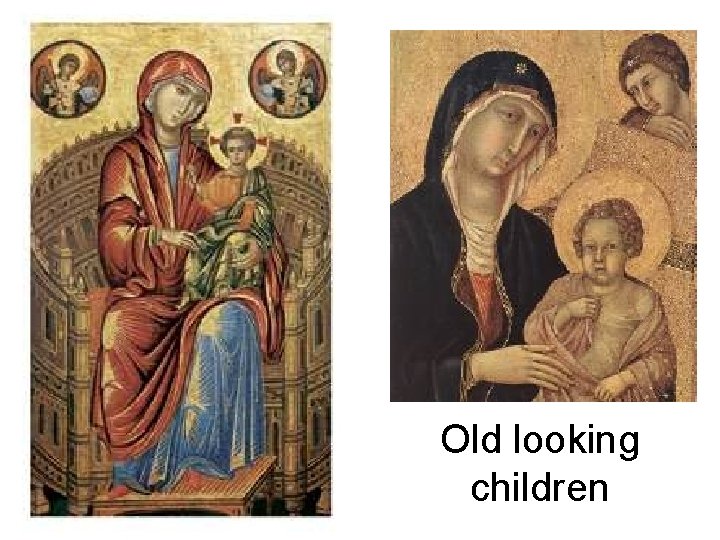
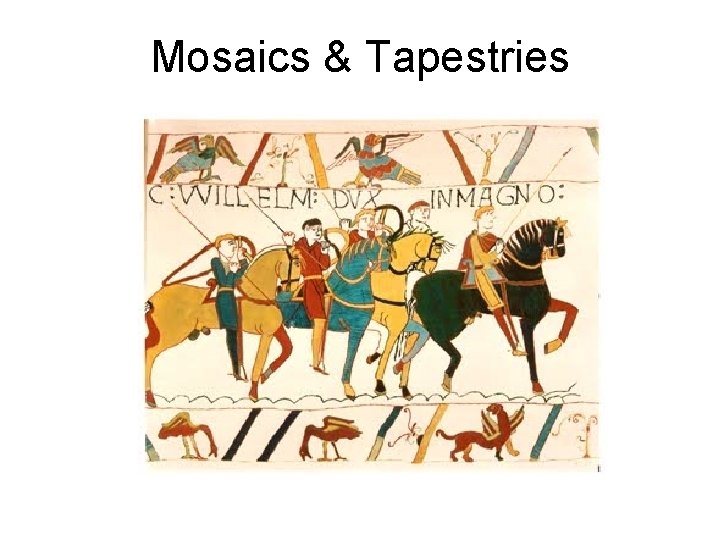
MIDDLE AGES FIGURES • Figures were beginning to develop a little more in form. • Used in picturing religious and medieval scenes.
Lack of Perspective
Old looking children
Mosaics & Tapestries
Illuminated Manuscripts
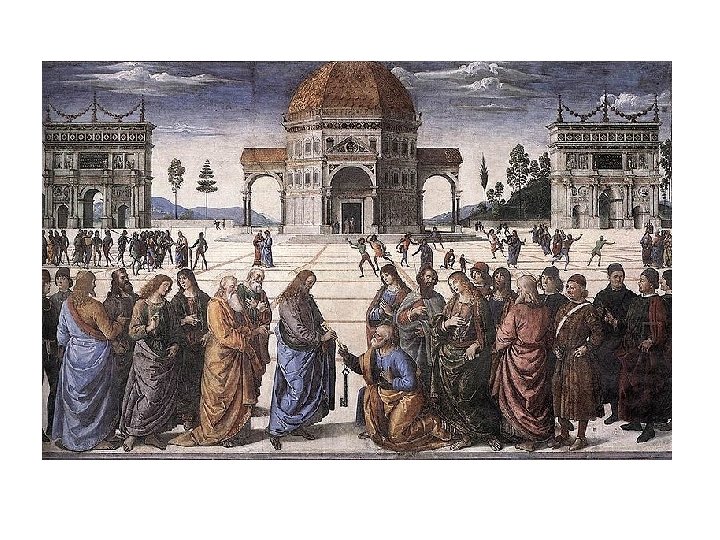
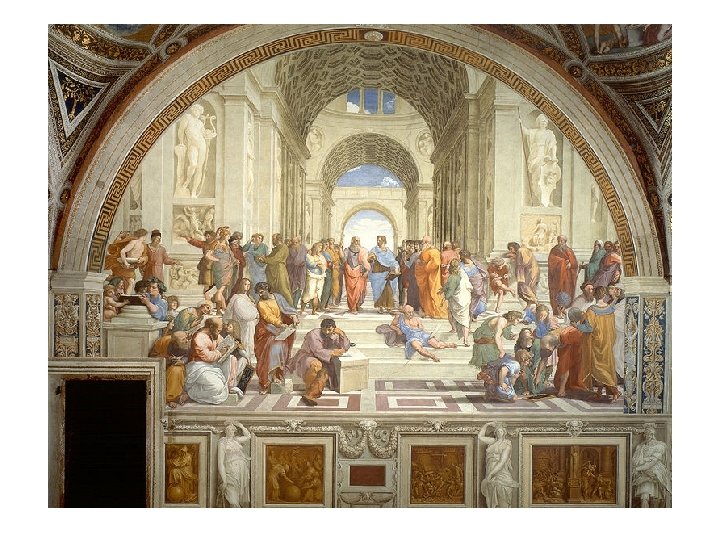
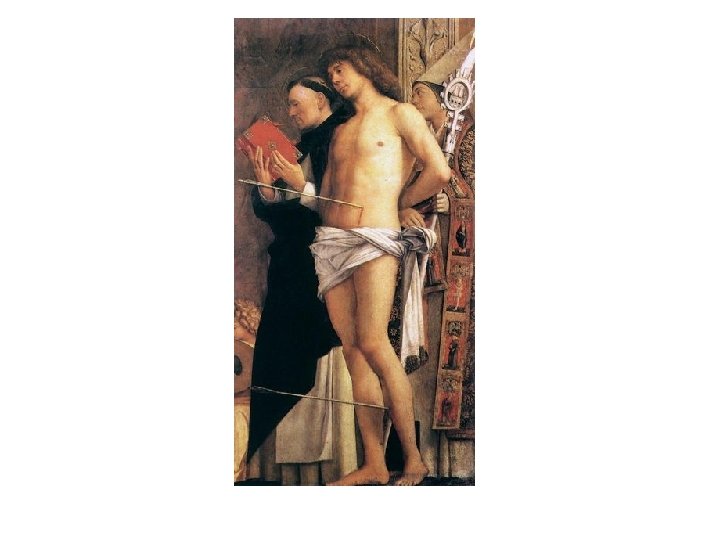
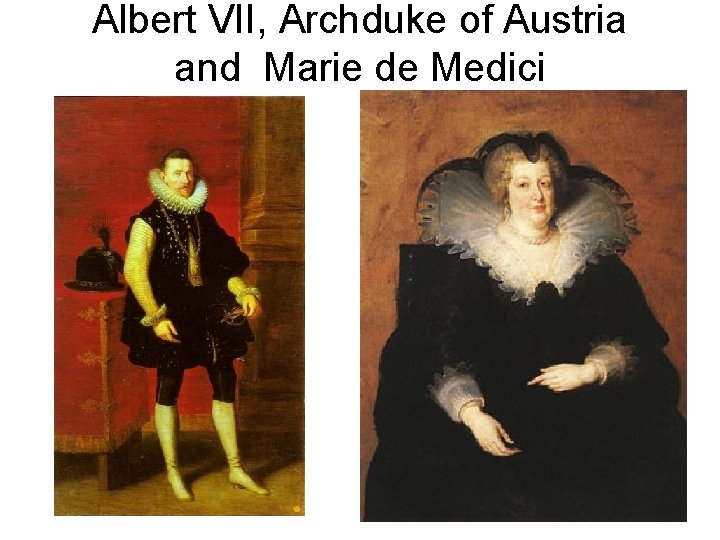
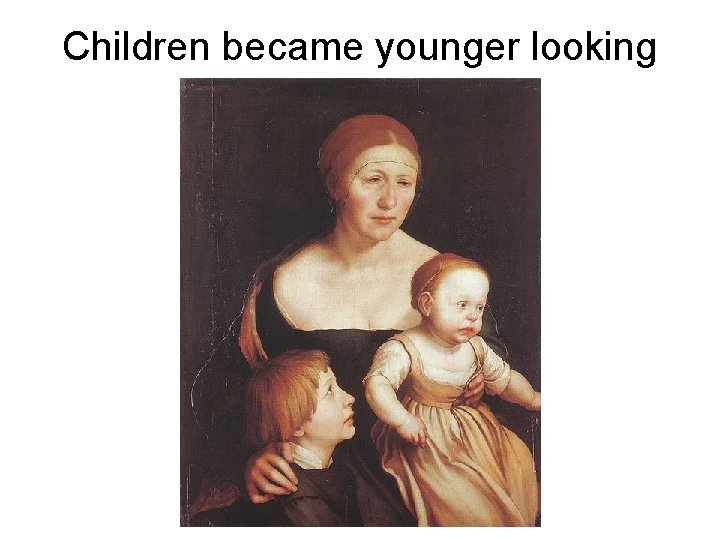
RENAISSANCE FIGURES • With the discovery of perspective, figures had more realistic form. • Figures continued in religious depictions, but also became popular as portraits of the clergy and wealthy patrons. • In time, portraiture grew to include the middle class.
Albert VII, Archduke of Austria and Marie de Medici
Children became younger looking
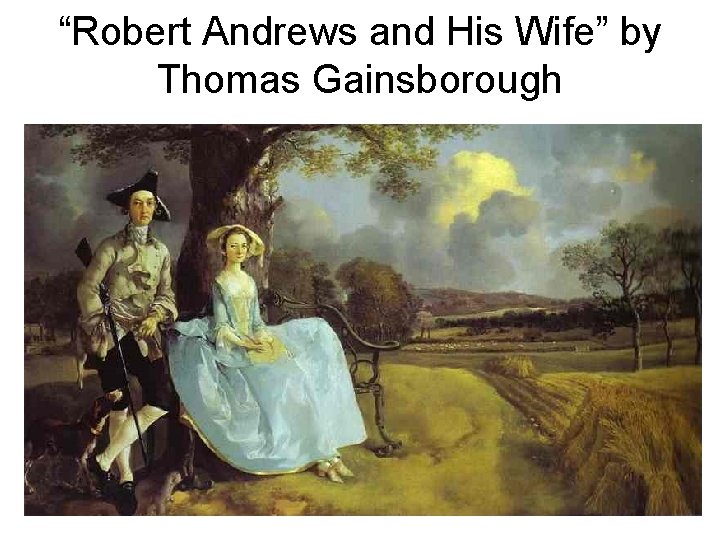
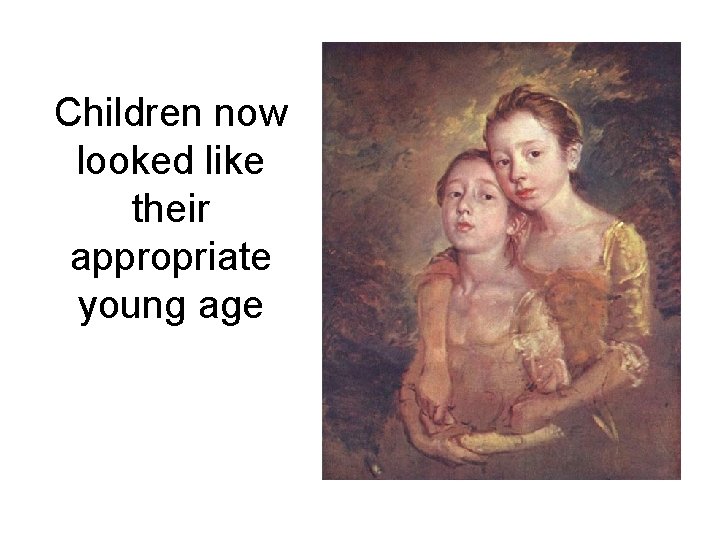
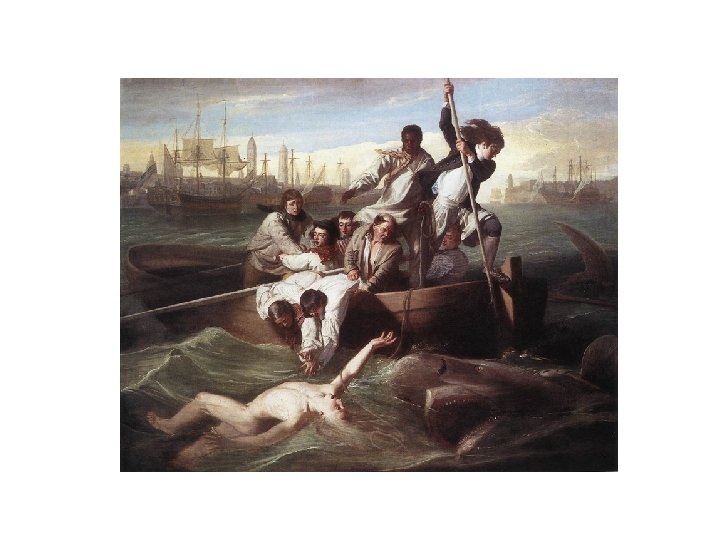
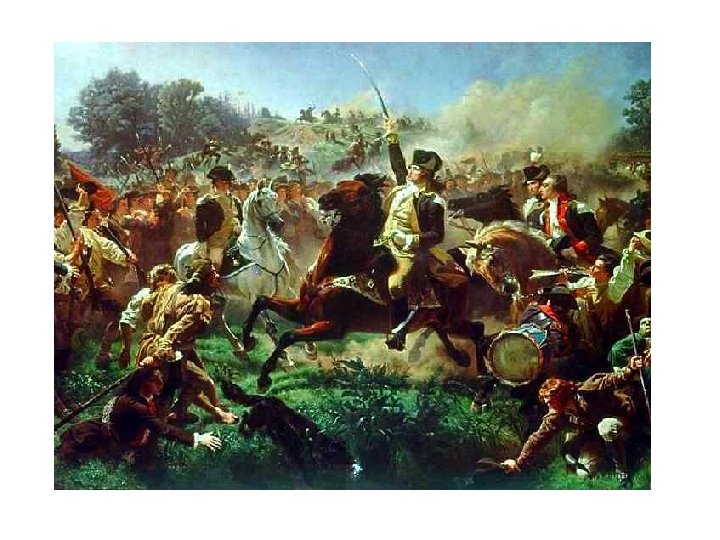
TH 18 CENTURY FIGURES • Portraiture continued to be popular, sometimes including land, house, pet, or other prized possession. • Figure painting also provided entertainment or delivered a message.
“Robert Andrews and His Wife” by Thomas Gainsborough
Children now looked like their appropriate young age
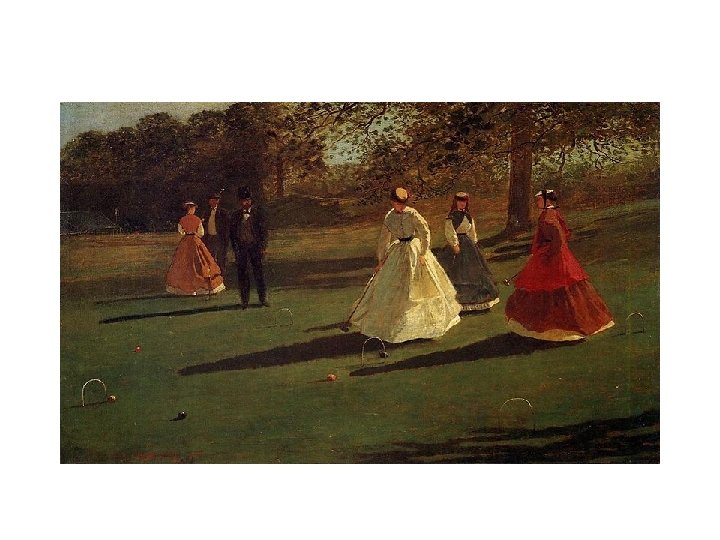
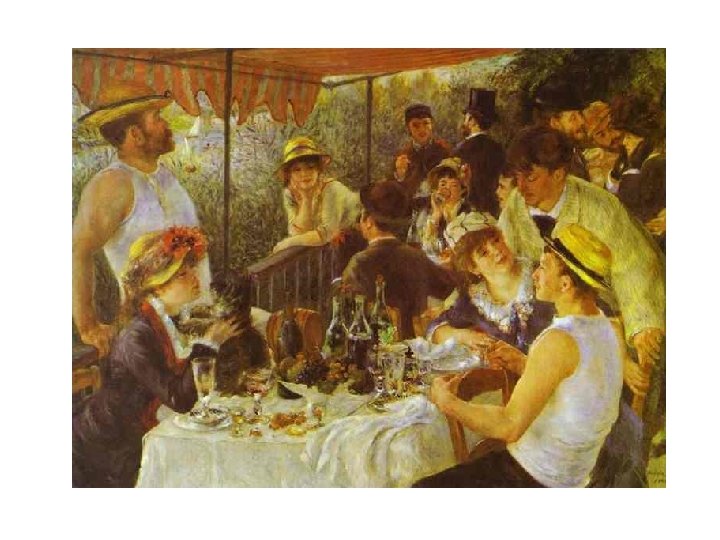
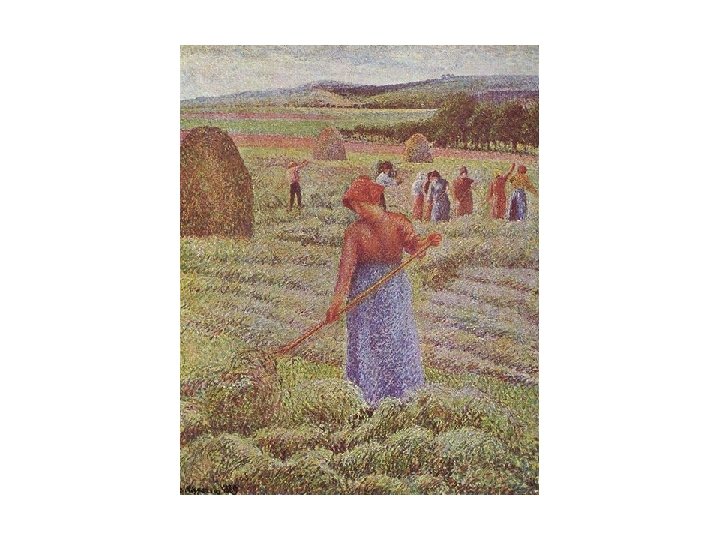
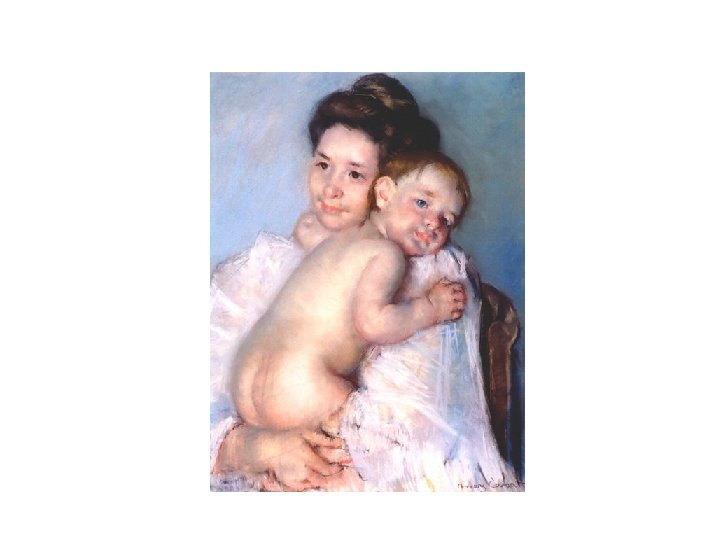
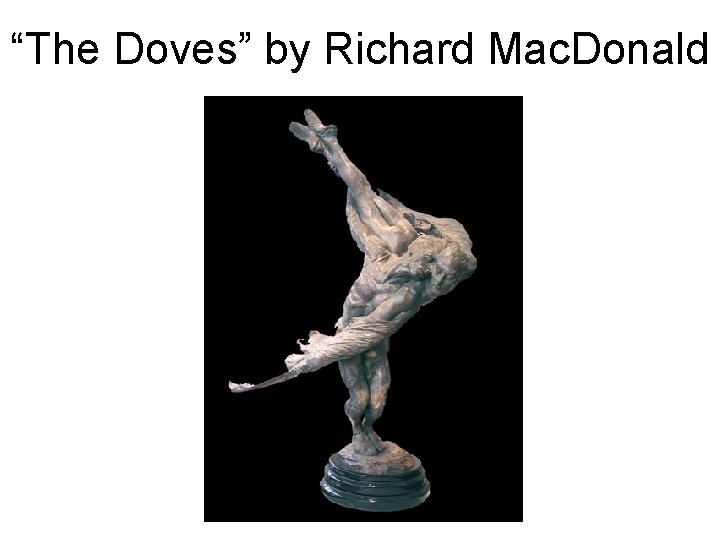
TH 19 CENTURY FIGURES • The invention of the camera had a profound effect on figures in art, especially portraiture. • Artists began painting “genre” (figures in everyday life situations). • Figure painting and sculpture changed from realistic to more impressionistic styles.
“The Doves” by Richard Mac. Donald
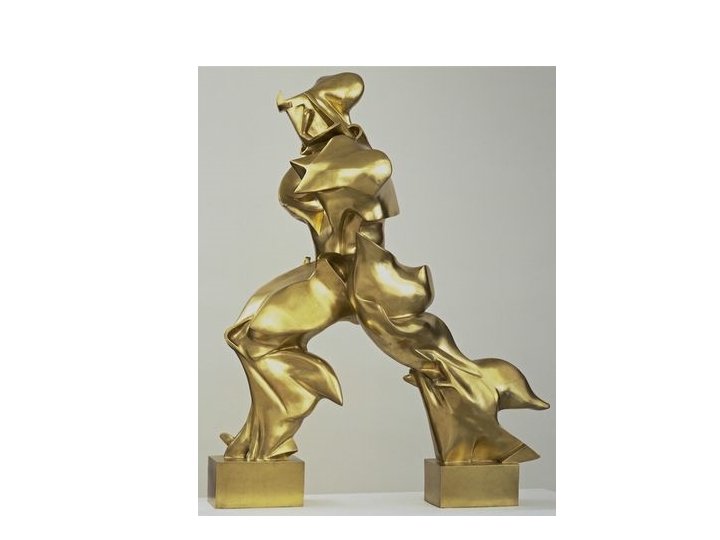
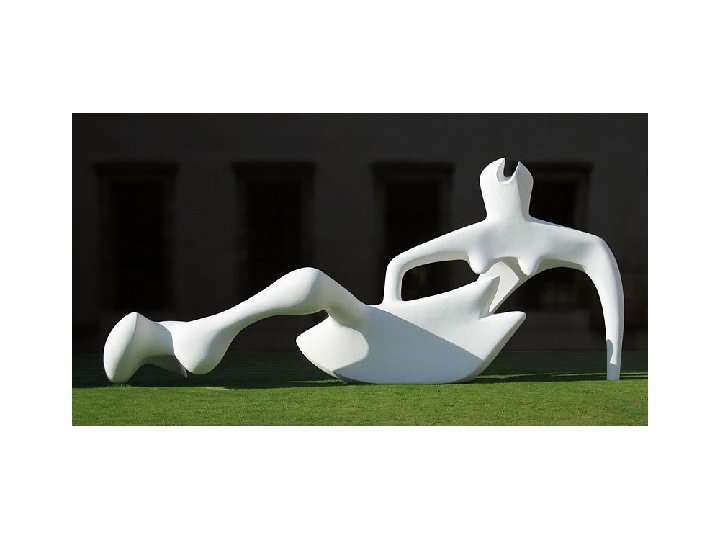
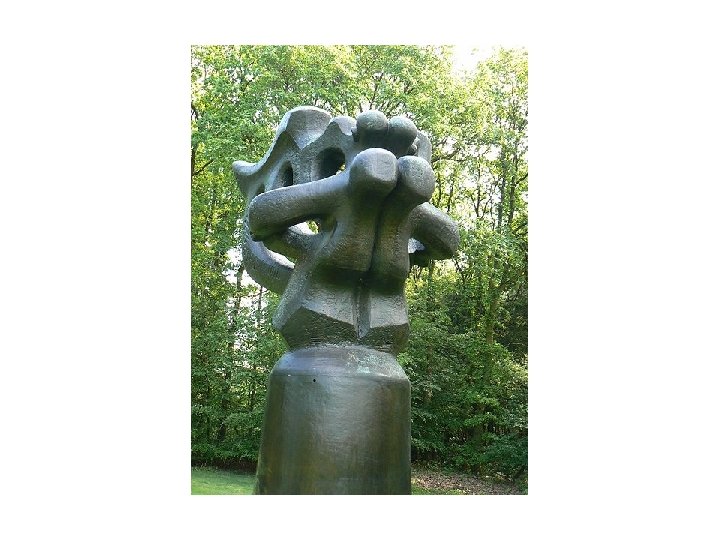
20 TH CENTURY FIGURES • Monuments were made to immortalize prominent figures in history. • A wide variety of art styles create figures that are abstract, expressionistic, or realistic. • Expensive portraits are usually only painted because of prestige.
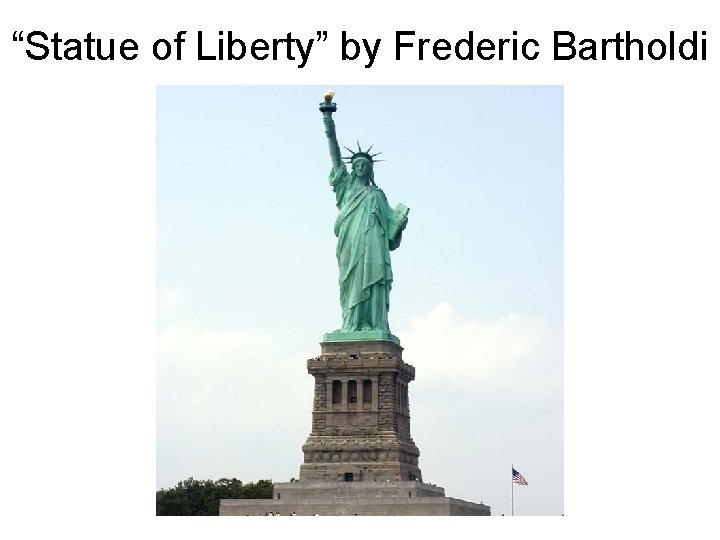
“Statue of Liberty” by Frederic Bartholdi
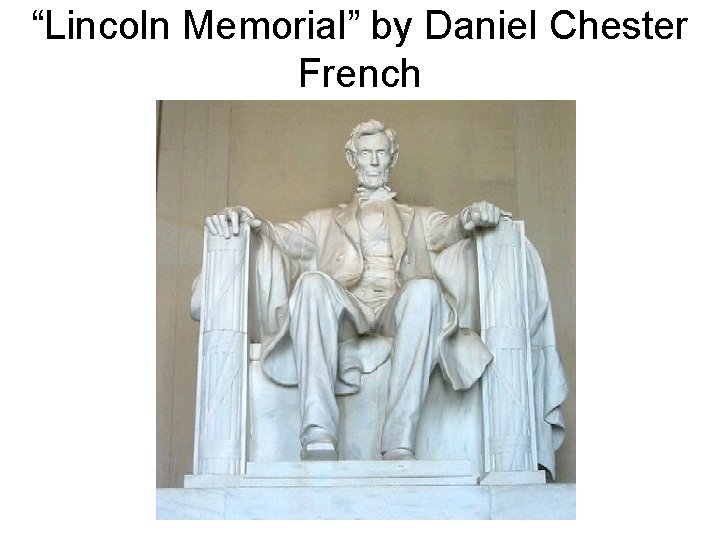
“Lincoln Memorial” by Daniel Chester French
“Iwo Jima” Memorial by Felix de Weldon