
History of Ancient Greece Three Main Periods of
- Slides: 20
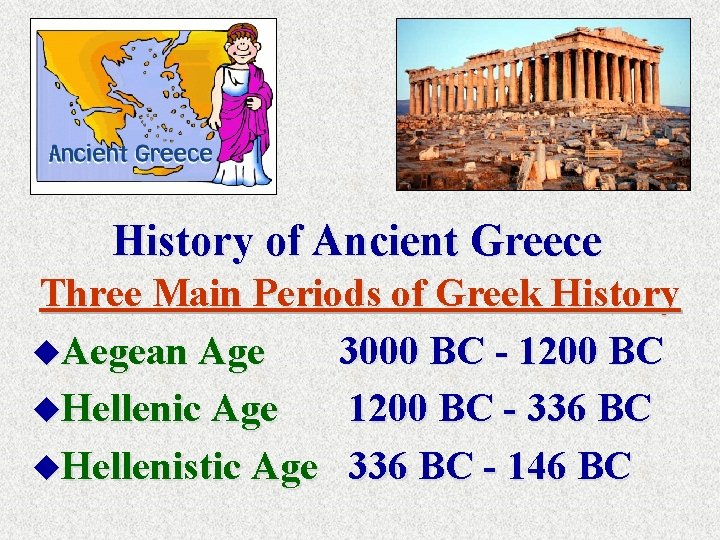
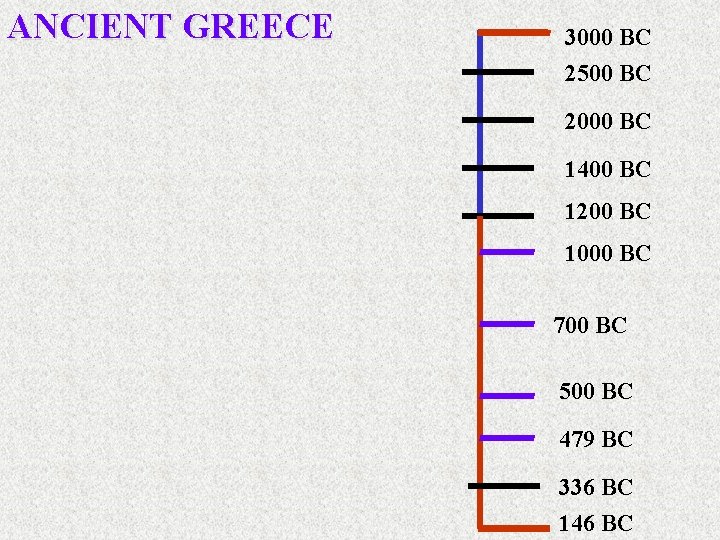
History of Ancient Greece Three Main Periods of Greek History u. Aegean Age 3000 BC - 1200 BC u. Hellenic Age 1200 BC - 336 BC u. Hellenistic Age 336 BC - 146 BC
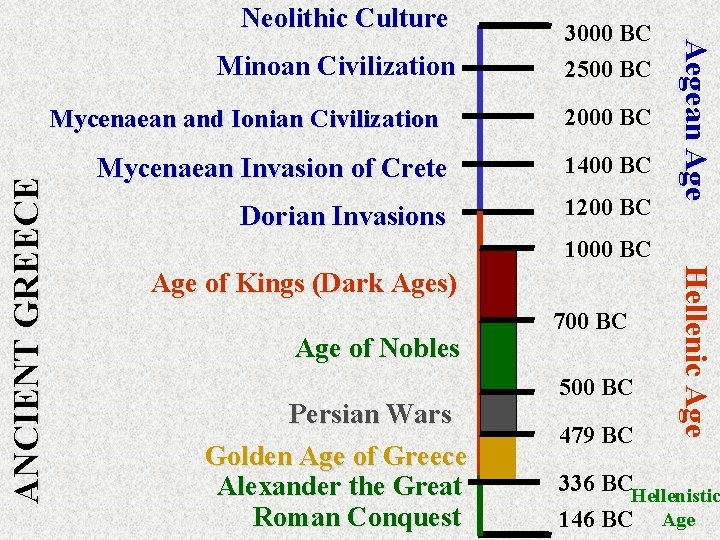
Neolithic Culture 2000 BC Mycenaean Invasion of Crete 1400 BC Dorian Invasions 1200 BC 1000 BC Age of Kings (Dark Ages) Age of Nobles Persian Wars Golden Age of Greece Alexander the Great Roman Conquest 700 BC 500 BC 479 BC Hellenic Age ANCIENT GREECE Mycenaean and Ionian Civilization Aegean Age Minoan Civilization 3000 BC 2500 BC 336 BCHellenistic 146 BC Age
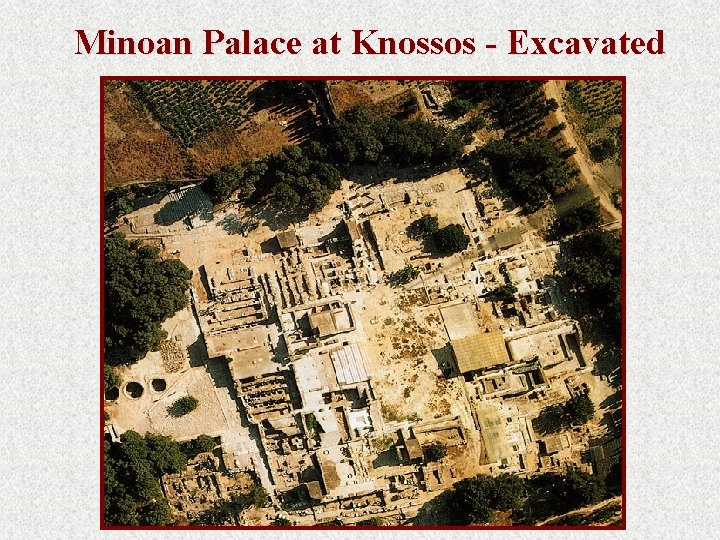
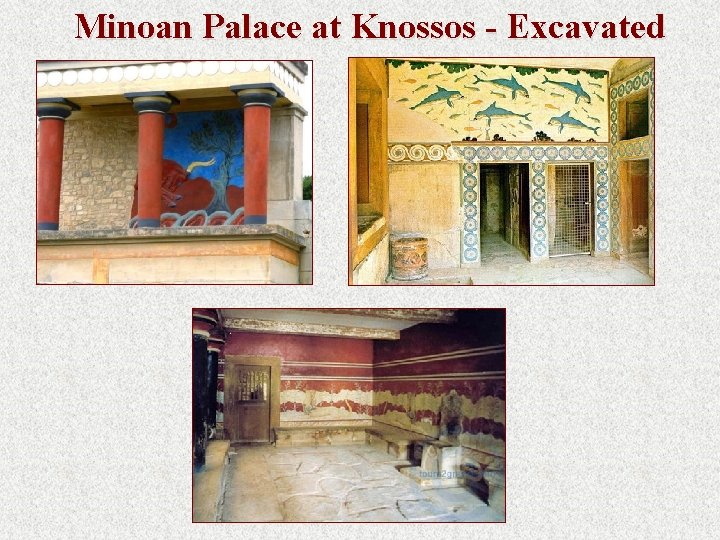
AEGEAN AGE Minoan Civilization u u u u Around 2500 BC inhabitants of Crete built a rich civilization. Became known as Minoans after an early king named Minos. Literate and highly skilled. Absorbed ideas of other civilizations through Cultural Diffusion Built a great palace in the city of Knossos Traded and influence uncivilized people on the Greek mainland. Around 1500 BC Crete was heavily damaged by a nearby volcano. Minoan civilization quickly declined. By 1400, the Mycenaeans had taken control of Crete
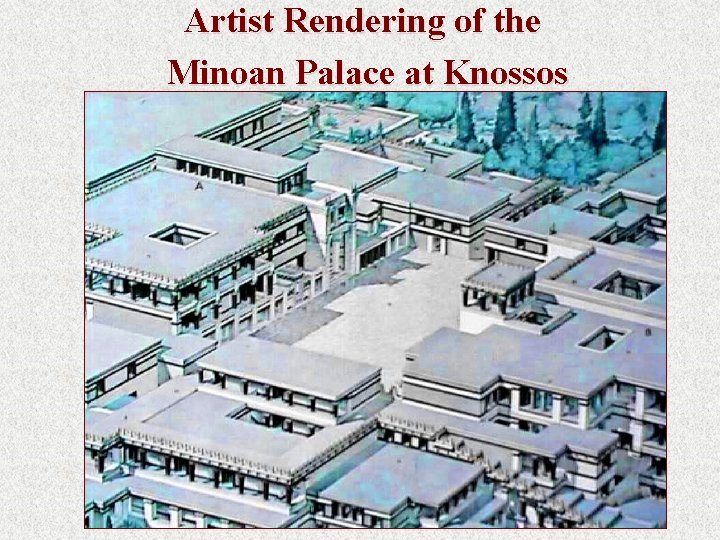
Artist Rendering of the Minoan Palace at Knossos
Minoan Palace at Knossos - Excavated
Minoan Palace at Knossos - Excavated
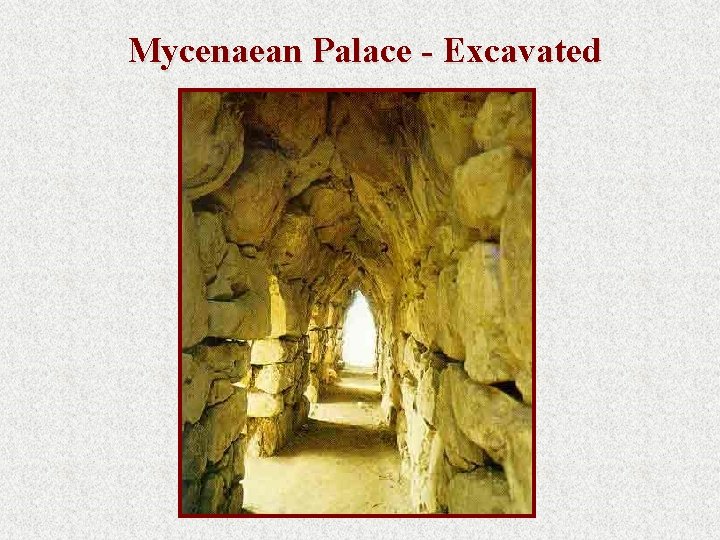
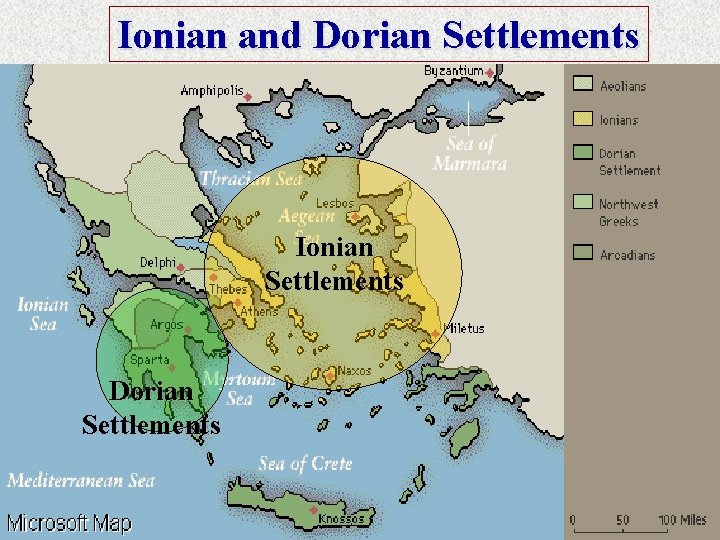
Aegean Age Mycenaeans and Ionians u u Around 2000 BC, two major nomadic tribes migrated into Greece u Ionians settled in central Greece, the Aegean isles and Asia minor. They were literate and peaceful u Mycenaeans were warlike. They built fortified cities on the Peloponnesus. Mycenaeans were greatly influenced by the Minoans. By 1400 BC they had gained control of Crete. Mycenaean civilization began to decline shortly thereafter. By 1200 BC the Mycenaeans were overthrown by a group of barbarians known as the Dorians. This ended the Aegean Age
Mycenaean Palace - Excavated
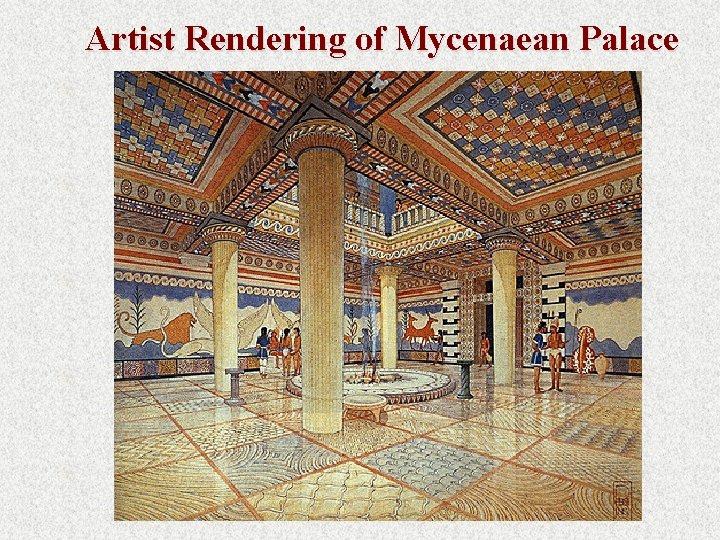
Artist Rendering of Mycenaean Palace
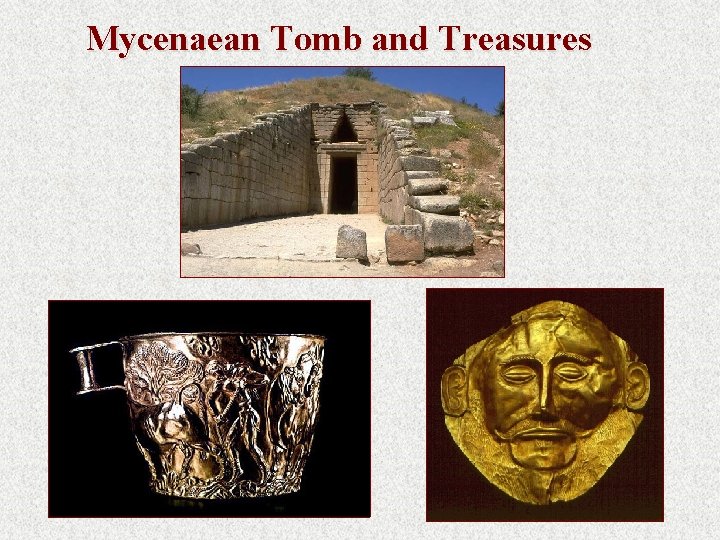
Mycenaean Tomb and Treasures
Ionian and Dorian Settlements Ionian Settlements Dorian Settlements
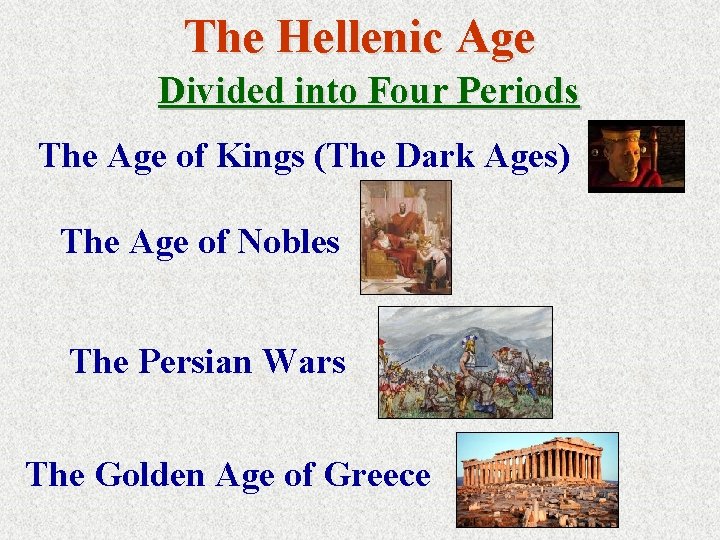
The Hellenic Age Divided into Four Periods The Age of Kings (The Dark Ages) The Age of Nobles The Persian Wars The Golden Age of Greece
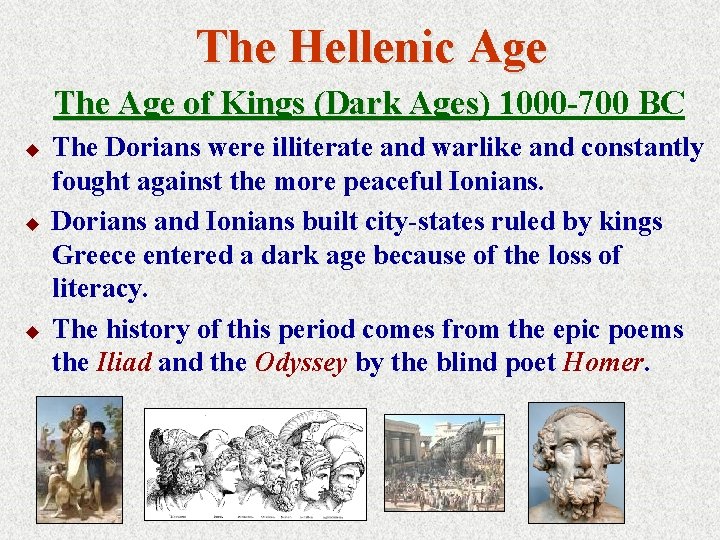
The Hellenic Age The Age of Kings (Dark Ages) Ages 1000 -700 BC u u u The Dorians were illiterate and warlike and constantly fought against the more peaceful Ionians. Dorians and Ionians built city-states ruled by kings Greece entered a dark age because of the loss of literacy. The history of this period comes from the epic poems the Iliad and the Odyssey by the blind poet Homer.
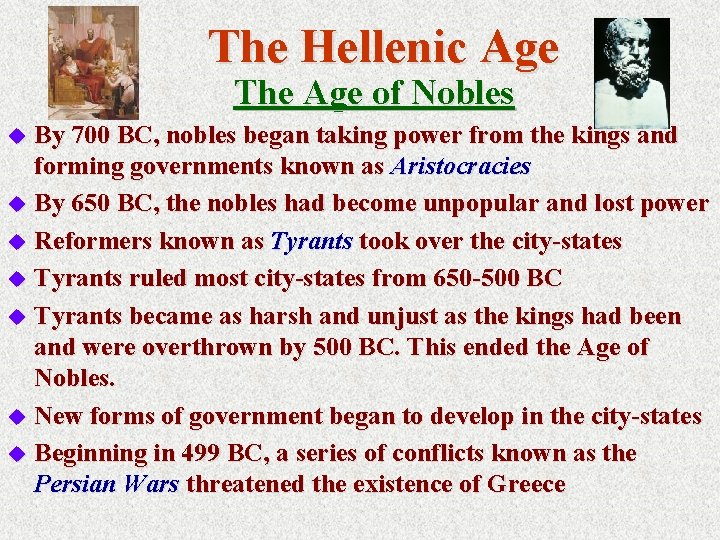
The Hellenic Age The Age of Nobles By 700 BC, nobles began taking power from the kings and forming governments known as Aristocracies u By 650 BC, the nobles had become unpopular and lost power u Reformers known as Tyrants took over the city-states u Tyrants ruled most city-states from 650 -500 BC u Tyrants became as harsh and unjust as the kings had been and were overthrown by 500 BC. This ended the Age of Nobles. u New forms of government began to develop in the city-states u Beginning in 499 BC, a series of conflicts known as the Persian Wars threatened the existence of Greece u
ANCIENT GREECE 3000 BC 2500 BC 2000 BC 1400 BC 1200 BC 1000 BC 700 BC 500 BC 479 BC 336 BC 146 BC