
HISTORY No history without a society v History

- Slides: 21
HISTORY
No history without a society v. History exists because there are human beings to record it. v. Alive or dead, all have been at the center of our history. v. We use different tools and techniques to explain human history.
What is a society? v. It is an ensemble of human beings, usually numerous, that share common traits and live in the same territory for a long period of time.
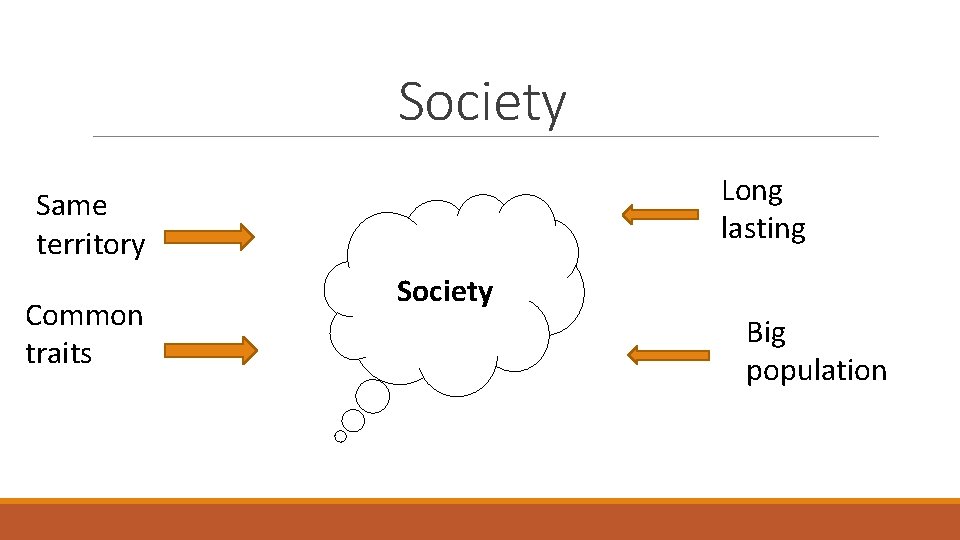
Society Long lasting Same territory Common traits Society Big population
Aspects of society v. The different parts that make up our society.
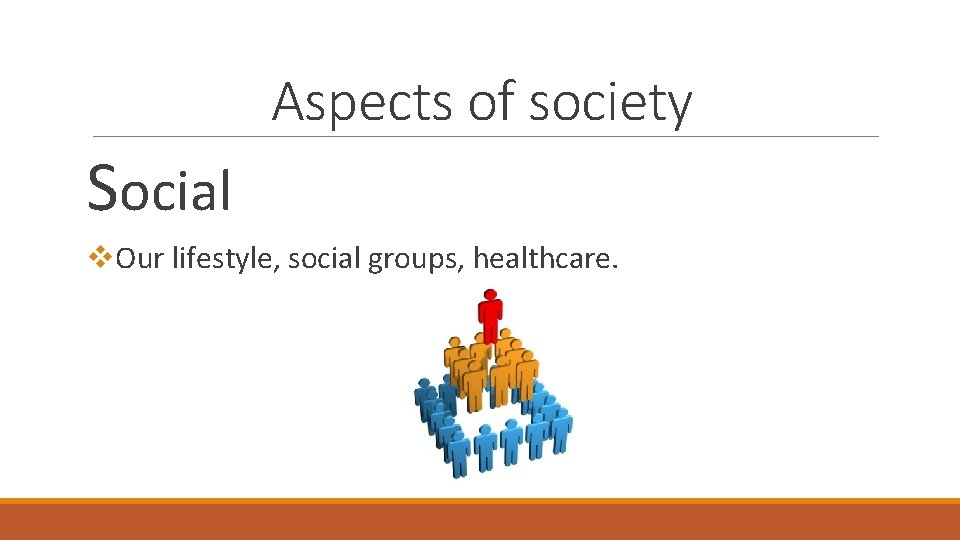
Aspects of society Social v. Our lifestyle, social groups, healthcare.
Aspects of society Political v. Laws, wars, government.
Aspects of society Economy v. Subsistence activities, money, trade, taxes, industries.
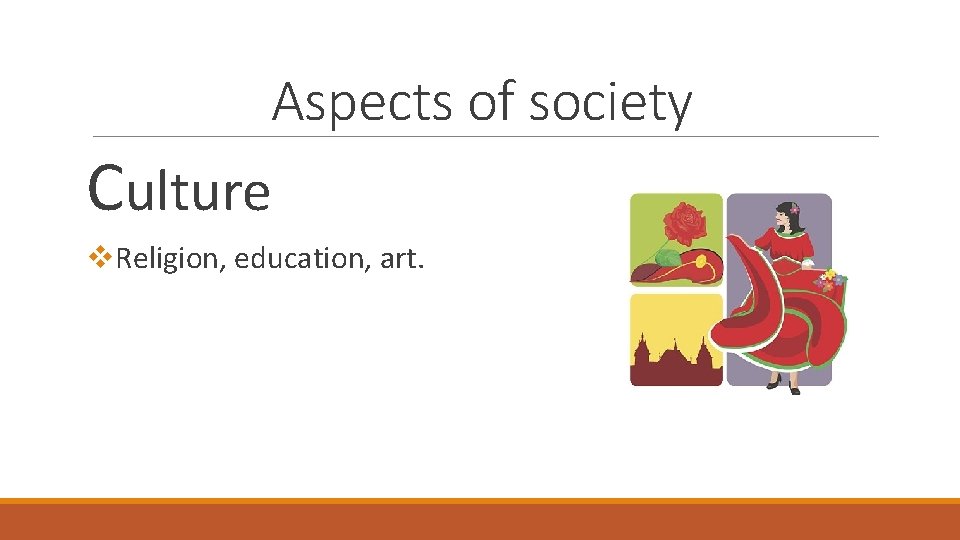
Aspects of society Culture v. Religion, education, art.
Aspects of society Technology v. Inventions, innovations, tools, transportation, materials.
No history without measuring time v. To understand societies and how long they lasted, history must: measure, classify, and order time.
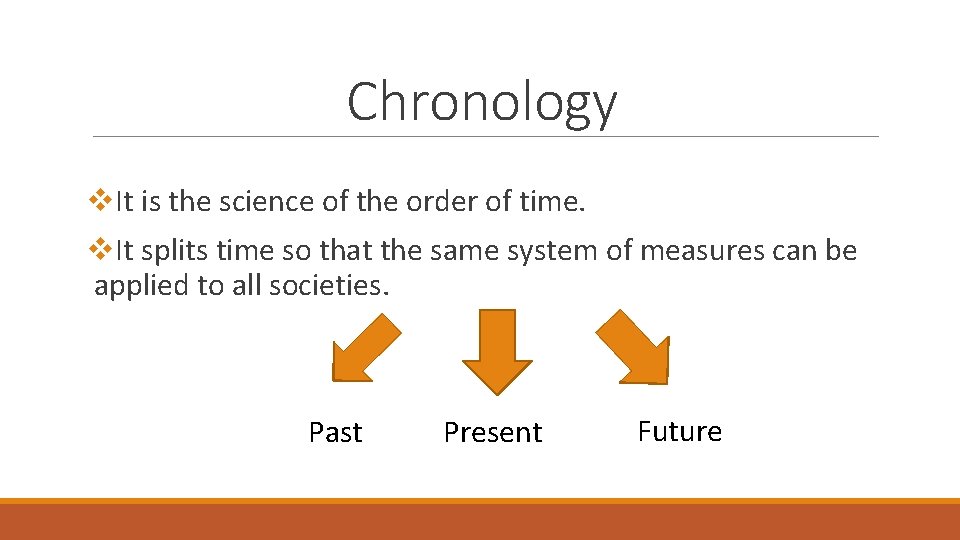
Chronology v. It is the science of the order of time. v. It splits time so that the same system of measures can be applied to all societies. Past Present Future
Units of time v. They allow us to order the different events of the past.
Fixed units of time v. DAY = 24 hours, v. YEAR = 365 days, v. DECADE = 10 years, v. CENTURY = 100 years, v. MILLENIUM = 1000 years.
Imprecise units of time v. We also split time into imprecise periods according to different events. GENERATION = the number of years that separates the birth of child with the birth of his or her parents. PERIOD or EPOCH = a block of years of a particular event or person.
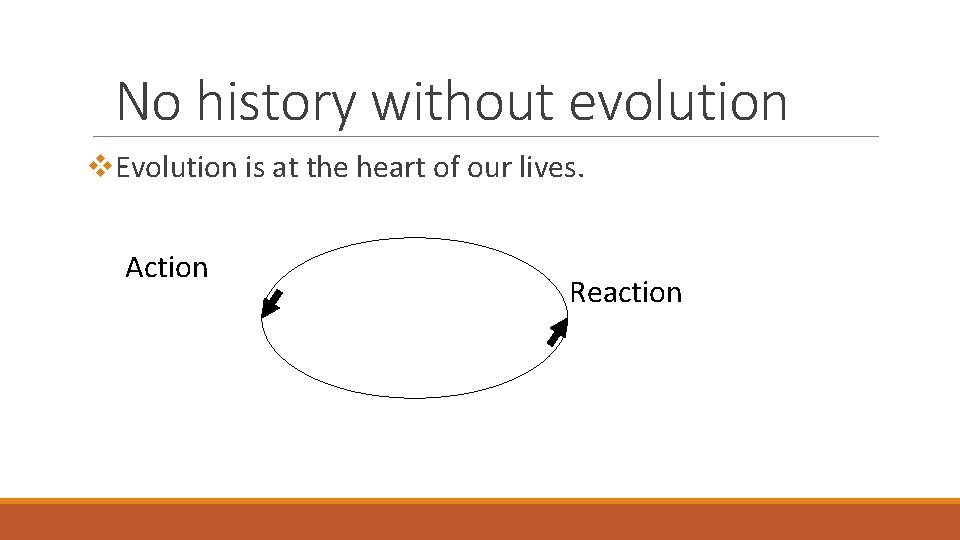
No history without evolution v. Evolution is at the heart of our lives. Action Reaction
Change vmodifies the state of things, introduces new things.
Continuity v. Preserves stability, keeps things as they are. v. Evolution is not an improvement or progress. v. Society is always changing.
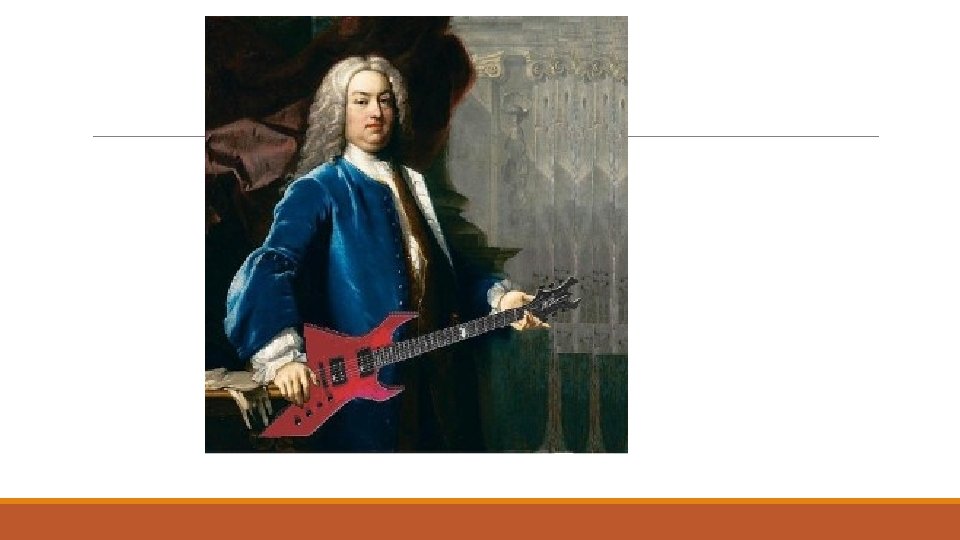
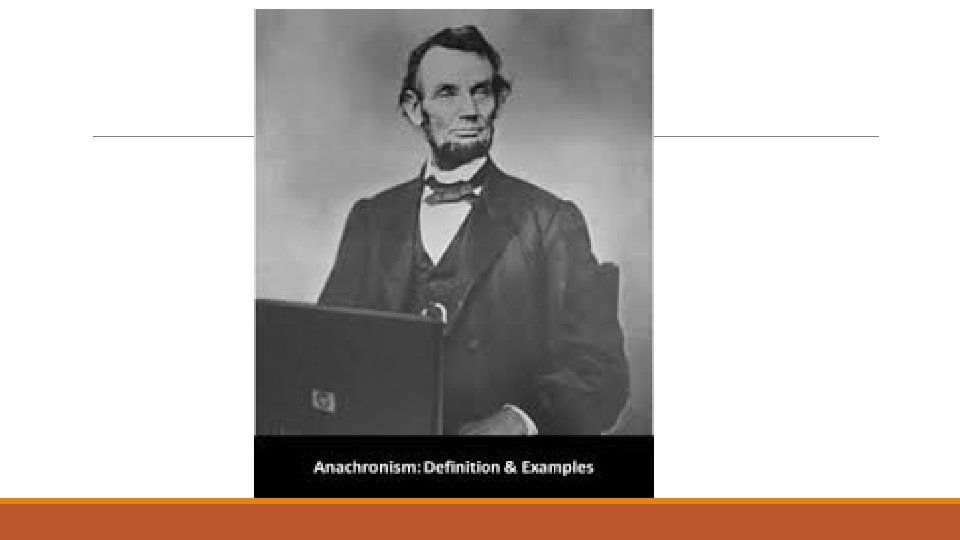
Anachronism v. It is something that we attribute to a time period when it belongs to another…. vor should not be there at all.