
History at Work Year 7 Session One Learning
- Slides: 36
History at Work Year 7 – Session One Learning Objective By the end of this session you will be able to identify how history is relevant in everyday life and the types of job linked to the subject.
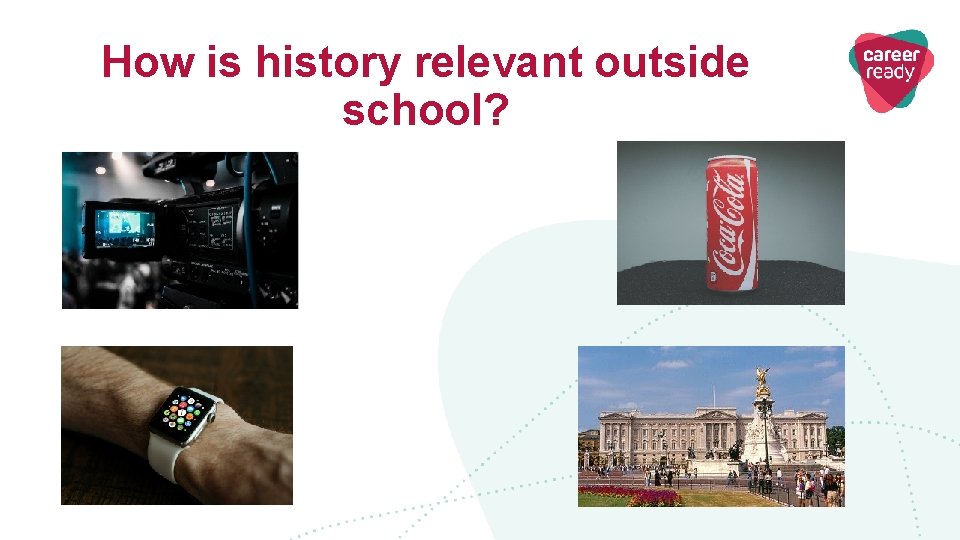
How is history relevant outside school?
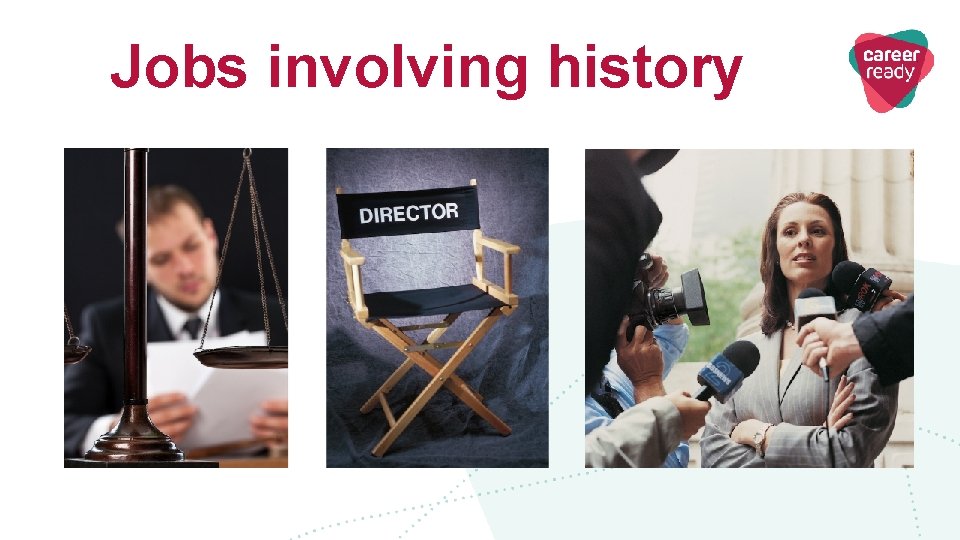
Jobs involving history
History at Work Year 7 – Session Two Learning Objective By the end of this session you will be able to identify how history is used in everyday life and the types of job linked to the subject.
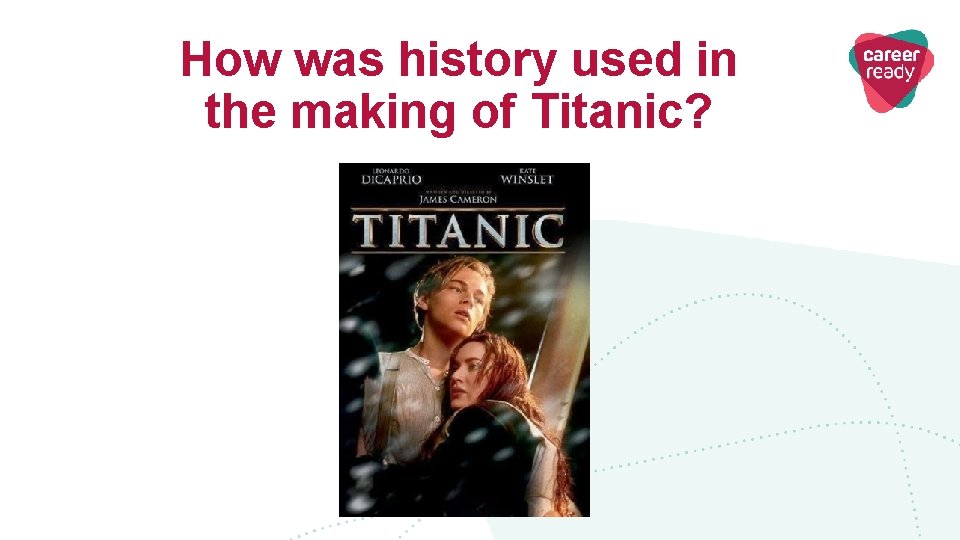
How was history used in the making of Titanic?
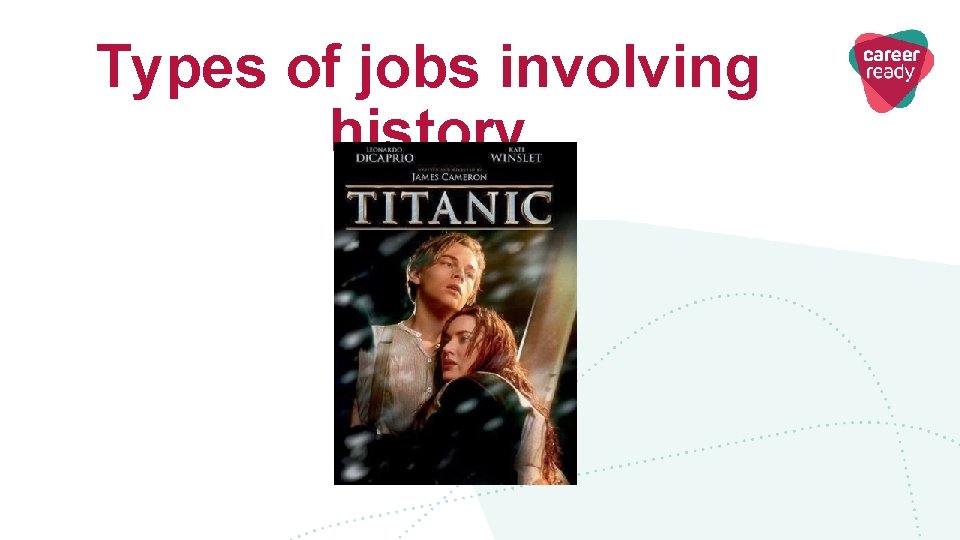
Types of jobs involving history
History at Work Year 8 – Session One Learning Objective By the end of this session you will be able to identify how history is used in everyday life and the types of job linked to the subject.
History skills at work What are skills? Skills are things you learn which help you to do certain tasks. What types of activities could help you to develop transferable skills? • School projects • Volunteering • Hobbies • Sports
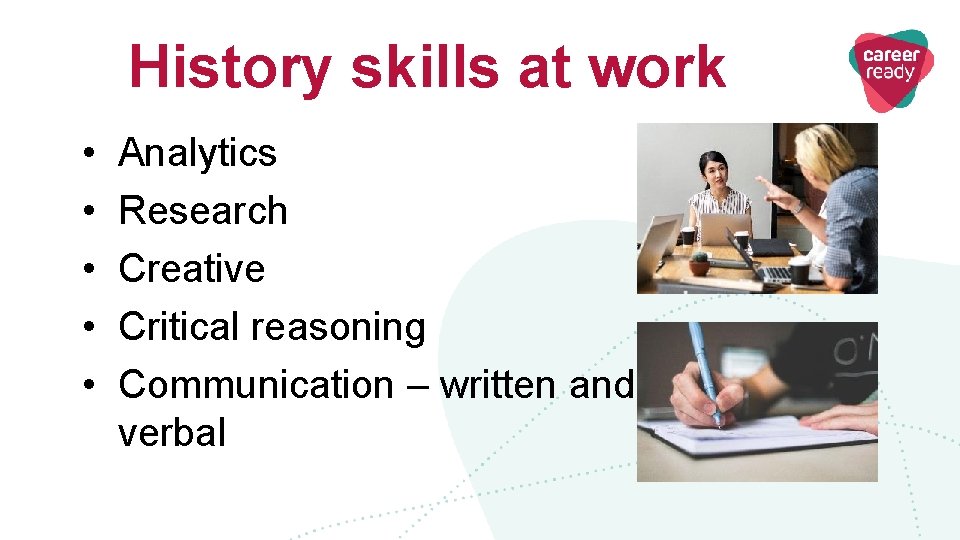
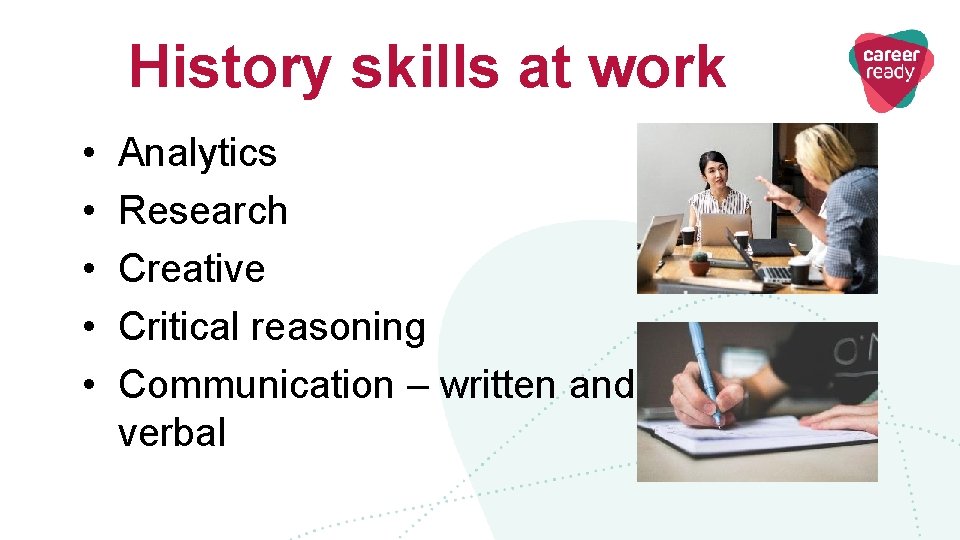
History skills at work • • • Analytics Research Creative Critical reasoning Communication – written and verbal
History at Work Year 8 – Session Two Learning Objective By the end of this session you will be able to identify how history is used in everyday life and the types of job linked to the subject.
Working at the V&A
My job entails running all the museum’s education programmes, as well as the visitor experience which includes the gallery assistants and volunteers you see in the galleries. I’m responsible for bringing the museum’s collections alive for the public. You need a sort of empathy with the wider public. As we have millions of objects, every day we’re thinking about how to enliven them and how to run interesting activities around them, so you need to be ever creative and inventive. Emma-Jane, Director of Learning and Visitor Experience
History at Work Year 9 – Session One Learning Objective By the end of the session you will be able to identify how history skills are used in different job roles and employment sectors.
History skills at work • • • Analytics Research Creative Critical reasoning Communication – written and verbal
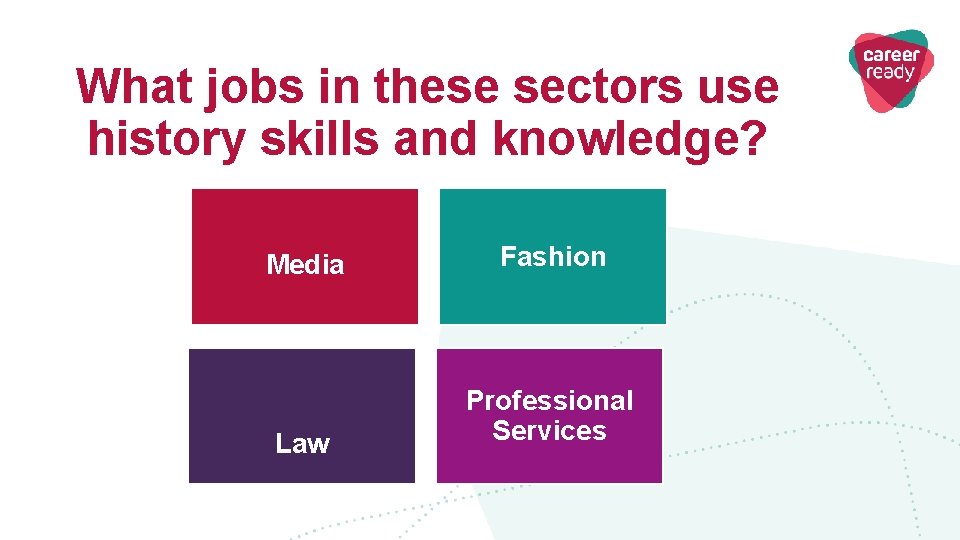
What jobs in these sectors use history skills and knowledge? Media Fashion Law Professional Services
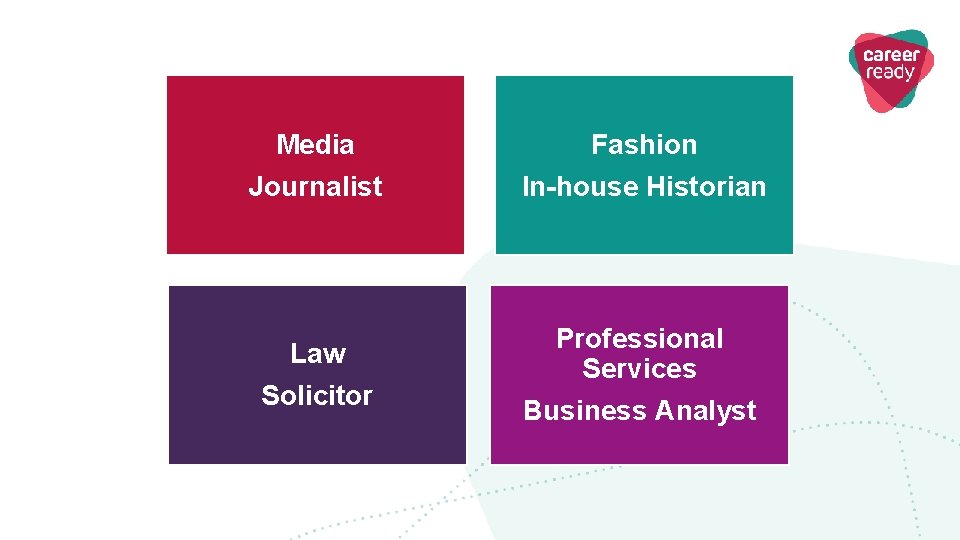
Media Journalist Law Solicitor Fashion In-house Historian Professional Services Business Analyst
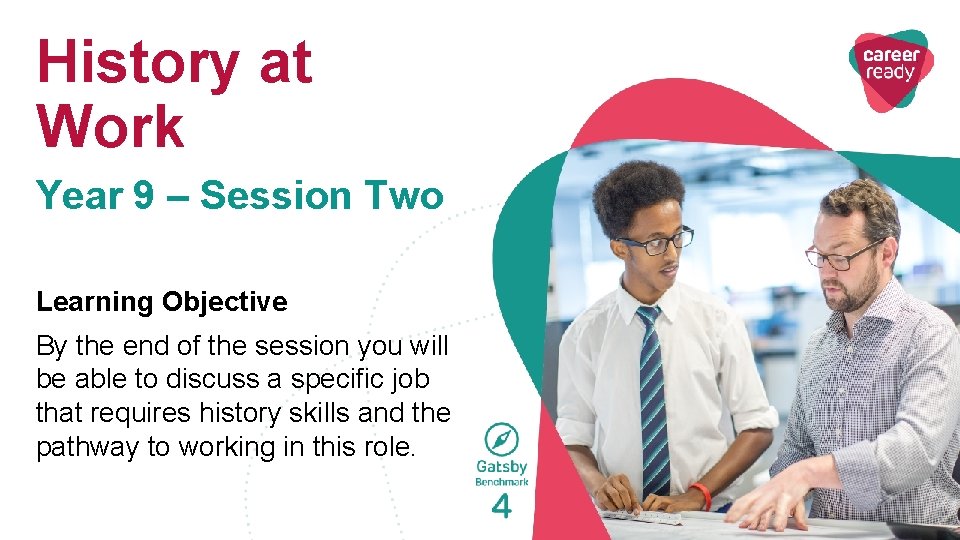
History at Work Year 9 – Session Two Learning Objective By the end of the session you will be able to discuss a specific job that requires history skills and the pathway to working in this role.
Becoming a broadcast Skills used journalist Job role They need to research and verify stories to ensure accuracy, and use the following skills: They have to present • Evidencing research information in an accurate and • Identifying interviewees interesting way. • Writing scripts for live or An understanding of the past pre-recorded reporting is important so that the news slots is set in historical context and • Critical reasoning takes into account relevant Broadcast journalists investigate and present the news.
What qualifications will I need? After GCSEs you could do: - A Levels in History, English, Media or related subjects - BTEC Media After Sixth Form or College you could do: - Undergraduate degree in history and/or journalism, or another relevant degree e. g. broadcast journalism, communications, media etc. - There are some degree courses in broadcast journalism which are accredited by the Broadcast Journalism Training Council
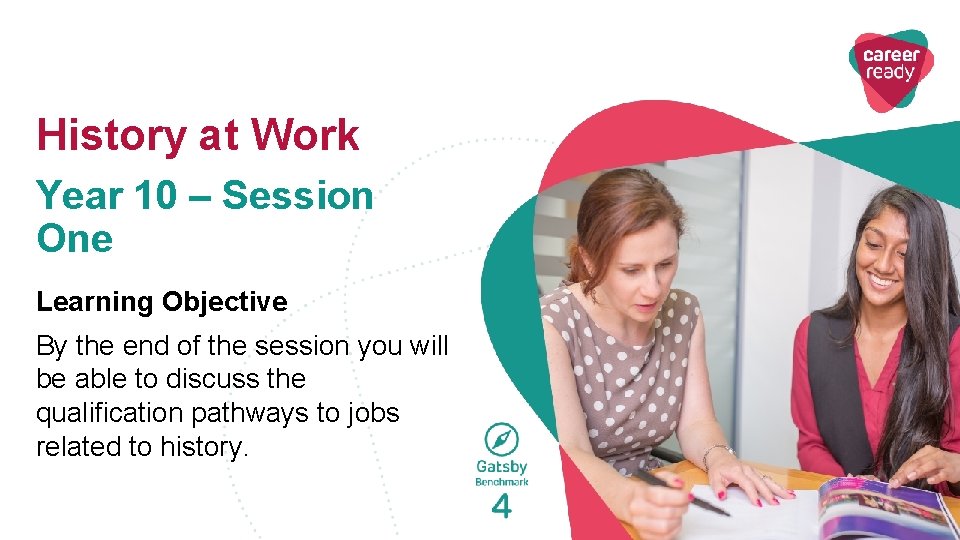
History at Work Year 10 – Session One Learning Objective By the end of the session you will be able to discuss the qualification pathways to jobs related to history.
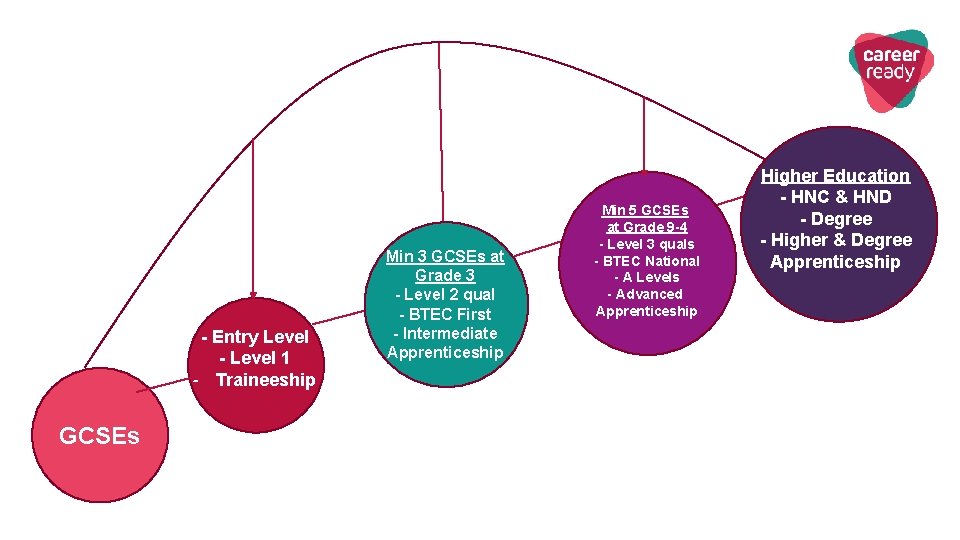
- Entry Level - Level 1 - Traineeship GCSEs Min 3 GCSEs at Grade 3 - Level 2 qual - BTEC First - Intermediate Apprenticeship Min 5 GCSEs at Grade 9 -4 - Level 3 quals - BTEC National - A Levels - Advanced Apprenticeship Higher Education - HNC & HND - Degree - Higher & Degree Apprenticeship
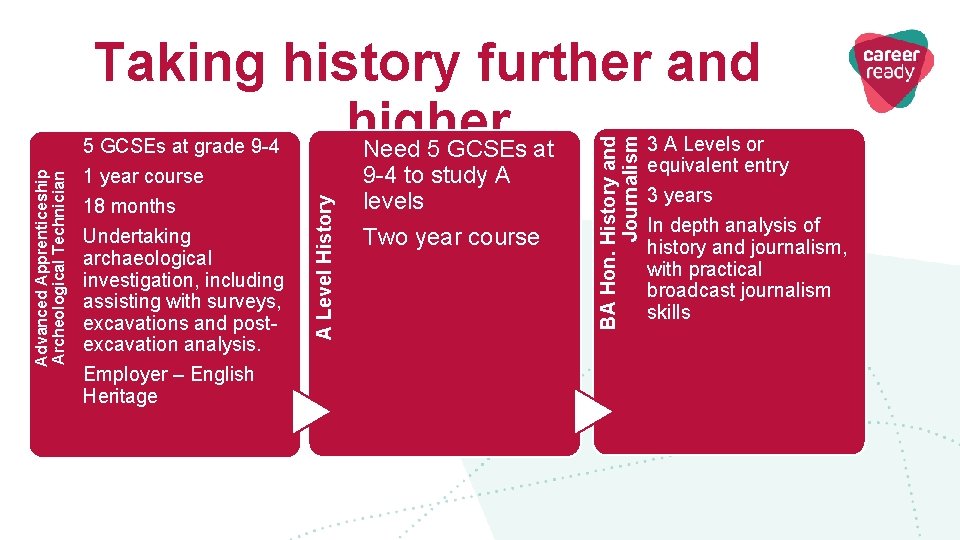
9 -4 to study A levels Two year course BA Hon. History and Journalism 5 GCSEs at grade 9 -4 1 year course 18 months Undertaking archaeological investigation, including assisting with surveys, excavations and postexcavation analysis. Employer – English Heritage A Level History Advanced Apprenticeship Archeological Technician Taking history further and higher Need 5 GCSEs at 3 A Levels or equivalent entry 3 years In depth analysis of history and journalism, with practical broadcast journalism skills
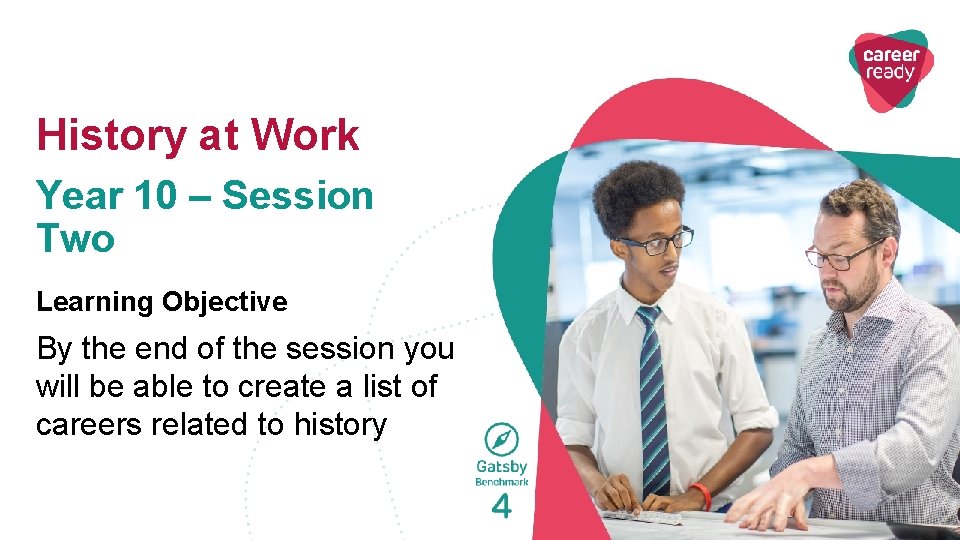
History at Work Year 10 – Session Two Learning Objective By the end of the session you will be able to create a list of careers related to history
How do economists use history skills? Job description How does it relate to history? Economists advise government departments, businesses, banks and other organisations about how new political and financial changes may affect their work and , helping them to develop policies and plans to deal with that. They play a crucial role when major events like Brexit happen and they make predictions based on past experiences. Salary • £ 25, 000 (entry level) • £ 80, 000+ (experienced) Research skills: They study past and present economic decisions made by governments using databases, websites and historical journals. Analysing skills: They study statistics and other forms of information to help form their conclusions. Critical reasoning: They use these skills to advise what action needs to be taken to avoid financial problems.
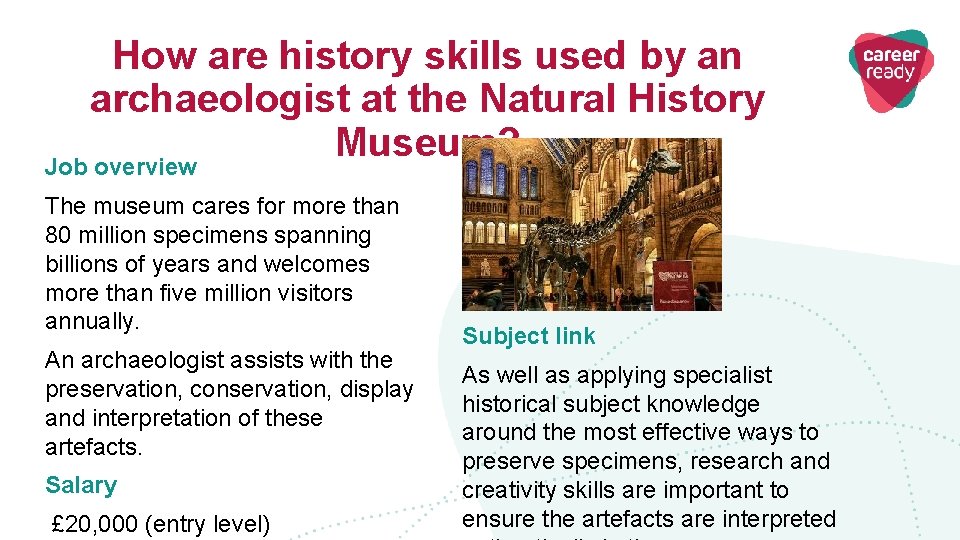
How are history skills used by an archaeologist at the Natural History Museum? Job overview The museum cares for more than 80 million specimens spanning billions of years and welcomes more than five million visitors annually. An archaeologist assists with the preservation, conservation, display and interpretation of these artefacts. Salary £ 20, 000 (entry level) Subject link As well as applying specialist historical subject knowledge around the most effective ways to preserve specimens, research and creativity skills are important to ensure the artefacts are interpreted
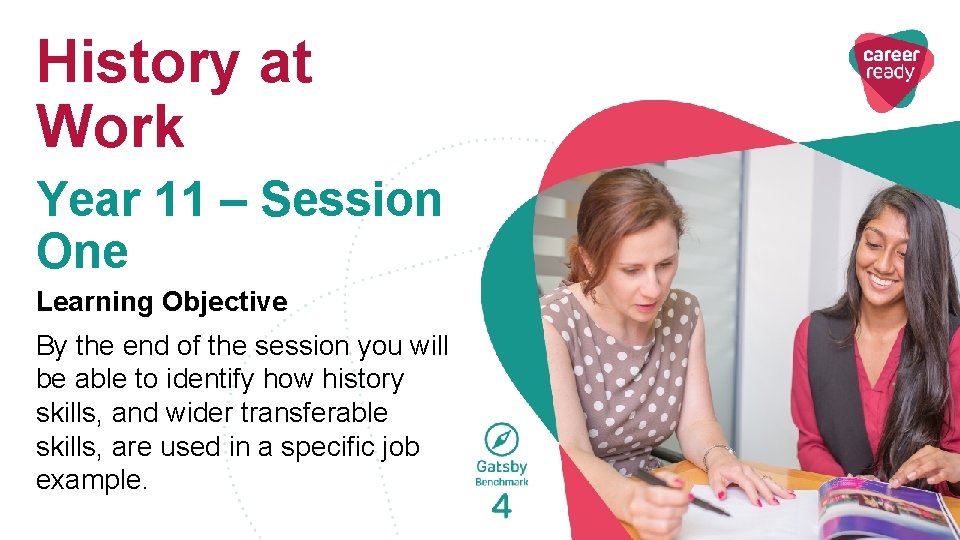
History at Work Year 11 – Session One Learning Objective By the end of the session you will be able to identify how history skills, and wider transferable skills, are used in a specific job example.
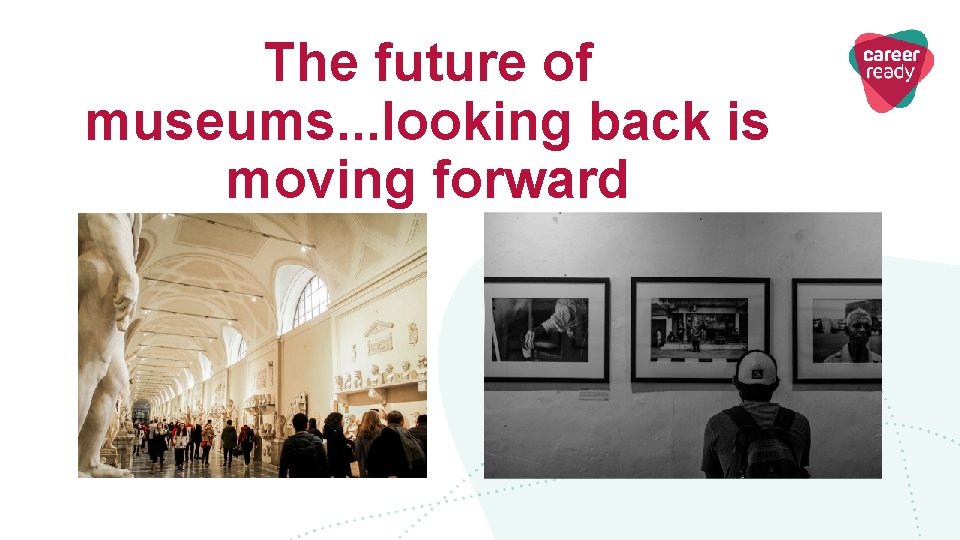
The future of museums. . . looking back is moving forward
Digital Manager, British Library Job purpose Job overview As one of the world’s great libraries, the British Library has a duty to preserve the nation’s intellectual memory for future generations. Responsibilities: This is contained in manuscripts, maps, newspapers, magazines, prints and drawings, music scores, and patents. The British Library is using digital tools and skills to help preserve this national memory so knowledge can be created now and in the future. • Work closely with curators to develop a series of web packages, drawing on the unique sound collections held at the British Library. • Line manage Web Content Developers in the research and development of content • Quality assure all digital collection material Education, skills and experience: • Educated to a degree standard or equivalent • Excellent attention to detail • Excellent editorial and research skills
History at Work Year 11 – Session Two Learning Objective By the end of the session you will be able to identify how history skills, as well as wider transferable skills, relate to your own career aspirations.
How does history relate to your career aspirations? How do history skills relate to your career aspiration? • Analytical • Critical Reasoning • Creativity • Research • Communication How does history knowledge relate to your career aspiration?
History at Work Sixth Form – Session One Learning Objective By the end of the session you will be able to understand how history skills can be presented to an employer.
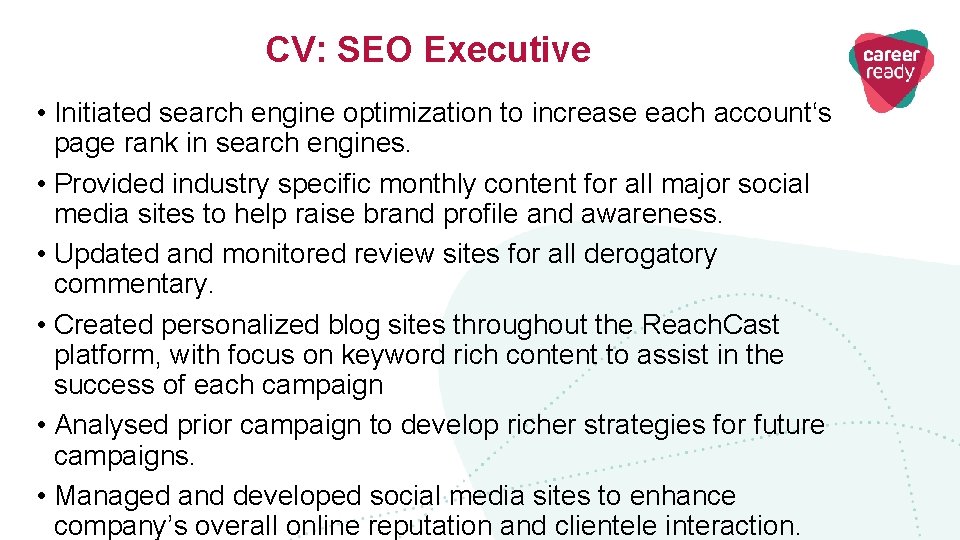
CV: SEO Executive • Initiated search engine optimization to increase each account‘s page rank in search engines. • Provided industry specific monthly content for all major social media sites to help raise brand profile and awareness. • Updated and monitored review sites for all derogatory commentary. • Created personalized blog sites throughout the Reach. Cast platform, with focus on keyword rich content to assist in the success of each campaign • Analysed prior campaign to develop richer strategies for future campaigns. • Managed and developed social media sites to enhance company’s overall online reputation and clientele interaction.
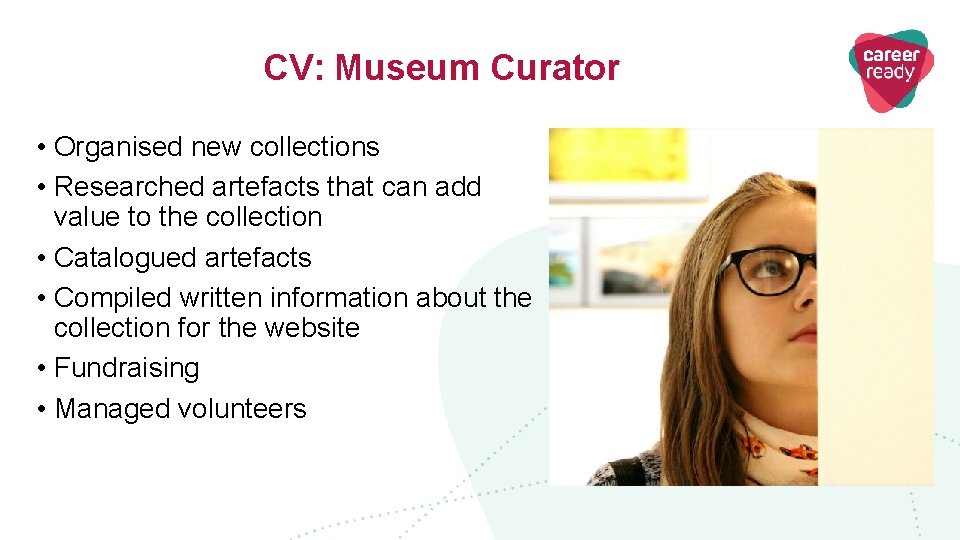
CV: Museum Curator • Organised new collections • Researched artefacts that can add value to the collection • Catalogued artefacts • Compiled written information about the collection for the website • Fundraising • Managed volunteers
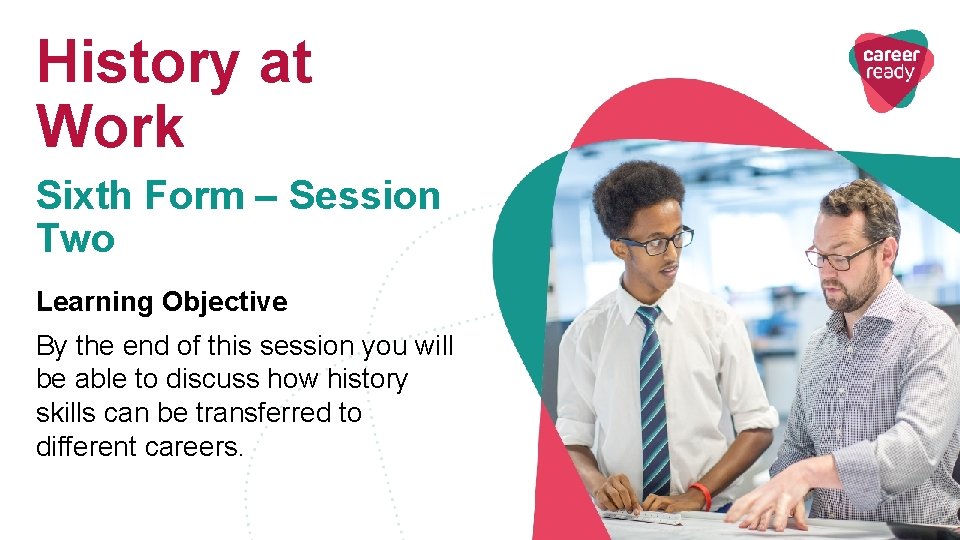
History at Work Sixth Form – Session Two Learning Objective By the end of this session you will be able to discuss how history skills can be transferred to different careers.
History skills at work • • • Analytical Research Creativity Critical reasoning Communication – written and verbal
History skills at work • • • Analytical Research Creativity Critical reasoning Communication – written and verbal