
Historical Roots of Migration in the Age of
- Slides: 26
Historical Roots of Migration in the Age of Globalization Cynthia Radding University of New Mexico Region XIII Diaconate Community th 25 Annual Conference in Gallup, New Mexico July 27 -29, 2007
Continental Borderlands n Migratory streams n Borderlands before the nation-state n Movements of native peoples through deserts, mountains and wetlands
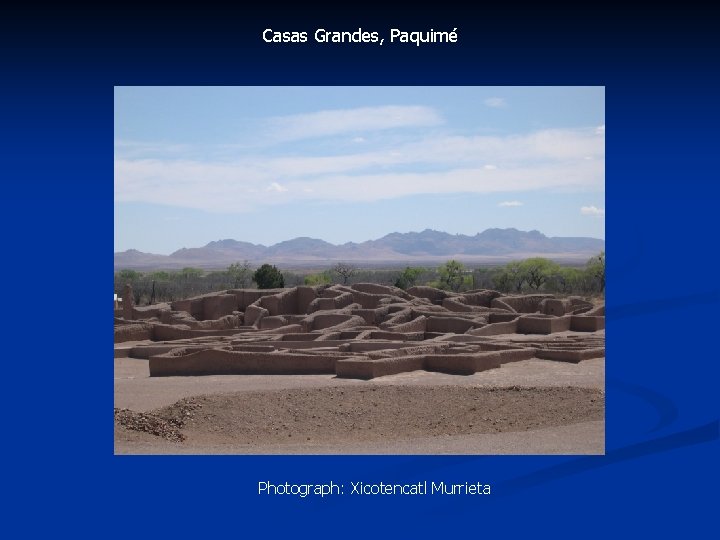
Casas Grandes, Paquimé Photograph: Xicotencatl Murrieta
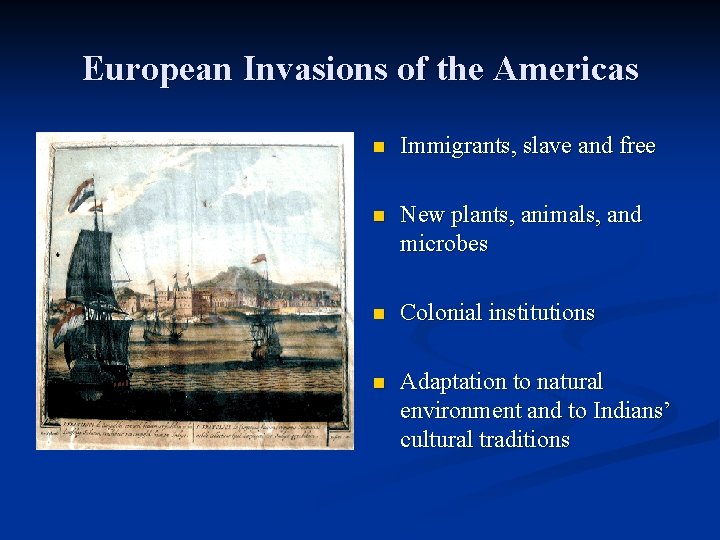
European Invasions of the Americas n Immigrants, slave and free n New plants, animals, and microbes n Colonial institutions n Adaptation to natural environment and to Indians’ cultural traditions
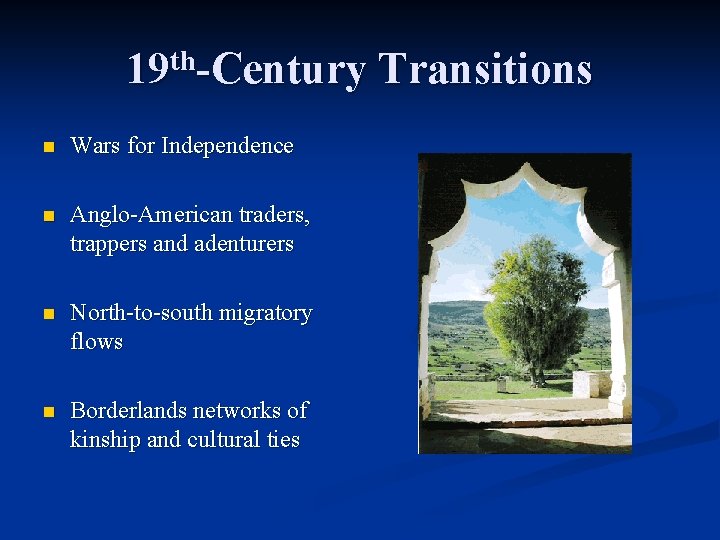
19 th-Century Transitions n Wars for Independence n Anglo-American traders, trappers and adenturers n North-to-south migratory flows n Borderlands networks of kinship and cultural ties
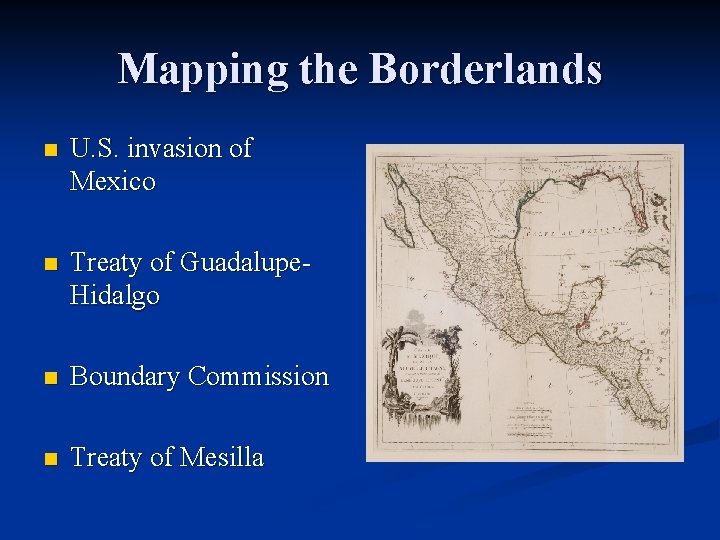
Mapping the Borderlands n U. S. invasion of Mexico n Treaty of Guadalupe. Hidalgo n Boundary Commission n Treaty of Mesilla
Migration in Historical Context n Migratory flows to and from Latin America n Diverse populations n Globalization and migration n Cultural identity, citizenship, and nationalism
Mexico and the U. S. : 1820 -1920 n Migration is not restricted to the border region n Migration issues understood within larger national and international histories n Seasonal and permanent migrations
Mexico in the 19 th Century n n n Internal Struggles Church-state relations Regional autonomy vs. the central state Communal lands Colonists in Chihuahua n Foreign Invasions n United States, 18461854 n n n Loss of territory Binational boundary France, 1862 -1867 n n Hapsburg monarchy French troops
Modernization in Mexico n Capital growth and technology n n n Railroads, telegraph Industrial mining Timber concessions Commercial agriculture President Porfirio Díaz n Population growth and immigration n Immigrants from Europe, Middle East and China n Colonies in northern Mexico
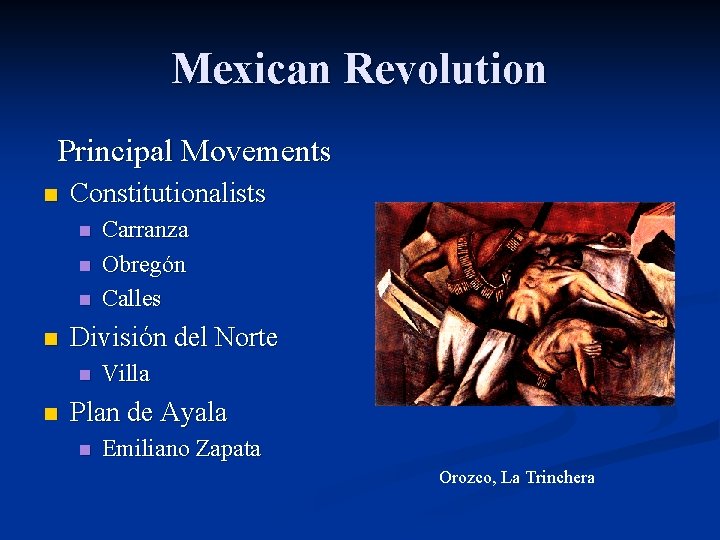
Mexican Revolution Principal Movements n Constitutionalists n n División del Norte n n Carranza Obregón Calles Villa Plan de Ayala n Emiliano Zapata Orozco, La Trinchera
Past Meets the Present: 19202000 Parallel histories of Mexico and the United States World Wars and Great Depression n Structural changes in world finances n Mexico: agrarian reforms and labor policies n Bracero program, 1943 -1968 n Assembly plants (maquiladoras) n
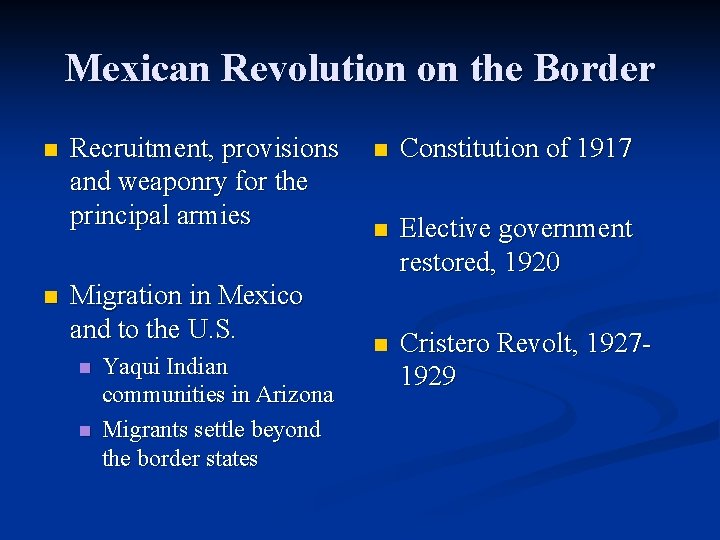
Mexican Revolution on the Border n n Recruitment, provisions and weaponry for the principal armies Migration in Mexico and to the U. S. n n Yaqui Indian communities in Arizona Migrants settle beyond the border states n Constitution of 1917 n Elective government restored, 1920 n Cristero Revolt, 19271929
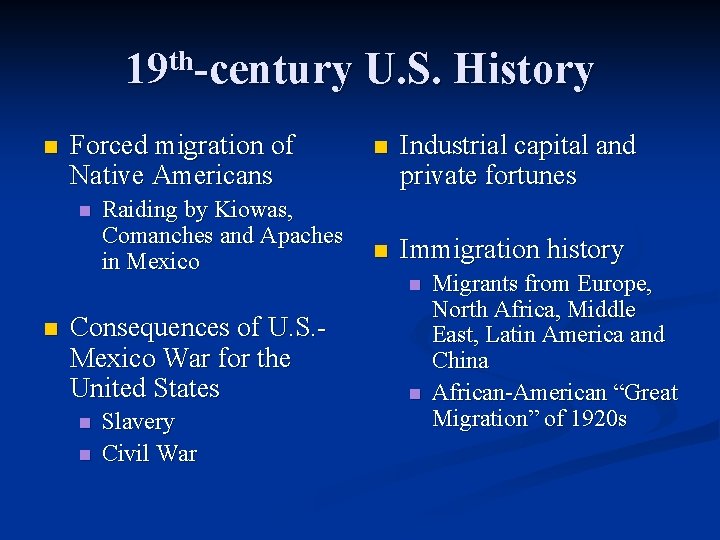
19 th-century U. S. History n Forced migration of Native Americans n Raiding by Kiowas, Comanches and Apaches in Mexico n Industrial capital and private fortunes n Immigration history n n Consequences of U. S. Mexico War for the United States n n Slavery Civil War n Migrants from Europe, North Africa, Middle East, Latin America and China African-American “Great Migration” of 1920 s
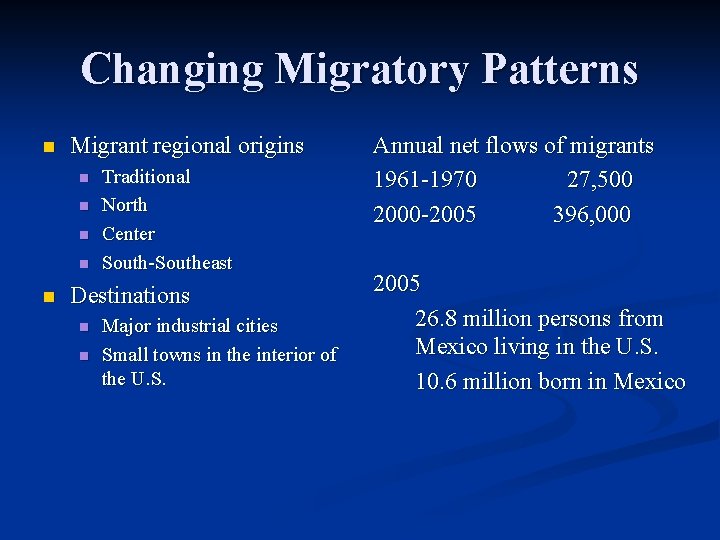
Changing Migratory Patterns n Migrant regional origins n n n Traditional North Center South-Southeast Destinations n n Major industrial cities Small towns in the interior of the U. S. Annual net flows of migrants 1961 -1970 27, 500 2000 -2005 396, 000 2005 26. 8 million persons from Mexico living in the U. S. 10. 6 million born in Mexico
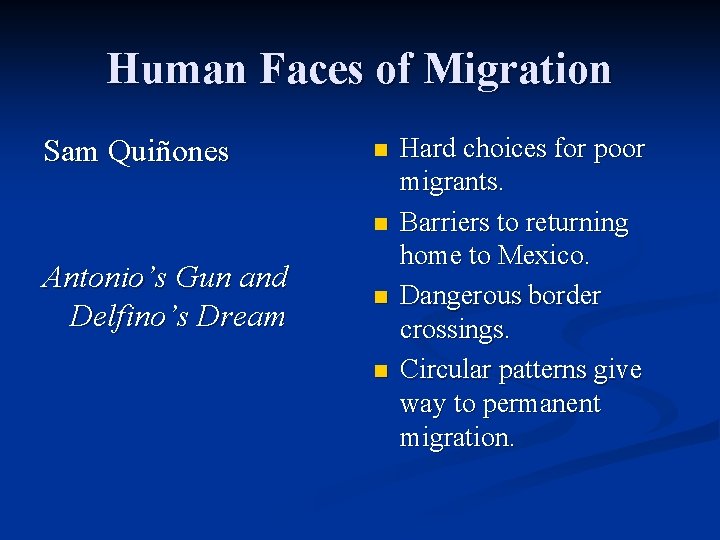
Human Faces of Migration Sam Quiñones n n Antonio’s Gun and Delfino’s Dream n n Hard choices for poor migrants. Barriers to returning home to Mexico. Dangerous border crossings. Circular patterns give way to permanent migration.
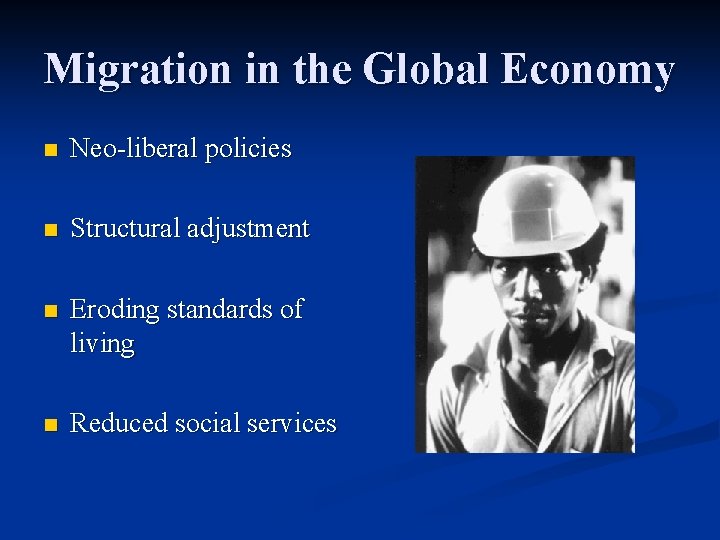
Migration in the Global Economy n Neo-liberal policies n Structural adjustment n Eroding standards of living n Reduced social services
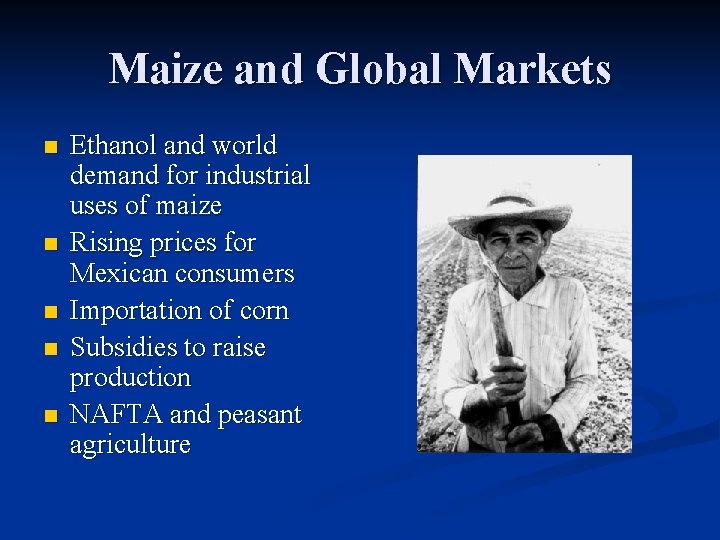
Maize and Global Markets n n n Ethanol and world demand for industrial uses of maize Rising prices for Mexican consumers Importation of corn Subsidies to raise production NAFTA and peasant agriculture
Ecuador: “our America” n President Rafael Correa, inaugural speech n Foreign debt service renegotiation n Demands to meet basic social services n Integration of Latin America
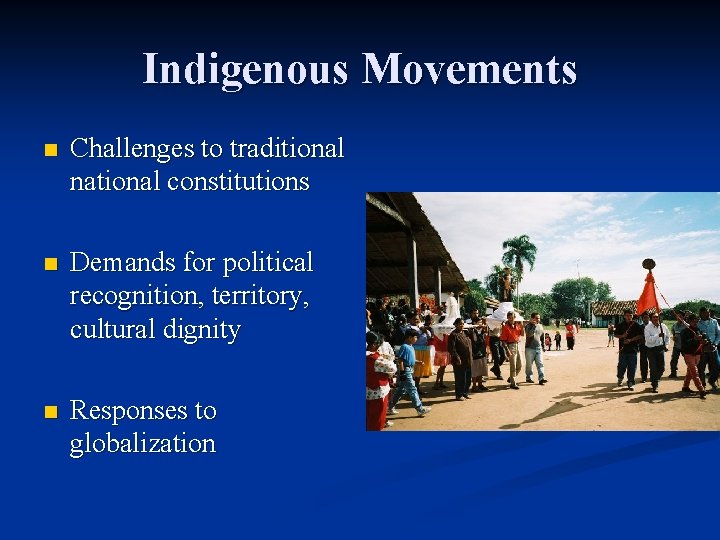
Indigenous Movements n Challenges to traditional national constitutions n Demands for political recognition, territory, cultural dignity n Responses to globalization
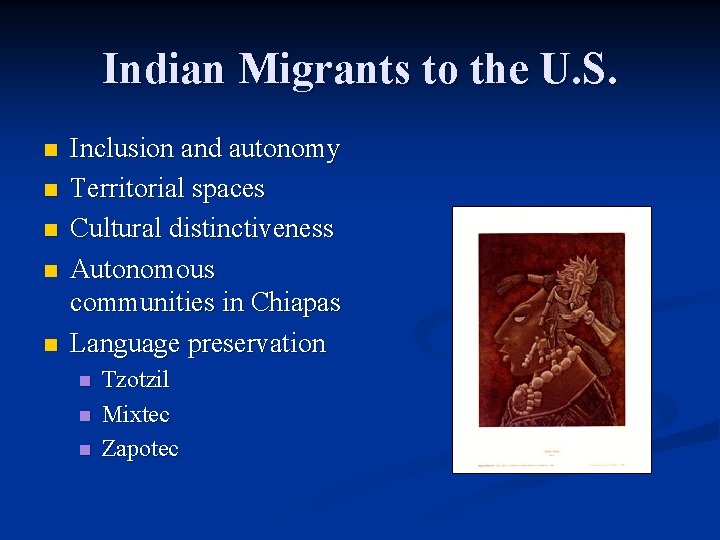
Indian Migrants to the U. S. n n n Inclusion and autonomy Territorial spaces Cultural distinctiveness Autonomous communities in Chiapas Language preservation n Tzotzil Mixtec Zapotec
Citizenship n New political actors n Internal indigenous movements n Migrant populations n New claims to suffrage n Paisanos in Mexico n Ecuadorian Constituent Assembly n Voter registration of Brazilians abroad.
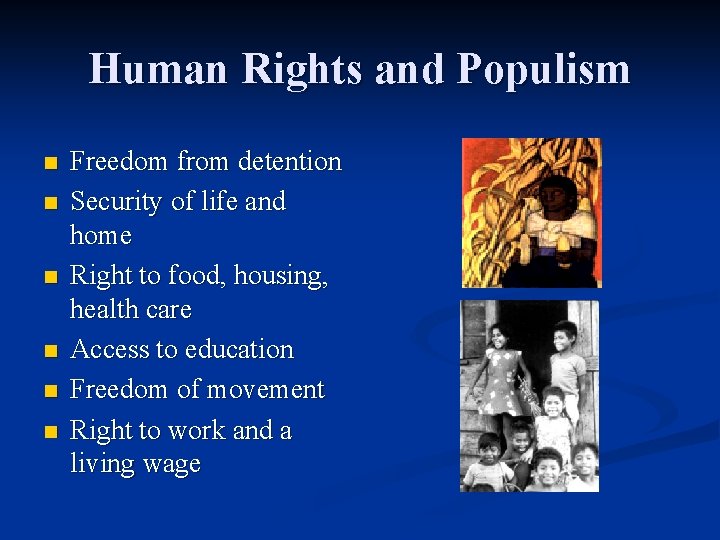
Human Rights and Populism n n n Freedom from detention Security of life and home Right to food, housing, health care Access to education Freedom of movement Right to work and a living wage
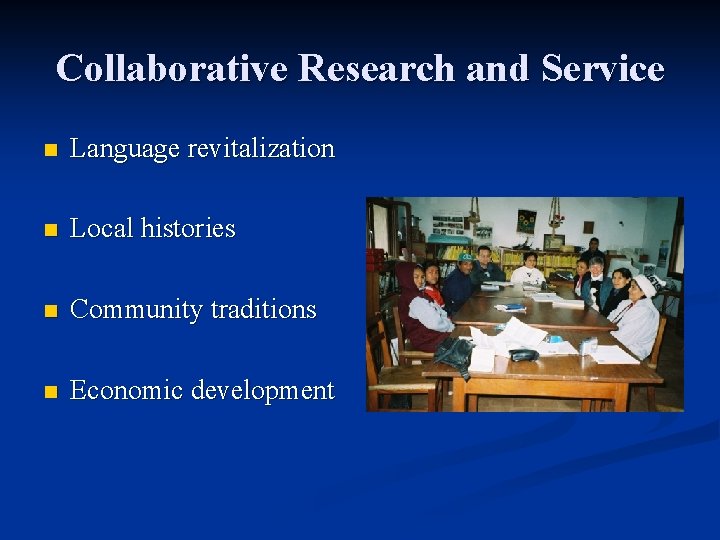
Collaborative Research and Service n Language revitalization n Local histories n Community traditions n Economic development
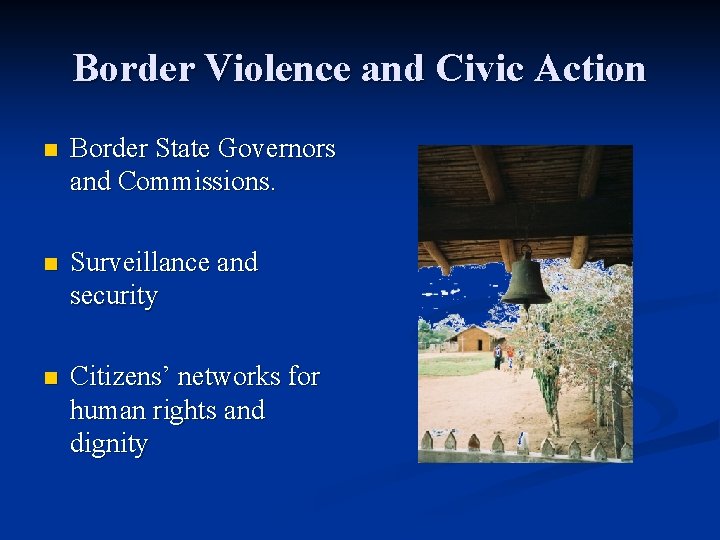
Border Violence and Civic Action n Border State Governors and Commissions. n Surveillance and security n Citizens’ networks for human rights and dignity
Sources of Information n n n University of New Mexico, n Latin America Database University of Texas, LANIC New York Times Espadaña Press SPIN México Ilustrado Reséndez, Changing National Identities at the Frontier Zúñiga, et al, Migración México-Estados Unidos