
Historical Development of Physical Education Curriculum KIN 125








- Slides: 35
Historical Development of Physical Education Curriculum KIN 125
www. starkcenter. org
Bernarr Macfadden August 16, 1868 -October 12, 1955 • http: //www. bernarrmacfadden. com/macfad den 6. html • http: //www. bernarrmacfadden. com/macfad den 4. html
Study of History • • Influence of individuals Innovations Institutions Impact of Social Forces
Social Forces • • Religious Influences Immigration Philanthropy Urbanization Industrialization Educational Movements Technological Developments
Religious Influences Colonial America • Puritans: New England Colonies • Anglican: Middle Colonies
Immigration • German Turners • Settled in Midwest America during the 1840 s • Introduction of German gymnastics in school systems
Philanthropy • Mary Hemenway in Boston • Introduction of Swedish System
Urbanization • Health Problems associated with demographic changes • Increase demand for recreation • Promotion of sport for entertainment • Need for social health concerns
Industrialization • Modifications in labor conditions • Consumerism
Educational Movements • Development of European models in America • Harvard and Yale modeled after Oxford and Cambridge • Round Hill School: Northampton, Mass.
Technological Developments • Mass Media • Developments in transportation and communication • Mass production of consumer goods
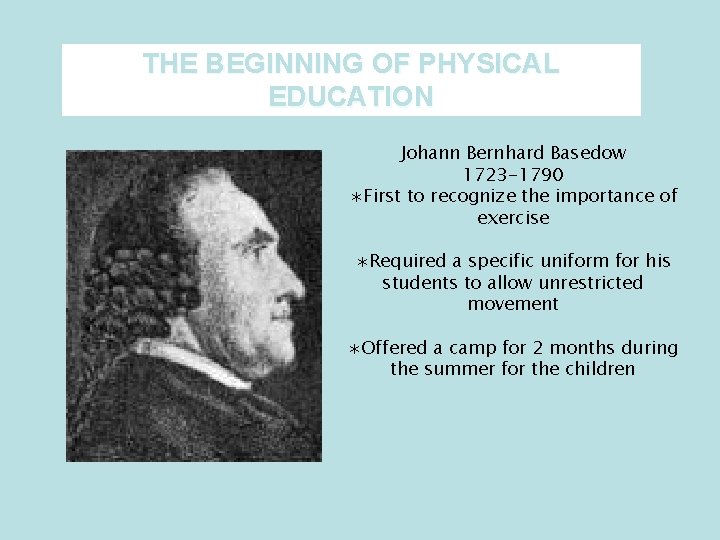
THE BEGINNING OF PHYSICAL EDUCATION Johann Bernhard Basedow 1723 -1790 ∗First to recognize the importance of exercise ∗Required a specific uniform for his students to allow unrestricted movement ∗Offered a camp for 2 months during the summer for the children
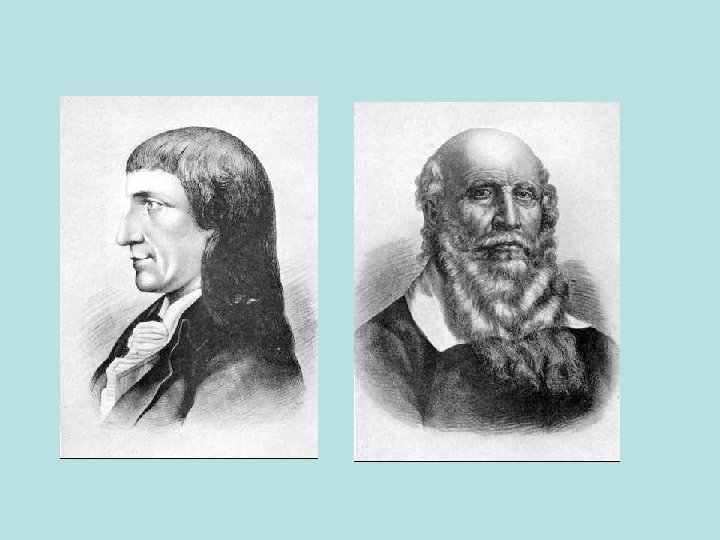
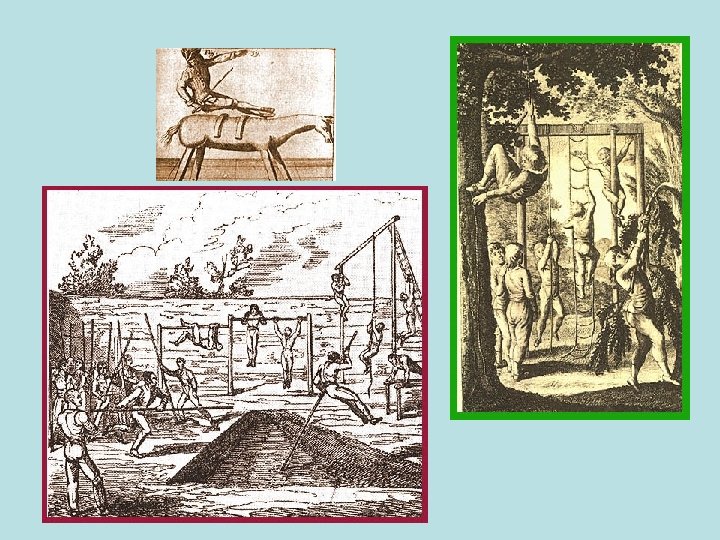
Curriculum Development: 19 th Century • Beck, Follen, and Lieber • German Gymnastics • Friedrich Ludwig Jahn: Father of Gymnastics • 1848 Friedrich Hecker in Cincinnati • Large Muscle development
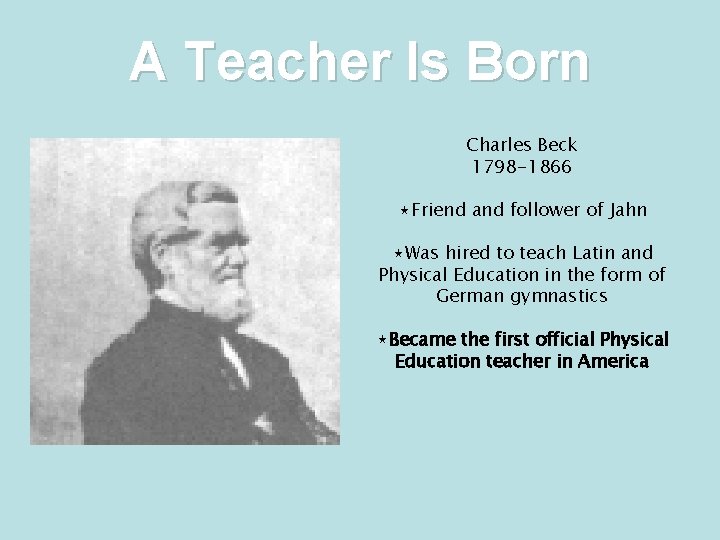
A Teacher Is Born Charles Beck 1798 -1866 ⋆Friend and follower of Jahn ⋆Was hired to teach Latin and Physical Education in the form of German gymnastics ⋆Became the first official Physical Education teacher in America
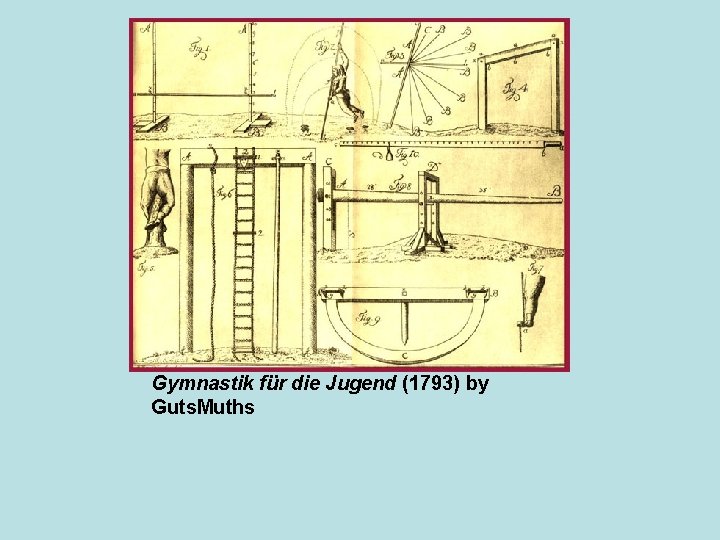
From Gymnastik für die Jugend (1793) by Guts. Muths
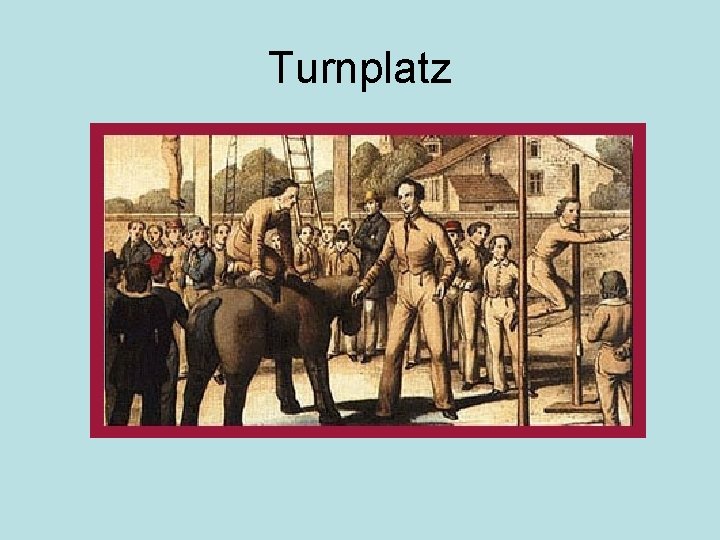
Turnplatz
Swedish Gymnastics • Father of Swedish gymnastics: Per Henrik Ling • Introduced in Boston through philanthropic efforts of Mary Hemenway • Baron Nils Posse Training Institute • Alternative to German gymnastics • Light gymnastics with therapeutic emphasis
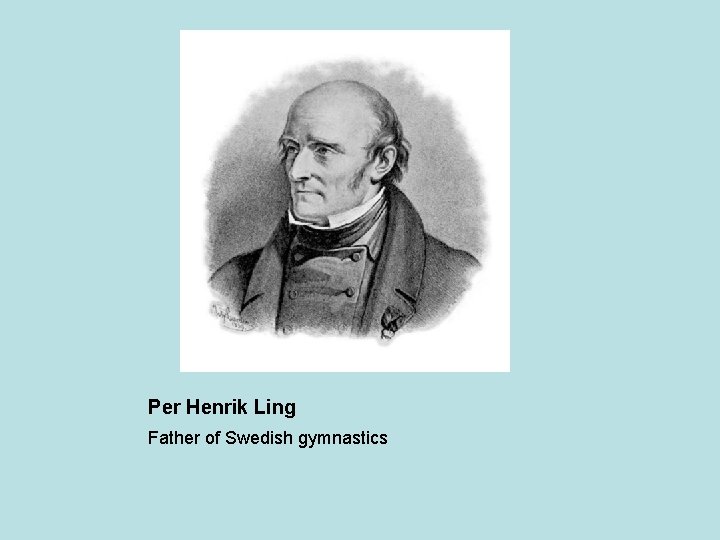
Per Henrik Ling Father of Swedish gymnastics
Lewis System • Dio Lewis, M. D. • Medical gymnastics (new gymnastics) • First physical education teacher training institute: 1861 in Boston
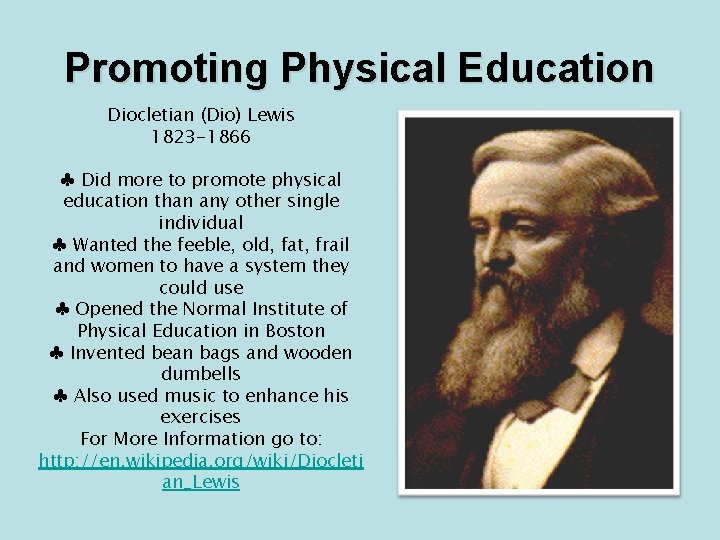
Promoting Physical Education Diocletian (Dio) Lewis 1823 -1866 ♣ Did more to promote physical education than any other single individual ♣ Wanted the feeble, old, fat, frail and women to have a system they could use ♣ Opened the Normal Institute of Physical Education in Boston ♣ Invented bean bags and wooden dumbells ♣ Also used music to enhance his exercises For More Information go to: http: //en. wikipedia. org/wiki/Diocleti an_Lewis
Beecher System • Catherine Beecher of famous Beecher family • Developed calisthenics for females • Two female schools: Cincinnati and Hartford • Called for the importance of physical activity for females
Hitchcock System • Edward Hitchcock, M. D. : hired as the first physical educator to have professorial rank, in 1861. He had the status of Assistant Professor of Physical Training and Hygiene at Amherst College • Development of anthropometrics • Group calisthenics accompanied to music
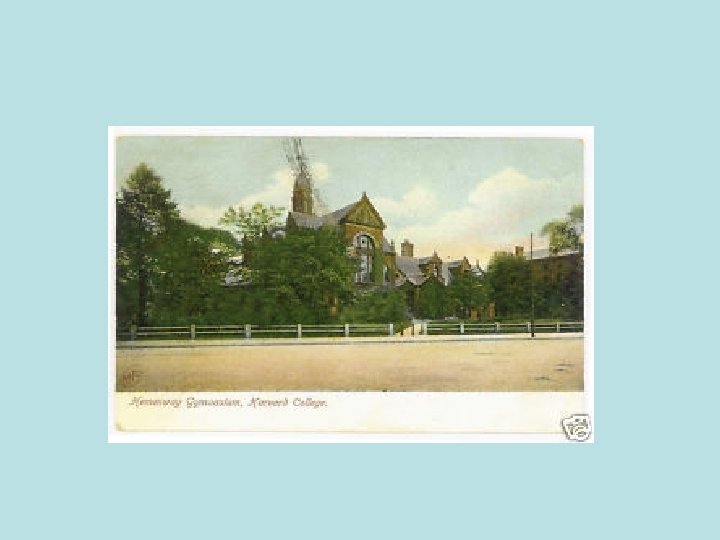
Sargent System • Dudley Sargent, M. D. , hired in 1879 as Assistant Professor of Physical Training and Director of Hemenway Gymnasium, Harvard University • Anthropometrics • Individual Exercise program • Over 90 patents for exercise machines
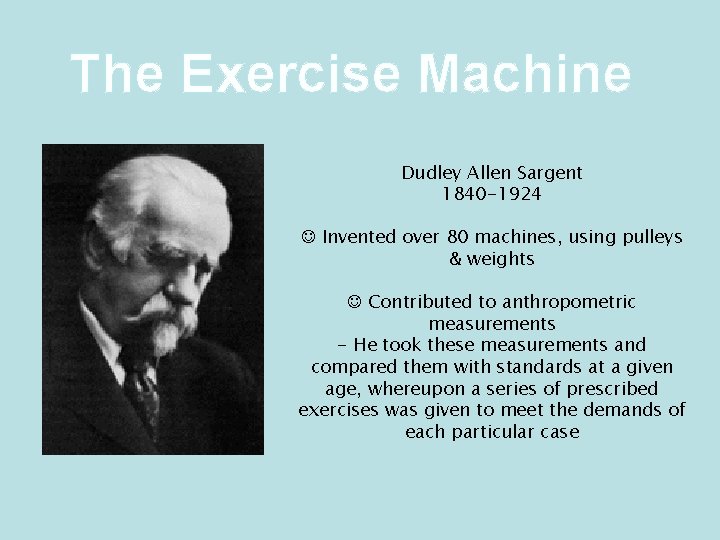
The Exercise Machine Dudley Allen Sargent 1840 -1924 ☺ Invented over 80 machines, using pulleys & weights ☺ Contributed to anthropometric measurements - He took these measurements and compared them with standards at a given age, whereupon a series of prescribed exercises was given to meet the demands of each particular case
Growth of Intercollegiate Sport • Began as class rivalries in the 1820’s • Developed into club teams in the 1840’s • First Intercollegiate contest in 1852: rowing match between Harvard and Yale • First Intercollegiate football contest occurred in 1869 between Rutgers and Princeton
Intercollegiate Growth (cont. ) • International collegiate match in 1869 between Harvard and Oxford on the Thames River • Football is modified in 1874 • By 1880’s attendance of over 40, 000 spectators during national championship • President Roosevelt convenes White House meeting in 1905
Interschool Athletics • Popularization of school sports in the early 1900’s • Organization of state associations in the 1920’s
Recreation • Urban recreation programs as early as 1827 Boston opens the first municipal recreation center • 1820’s boating clubs in Boston • 1842 New York Knickerbockers • 1845 Alexander Joy Cartwright codifies baseball rules • Amateur baseball clubs throughout the north east
20 th Century • In 1910 Clark Hetherington introduces the “new physical education” (see pp. 40 -41; 231 -232) • Broadens the view that neuromuscular activities in the form of play leads to character development • The view that physical education activities contribute to the goals of education
20 th cent. Cont. • Philosophical view of Education Through the Physical. Espoused that physical education contributed to social and moral development. • Jesse Feiring Williams • Jay Nash • Thomas Wood • Luther Gulick: YMCA triangle
Two Philosophical Views • Education of the Physical: the importance of training the physical as a goal in and of itself. • Education through the Physical: utilization of sports and games to develop behavioral goals such as social and moral development.