
Histology Study of Tissues Physiological systems are made
- Slides: 40
Histology- Study of Tissues
Physiological systems are made up of organs that serve specific functions. Organs are made up of tissues, which are then made up of cells.
Four types of tissue: ► Epithelial ► Connective ► Muscle ► Nervous
Epithelial tissues are sheets of tightly connected epithelial cells. The tissues form skin and line hollow organs.
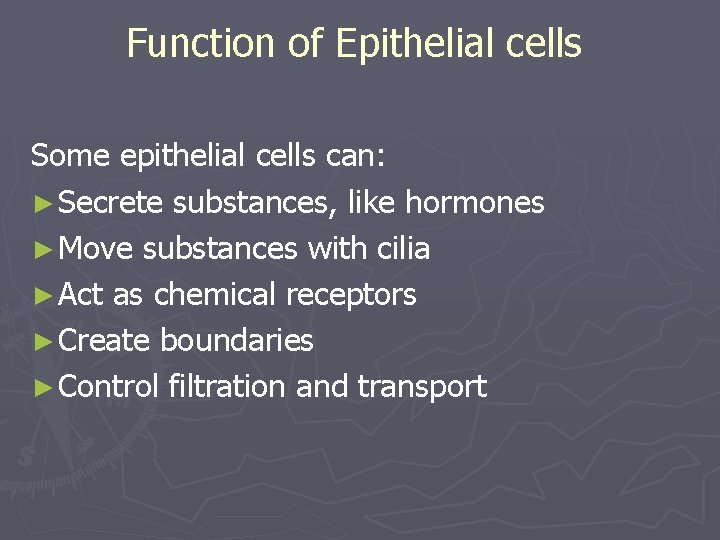
Function of Epithelial cells Some epithelial cells can: ► Secrete substances, like hormones ► Move substances with cilia ► Act as chemical receptors ► Create boundaries ► Control filtration and transport
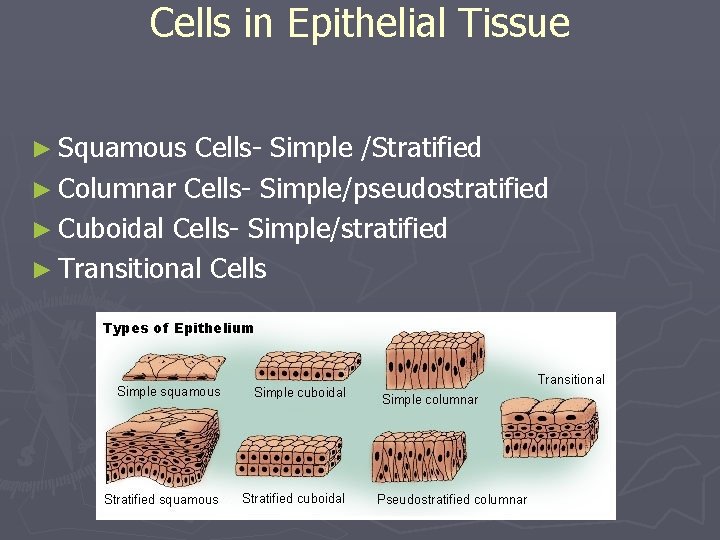
Cells in Epithelial Tissue ► Squamous Cells- Simple /Stratified ► Columnar Cells- Simple/pseudostratified ► Cuboidal Cells- Simple/stratified ► Transitional Cells
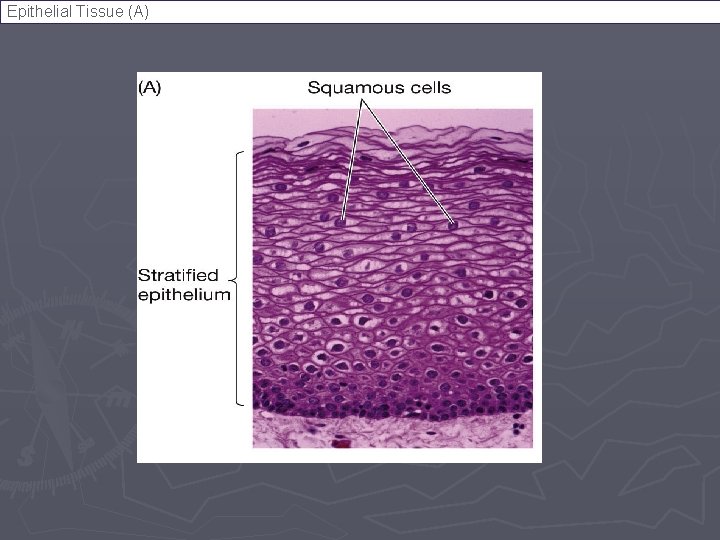
Epithelial Tissue (A)
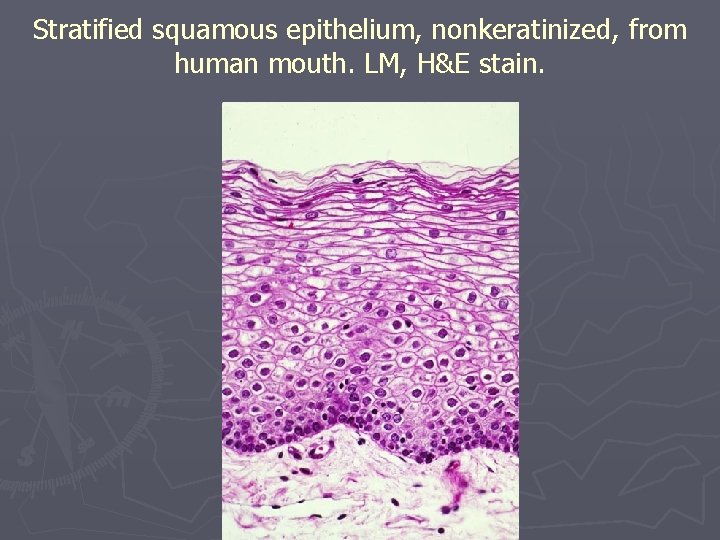
Stratified squamous epithelium, nonkeratinized, from human mouth. LM, H&E stain.
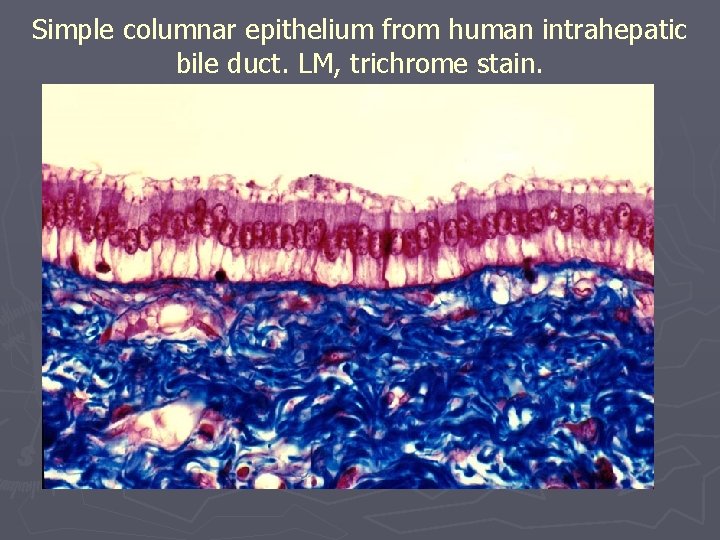
Simple columnar epithelium from human intrahepatic bile duct. LM, trichrome stain.
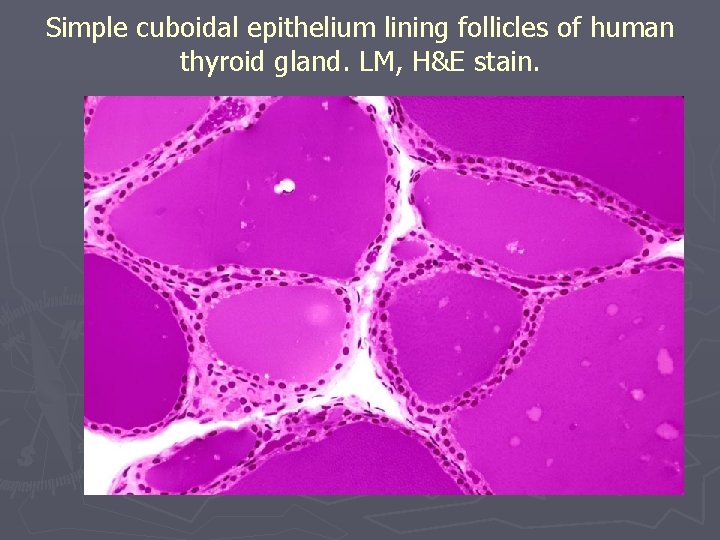
Simple cuboidal epithelium lining follicles of human thyroid gland. LM, H&E stain.
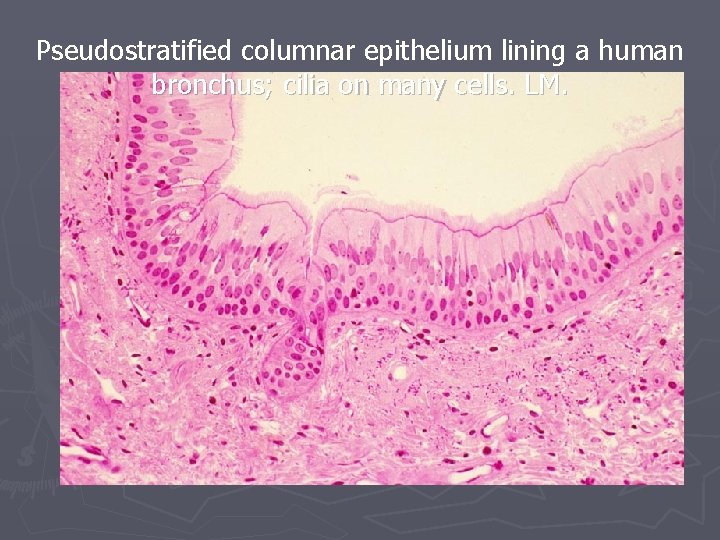
Pseudostratified columnar epithelium lining a human bronchus; cilia on many cells. LM.
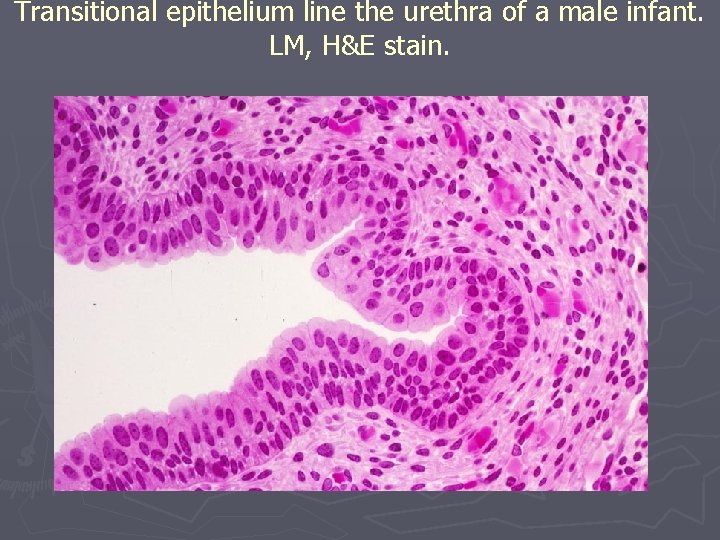
Transitional epithelium line the urethra of a male infant. LM, H&E stain.
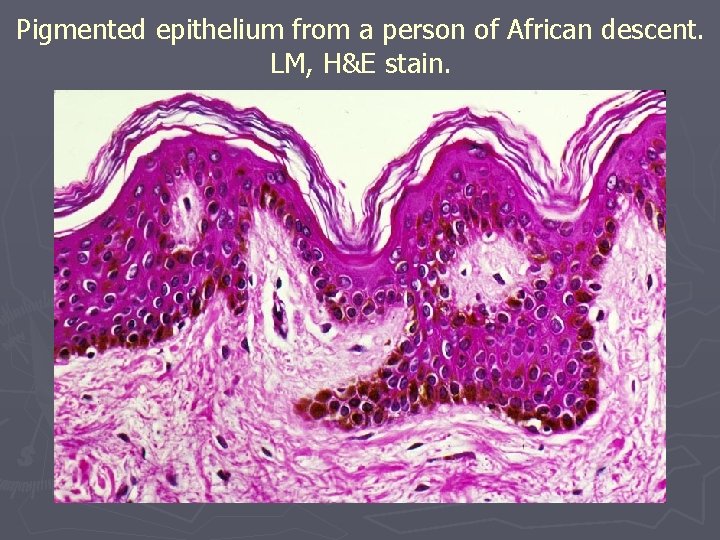
Pigmented epithelium from a person of African descent. LM, H&E stain.
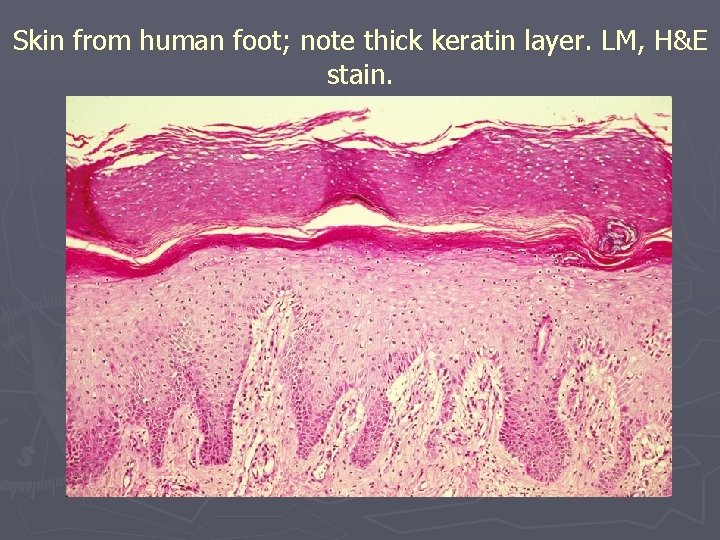
Skin from human foot; note thick keratin layer. LM, H&E stain.
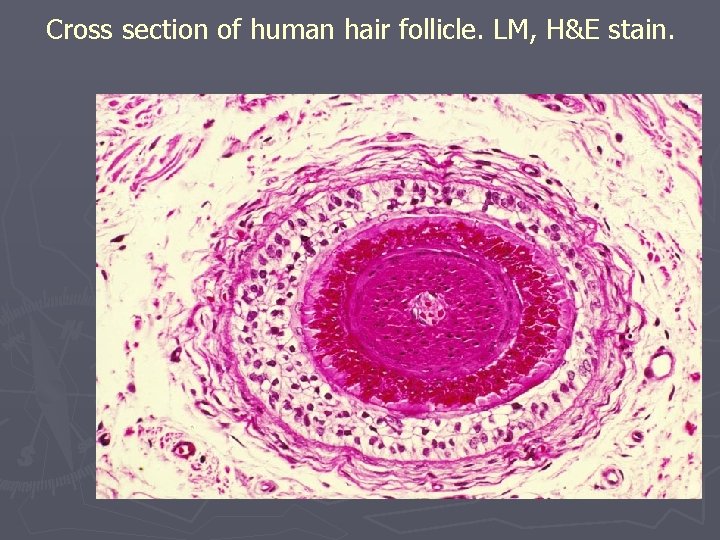
Cross section of human hair follicle. LM, H&E stain.
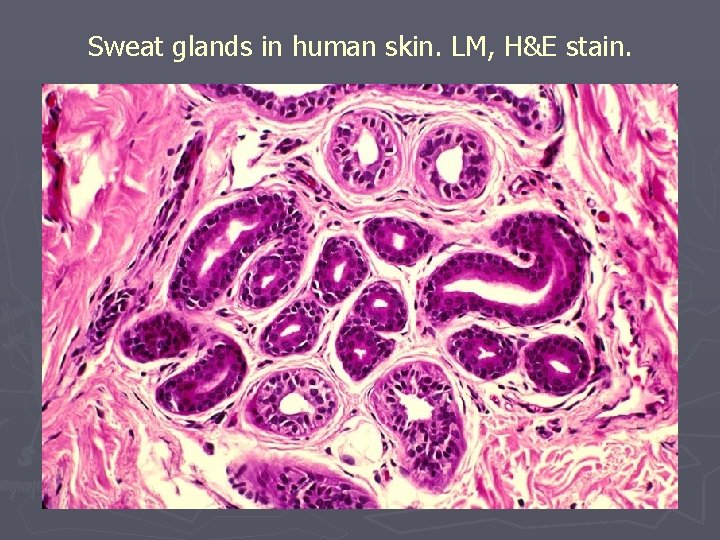
Sweat glands in human skin. LM, H&E stain.
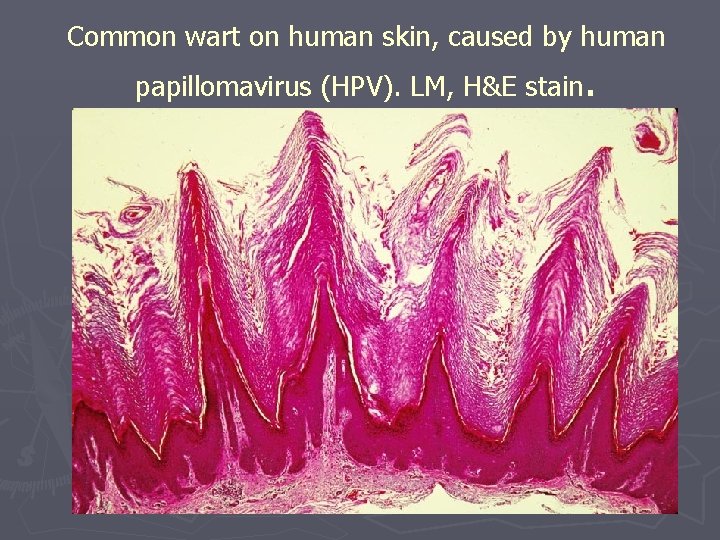
Common wart on human skin, caused by human papillomavirus (HPV). LM, H&E stain.
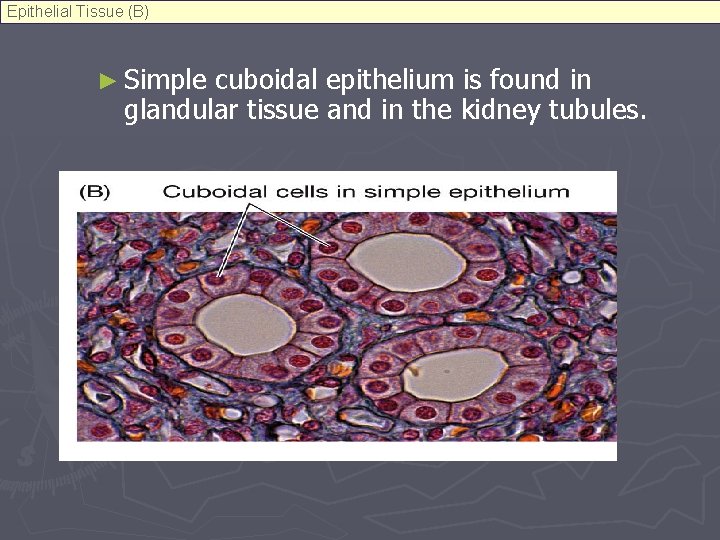
Epithelial Tissue (B) ► Simple cuboidal epithelium is found in glandular tissue and in the kidney tubules.
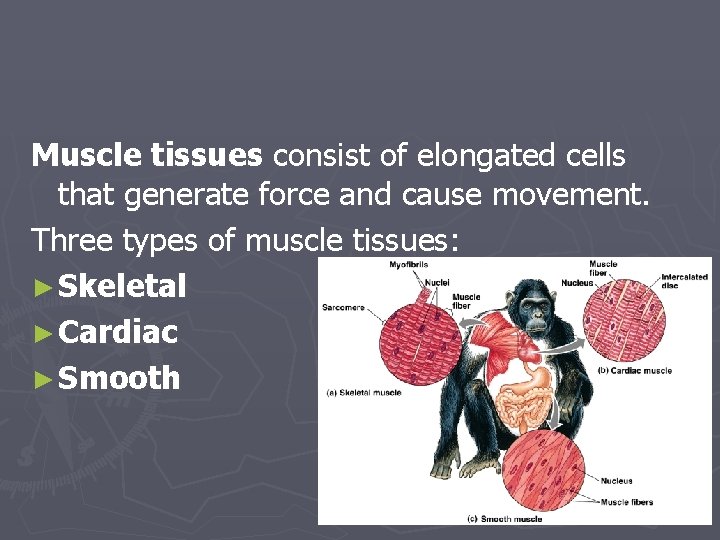
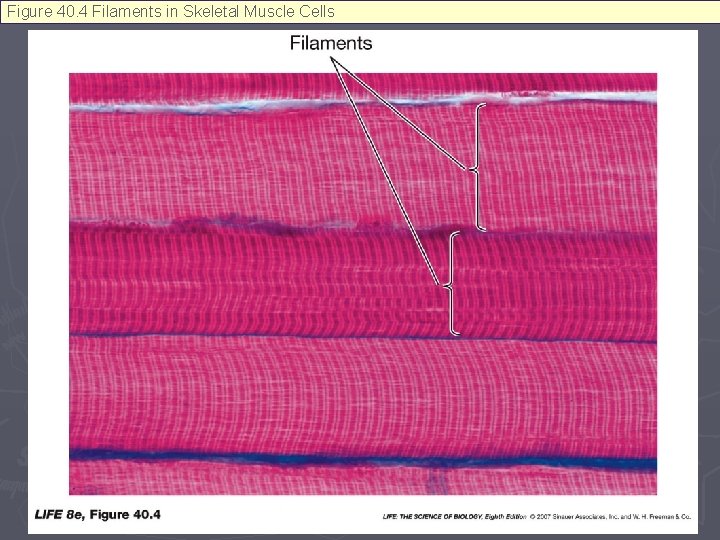
Muscle tissues consist of elongated cells that generate force and cause movement. Three types of muscle tissues: ► Skeletal ► Cardiac ► Smooth
► Skeletal: responsible for locomotion and other body movements (e. g. , breathing, shivering). ► Cardiac: makes up the heart and is responsible for the heartbeat and blood flow. ► Smooth: involved in movement and generation of forces in internal organs (e. g. , gut, blood vessels).
Figure 40. 4 Filaments in Skeletal Muscle Cells
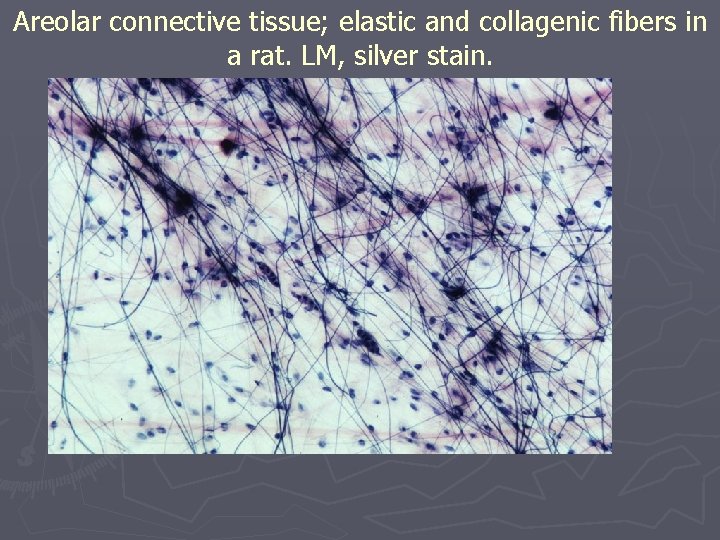
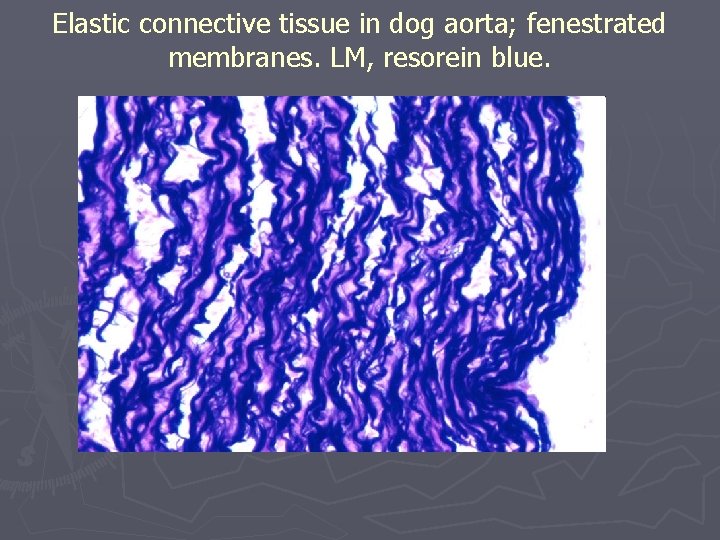
Connective tissues are dispersed cells in an extracellular matrix that they secrete. The matrix contains protein fibers: ► Collagen: strong and resistant to stretch, supports skin and connections between muscles and bones ► Elastin: can be stretched and then recoils; found in tissues that stretch (e. g. , lungs, arteries)
Areolar connective tissue; elastic and collagenic fibers in a rat. LM, silver stain.
Elastic connective tissue in dog aorta; fenestrated membranes. LM, resorein blue.
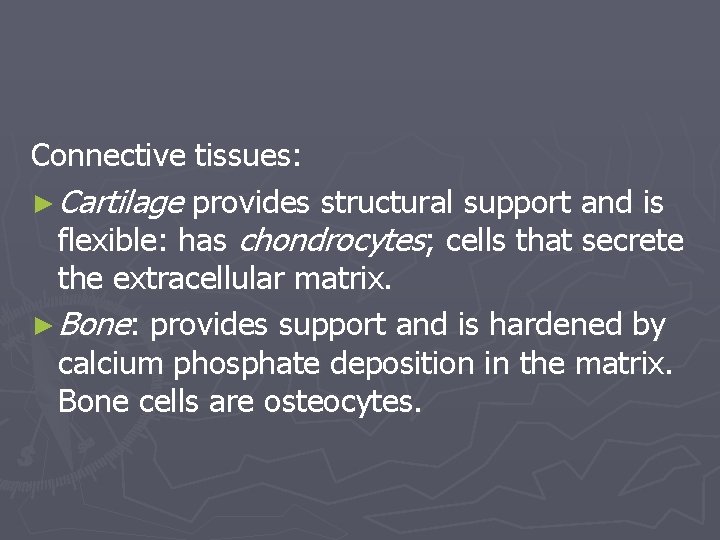
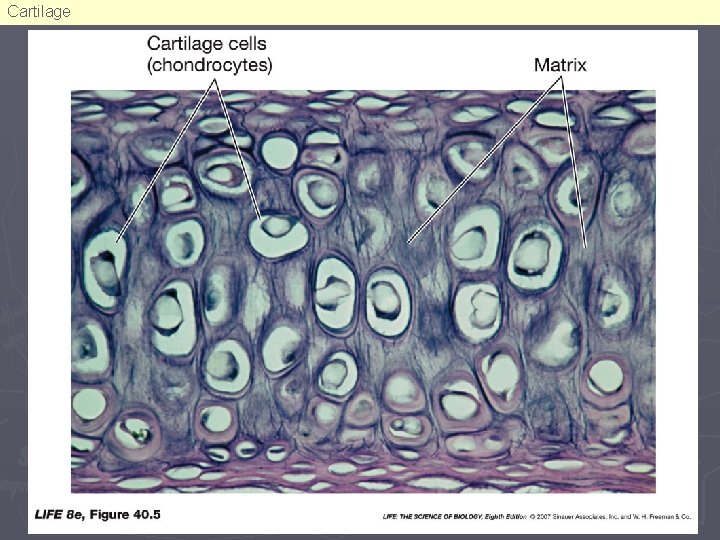
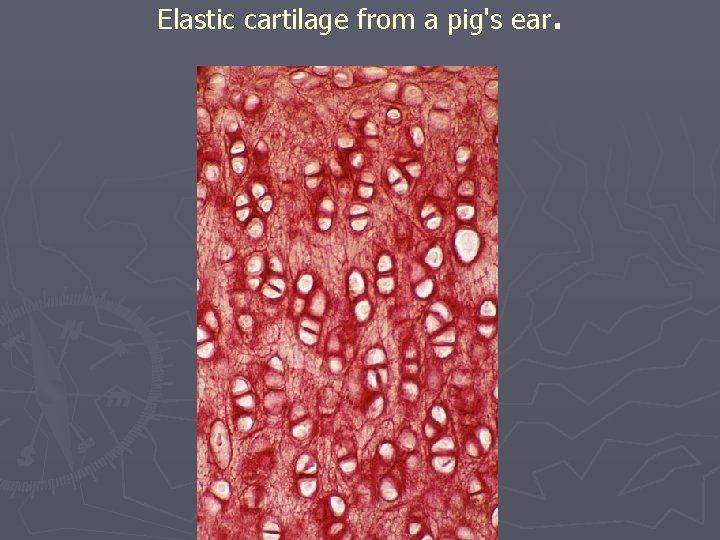
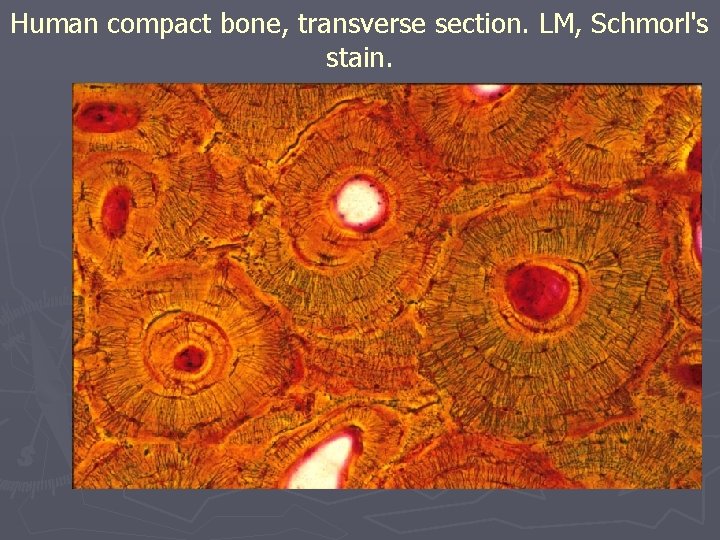
Connective tissues: ► Cartilage provides structural support and is flexible: has chondrocytes; cells that secrete the extracellular matrix. ► Bone: provides support and is hardened by calcium phosphate deposition in the matrix. Bone cells are osteocytes.
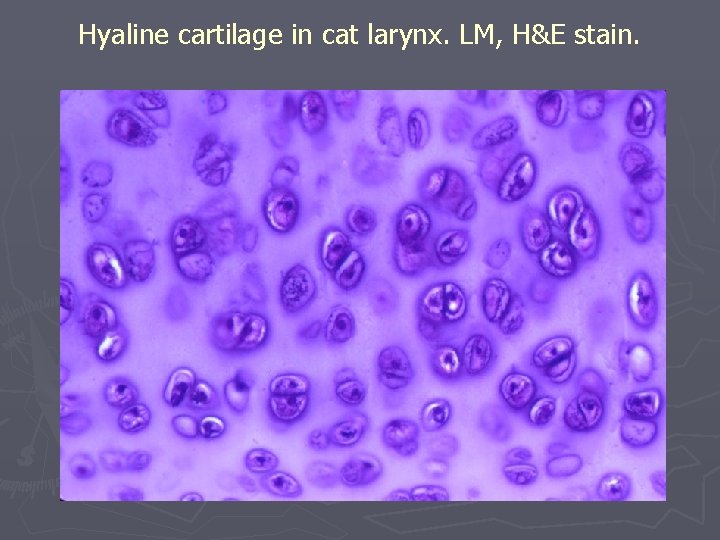
Hyaline cartilage in cat larynx. LM, H&E stain.
Cartilage
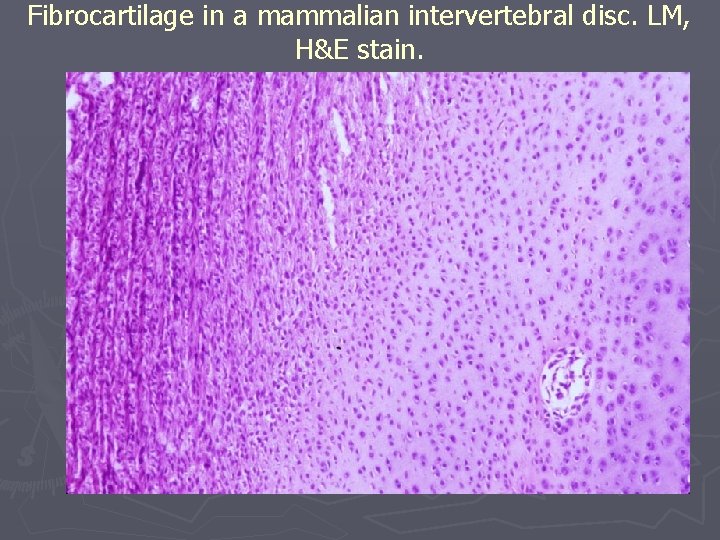
Fibrocartilage in a mammalian intervertebral disc. LM, H&E stain.
Elastic cartilage from a pig's ear.
Human compact bone, transverse section. LM, Schmorl's stain.
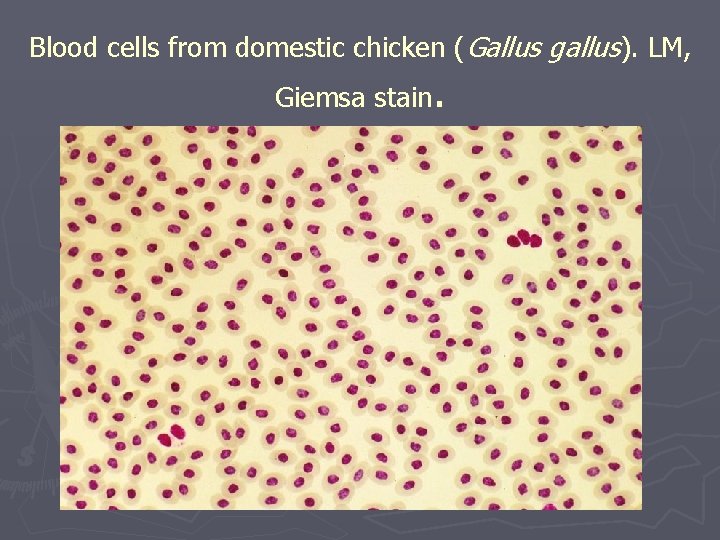
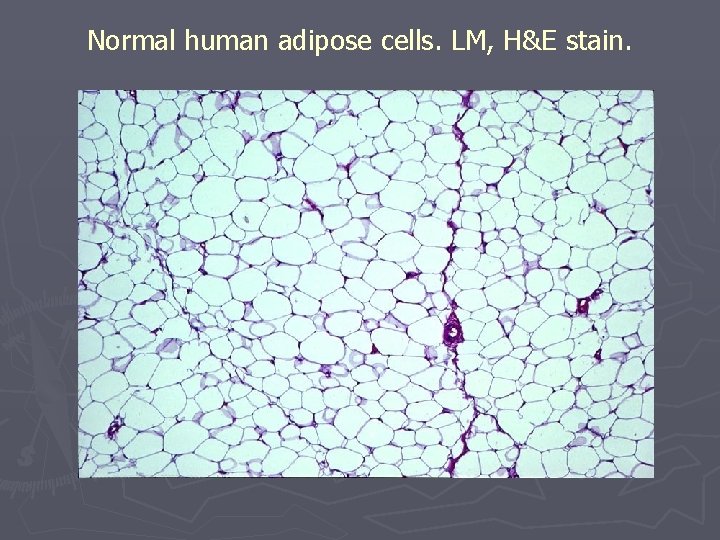
More connective tissues: ► Adipose tissue: includes adipose cells that form and store lipids. Cells are adipocytes. ► Blood: consists of cells in a very liquid extracellular matrix, the blood plasma. There are red blood cells (erythrocytes), white blood cells (leukocytes), and platelets (thrombocytes).
Blood cells from domestic chicken (Gallus gallus). LM, Giemsa stain.
Normal human adipose cells. LM, H&E stain.
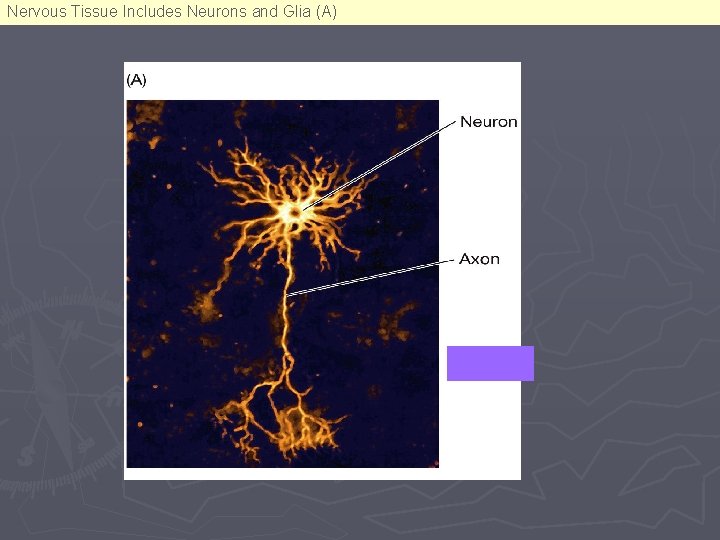
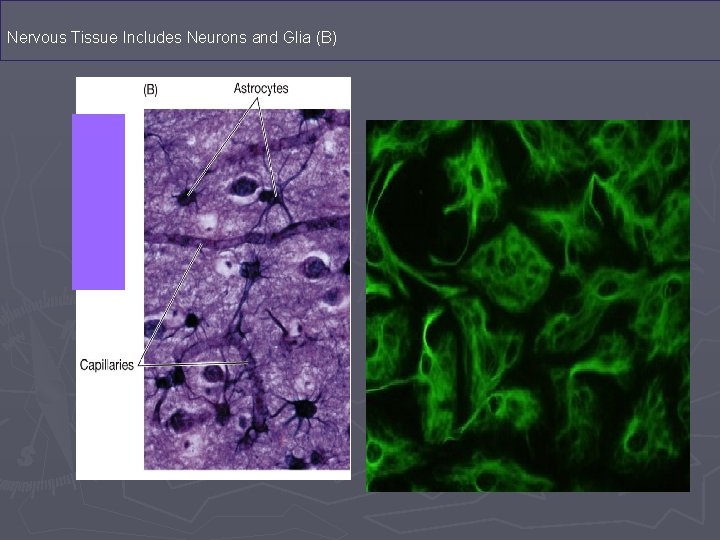
Nervous tissues contain two basic cell types: neurons and glia. Neurons encode information as electrical impulses that travel over axons to their targets. Chemical signals from the neuron stimulate a response in the target cell, via receptors. Glia provide support for neurons.
Nervous Tissue Includes Neurons and Glia (A)
Nervous Tissue Includes Neurons and Glia (B)
Organs consist of multiple tissues. An organ system is a group of organs that function together.
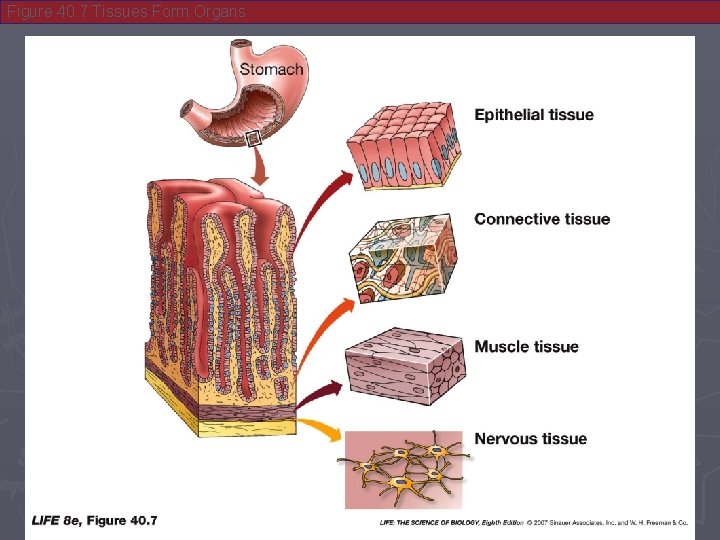
Different Tissues make up an organ Example: The stomach wall is arranged in layers: ► Epithelial cells ► Connective tissue ► Smooth muscle ► Neurons ► Connective tissue
Figure 40. 7 Tissues Form Organs Fig 40. 7 whole figure except stomach
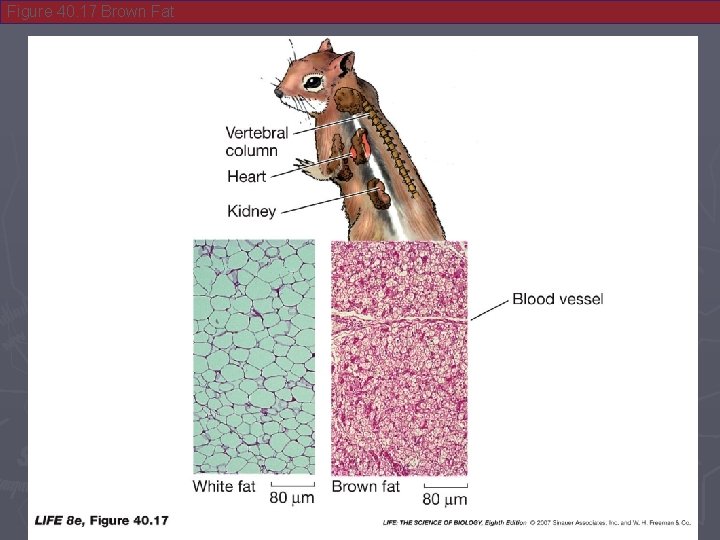
Figure 40. 17 Brown Fat