
Histology for Pathology Hematopoietic Elements Theresa Kristopaitis MD
- Slides: 12
Histology for Pathology Hematopoietic Elements Theresa Kristopaitis, MD Associate Professor Director of Mechanisms of Human Disease Kelli A. Hutchens, MD, FCAP Assistant Professor Assistant Director of Mechanisms of Human Disease Loyola Stritch School of Medicine
Objectives • On a peripheral blood smear identify the following cells: erythrocytes, platelets, neutrophils, eosinophils, basophils, lymphocytes and monocytes. • On a peripheral blood smear identify neutrophil band cells (also known as stab cells) and state the clinical significance of their presence. • On H&E stained sections, identify neutrophils, eosinophils, lymphocytes. • On H&E sections identify plasma cells. • On a stained section identify the 3 major components of bone marrow (bone trabeculae, hematopoietic cells, adipose tissue). • List the sequence of development of a granulocytes – focusing on the neutrophil. • On a section of bone marrow, identify a megakaryocyte. • Define “blast cell”.
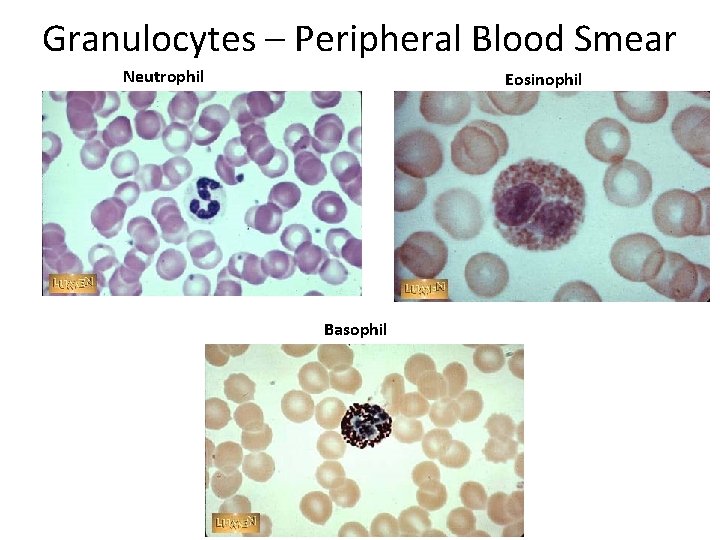
Granulocytes – Peripheral Blood Smear Neutrophil Eosinophil Basophil
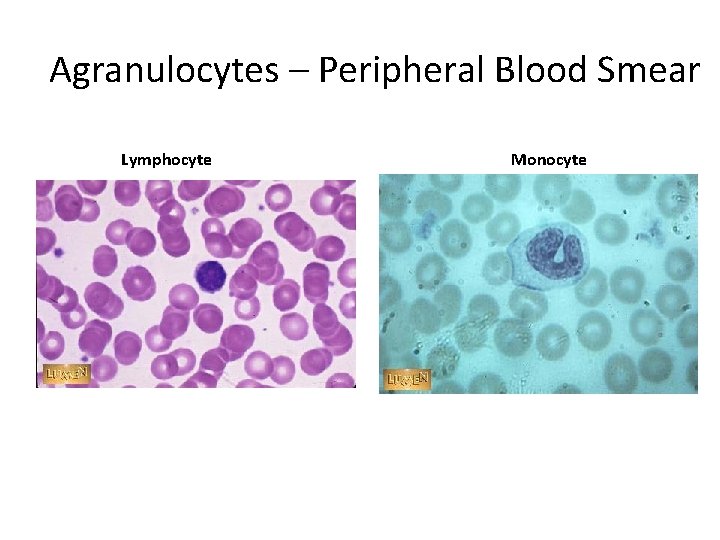
Agranulocytes – Peripheral Blood Smear Lymphocyte Monocyte
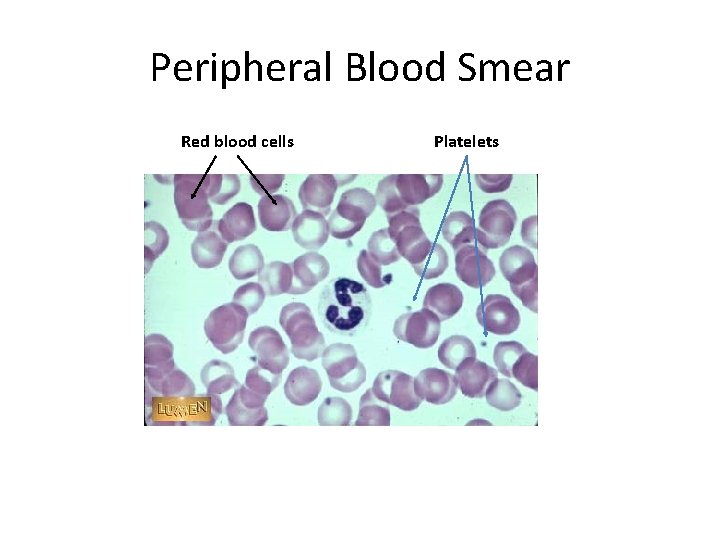
Peripheral Blood Smear Red blood cells Platelets
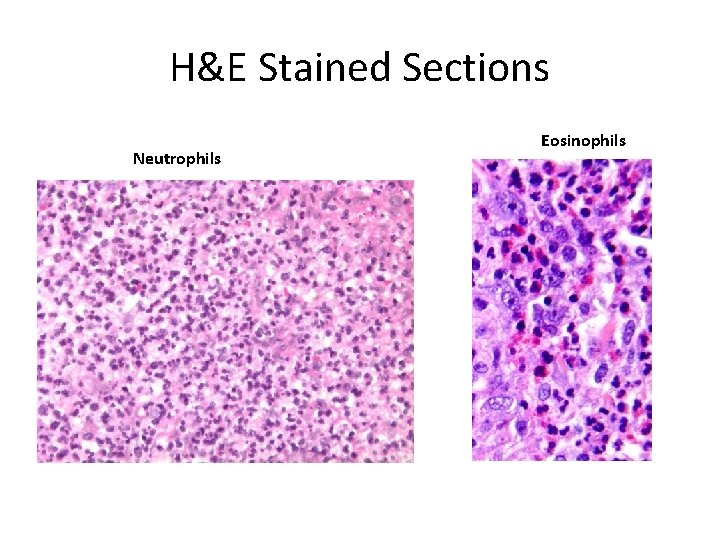
H&E Stained Sections Neutrophils Eosinophils
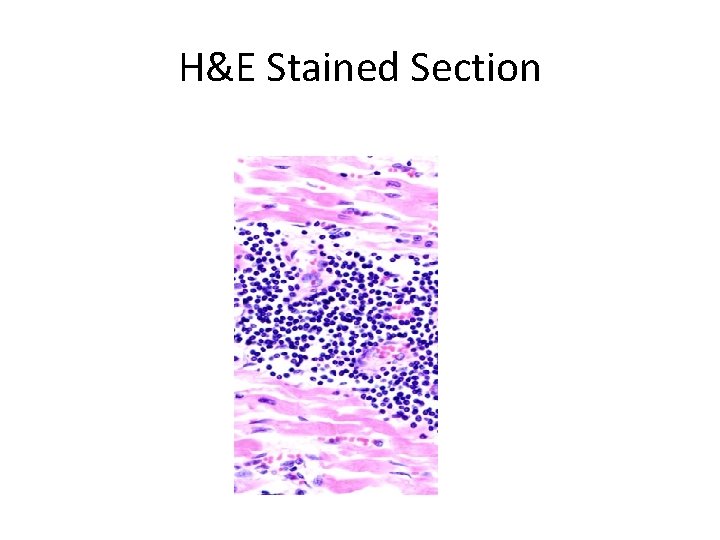
H&E Stained Section
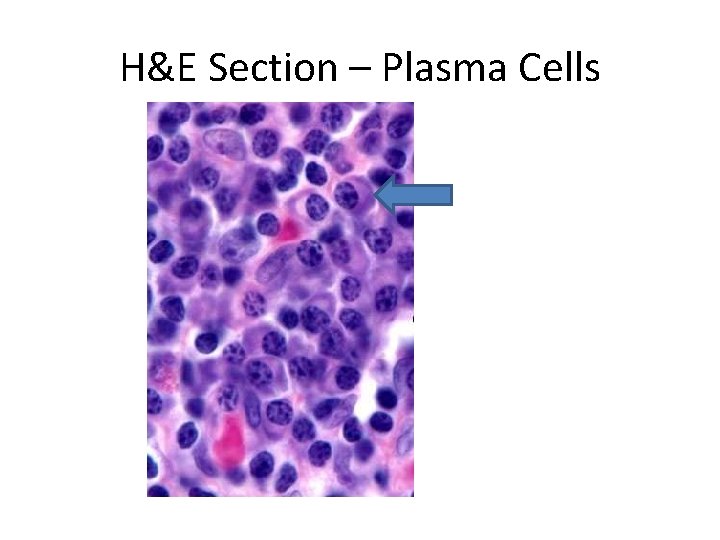
H&E Section – Plasma Cells
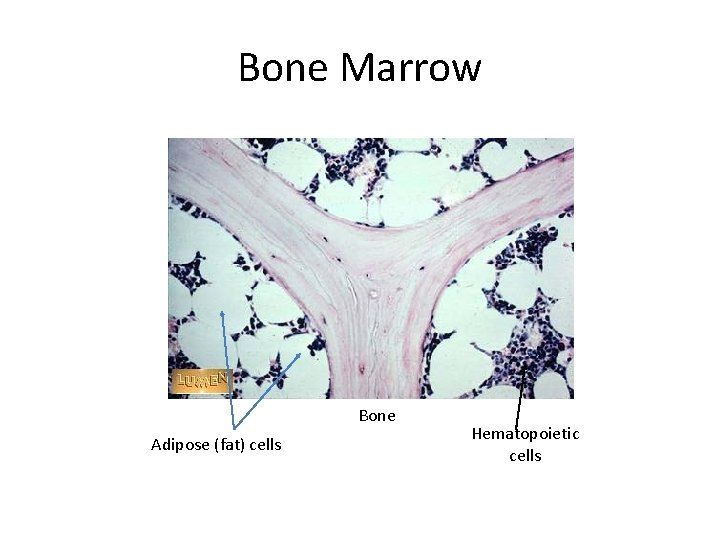
Bone Marrow Bone Adipose (fat) cells Hematopoietic cells
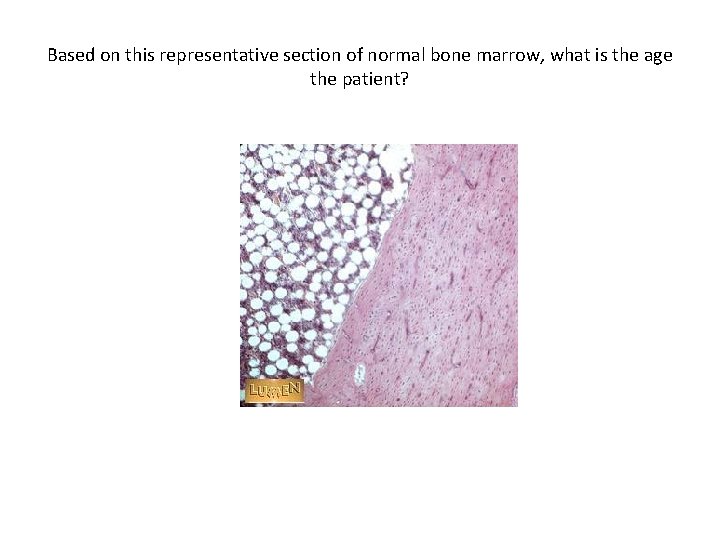
Based on this representative section of normal bone marrow, what is the age the patient?
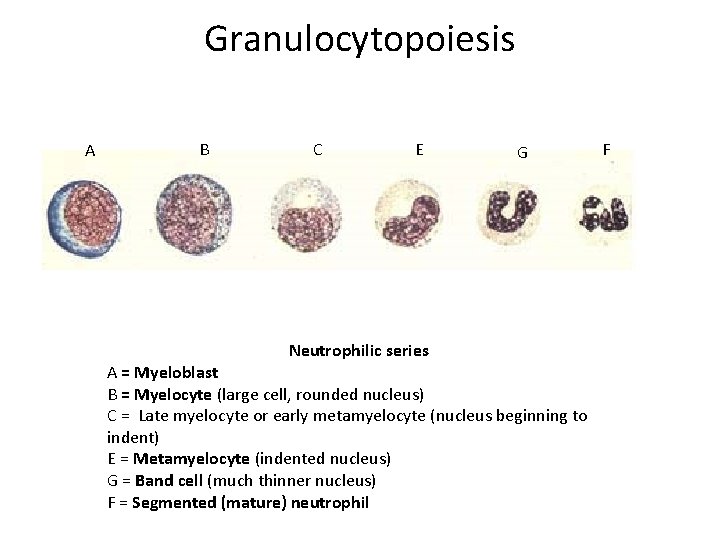
Granulocytopoiesis A B C E Neutrophilic series G A = Myeloblast B = Myelocyte (large cell, rounded nucleus) C = Late myelocyte or early metamyelocyte (nucleus beginning to indent) E = Metamyelocyte (indented nucleus) G = Band cell (much thinner nucleus) F = Segmented (mature) neutrophil F
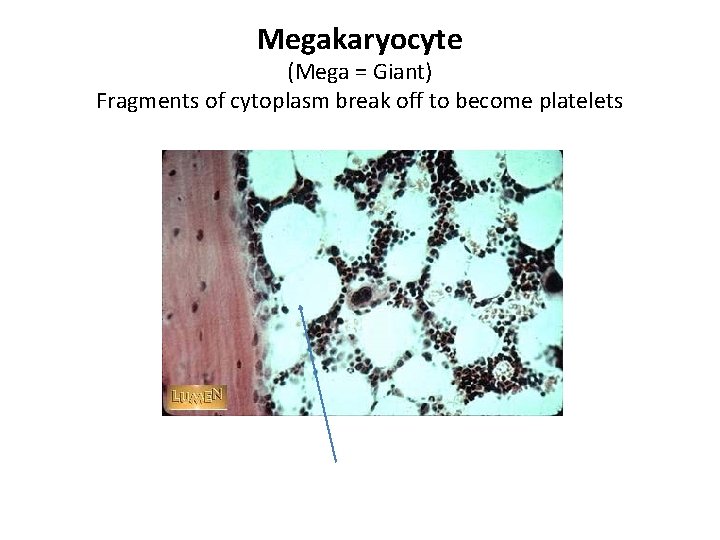
Megakaryocyte (Mega = Giant) Fragments of cytoplasm break off to become platelets