
Hinduism Caste Social andor economic divisions of people

- Slides: 39
Hinduism
Caste Social and/or economic divisions of people in a society.
Reincarnation The belief that after death, we are reborn in another form to live again.
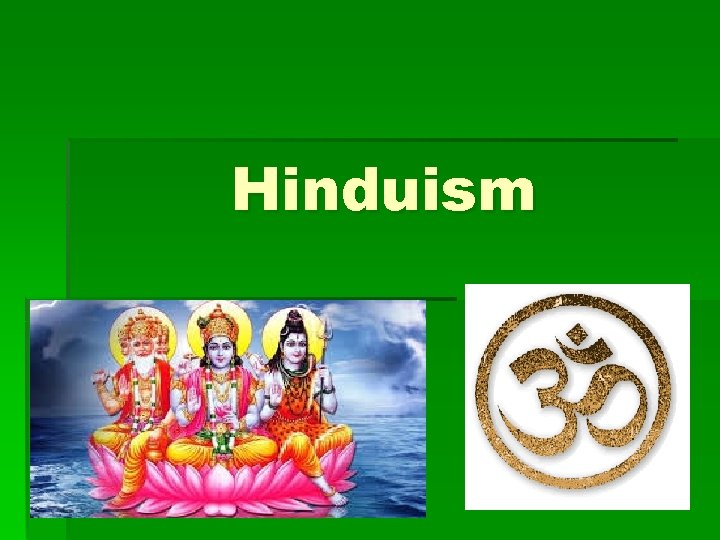
Hinduism § No single founder. § No single sacred text (like the bible for Christians) § May have begun in the Aryan civilization. § Thousands of gods.
Basic Beliefs § There is an all-powerful spiritual force called “brahman”. § “god is one, but wise people know it by many names” § Their many gods give concrete form to brahman.
Top Hindu gods (Each god may take many forms, human or animal. )
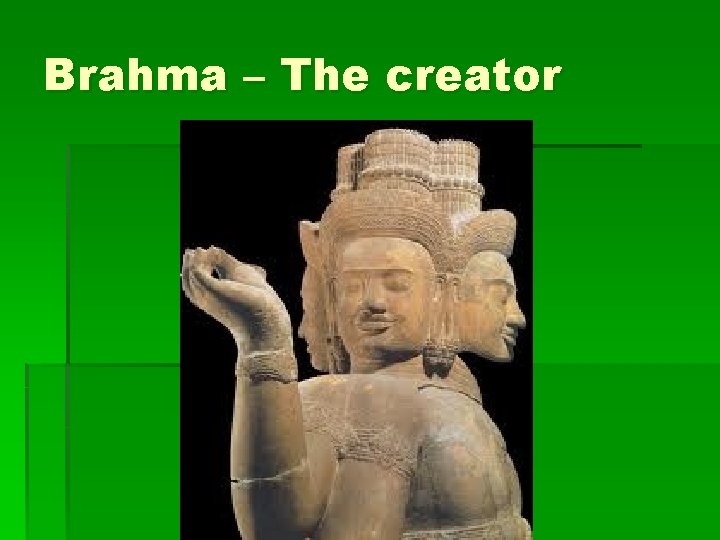
Brahma – The creator
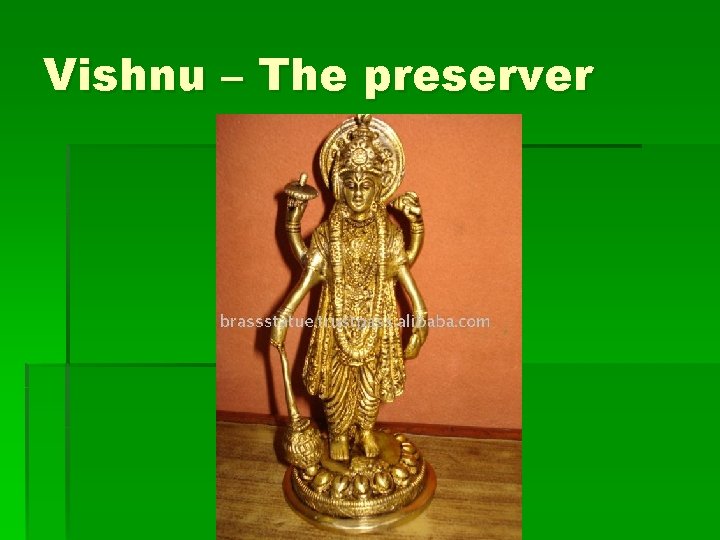
Vishnu – The preserver
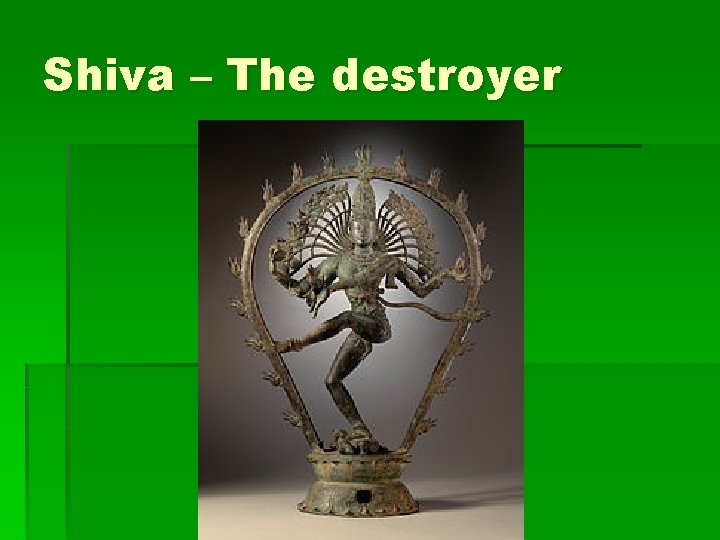
Shiva – The destroyer
Sacred texts/writings § Vedas § Collection of hymns, chants, ritual instructions, and other religious teachings from the Aryan Indus Valley civilization. § Mahabarata § India’s greatest “epic”. Tells of warfare and religion. § Bhagavad Gita – Part of Mahabarata, tells of the importance of performing your duty. § Ramayana § Story of hero Rama and beautiful bride Sita.
Moksha – union with brahman. § Achieving Moksha is the goal of life. § Every person has an essential self, called atman, a form of brahman. § Moksha is achieved when one brings themselves into union with brahman, the all-powerful spiritual force. § To do this, individuals must separate themselves from worldly/selfish desires and simply do their duty. § Most people cannot achieve this in one lifetime, so Hindus believe in reincarnation, which they believe gives them more time to achieve Moksha.
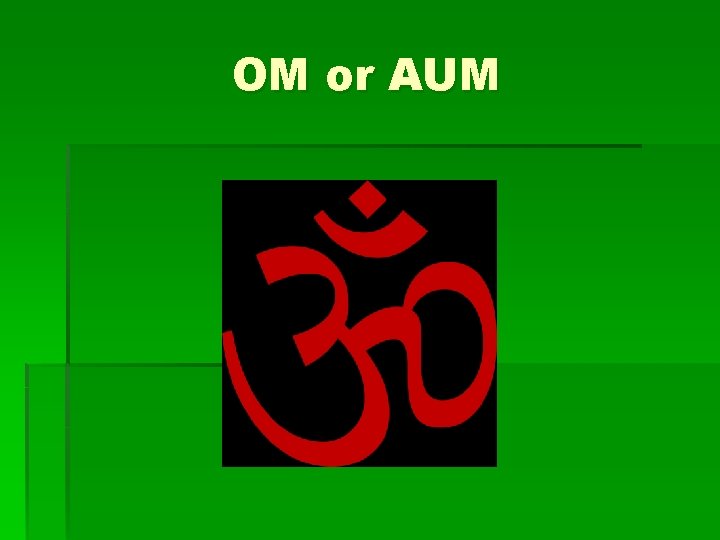
OM or AUM
Karma § The effects of a person’s actions in life, on their next reincarnated life. § Virtuous people earn good karma and are reborn into higher levels of existence. (People, animals, plants) § Those who do evil earn bad karma and are reborn into suffering in lower levels of existence. (rocks, water, etc. ) § Cycle of reincarnation is pictured as a wheel in Hindu art.
Dharma § Religious and moral duties of an individual, which help them escape the wheel of fate and reincarnation.
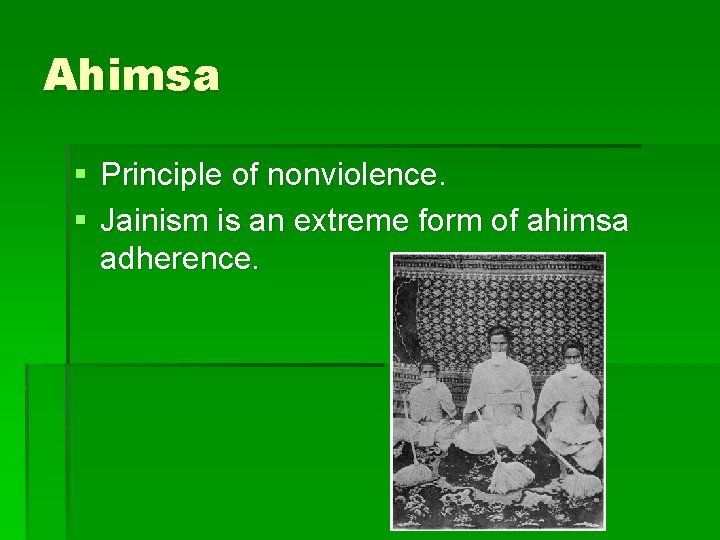
Ahimsa § Principle of nonviolence. § Jainism is an extreme form of ahimsa adherence.
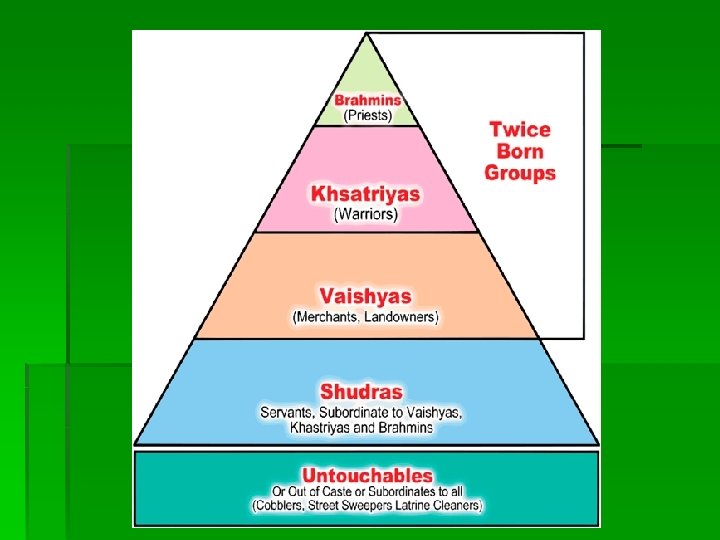
The Caste System § Social and economic divisions in Indian/Hindu society. § People are born into these groups and can face severe consequences for moving, or acting, out of their class. § Highest class people are the Brahmin priests. § Lowest class people are the dalits, or “untouchables” § Caste system connects with karma, to create social order. “If I fulfill my role faithfully, I will be reborn higher. ”
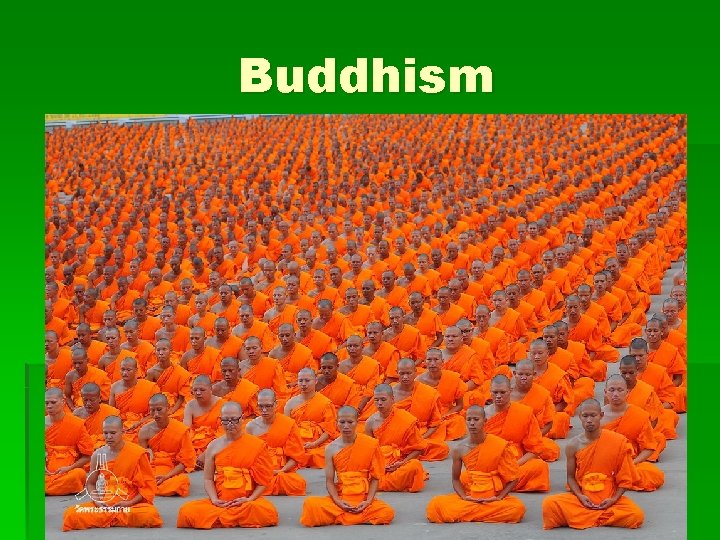
Buddhism
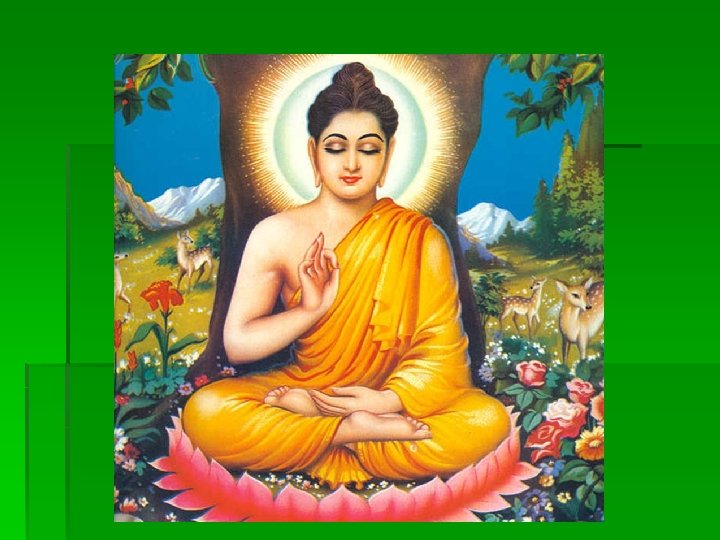
Buddhism Founded in the foothills of the Himalayas by Siddhartha Gautama.
Gautama = Buddha § Born a prince around 563 B. C. . § Enjoyed all the pleasures of life during his early age. § His parents sheltered him to prevent him becoming a holy man. § At age 29, he ventured out of the palace for the 1 st time and saw an old man, then a sick person, and a dead body. § This was his first awareness of suffering.
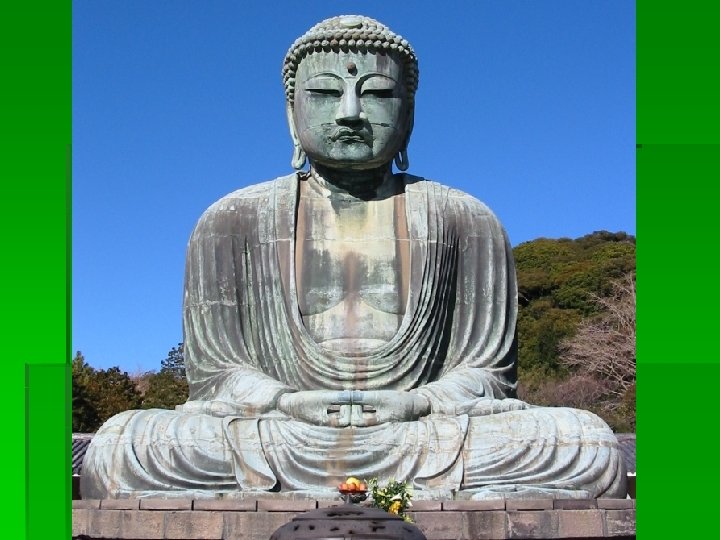
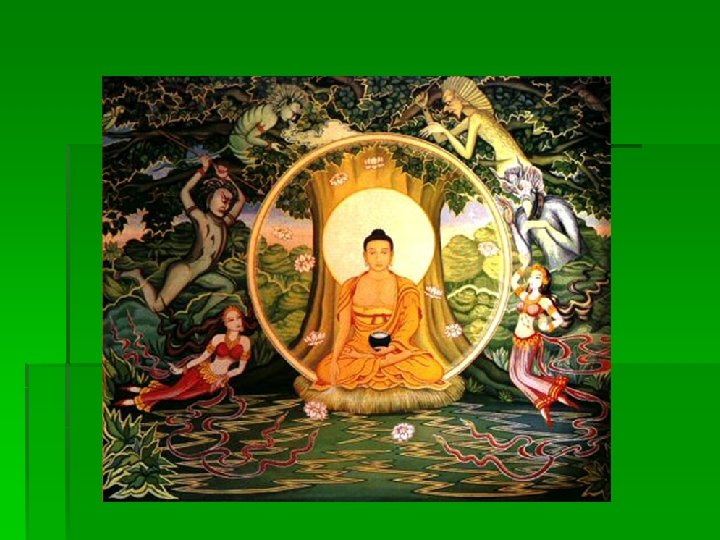
His Journey § Witnessing suffering for the first time sets Gautama out on a journey to find a realm where there is neither suffering or death. § Was not satisfied by Hindu explanations of life, so he sat under a tree and was determined to stay there until he had his answers. § By morning he believed he had his answers, he felt he understood the cause of and cure for suffering and sorrow. § He was no longer Gautama, now he had become Buddha, “Enlightened one”.
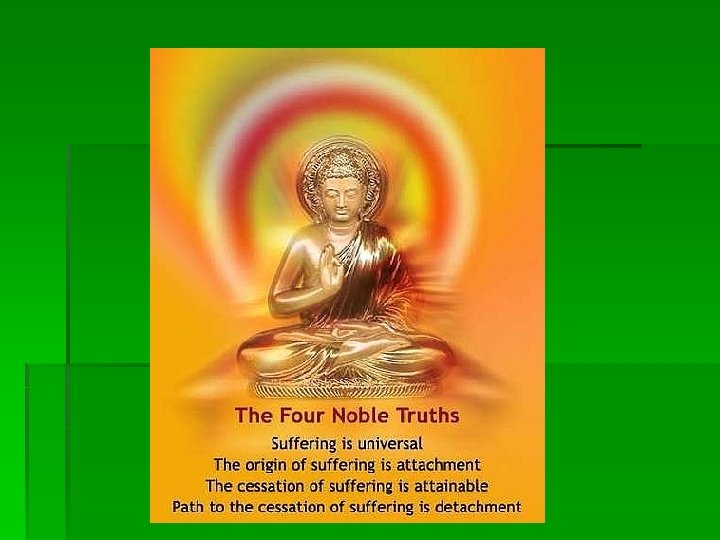
4 Noble truths of Buddhism. 1. All life is full of suffering, pain, and sorrow. 2. The cause of suffering is non-virtue, or negative deeds and mindsets such as hatred and desire. 3. The only cure for suffering is to overcome non-virtue or desires. 4. The way to overcome non-virtue is to follow the eightfold path.
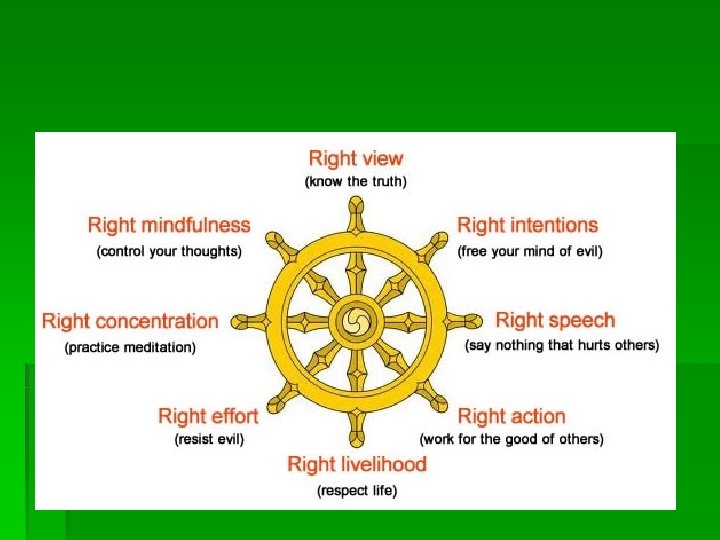
The Eightfold Path 1. 2. 3. 4. 5. 6. 7. 8. Right views (beliefs) Right aspirations (goals) Right speech Right Conduct Right livelihood Right effort Right mindfulness Right contemplation (thoughts)
Nirvana § Union with the universe and release from the cycle of rebirth. § The end goal for Buddhist.
Hinduism vs. Buddhism Compare and Contrast § Both believe in karma, dharma, reincarnation, and non-violence. § Buddha promoted meditation over priests, gods, and rituals. § Buddha also rejected the caste system. He believed that anyone could achieve nirvana.
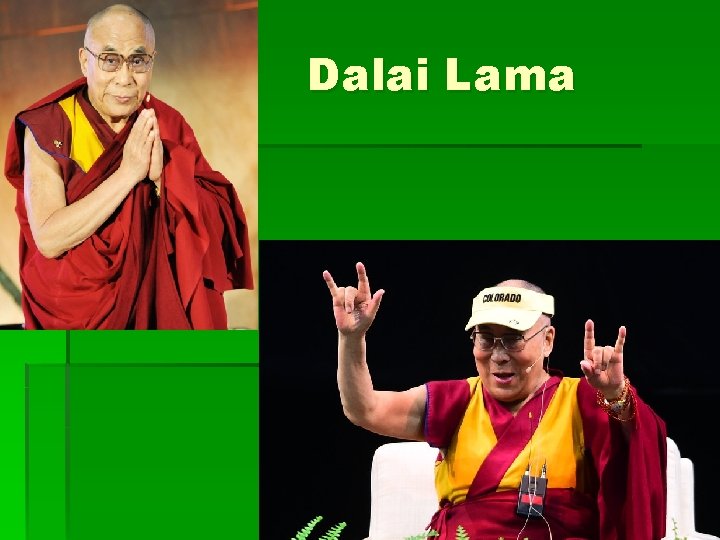
Dalai Lama