
High Temperature Condensation Particle Counter CPC Jeng K



- Slides: 23
High Temperature Condensation Particle Counter (CPC) Jeng K. Rongchai kr 298@cam. ac. uk FETE Conference 21 July 2011
Outline Background, Motivations & Objectives Modelling Experiment Conclusions
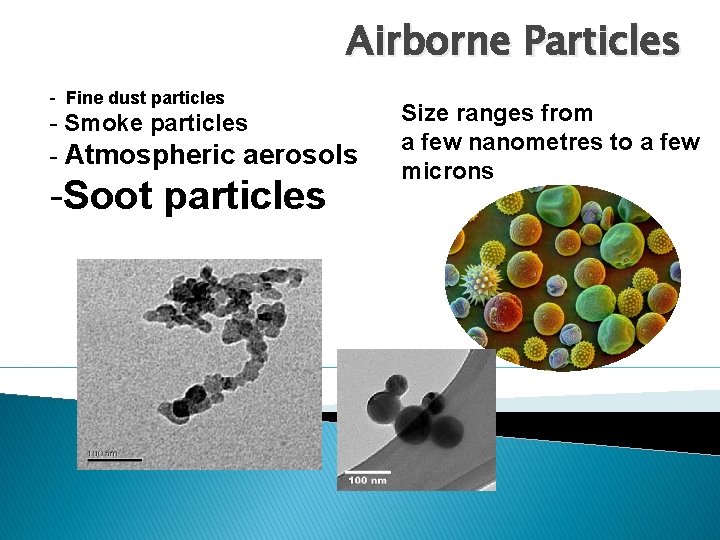
Airborne Particles - Fine dust particles - Smoke particles - Atmospheric aerosols -Soot particles Size ranges from a few nanometres to a few microns
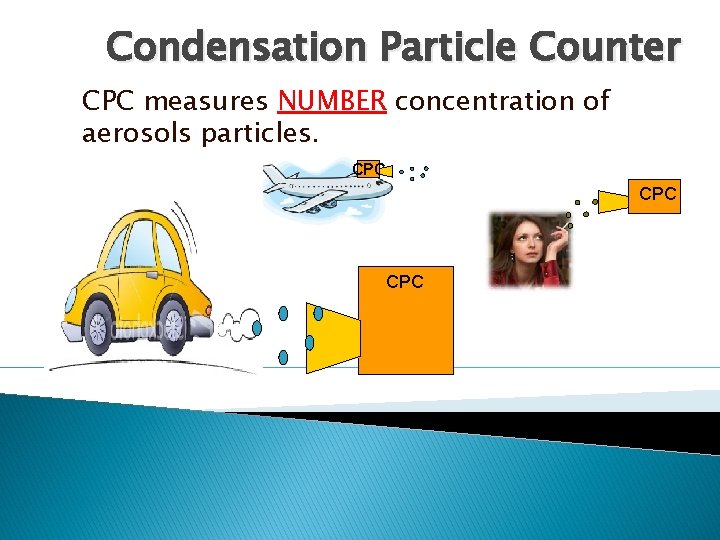
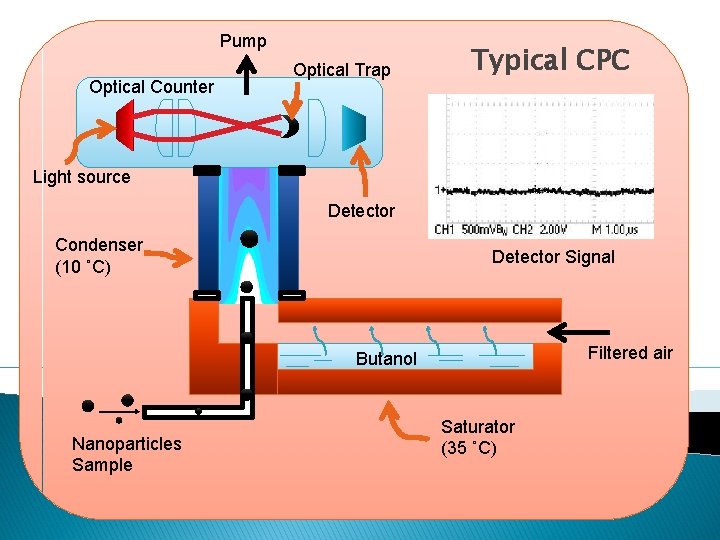
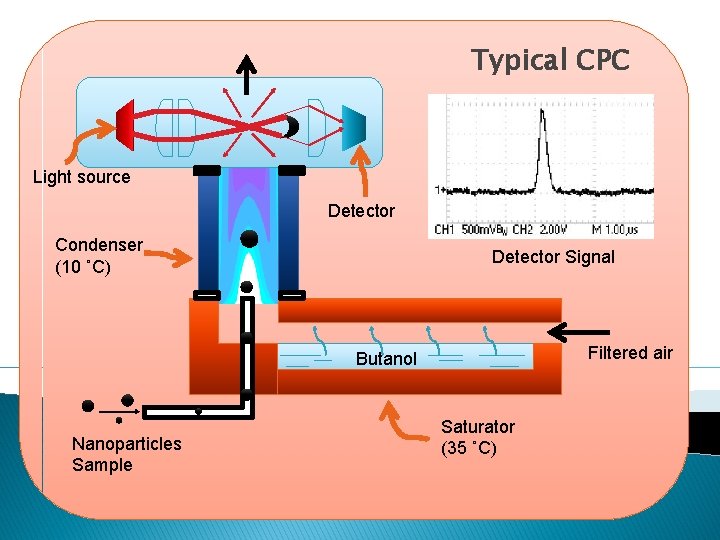
Condensation Particle Counter CPC measures NUMBER concentration of aerosols particles. CPC CPC
Pump Optical Counter Optical Trap Typical CPC Light source Detector Condenser (10 ˚C) Detector Signal Filtered air Butanol Nanoparticles Sample Saturator (35 ˚C)
Typical CPC Light source Detector Condenser (10 ˚C) Detector Signal Filtered air Butanol Nanoparticles Sample Saturator (35 ˚C)
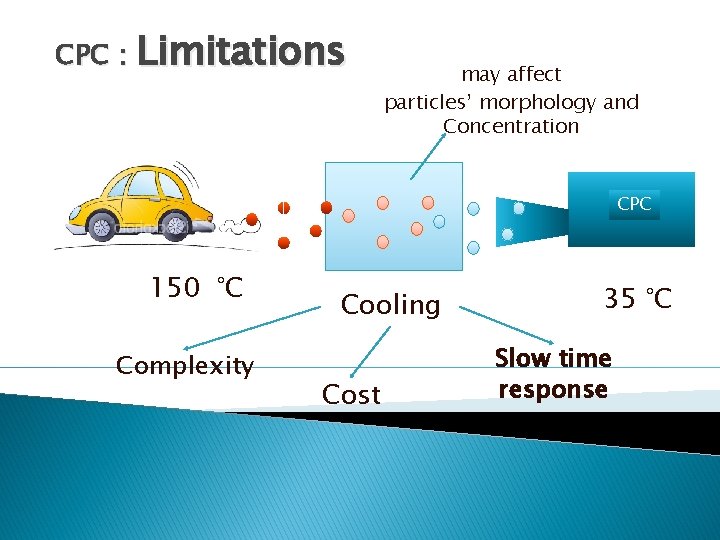
CPC : Limitations may affect particles’ morphology and Concentration CPC 150 °C Complexity Cooling Cost 35 °C Slow time response
Motivation : High Temp CPC 150 °C Cooling High Temp could improve/replace the regulated particles measurement systems
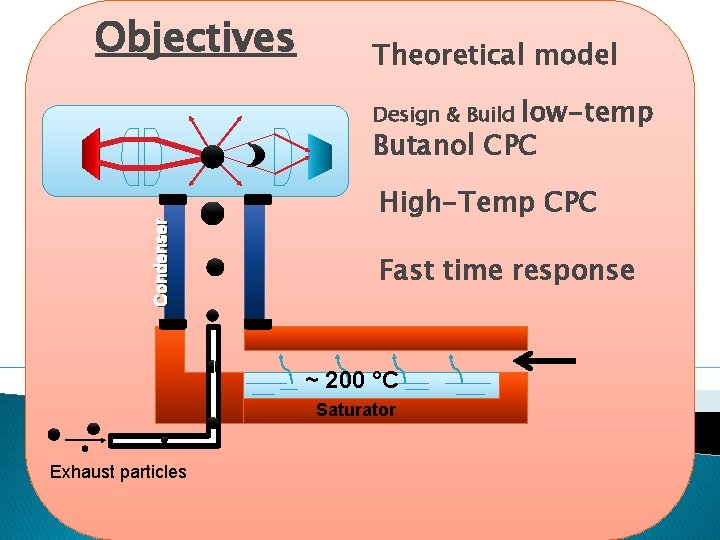
Objectives Theoretical model low-temp Butanol CPC Condenser Design & Build High-Temp CPC Fast time response ~ 200 °C Saturator Exhaust particles
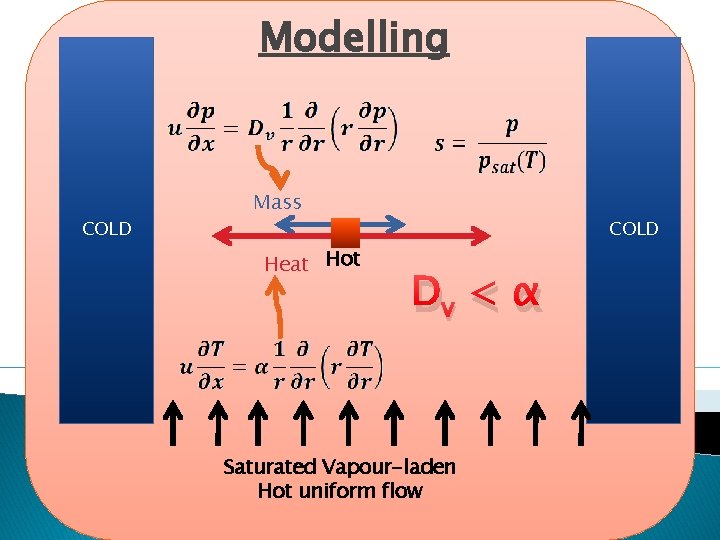
Modelling COLD Mass Heat Hot COLD Dv < α Saturated Vapour-laden Hot uniform flow
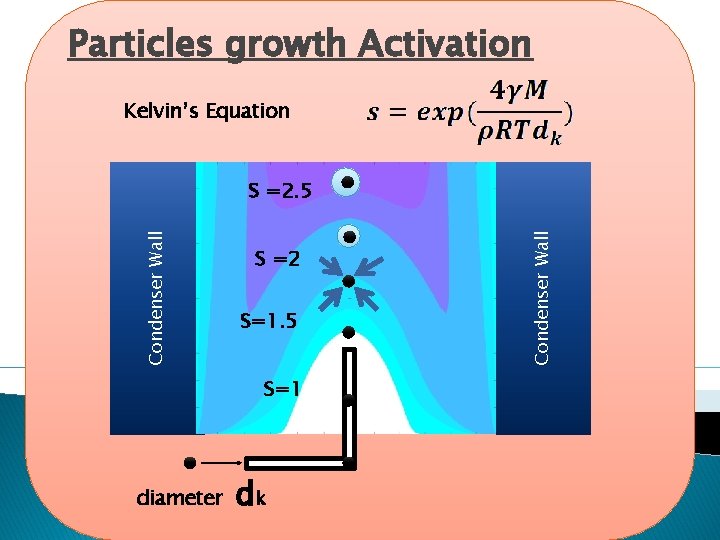
Particles growth Activation Kelvin’s Equation S =2 S=1. 5 S=1 diameter dk Condenser Wall S =2. 5
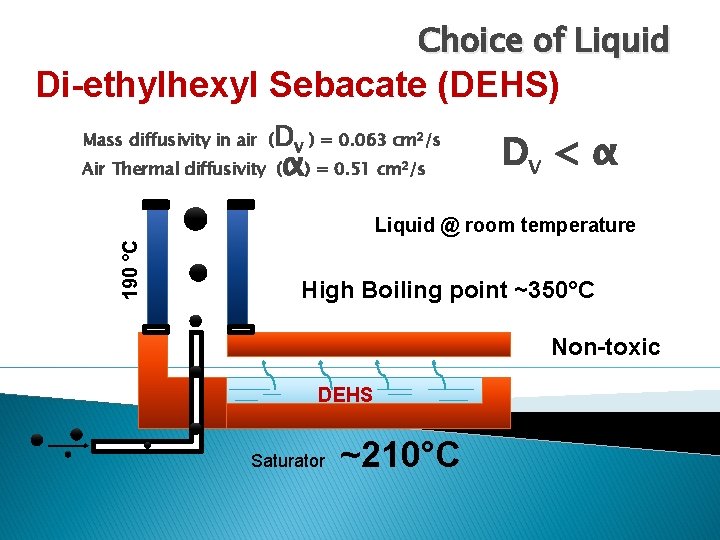
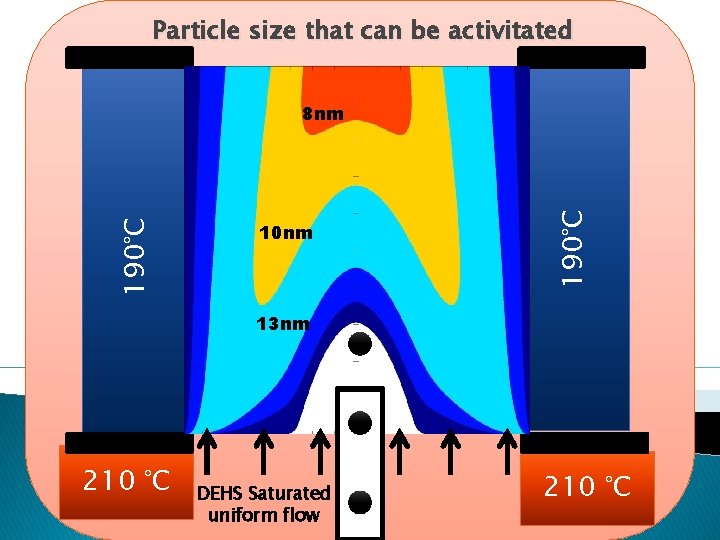
Choice of Liquid Di-ethylhexyl Sebacate (DEHS) Mass diffusivity in air (Dv ) = 0. 063 cm 2/s Air Thermal diffusivity ( α) = 0. 51 cm /s 2 Dv < α 190 °C Liquid @ room temperature High Boiling point ~350°C Non-toxic DEHS Saturator ~210°C
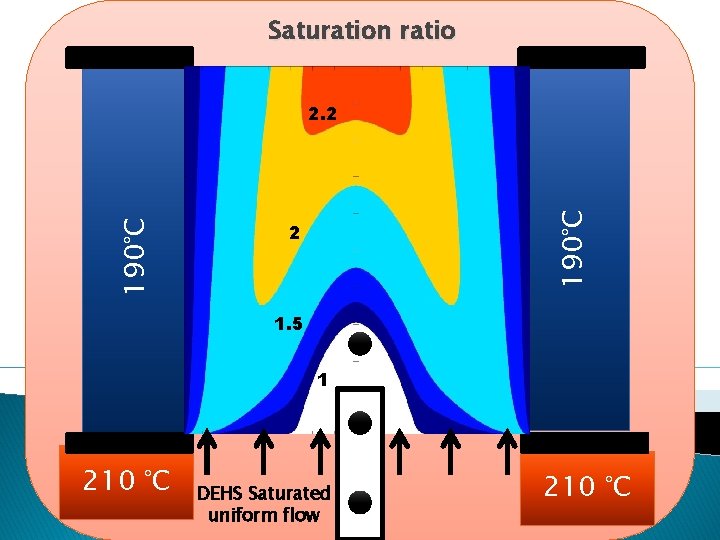
Saturation ratio 190°C 2. 2 2 1. 5 1 210 °C DEHS Saturated uniform flow 210 °C
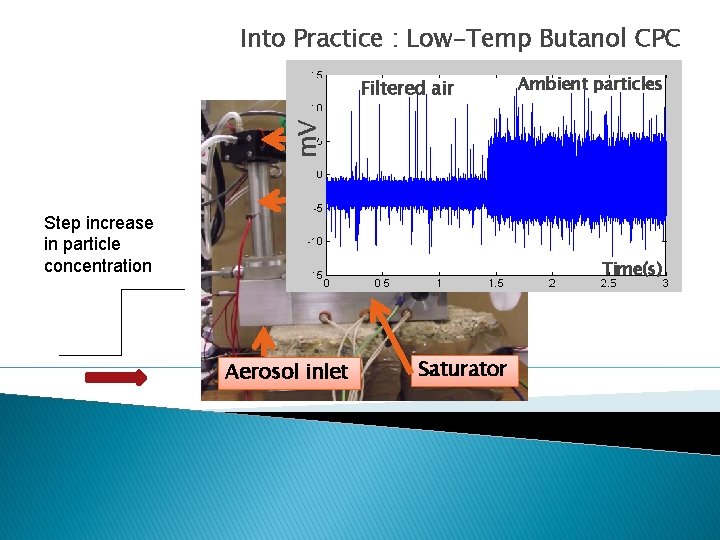
Into Practice : Low-Temp Butanol CPC m. V Filtered air Optical Counter Condenser Step increase in particle concentration Aerosol inlet Ambient particles Filtered air inlet Saturator Time(s)
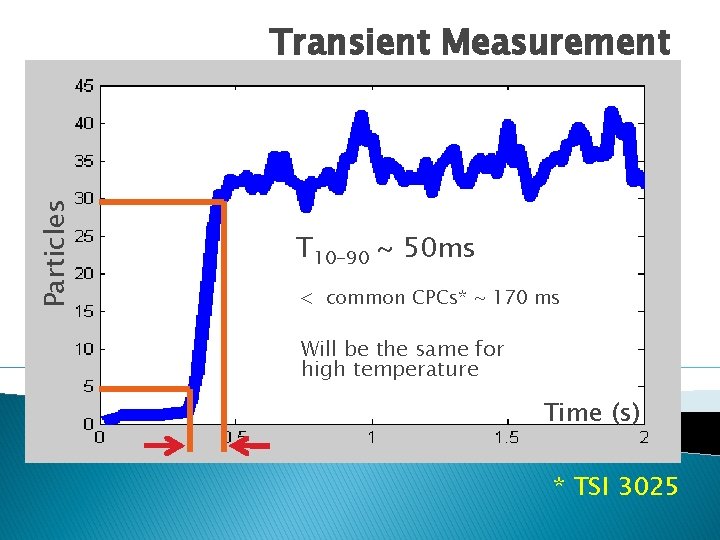
Particles Transient Measurement T 10 -90 ~ 50 ms < common CPCs* ~ 170 ms Will be the same for high temperature Time (s) * TSI 3025
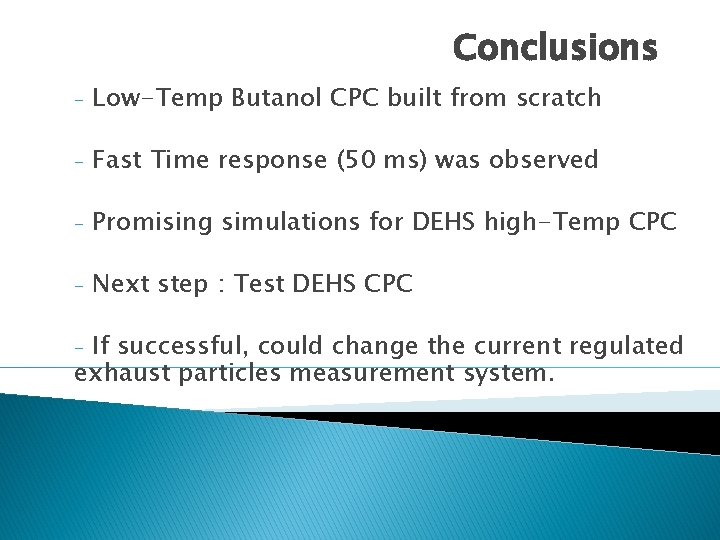
Conclusions - Low-Temp Butanol CPC built from scratch - Fast Time response (50 ms) was observed - Promising simulations for DEHS high-Temp CPC - Next step : Test DEHS CPC If successful, could change the current regulated exhaust particles measurement system. -
THANK YOU
THANK YOU
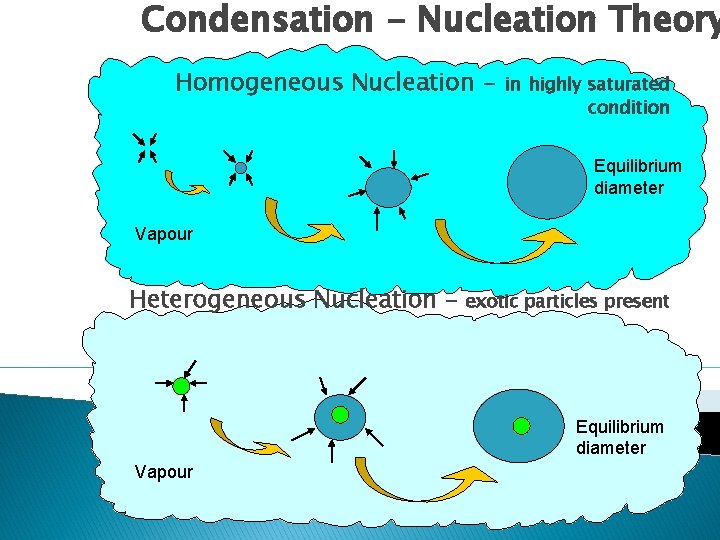
Condensation - Nucleation Theory Homogeneous Nucleation - in highly saturated condition Equilibrium diameter Vapour Heterogeneous Nucleation – exotic particles present Equilibrium diameter Vapour
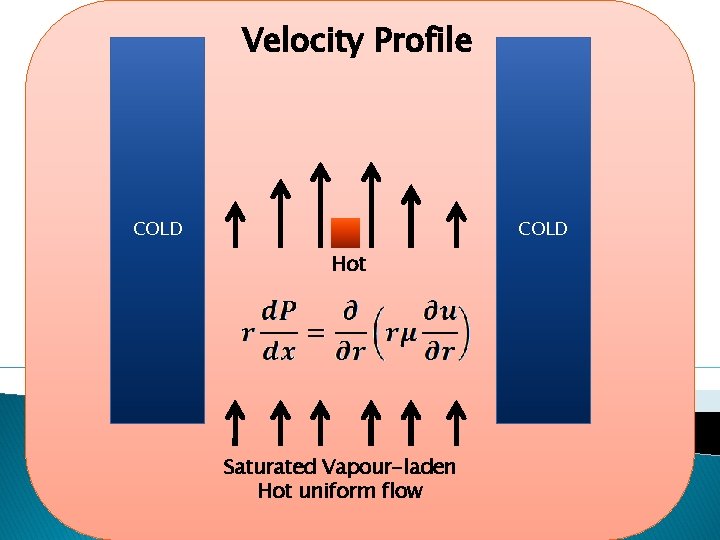
Velocity Profile COLD Hot Saturated Vapour-laden Hot uniform flow
Particle size that can be activitated 10 nm 190°C 8 nm 13 nm 210 °C DEHS Saturated uniform flow 210 °C
Importance Car engine exhaust Pollution Health Effects Policy making
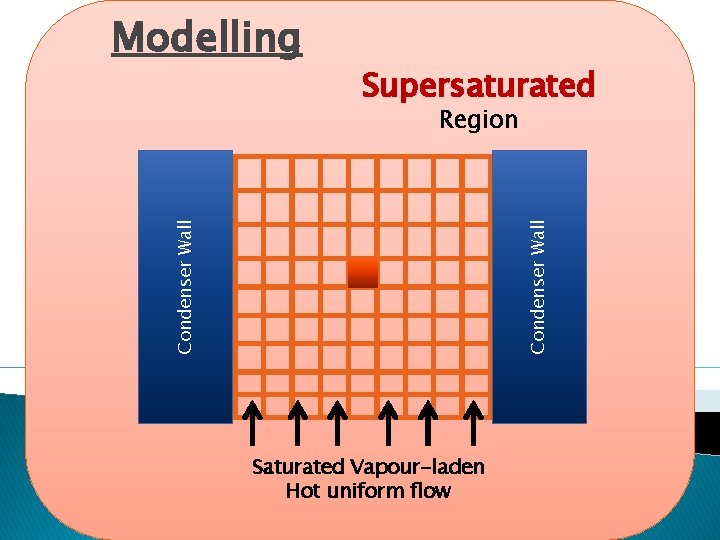
Modelling Supersaturated Condenser Wall Region Saturated Vapour-laden Hot uniform flow