
High School Positive Behavior Interventions and Supports HSPBIS
High School Positive Behavior Interventions and Supports HS-PBIS COMMUNITY OF PRACTICE #1 AGENDA School Climate: Academic Achievement & Social Behavior Competence HS-PBIS Implementation Successes & Challenges Student Voice and Involvement Classroom Practices: Foundations Tiered Fidelity Inventory: Tier 1 & 2 TEAMS Behavior Academics Interconnecting School & Mental Health Facilitator: Cristy Clouse cristy@pbiscaltac. org Host: Rachel Santos Rachel. Santos@abcusd. org
High School PBIS Community of Practice HS-PBIS COP Shared Membership High school educators & administrators at various stages of HS-PBIS implementation (exploration to refinement) Shared Purpose coming together with a common purpose (insuring safe, positive equitable and engaging high school campuses) Shared Outcomes sharing experiences, refining skills and working towards a common goal (sustainable systems, practices and data supporting positive academic, behavior and socialemotional outcomes for ALL students).

https: //www. youtube. com/watch? v=hwhv. Byj 8 YG 8 Morning Revolving Reflections FIND YOUR FIVE https: //www. youtube. com/watch? v=hwhv. Byj 8 YG 8
HS-PBIS Learning Community Model Name/District/Position How long have you been implementing PBIS on your campus or in your district? Where are you with regards to stages of implementation? (exploration, initial implementation, full implementation, regeneration) Morning Revolving Reflections What do you hope to achieve attending the HS-PBIS Community of Practice? Why do you want to be a part of a HS-PBIS Community of Practice? https: //www. youtube. com/watch? v=hwhv. Byj 8 YG 8
School Climate: Academic Achievement and Social Behavior Competence Adapted from the Technical Brief; Center for Positive Behavioral Interventions and Supports September 14, 2016 Why is school climate important for all students and educators? www. startwithwhy. com
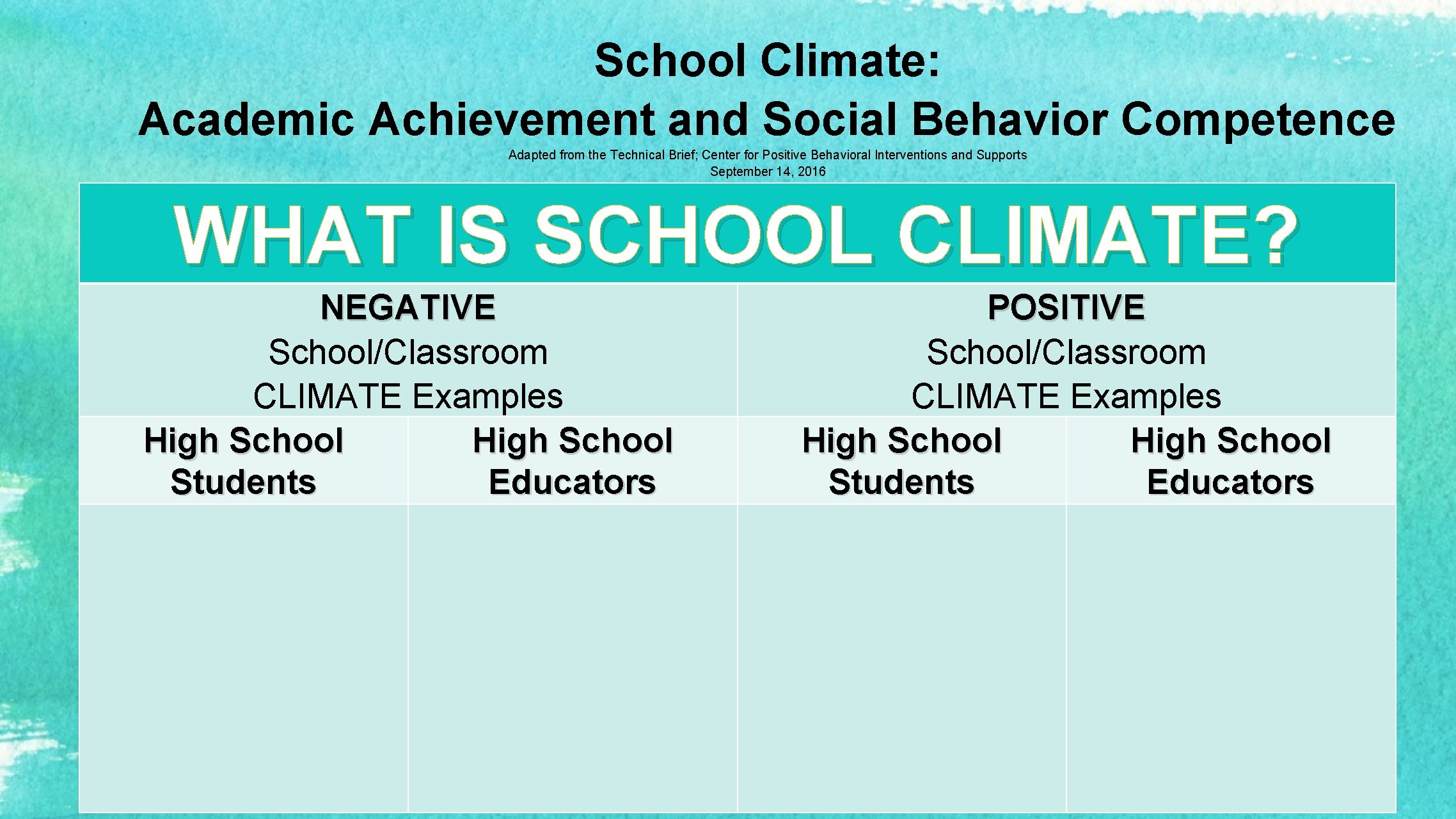
School Climate: Academic Achievement and Social Behavior Competence Adapted from the Technical Brief; Center for Positive Behavioral Interventions and Supports September 14, 2016 WHAT IS SCHOOL CLIMATE? NEGATIVE School/Classroom CLIMATE Examples High School Students Educators POSITIVE School/Classroom CLIMATE Examples High School Students Educators
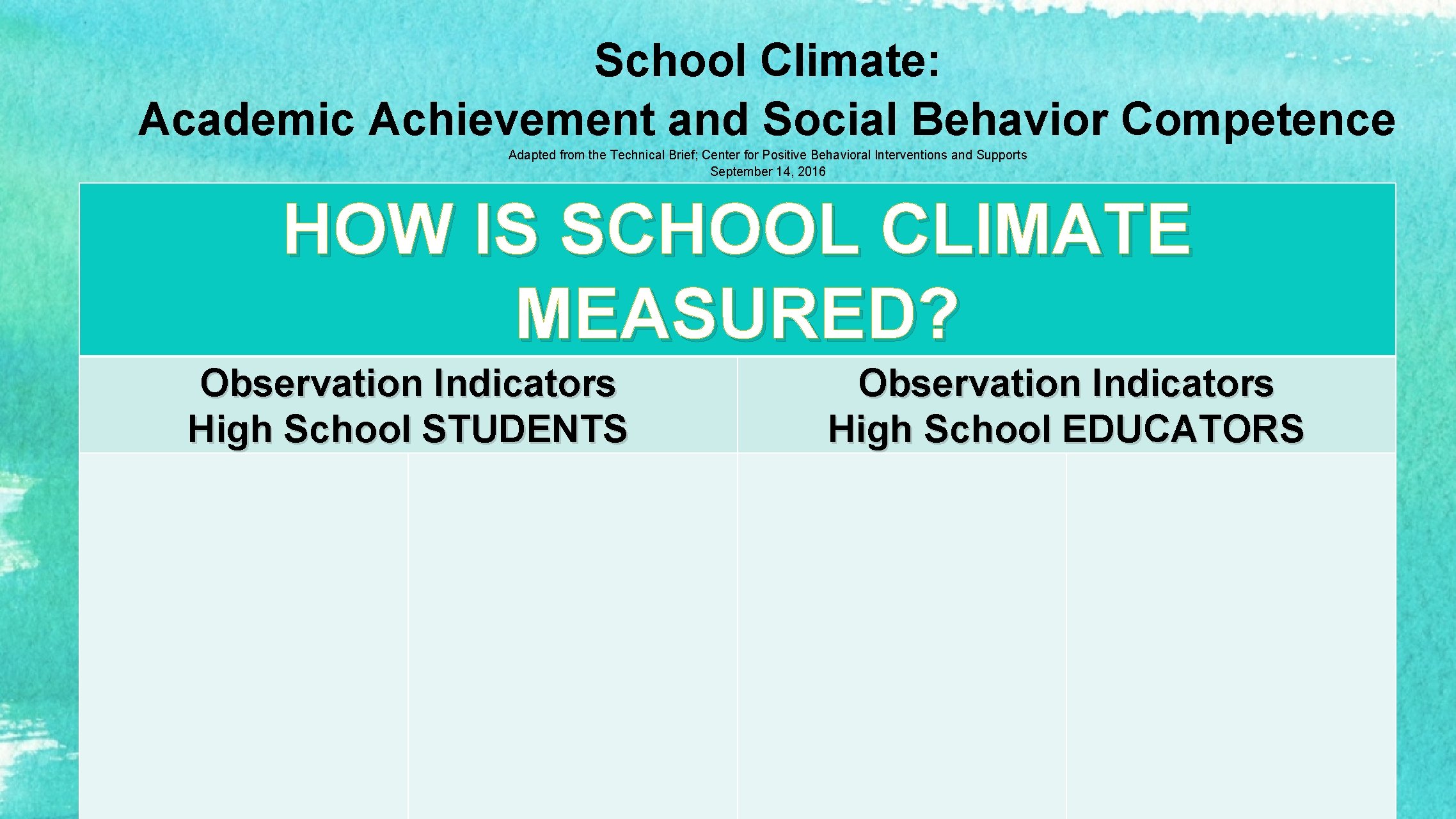
School Climate: Academic Achievement and Social Behavior Competence Adapted from the Technical Brief; Center for Positive Behavioral Interventions and Supports September 14, 2016 HOW IS SCHOOL CLIMATE MEASURED? Observation Indicators High School STUDENTS Observation Indicators High School EDUCATORS
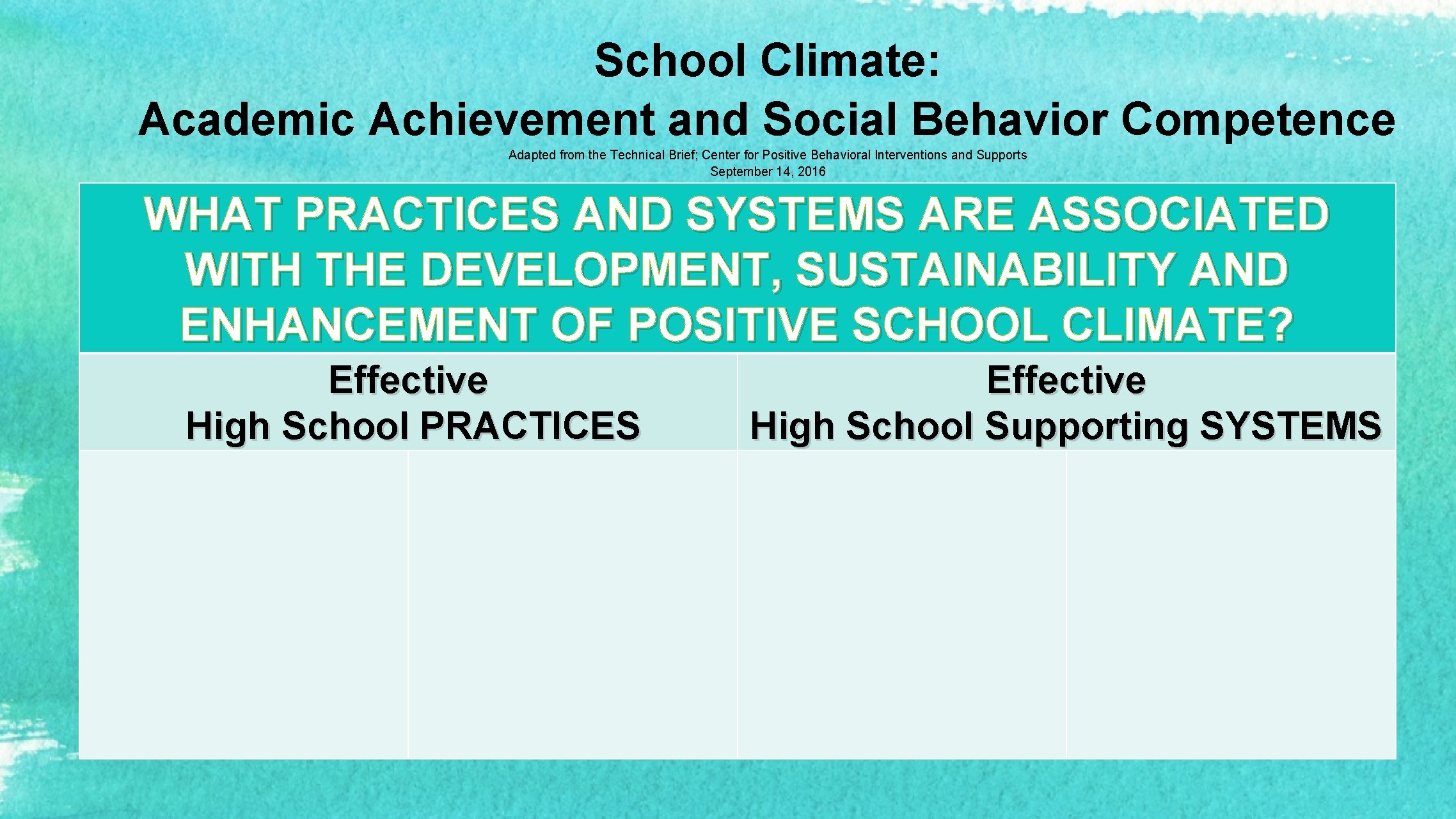
School Climate: Academic Achievement and Social Behavior Competence Adapted from the Technical Brief; Center for Positive Behavioral Interventions and Supports September 14, 2016 WHAT PRACTICES AND SYSTEMS ARE ASSOCIATED WITH THE DEVELOPMENT, SUSTAINABILITY AND ENHANCEMENT OF POSITIVE SCHOOL CLIMATE? Effective High School PRACTICES Effective High School Supporting SYSTEMS
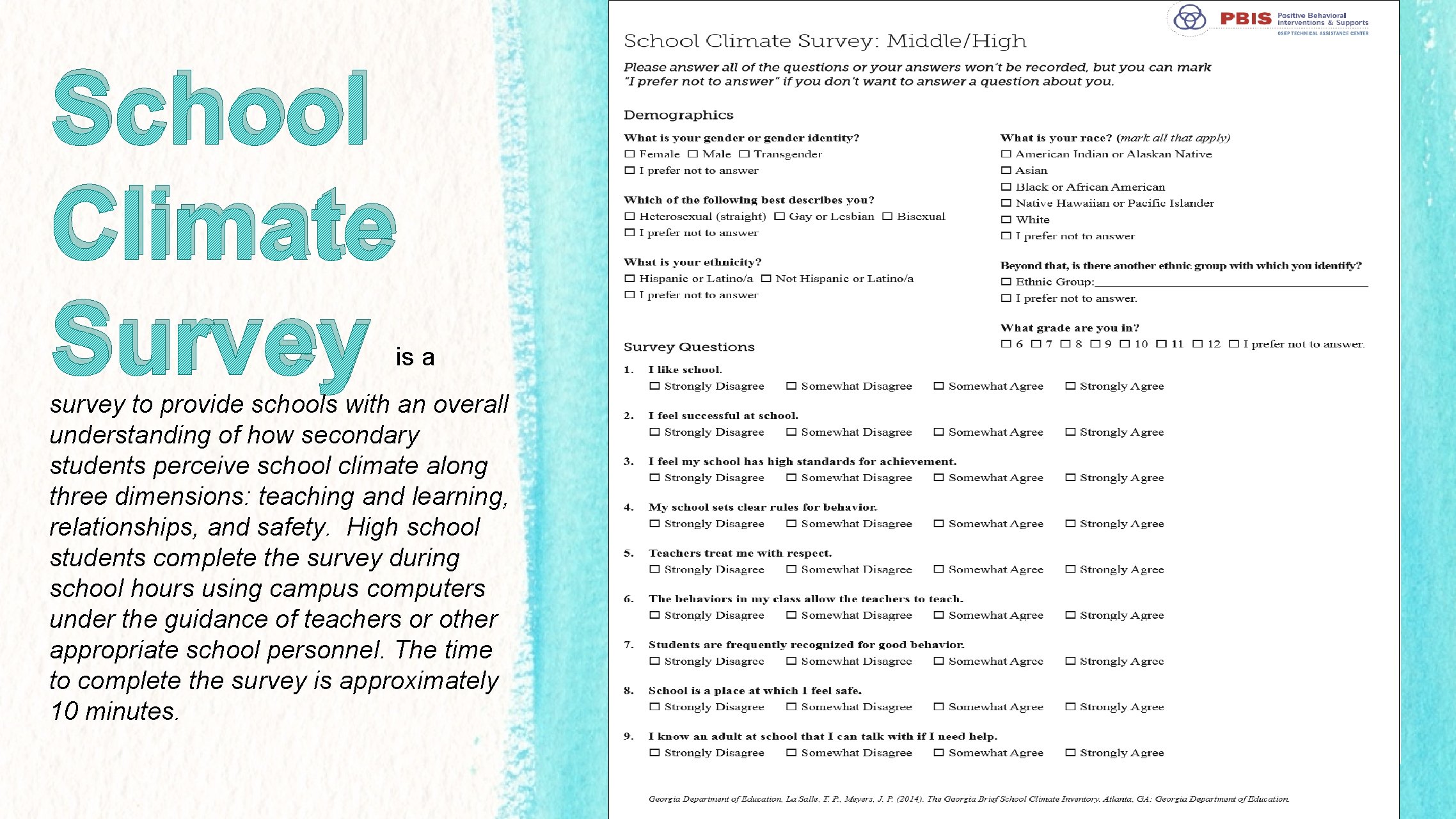
School Climate Survey is a survey to provide schools with an overall understanding of how secondary students perceive school climate along three dimensions: teaching and learning, relationships, and safety. High school students complete the survey during school hours using campus computers under the guidance of teachers or other appropriate school personnel. The time to complete the survey is approximately 10 minutes.
STRETCH BREAK
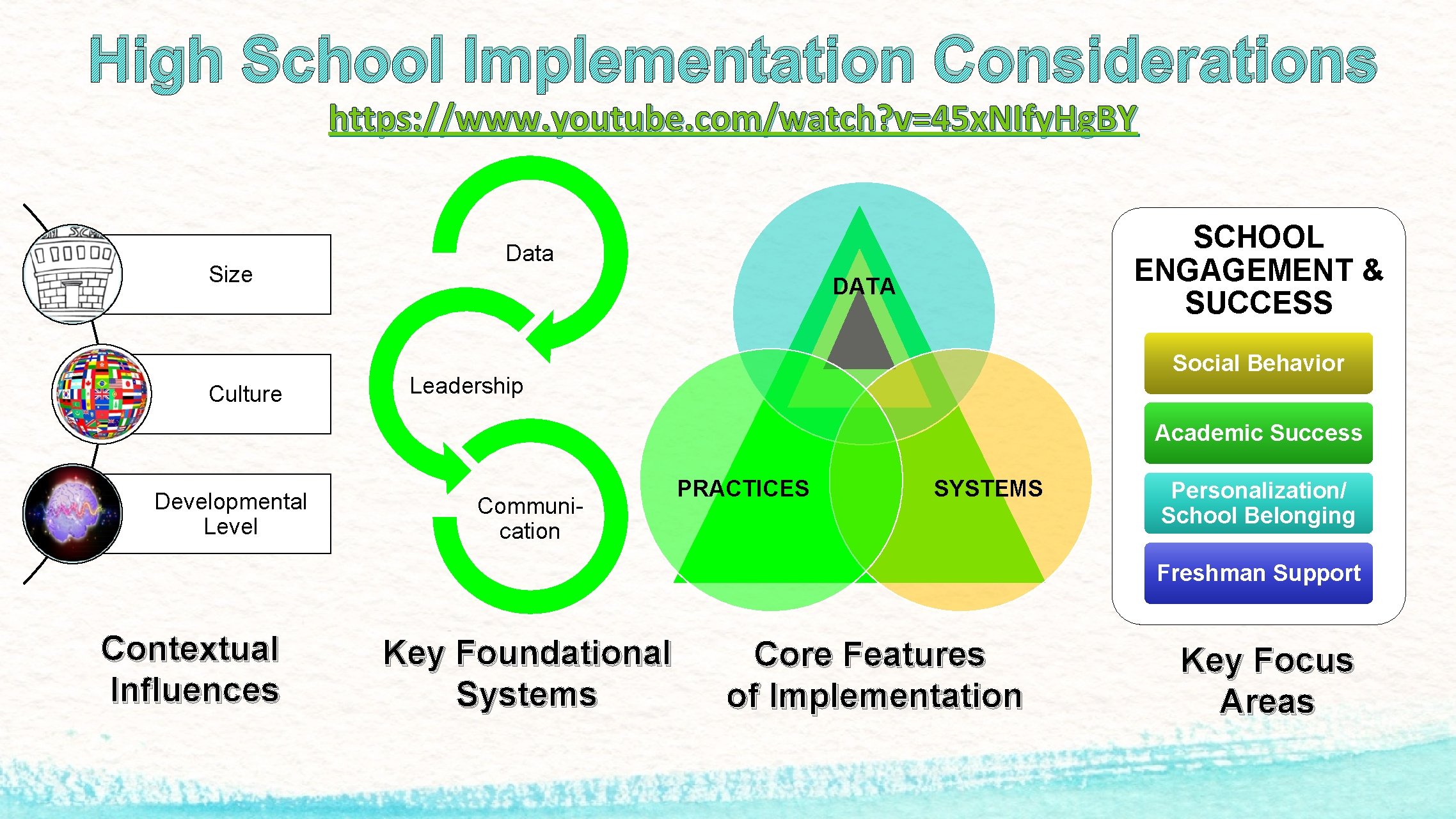
High School Implementation Considerations https: //www. youtube. com/watch? v=45 x. NIfy. Hg. BY Size Culture SCHOOL ENGAGEMENT & SUCCESS Data DATA Social Behavior Leadership Academic Success Developmental Level Communication PRACTICES SYSTEMS Personalization/ School Belonging Freshman Support Contextual Influences Key Foundational Systems Core Features of Implementation Key Focus Areas
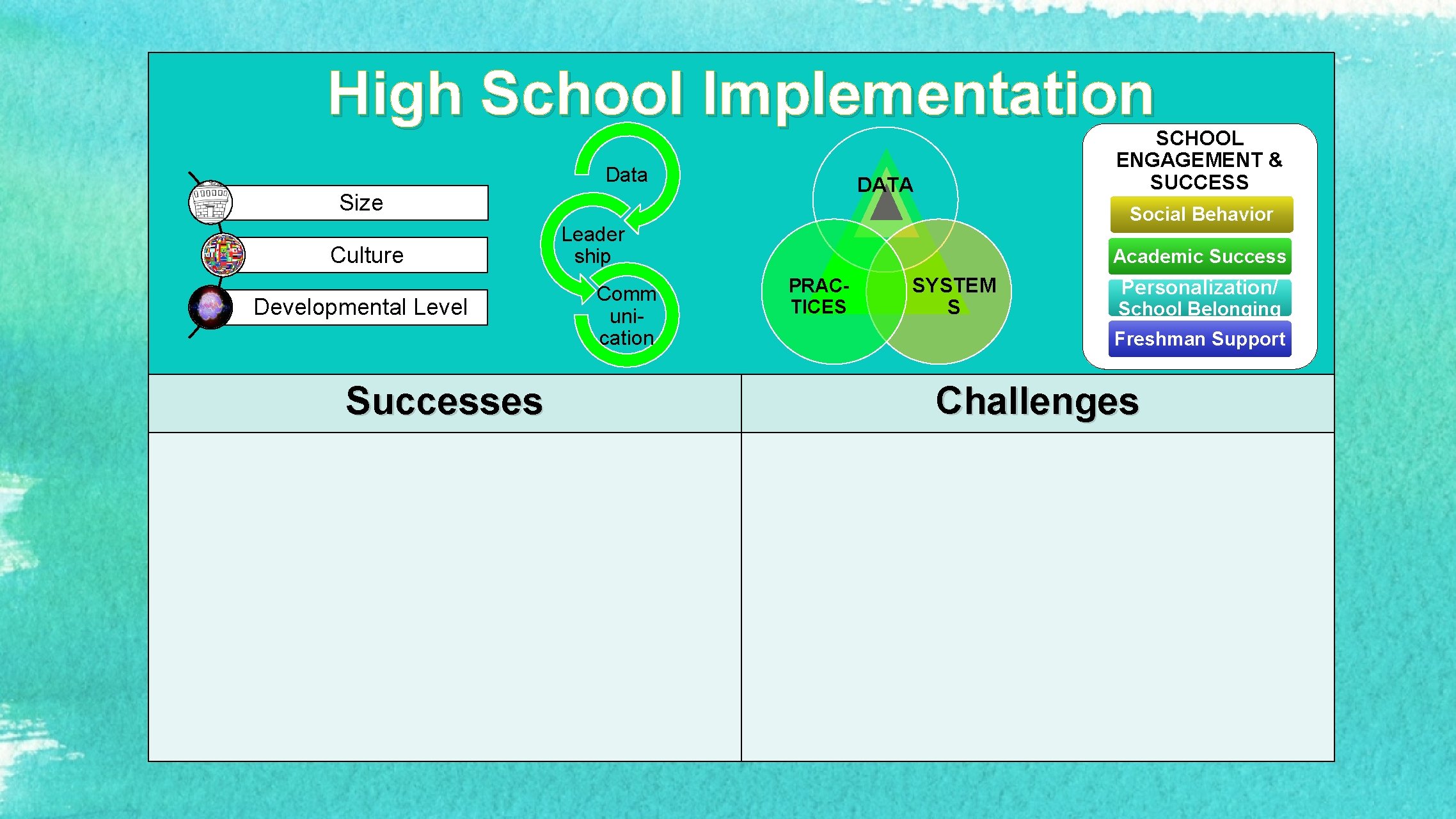
High School Implementation Data DATA Size Culture Developmental Level Successes SCHOOL ENGAGEMENT & SUCCESS Social Behavior Leader ship Comm unication Academic Success PRACTICES SYSTEM S Personalization/ School Belonging Freshman Support Challenges
We will meet back at 12: 20. ENJOY the lunch menu.
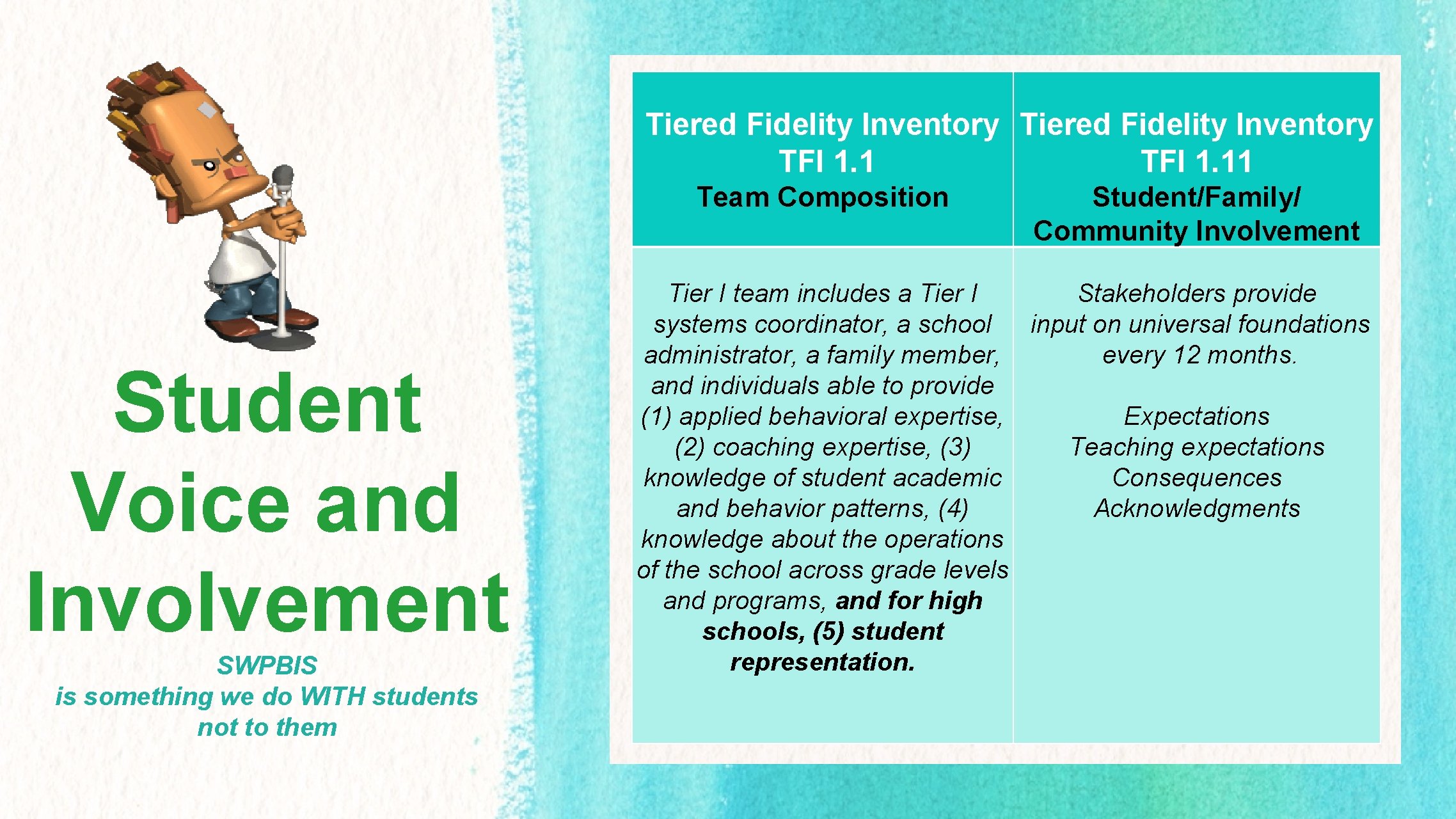
Tiered Fidelity Inventory TFI 1. 11 Team Composition Student Voice and Involvement SWPBIS is something we do WITH students not to them Student/Family/ Community Involvement Tier I team includes a Tier I Stakeholders provide systems coordinator, a school input on universal foundations administrator, a family member, every 12 months. and individuals able to provide (1) applied behavioral expertise, Expectations (2) coaching expertise, (3) Teaching expectations knowledge of student academic Consequences and behavior patterns, (4) Acknowledgments knowledge about the operations of the school across grade levels and programs, and for high schools, (5) student representation.
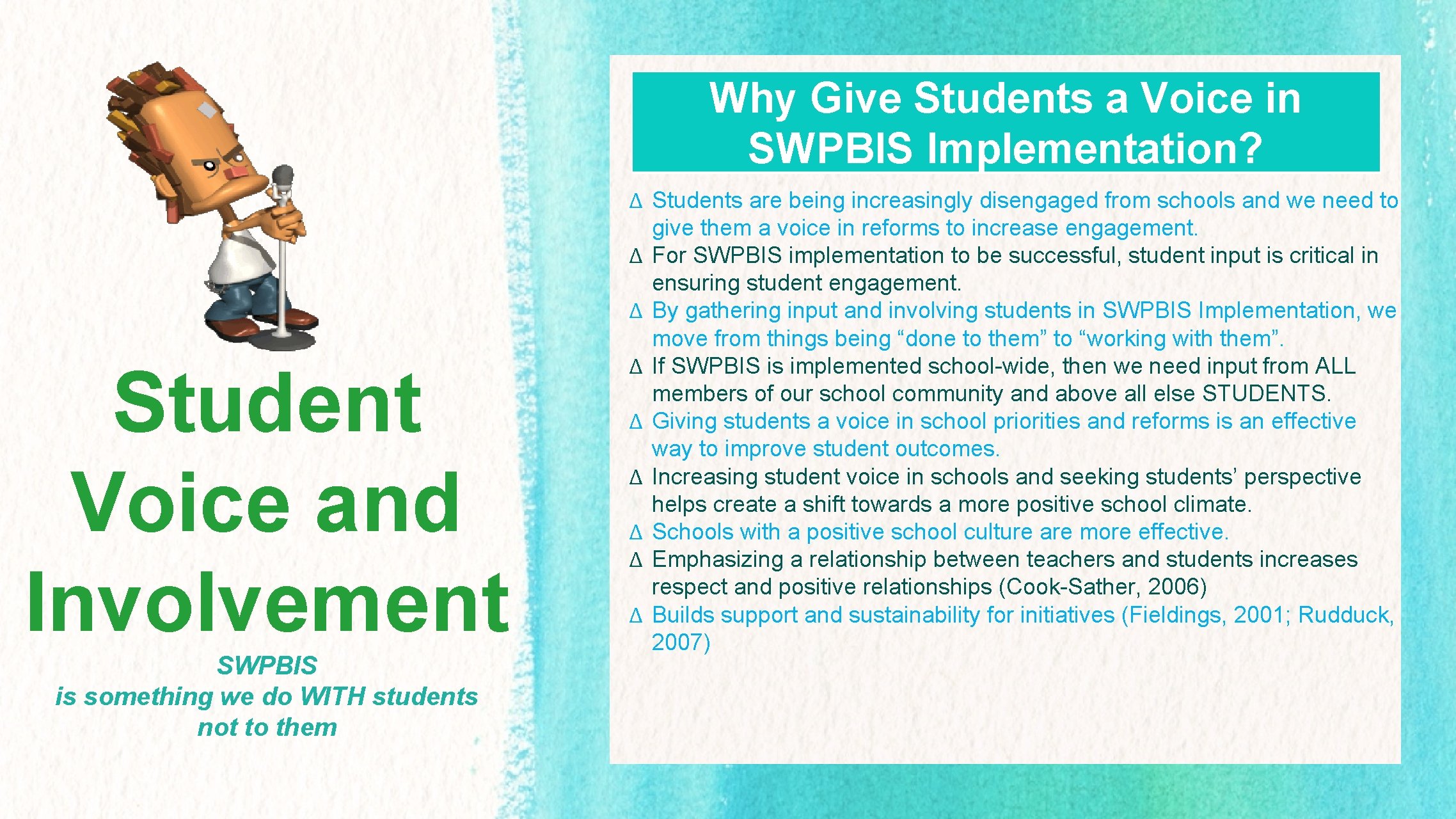
Why Give Students a Voice in SWPBIS Implementation? Student Voice and Involvement SWPBIS is something we do WITH students not to them ∆ Students are being increasingly disengaged from schools and we need to give them a voice in reforms to increase engagement. ∆ For SWPBIS implementation to be successful, student input is critical in ensuring student engagement. ∆ By gathering input and involving students in SWPBIS Implementation, we move from things being “done to them” to “working with them”. ∆ If SWPBIS is implemented school-wide, then we need input from ALL members of our school community and above all else STUDENTS. ∆ Giving students a voice in school priorities and reforms is an effective way to improve student outcomes. ∆ Increasing student voice in schools and seeking students’ perspective helps create a shift towards a more positive school climate. ∆ Schools with a positive school culture are more effective. ∆ Emphasizing a relationship between teachers and students increases respect and positive relationships (Cook-Sather, 2006) ∆ Builds support and sustainability for initiatives (Fieldings, 2001; Rudduck, 2007)
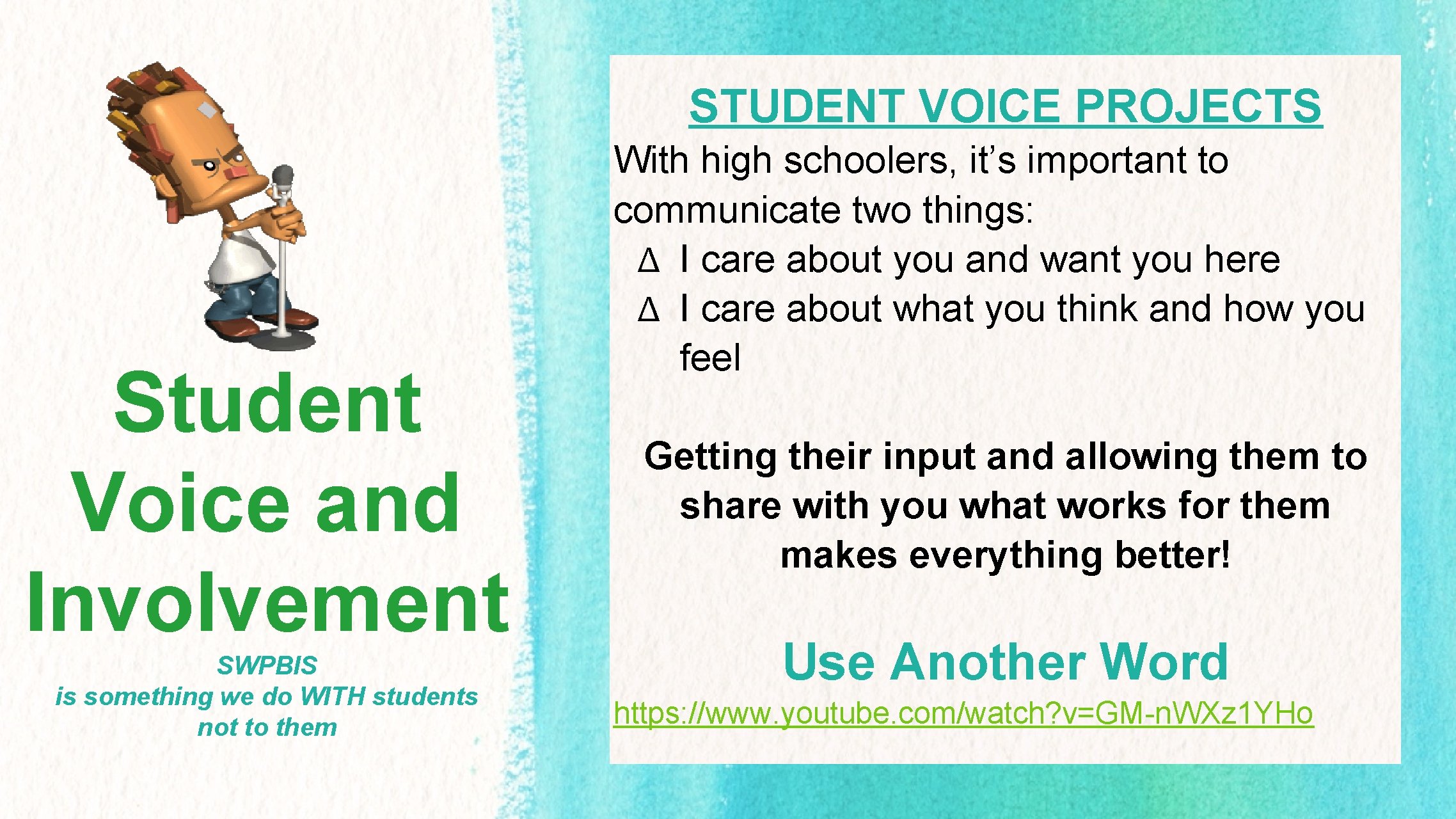
STUDENT VOICE PROJECTS Student Voice and Involvement SWPBIS is something we do WITH students not to them With high schoolers, it’s important to communicate two things: ∆ I care about you and want you here ∆ I care about what you think and how you feel Getting their input and allowing them to share with you what works for them makes everything better! Use Another Word https: //www. youtube. com/watch? v=GM-n. WXz 1 YHo
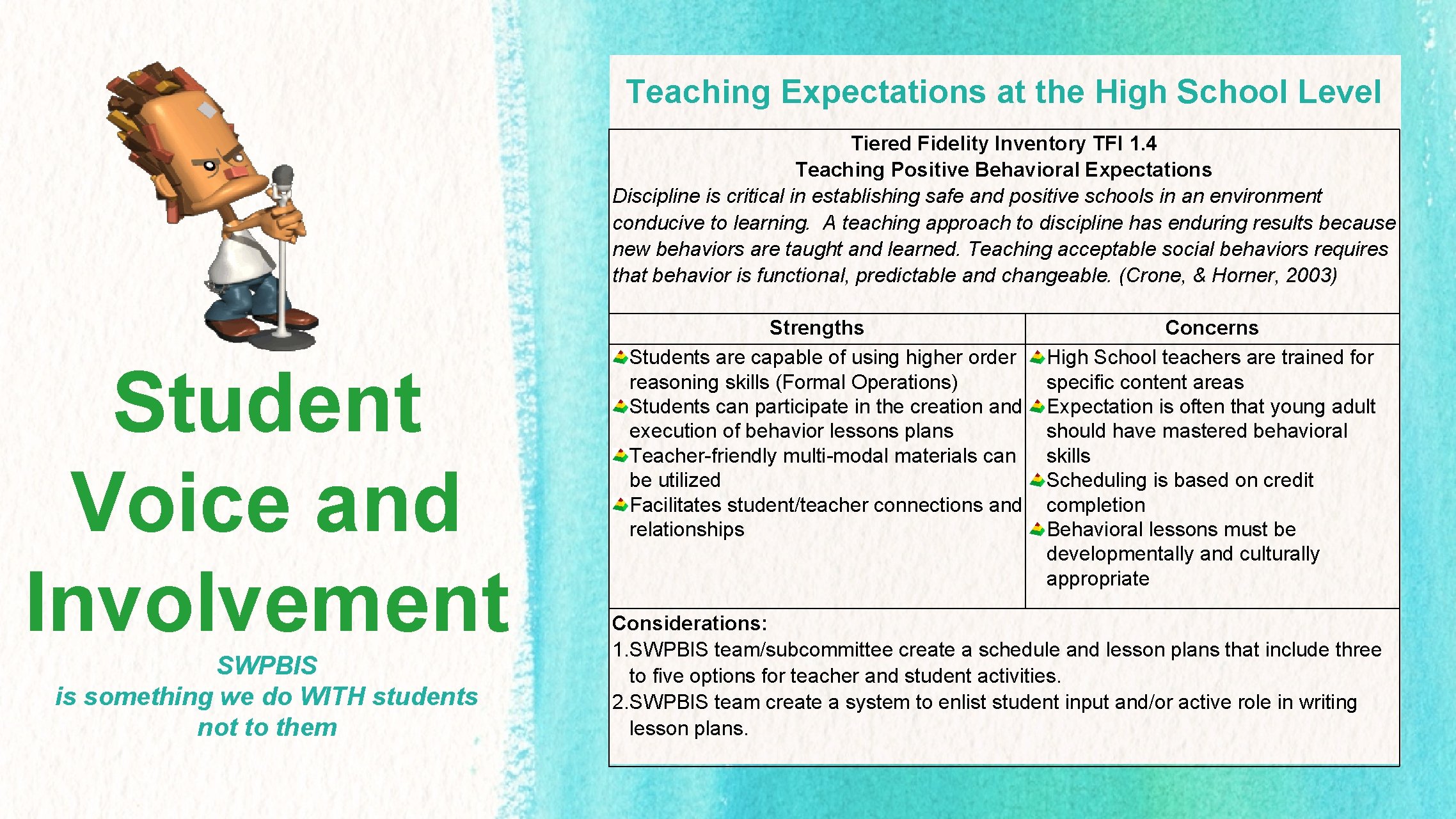
Teaching Expectations at the High School Level Tiered Fidelity Inventory TFI 1. 4 Teaching Positive Behavioral Expectations Discipline is critical in establishing safe and positive schools in an environment conducive to learning. A teaching approach to discipline has enduring results because new behaviors are taught and learned. Teaching acceptable social behaviors requires that behavior is functional, predictable and changeable. (Crone, & Horner, 2003) Student Voice and Involvement SWPBIS is something we do WITH students not to them Strengths Students are capable of using higher order reasoning skills (Formal Operations) Students can participate in the creation and execution of behavior lessons plans Teacher-friendly multi-modal materials can be utilized Facilitates student/teacher connections and relationships Concerns High School teachers are trained for specific content areas Expectation is often that young adult should have mastered behavioral skills Scheduling is based on credit completion Behavioral lessons must be developmentally and culturally appropriate Considerations: 1. SWPBIS team/subcommittee create a schedule and lesson plans that include three to five options for teacher and student activities. 2. SWPBIS team create a system to enlist student input and/or active role in writing lesson plans.
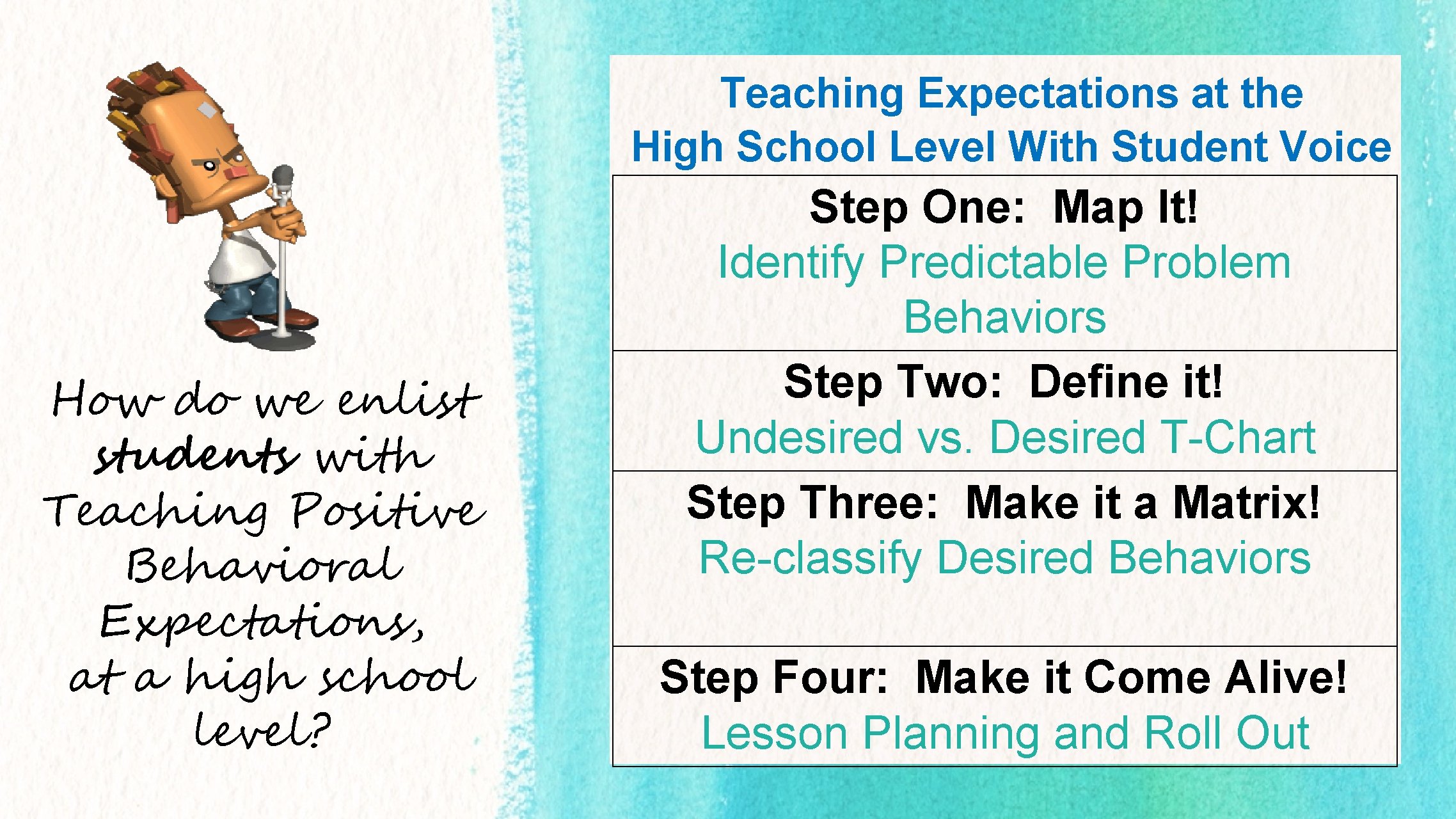
Teaching Expectations at the High School Level With Student Voice How do we enlist students with Teaching Positive Behavioral Expectations, at a high school level? Step One: Map It! Identify Predictable Problem Behaviors Step Two: Define it! Undesired vs. Desired T-Chart Step Three: Make it a Matrix! Re-classify Desired Behaviors Step Four: Make it Come Alive! Lesson Planning and Roll Out
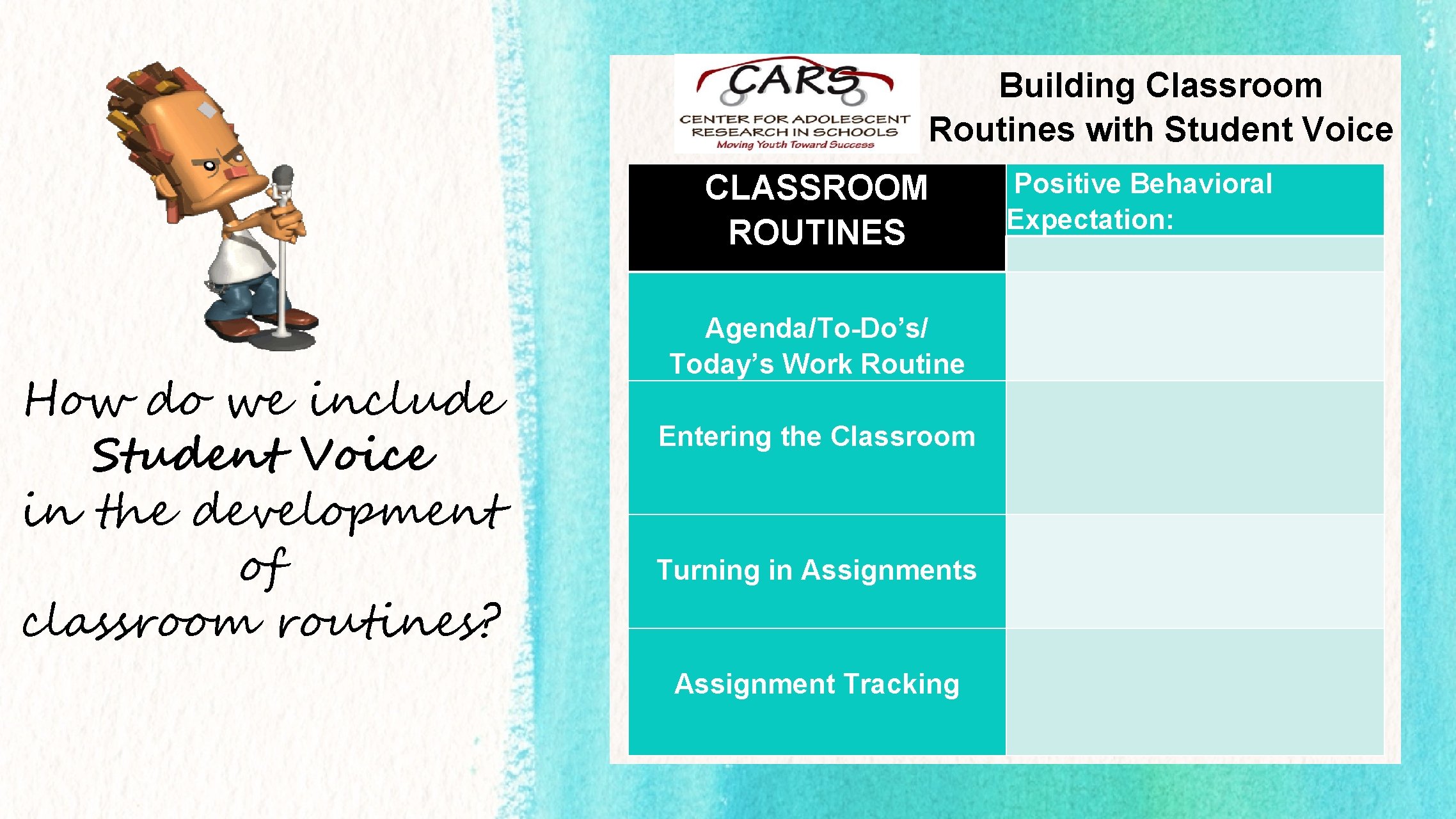
Building Classroom Routines with Student Voice CLASSROOM ROUTINES How do we include Student Voice in the development of classroom routines? Agenda/To-Do’s/ Today’s Work Routine Entering the Classroom Turning in Assignments Assignment Tracking Positive Behavioral Expectation:
2 How dodowe How weinclude enlist students Voice with Student Teaching Positive in the development Behavioral of Expectations, classroom routines? at a high school level? 1
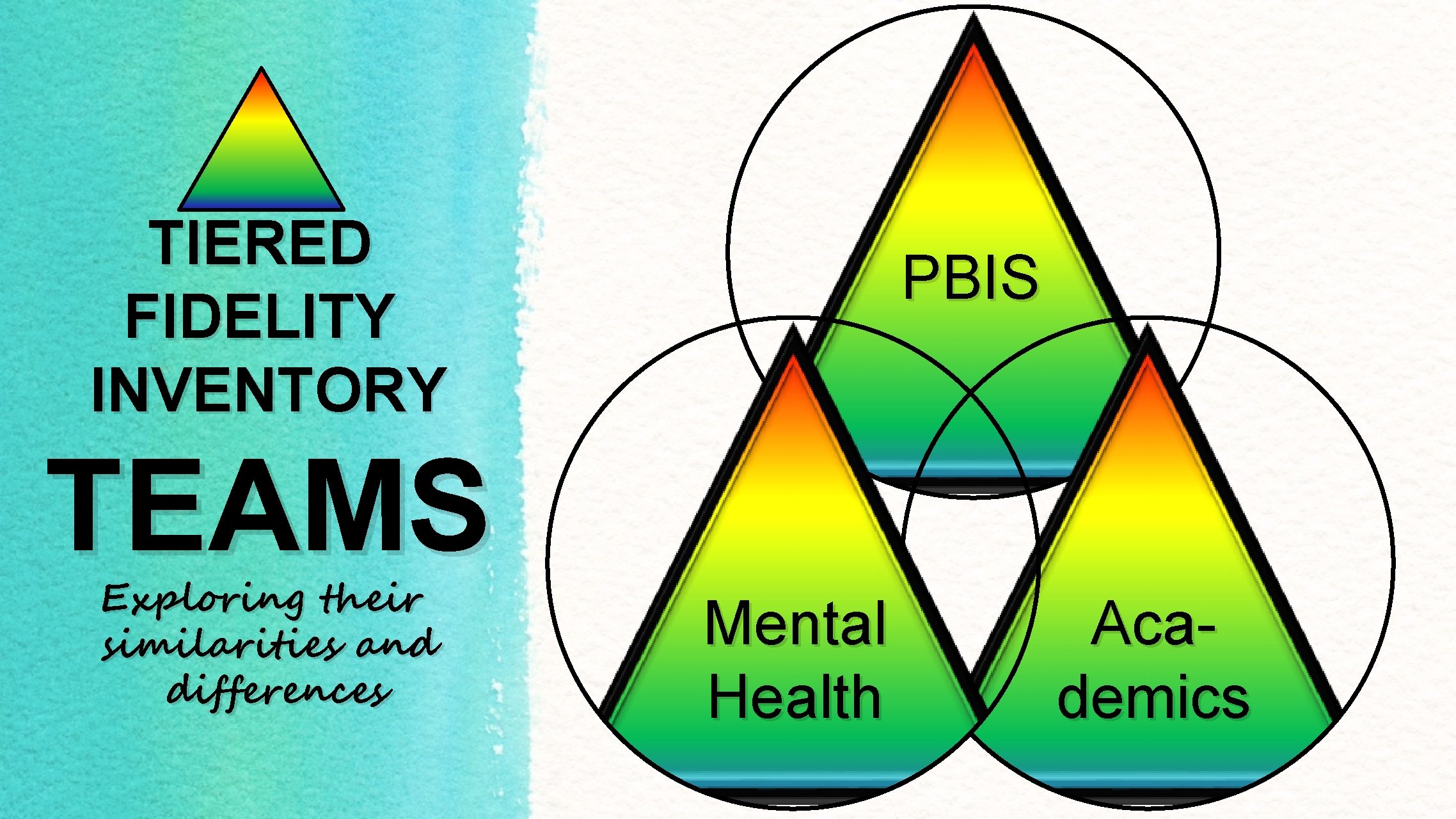
TIERED FIDELITY INVENTORY PBIS TEAMS Exploring their similarities and differences Mental Health Academics
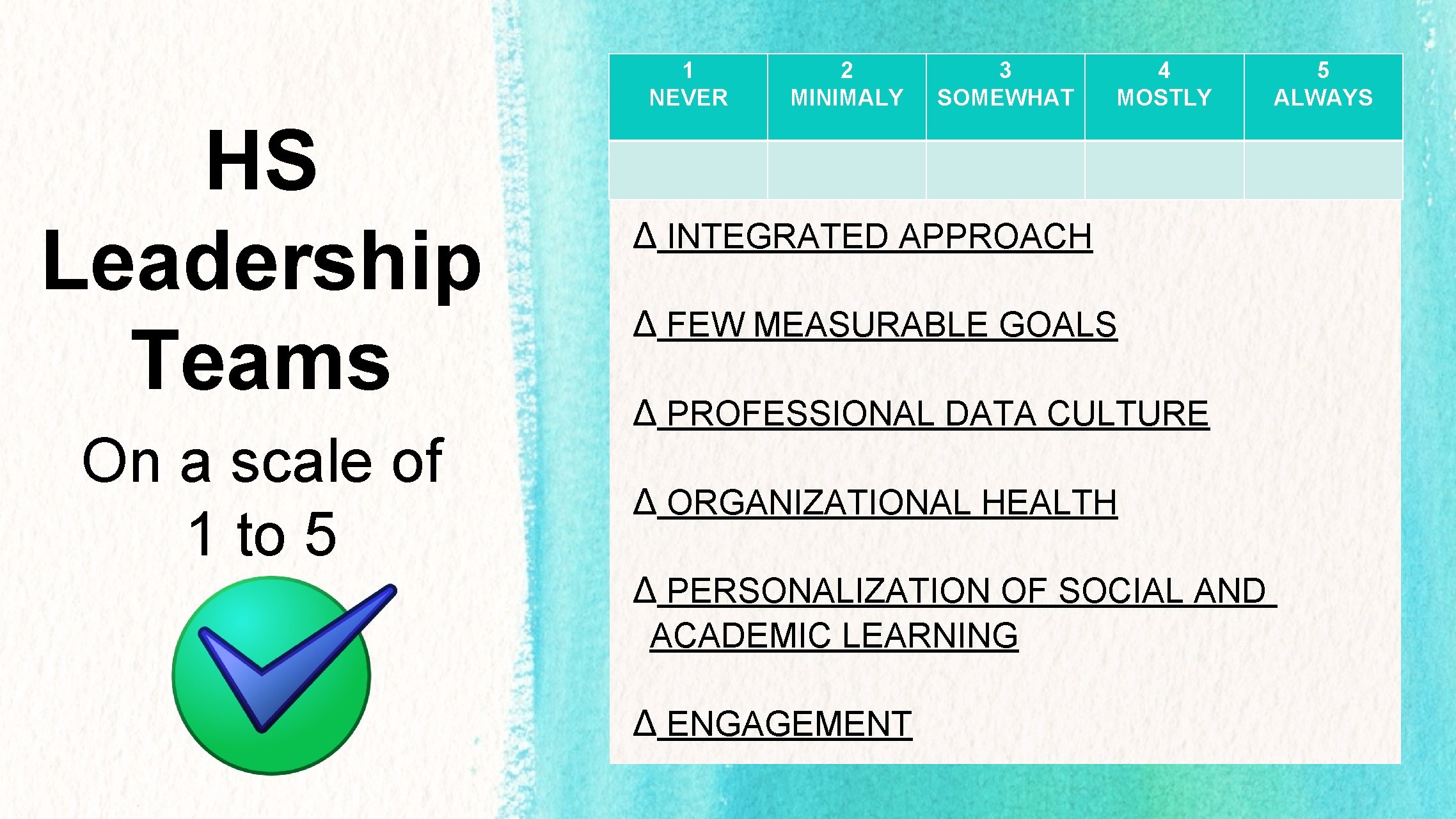
1 NEVER HS Leadership Teams On a scale of 1 to 5 2 MINIMALY 3 SOMEWHAT 4 MOSTLY ∆ INTEGRATED APPROACH ∆ FEW MEASURABLE GOALS ∆ PROFESSIONAL DATA CULTURE ∆ ORGANIZATIONAL HEALTH ∆ PERSONALIZATION OF SOCIAL AND ACADEMIC LEARNING ∆ ENGAGEMENT 5 ALWAYS
Closing Circles One word to describe Dr. Mc. Intosh’s presentation. Two considerations for implementation. Three new ideas.
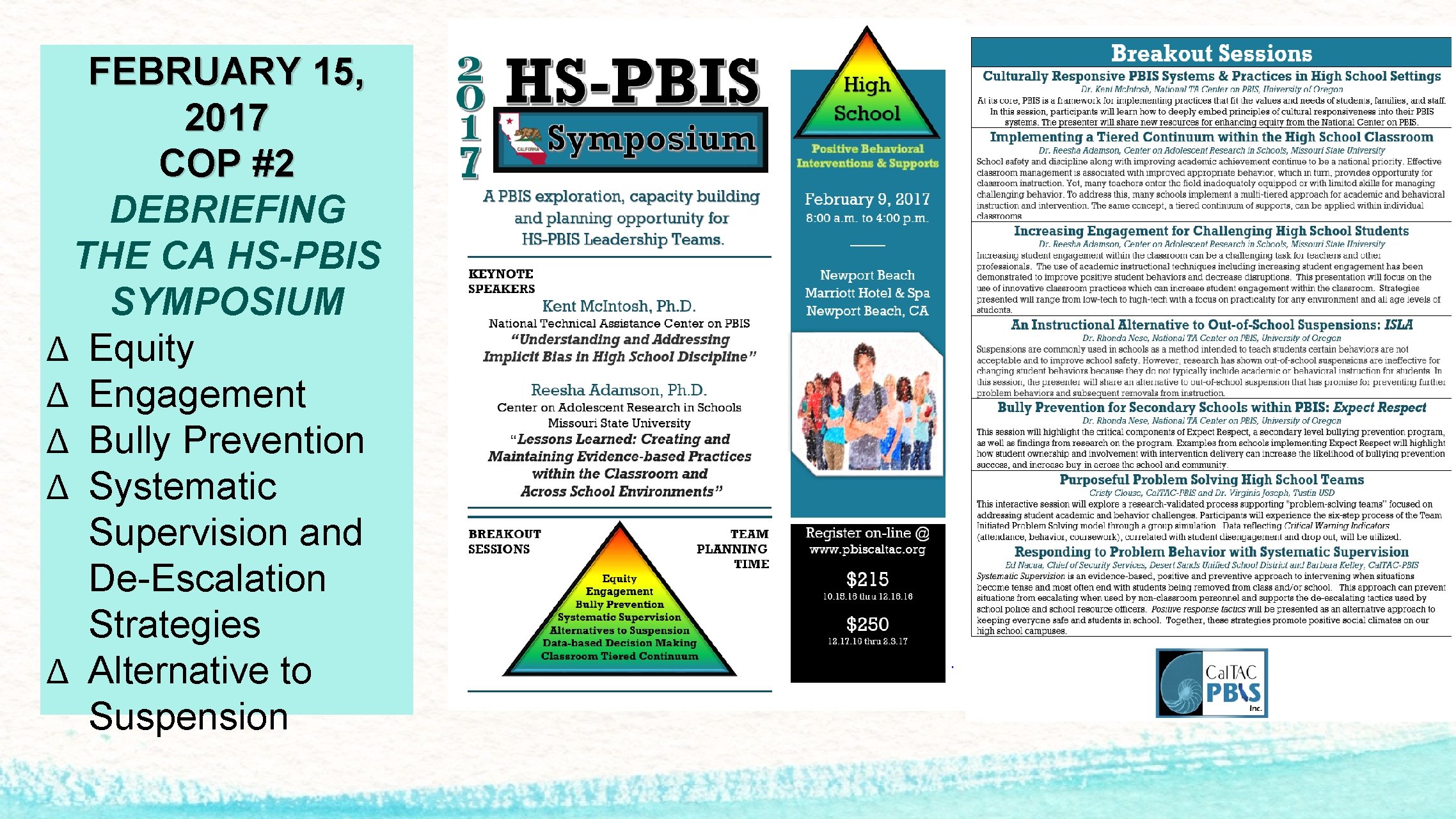
FEBRUARY 15, 2017 COP #2 DEBRIEFING THE CA HS-PBIS SYMPOSIUM ∆ Equity ∆ Engagement ∆ Bully Prevention ∆ Systematic Supervision and De-Escalation Strategies ∆ Alternative to Suspension
- Slides: 24