
HIGH PRODUCTION VOLUME CHEMICALS UNDERSTANDING THE POLLUTION PREVENTION
- Slides: 25
HIGH PRODUCTION VOLUME CHEMICALS – UNDERSTANDING THE POLLUTION PREVENTION IMPLICATIONS Professor Michael Overcash Department of Chemical and Biomolecular Engineering North Carolina State University
Perspective on the Universe of Chemicals in Commerce • General definition - >1 mt/yr in production • Origin is the New Source Registration Program at USEPA, FDA, and US Dept. of Agriculture
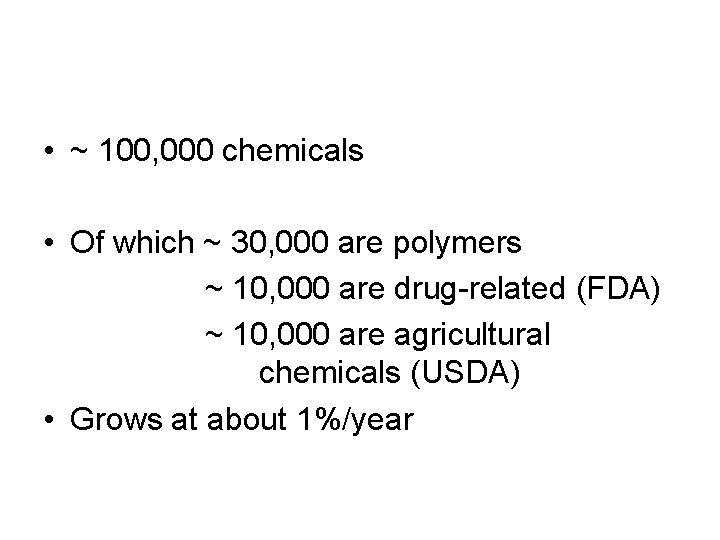
• ~ 100, 000 chemicals • Of which ~ 30, 000 are polymers ~ 10, 000 are drug-related (FDA) ~ 10, 000 are agricultural chemicals (USDA) • Grows at about 1%/year
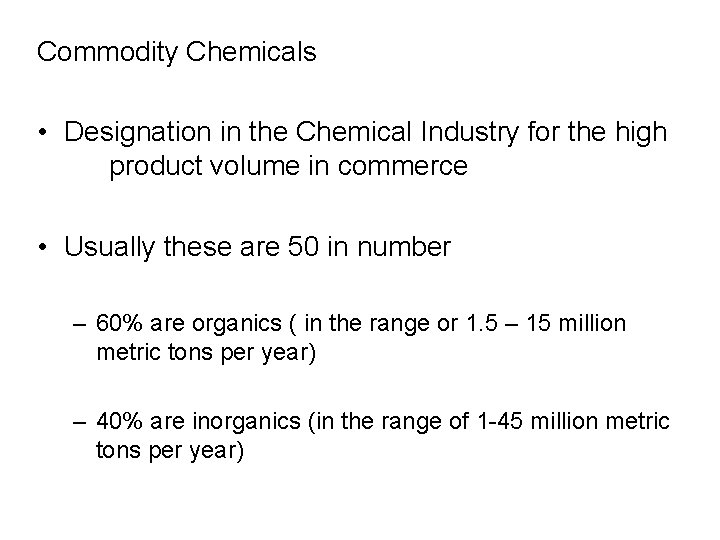
Commodity Chemicals • Designation in the Chemical Industry for the high product volume in commerce • Usually these are 50 in number – 60% are organics ( in the range or 1. 5 – 15 million metric tons per year) – 40% are inorganics (in the range of 1 -45 million metric tons per year)
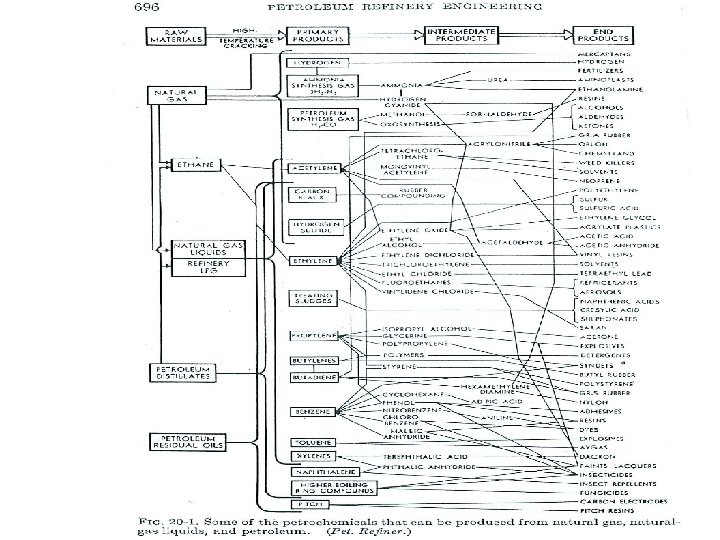
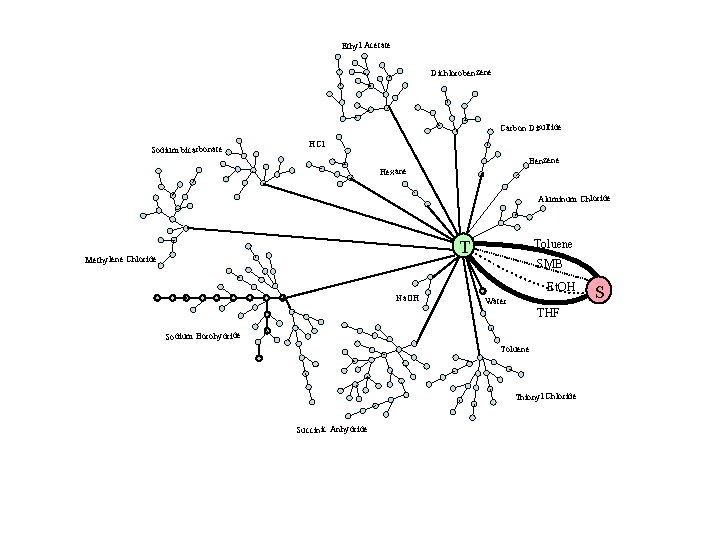
• Chemicals in commerce tend to be linked in supply chains • These links are to achieve molecular building • A complex chemical might be a drug with about 200 chemical plants linked • There also biosynthetic supply chains • There also simpler extraction routes
High Production Volume Chemicals • About 2800 chemicals • Appear to be almost all organics • Not yet developed correlations with other lists used in industry or in research
Perspective on Pollution Prevention
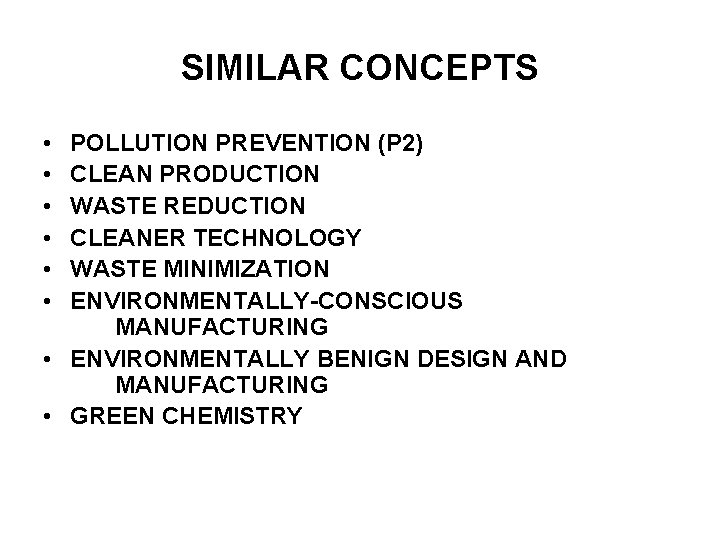
SIMILAR CONCEPTS • • • POLLUTION PREVENTION (P 2) CLEAN PRODUCTION WASTE REDUCTION CLEANER TECHNOLOGY WASTE MINIMIZATION ENVIRONMENTALLY-CONSCIOUS MANUFACTURING • ENVIRONMENTALLY BENIGN DESIGN AND MANUFACTURING • GREEN CHEMISTRY
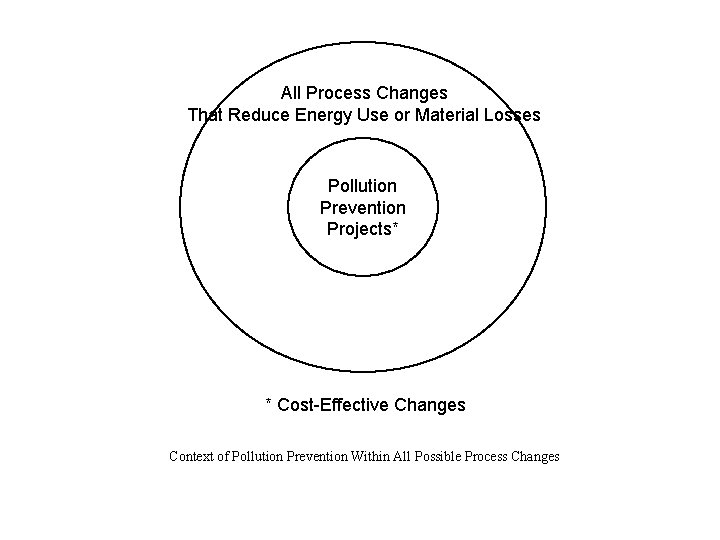
All Process Changes That Reduce Energy Use or Material Losses Pollution Prevention Projects* * Cost-Effective Changes Context of Pollution Prevention Within All Possible Process Changes
Sources of P 2 Case Studies • Pollution Prevention Library of Case Studies (North Carolina Office of Waste Reduction) – About 35, 000 On-line Papers or Reports (2006) – http: //www. P 2 PAYS. org
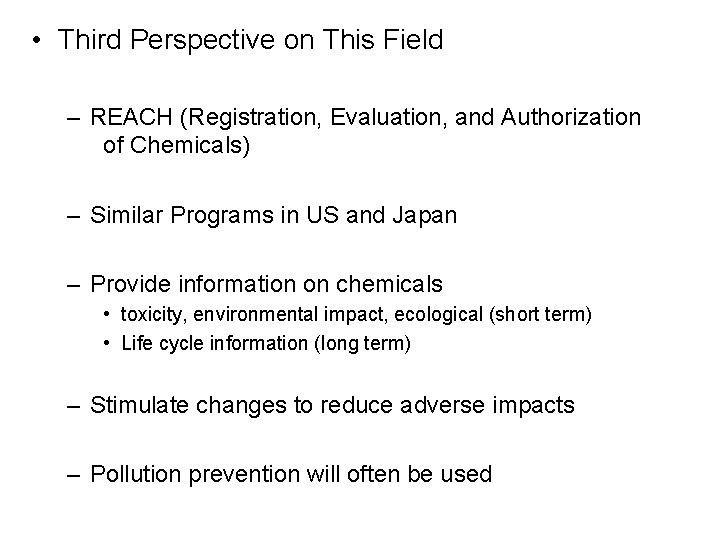
• Third Perspective on This Field – REACH (Registration, Evaluation, and Authorization of Chemicals) – Similar Programs in US and Japan – Provide information on chemicals • toxicity, environmental impact, ecological (short term) • Life cycle information (long term) – Stimulate changes to reduce adverse impacts – Pollution prevention will often be used
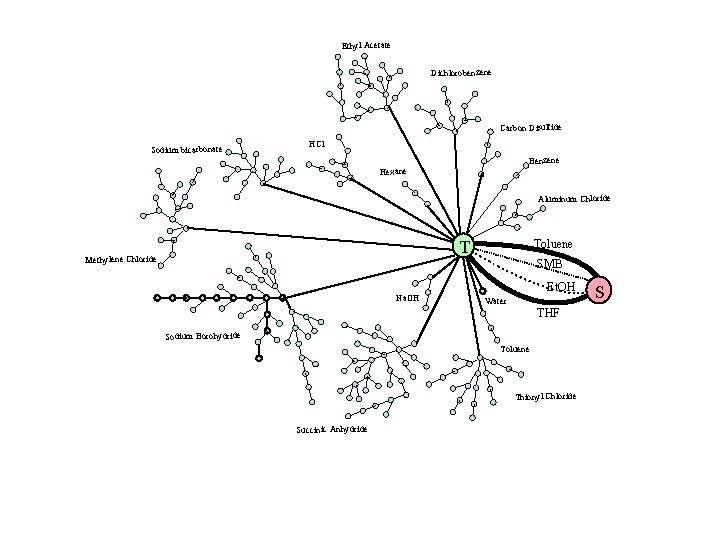
Ethyl Acetate Dichlorobenzene Carbon Disulfide Sodium bicarbonate HCl Benzene Hexane Aluminum Chloride T Methylene Chloride Na. OH Toluene SMB Et. OH Water THF Sodium Borohydride Toluene Thionyl Chloride Succinic Anhydride S
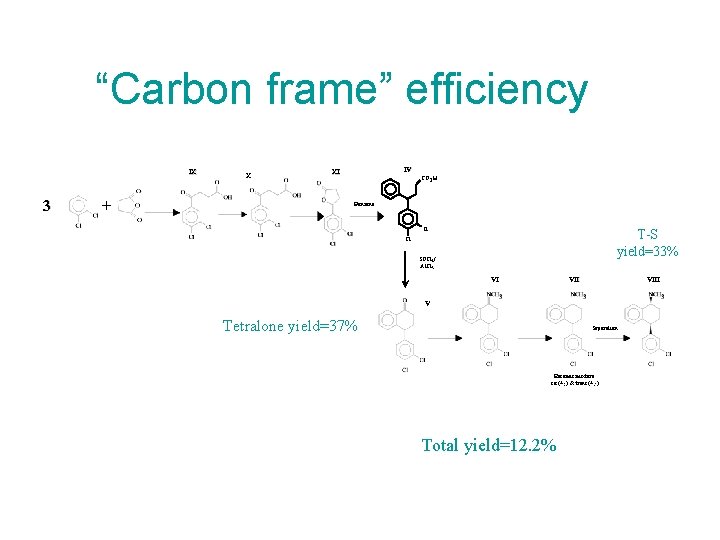
“Carbon frame” efficiency IX 3 + X IV XI CO 2 H Benzene Cl T-S yield=33% Cl SOCl 2/ Al. Cl 3 VI VIII V Tetralone yield=37% Separation Racemic mixture: cis(+, -) & trans(+, -) Total yield=12. 2%
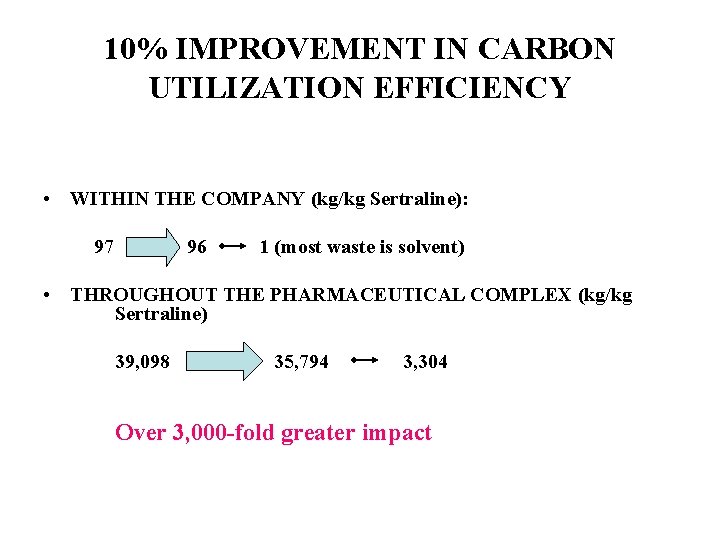
10% IMPROVEMENT IN CARBON UTILIZATION EFFICIENCY • WITHIN THE COMPANY (kg/kg Sertraline): 97 96 1 (most waste is solvent) • THROUGHOUT THE PHARMACEUTICAL COMPLEX (kg/kg Sertraline) 39, 098 35, 794 3, 304 Over 3, 000 -fold greater impact
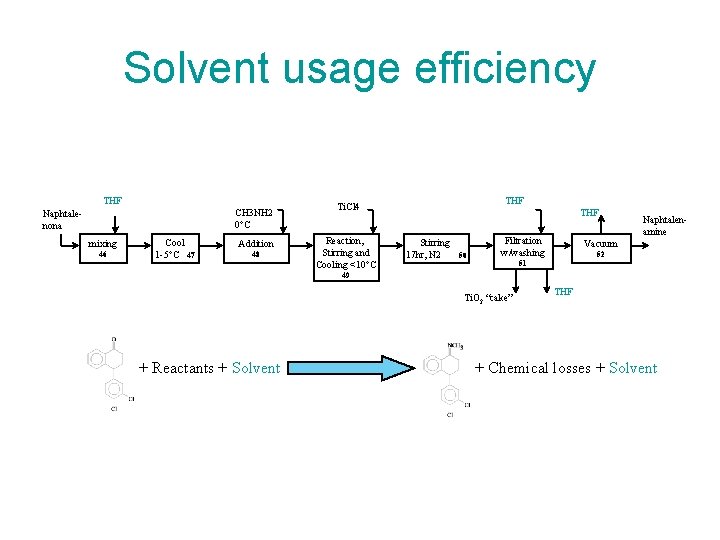
Solvent usage efficiency THF CH 3 NH 2 0°C Naphtalenona mixing 46 Cool 1 -5°C 47 Addition 48 THF Ti. Cl 4 Reaction, Stirring and Cooling <10°C THF Stirring 17 hr, N 2 50 Filtration w/washing Naphtalenamine Vacuum 52 51 49 Ti. O 2 “cake” + Reactants + Solvent THF + Chemical losses + Solvent
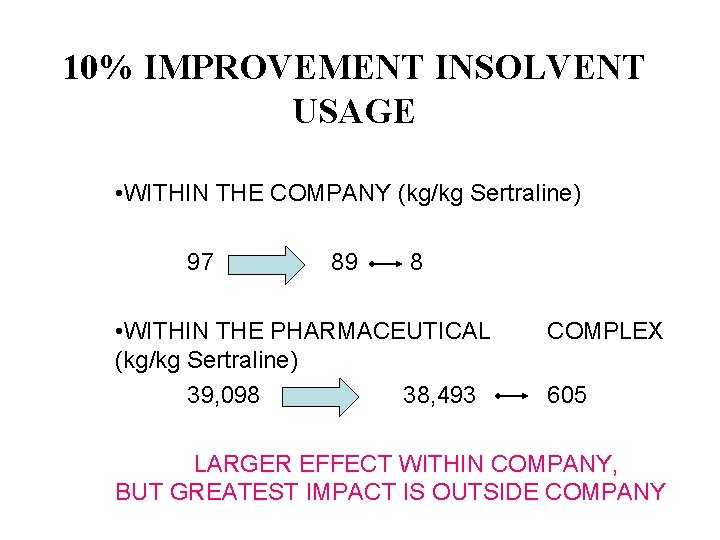
10% IMPROVEMENT INSOLVENT USAGE • WITHIN THE COMPANY (kg/kg Sertraline) 97 89 8 • WITHIN THE PHARMACEUTICAL (kg/kg Sertraline) 39, 098 38, 493 COMPLEX 605 LARGER EFFECT WITHIN COMPANY, BUT GREATEST IMPACT IS OUTSIDE COMPANY
Ethyl Acetate Dichlorobenzene Carbon Disulfide Sodium bicarbonate HCl Benzene Hexane Aluminum Chloride T Methylene Chloride Na. OH Toluene SMB Et. OH Water THF Sodium Borohydride Toluene Thionyl Chloride Succinic Anhydride S
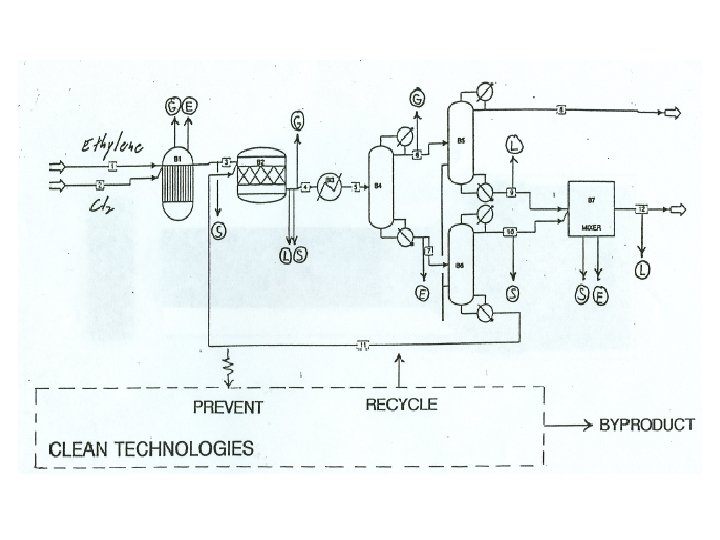
P 2 Solutions • Recycle – increases yield and reduces the entire supply chain • Prevention – substitution leads to introduction of a new segment of the supply chain - increased yield and reduces the entire supply chain • Reuse – eliminates the production of the reused material thus improving the impact of the product incorporating the reused material • Use of Products – chemicals affect efficiency of the next stage in the supply chain
All of these pollution prevention solutions can have beneficial or adverse effects as we seek to improve the situation for HPV chemicals
Future Work • Perform an example of life information for 1 -4 HPV chemicals to help those working on improvement to see some of the hidden benefits of change. • Examine the human health assessment (DALY’s) from the supply chain versus the use of an HPV chemical to see the relative importance of information.
Conclusions 1. HPV and other chemicals are a part of the large scale societal use of “chemicals in commerce” 2. Environmental improvements for HPV from pollution prevention must also be reviewed in terms of the life cycle effects on human health and the environment 3. A challenge is to make the HPV lists more useable and searchable in the techniques used for P 2