
HEREDITY AND VARIATION CELL DIVISION MITOSIS AND MEOSIS
- Slides: 99
HEREDITY AND VARIATION CELL DIVISION MITOSIS AND MEOSIS
CHROMOSOMES • Made of deoxyribonucleic acid (DNA) and protein. • Are present in the nuclei of all cells. • Chromosomes contain genetic information in the form of genes.
CHROMOSOMES • Chromosomes of different species differ in number and appearance. • E. g. Human cells have 46 chromosomes; dog cells have 98 and mosquito cells have 6.
GENES • Genes are the basic unit of inheritance. • Genes are found all along chromosomes. • There is a gene for each trait or characteristics.
GENES • Genes therefore control the characteristics of organisms.
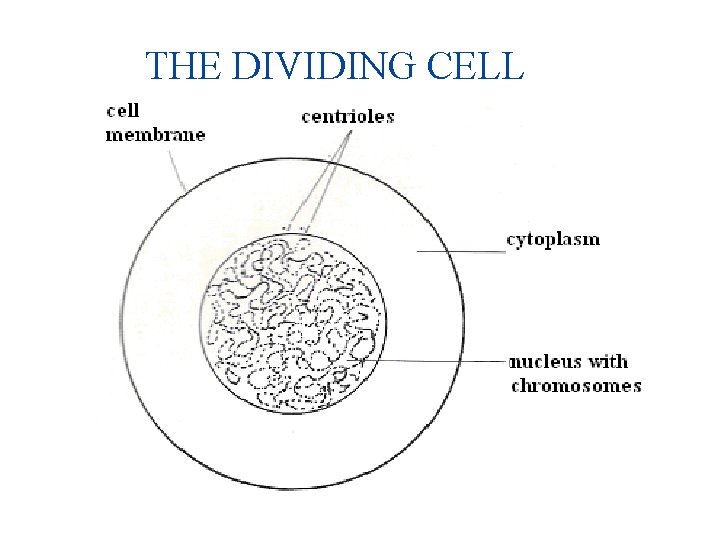
THE DIVIDING CELL
WHY AND WHEN CELLS DIVIDE • When studying cell divisions, there are some important facts to remember to make it a little easier: 1). The nucleus and centrioles are the focus 2). The nucleus of a cell contains chromosomes which have genes on them, each responsible for a given trait. 3). When a cell divides, it is very important that the two new cells (daughter cells) each to get exactly the same number and kinds of chromosomes as the original (parent) cell.
MITOSIS AND MEIOSIS • Mitosis is necessary for: • Meiosis is necessary for: 1. The production of 1. Growth of cells male and female 2. Repair of cells gametes for sexual 3. Asexual reproduction. 2. These are the egg and sperm cells.
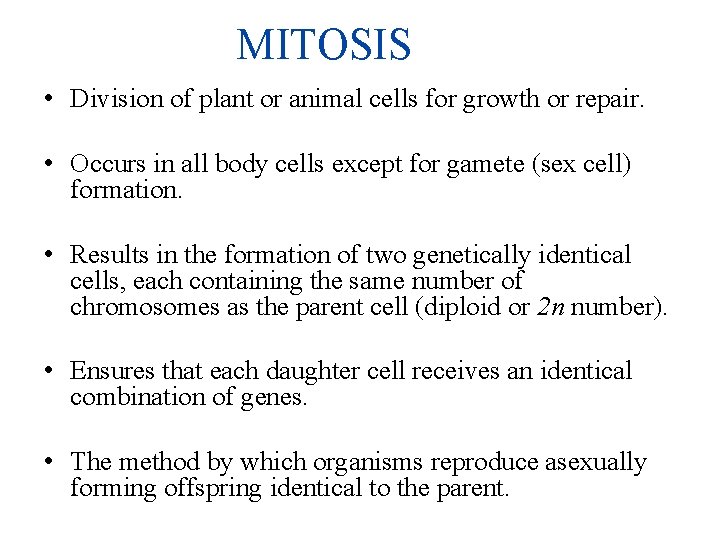
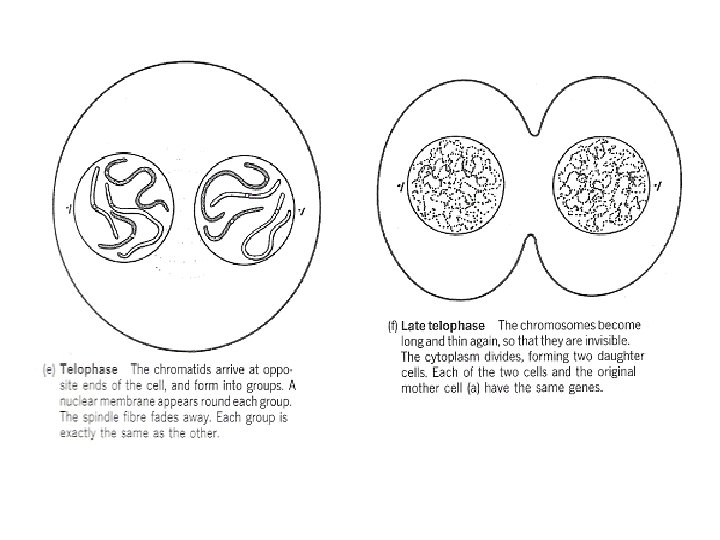
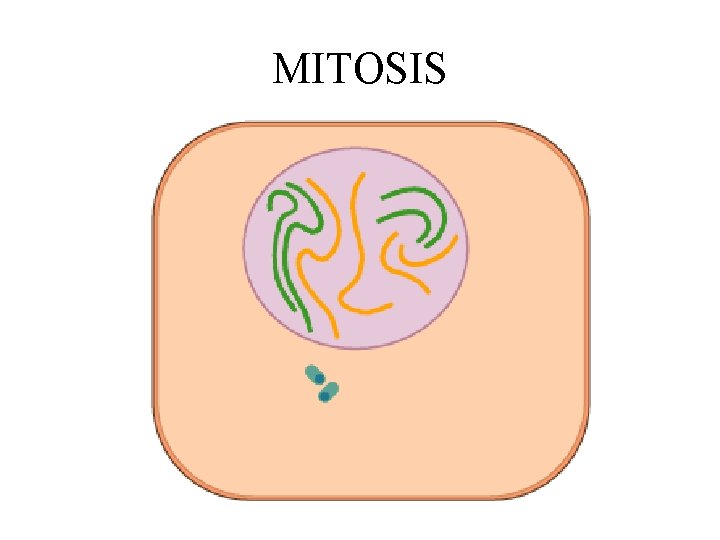
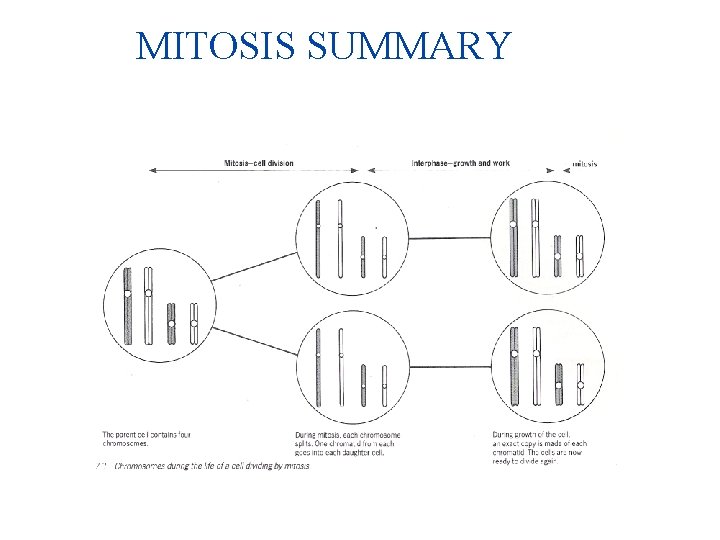
MITOSIS • Division of plant or animal cells for growth or repair. • Occurs in all body cells except for gamete (sex cell) formation. • Results in the formation of two genetically identical cells, each containing the same number of chromosomes as the parent cell (diploid or 2 n number). • Ensures that each daughter cell receives an identical combination of genes. • The method by which organisms reproduce asexually forming offspring identical to the parent.
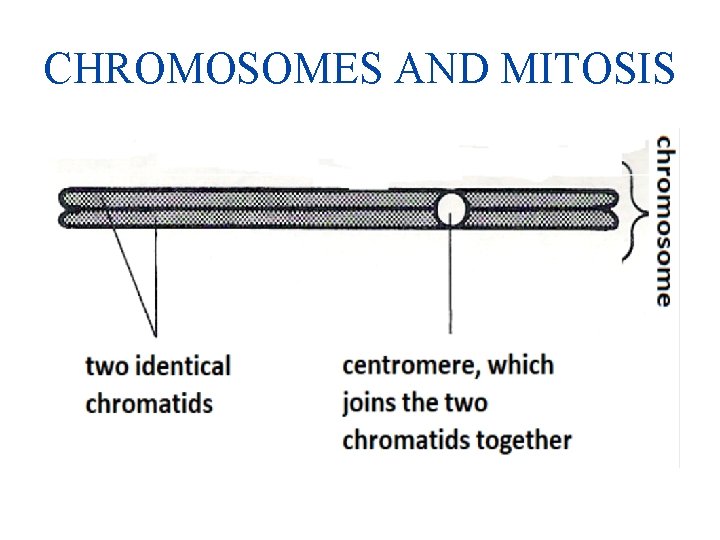
CHROMOSOMES AND MITOSIS
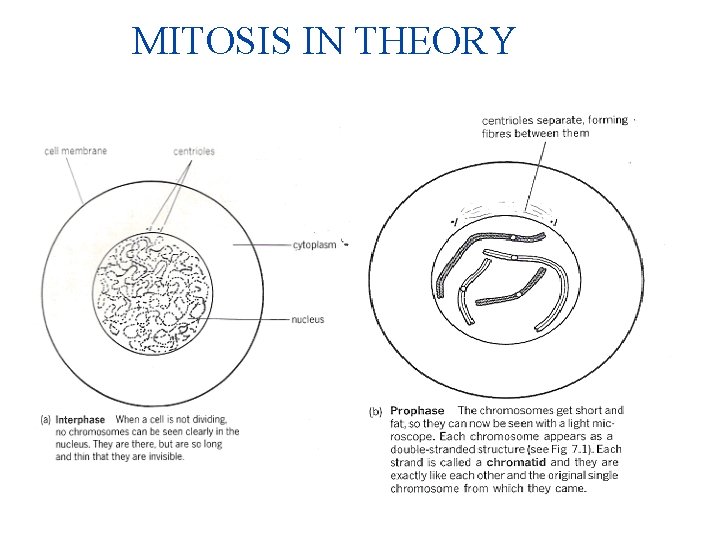
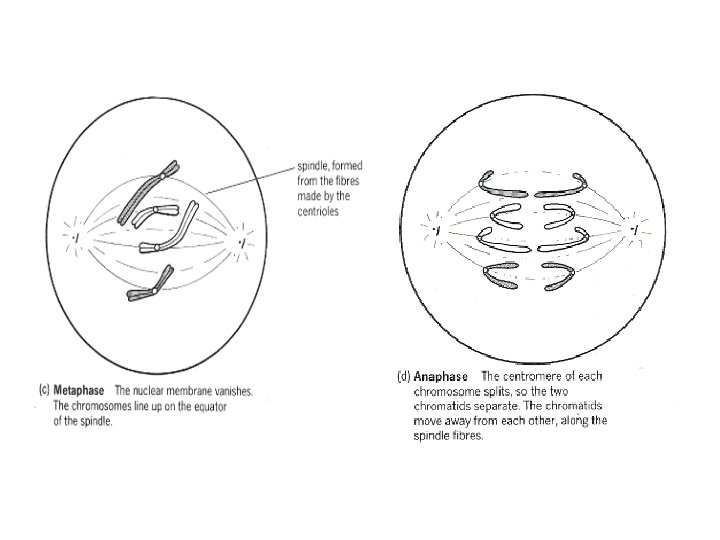
MITOSIS IN THEORY
MITOSIS
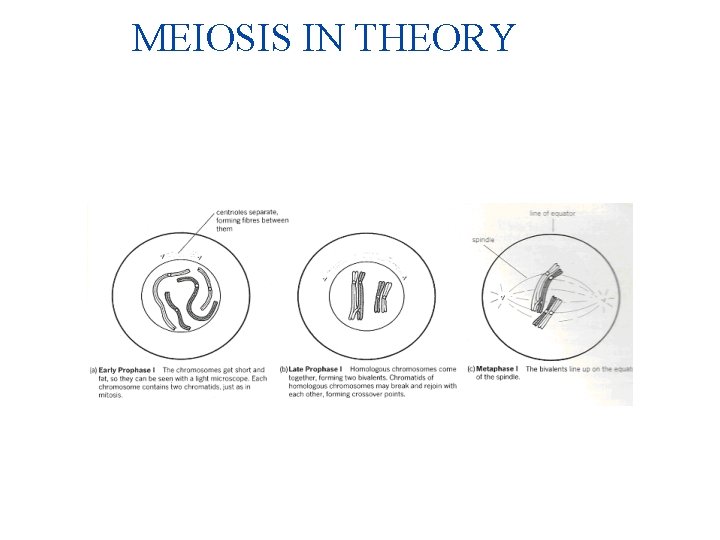
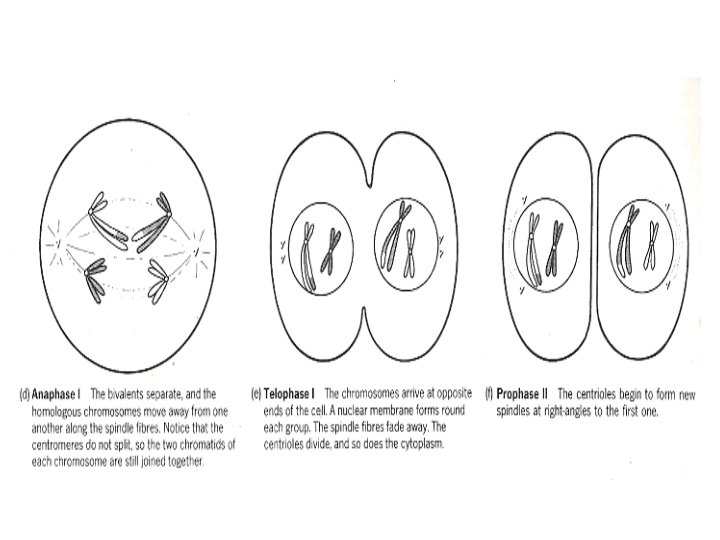
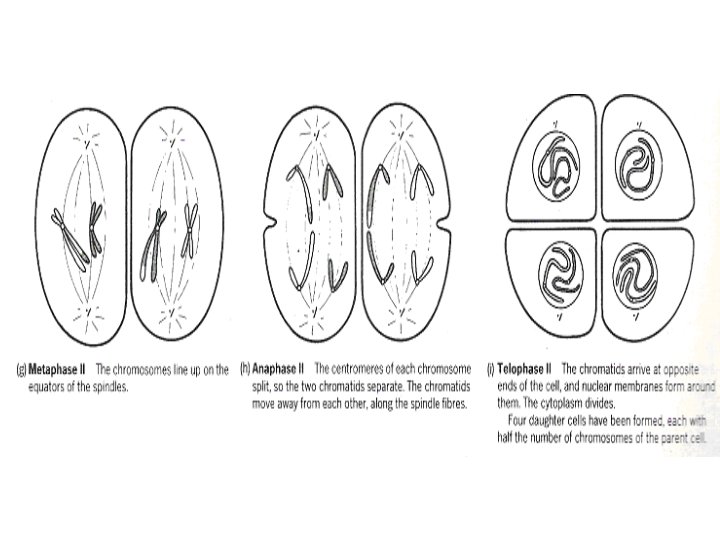
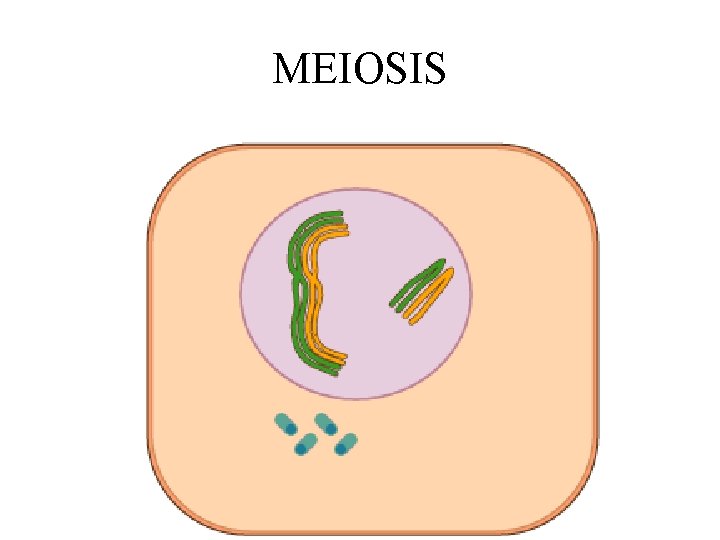
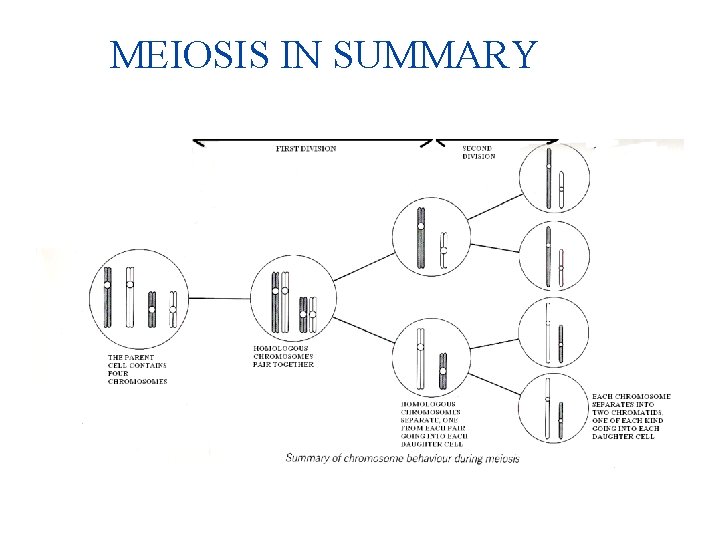
MEIOSIS • Occurs only in reproductive organs during gamete production. • Results in the formation of four genetically non-identical cells containing half the number of chromosomes as the parent cell. • Each daughter cell has a different combination of genes which leads to variation amongst offspring.
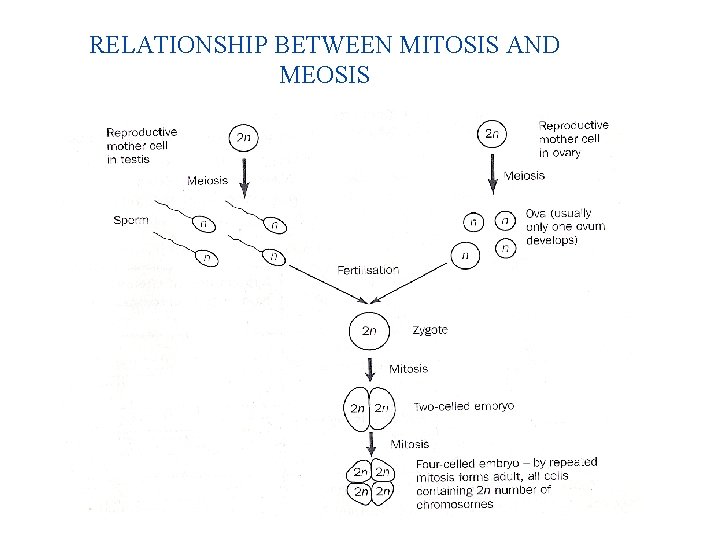
• So the egg cell and sperm cell each contain half the full number of chromosomes. • When the sperm and egg cells meet during fertilization they reform the full number of chromosomes in the offspring.
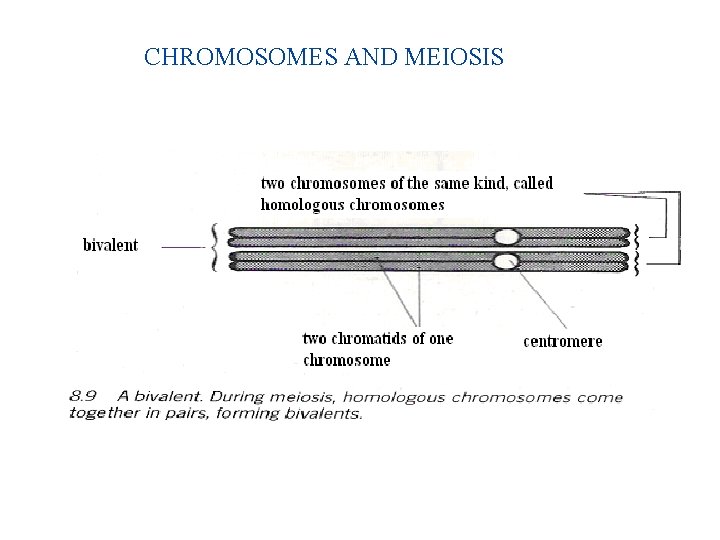
CHROMOSOMES AND MEIOSIS
MEIOSIS IN THEORY
MEIOSIS
MITOSIS SUMMARY
MEIOSIS IN SUMMARY
RELATIONSHIP BETWEEN MITOSIS AND MEOSIS
VARIATION • Except for identical twins, no two organisms produced by sexual reproduction are alike. • Variation or variety exists between all persons, races and species. • Environmental variation comes about due to changes in the environment such as climate, food and space available. • Genetic variation is due to the separation of genes during meiosis and their coming together during fertilization.
• There are two types of variation: • Continuous variation and • Discontinuous variation.
CONTINUOUS VARIATION • In continuous variation, the characteristic being studied shows a gradual difference from individual to individual. • There is a range of difference. • Examples are height and weight.
DISCONTINUOUS VARIATION • In discontinuous variation, the characteristic being studied shows clear-cut differences or boundaries. • There is therefore no range. • Examples are blood group or ability to roll the tongue.
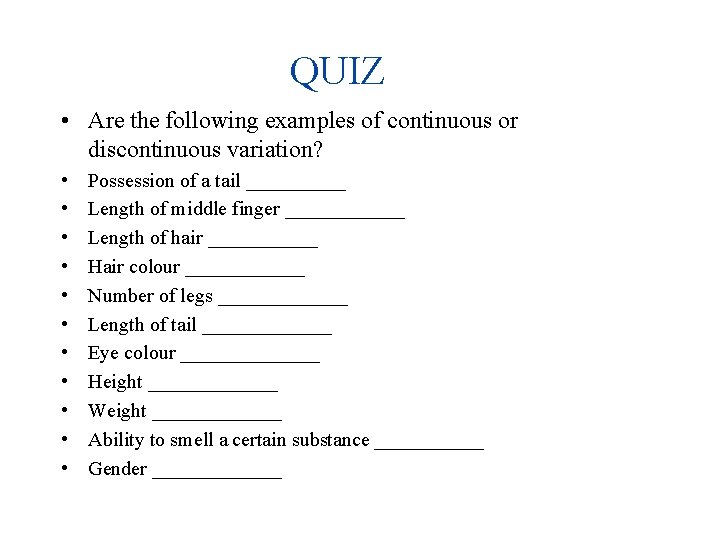
QUIZ • Are the following examples of continuous or discontinuous variation? • • • Possession of a tail _____ Length of middle finger ______ Length of hair ______ Hair colour ______ Number of legs _______ Length of tail _______ Eye colour _______ Height _______ Weight _______ Ability to smell a certain substance ______ Gender _______
HEREDITY AND VARIATION MONOHYBRID INHERITANCE AND CROSSES
• http: //www. biology. arizona. edu/mendelian_ge netics/problem_sets/monohybrid_cross/monoh ybrid_cross. html • https: //www. biologycorner. com/worksheets/ge netics_practice. html • http: //www. elginacademy. co. uk/wpcontent/uploads/2013/12/Monohybrid-Cross. Homework. pdf
• In order to properly understand how genes are passed on from parent to offspring, we need to know the following definitions.
DEFINITIONS • DNA- Deoxyribonucleic acid. Found in nucleus of all cells and make up genes and chromosomes. • RNA-Ribonucleic acid. This substance helps to make new DNA and hence genes and chromosomes. There are three types.
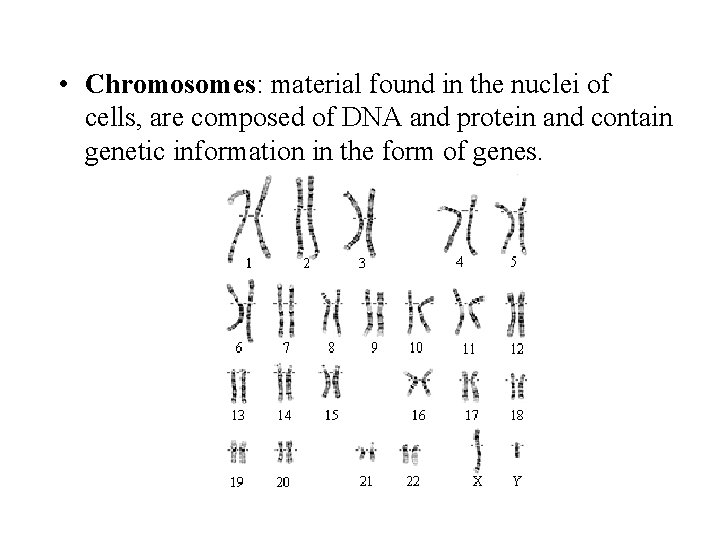
• Chromosomes: material found in the nuclei of cells, are composed of DNA and protein and contain genetic information in the form of genes.
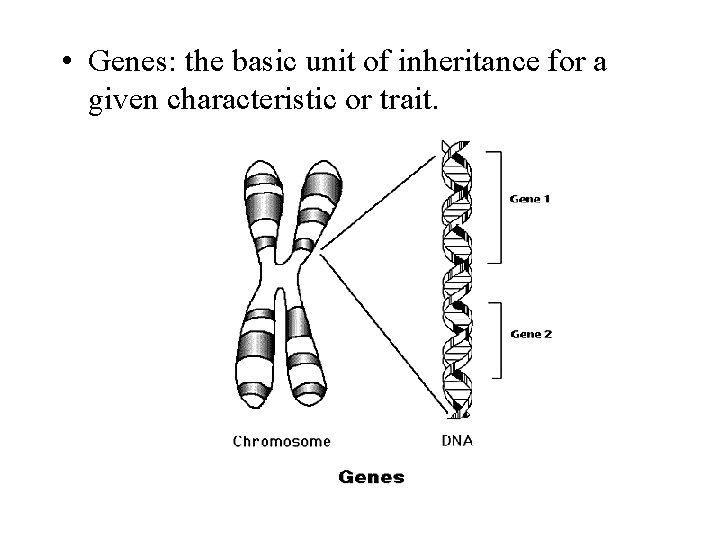
• Genes: the basic unit of inheritance for a given characteristic or trait.
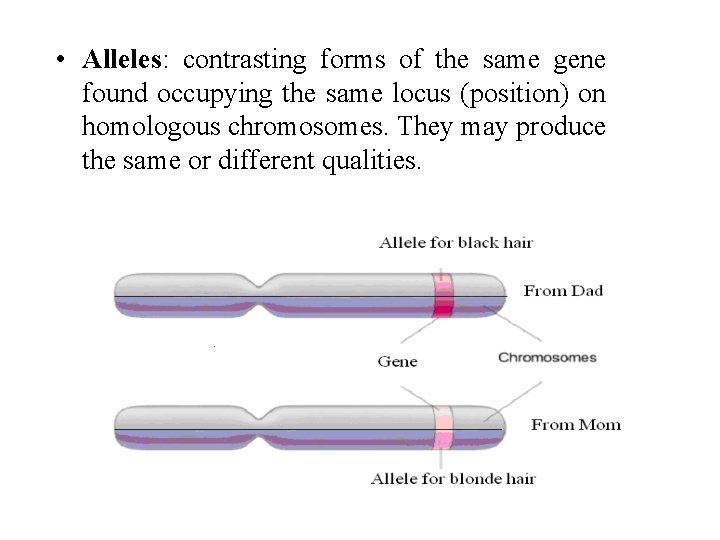
• Alleles: contrasting forms of the same gene found occupying the same locus (position) on homologous chromosomes. They may produce the same or different qualities.
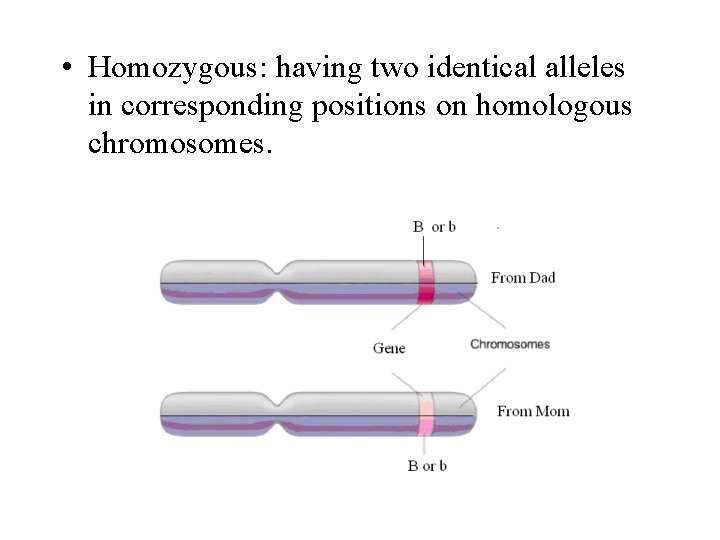
• Homozygous: having two identical alleles in corresponding positions on homologous chromosomes.
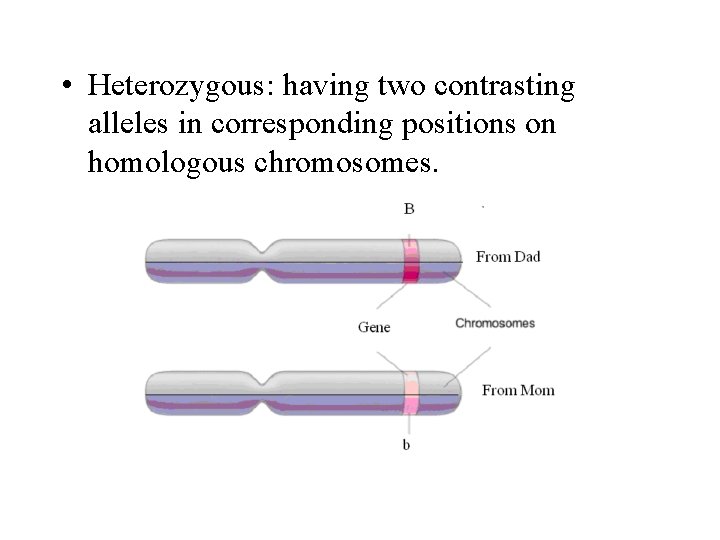
• Heterozygous: having two contrasting alleles in corresponding positions on homologous chromosomes.
• Genotype: the inward, genetic make-up of the organism, especially its alleles (contrasting genes). • Represented using capital and/or common letters. • e. g. Rr, RR, rr, AS, AA, SS
• Genotype: , genetic make-up of the organism, especially its alleles • Represented using capital and/or common letters. • e. g. Rr, RR, rr, AS, AA, SS
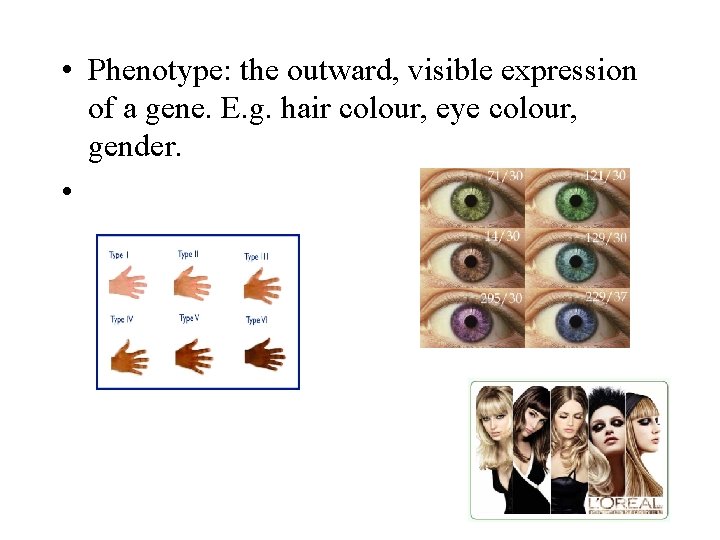
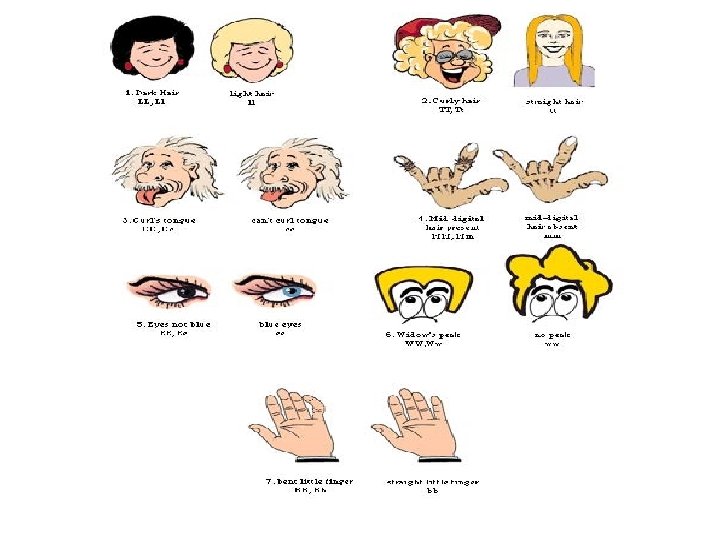
• Phenotype: the outward, visible expression of a gene. E. g. hair colour, eye colour, gender. •
• Dominant: the allele which, if present, shows its effect on the phenotype in both the homozygous and heterozygous conditions. Allele usually represented by capital letters. • Recessive: the allele which only has an effect on the phenotype of the dominant allele is absent. Allele usually represented by common letters.
• Dominant: the allele which, if present, is seen in the offspring (usually represented by capital letters). • Recessive: the allele which is only seen in the offspring if the dominant allele is absent (usually represented by common letters).
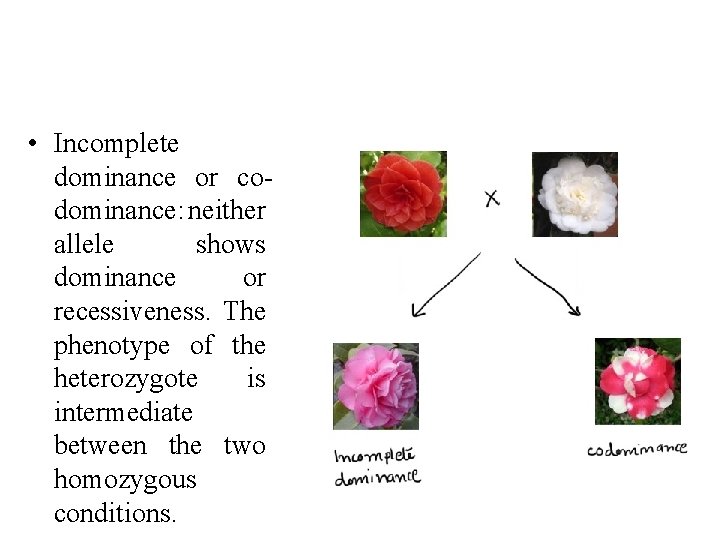
• Incomplete dominance or codominance: neither allele shows dominance or recessiveness. The phenotype of the heterozygote is intermediate between the two homozygous conditions.
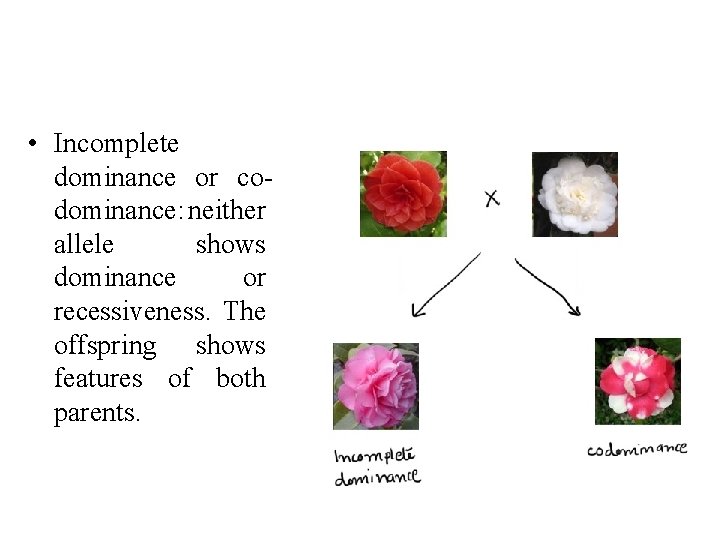
• Incomplete dominance or codominance: neither allele shows dominance or recessiveness. The offspring shows features of both parents.
MONOHYBRID INHERITANCE
MONOHYBRID INHERITANCE • Inheritance is the process by which certain characteristics or traits are passed on from generation to generation. • Monohybrid inheritance is the analysis of only one trait at a time, hence one gene. • It is very simple to do.
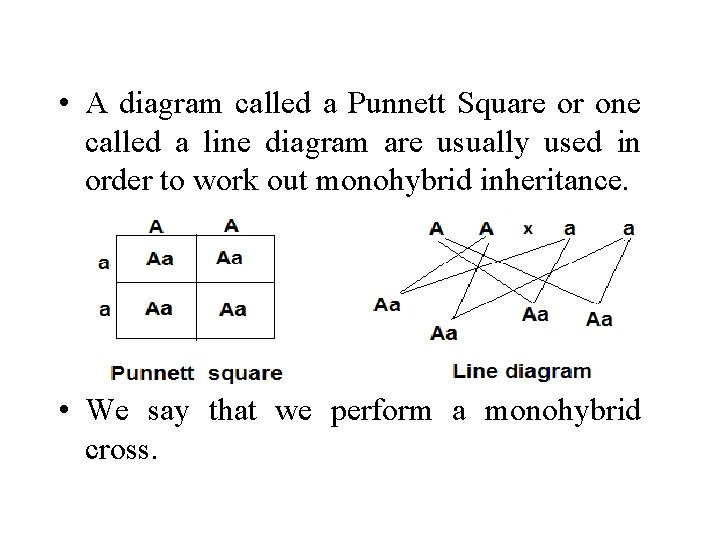
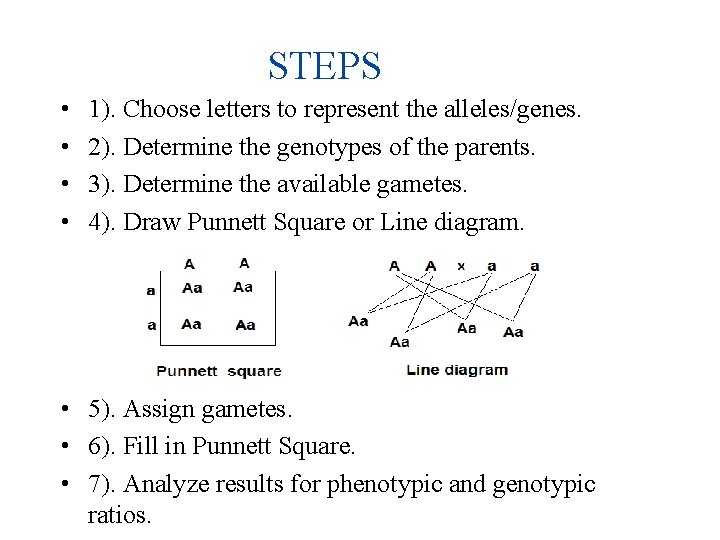
• A diagram called a Punnett Square or one called a line diagram are usually used in order to work out monohybrid inheritance. • We say that we perform a monohybrid cross.
• Definitions to definitely remember when performing these crosses are: • • • Dominant Recessive Genotype Phenotype Co-dominance
• We will be using monohybrid crossing to predict the genotypic and phenotypic ratios of off-spring born with: • • • Different genders (male or female) Albinism Sickle-cell Haemophilia Night-blindness Blood types
• Finally, we will be able to trace defects, diseases or traits throughout family trees when we have mastered the monohybrid cross.
PERFORMING MONOHYBRID CROSSES
STEPS • • 1). Choose letters to represent the alleles/genes. 2). Determine the genotypes of the parents. 3). Determine the available gametes. 4). Draw Punnett Square or Line diagram. • 5). Assign gametes. • 6). Fill in Punnett Square. • 7). Analyze results for phenotypic and genotypic ratios.
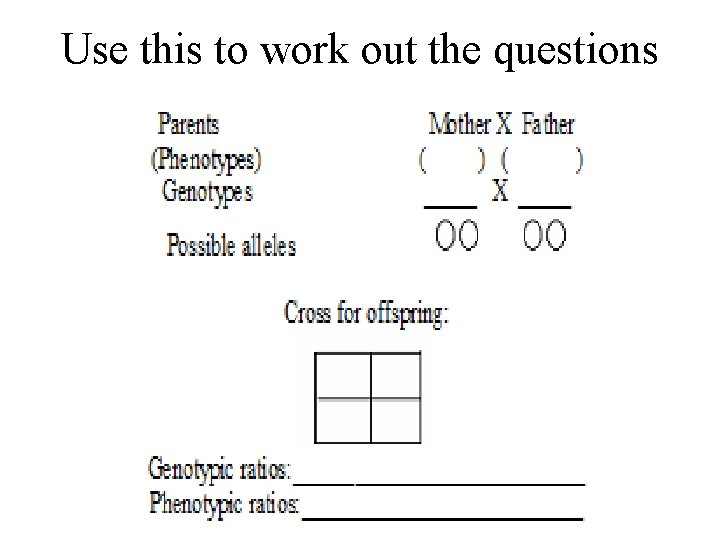
Use this to work out the questions
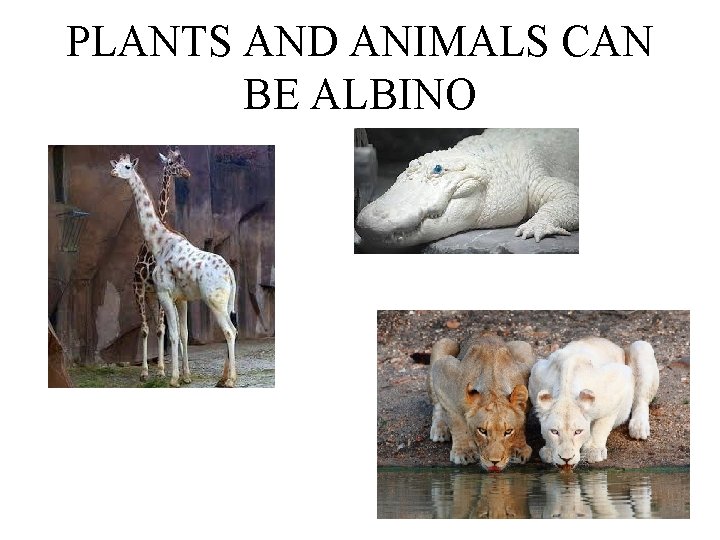
ALBINISM • Albinism is an inherited disorder that affects plants animals, female and all races • People with albinism have little or no pigment in their eyes, skin, or hair • They have inherited altered genes that do not make the usual amounts of a pigment called melanin.
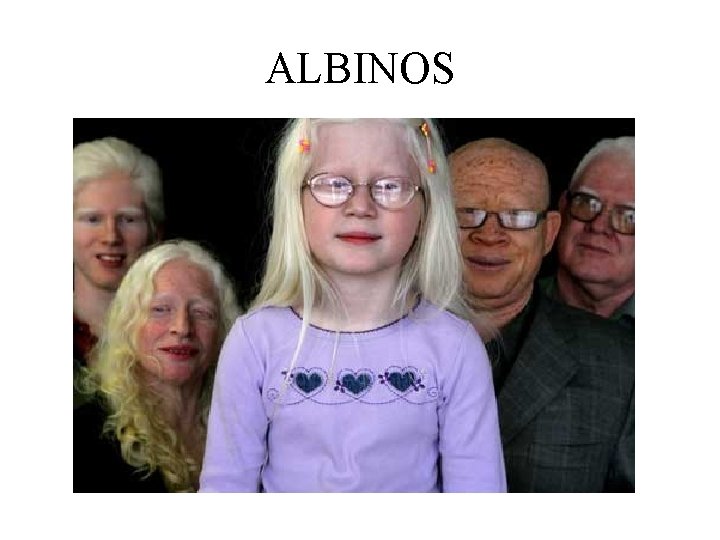
ALBINISM • Most children with albinism are born to parents who have normal hair and eye color for their ethnic backgrounds. • Sometimes people do not recognize that they have albinism. A common myth is that people with albinism have red eyes. • In fact there are different types of albinism and the amount of pigment in the eyes varies.
ALBINOS
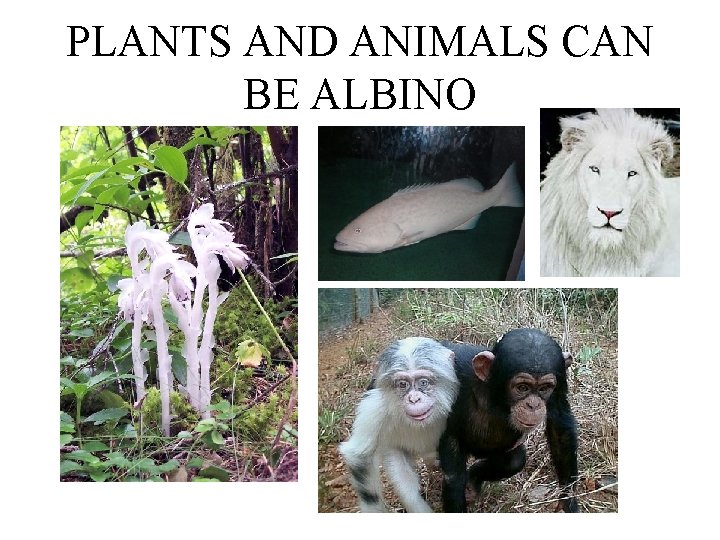
PLANTS AND ANIMALS CAN BE ALBINO
PLANTS AND ANIMALS CAN BE ALBINO
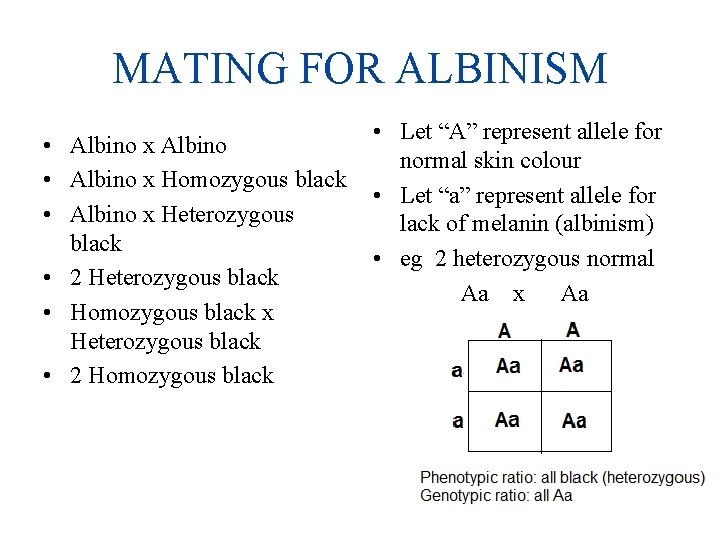
MATING FOR ALBINISM • Albino x Albino • Albino x Homozygous black • Albino x Heterozygous black • 2 Heterozygous black • Homozygous black x Heterozygous black • 2 Homozygous black • Let “A” represent allele for normal skin colour • Let “a” represent allele for lack of melanin (albinism) • eg 2 heterozygous normal Aa x Aa
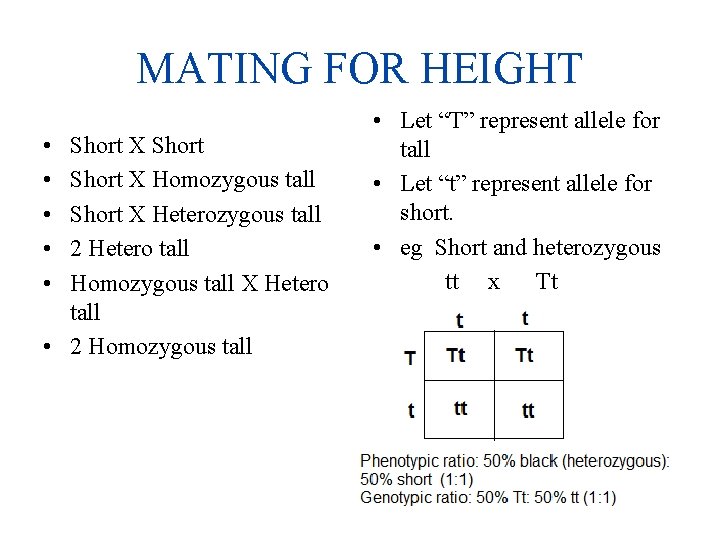
MATING FOR HEIGHT • • • Short X Homozygous tall Short X Heterozygous tall 2 Hetero tall Homozygous tall X Hetero tall • 2 Homozygous tall • Let “T” represent allele for tall • Let “t” represent allele for short. • eg Short and heterozygous tt x Tt
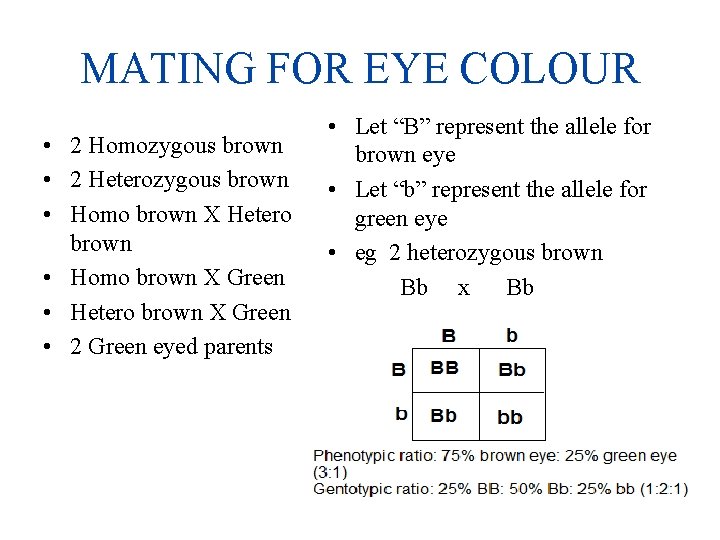
MATING FOR EYE COLOUR • 2 Homozygous brown • 2 Heterozygous brown • Homo brown X Hetero brown • Homo brown X Green • Hetero brown X Green • 2 Green eyed parents • Let “B” represent the allele for brown eye • Let “b” represent the allele for green eye • eg 2 heterozygous brown Bb x Bb
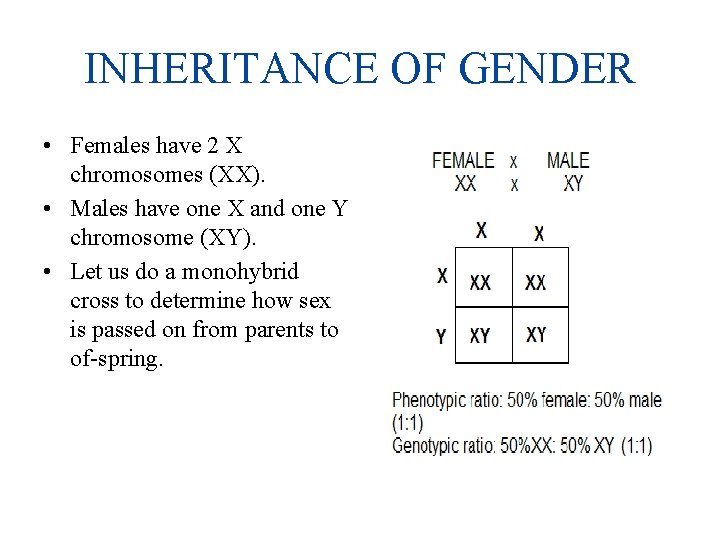
INHERITANCE OF GENDER • Females have 2 X chromosomes (XX). • Males have one X and one Y chromosome (XY). • Let us do a monohybrid cross to determine how sex is passed on from parents to of-spring.
SEX-LINKED GENES • Sex-linked genes are genes that are only found on the longer region of the X chromosome and so will be absent from the Y chromosomes in males. • When performing crosses involving sex-linked genes, the letters representing the alleles are attached to larger letters that represent the chromosomes, so that we will be able to tell if we are dealing with a man or woman. • In sex-linkage, women are called carriers, but not men. Examples are hemophilia and red-green colour blindness.
• • Females have 2 X chromosome Males have and X and Y chromosome There are more genes on the X chromosome So any recessive gene carried on the X chromosome in males may not have a balancing dominant allele on the smaller Y chromosome • So males are more prone to these types of sex-linked disorders • Females are mainly carriers of the genes • Male cannot be “carriers”
RED GREEN COLOUR BLINDNESS • Genetic disorder affecting 8% male and 0. 5% female • Patients cannot distinguish between red and green • Cones (color sensitive receptors) containing single visual pigments selective for red, green, and blue light, are present in the normal human eye.
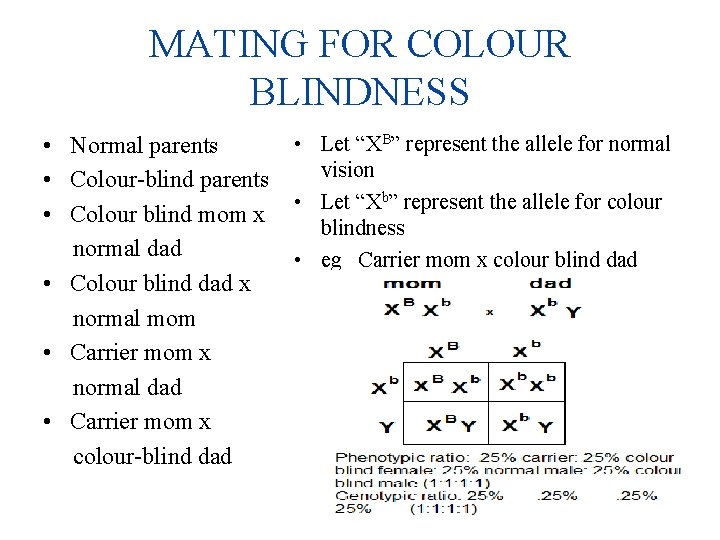
MATING FOR COLOUR BLINDNESS • Normal parents • Colour-blind parents • Colour blind mom x normal dad • Colour blind dad x normal mom • Carrier mom x normal dad • Carrier mom x colour-blind dad • Let “XB” represent the allele for normal vision • Let “Xb” represent the allele for colour blindness • eg Carrier mom x colour blind dad
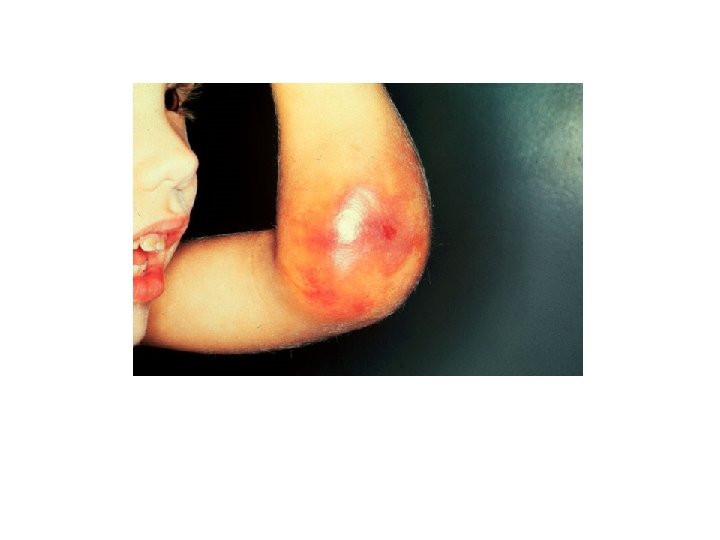
HAEMOPHILIA • A group of hereditary genetic disorders that impair the body's ability to control blood clotting or coagulation, which is used to stop bleeding when a blood vessel is broken. • Haemophilia lowers blood plasma clotting factor levels of the coagulation factors needed for a normal clotting process
HAEMOPHILIA • When a blood vessel is injured, a temporary scab forms, but the missing coagulation factors prevent fibrin formation, which is necessary to maintain the blood clot. • So a haemophiliac does not bleed more intensely than a normal person, but can bleed for a much longer amount of time.
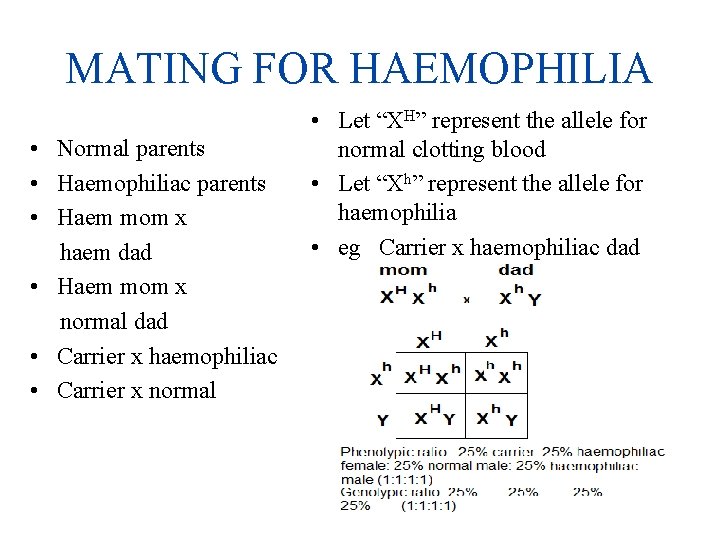
MATING FOR HAEMOPHILIA • Normal parents • Haemophiliac parents • Haem mom x haem dad • Haem mom x normal dad • Carrier x haemophiliac • Carrier x normal • Let “XH” represent the allele for normal clotting blood • Let “Xh” represent the allele for haemophilia • eg Carrier x haemophiliac dad
CO-DOMINANCE • In co-dominance, since neither of the alleles are dominant or recessive, different capital letters are used to represent the alleles. • You should note that the genotypic and phenotypic ratios differ from the simple monohybrid cross
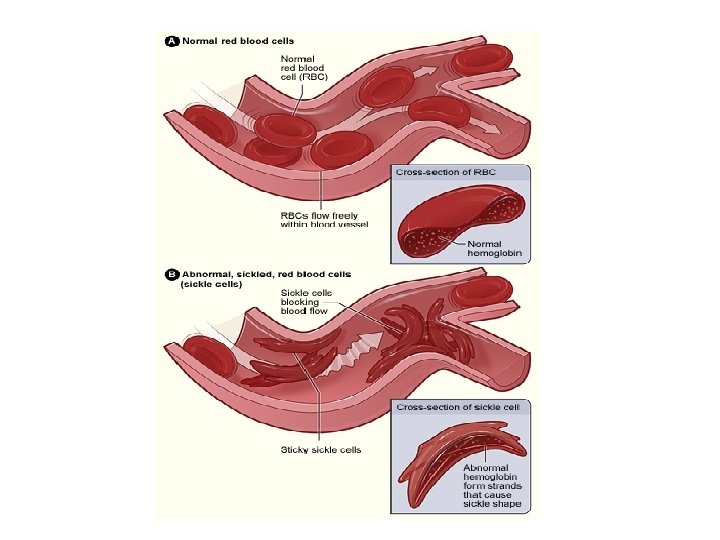
SICKLE CELL ANEMIA • Haemoglobin is a red protein pigment found in all red blood cells that helps them to carry oxygen around the body • Our DNA has many genes and one of these genes is responsible for the production of haemoglobin • However, if there is an alteration this gene, then the haemoglobin produced will not work porperly (mutation)
• In the DNA, the amino acid glutamic acid is replaced by valine • This makes normal haemoglobin A become abnormal haemoglobin S. • Red blood cells with normal haemoglobin A are round, biconcave discs • Red blood cells with abnormal haemoglobin S are sickle or C-shaped.
MATING FOR SICKLE CELL • • • 2 parents with sickle cell disease 2 parents with sickle cell trait Sickle cell disease X Sickle cell trait Sickle cell disease x normal Sickle cell trait x normal
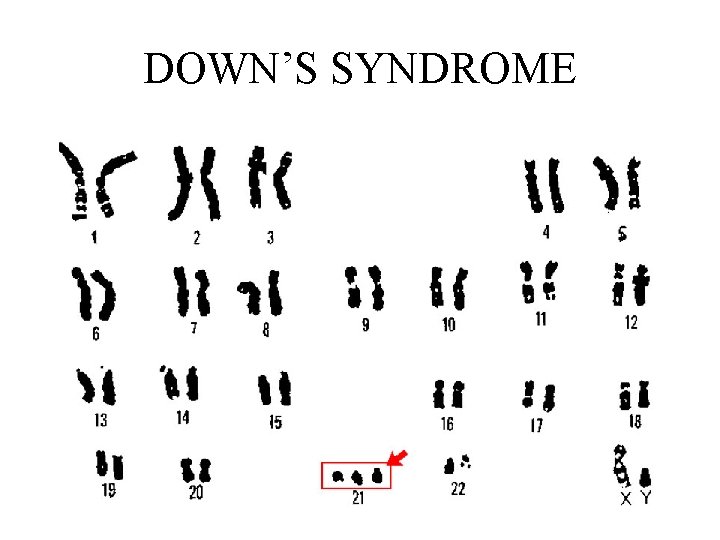
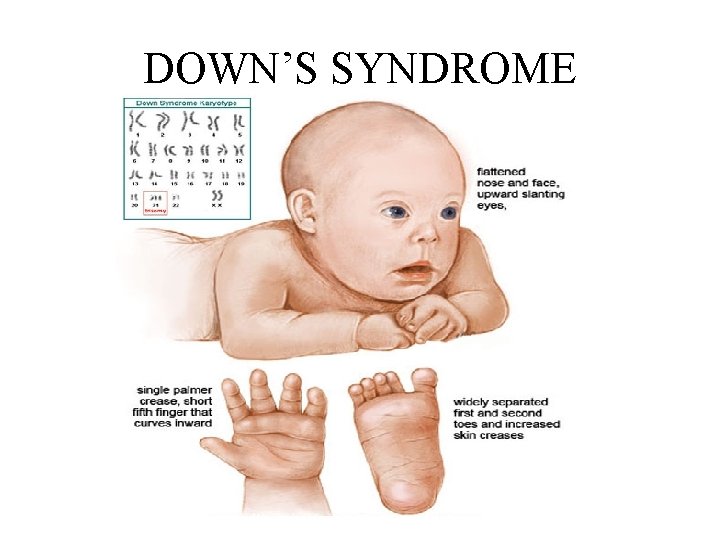
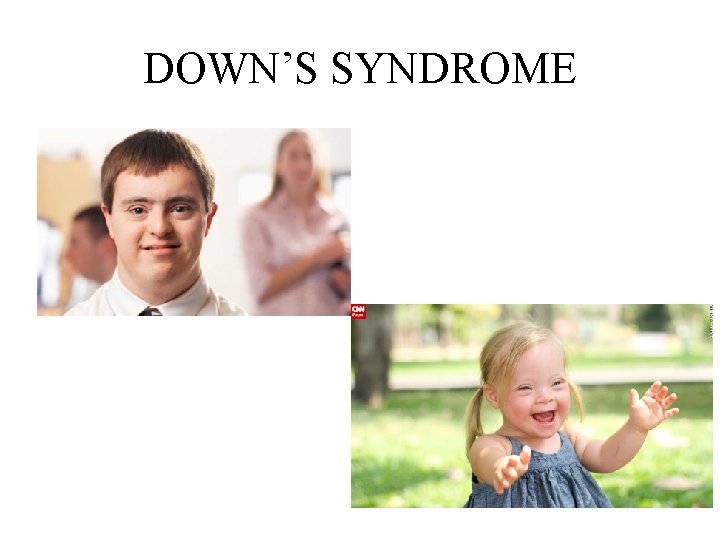
DOWN’S SYNDROME • Down syndrome is a condition in which a person is born with an extra copy of chromosome 21. • People with Down syndrome can have physical problems, as well as intellectual disabilities. Every person born with Down syndrome is different.
DOWN’S SYNDROME • The chance of having a baby with Down syndrome increases as a woman gets older. • Down syndrome cannot be cured. Early treatment programs can help improve skills. • They may include speech, physical, and/or educational therapy.
DOWN’S SYNDROME
DOWN’S SYNDROME
DOWN’S SYNDROME
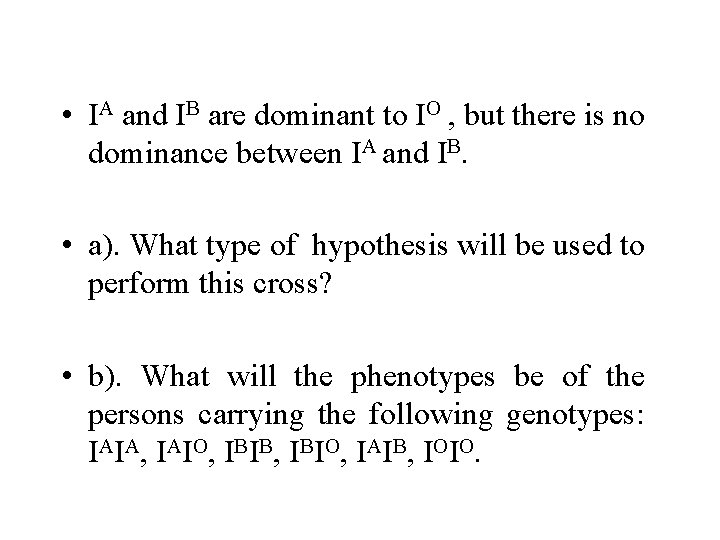
BLOOD GROUPS • There are three main blood groups (A, B and. O). • The ABO blood groups are controlled by three alleles IA, IB, IO. IA, and IB are co-dominant and both are dominant to IO However, only two can be present in the cells of any person. •
• IA and IB are dominant to IO , but there is no dominance between IA and IB. • a). What type of hypothesis will be used to perform this cross? • b). What will the phenotypes be of the persons carrying the following genotypes: IA IA , IA IO , IB IB , IB IO , IA IB , IO IO.
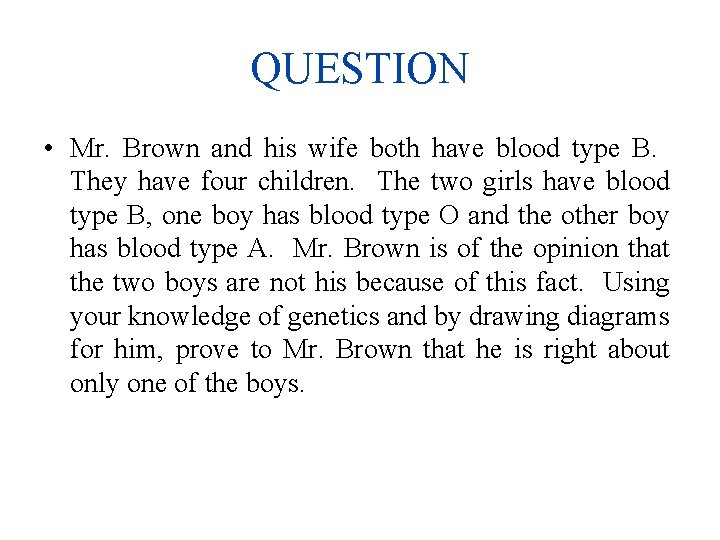
QUESTION • Mr. Brown and his wife both have blood type B. They have four children. The two girls have blood type B, one boy has blood type O and the other boy has blood type A. Mr. Brown is of the opinion that the two boys are not his because of this fact. Using your knowledge of genetics and by drawing diagrams for him, prove to Mr. Brown that he is right about only one of the boys.
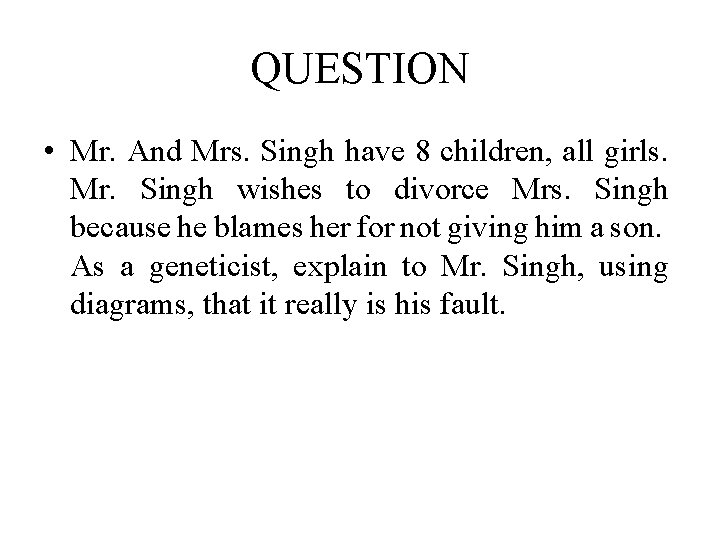
QUESTION • Mr. And Mrs. Singh have 8 children, all girls. Mr. Singh wishes to divorce Mrs. Singh because he blames her for not giving him a son. As a geneticist, explain to Mr. Singh, using diagrams, that it really is his fault.
PEDIGREE CHARTS
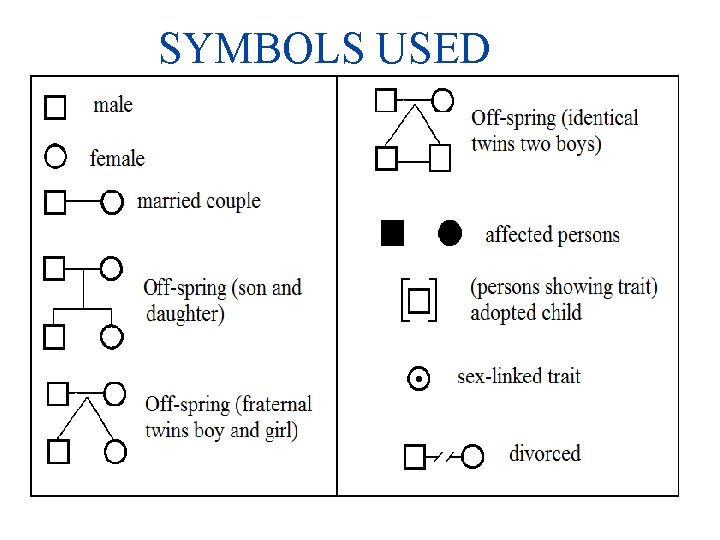
PEDIGREE CHARTS • Pedigree charts are family trees that illustrate a family’s genetic history. • These charts are used to find out the probability of a child having a disorder in a particular family. • In order to draw of interpret a pedigree chart we must first know what the symbols stand for.
SYMBOLS USED
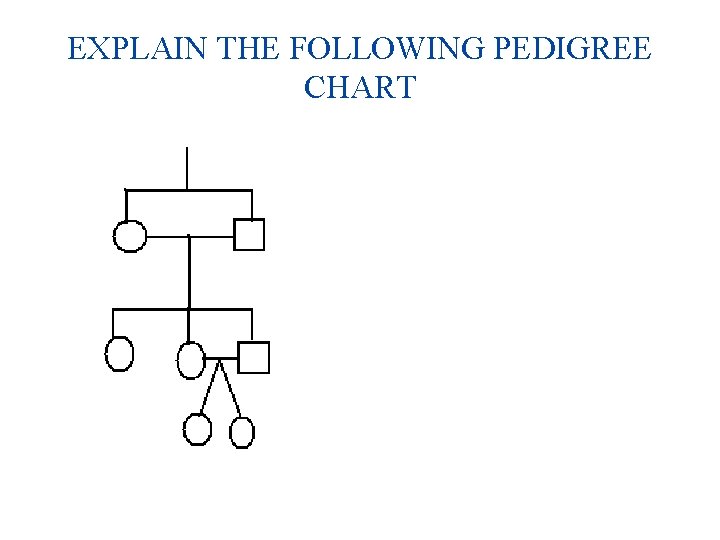
EXPLAIN THE FOLLOWING PEDIGREE CHART
DRAW THE FOLLOWING PEDIGREE CHART • A woman had one son with one man, then divorced him. She remarried and had two daughters with another man. The son married one of the daughters and they had triplet boys.
Interpreting The Charts • To continue to interpret a pedigree chart, we must determine if the disease or condition being studied is 1. autosomal or sex-linked or 2. dominant or recessive.
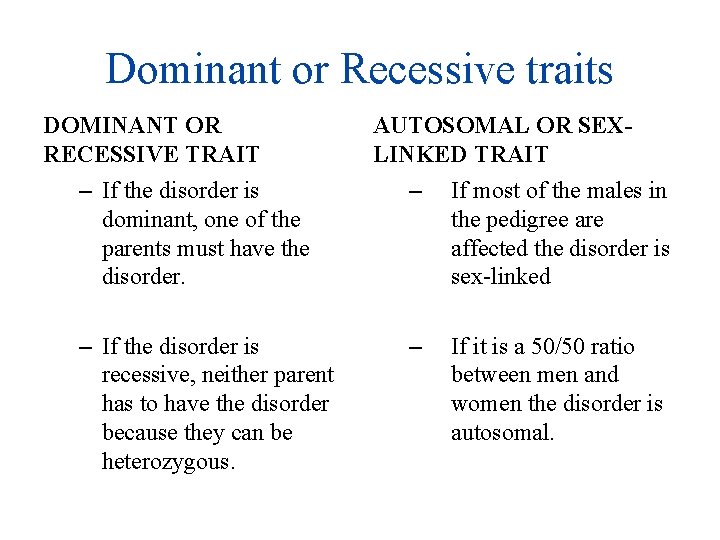
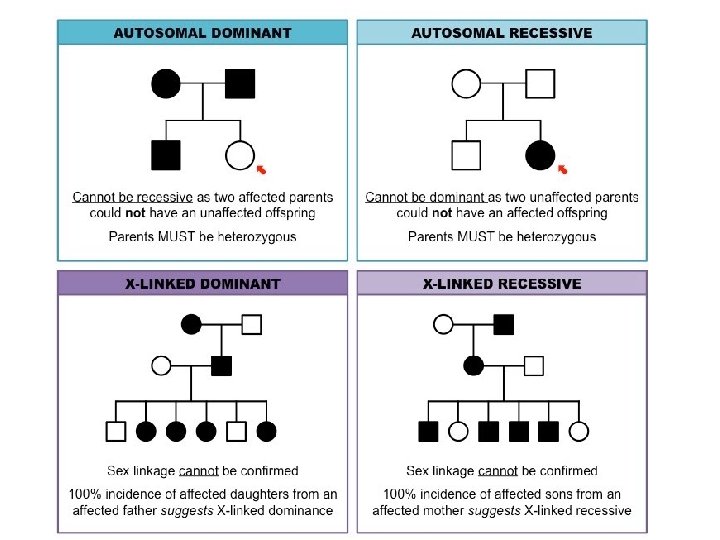
Dominant or Recessive traits DOMINANT OR RECESSIVE TRAIT AUTOSOMAL OR SEXLINKED TRAIT – If the disorder is dominant, one of the parents must have the disorder. – If most of the males in the pedigree are affected the disorder is sex-linked – If the disorder is recessive, neither parent has to have the disorder because they can be heterozygous. – If it is a 50/50 ratio between men and women the disorder is autosomal.
Autosomal or Sex-linked
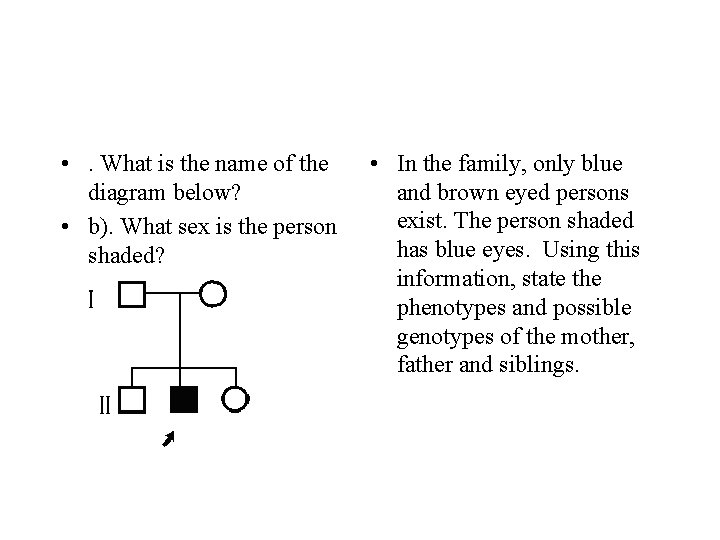
• . What is the name of the diagram below? • b). What sex is the person shaded? • In the family, only blue and brown eyed persons exist. The person shaded has blue eyes. Using this information, state the phenotypes and possible genotypes of the mother, father and siblings.
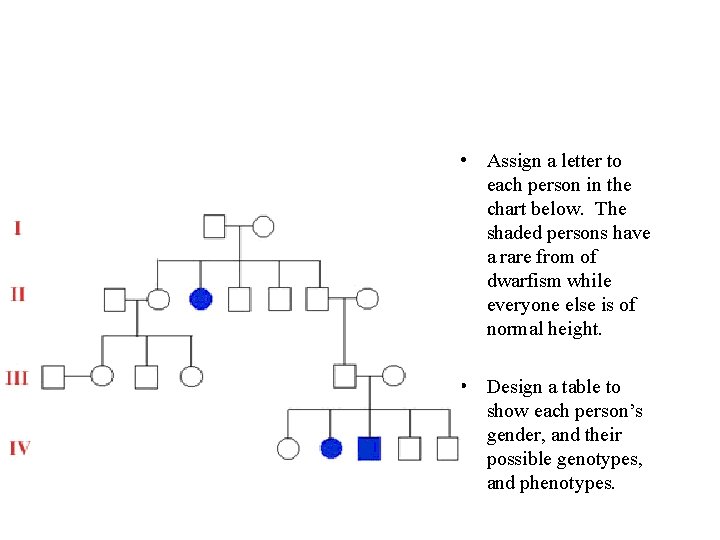
• Assign a letter to each person in the chart below. The shaded persons have a rare from of dwarfism while everyone else is of normal height. • Design a table to show each person’s gender, and their possible genotypes, and phenotypes.
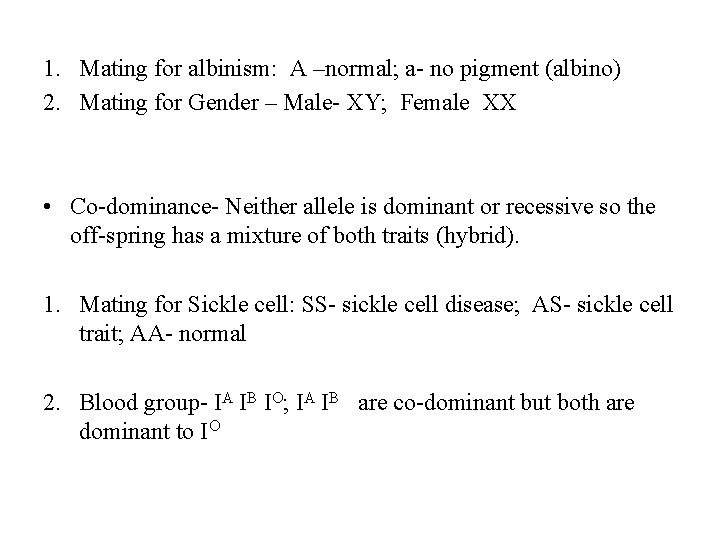
1. Mating for albinism: A –normal; a- no pigment (albino) 2. Mating for Gender – Male- XY; Female XX • Co-dominance- Neither allele is dominant or recessive so the off-spring has a mixture of both traits (hybrid). 1. Mating for Sickle cell: SS- sickle cell disease; AS- sickle cell trait; AA- normal 2. Blood group- IA IB IO; IA IB are co-dominant but both are dominant to IO