
Hepatorenal syndrome Pathophysiologic basis of therapy and current
Hepatorenal syndrome : Pathophysiologic basis of therapy and current management Geeta Gyamlani, MD
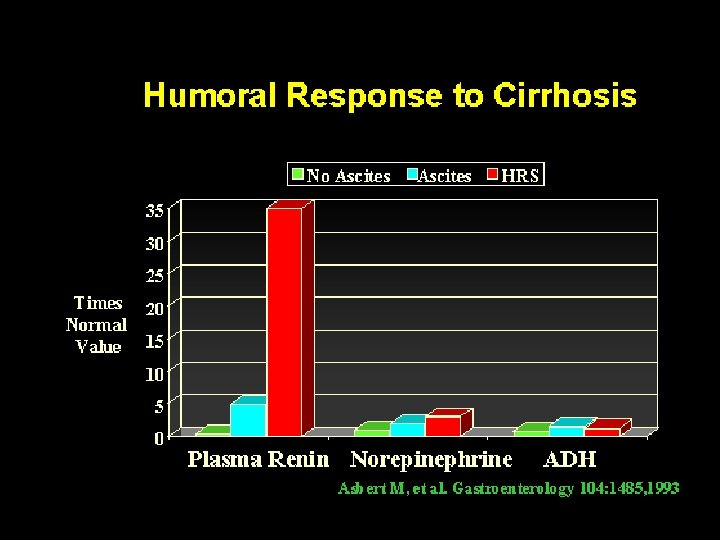
Outline • HRS defined • The pathophysiology of the hepatorenal syndrome • Treatment of HRS • Prevention of HRS
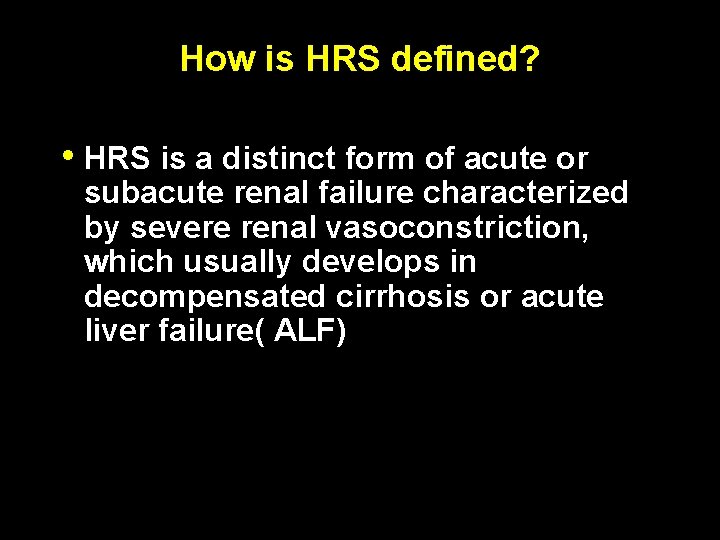
How is HRS defined? • HRS is a distinct form of acute or subacute renal failure characterized by severe renal vasoconstriction, which usually develops in decompensated cirrhosis or acute liver failure( ALF)
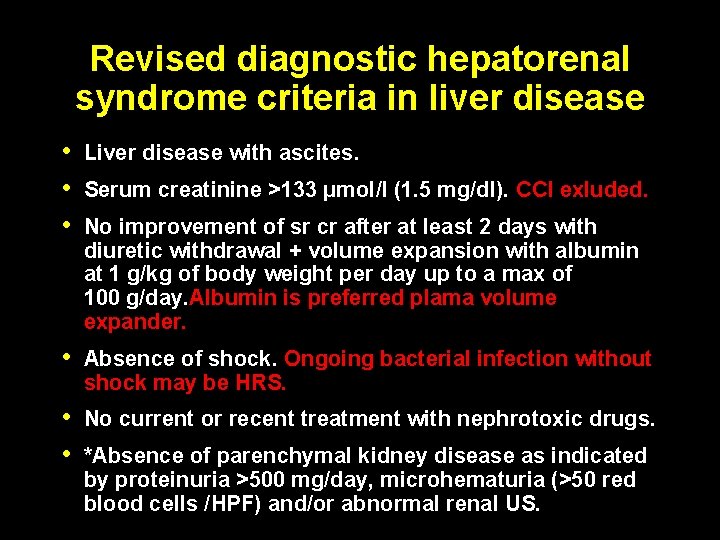
Revised diagnostic hepatorenal syndrome criteria in liver disease • • • Liver disease with ascites. Serum creatinine >133 μmol/l (1. 5 mg/dl). CCl exluded. No improvement of sr cr after at least 2 days with diuretic withdrawal + volume expansion with albumin at 1 g/kg of body weight per day up to a max of 100 g/day. Albumin is preferred plama volume expander. • Absence of shock. Ongoing bacterial infection without shock may be HRS. • No current or recent treatment with nephrotoxic drugs. • *Absence of parenchymal kidney disease as indicated by proteinuria >500 mg/day, microhematuria (>50 red blood cells /HPF) and/or abnormal renal US.
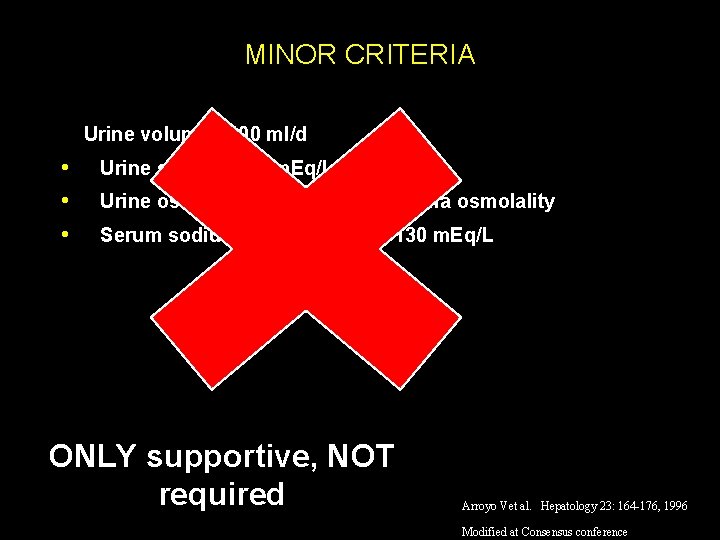
MINOR CRITERIA Urine volume <500 ml/d • Urine sodium <10 m. Eq/L • Urine osmolality greater than plasma osmolality • Serum sodium concentration <130 m. Eq/L ONLY supportive, NOT required Arroyo Vet al. Hepatology 23: 164 -176, 1996 Modified at Consensus conference
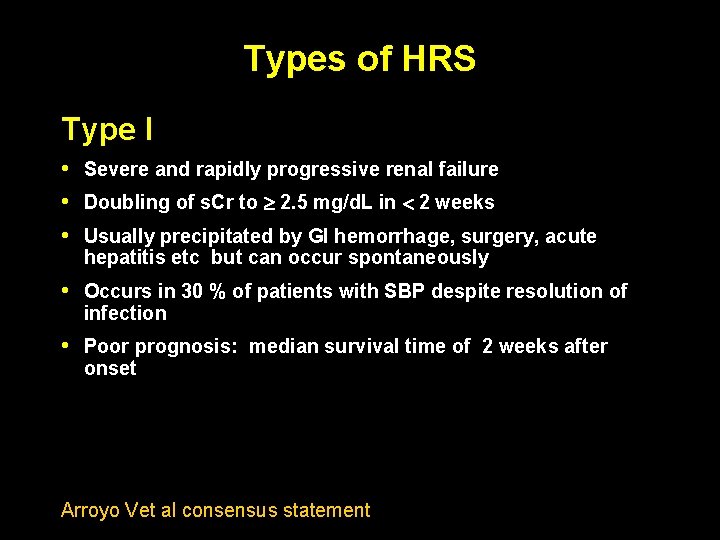
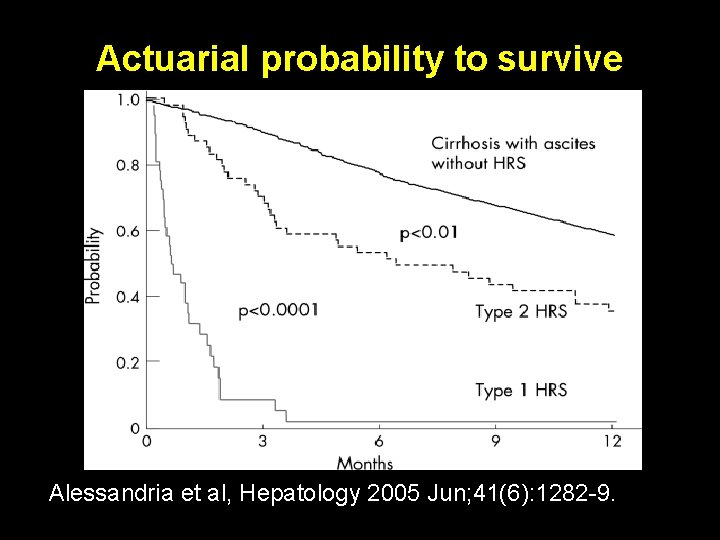
Types of HRS Type I • • • Severe and rapidly progressive renal failure Doubling of s. Cr to 2. 5 mg/d. L in 2 weeks Usually precipitated by GI hemorrhage, surgery, acute hepatitis etc but can occur spontaneously • Occurs in 30 % of patients with SBP despite resolution of infection • Poor prognosis: median survival time of 2 weeks after onset Arroyo Vet al consensus statement
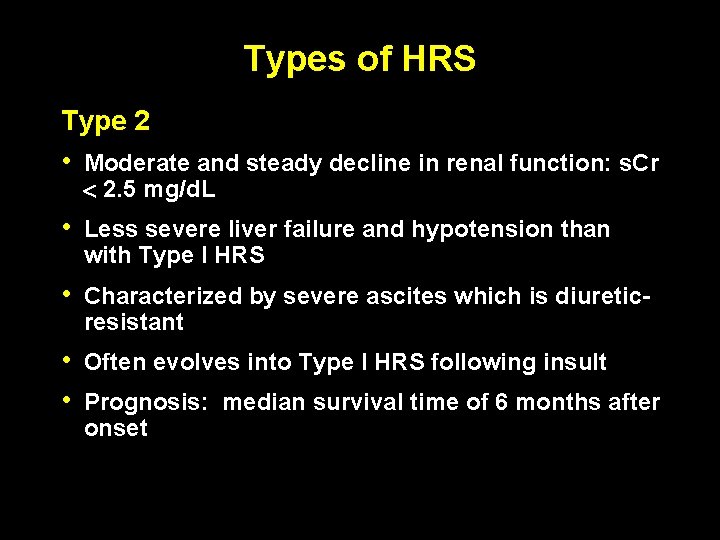
Types of HRS Type 2 • Moderate and steady decline in renal function: s. Cr 2. 5 mg/d. L • Less severe liver failure and hypotension than with Type I HRS • Characterized by severe ascites which is diureticresistant • Often evolves into Type I HRS following insult • Prognosis: median survival time of 6 months after onset
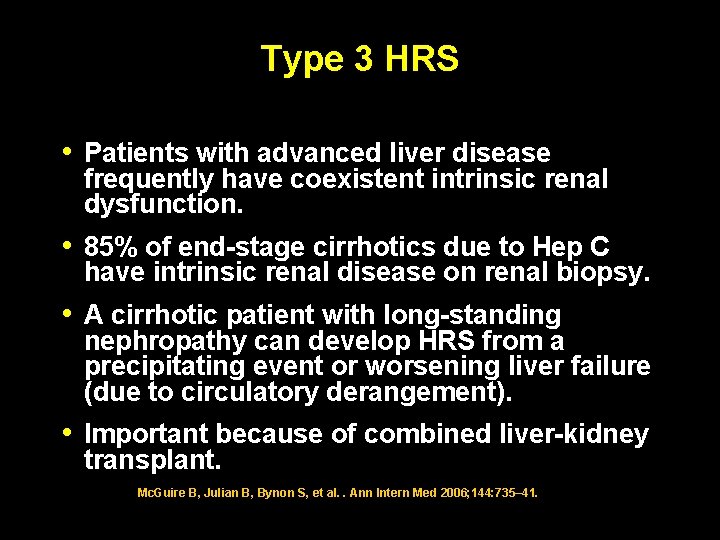
Type 3 HRS • Patients with advanced liver disease frequently have coexistent intrinsic renal dysfunction. • 85% of end-stage cirrhotics due to Hep C have intrinsic renal disease on renal biopsy. • A cirrhotic patient with long-standing nephropathy can develop HRS from a precipitating event or worsening liver failure (due to circulatory derangement). • Important because of combined liver-kidney transplant. Mc. Guire B, Julian B, Bynon S, et al. . Ann Intern Med 2006; 144: 735– 41.
Type 4 HRS • Upto 50% of patients with ALF may develop HRS. • HRS complicating ALF adds on the already poor prognosis of ALF, especially when acetaminophenrelated. • Both organ failures can be reversed by urgent liver Tx.
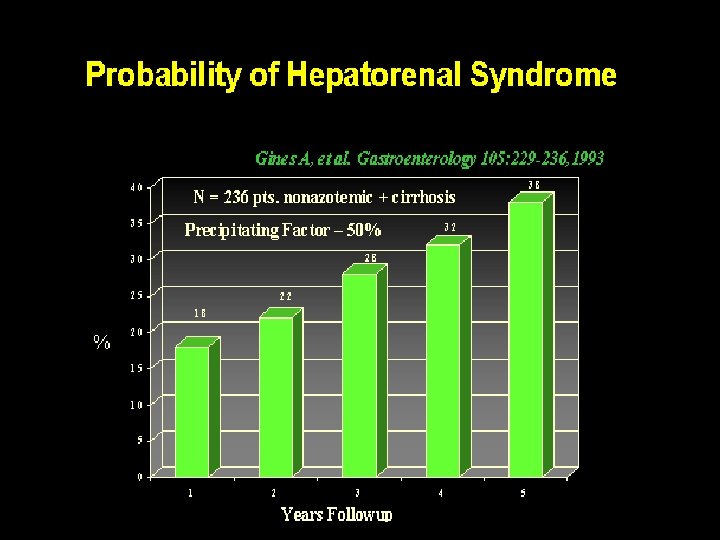

The pathophysiology of the hepatorenal syndrome
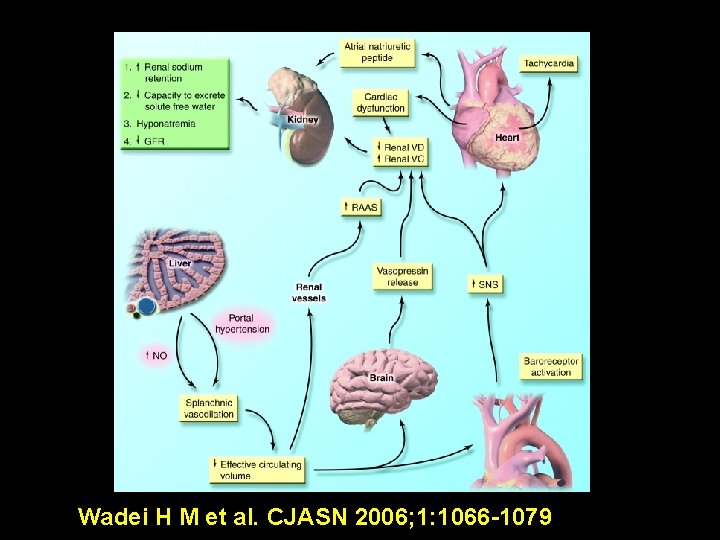
Pathophysiologic mechanisms of hepatorenal syndrome (HRS). Wadei H M et al. CJASN 2006; 1: 1066 -1079 © 2006 by American Society of Nephrology
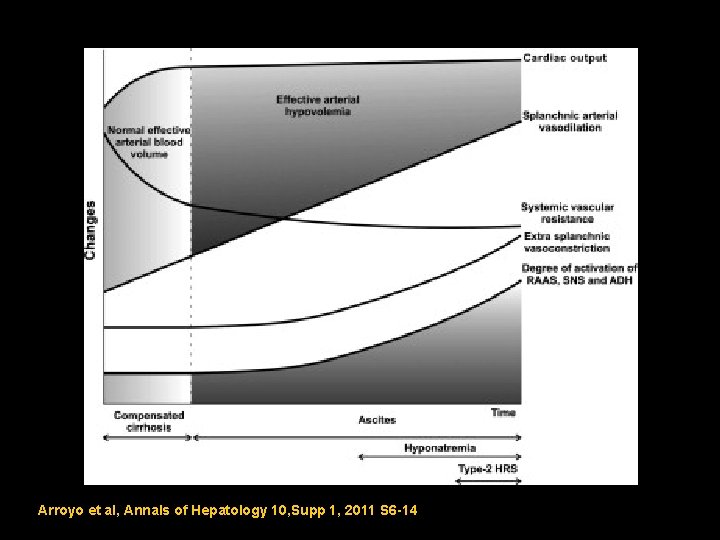
Arroyo et al, Annals of Hepatology 10, Supp 1, 2011 S 6 -14
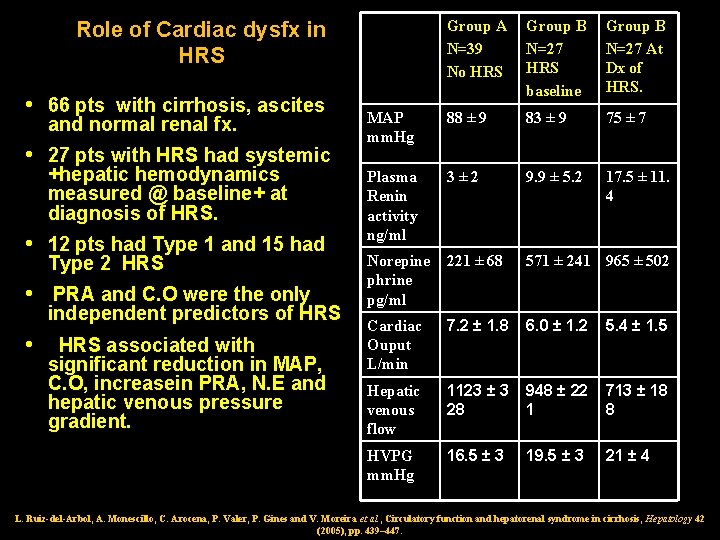
Group A N=39 No HRS Group B N=27 HRS baseline Group B N=27 At Dx of HRS. MAP mm. Hg 88 ± 9 83 ± 9 75 ± 7 Plasma Renin activity ng/ml 3 ± 2 9. 9 ± 5. 2 17. 5 ± 11. 4 Norepine phrine pg/ml 221 ± 68 571 ± 241 965 ± 502 Cardiac Ouput L/min 7. 2 ± 1. 8 6. 0 ± 1. 2 5. 4 ± 1. 5 Hepatic venous flow 1123 ± 3 28 948 ± 22 1 713 ± 18 8 HVPG mm. Hg 16. 5 ± 3 19. 5 ± 3 21 ± 4 Role of Cardiac dysfx in HRS • 66 pts with cirrhosis, ascites and normal renal fx. • 27 pts with HRS had systemic +hepatic hemodynamics measured @ baseline+ at diagnosis of HRS. • 12 pts had Type 1 and 15 had Type 2 HRS • PRA and C. O were the only independent predictors of HRS • HRS associated with significant reduction in MAP, C. O, increasein PRA, N. E and hepatic venous pressure gradient. L. Ruiz-del-Arbol, A. Monescillo, C. Arocena, P. Valer, P. Gines and V. Moreira et al. , Circulatory function and hepatorenal syndrome in cirrhosis, Hepatology 42 (2005), pp. 439– 447.
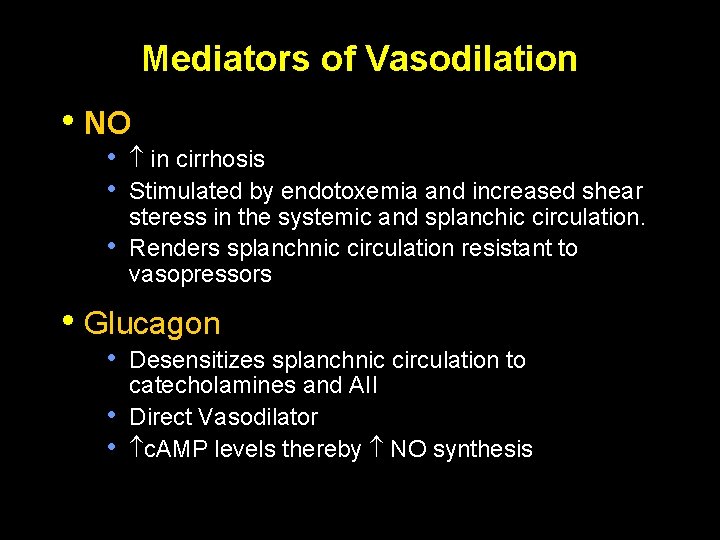
Mediators of Vasodilation • NO • in cirrhosis • Stimulated by endotoxemia and increased shear • steress in the systemic and splanchic circulation. Renders splanchnic circulation resistant to vasopressors • Glucagon • Desensitizes splanchnic circulation to • • catecholamines and AII Direct Vasodilator c. AMP levels thereby NO synthesis
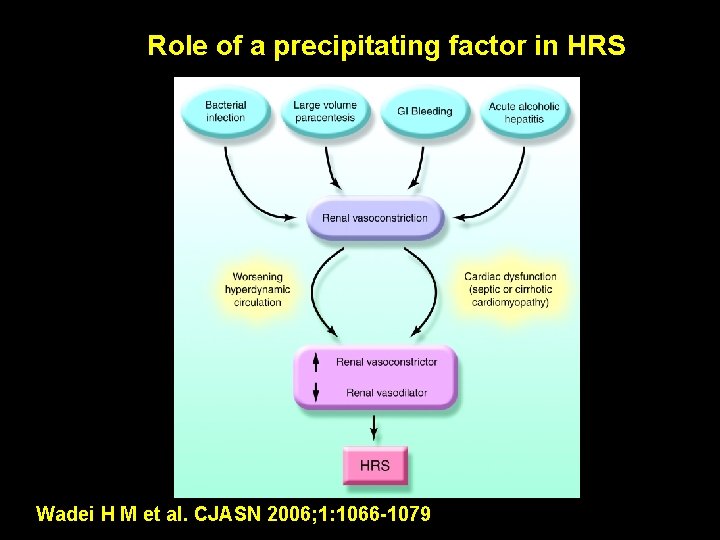
Role of a precipitating factor in HRS Wadei H M et al. CJASN 2006; 1: 1066 -1079 © 2006 by American Society of Nephrology
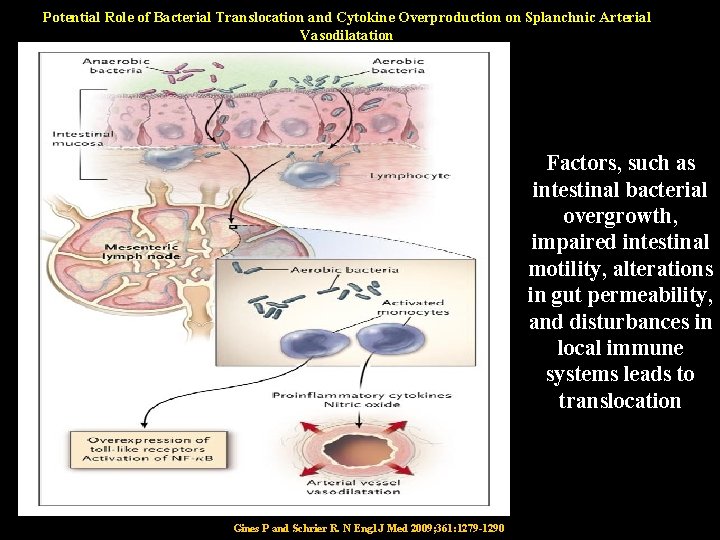
Potential Role of Bacterial Translocation and Cytokine Overproduction on Splanchnic Arterial Vasodilatation Factors, such as intestinal bacterial overgrowth, impaired intestinal motility, alterations in gut permeability, and disturbances in local immune systems leads to translocation Gines P and Schrier R. N Engl J Med 2009; 361: 1279 -1290
Actuarial probability to survive Alessandria et al, Hepatology 2005 Jun; 41(6): 1282 -9.
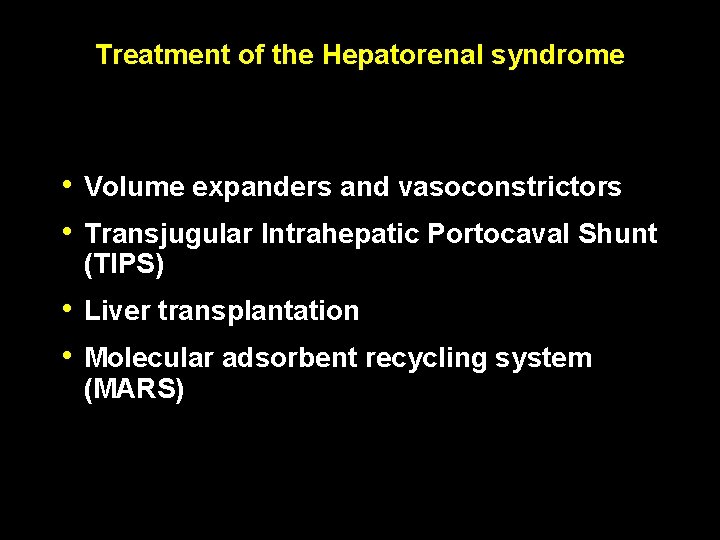
Treatment of the Hepatorenal syndrome • Volume expanders and vasoconstrictors • Transjugular Intrahepatic Portocaval Shunt (TIPS) • Liver transplantation • Molecular adsorbent recycling system (MARS)
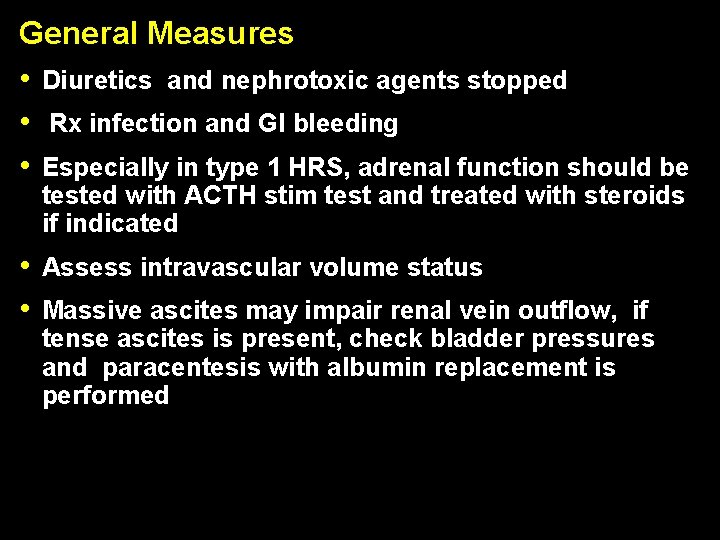
General Measures • Diuretics and nephrotoxic agents stopped • Rx infection and GI bleeding • Especially in type 1 HRS, adrenal function should be tested with ACTH stim test and treated with steroids if indicated • • Assess intravascular volume status Massive ascites may impair renal vein outflow, if tense ascites is present, check bladder pressures and paracentesis with albumin replacement is performed
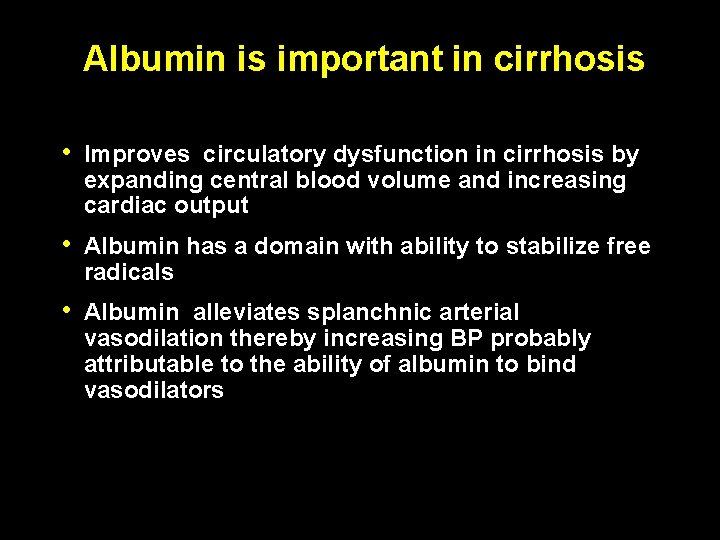
Albumin is important in cirrhosis • Improves circulatory dysfunction in cirrhosis by expanding central blood volume and increasing cardiac output • Albumin has a domain with ability to stabilize free radicals • Albumin alleviates splanchnic arterial vasodilation thereby increasing BP probably attributable to the ability of albumin to bind vasodilators
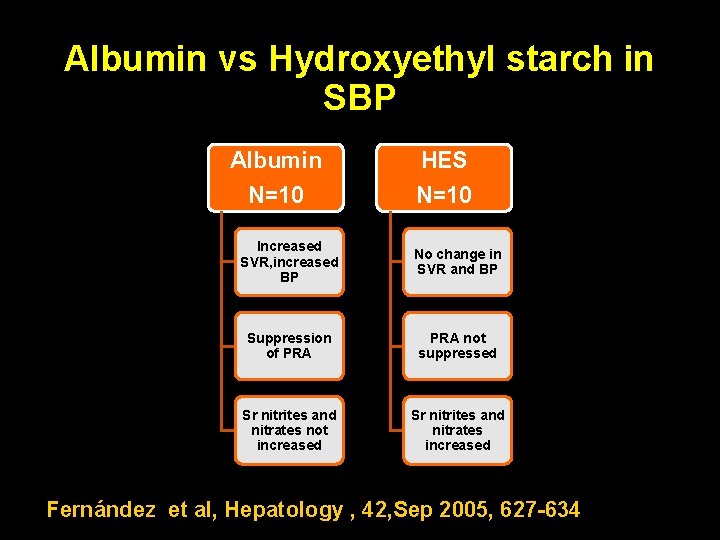
Albumin vs Hydroxyethyl starch in SBP Albumin N=10 HES N=10 Increased SVR, increased BP No change in SVR and BP Suppression of PRA not suppressed Sr nitrites and nitrates not increased Sr nitrites and nitrates increased Fernández et al, Hepatology , 42, Sep 2005, 627 -634
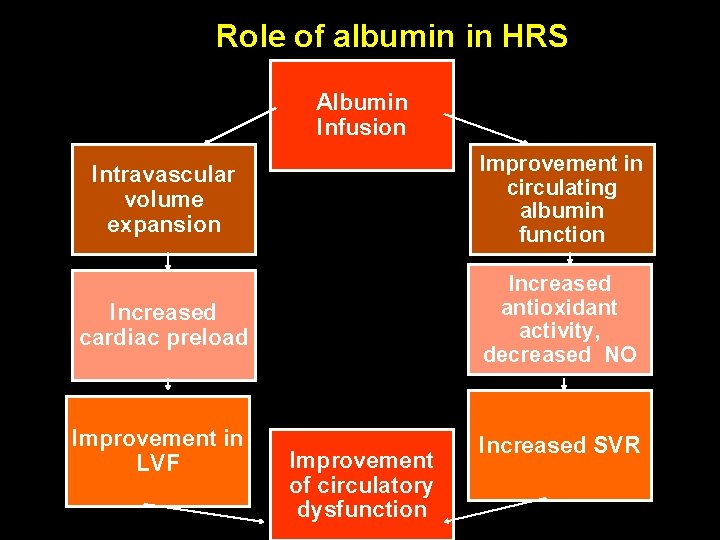
Role of albumin in HRS Albumin Infusion Intravascular volume expansion Improvement in circulating albumin function Increased cardiac preload Increased antioxidant activity, decreased NO Improvement in LVF Improvement of circulatory dysfunction Increased SVR
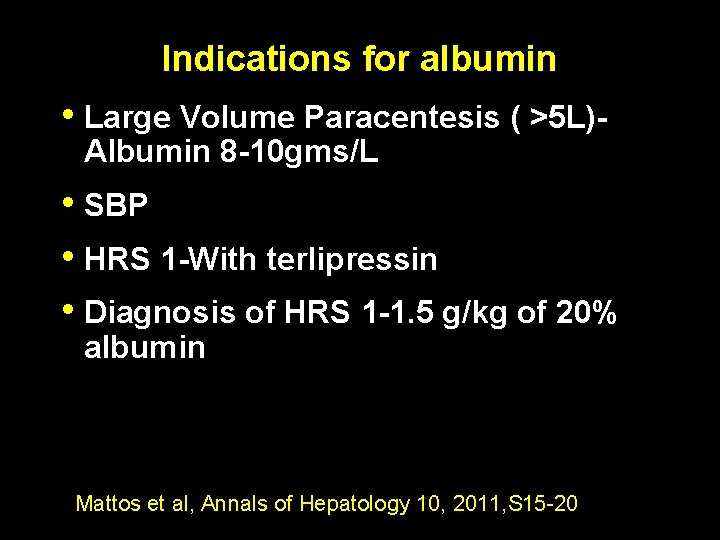
Indications for albumin • Large Volume Paracentesis ( >5 L)- Albumin 8 -10 gms/L • SBP • HRS 1 -With terlipressin • Diagnosis of HRS 1 -1. 5 g/kg of 20% albumin Mattos et al, Annals of Hepatology 10, 2011, S 15 -20
How do vasoconstrictors help? • Vasoconstrictors rely on the assumption that interrupting the splanchnic vasodilation will subsequently releive the renal vasoconstriction resulting in improvement of the circulatory dysfunction. • Redistribution of the blood volume to the central compartment will lead to the inhibition of the SNS and RAAS, thereby shifting the autoregulatory curve to the left and making RBF and GFR more responsive to BP changes.
Vasoconstrictors • Terlipressin • Midodrine/ Octreotide • Norepinephrine
Terlipressin • This synthetic vasopressin derivative has a much greater effect on vascular receptors (V 1) than renal vasopressin receptors (V 2). • Prospective RDBPCT with type 1 HRS were randomized to terlipressin (1 mg intravenously every 6 hours) or placebo +plus albumin in both groups. The dose was doubled on day 4 if SCr level did not decrease by 30% of baseline. • 56 pts randomized to each arm • Treatment was continued X 14 days unless treatment success, death, dialysis, or transplantation occurred. • Treatment success was defined by a decrease in SCr level to ≤ 1. 5 mg/d. L for at least 48 hours by day 14 without dialysis, death, or relapse of HRS type 1. Sanyal et al, Gastroenterology 2008: 134: 1360 -1368
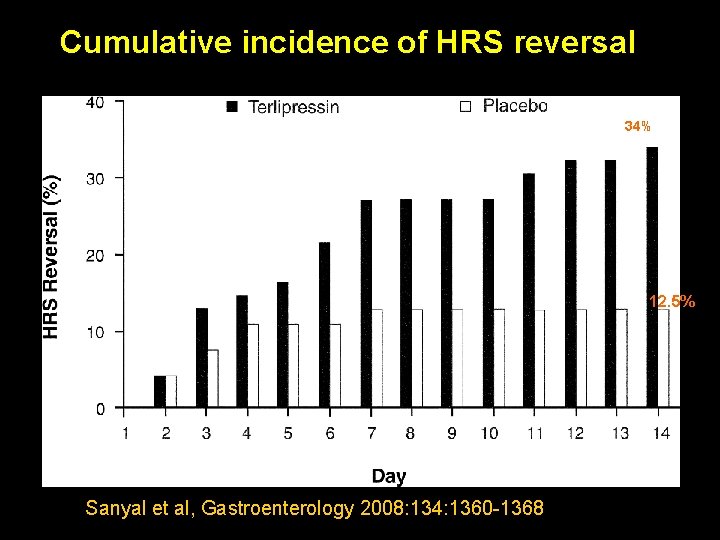
Cumulative incidence of HRS reversal 34% 12. 5% Sanyal et al, Gastroenterology 2008: 134: 1360 -1368
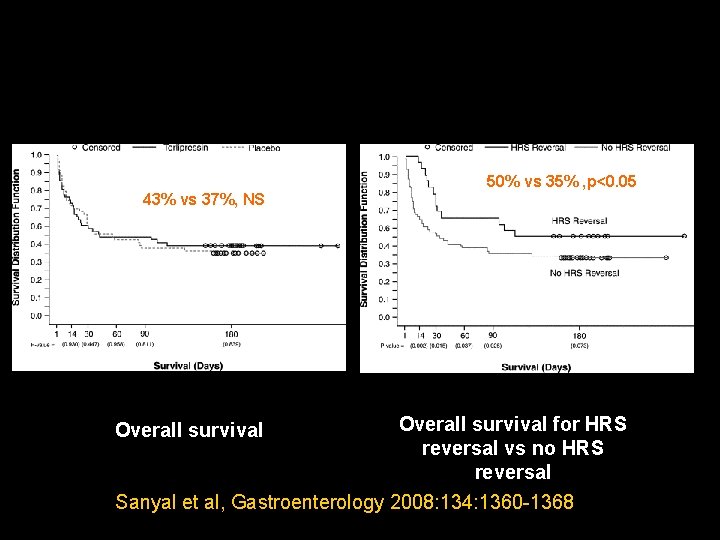
50% vs 35% , p<0. 05 43% vs 37%, NS Overall survival for HRS reversal vs no HRS reversal Sanyal et al, Gastroenterology 2008: 134: 1360 -1368 Overall survival
Use of Terlipressin • Metanalysis included 10 clinical trials (154 patients); 2 were rct. • The pooled rate of HRS reversal after terlipressin therapy was 0. 52 (95% CI, 0. 42 - 0. 61). • The pooled frequency of recurrence after terlipressin withdrawal was 0. 55 (95% CI, 0. 40 - 0. 69). • The pooled rate of patients who showed side-effects to terlipressin therapy was 0. 29 (95% CI, 0. 17 - 0. 42). • The pooled OR for mortality rate in HRS patients who were not responders to terlipressin vs. responder was 5. 746 (95% CI, 1. 5 - 21. 9). Fabrizi F. , et al. Aliment Pharmacol Ther 24. 935 -944. 2006;
How important is albumin with terlipressin? Ginés P, Hepatology 2001; 34: 186 A Prospective observational study. • • 13 Type I HRS patients treated with terlipressin +albumin • 8 Type I HRS patients treated with terlipressin alone • 10/13 (77%) in the Terlipressin+albumin vs 2/8 (25%) receiving Terlipressin alone achieved a complete response. • Albumin administration was the only predictive factor of complete response • 1 month survival without transplant was 87% (7/8) in the Terlipressin+Albumin group vs 13% (1/8) in the Terlipressin(p = 0. 01)
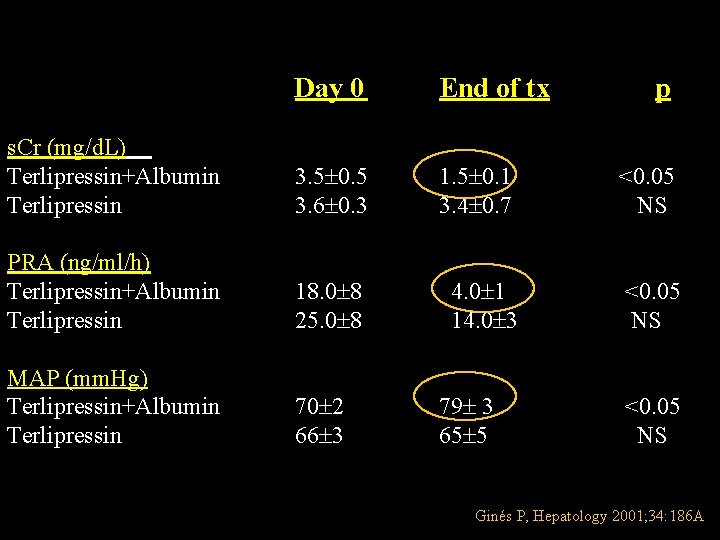
Day 0 End of tx p s. Cr (mg/d. L) Terlipressin+Albumin Terlipressin 3. 5 0. 5 3. 6 0. 3 1. 5 0. 1 3. 4 0. 7 <0. 05 NS PRA (ng/ml/h) Terlipressin+Albumin Terlipressin 18. 0 8 25. 0 8 4. 0 1 14. 0 3 <0. 05 NS MAP (mm. Hg) Terlipressin+Albumin Terlipressin 70 2 66 3 79 3 65 5 <0. 05 NS Ginés P, Hepatology 2001; 34: 186 A
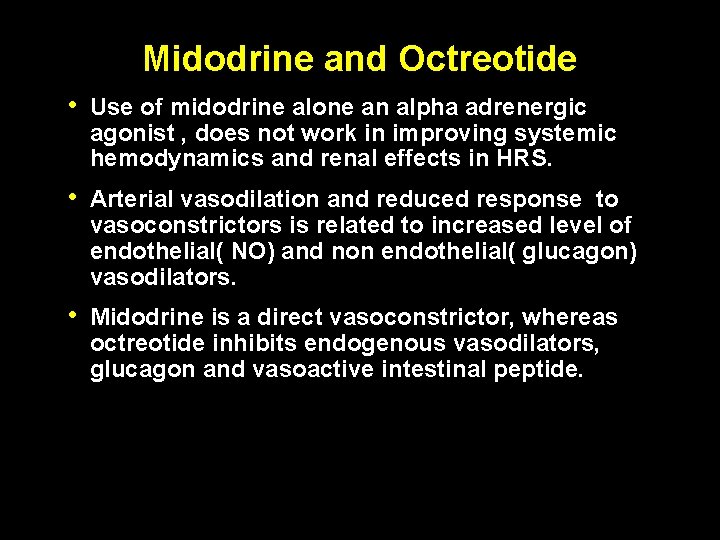
Midodrine and Octreotide • Use of midodrine alone an alpha adrenergic agonist , does not work in improving systemic hemodynamics and renal effects in HRS. • Arterial vasodilation and reduced response to vasoconstrictors is related to increased level of endothelial( NO) and non endothelial( glucagon) vasodilators. • Midodrine is a direct vasoconstrictor, whereas octreotide inhibits endogenous vasodilators, glucagon and vasoactive intestinal peptide.
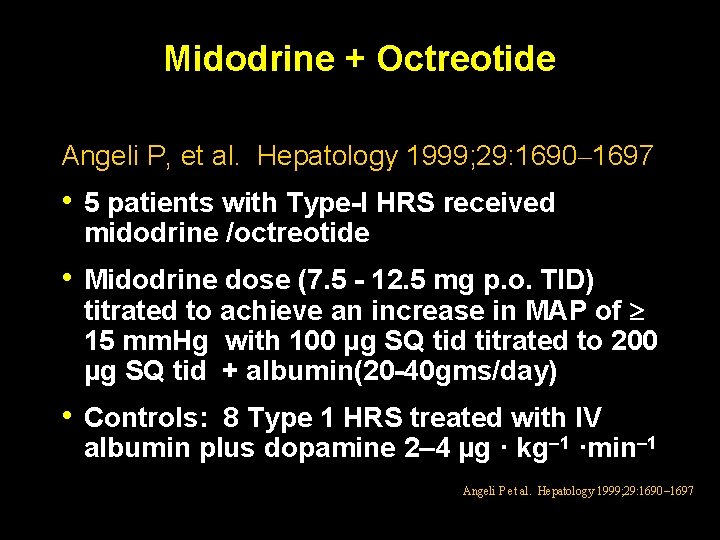
Midodrine + Octreotide Angeli P, et al. Hepatology 1999; 29: 1690– 1697 • 5 patients with Type-I HRS received midodrine /octreotide • Midodrine dose (7. 5 - 12. 5 mg p. o. TID) titrated to achieve an increase in MAP of 15 mm. Hg with 100 µg SQ tid titrated to 200 µg SQ tid + albumin(20 -40 gms/day) • Controls: 8 Type 1 HRS treated with IV albumin plus dopamine 2– 4 µg · kg– 1 ·min– 1 Angeli P et al. Hepatology 1999; 29: 1690– 1697
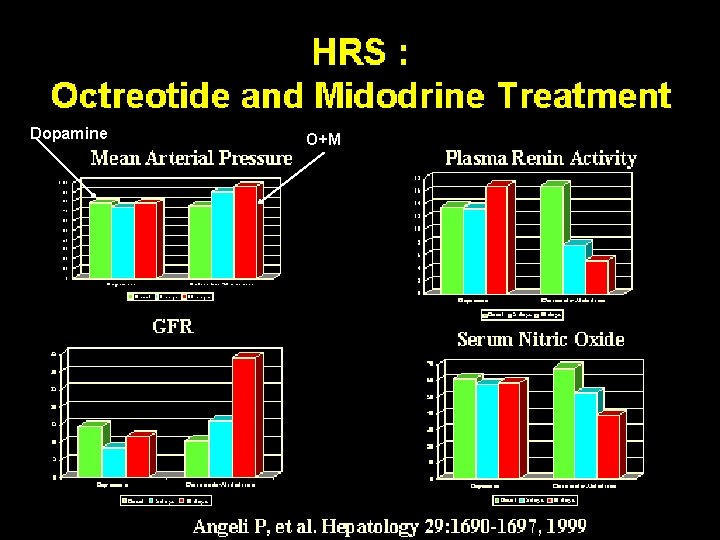
Dopamine O+M
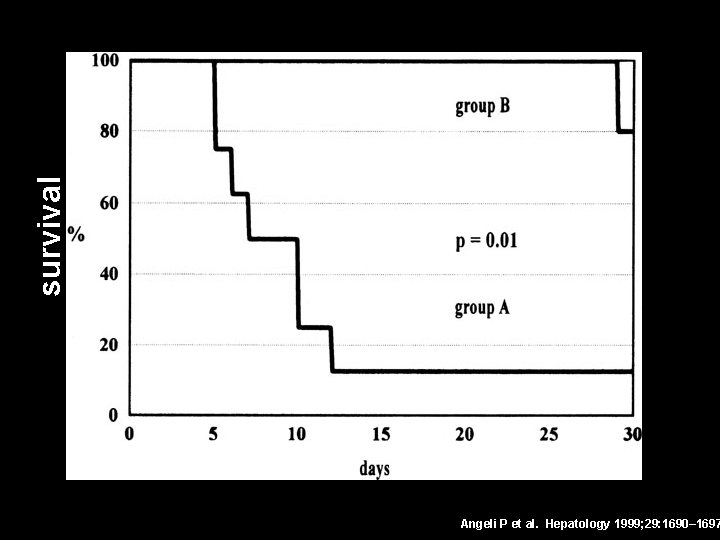
survival Angeli P et al. Hepatology 1999; 29: 1690– 1697
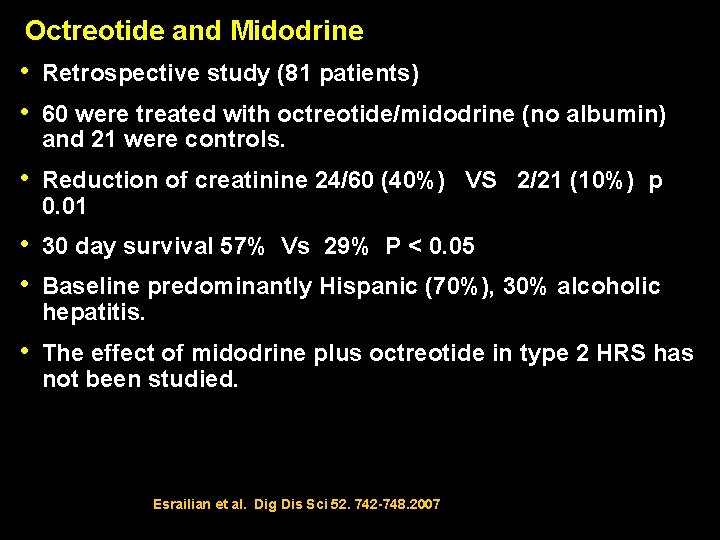
Octreotide and Midodrine • Retrospective study (81 patients) • 60 were treated with octreotide/midodrine (no albumin) and 21 were controls. • Reduction of creatinine 24/60 (40%) VS 2/21 (10%) p 0. 01 • 30 day survival 57% Vs 29% P < 0. 05 • Baseline predominantly Hispanic (70%), 30% alcoholic hepatitis. • The effect of midodrine plus octreotide in type 2 HRS has not been studied. Esrailian et al. Dig Dis Sci 52. 742 -748. 2007
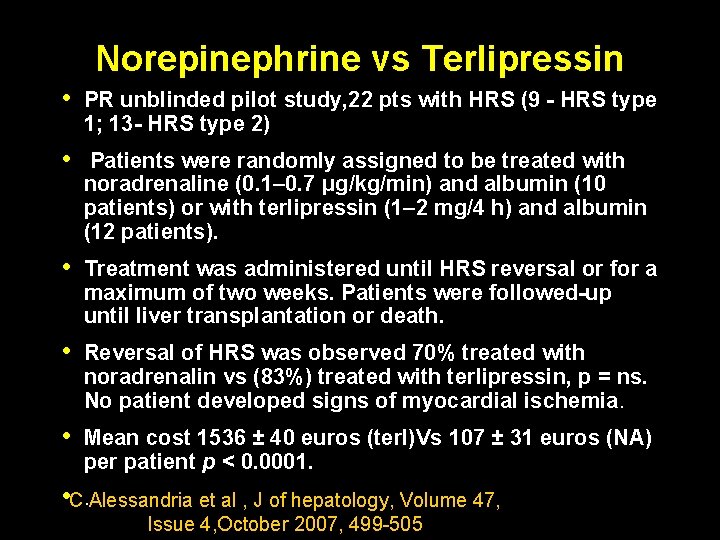
Norepinephrine vs Terlipressin • PR unblinded pilot study, 22 pts with HRS (9 - HRS type 1; 13 - HRS type 2) • Patients were randomly assigned to be treated with noradrenaline (0. 1– 0. 7 μg/kg/min) and albumin (10 patients) or with terlipressin (1– 2 mg/4 h) and albumin (12 patients). • Treatment was administered until HRS reversal or for a maximum of two weeks. Patients were followed-up until liver transplantation or death. • Reversal of HRS was observed 70% treated with noradrenalin vs (83%) treated with terlipressin, p = ns. No patient developed signs of myocardial ischemia. • Mean cost 1536 ± 40 euros (terl)Vs 107 ± 31 euros (NA) per patient p < 0. 0001. • C. Alessandria et al , J of hepatology, Volume 47, Issue 4, October 2007, 499 -505
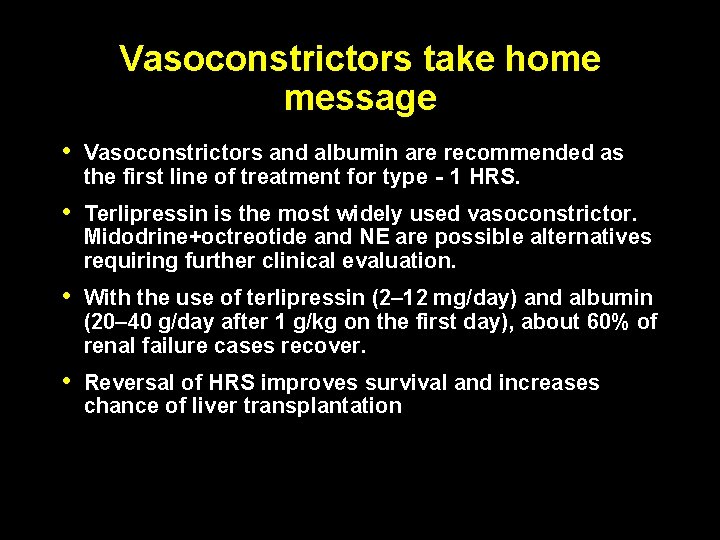
Vasoconstrictors take home message • Vasoconstrictors and albumin are recommended as the first line of treatment for type‐ 1 HRS. • Terlipressin is the most widely used vasoconstrictor. Midodrine+octreotide and NE are possible alternatives requiring further clinical evaluation. • With the use of terlipressin (2– 12 mg/day) and albumin (20– 40 g/day after 1 g/kg on the first day), about 60% of renal failure cases recover. • Reversal of HRS improves survival and increases chance of liver transplantation
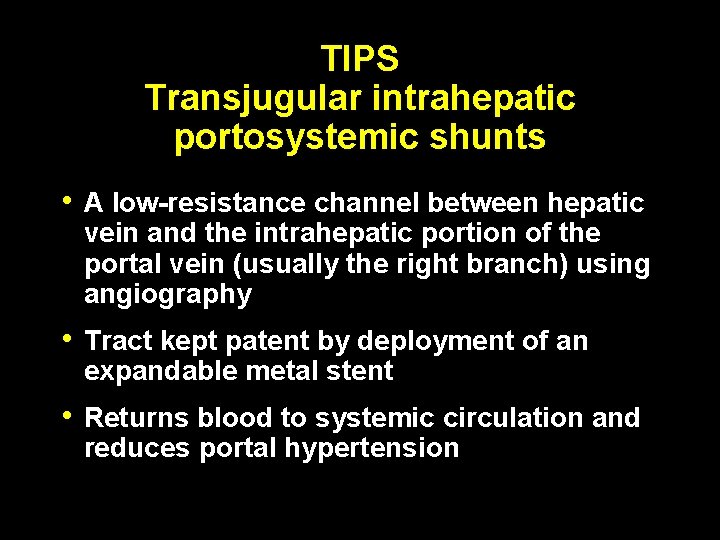
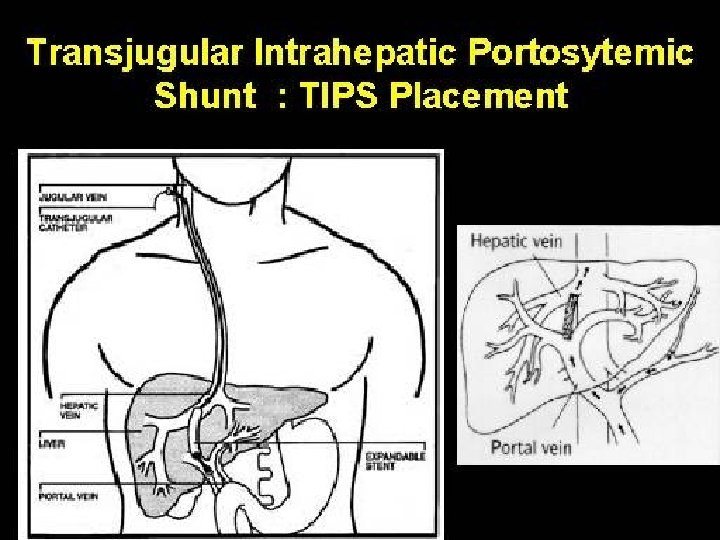
TIPS Transjugular intrahepatic portosystemic shunts • A low-resistance channel between hepatic vein and the intrahepatic portion of the portal vein (usually the right branch) using angiography • Tract kept patent by deployment of an expandable metal stent • Returns blood to systemic circulation and reduces portal hypertension
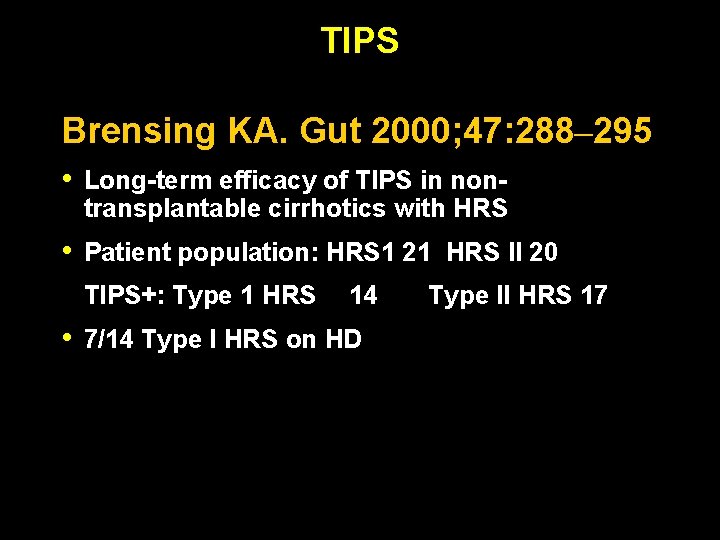
TIPS Brensing KA. Gut 2000; 47: 288– 295 • Long-term efficacy of TIPS in non- transplantable cirrhotics with HRS • Patient population: HRS 1 21 HRS II 20 TIPS+: Type 1 HRS 14 • 7/14 Type I HRS on HD Type II HRS 17
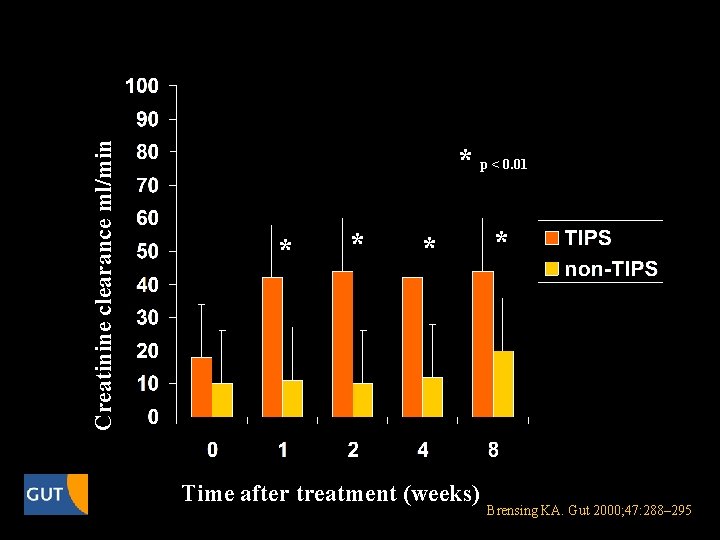
Creatinine clearance ml/min * p < 0. 01 * * * Time after treatment (weeks) * Brensing KA. Gut 2000; 47: 288– 295
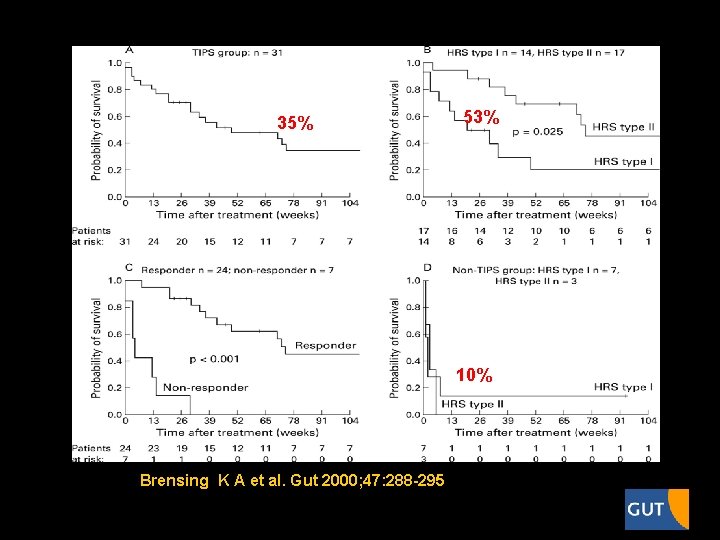
Kaplan-Meier survival analysis. 35% 53% 10% Brensing K A et al. Gut 2000; 47: 288 -295 Copyright © BMJ Publishing Group Ltd & British Society of Gastroenterology. All rights reserved.
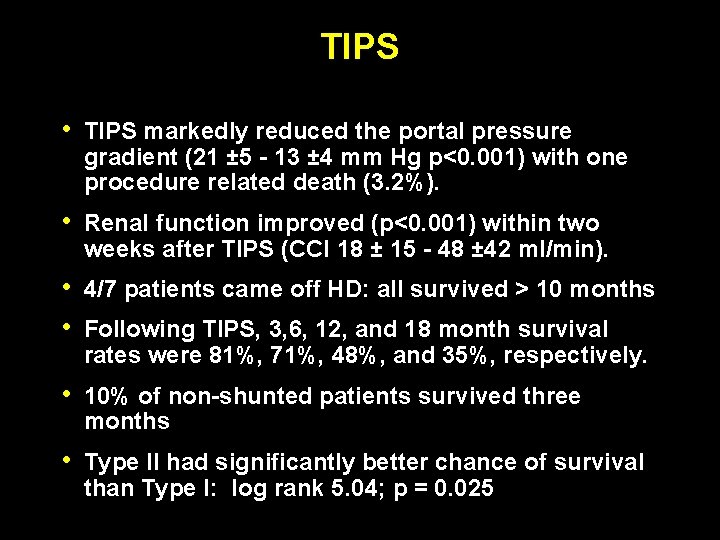
TIPS • TIPS markedly reduced the portal pressure gradient (21 ± 5 - 13 ± 4 mm Hg p<0. 001) with one procedure related death (3. 2%). • Renal function improved (p<0. 001) within two weeks after TIPS (CCl 18 ± 15 - 48 ± 42 ml/min). • 4/7 patients came off HD: all survived > 10 months • Following TIPS, 3, 6, 12, and 18 month survival rates were 81%, 71%, 48%, and 35%, respectively. • 10% of non-shunted patients survived three months • Type II had significantly better chance of survival than Type I: log rank 5. 04; p = 0. 025
TIPS take home message • No randomized trials comparing TIPS to pharmacological treatments • Recurrence of HRS was rare, provided that there was no shunt malfunction • Hepatic encephalopathy seen frequently as complication of TIPS but can be managed medically • • • TIPS almost always induced a reduction of ascites volume Resolution of type‐ 1 HRS by TIPS can improve survival Although TIPS may improve renal function and refractory ascites in patients with type‐ 2 HRS, its effect on survival is still undefined
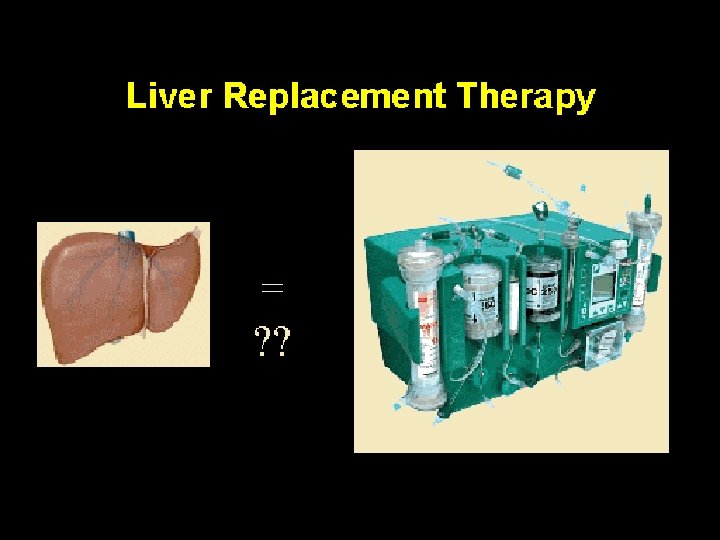
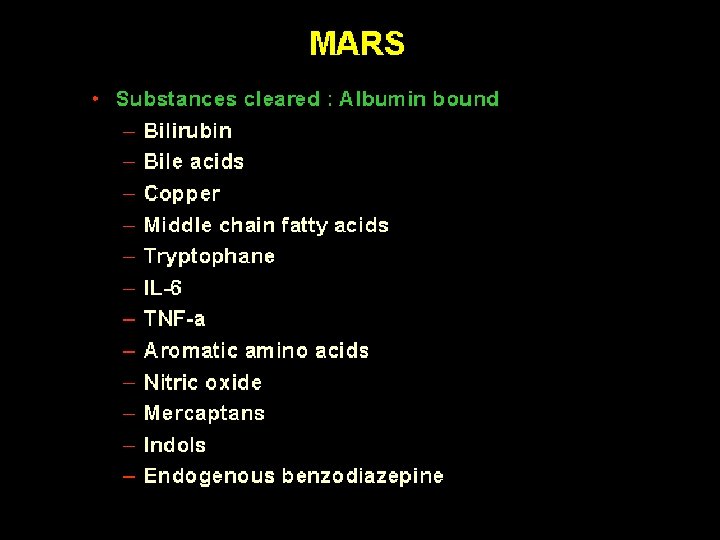
Extracorporeal albumin dialysis(ECAD) Molecular adsorbent recycling system (MARS) • Cell free, modified dialysis technique using albumin enriched dialysate and CRRT. • Extracorporeal liver support system designed to remove albumin-bound substances • Hypothesis: Removal of albumin bound and water soluble substances will stabilize liver and renal function • NO transported primarily bound to serum albumin as an S-nitrosthiol
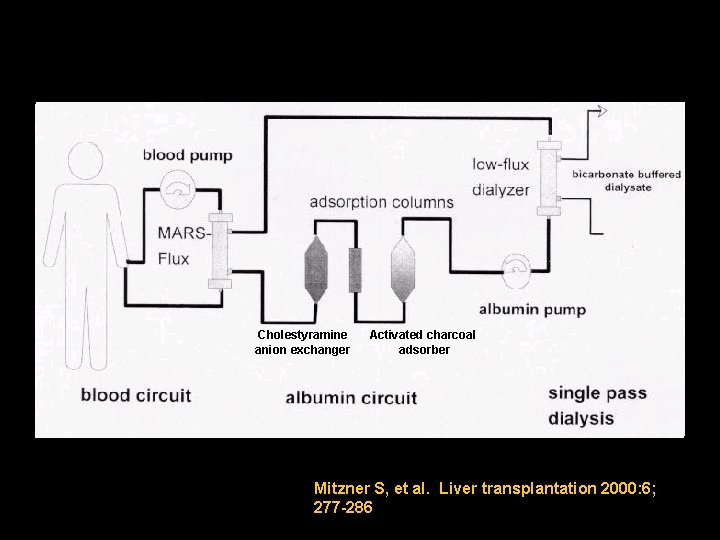
Cholestyramine anion exchanger Activated charcoal adsorber Mitzner S, et al. Liver transplantation 2000: 6; 277 -286
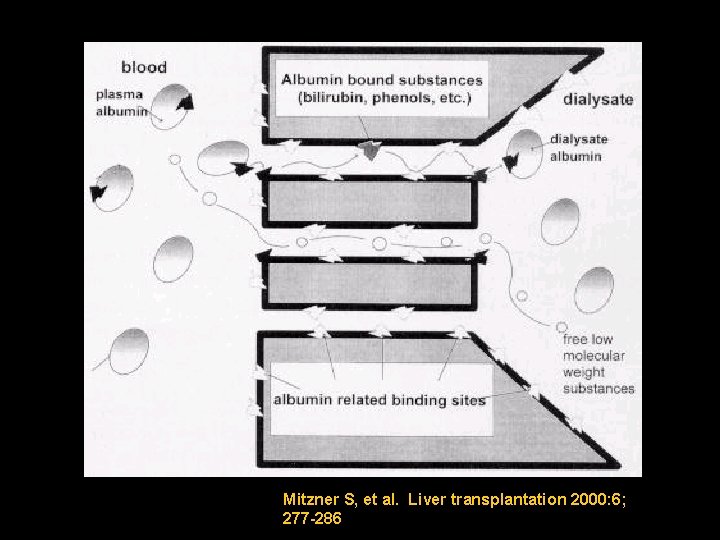
Mitzner S, et al. Liver transplantation 2000: 6; 277 -286
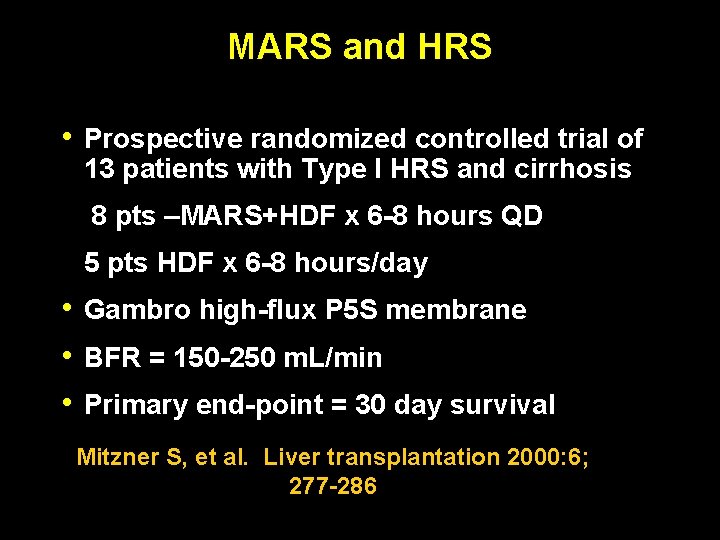
MARS and HRS • Prospective randomized controlled trial of 13 patients with Type I HRS and cirrhosis 8 pts –MARS+HDF x 6 -8 hours QD 5 pts HDF x 6 -8 hours/day • Gambro high-flux P 5 S membrane • BFR = 150 -250 m. L/min • Primary end-point = 30 day survival Mitzner S, et al. Liver transplantation 2000: 6; 277 -286
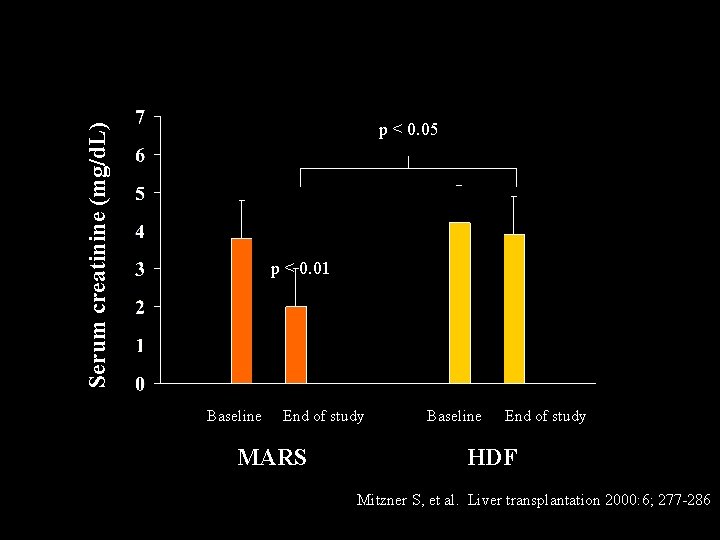
Serum creatinine (mg/d. L) p < 0. 05 p < 0. 01 Baseline End of study MARS Baseline End of study HDF Mitzner S, et al. Liver transplantation 2000: 6; 277 -286
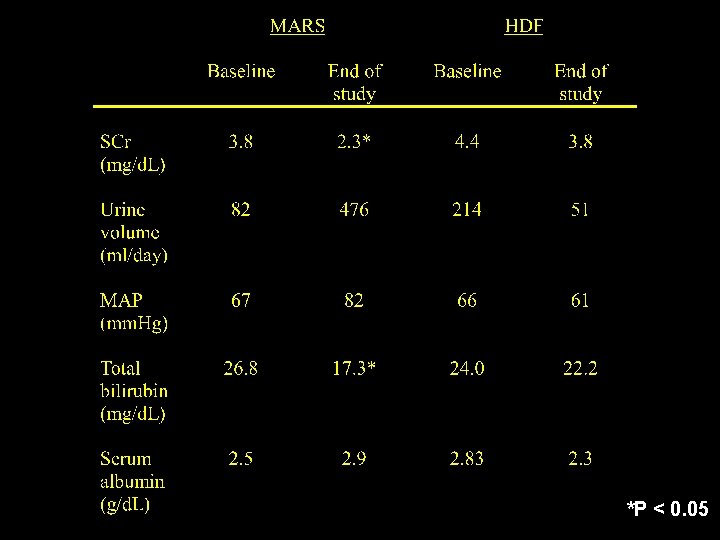
*P < 0. 05
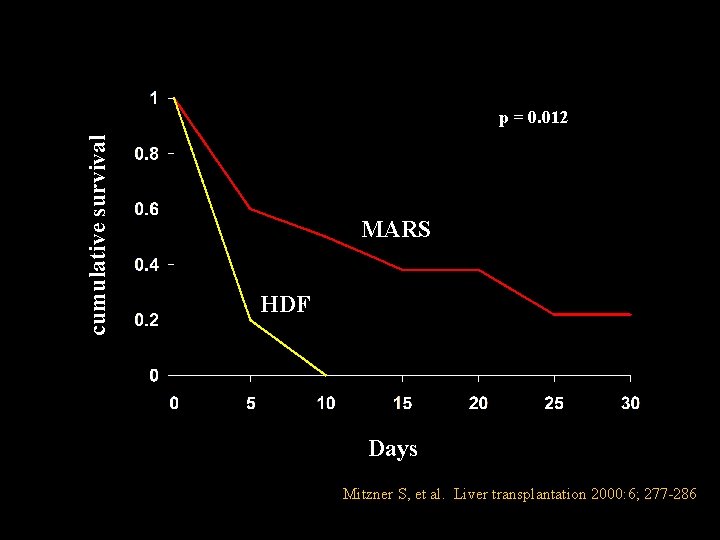
cumulative survival p = 0. 012 MARS HDF Days Mitzner S, et al. Liver transplantation 2000: 6; 277 -286
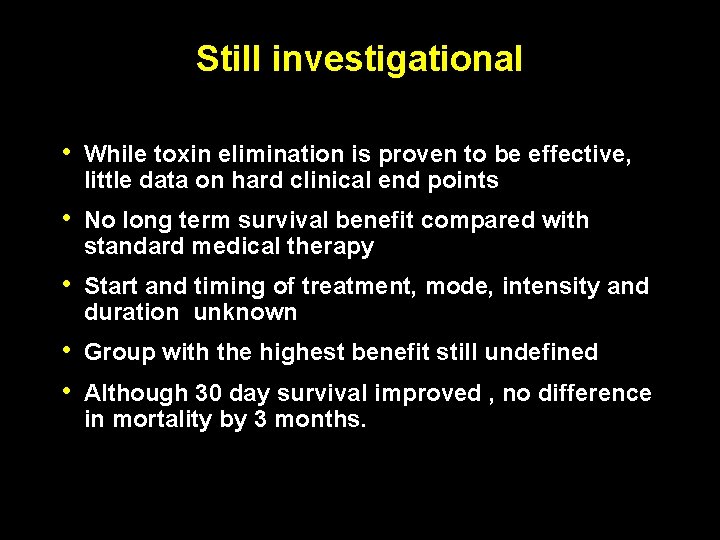
Still investigational • While toxin elimination is proven to be effective, little data on hard clinical end points • No long term survival benefit compared with standard medical therapy • Start and timing of treatment, mode, intensity and duration unknown • Group with the highest benefit still undefined • Although 30 day survival improved , no difference in mortality by 3 months.
Liver Transplantation
87. 2 79. 8 76. 6 65. 7 Gonwa TA et al. Transplantation 1991: 51; 428 -430
Gonwa TA et al. Transplantation 1991: 51; 428 -430
Gonwa TA et al. Transplantation 1991: 51; 428 -430
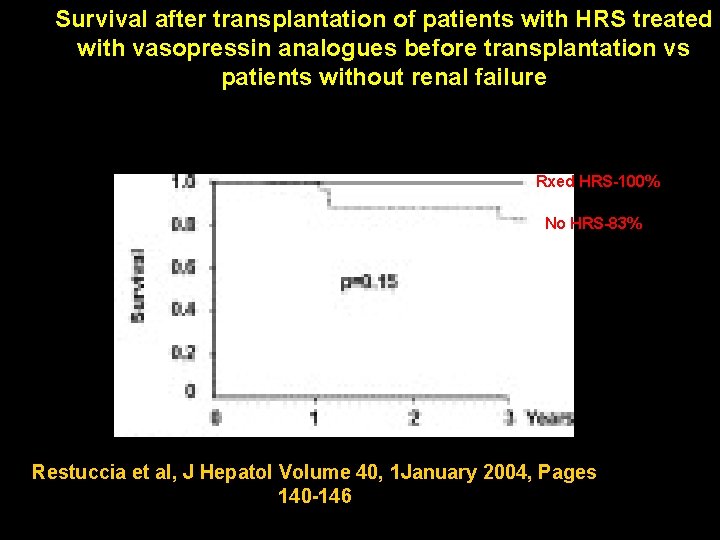
Survival after transplantation of patients with HRS treated with vasopressin analogues before transplantation vs patients without renal failure Rxed HRS-100% No HRS-83% Restuccia et al, J Hepatol Volume 40, 1 January 2004, Pages 140 -146
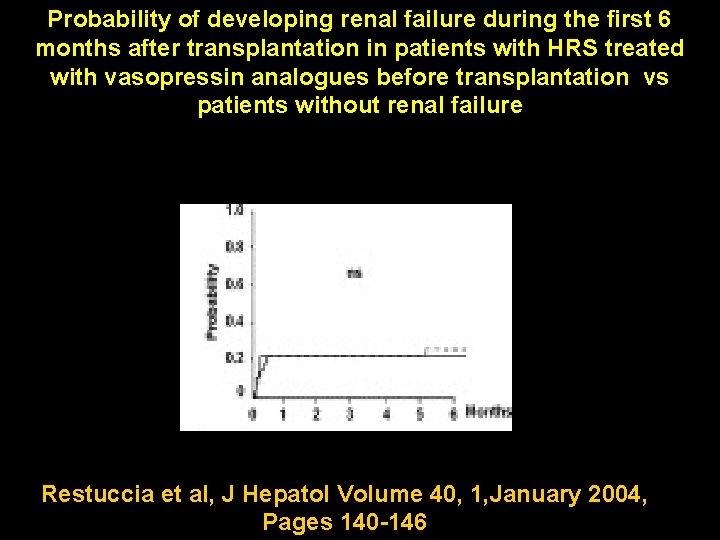
Probability of developing renal failure during the first 6 months after transplantation in patients with HRS treated with vasopressin analogues before transplantation vs patients without renal failure Restuccia et al, J Hepatol Volume 40, 1, January 2004, Pages 140 -146
Effects on MELD Score • Patients with HRS who received vasoconstrictors therapy and improvement seen in MELD score, reduce the chances of receiving a liver transplantation, particularly for type 1 HRS patients. • ? ? Whether improvement of HRS induced by vasopressor therapy is better than liver transplantation is debatable. HRS often recurs after discontinuation of vasoconstrictor therapy and then has a high mortality. • These patients should be maintained at a high level on the waiting list, despite their reduced MELD score
Liver Transplantation • Patients with types 1, 2, or 4 HRS should undergo evaluation for liver transplantation. Patients with type 1 HRS are on priority for transplant and despite this, not transplanted because of underlying precipitating factor, or MSOF • Liver transplantation is more practical and successful in type 2 HRS, because of an absence of precipitating events and relatively less severe renal failure • Patients with type 3 HRS should be evaluated for combined liver-kidney transplantation
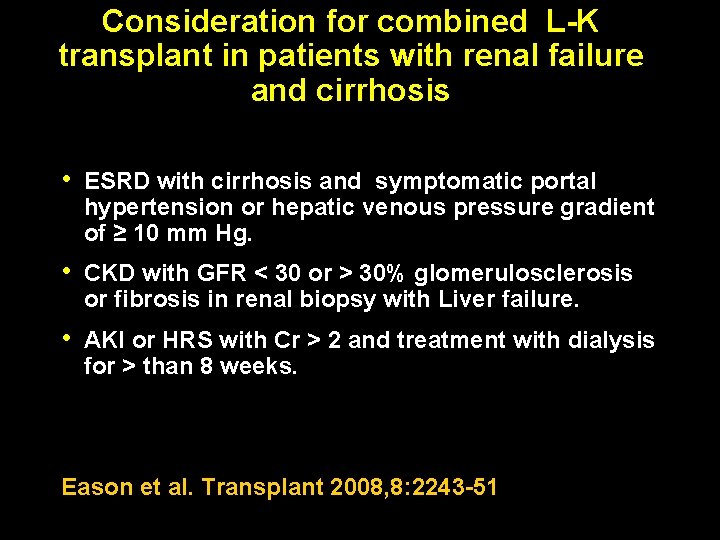
Consideration for combined L-K transplant in patients with renal failure and cirrhosis • ESRD with cirrhosis and symptomatic portal hypertension or hepatic venous pressure gradient of ≥ 10 mm Hg. • CKD with GFR < 30 or > 30% glomerulosclerosis or fibrosis in renal biopsy with Liver failure. • AKI or HRS with Cr > 2 and treatment with dialysis for > than 8 weeks. Eason et al. Transplant 2008, 8: 2243 -51
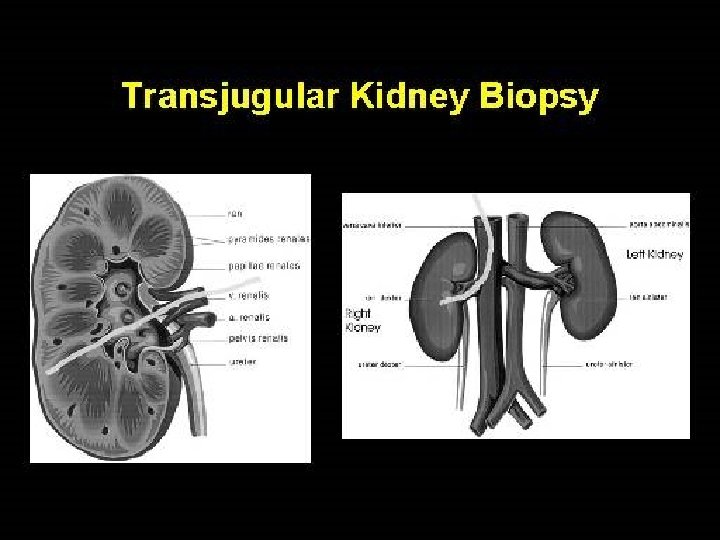
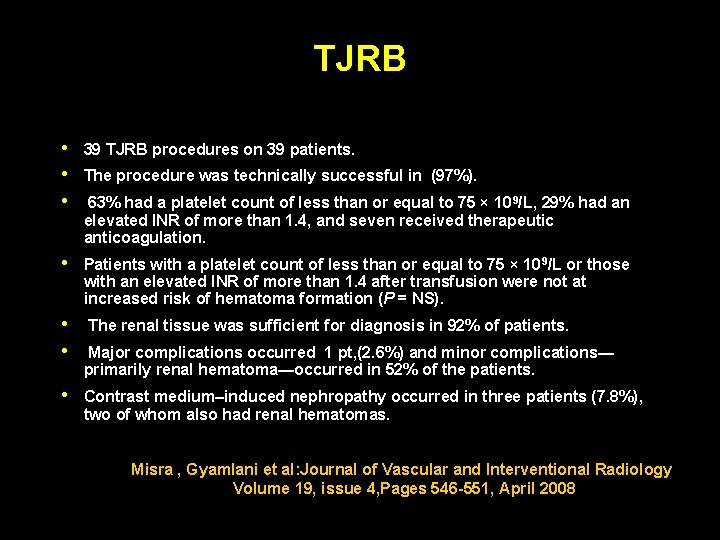
TJRB • 39 TJRB procedures on 39 patients. • The procedure was technically successful in (97%). • 63% had a platelet count of less than or equal to 75 × 109/L, 29% had an elevated INR of more than 1. 4, and seven received therapeutic anticoagulation. • Patients with a platelet count of less than or equal to 75 × 109/L or those with an elevated INR of more than 1. 4 after transfusion were not at increased risk of hematoma formation (P = NS). • The renal tissue was sufficient for diagnosis in 92% of patients. • Major complications occurred 1 pt, (2. 6%) and minor complications— primarily renal hematoma—occurred in 52% of the patients. • Contrast medium–induced nephropathy occurred in three patients (7. 8%), two of whom also had renal hematomas. Misra , Gyamlani et al: Journal of Vascular and Interventional Radiology Volume 19, issue 4, Pages 546 -551, April 2008
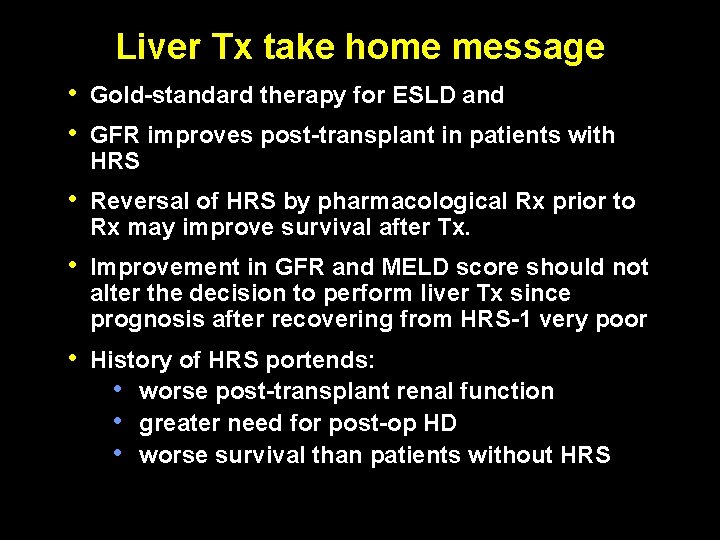
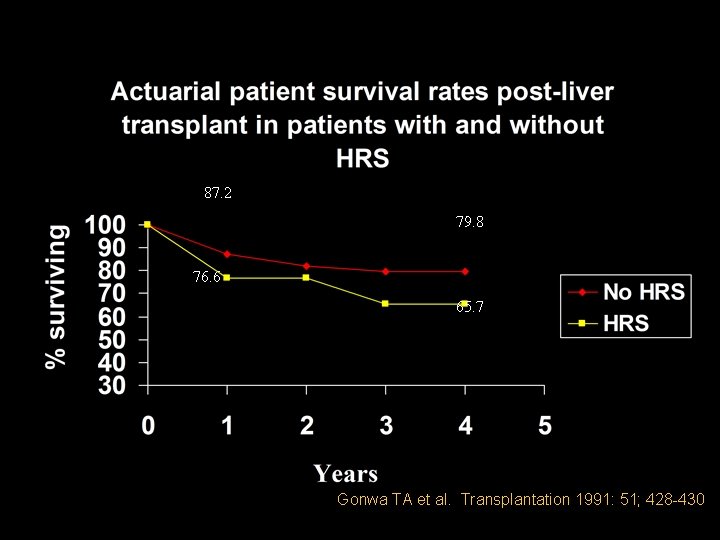
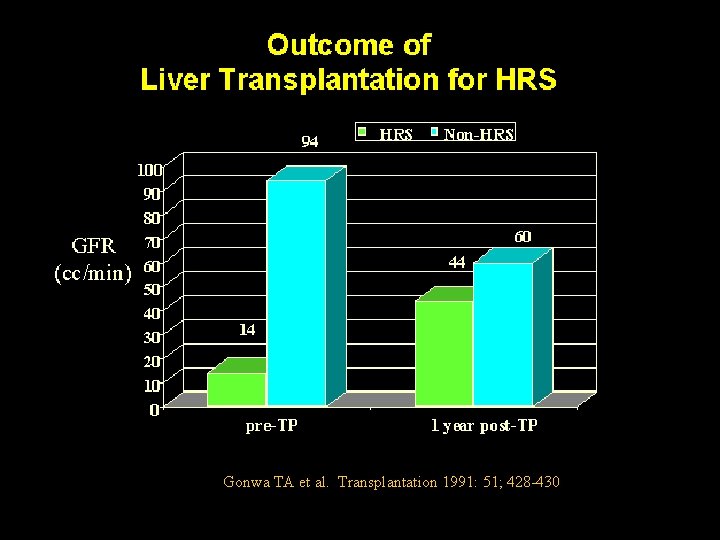
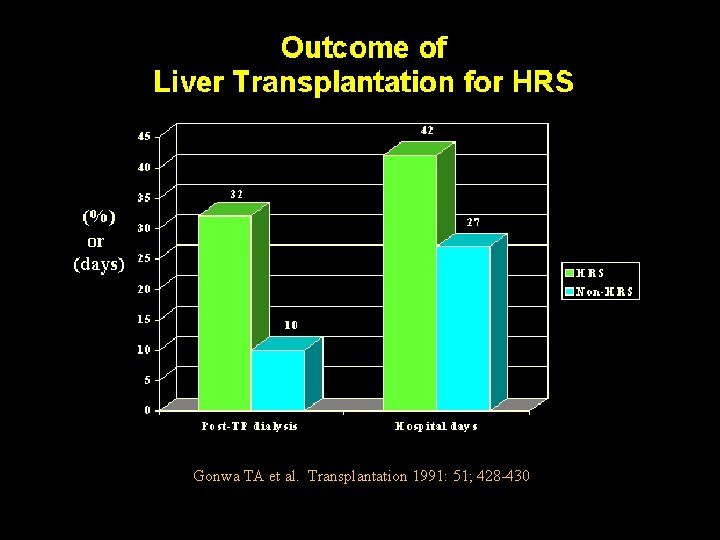
Liver Tx take home message • Gold-standard therapy for ESLD and • GFR improves post-transplant in patients with HRS • Reversal of HRS by pharmacological Rx prior to Rx may improve survival after Tx. • Improvement in GFR and MELD score should not alter the decision to perform liver Tx since prognosis after recovering from HRS-1 very poor • History of HRS portends: • worse post-transplant renal function • greater need for post-op HD • worse survival than patients without HRS
Prevention of HRS
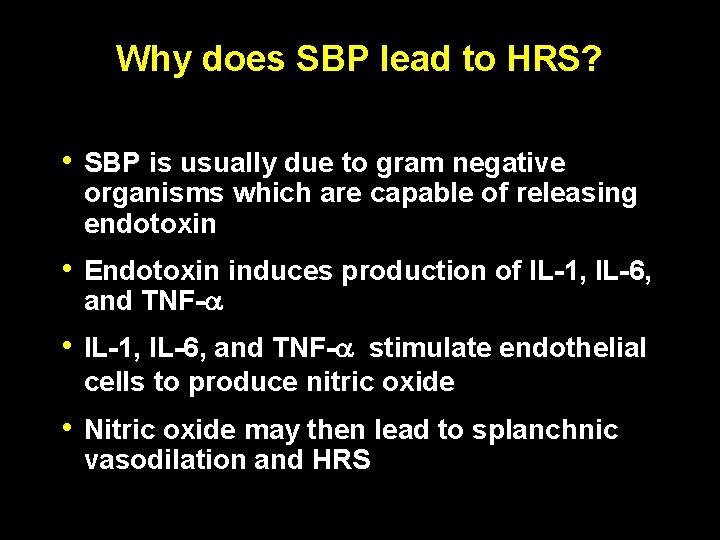
Why does SBP lead to HRS? • SBP is usually due to gram negative organisms which are capable of releasing endotoxin • Endotoxin induces production of IL-1, IL-6, and TNF- • IL-1, IL-6, and TNF- stimulate endothelial cells to produce nitric oxide • Nitric oxide may then lead to splanchnic vasodilation and HRS
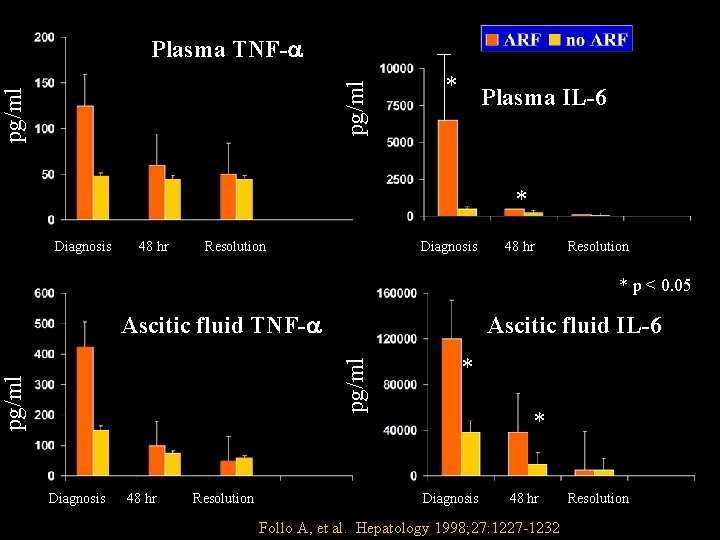
pg/ml Plasma TNF- * Plasma IL-6 * Diagnosis 48 hr Resolution * p < 0. 05 Ascitic fluid IL-6 pg/ml Ascitic fluid TNF- Diagnosis 48 hr Resolution * * Diagnosis 48 hr Follo A, et al. Hepatology 1998; 27: 1227 -1232 Resolution
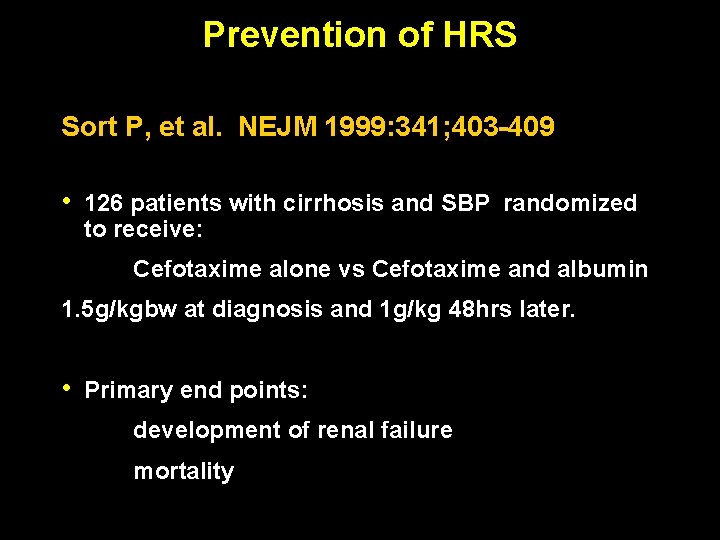
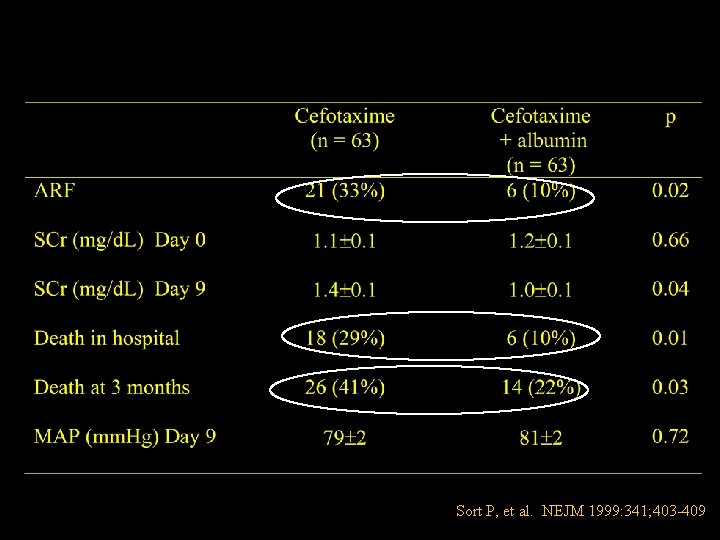
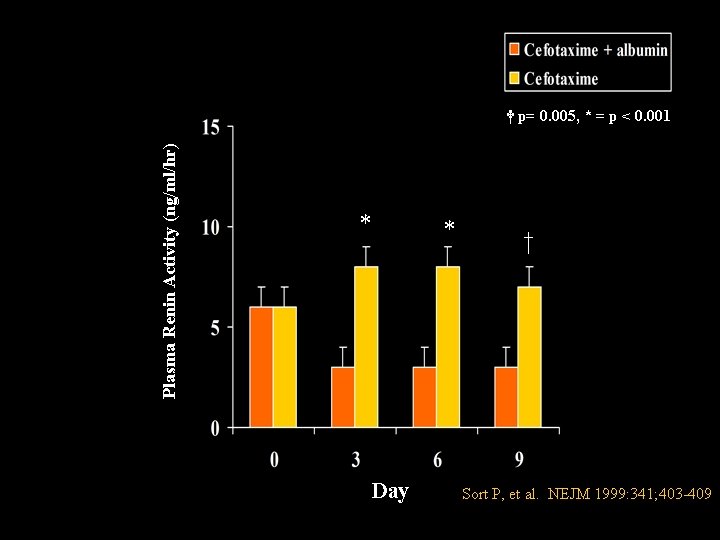
Prevention of HRS Sort P, et al. NEJM 1999: 341; 403 -409 • 126 patients with cirrhosis and SBP randomized to receive: Cefotaxime alone vs Cefotaxime and albumin 1. 5 g/kgbw at diagnosis and 1 g/kg 48 hrs later. • Primary end points: development of renal failure mortality
Sort P, et al. NEJM 1999: 341; 403 -409
Plasma Renin Activity (ng/ml/hr) † p= 0. 005, * = p < 0. 001 * * Day † Sort P, et al. NEJM 1999: 341; 403 -409
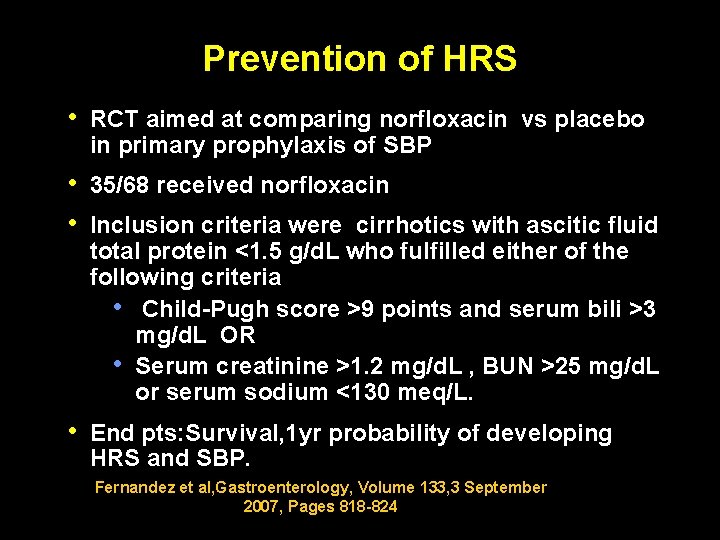
Prevention of HRS • RCT aimed at comparing norfloxacin vs placebo in primary prophylaxis of SBP • 35/68 received norfloxacin • Inclusion criteria were cirrhotics with ascitic fluid total protein <1. 5 g/d. L who fulfilled either of the following criteria • Child-Pugh score >9 points and serum bili >3 mg/d. L OR • Serum creatinine >1. 2 mg/d. L , BUN >25 mg/d. L or serum sodium <130 meq/L. • End pts: Survival, 1 yr probability of developing HRS and SBP. Fernandez et al, Gastroenterology, Volume 133, 3 September 2007, Pages 818 -824
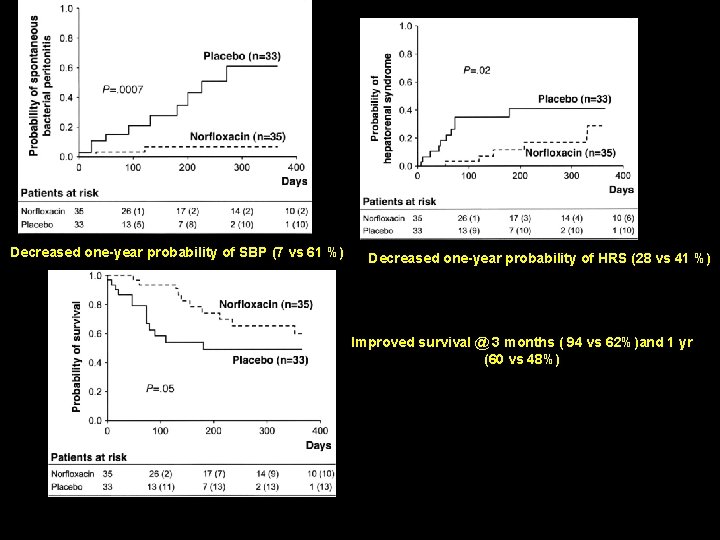
Decreased one-year probability of SBP (7 vs 61 %) Decreased one-year probability of HRS (28 vs 41 %) Improved survival @ 3 months ( 94 vs 62%)and 1 yr (60 vs 48%)
Summary • HRS is a functional renal failure caused by intrarenal vasoconstriction seen in patients with ESLD/ALF and circulatory dysfunction. • Circulatory dysfunction is characterized by vasodilatation in the splanchnic bed , low CO and stimulation of renal SNS. • HRS may occur spontaneously with worsening liver function, or secondary to a precipitating event such as bacterial infection (eg, SBP). • HRS Type 1 has rapid and progressive course and high mortality. • HRS Type 2 has slow but progressive course, Type 3 with CKD, Type 4 with ALF • Prevention: SBP prophylaxis, Pentoxifylline, Variceal hemorrhage • Albumin infusion may prevent HRS in patients with SBP.
• Vasoconstrictors and albumin are recommended as the first line of treatment for HRS. • With the use of terlipressin (2– 12 mg/day) and albumin (20– 40 g/day after 1 g/kg on the first day), about 60% of renal failure cases recover. • The improvement of survival using only vasoconstrictors and albumin seems rather limited.
• TIPS is an alternative treatment in suitable patients, especially in those who do not show a complete response to vasoconstrictors. • Liver transplantation is the only treatment that assures long‐term survival. • Pharmacological treatment and TIPS can bridge the time to liver transplantation and improve post‐transplant survival. • ECAD/MARS are still considered investigational


THANK YOU
HRS and Pentoxifylline Evangelos A, et al. Gastroenterology 2000; 119: 1637 -1648 • Elevated TNF found in sera and liver tissue specimens from patients with alcoholic hepatitis • Pentoxifylline inhibits TNF synthesis • 101 patients with severe alcoholic hepatitis randomized to receive oral Pentoxifylline (PTX, 400 mg TID) or placebo x 4 weeks • Endpoints: survival and development of HRS
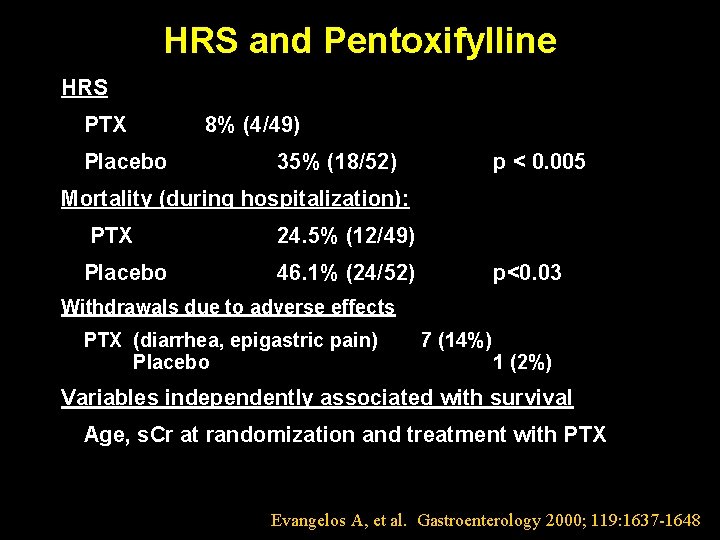
HRS and Pentoxifylline HRS PTX Placebo 8% (4/49) 35% (18/52) p < 0. 005 Mortality (during hospitalization): PTX 24. 5% (12/49) Placebo 46. 1% (24/52) p<0. 03 Withdrawals due to adverse effects PTX (diarrhea, epigastric pain) Placebo 7 (14%) 1 (2%) Variables independently associated with survival Age, s. Cr at randomization and treatment with PTX Evangelos A, et al. Gastroenterology 2000; 119: 1637 -1648
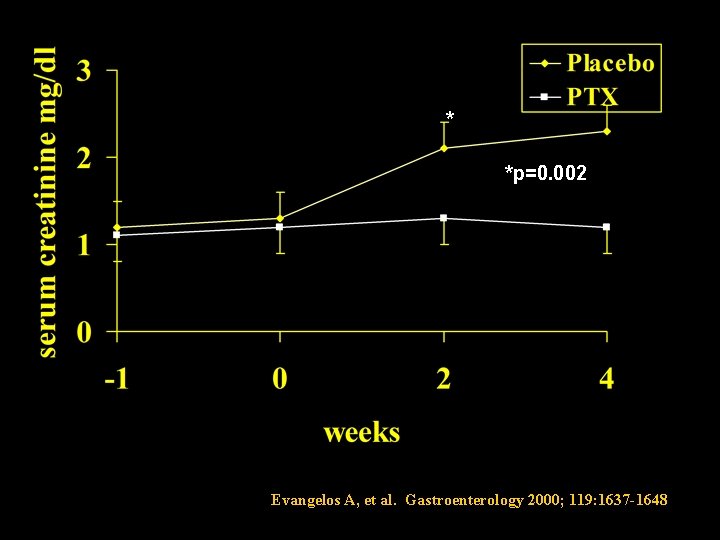
* *p=0. 002 Evangelos A, et al. Gastroenterology 2000; 119: 1637 -1648
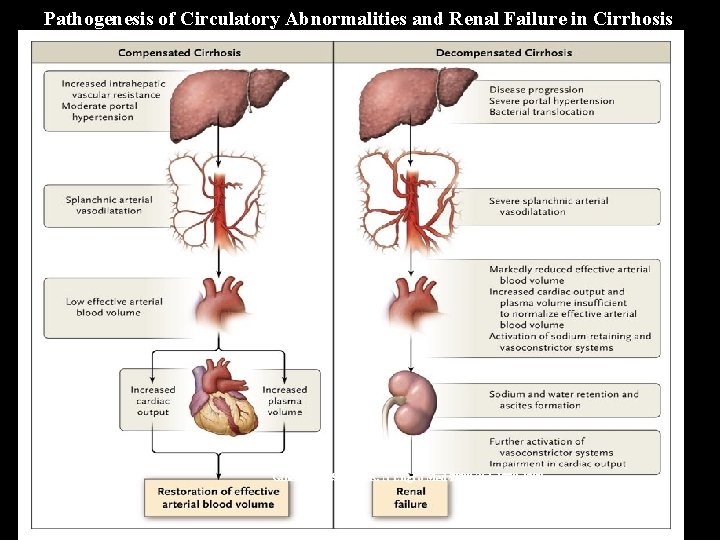
Pathogenesis of Circulatory Abnormalities and Renal Failure in Cirrhosis Gines P and Schrier R. N Engl J Med 2009; 361: 1279 -1290
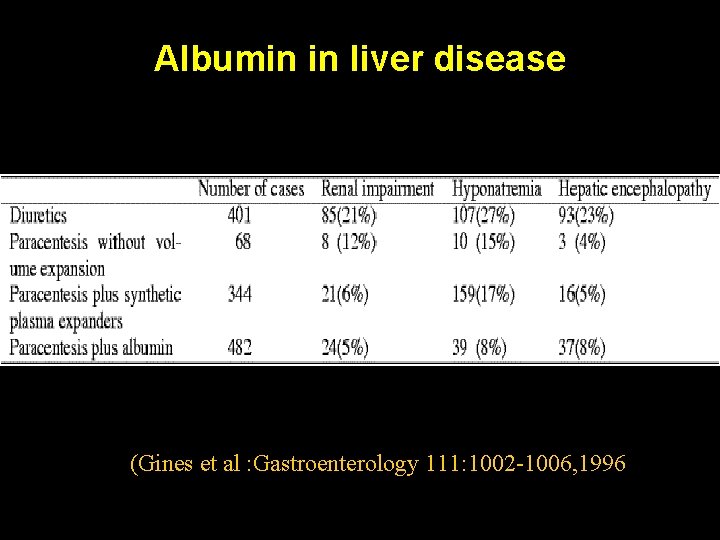
Albumin in liver disease (Gines et al : Gastroenterology 111: 1002 -1006, 1996
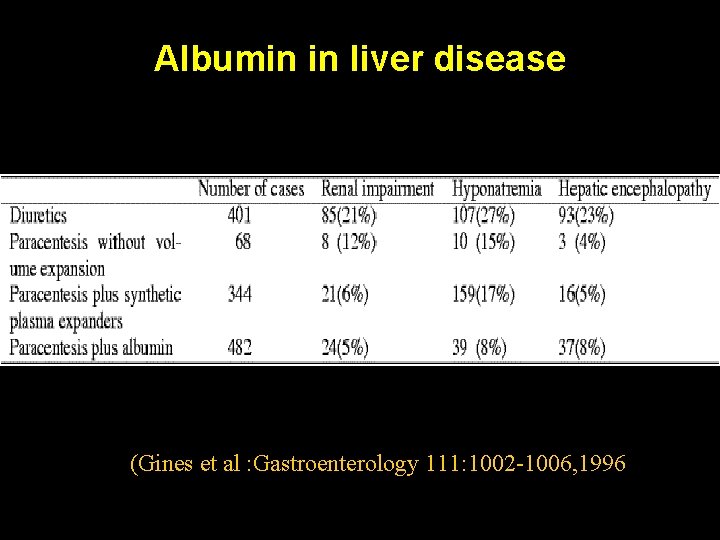
Albumin in liver disease (Gines et al : Gastroenterology 111: 1002 -1006, 1996
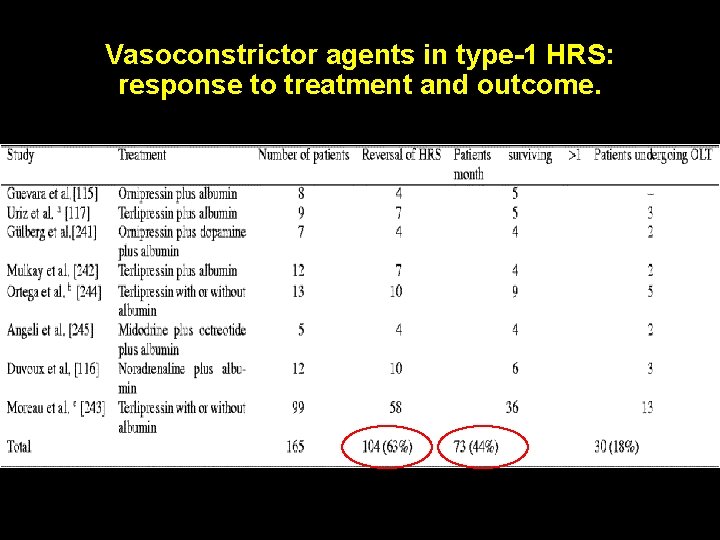
Vasoconstrictor agents in type-1 HRS: response to treatment and outcome.
• Albumin improves the circulatory function, prevents hepatorenal syndrome, and reduces hospital mortality in patients with cirrhosis and spontaneous bacterial peritonitis as compared with plasma expander hyroxyethyl starch. • 10 pts randomized to albumin and 10 to hydroxyethyl starch • Albumin treatment was associated with a improvement in circulatory function • Significant increase in arterial pressure and SVR • Suppression of plasma renin activity. • Serum nitrates and nitrites increased in patients treated with hydroxyethyl starch but not in those treated with albumin.
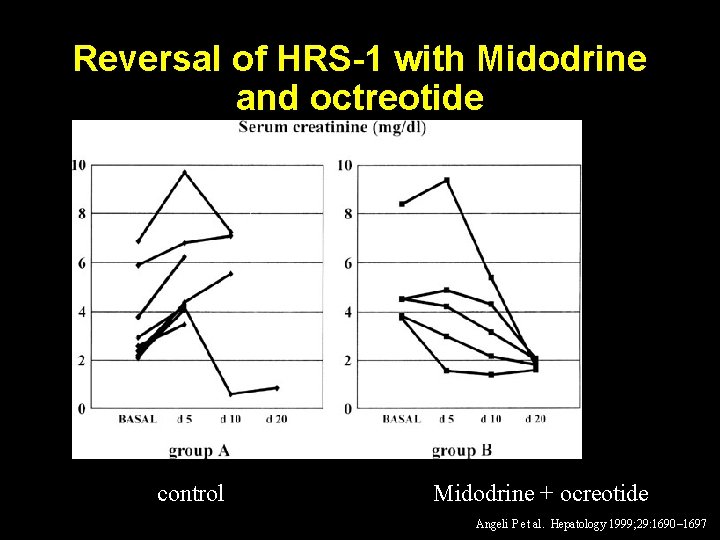
Reversal of HRS-1 with Midodrine and octreotide control Midodrine + ocreotide Angeli P et al. Hepatology 1999; 29: 1690– 1697
Bacterial Translocation • Passage of bacteria from the intestinal lumen to the mesenteric l. n play an important role in impairing circulatory function in advanced cirrhosis. • Bacterial translocation elicits an inflammatory response inc production of TNF α and IL-6 and vasodilator factors (NO) in the splanchnic area. Rasaratnam B et al Ann Intern Med 2003; 139: 186 -193
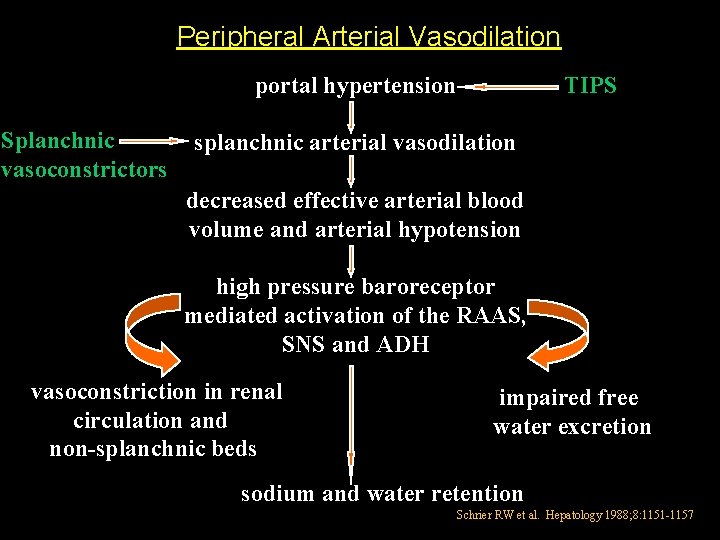
Peripheral Arterial Vasodilation TIPS portal hypertension Splanchnic vasoconstrictors splanchnic arterial vasodilation decreased effective arterial blood volume and arterial hypotension high pressure baroreceptor mediated activation of the RAAS, SNS and ADH vasoconstriction in renal circulation and non-splanchnic beds impaired free water excretion sodium and water retention Schrier RW et al. Hepatology 1988; 8: 1151 -1157
- Slides: 93