
Hemodynamic Talk New Mechanical Circulatory Support for High
- Slides: 45
Hemodynamic Talk – New Mechanical Circulatory Support for High Risk PCI Jeffrey W. Moses, MD Professor of Medicine Director, Interventional Cardiac Therapeutics Columbia University Medical Center Director Complex Coronary Interventions St. Francis Hospital, Roslyn, LI
Disclosure Statement of Financial Interest I, Jeffrey W. Moses, MD have no relevant conflicts
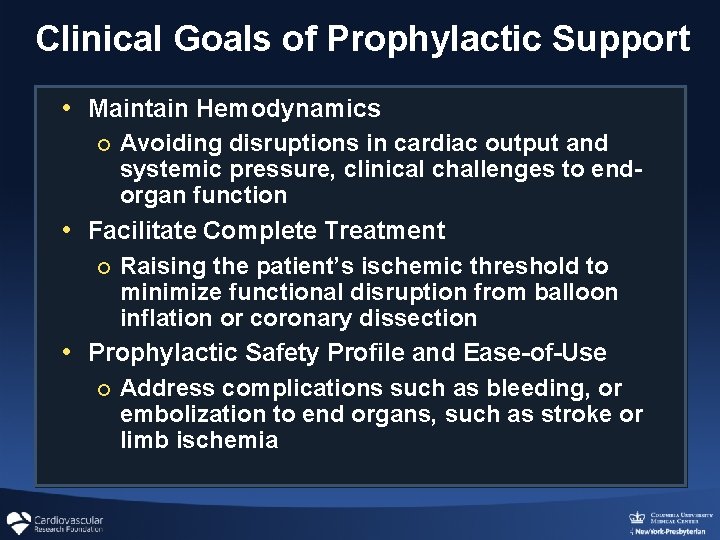
Clinical Goals of Prophylactic Support • Maintain Hemodynamics Avoiding disruptions in cardiac output and systemic pressure, clinical challenges to endorgan function • Facilitate Complete Treatment ¡ Raising the patient’s ischemic threshold to minimize functional disruption from balloon inflation or coronary dissection • Prophylactic Safety Profile and Ease-of-Use ¡ Address complications such as bleeding, or embolization to end organs, such as stroke or limb ischemia ¡
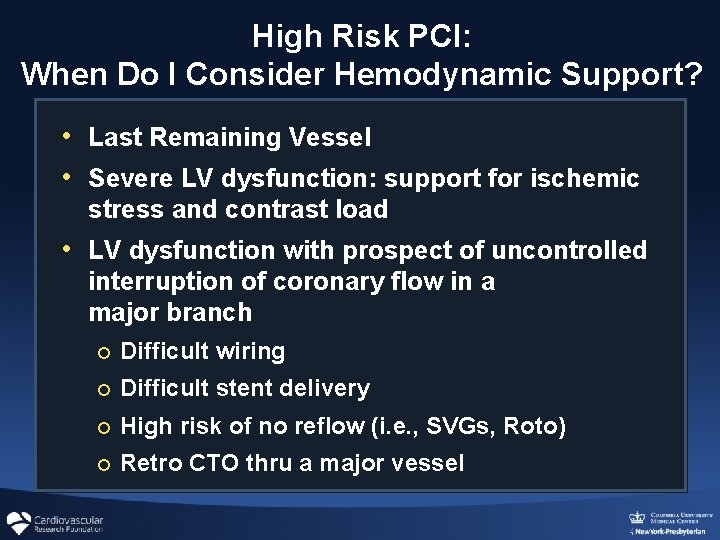
High Risk PCI: When Do I Consider Hemodynamic Support? • Last Remaining Vessel • Severe LV dysfunction: support for ischemic stress and contrast load • LV dysfunction with prospect of uncontrolled interruption of coronary flow in a major branch ¡ Difficult wiring ¡ Difficult stent delivery ¡ High risk of no reflow (i. e. , SVGs, Roto) ¡ Retro CTO thru a major vessel
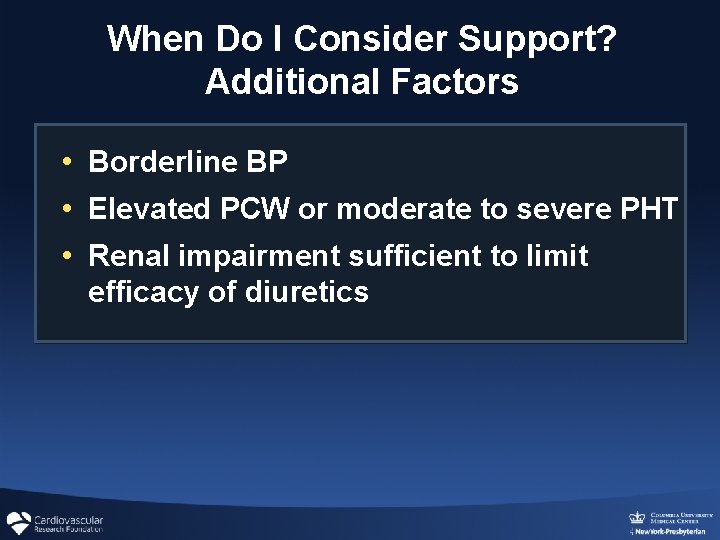
When Do I Consider Support? Additional Factors • Borderline BP • Elevated PCW or moderate to severe PHT • Renal impairment sufficient to limit efficacy of diuretics
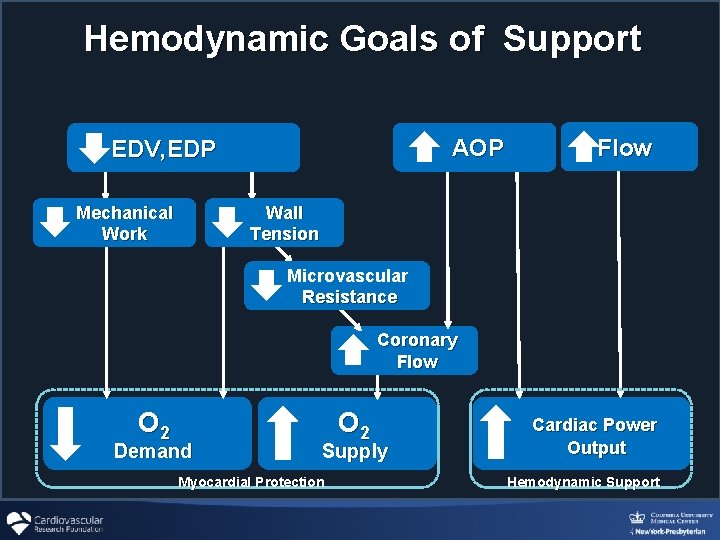
Hemodynamic Goals of Support Mechanical Work Flow AOP EDV, EDP Wall Tension Microvascular Resistance Coronary Flow O 2 Demand O 2 Supply Myocardial Protection Cardiac Power Output Hemodynamic Support
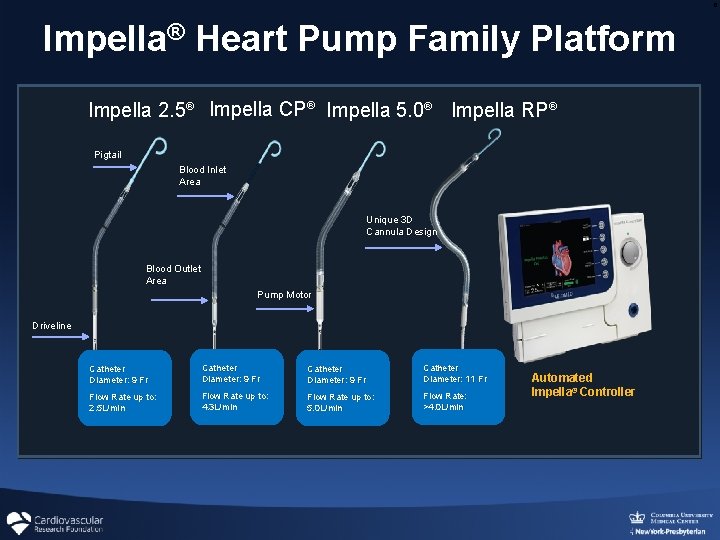
6 Impella® Heart Pump Family Platform Impella 2. 5® Impella CP® Impella 5. 0® Impella RP® Pigtail Blood Inlet Area Unique 3 D Cannula Design Blood Outlet Area Pump Motor Driveline Catheter Diameter: 9 Fr Catheter Diameter: 11 Fr Flow Rate up to: 2. 5 L/min Flow Rate up to: 4. 3 L/min Flow Rate up to: 5. 0 L/min Flow Rate: >4. 0 L/min Automated Impella® Controller
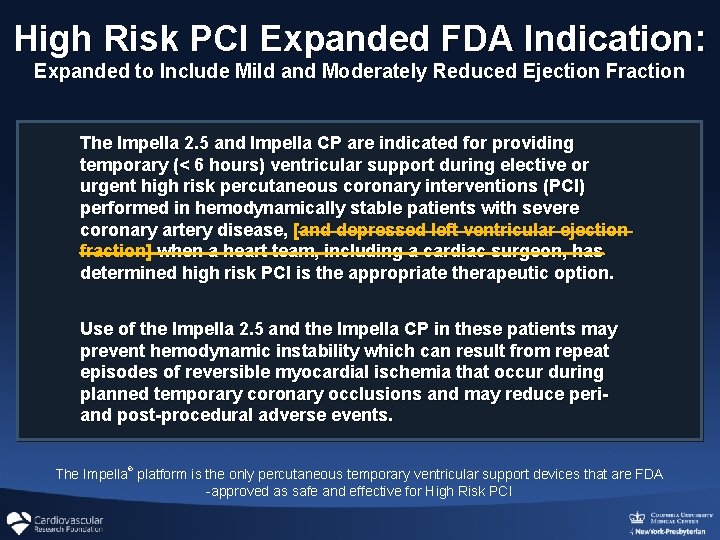
High Risk PCI Expanded FDA Indication: Expanded to Include Mild and Moderately Reduced Ejection Fraction The Impella 2. 5 and Impella CP are indicated for providing temporary (< 6 hours) ventricular support during elective or urgent high risk percutaneous coronary interventions (PCI) performed in hemodynamically stable patients with severe coronary artery disease, [and depressed left ventricular ejection fraction] when a heart team, including a cardiac surgeon, has determined high risk PCI is the appropriate therapeutic option. Use of the Impella 2. 5 and the Impella CP in these patients may prevent hemodynamic instability which can result from repeat episodes of reversible myocardial ischemia that occur during planned temporary coronary occlusions and may reduce peri- and post-procedural adverse events. ® The Impella platform is the only percutaneous temporary ventricular support devices that are FDA -approved as safe and effective for High Risk PCI
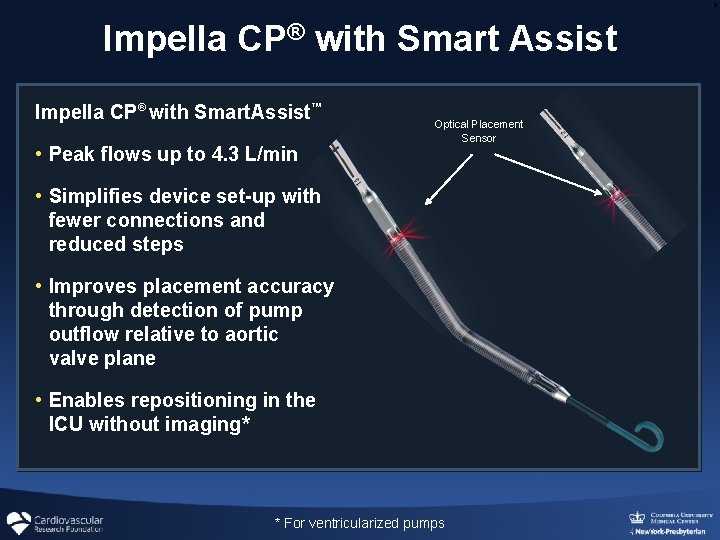
8 Impella CP® with Smart Assist Impella CP® with Smart. Assist™ • Peak flows up to 4. 3 L/min Optical Placement Sensor • Simplifies device set-up with fewer connections and reduced steps • Improves placement accuracy through detection of pump outflow relative to aortic valve plane • Enables repositioning in the ICU without imaging* * For ventricularized pumps
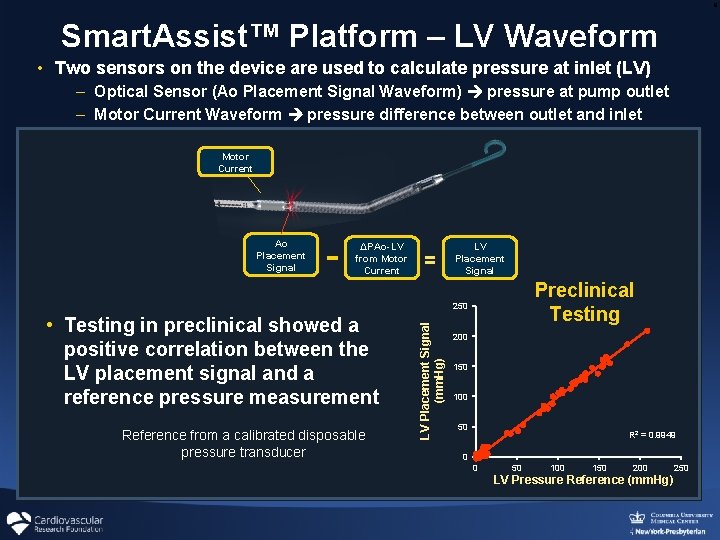
9 Smart. Assist™ Platform – LV Waveform • Two sensors on the device are used to calculate pressure at inlet (LV) – Optical Sensor (Ao Placement Signal Waveform) pressure at pump outlet – Motor Current Waveform pressure difference between outlet and inlet Motor Current Ao Placement Signal ΔPAo-LV from Motor Current = LV Placement Signal Preclinical Testing • Testing in preclinical showed a positive correlation between the LV placement signal and a reference pressure measurement Reference from a calibrated disposable pressure transducer LV Placement Signal (mm. Hg) 250 200 150 100 50 R 2 = 0. 9949 0 0 50 100 150 200 LV Pressure Reference (mm. Hg) 250
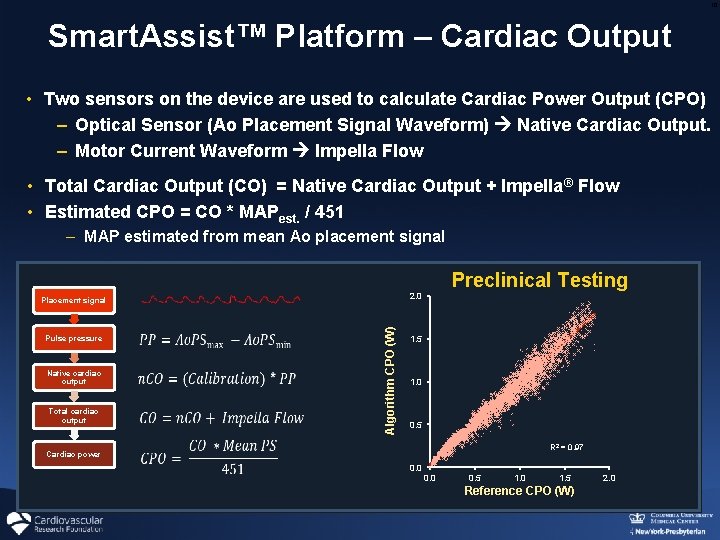
10 Smart. Assist™ Platform – Cardiac Output • Two sensors on the device are used to calculate Cardiac Power Output (CPO) – Optical Sensor (Ao Placement Signal Waveform) Native Cardiac Output. – Motor Current Waveform Impella Flow • Total Cardiac Output (CO) = Native Cardiac Output + Impella ® Flow • Estimated CPO = CO * MAPest. / 451 – MAP estimated from mean Ao placement signal Preclinical Testing 2. 0 Pulse pressure Native cardiac output Total cardiac output Cardiac power Algorithm CPO (W) Placement signal 1. 5 1. 0 0. 5 R 2 = 0. 97 0. 0 0. 5 1. 0 1. 5 Reference CPO (W) 2. 0
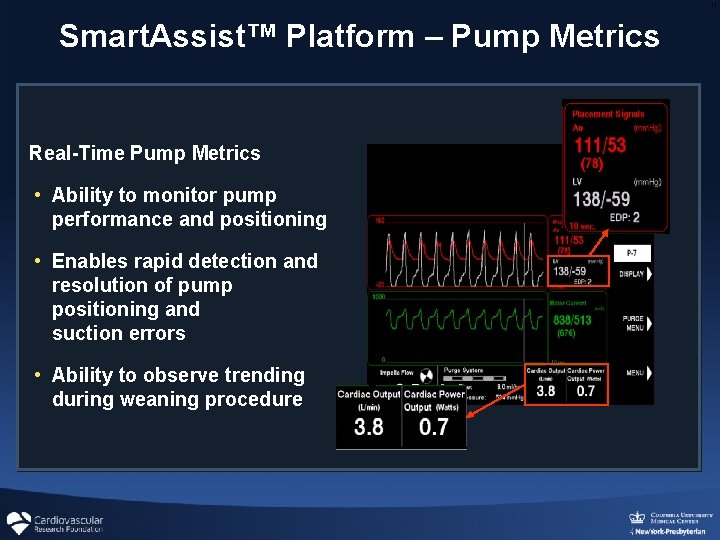
11 Smart. Assist™ Platform – Pump Metrics Real-Time Pump Metrics • Ability to monitor pump performance and positioning • Enables rapid detection and resolution of pump positioning and suction errors • Ability to observe trending during weaning procedure
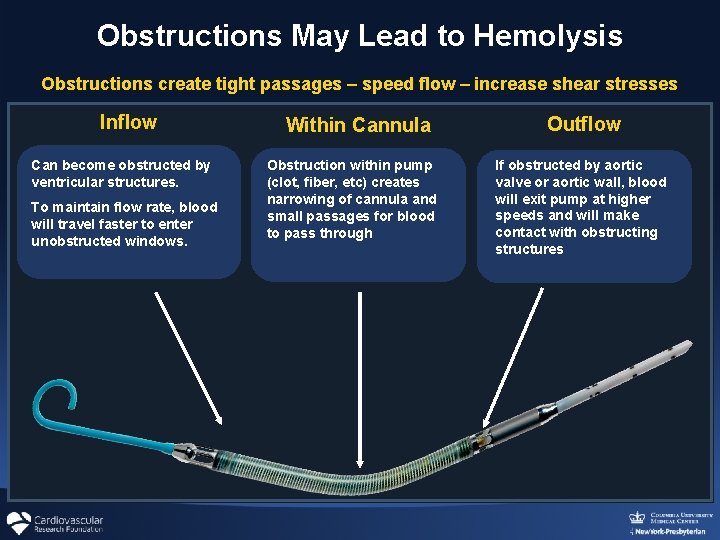
Obstructions May Lead to Hemolysis Obstructions create tight passages – speed flow – increase shear stresses Inflow Can become obstructed by ventricular structures. To maintain flow rate, blood will travel faster to enter unobstructed windows. Within Cannula Obstruction within pump (clot, fiber, etc) creates narrowing of cannula and small passages for blood to pass through Outflow If obstructed by aortic valve or aortic wall, blood will exit pump at higher speeds and will make contact with obstructing structures
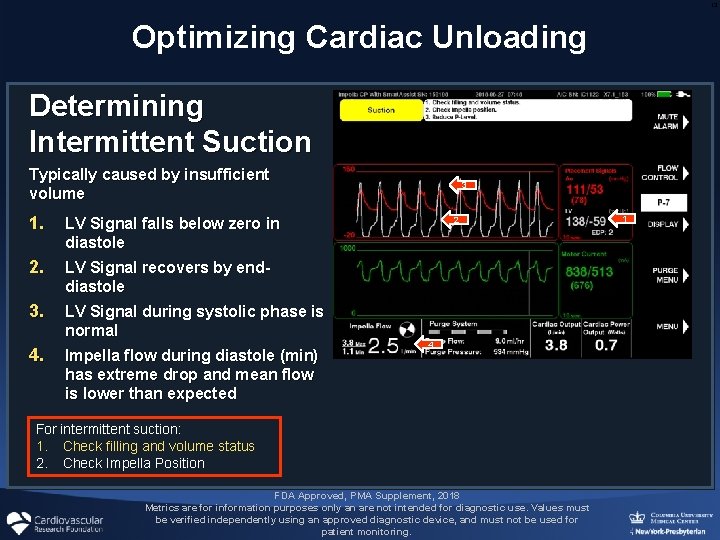
13 Optimizing Cardiac Unloading Determining Intermittent Suction Typically caused by insufficient volume 1. LV Signal falls below zero in diastole 2. LV Signal recovers by enddiastole 3. LV Signal during systolic phase is normal 4. Impella flow during diastole (min) has extreme drop and mean flow is lower than expected 3 2 4 For intermittent suction: 1. Check filling and volume status 2. Check Impella Position FDA Approved, PMA Supplement, 2018 Metrics are for information purposes only an are not intended for diagnostic use. Values must be verified independently using an approved diagnostic device, and must not be used for patient monitoring. 1
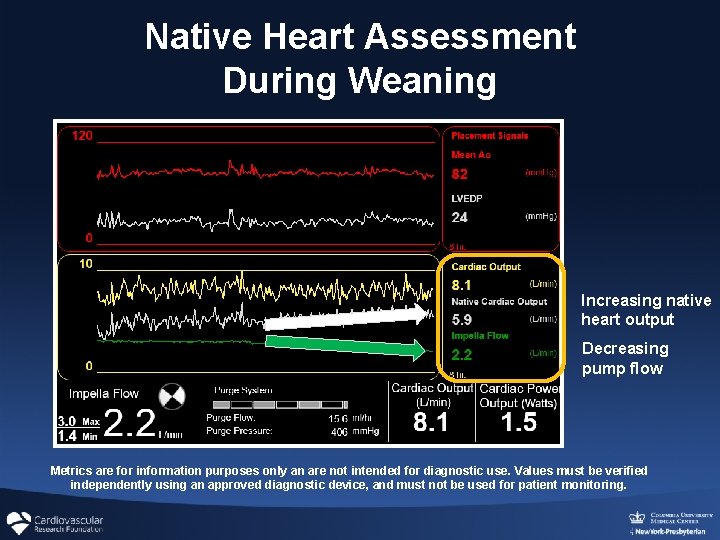
Native Heart Assessment During Weaning Increasing native heart output Decreasing pump flow Metrics are for information purposes only an are not intended for diagnostic use. Values must be verified independently using an approved diagnostic device, and must not be used for patient monitoring.
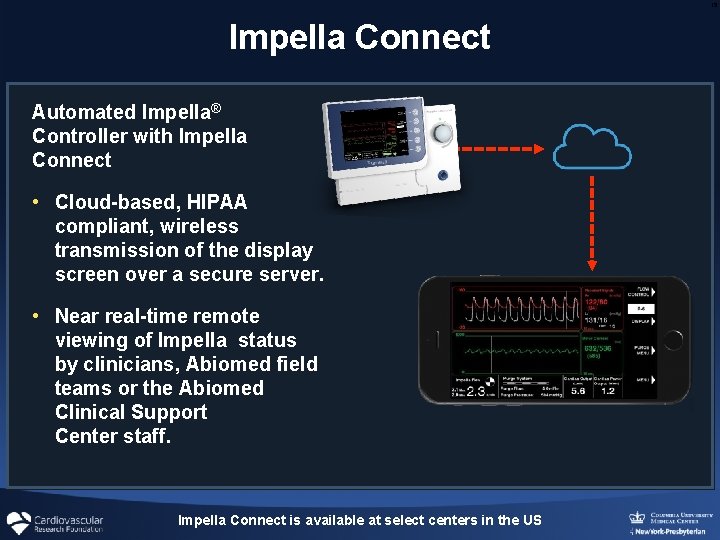
15 Impella Connect Automated Impella® Controller with Impella Connect • Cloud-based, HIPAA compliant, wireless transmission of the display screen over a secure server. • Near real-time remote viewing of Impella status by clinicians, Abiomed field teams or the Abiomed Clinical Support Center staff. Impella Connect is available at select centers in the US
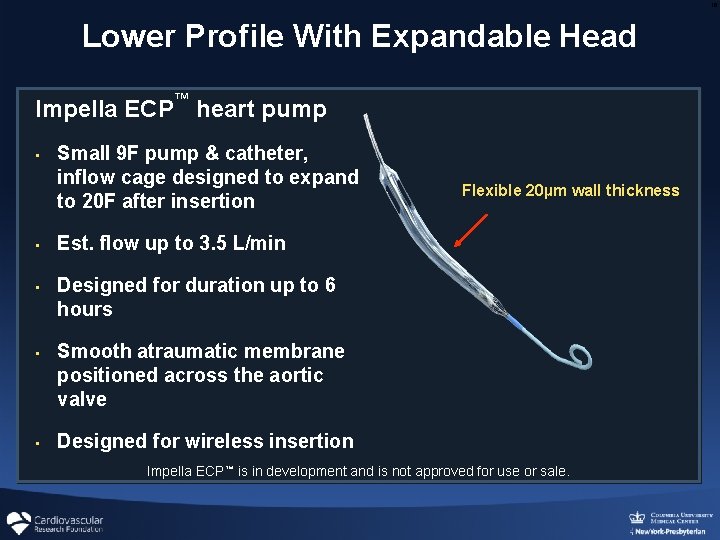
16 Lower Profile With Expandable Head Impella ECP™ heart pump • Small 9 F pump & catheter, inflow cage designed to expand to 20 F after insertion • Est. flow up to 3. 5 L/min • Designed for duration up to 6 hours • Smooth atraumatic membrane positioned across the aortic valve • Designed for wireless insertion Flexible 20µm wall thickness Impella ECP™ is in development and is not approved for use or sale.
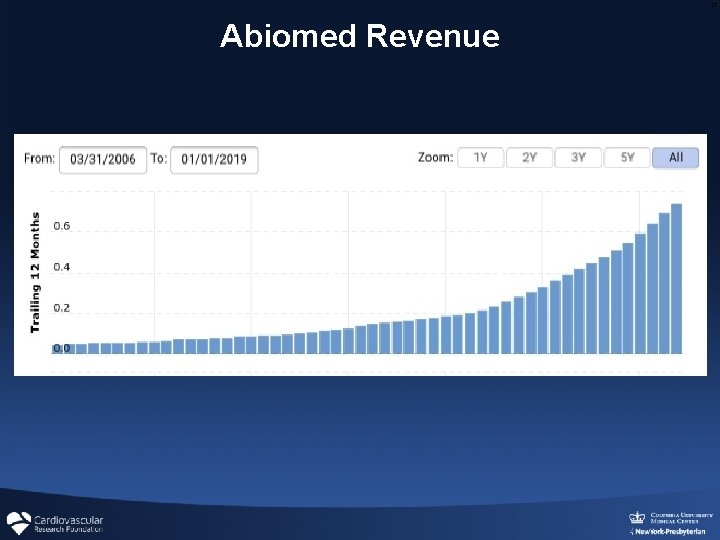
17 Abiomed Revenue
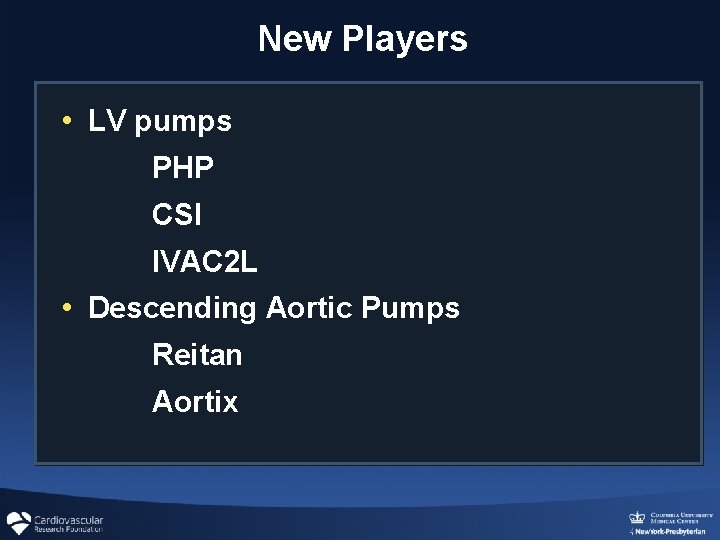
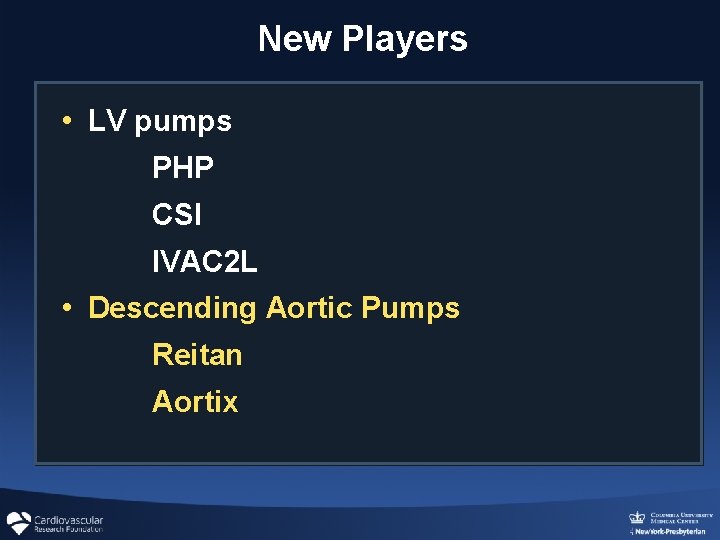
New Players • LV pumps PHP CSI IVAC 2 L • Descending Aortic Pumps Reitan Aortix
New Players • LV pumps PHP CSI IVAC 2 L • Descending Aortic Pumps Reitan Aortix
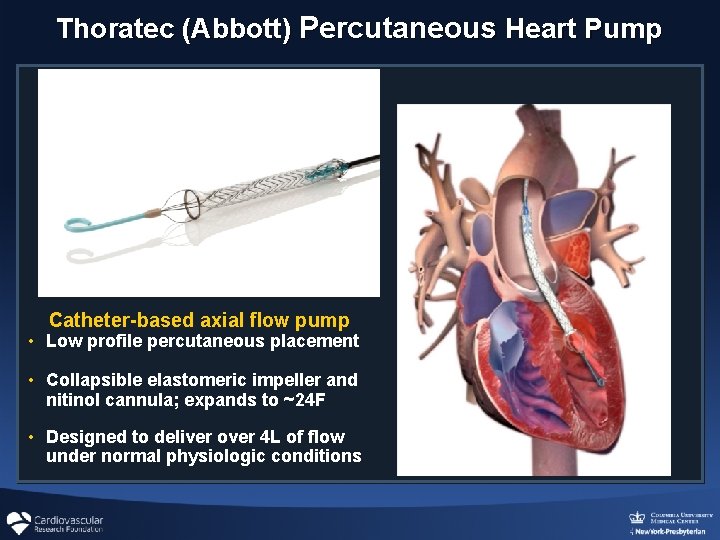
Thoratec (Abbott) Percutaneous Heart Pump Catheter-based axial flow pump • Low profile percutaneous placement • Collapsible elastomeric impeller and nitinol cannula; expands to ~24 F • Designed to deliver over 4 L of flow under normal physiologic conditions
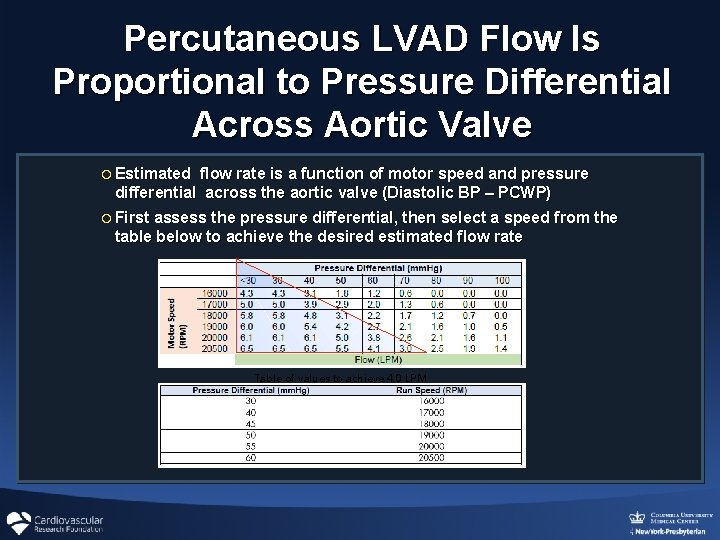
Percutaneous LVAD Flow Is Proportional to Pressure Differential Across Aortic Valve ¡ Estimated flow rate is a function of motor speed and pressure differential across the aortic valve (Diastolic BP – PCWP) ¡ First assess the pressure differential, then select a speed from the table below to achieve the desired estimated flow rate Table of values to achieve 4. 0 LPM
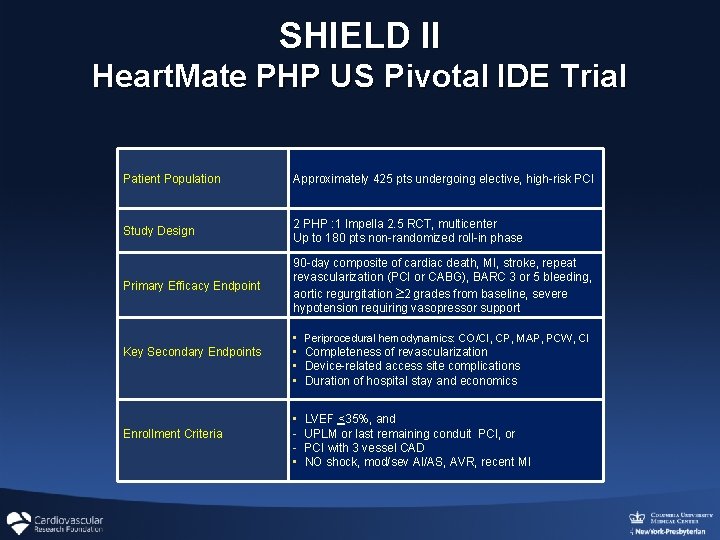
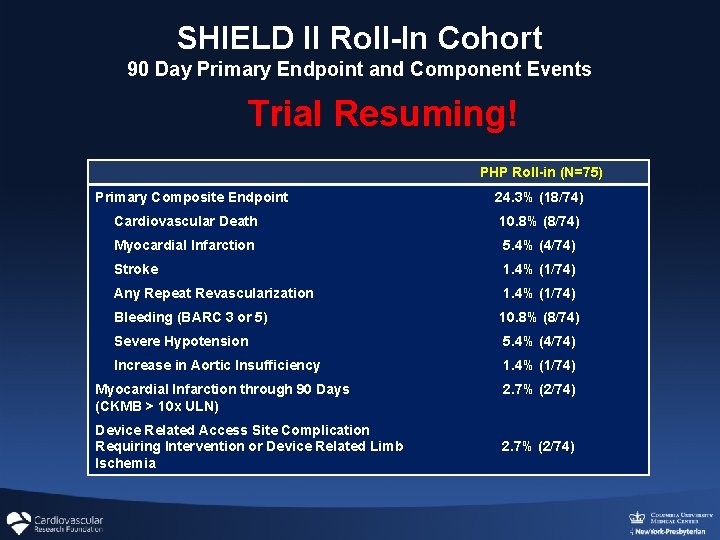
SHIELD II Heart. Mate PHP US Pivotal IDE Trial Patient Population Approximately 425 pts undergoing elective, high-risk PCI Study Design 2 PHP : 1 Impella 2. 5 RCT, multicenter Up to 180 pts non-randomized roll-in phase Primary Efficacy Endpoint 90 -day composite of cardiac death, MI, stroke, repeat revascularization (PCI or CABG), BARC 3 or 5 bleeding, aortic regurgitation 2 grades from baseline, severe hypotension requiring vasopressor support Key Secondary Endpoints Enrollment Criteria • • Completeness of revascularization Device-related access site complications Duration of hospital stay and economics • • LVEF <35%, and UPLM or last remaining conduit PCI, or PCI with 3 vessel CAD NO shock, mod/sev AI/AS, AVR, recent MI Periprocedural hemodynamics: CO/CI, CP, MAP, PCW, CI
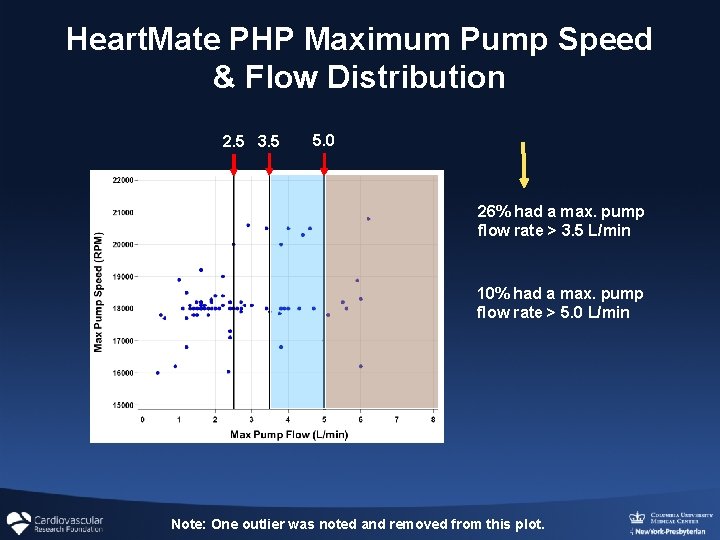
Heart. Mate PHP Maximum Pump Speed & Flow Distribution 2. 5 3. 5 5. 0 26% had a max. pump flow rate > 3. 5 L/min 10% had a max. pump flow rate > 5. 0 L/min Note: One outlier was noted and removed from this plot.
SHIELD II Roll-In Cohort 90 Day Primary Endpoint and Component Events Trial Resuming! PHP Roll-in (N=75) Primary Composite Endpoint 24. 3% (18/74) Cardiovascular Death 10. 8% (8/74) Myocardial Infarction 5. 4% (4/74) Stroke 1. 4% (1/74) Any Repeat Revascularization 1. 4% (1/74) Bleeding (BARC 3 or 5) 10. 8% (8/74) Severe Hypotension 5. 4% (4/74) Increase in Aortic Insufficiency 1. 4% (1/74) Myocardial Infarction through 90 Days (CKMB > 10 x ULN) Device Related Access Site Complication Requiring Intervention or Device Related Limb Ischemia 2. 7% (2/74)
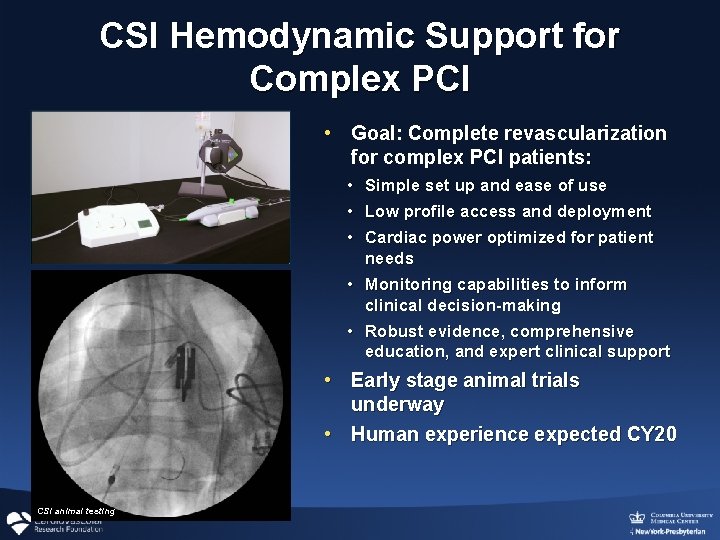
CSI Hemodynamic Support for Complex PCI • Goal: Complete revascularization for complex PCI patients: • Simple set up and ease of use • Low profile access and deployment • Cardiac power optimized for patient needs • Monitoring capabilities to inform clinical decision-making • Robust evidence, comprehensive education, and expert clinical support • Early stage animal trials underway • Human experience expected CY 20 CSI animal testing
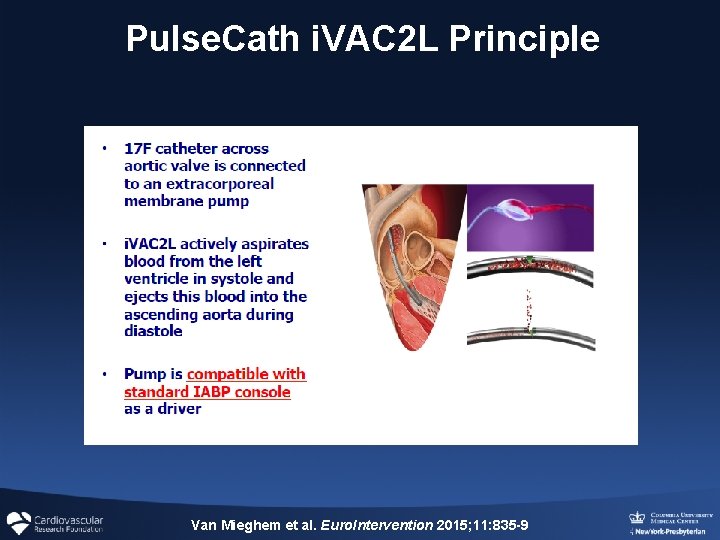
Pulse. Cath i. VAC 2 L Principle Van Mieghem et al. Euro. Intervention 2015; 11: 835 -9
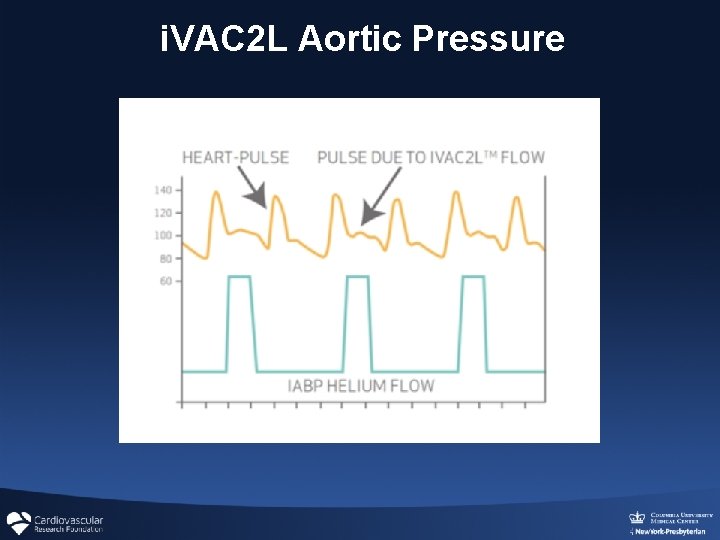
i. VAC 2 L Aortic Pressure
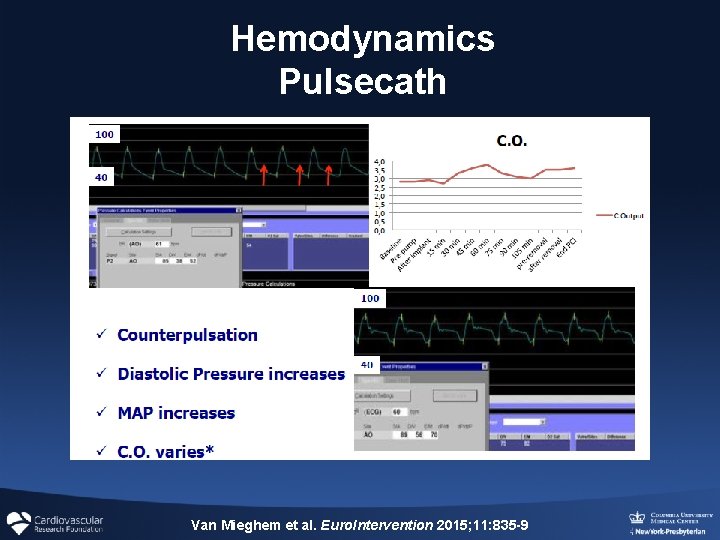
Hemodynamics Pulsecath Van Mieghem et al. Euro. Intervention 2015; 11: 835 -9
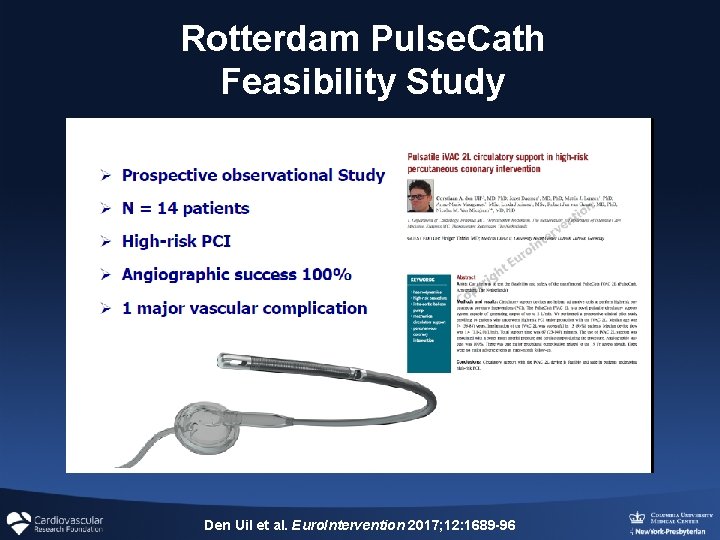
Rotterdam Pulse. Cath Feasibility Study Den Uil et al. Euro. Intervention 2017; 12: 1689 -96
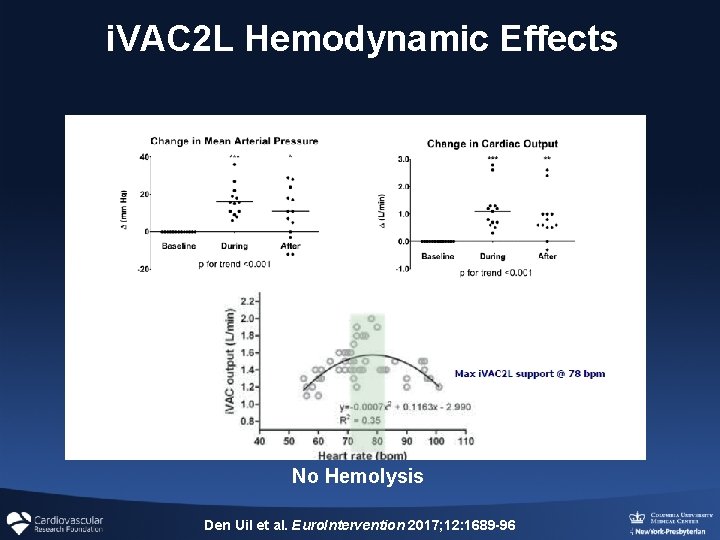
i. VAC 2 L Hemodynamic Effects No Hemolysis Den Uil et al. Euro. Intervention 2017; 12: 1689 -96
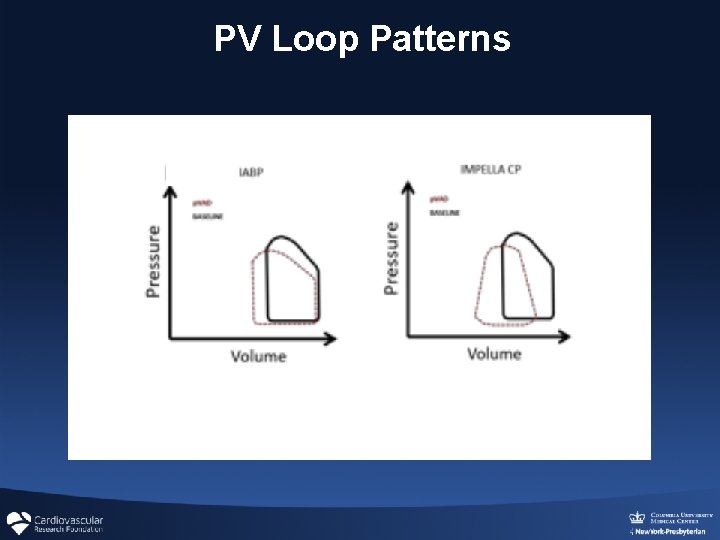
PV Loop Patterns
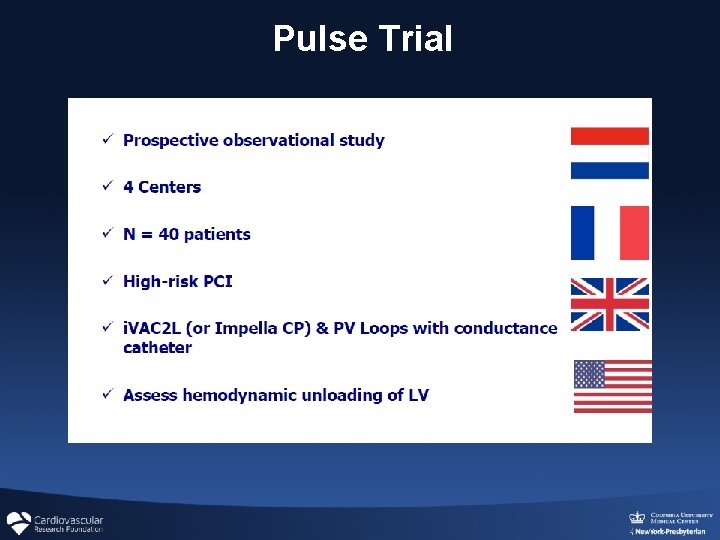
Pulse Trial
New Players • LV pumps PHP CSI IVAC 2 L • Descending Aortic Pumps Reitan Aortix
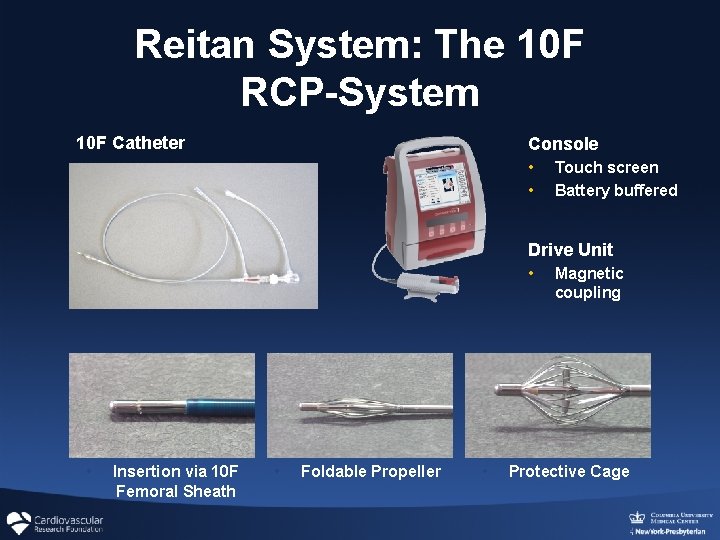
Reitan System: The 10 F RCP-System 10 F Catheter Console • • Touch screen Battery buffered Drive Unit • • Insertion via 10 F Femoral Sheath • Foldable Propeller • Magnetic coupling Protective Cage
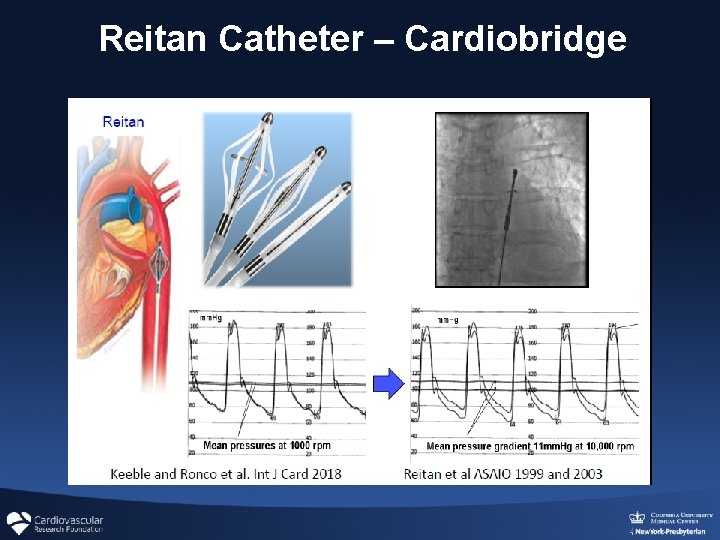
Reitan Catheter – Cardiobridge
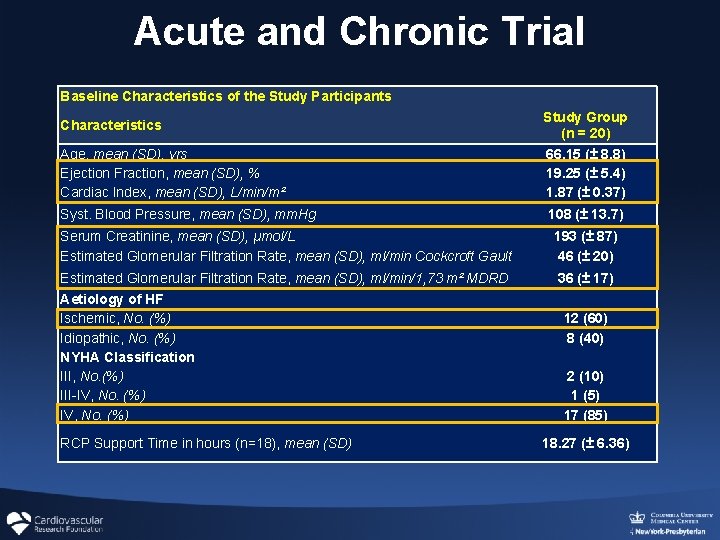
Acute and Chronic Trial Baseline Characteristics of the Study Participants Characteristics Age, mean (SD), yrs Ejection Fraction, mean (SD), % Cardiac Index, mean (SD), L/min/m² Syst. Blood Pressure, mean (SD), mm. Hg Study Group (n = 20) 66. 15 (± 8. 8) 19. 25 (± 5. 4) 1. 87 (± 0. 37) 108 (± 13. 7) Serum Creatinine, mean (SD), µmol/L Estimated Glomerular Filtration Rate, mean (SD), ml/min Cockcroft Gault 193 (± 87) 46 (± 20) Estimated Glomerular Filtration Rate, mean (SD), ml/min/1, 73 m² MDRD Aetiology of HF Ischemic, No. (%) Idiopathic, No. (%) NYHA Classification III, No. (%) III-IV, No. (%) 36 (± 17) RCP Support Time in hours (n=18), mean (SD) 12 (60) 8 (40) 2 (10) 1 (5) 17 (85) 18. 27 (± 6. 36)
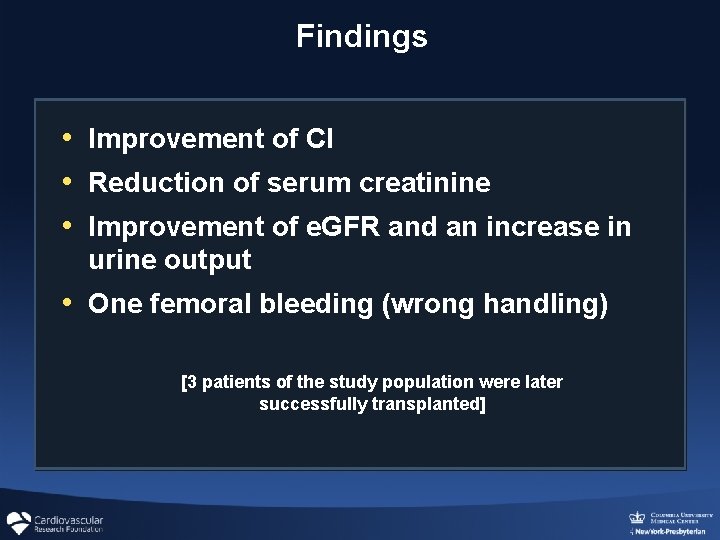
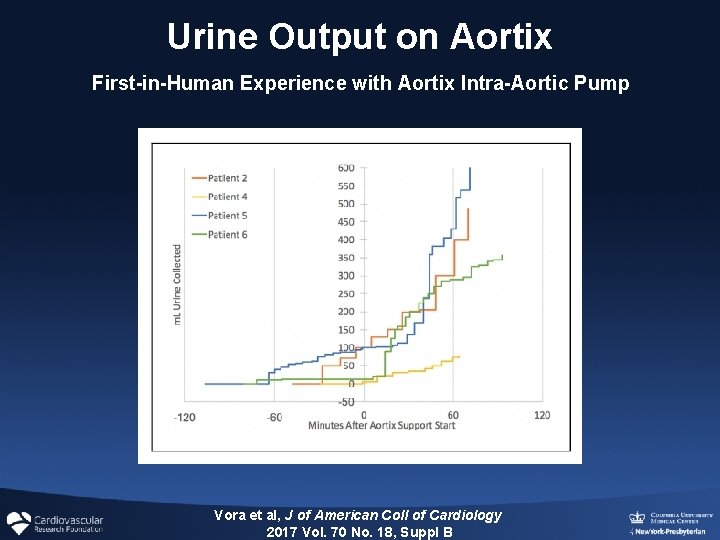
Findings • Improvement of CI • Reduction of serum creatinine • Improvement of e. GFR and an increase in urine output • One femoral bleeding (wrong handling) [3 patients of the study population were later successfully transplanted]
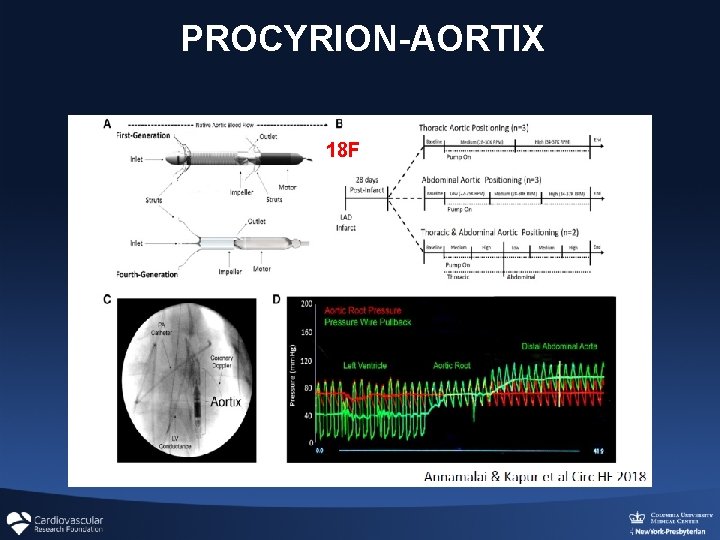
PROCYRION-AORTIX 18 F
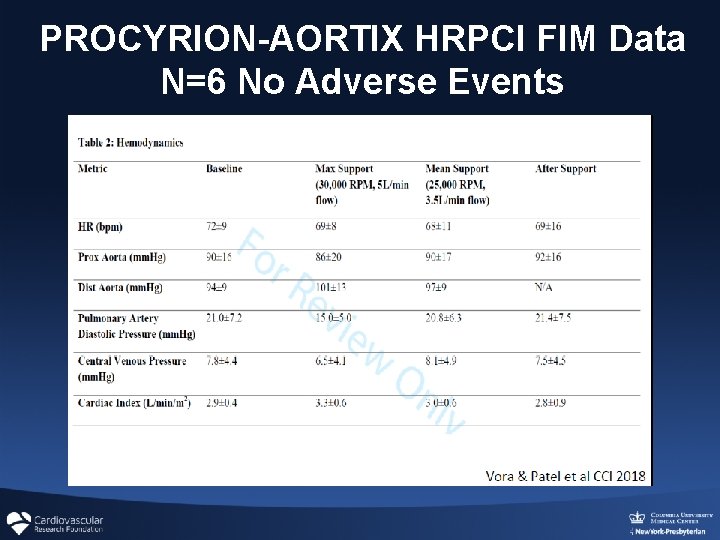
PROCYRION-AORTIX HRPCI FIM Data N=6 No Adverse Events
Urine Output on Aortix First-in-Human Experience with Aortix Intra-Aortic Pump Vora et al, J of American Coll of Cardiology 2017 Vol. 70 No. 18, Suppl B
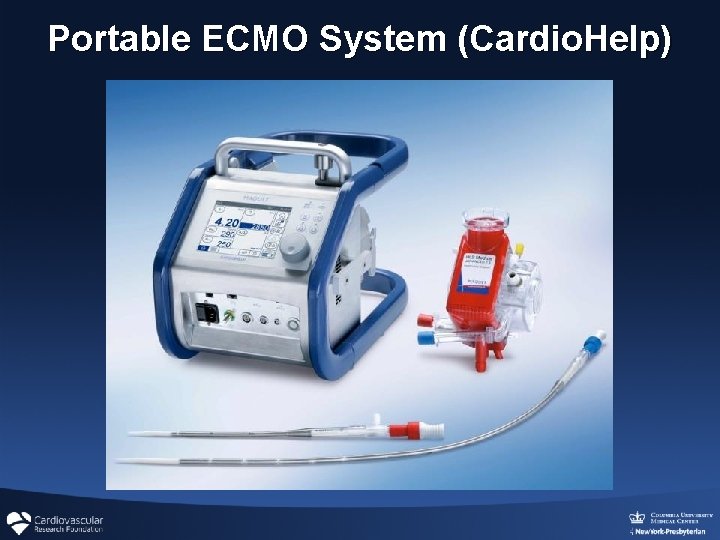
Portable ECMO System (Cardio. Help)
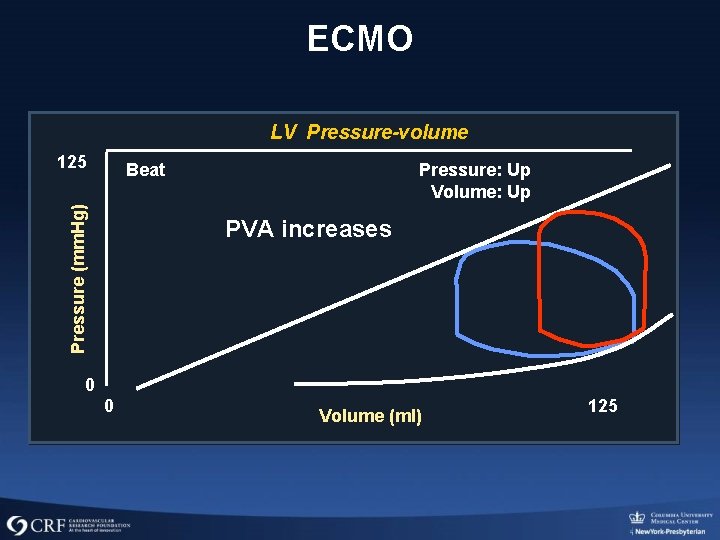
ECMO LV Pressure-volume 125 Pressure: Up Volume: Up Pressure (mm. Hg) Beat PVA increases 0 0 Volume (ml) 125
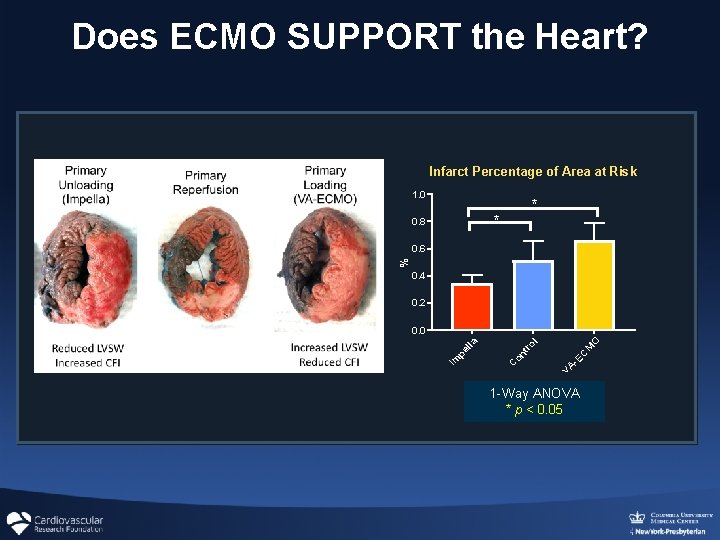
Does ECMO SUPPORT the Heart? Infarct Percentage of Area at Risk 1. 0 * * 0. 8 % 0. 6 0. 4 0. 2 M O VA -E C ro l C on t Im pe lla 0. 0 1 -Way ANOVA * p < 0. 05
Conclusions • The field of hemodynamic support is burgeoning • Competitive devices are in early phases • Profile is still a limitation but innovative solutions are at hand • Trans valvular devices hold the best promise • I suspect descending aortic devices will be best used for chronic heart failure