
Hemodynamic Disorders V Embolism and Infarction Ghadeer Hayel
Hemodynamic Disorders V Embolism and Infarction Ghadeer Hayel, M. D. Histopathologist 1
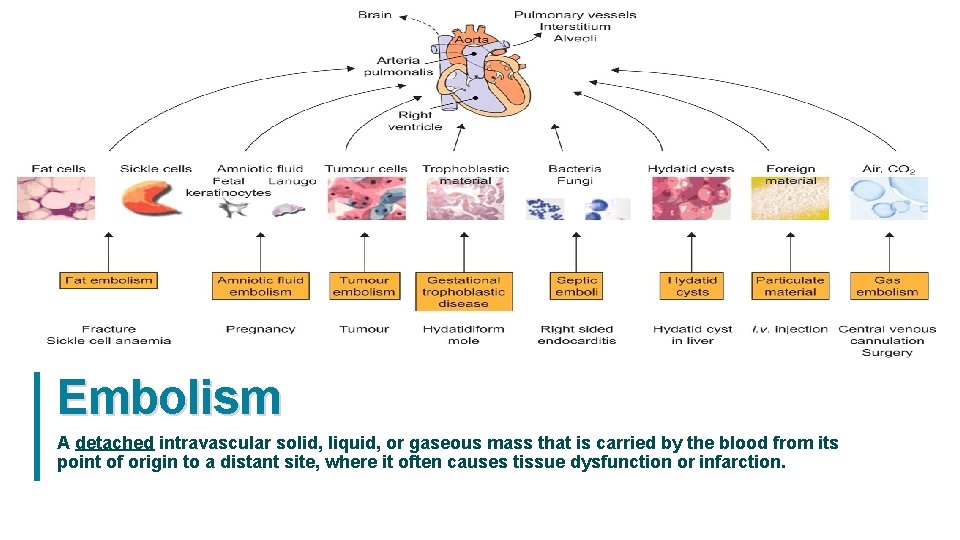
Embolism A detached intravascular solid, liquid, or gaseous mass that is carried by the blood from its point of origin to a distant site, where it often causes tissue dysfunction or infarction. 2
Embolism • The vast majority of emboli derive from a dislodged thrombus ( thromboembolism) • Less commonly, emboli are composed of fat droplets, bubbles of air or nitrogen, atherosclerotic debris (cholesterol emboli), tumor fragments, bits of bone marrow, or amniotic fluid. • Emboli travel through the blood until they encounter vessels too small to permit further passage partial or complete vascular occlusion, Can arrest anywhere in the vascular tree. • Clinical consequences depends on: size position embolus, vascular bed that is impacted. • The primary consequence of systemic embolization is ischemic necrosis (infarction) of downstream tissues, whereas embolization in the pulmonary circulation leads to hypoxia, hypotension, and right-sided heart failure. 3
Pulmonary Thromboembolism ü Pulmonary emboli (PE) originate from deep venous thrombosis and the most common form of thromboembolic disease. . ü The incidence of (PE) is 2 to 4 per 1000 hospitalized patients. (surgery, pregnancy, and malignancy all increase the risk). ü > 95% of cases, venous emboli originate from thrombi within deep leg veins proximal to the popliteal fossa carried through progressively larger veins pass through the right side of the heart arresting in the pulmonary vasculature. 4
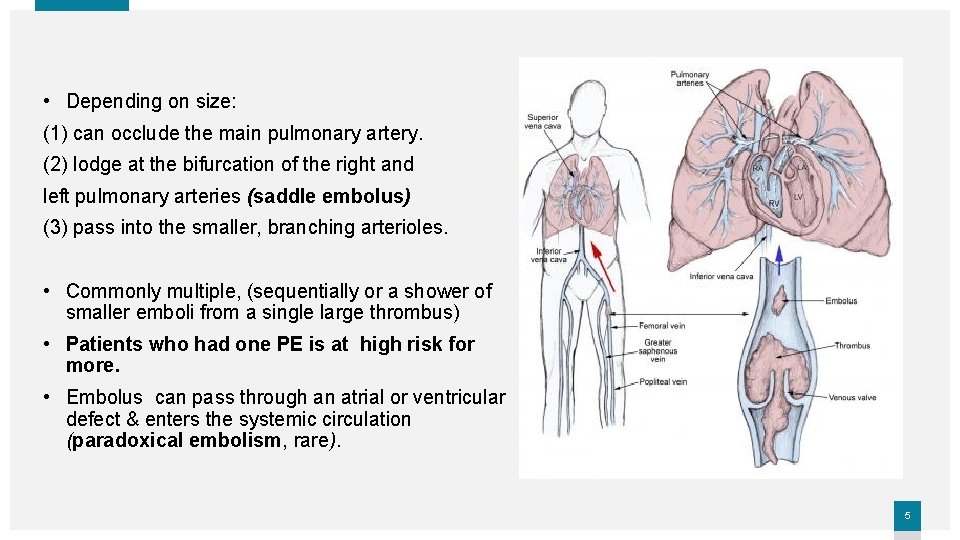
• Depending on size: (1) can occlude the main pulmonary artery. (2) lodge at the bifurcation of the right and left pulmonary arteries (saddle embolus) (3) pass into the smaller, branching arterioles. • Commonly multiple, (sequentially or a shower of smaller emboli from a single large thrombus) • Patients who had one PE is at high risk for more. • Embolus can pass through an atrial or ventricular defect & enters the systemic circulation (paradoxical embolism, rare). 5
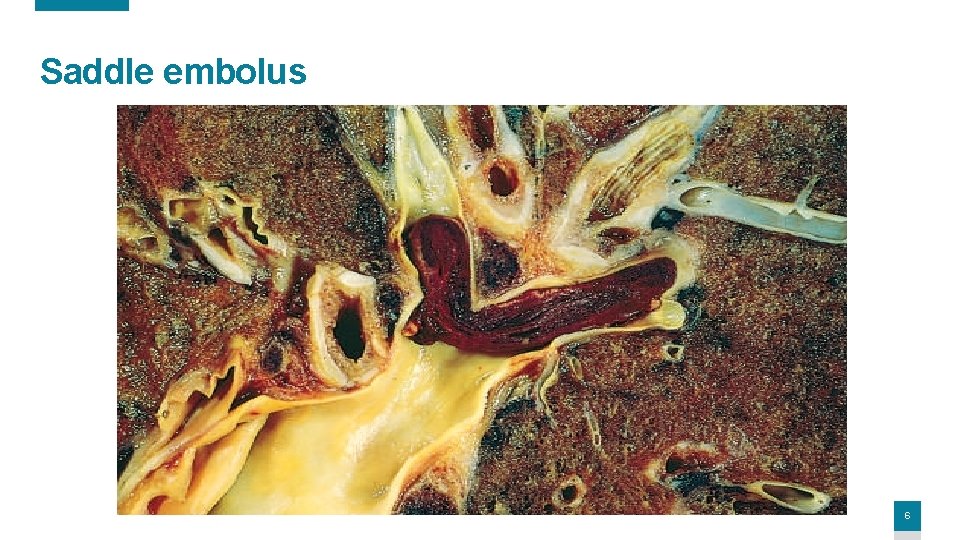
Saddle embolus 6
Major clinical and pathologic features of PE (1) Most PEs (60%– 80%) are small & clinically silent. (later undergo organization & become incorporated into the vascular wall, some cases, leaves behind bridging fibrous webs) (2) A large embolus that blocks a major pulmonary artery can cause sudden death. (3) Embolic obstruction of medium-sized arteries rupture of downstream capillaries rendered anoxic can cause pulmonary hemorrhage. * usually does not cause pulmonary infarction dual circulation; bronchial circulation & pulmonary arteries). * but in the setting of left-sided cardiac failure (diminished bronchial artery perfusion) it can lead to a pulmonary infarct. 7
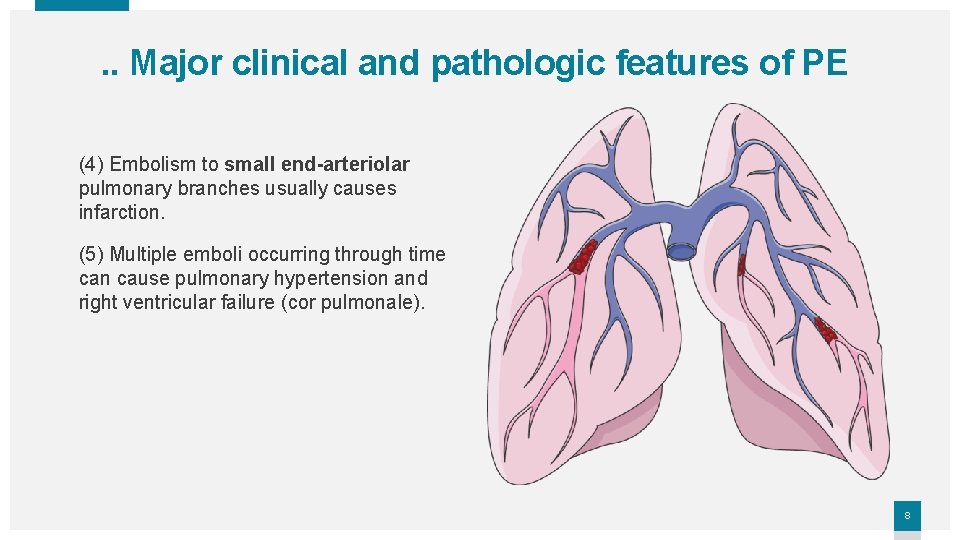
. . Major clinical and pathologic features of PE (4) Embolism to small end-arteriolar pulmonary branches usually causes infarction. (5) Multiple emboli occurring through time can cause pulmonary hypertension and right ventricular failure (cor pulmonale). 8
Systemic Thromboembolism ü Most (80%) systemic emboli arise from intracardiac mural thrombi. ü 2/3 of these are associated with left ventricular infarcts & 25% with dilated left atria (e. g. , secondary to mitral valve disease). ü The remainder originate from aortic aneurysms, overlying ulcerated atherosclerotic plaques, fragmented valvular vegetations, or the venous system (paradoxical emboli); 10% to 15% of systemic emboli are of unknown origin. 9
. . Systemic Thromboembolism • Arterial emboli can travel virtually anywhere; final resting place depends on their the source and the relative amount of blood flow that downstream tissues receive. • Common arteriolar embolization sites: (1) the lower extremities (75%). (2) central nervous system (10%) (3) intestines, kidneys, & spleen are less common targets. • The consequences of embolization depend on the caliber of the occluded vessel, the collateral supply, & the affected tissue’s vulnerability to anoxia. • Arterial emboli often lodge in end arteries and cause infarction. 10
Fat and Marrow Embolism • Occurs in 90% of individuals with severe skeletal injuries, but less than 10% show any clinical findings. • How: Soft tissue crush injury or rupture of marrow vascular sinusoids (e. g. , long bone fracture) release microscopic fat globules into the circulation. + Common incidental findings after vigorous cardiopulmonary resuscitation (CPR) (probably of little clinical significance). 11
Fat Embolism syndrome ü Presents in a Minority of fat embolism cases, but fatal in 10% ü Manifestations: Pulmonary insufficiency, neurologic symptoms, anemia, thrombocytopenia, and a diffuse petechial rash. ü Presentation: Sudden onset tachypnea, dyspnea, tachycardia, irritability, & restlessness. In 1 to 3 days after injury. ü Can progress rapidly to delirium or coma. ü Thrombocytopenia is attributed to platelet adhesion to fat globules & aggregation & splenic sequestration; anemia result from RBCs aggregation and/or hemolysis. ü A diffuse petechial rash (20%– 50% of cases) due to rapid onset of thrombocytopenia A useful diagnostic feature. 12
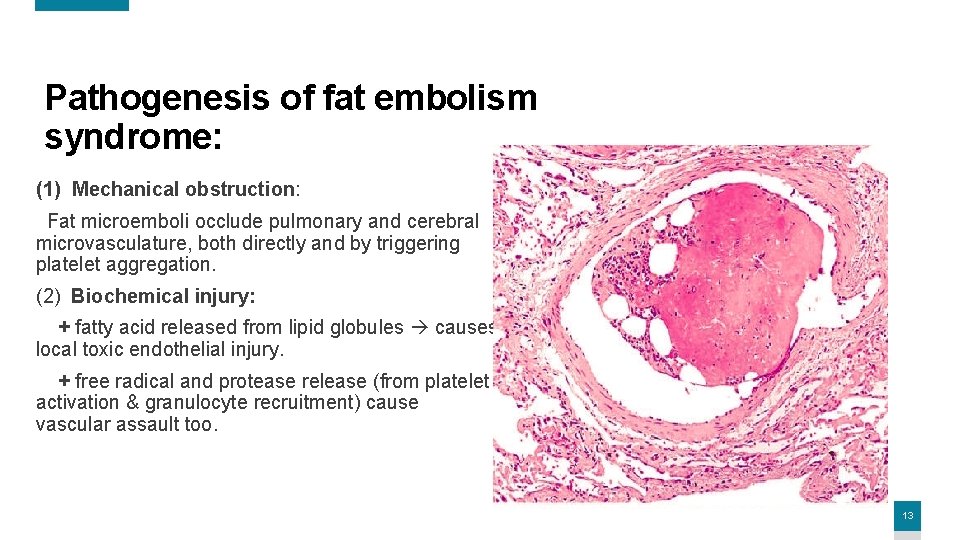
Pathogenesis of fat embolism syndrome: (1) Mechanical obstruction: Fat microemboli occlude pulmonary and cerebral microvasculature, both directly and by triggering platelet aggregation. (2) Biochemical injury: + fatty acid released from lipid globules causes local toxic endothelial injury. + free radical and protease release (from platelet activation & granulocyte recruitment) cause vascular assault too. 13
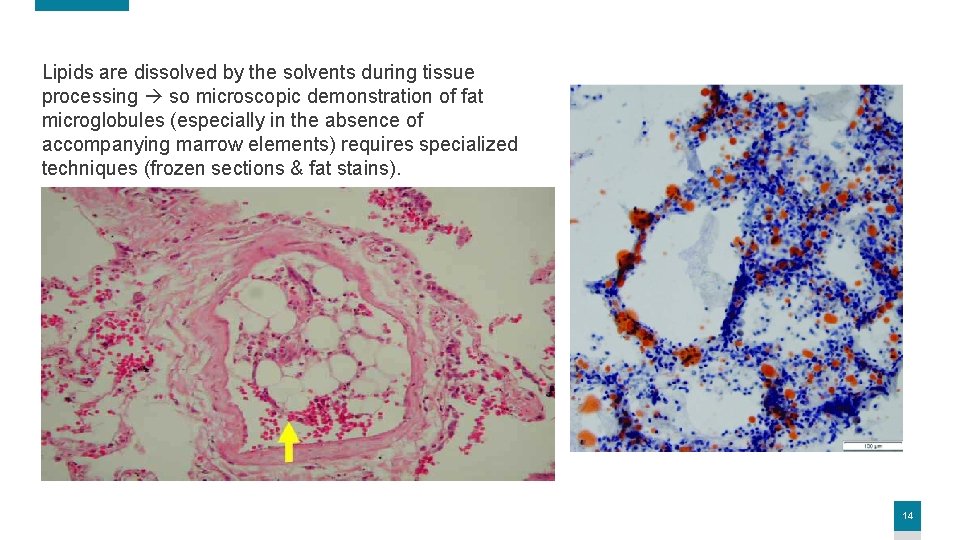
Lipids are dissolved by the solvents during tissue processing so microscopic demonstration of fat microglobules (especially in the absence of accompanying marrow elements) requires specialized techniques (frozen sections & fat stains). 14
Amniotic Fluid Embolism ü Amniotic fluid embolism is an uncommon, grave complication of labor & the immediate postpartum period occurring in 1 in 40, 000 deliveries. ü The mortality rate approaches 80%, making it the fifth most common cause of maternal mortality worldwide. ü 85% of survivors suffer some form of permanent neurologic deficit. 15
Amniotic Fluid Embolism ü Presentation: sudden severe dyspnea, cyanosis, & hypotensive shock, followed by headache to seizures & coma. ü If the patient survives the initial crisis, pulmonary edema typically develops, along with (half the patients) disseminated intravascular coagulation (DIC) secondary to release of thrombogenic substances from amniotic fluid. ü Morbidity and Mortality: stems from biochemical activation of the coagulation system & the innate immune system by substances in the amniotic fluid, not from mechanical obstruction of pulmonary vessels. ü SOURCE: entry of amniotic fluid (and its contents) into the maternal circulation via tears in the placental membranes and/or uterine vein rupture. 16
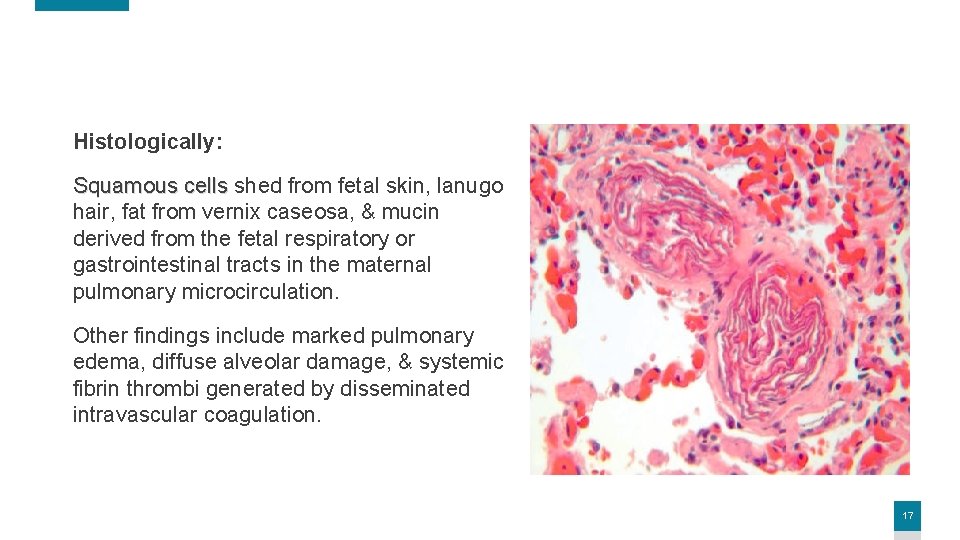
Histologically: Squamous cells shed from fetal skin, lanugo hair, fat from vernix caseosa, & mucin derived from the fetal respiratory or gastrointestinal tracts in the maternal pulmonary microcirculation. Other findings include marked pulmonary edema, diffuse alveolar damage, & systemic fibrin thrombi generated by disseminated intravascular coagulation. 17
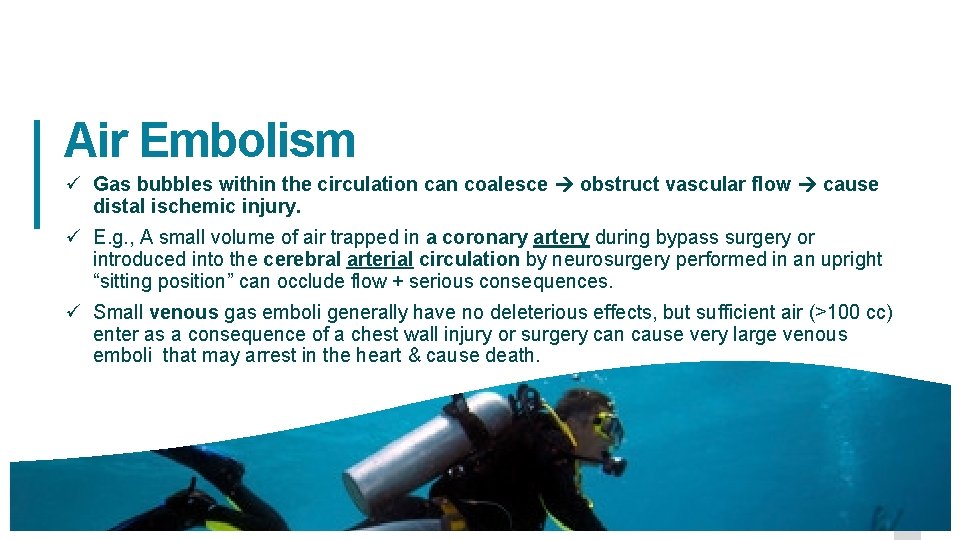
Air Embolism ü Gas bubbles within the circulation can coalesce obstruct vascular flow cause distal ischemic injury. ü E. g. , A small volume of air trapped in a coronary artery during bypass surgery or introduced into the cerebral arterial circulation by neurosurgery performed in an upright “sitting position” can occlude flow + serious consequences. ü Small venous gas emboli generally have no deleterious effects, but sufficient air (>100 cc) enter as a consequence of a chest wall injury or surgery can cause very large venous emboli that may arrest in the heart & cause death. 18
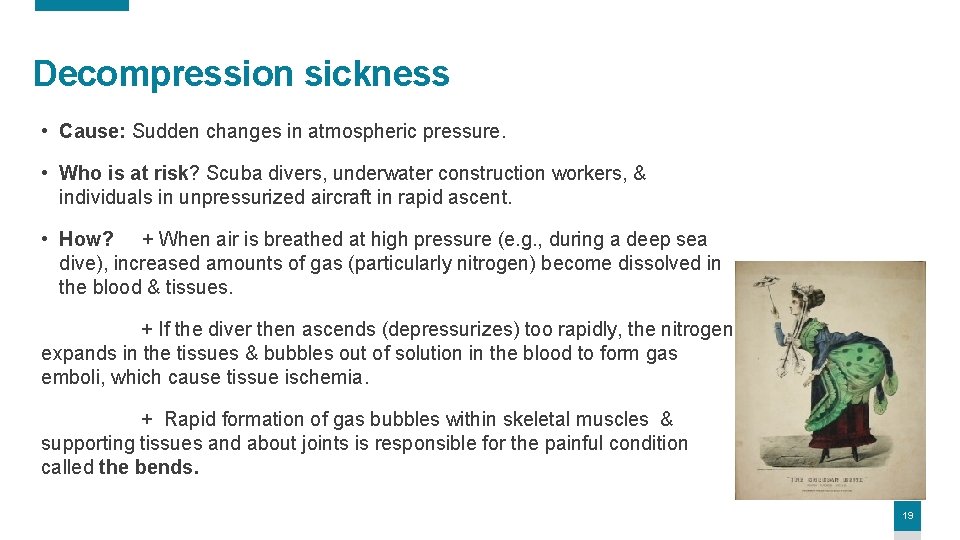
Decompression sickness • Cause: Sudden changes in atmospheric pressure. • Who is at risk? Scuba divers, underwater construction workers, & individuals in unpressurized aircraft in rapid ascent. • How? + When air is breathed at high pressure (e. g. , during a deep sea dive), increased amounts of gas (particularly nitrogen) become dissolved in the blood & tissues. + If the diver then ascends (depressurizes) too rapidly, the nitrogen expands in the tissues & bubbles out of solution in the blood to form gas emboli, which cause tissue ischemia. + Rapid formation of gas bubbles within skeletal muscles & supporting tissues and about joints is responsible for the painful condition called the bends. 19
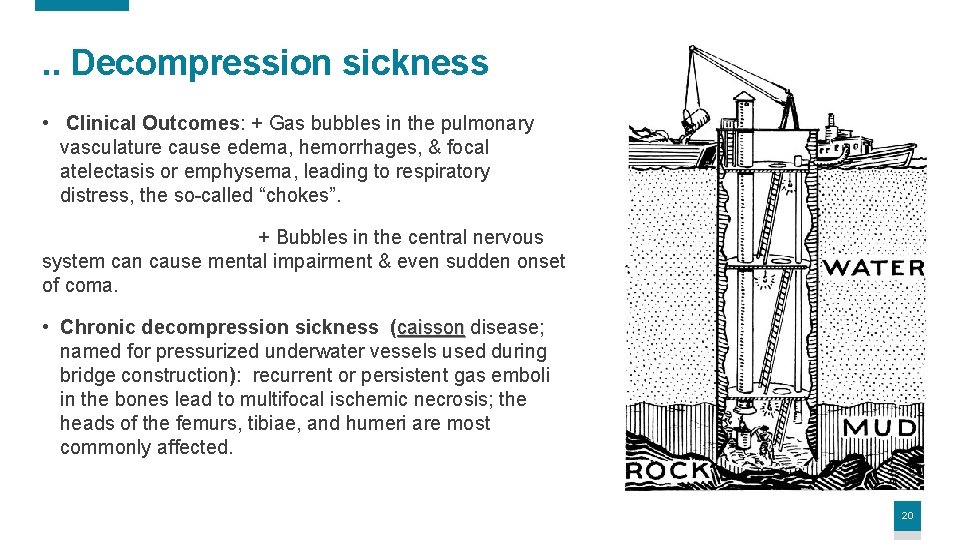
. . Decompression sickness • Clinical Outcomes: + Gas bubbles in the pulmonary vasculature cause edema, hemorrhages, & focal atelectasis or emphysema, leading to respiratory distress, the so-called “chokes”. + Bubbles in the central nervous system can cause mental impairment & even sudden onset of coma. • Chronic decompression sickness (caisson disease; named for pressurized underwater vessels used during bridge construction): recurrent or persistent gas emboli in the bones lead to multifocal ischemic necrosis; the heads of the femurs, tibiae, and humeri are most commonly affected. 20
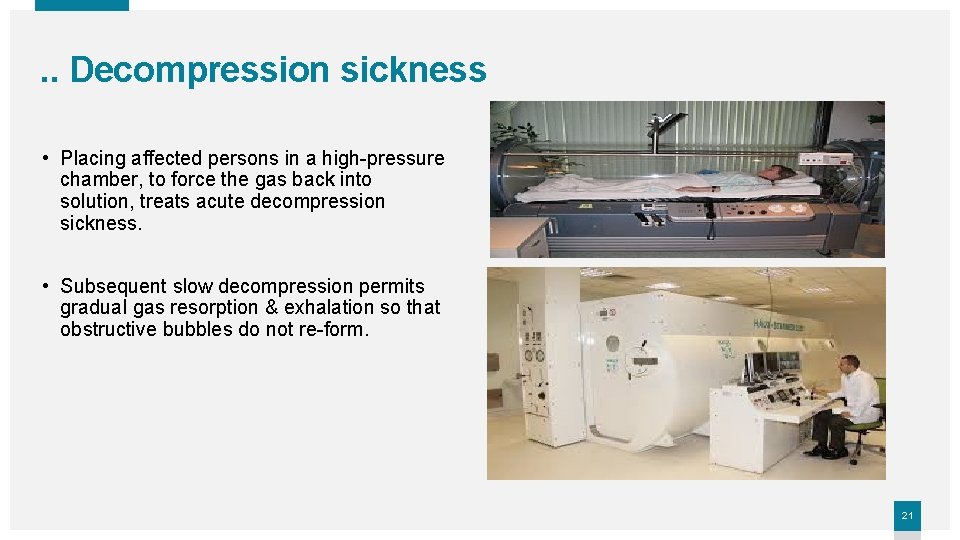
. . Decompression sickness • Placing affected persons in a high-pressure chamber, to force the gas back into solution, treats acute decompression sickness. • Subsequent slow decompression permits gradual gas resorption & exhalation so that obstructive bubbles do not re-form. 21
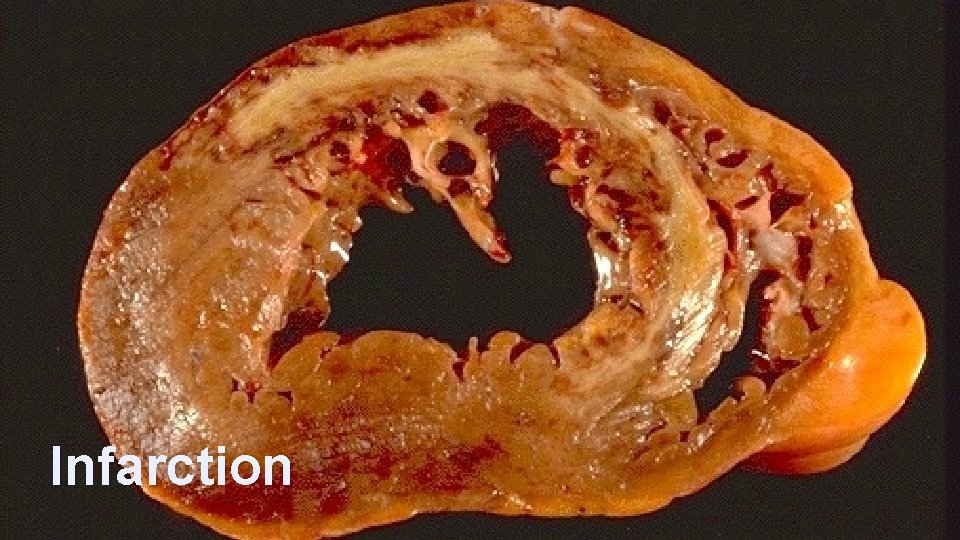
Morphology Infarction 22
Infarction ü An infarct is an area of ischemic necrosis caused by occlusion of the vascular supply to the affected tissue. ü Infarction primarily affecting the heart & the brain is common & extremely important cause of clinical illness. ü ~40% of all deaths in the United States are a consequence of cardiovascular disease. (mostly myocardial or cerebral infarction). Ø Pulmonary infarction is a common clinical complication. Ø Bowel infarction often is fatal. Ø Ischemic necrosis of distal extremities (gangrene) causes substantial morbidity in the diabetic population. 23
Causes of Infarction Arterial occlusion: + underlies the vast majority of infarctions (thrombosis & embolism). + Less common causes of arterial obstruction: (1)vasospasm, (2)expansion of an atheroma due to intra-plaque hemorrhage, & (3) extrinsic compression of a vessel (like tumor, or hernial sac) (4) vessel twisting (e. g. , in testicular torsion or bowel volvulus), (5) traumatic vascular rupture. Venous thrombosis: + the more common outcome is simply congestion. + Infarcts caused by venous thrombosis usually occur only in organs with a single efferent vein (testis or ovary). 24

Morphology Infarcts are classified based on their color (reflecting the amount of hemorrhage): red (hemorrhagic) or white (anemic) Or on the presence or absence of microbial infection; either septic or bland. 25
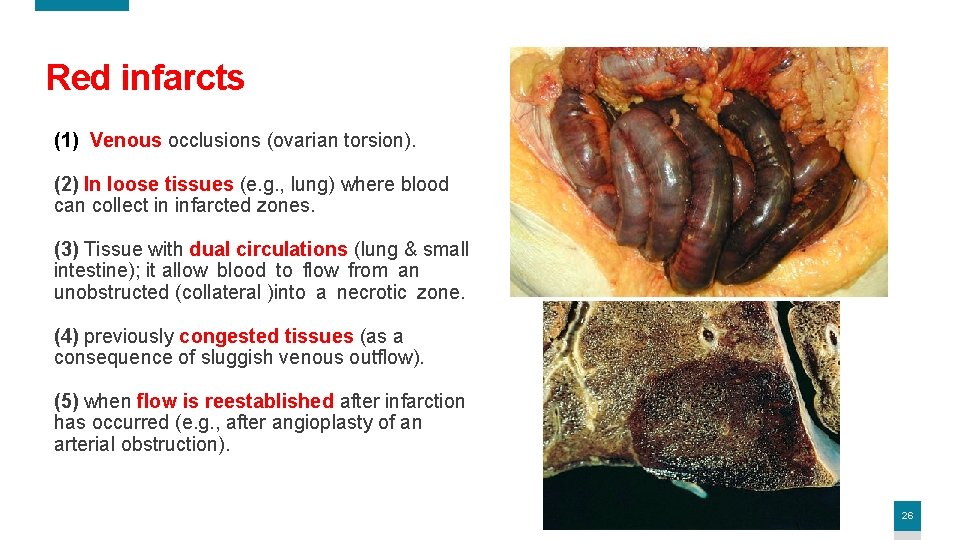
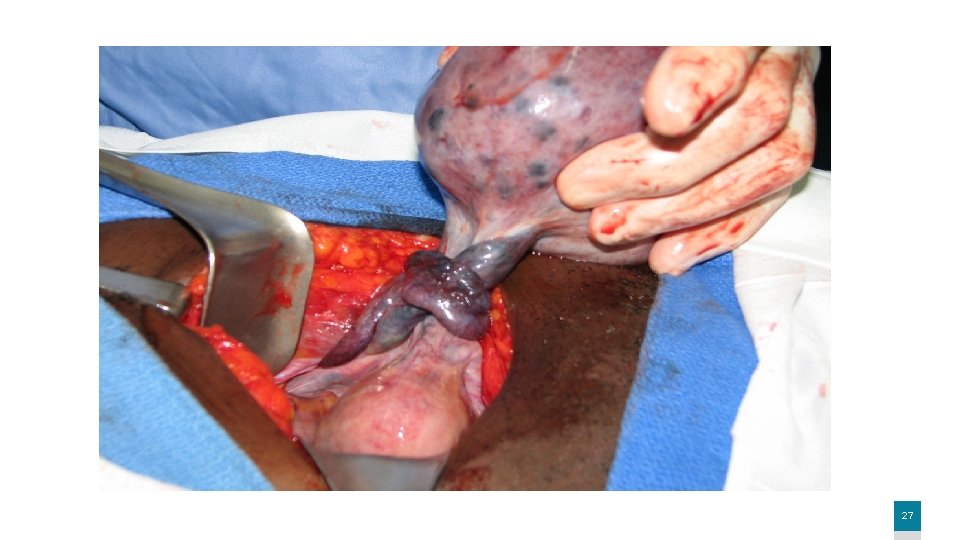
Red infarcts (1) Venous occlusions (ovarian torsion). (2) In loose tissues (e. g. , lung) where blood can collect in infarcted zones. (3) Tissue with dual circulations (lung & small intestine); it allow blood to flow from an unobstructed (collateral )into a necrotic zone. (4) previously congested tissues (as a consequence of sluggish venous outflow). (5) when flow is reestablished after infarction has occurred (e. g. , after angioplasty of an arterial obstruction). 26
27
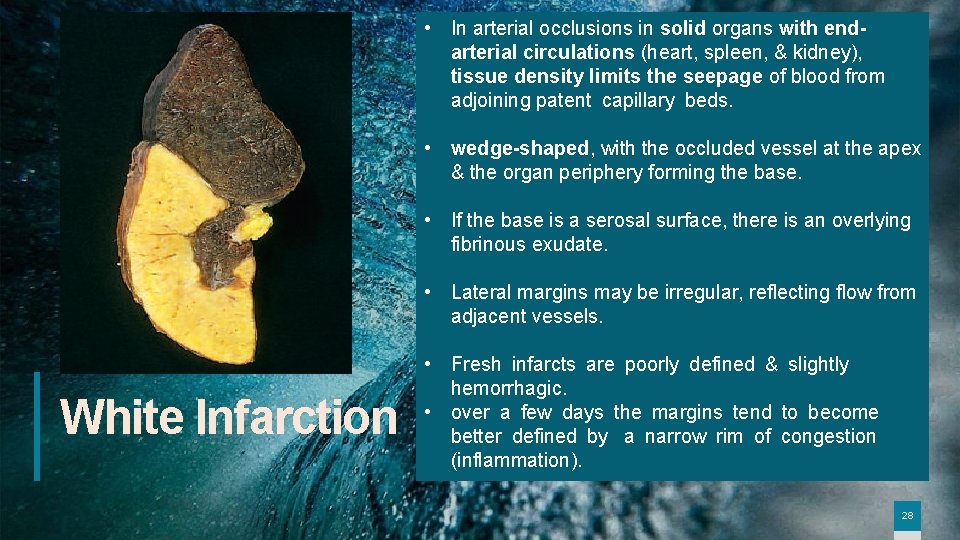
• In arterial occlusions in solid organs with endarterial circulations (heart, spleen, & kidney), tissue density limits the seepage of blood from adjoining patent capillary beds. • wedge-shaped, with the occluded vessel at the apex & the organ periphery forming the base. • If the base is a serosal surface, there is an overlying fibrinous exudate. • Lateral margins may be irregular, reflecting flow from adjacent vessels. White Infarction • Fresh infarcts are poorly defined & slightly hemorrhagic. • over a few days the margins tend to become better defined by a narrow rim of congestion (inflammation). 28
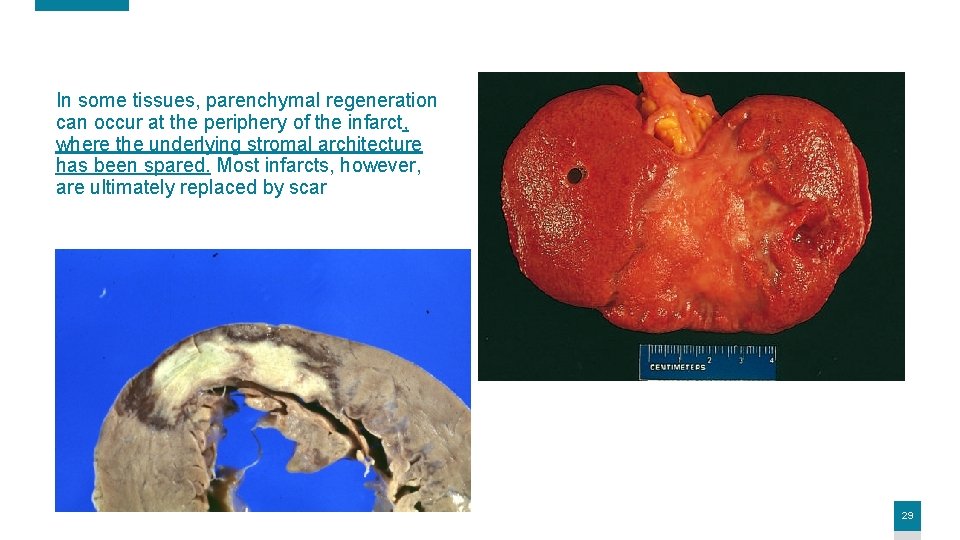
In some tissues, parenchymal regeneration can occur at the periphery of the infarct, where the underlying stromal architecture has been spared. Most infarcts, however, are ultimately replaced by scar 29
Factors That Influence Infarct Development • Anatomy of the vascular supply. The presence (lung, liver, the hand forearm) or absence (kidney and spleen) of an alternative blood supply is the most important factor in determining whether occlusion of an individual vessel causes damage. • Rate of occlusion. Slowly developing occlusions are less likely to cause infarction because they allow time for the development of collateral blood supplies. • Tissue vulnerability to hypoxia Neurons undergo irreversible damage when deprived of their blood supply for only 3 to 4 minutes. Myocardial cells, although hardier than neurons, still die after only 20 to 30 minutes of ischemia. By contrast, fibroblasts within myocardium remain viable after many hours of ischemia. 30

THANK YOU Insert Image 31
- Slides: 31