
Hemodialysis in elderly Prof dr Halima Resic Clinic



- Slides: 43
Hemodialysis in elderly Prof. dr. Halima Resic Clinic for Hemodialysis Clinical Center University of Sarajevo Bosnia and Herzegovina ISN CME Course „Nephrology Update 2016“ 17 th AND 18 th September 2016
Talk Outline 1. Definition of an “elderly” patient 2. Whats the evidence that an e. GFR<60 mls/min/1. 73 m 2 indicates kidney disease in all age groups 3. Epidemiology of CKD in elderly 4. Life expectancy of an elderly patient with CKD 5. Dialysis initiation in elderly 6. Vascular access 7. Quality of life in elderly patients on dialysis 8. Withdrawal from dialysis 9. Take home messages
Definition of an “elderly” patient
• Many studies have used, until recently, a cut-off of 65 years old (or younger), as a definition of elderly, grouping all patients over that age. • However, the medical and social issues are clearly very different for a patient in her late 60 s in comparison to another in her late 90 s. • Attention to the age of the study group is important when considering how study results might apply to an individual patient.
Whats the evidence that an e. GFR<60 mls/min/1. 73 m 2 indicates kidney disease in all age groups
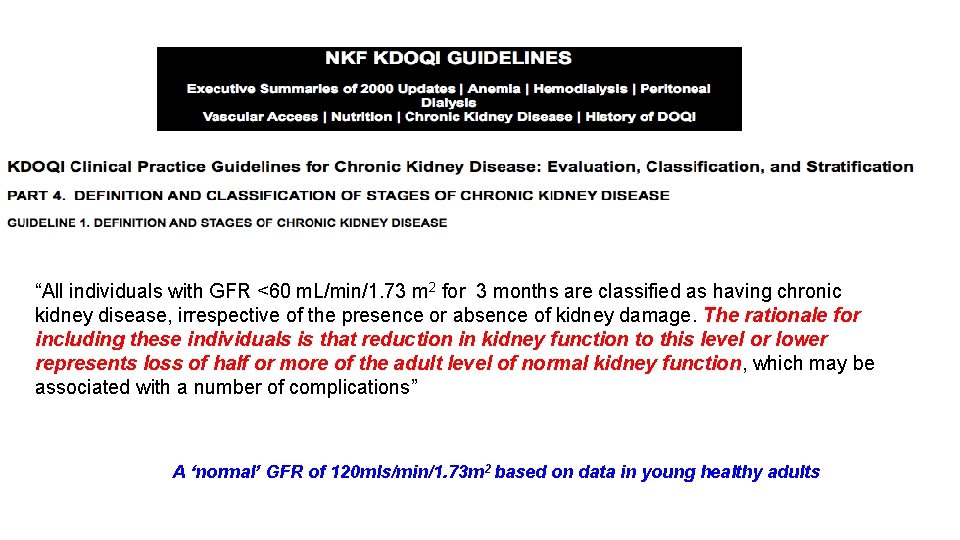
“All individuals with GFR <60 m. L/min/1. 73 m 2 for 3 months are classified as having chronic kidney disease, irrespective of the presence or absence of kidney damage. The rationale for including these individuals is that reduction in kidney function to this level or lower represents loss of half or more of the adult level of normal kidney function, which may be associated with a number of complications” A ‘normal’ GFR of 120 mls/min/1. 73 m 2 based on data in young healthy adults
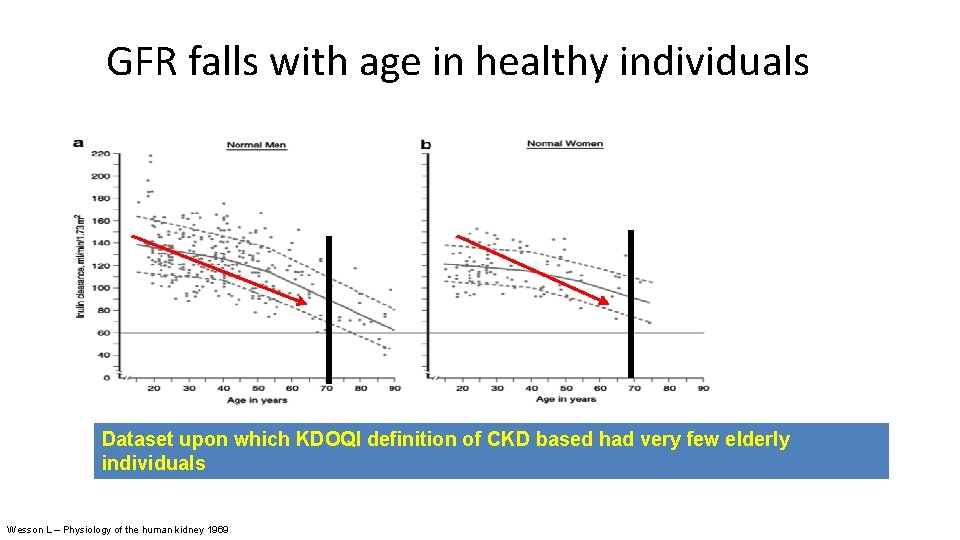
GFR falls with age in healthy individuals Dataset upon which KDOQI definition of CKD based had very few elderly individuals Wesson L – Physiology of the human kidney 1969
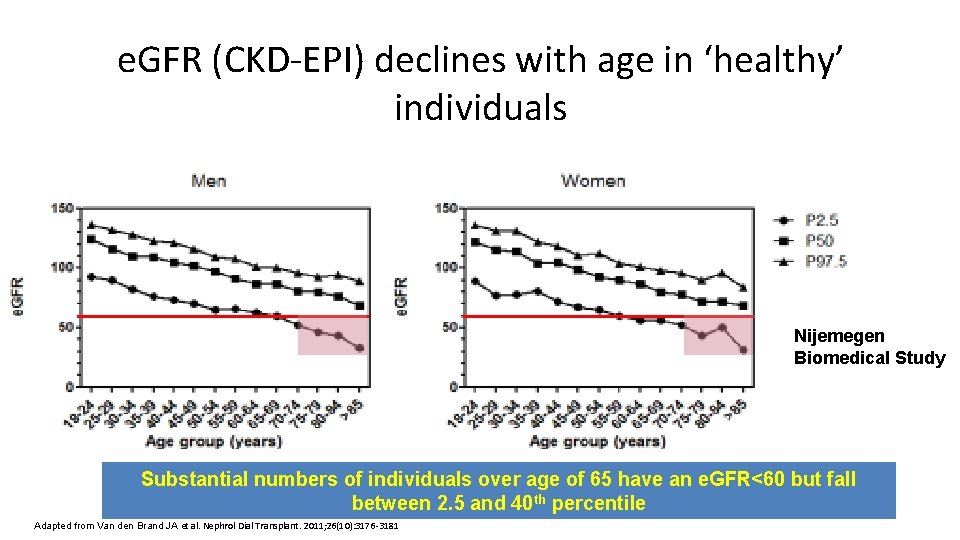
e. GFR (CKD-EPI) declines with age in ‘healthy’ individuals Nijemegen Biomedical Study Substantial numbers of individuals over age of 65 have an e. GFR<60 but fall between 2. 5 and 40 th percentile Adapted from Van den Brand JA et al. Nephrol Dial Transplant. 2011; 26(10): 3176 -3181
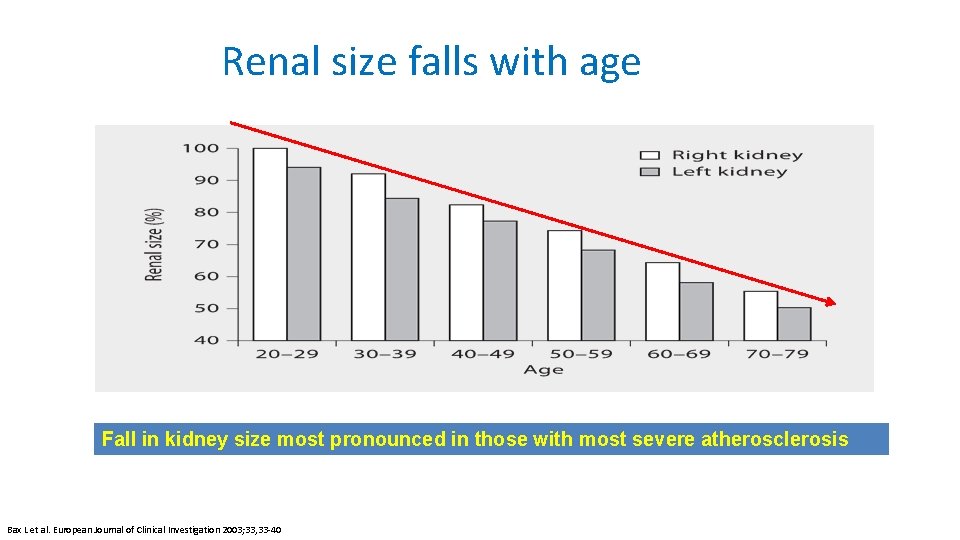
Renal size falls with age Fall in kidney size most pronounced in those with most severe atherosclerosis Bax L et al. European Journal of Clinical Investigation 2003; 33, 33 -40
Epidemiology of CKD in elderly
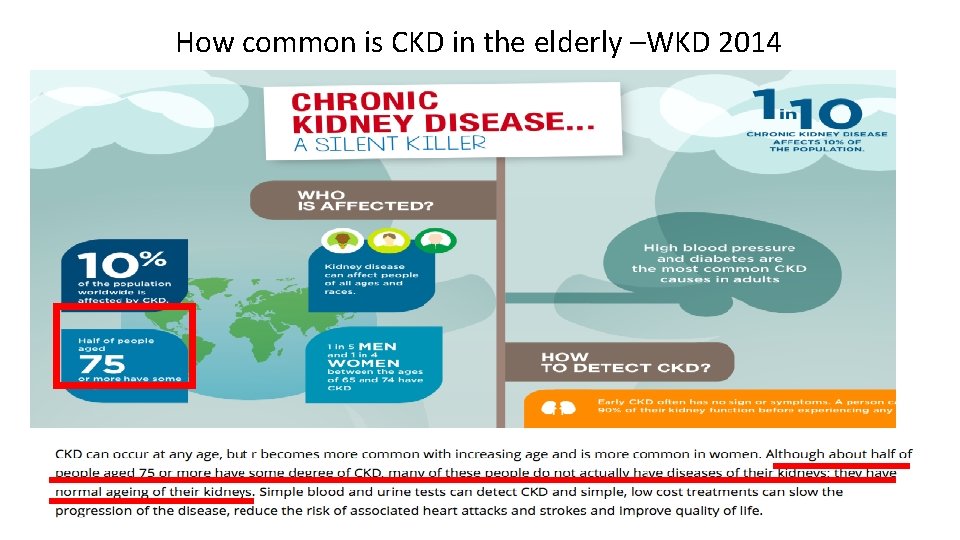
How common is CKD in the elderly –WKD 2014
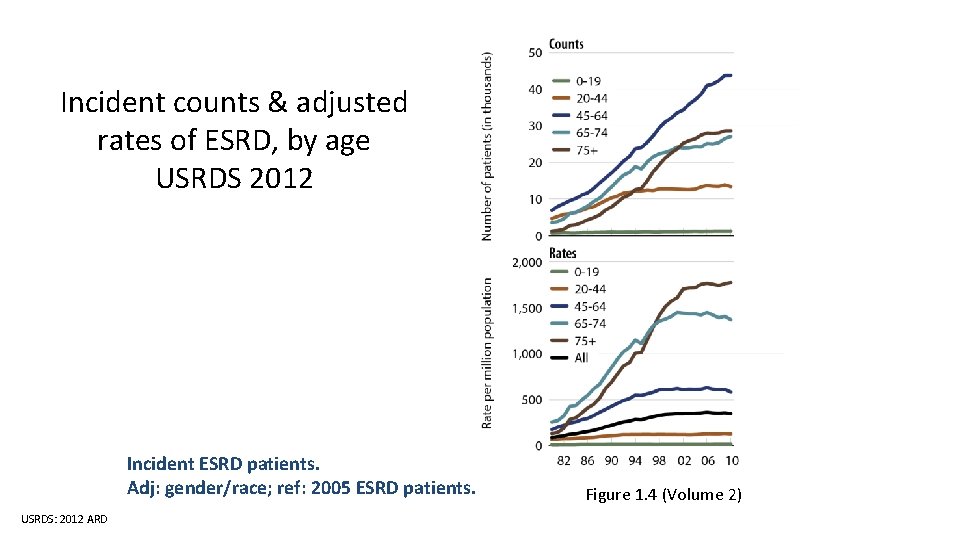
Incident counts & adjusted rates of ESRD, by age USRDS 2012 Incident ESRD patients. Adj: gender/race; ref: 2005 ESRD patients. USRDS: 2012 ARD Figure 1. 4 (Volume 2)
• Incidence of dialysis-dependent kidney failure has steadily increased among older people over the last few decades: In the US, a 57% age-adjusted increase in the number of incident octogenarians and nonagenarians was noted between 1996 and 2003 alone. • According to USRDS data, since 2000, the adjusted incident rate of ESRD has grown 12. 2 percent for patients age 75 and older, to 1, 773 per million population in 2010. • Elderly patients represent increasing number of incident patients on dialysis. • Only 3 to 5% of these patients are on peritoneal dialysis (PD), while most of them are on hemodialysis (HD). • This is followed by a rise in dialysis expenditures per-patient, because costs for HD in a person over 65 years average 10 to 35% more than for a person under 65.
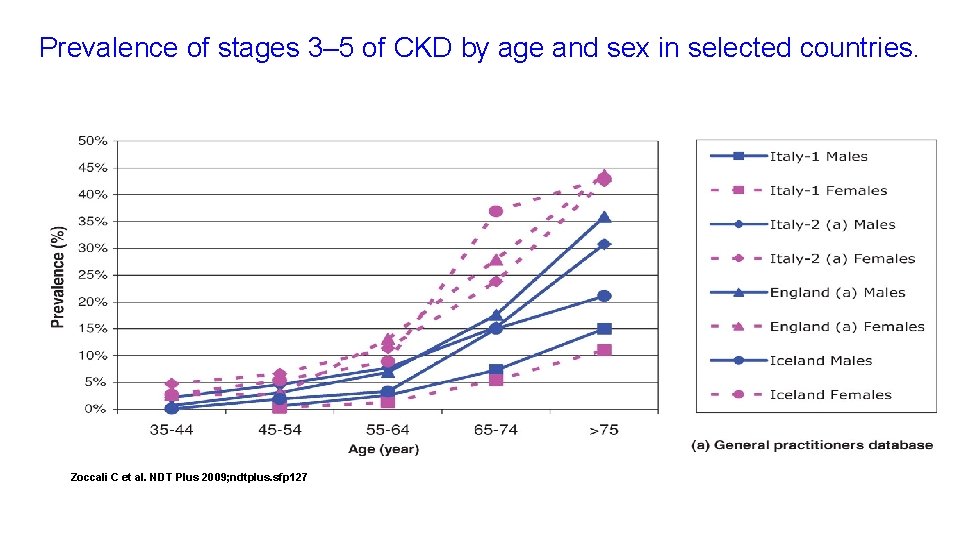
Prevalence of stages 3– 5 of CKD by age and sex in selected countries. Zoccali C et al. NDT Plus 2009; ndtplus. sfp 127
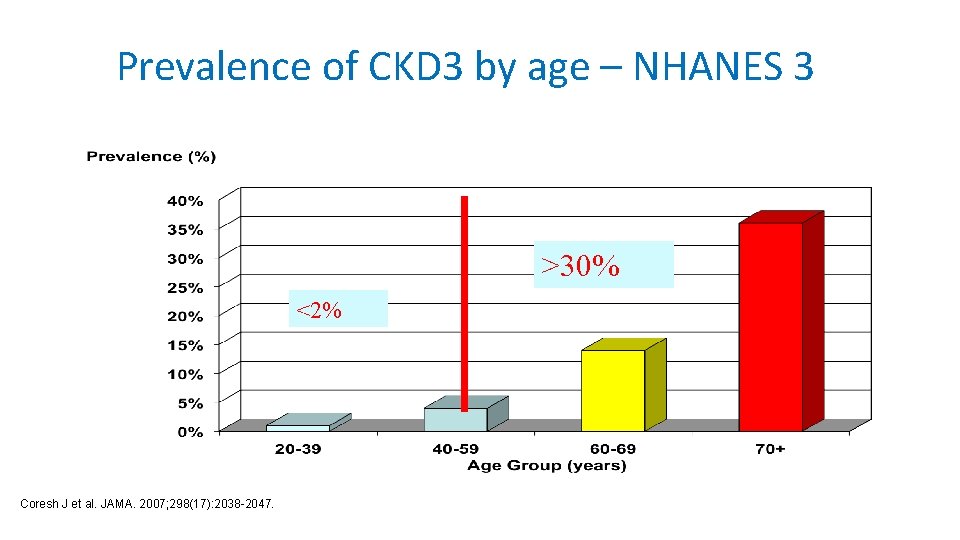
Prevalence of CKD 3 by age – NHANES 3 >30% <2% Coresh J et al. JAMA. 2007; 298(17): 2038 -2047.
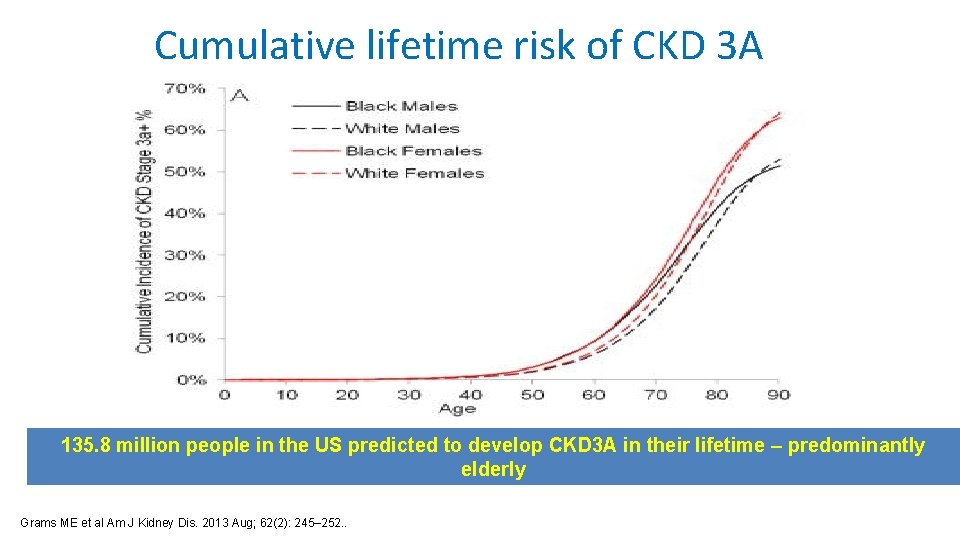
Cumulative lifetime risk of CKD 3 A 135. 8 million people in the US predicted to develop CKD 3 A in their lifetime – predominantly elderly Grams ME et al Am J Kidney Dis. 2013 Aug; 62(2): 245– 252. .
Life expectancy of an elderly patient with CKD
• Survival is influenced strongly by comorbidities such as vascular disease and cardiac disease in elderly patients with CKD. • When comorbidities are taken into account, the age of elderly patients is not an independent risk factor for increased mortality in some models. (1) • But, to some studies, life expectancy of a 75 -yr-old patient on dialysis is approximately 3 years (patients not on dialysis have life expectancy of 11 years). (2) • A Canadian data base study from the late 1990 s found that patients older than 75 had survival at 1 and 5 years of 69. 0% and 20. 3%, respectively, after start of HD. • For patients age 90 years and older when starting dialysis, survival is <50% at 1 year. (3) • But dialysis should not be avoided based on the age alone, where otherwise appropriate, instead tailored on individual approach. 1. 2. 3. Couchoud C, Labeeuw M, Moranne O, Allot V, Esnault V, Frimat L, Stengel B; for the French Renal Epidemiology and Information Network (REIN) registry: A clinical score to predict 6 -month prognosis in elderly patients starting dialysis for end-stage renal disease. Nephrol Dial Transplant. U. S. Renal Data System: USRDS 2008 Annual Data Report: Atlas of Chronic Kidney Disease and End-Stage Renal Disease in the United States. Bethesda, MD, National Institute of Diabetes and Digestive and Kidney Diseases, 2008. Kurella M, Covinsky KE, Collins AJ, Chertow GM: Octogenarians and nonagenarians starting dialysis in the United States. Ann Intern Med 146: 177– 183, 2007.
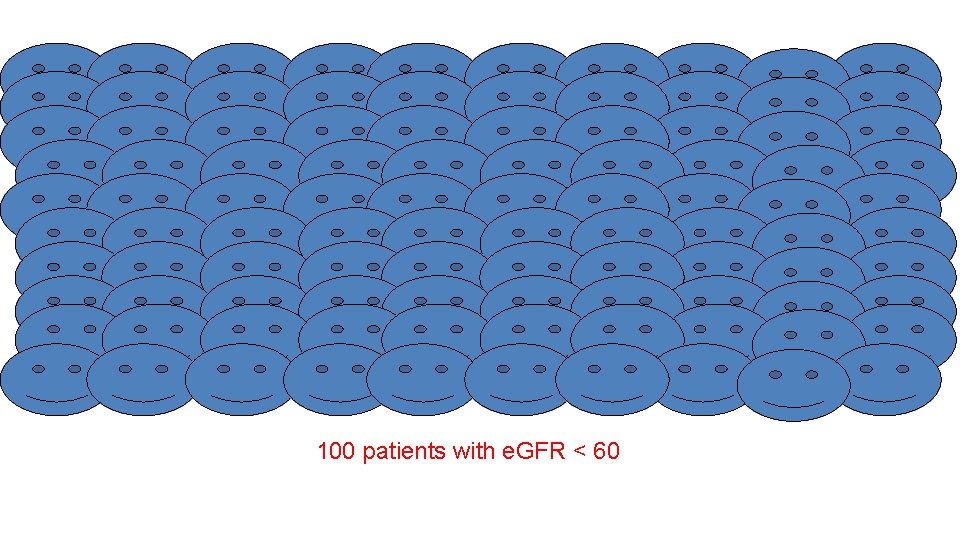
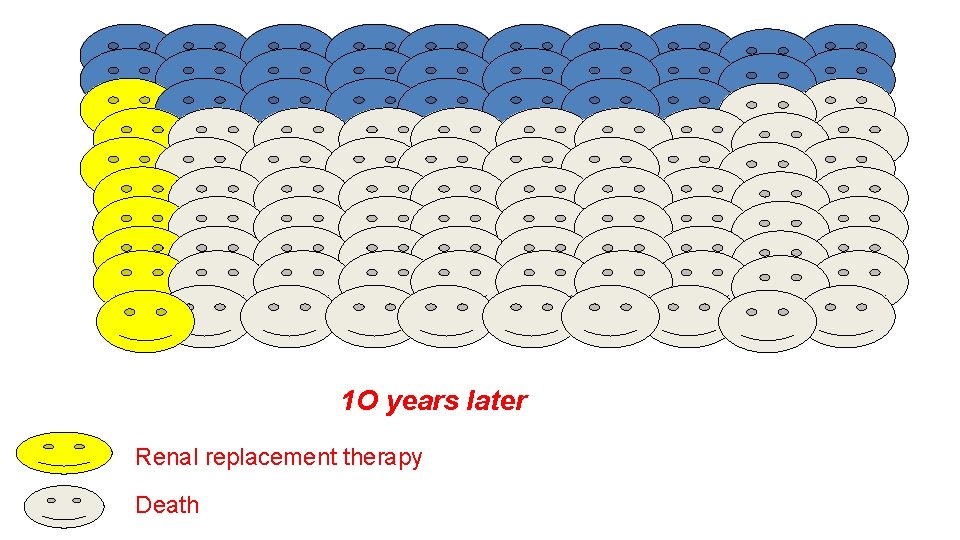
100 patients with e. GFR < 60
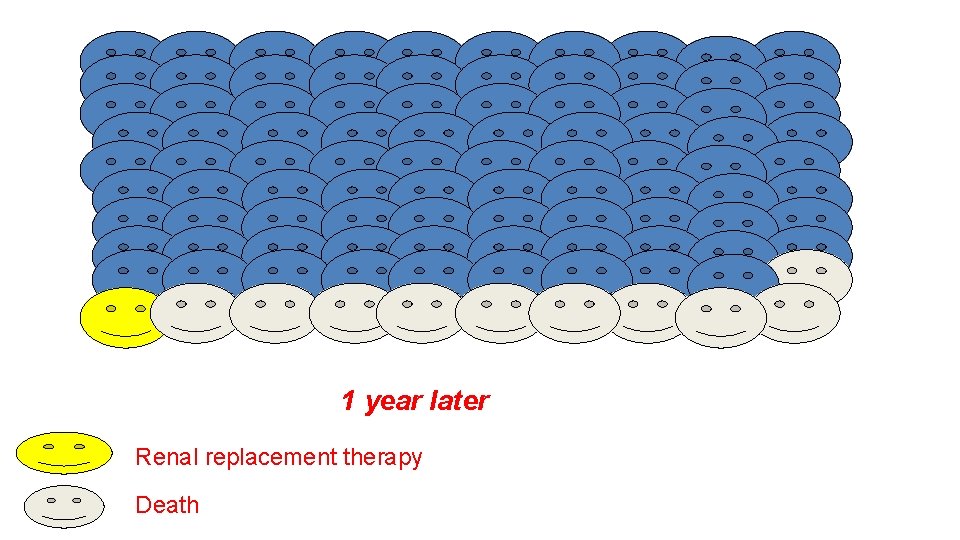
1 year later Renal replacement therapy Death
1 O years later Renal replacement therapy Death
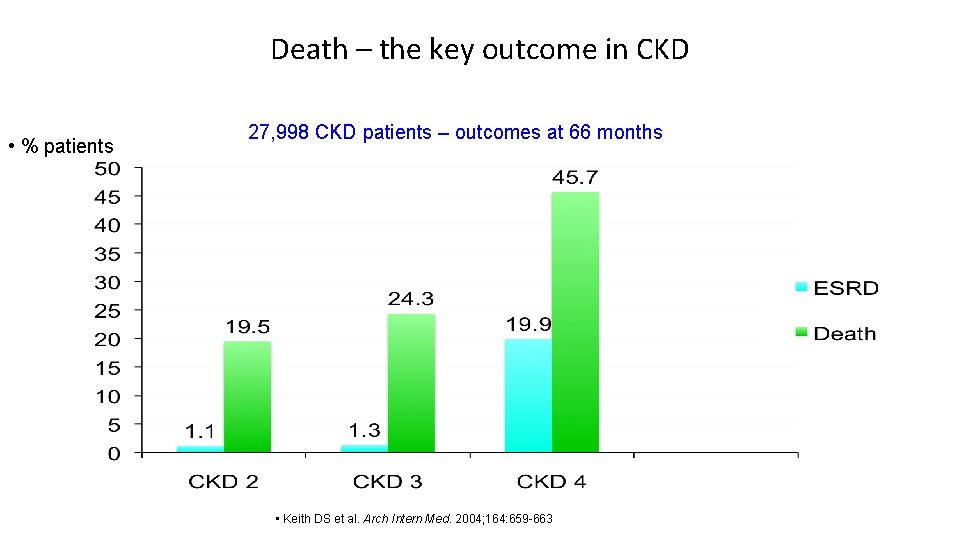
Death – the key outcome in CKD • % patients 27, 998 CKD patients – outcomes at 66 months • Keith DS et al. Arch Intern Med. 2004; 164: 659 -663
Dialysis initiation in elderly
• Right time to start dialysis in progressive chronic kidney disease (CKD) in the elderly is not certain. • The reason for this is a lack of medical criteria specific for elderly patients and a lack of randomization. • Medical data show that elderly patients are starting dialysis at lower levels of CKD than younger patients (possible bias and confounding factors involved), with trend of initiating dialysis at even more earlier stages of CKD (1) (2) • Benefit of HD in the elderly patients, once initiated, hasn‘t been randomised still. • U. S. Renal Data System: USRDS 2000 Annual Data Report: Atlas of Chronic Kidney Disease and End-Stage Renal Disease in the United States. Bethesda, MD, National Institute of Diabetes and Digestive and Kidney Diseases, 2000. • Kurella M, Covinsky KE, Collins AJ, Chertow GM: Octogenarians and nonagenarians starting dialysis in the United States. Ann Intern Med 146: 177– 183, 2007.
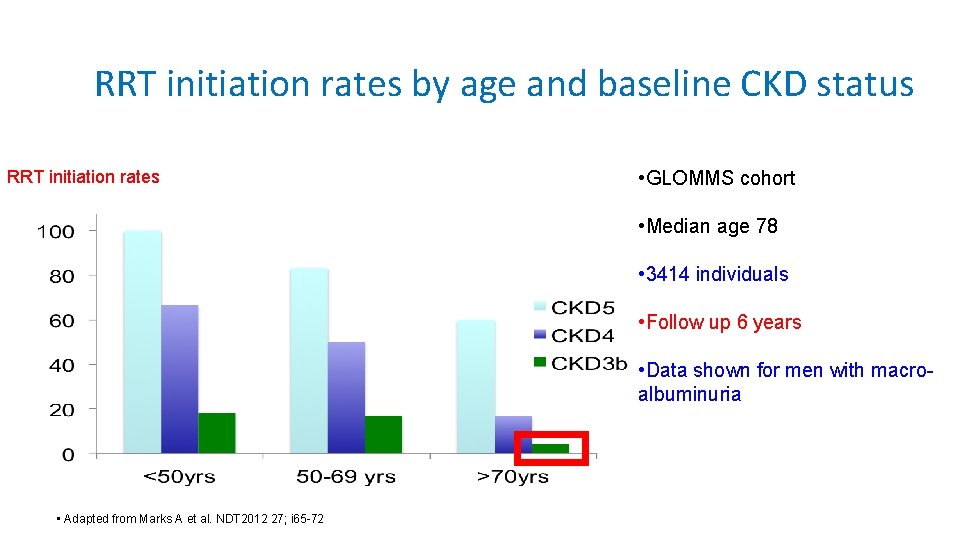
RRT initiation rates by age and baseline CKD status RRT initiation rates • GLOMMS cohort • Median age 78 • 3414 individuals • Follow up 6 years • Data shown for men with macroalbuminuria • Adapted from Marks A et al. NDT 2012 27; i 65 -72
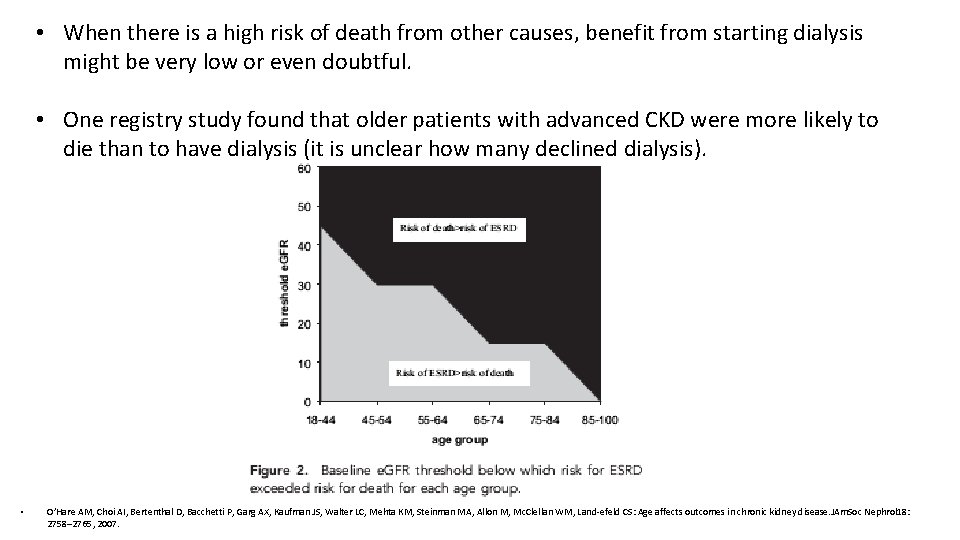
• When there is a high risk of death from other causes, benefit from starting dialysis might be very low or even doubtful. • One registry study found that older patients with advanced CKD were more likely to die than to have dialysis (it is unclear how many declined dialysis). • O’Hare AM, Choi AI, Bertenthal D, Bacchetti P, Garg AX, Kaufman JS, Walter LC, Mehta KM, Steinman MA, Allon M, Mc. Clellan WM, Land-efeld CS: Age affects outcomes in chronic kidney disease. JAm. Soc Nephrol 18: 2758– 2765, 2007.
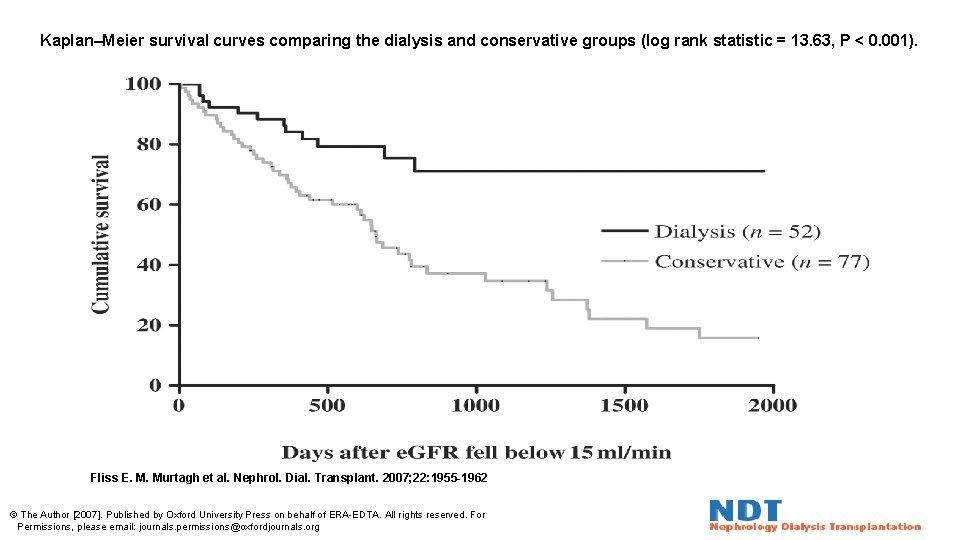
Kaplan–Meier survival curves comparing the dialysis and conservative groups (log rank statistic = 13. 63, P < 0. 001). Fliss E. M. Murtagh et al. Nephrol. Dial. Transplant. 2007; 22: 1955 -1962 © The Author [2007]. Published by Oxford University Press on behalf of ERA-EDTA. All rights reserved. For Permissions, please email: journals. permissions@oxfordjournals. org
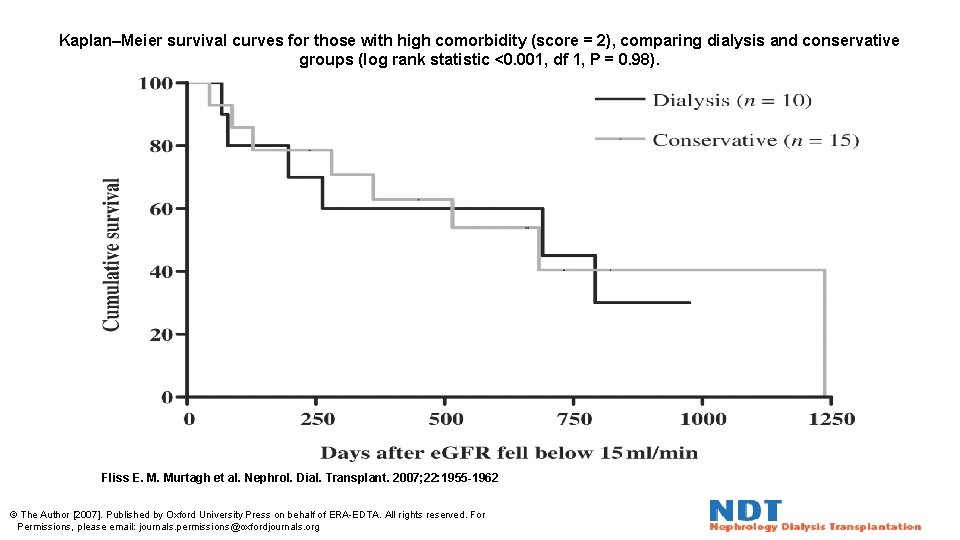
• Second study from the United Kingdom followed a cohort of elderly patients who started dialysis when e. GFR was below 15 ml/min per 1. 73 m 2. • Patients who accepted dialysis lived longer than those who declined it, but notably this difference was not found in those who had the highest comorbidities. • Selection bias and small sample size limit general conclusions from this study.
Kaplan–Meier survival curves for those with high comorbidity (score = 2), comparing dialysis and conservative groups (log rank statistic <0. 001, df 1, P = 0. 98). Fliss E. M. Murtagh et al. Nephrol. Dial. Transplant. 2007; 22: 1955 -1962 © The Author [2007]. Published by Oxford University Press on behalf of ERA-EDTA. All rights reserved. For Permissions, please email: journals. permissions@oxfordjournals. org
Vascular access
• Guidelines for vascular access are generaly designed for the general population, therefore it may lead to unnecessary procedures. (1) • Catheters are definitely associated with higher mortality than other types of vascular access. • Unfortunately, the data on other aspects of vascular access in elderly patients are conflicting, with studies not reaching consensus on the preferred location or type of access. 1. O’Hare AM, Bertenthal D, Walter LC, Garg AX, Covinsky K, Kaufman, JS, Rodriguez RA, Allon M: When to refer patients with chronic kidney disease for vascular access surgery: should age be a consideration? Kidney Int 71: 555– 561, 2007.
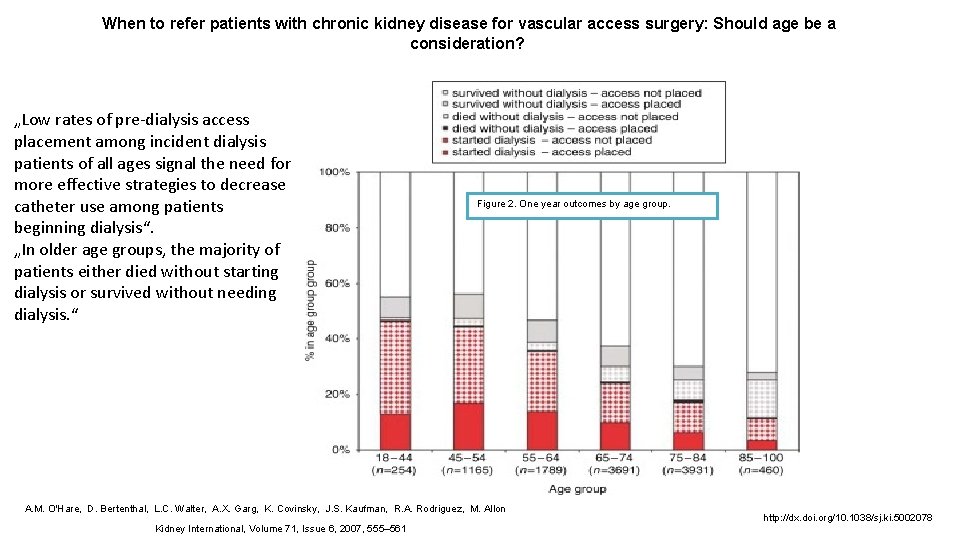
When to refer patients with chronic kidney disease for vascular access surgery: Should age be a consideration? „Low rates of pre-dialysis access placement among incident dialysis patients of all ages signal the need for more effective strategies to decrease catheter use among patients beginning dialysis“. „In older age groups, the majority of patients either died without starting dialysis or survived without needing dialysis. “ Figure 2. One year outcomes by age group. A. M. O'Hare, D. Bertenthal, L. C. Walter, A. X. Garg, K. Covinsky, J. S. Kaufman, R. A. Rodriguez, M. Allon Kidney International, Volume 71, Issue 6, 2007, 555– 561 http: //dx. doi. org/10. 1038/sj. ki. 5002078
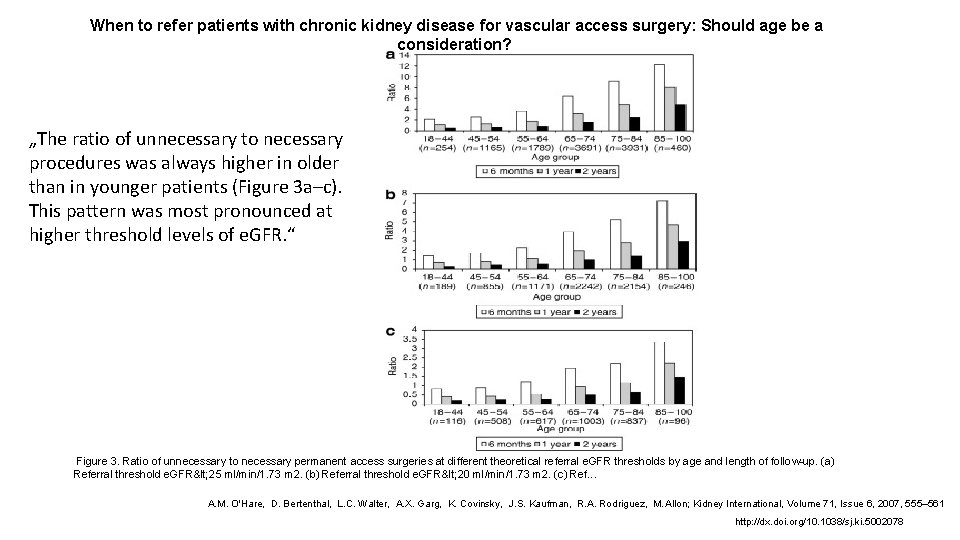
When to refer patients with chronic kidney disease for vascular access surgery: Should age be a consideration? „The ratio of unnecessary to necessary procedures was always higher in older than in younger patients (Figure 3 a–c). This pattern was most pronounced at higher threshold levels of e. GFR. “ Figure 3. Ratio of unnecessary to necessary permanent access surgeries at different theoretical referral e. GFR thresholds by age and length of follow-up. (a) Referral threshold e. GFR< 25 ml/min/1. 73 m 2. (b) Referral threshold e. GFR< 20 ml/min/1. 73 m 2. (c) Ref. . . A. M. O'Hare, D. Bertenthal, L. C. Walter, A. X. Garg, K. Covinsky, J. S. Kaufman, R. A. Rodriguez, M. Allon; Kidney International, Volume 71, Issue 6, 2007, 555– 561 http: //dx. doi. org/10. 1038/sj. ki. 5002078
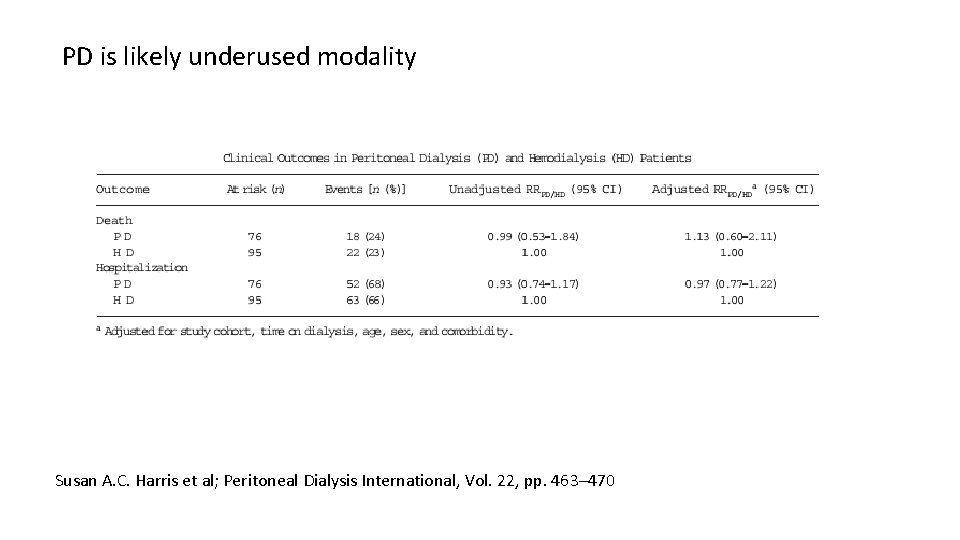
PD is likely underused modality Susan A. C. Harris et al; Peritoneal Dialysis International, Vol. 22, pp. 463– 470
Quality of life (QOL) in elderly patients on dialysis
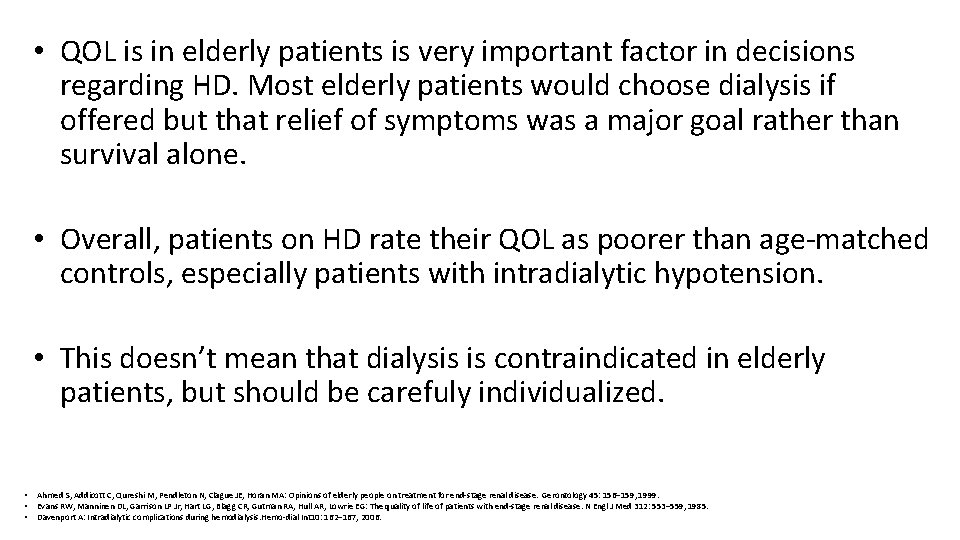
• QOL is in elderly patients is very important factor in decisions regarding HD. Most elderly patients would choose dialysis if offered but that relief of symptoms was a major goal rather than survival alone. • Overall, patients on HD rate their QOL as poorer than age-matched controls, especially patients with intradialytic hypotension. • This doesn’t mean that dialysis is contraindicated in elderly patients, but should be carefuly individualized. • • • Ahmed S, Addicott C, Qureshi M, Pendleton N, Clague JE, Horan MA: Opinions of elderly people on treatment for end-stage renal disease. Gerontology 45: 156– 159, 1999. Evans RW, Manninen DL, Garrison LP Jr, Hart LG, Blagg CR, Gutman RA, Hull AR, Lowrie EG: The quality of life of patients with end-stage renal disease. N Engl J Med 312: 553– 559, 1985. Davenport A: Intradialytic complications during hemodialysis. Hemo-dial Int 10: 162– 167, 2006.
Withdrawal from dialysis
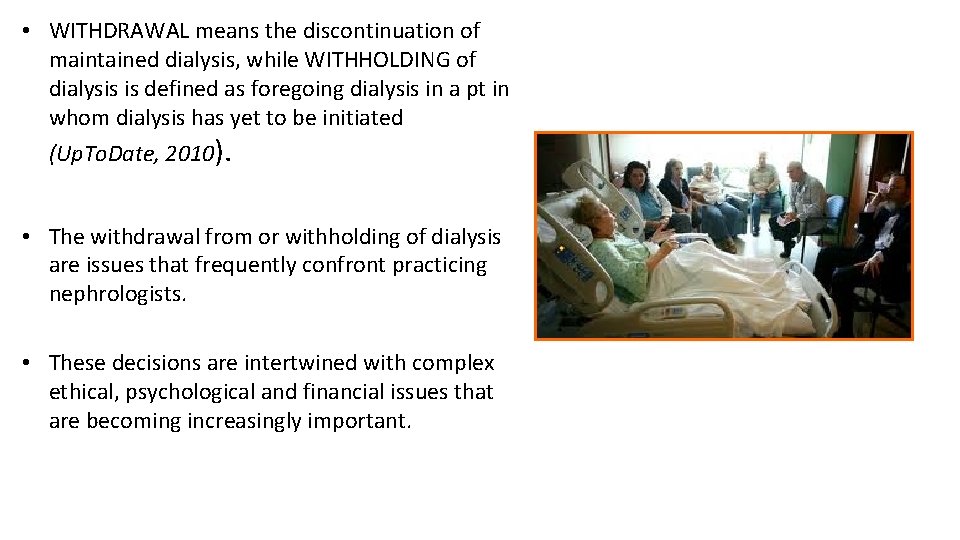
• WITHDRAWAL means the discontinuation of maintained dialysis, while WITHHOLDING of dialysis is defined as foregoing dialysis in a pt in whom dialysis has yet to be initiated (Up. To. Date, 2010). • The withdrawal from or withholding of dialysis are issues that frequently confront practicing nephrologists. • These decisions are intertwined with complex ethical, psychological and financial issues that are becoming increasingly important.
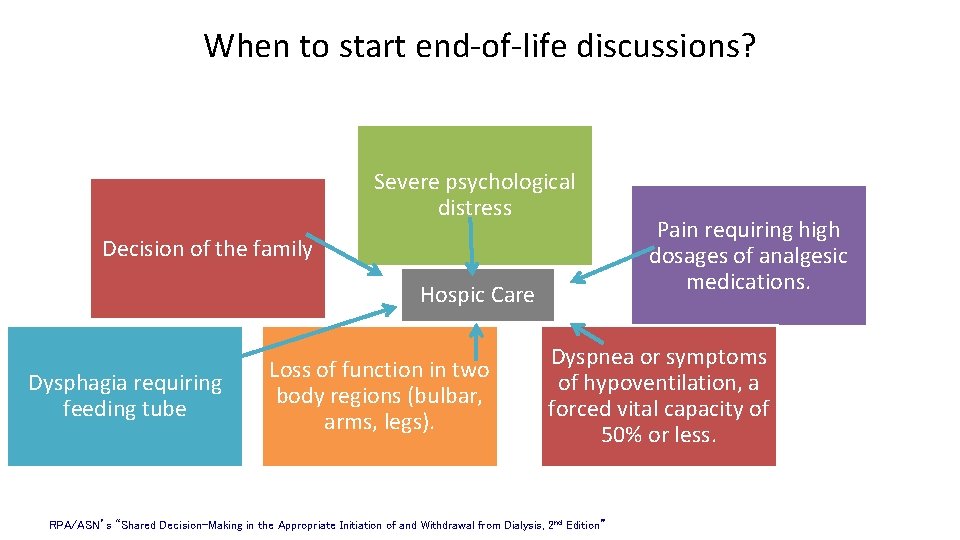
When to start end-of-life discussions? Severe psychological distress Decision of the family Hospic Care Dysphagia requiring feeding tube Loss of function in two body regions (bulbar, arms, legs). Pain requiring high dosages of analgesic medications. Dyspnea or symptoms of hypoventilation, a forced vital capacity of 50% or less. RPA/ASN’s “Shared Decision-Making in the Appropriate Initiation of and Withdrawal from Dialysis, 2 nd Edition”
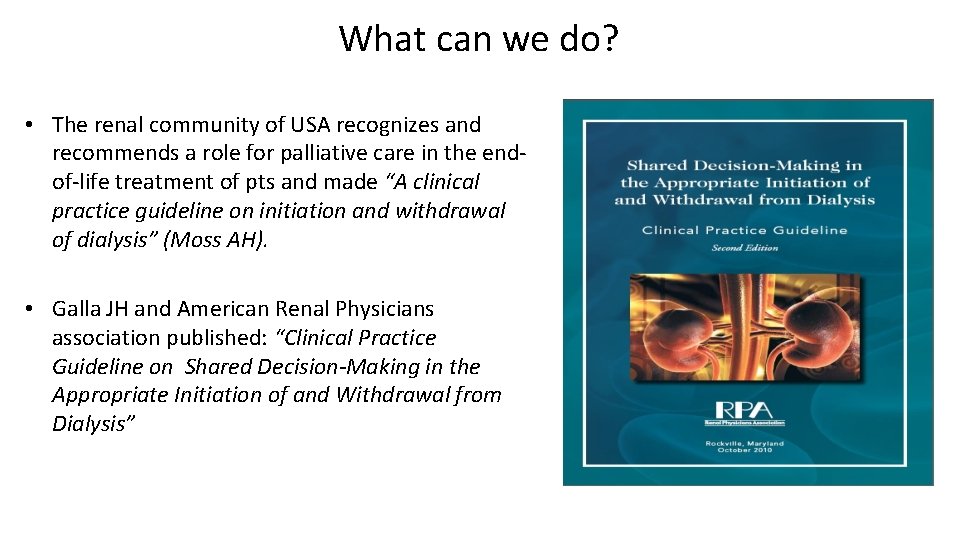
What can we do? • The renal community of USA recognizes and recommends a role for palliative care in the endof-life treatment of pts and made “A clinical practice guideline on initiation and withdrawal of dialysis” (Moss AH). • Galla JH and American Renal Physicians association published: “Clinical Practice Guideline on Shared Decision-Making in the Appropriate Initiation of and Withdrawal from Dialysis”
Take home messages
• GFR declines with age in healthy individuals – explains much of the high prevalence of CKD in the elderly. • The elderly dialysis population is growing, and nearly all use HD as a modality. • HD is not substantially different from PD in outcomes and both should be offered. • The mortality benefit of initiating HD is likely reduced in patients with the most comorbidities. • What do we want from a diagnostic/classification system – identify risk or clinical decision aid to improve outcomes. • Life expectancy is short for many elderly patients after dialysis initiation, but this varies widely and is based more on comorbidities than on numerical age.
Thank you !!!