
Hematology and Hematologic Malignancies Cancer of the formed

- Slides: 29
Hematology and Hematologic Malignancies Cancer of the formed elements of the blood
What is a hematological malignancy? n n A hematologic malignancy is a malignancy (or cancer) of any of the formed elements in the blood. The malignancies may be classified into n Lymphomas n n Hodgekins versus non-Hodgekins leukemias n Chronic versus acute
Etiology of hematological malignancies 1. Host Factors n a. Hereditary n b. Chromosomal abnormalities n c. Immunodeficiency n 2. Environmental Factors n a. Ionizing radiation n b. Chemicals n c. Drugs n d. Viruses
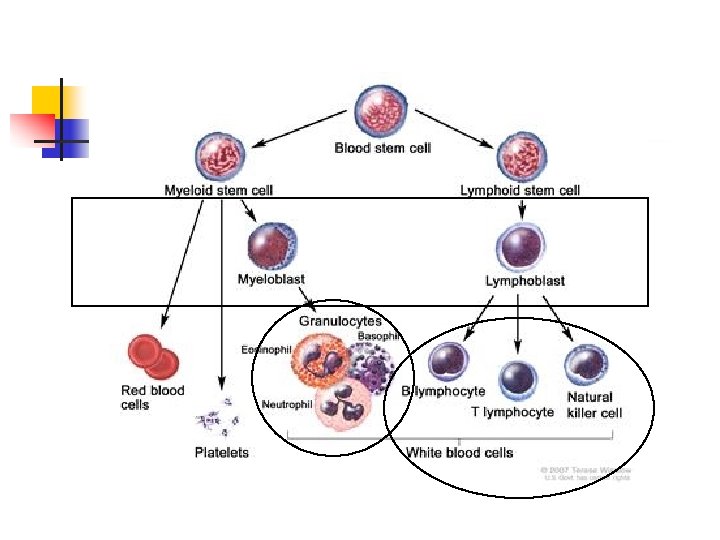
Leukemias n n n Divided as Acute or chronic Myeloid or lymphoid
Lymphocytic and myelocytic n n The lymphocytic leukemias are caused by cancerous production of lymphoid cells myelogenous leukemia, begins by cancerous production of young myelogenous cells-precaucers of WBC other than lymphocytes
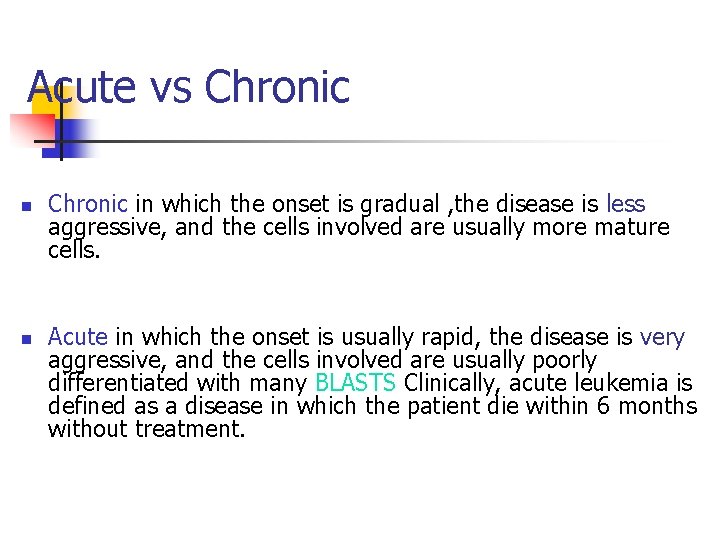
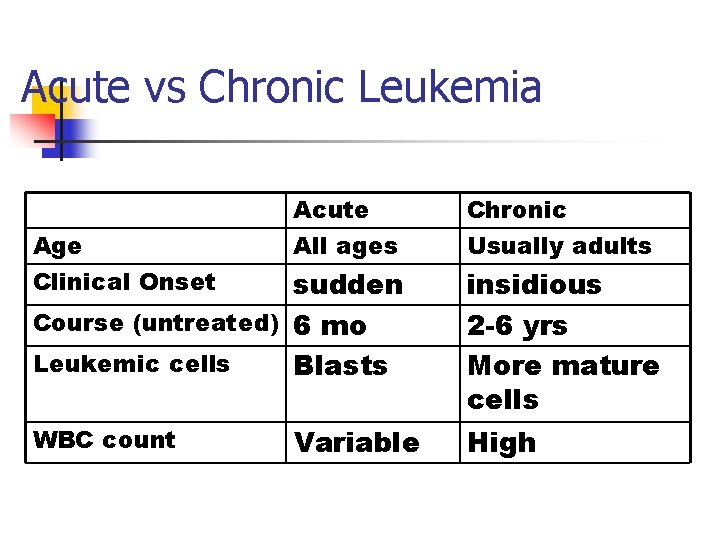
Acute vs Chronic n n Chronic in which the onset is gradual , the disease is less aggressive, and the cells involved are usually more mature cells. Acute in which the onset is usually rapid, the disease is very aggressive, and the cells involved are usually poorly differentiated with many BLASTS Clinically, acute leukemia is defined as a disease in which the patient die within 6 months without treatment.
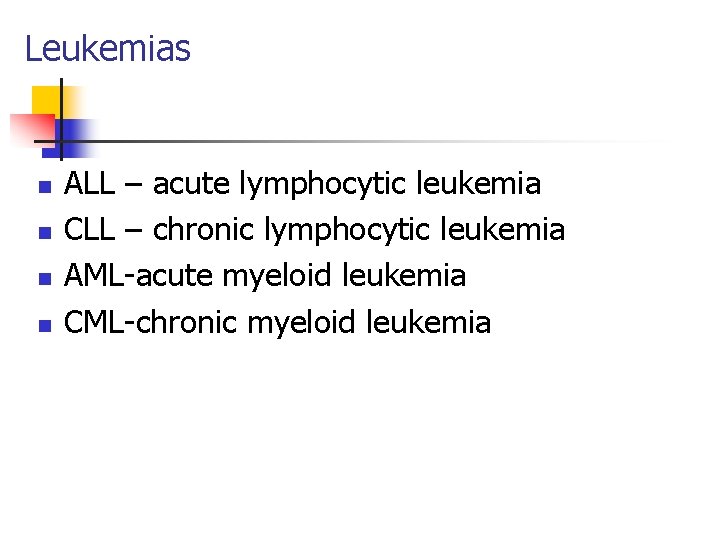
Leukemias n n ALL – acute lymphocytic leukemia CLL – chronic lymphocytic leukemia AML-acute myeloid leukemia CML-chronic myeloid leukemia
Acute vs Chronic Leukemia Age Clinical Onset Acute All ages sudden Course (untreated) 6 mo Leukemic cells Blasts WBC count Variable Chronic Usually adults insidious 2 -6 yrs More mature cells High
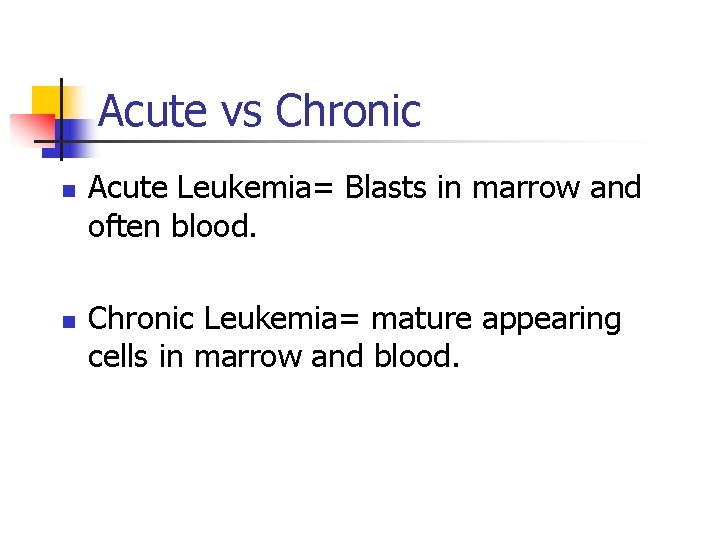
Acute vs Chronic n n Acute Leukemia= Blasts in marrow and often blood. Chronic Leukemia= mature appearing cells in marrow and blood.
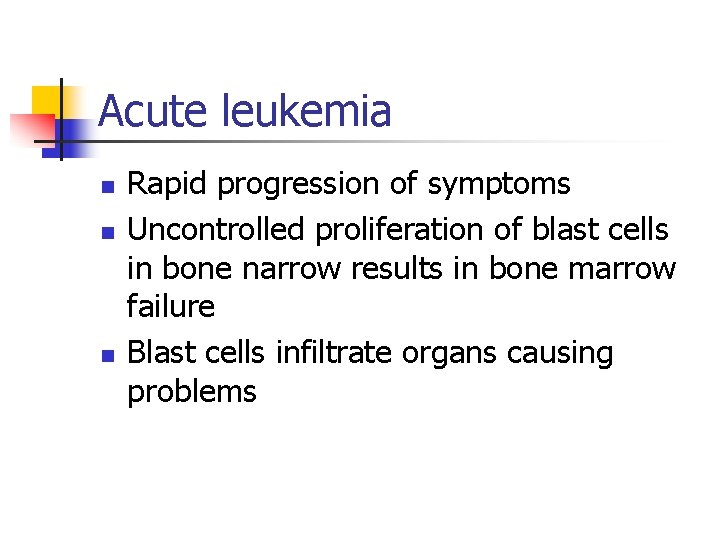
Acute leukemia n n n Rapid progression of symptoms Uncontrolled proliferation of blast cells in bone narrow results in bone marrow failure Blast cells infiltrate organs causing problems
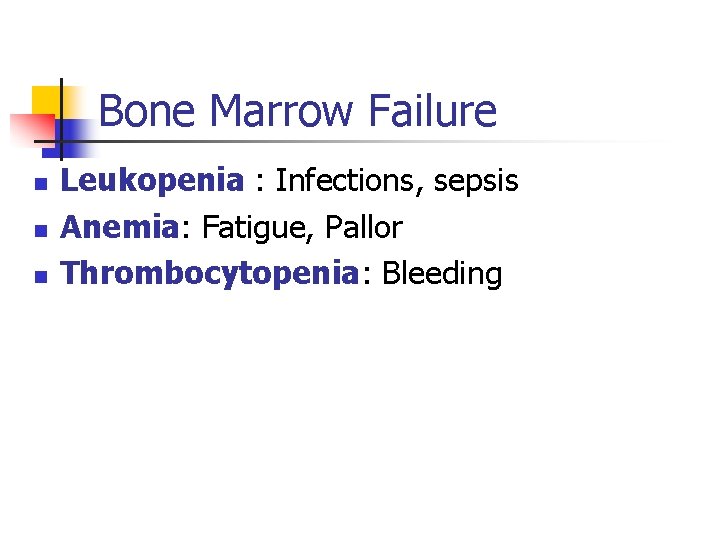
Bone Marrow Failure n n n Leukopenia : Infections, sepsis Anemia: Fatigue, Pallor Thrombocytopenia: Bleeding
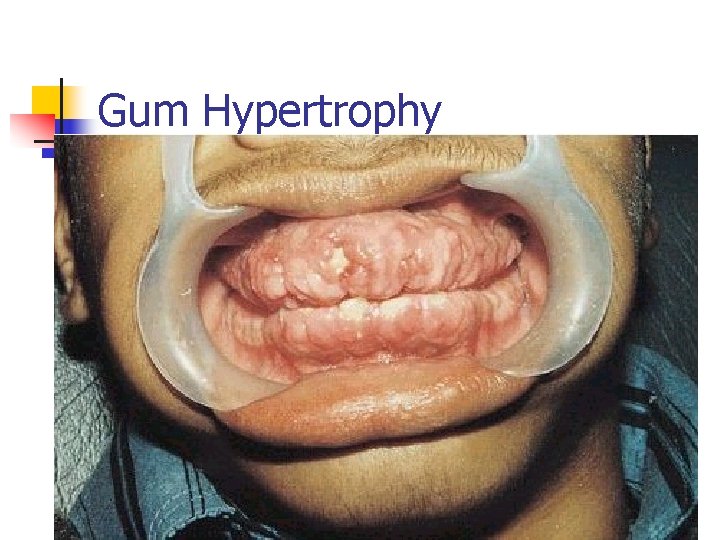
Furthermore, Infiltration of tissues/organs causes: • • Enlargement of liver, spleen, lymph nodes Gum hypertrophy Bone pain Other organs: CNS, skin, testis, any organ
Gum Hypertrophy
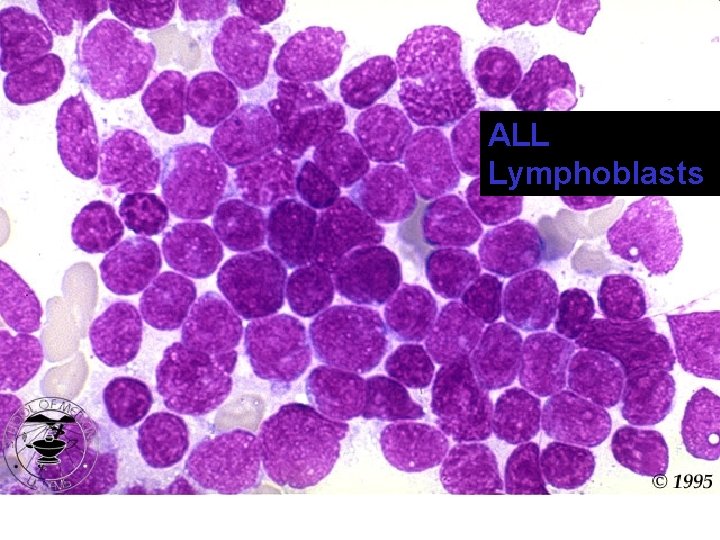
ALL Lymphoblasts
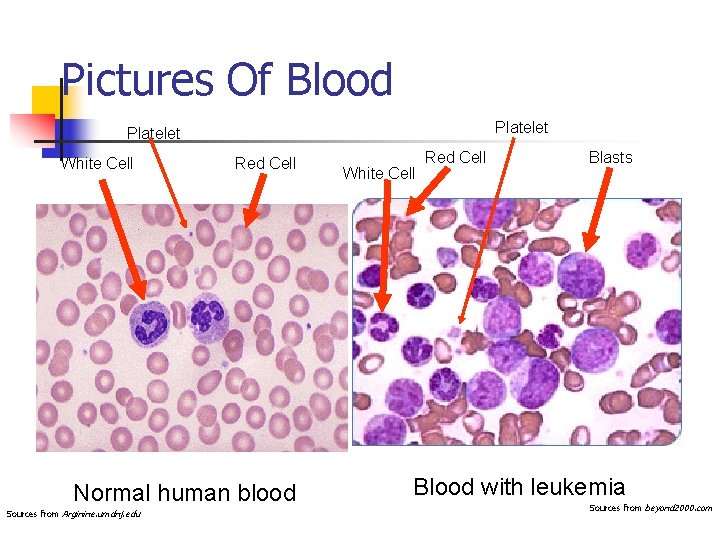
Pictures Of Blood Platelet White Cell Red Cell Normal human blood Sources from Arginine. umdnj. edu White Cell Red Cell Blasts Blood with leukemia Sources from beyond 2000. com
Chronic leukemia n n Disease progresses over time and symptoms appear gradually Difficult to cure but patients may live for years even after diagnosis
Symptoms n n n Anemia Infections Hepatosplenomegaly Fever Night sweats Enlarged lymph nodes
Treatment of leukemia n n Treatment depends on the type of leukemia Acute leukemia need aggressive treatment
Treatment of leukemias n Chemotherapy n Immunotherapy n Radiation n Bone marrow transplant
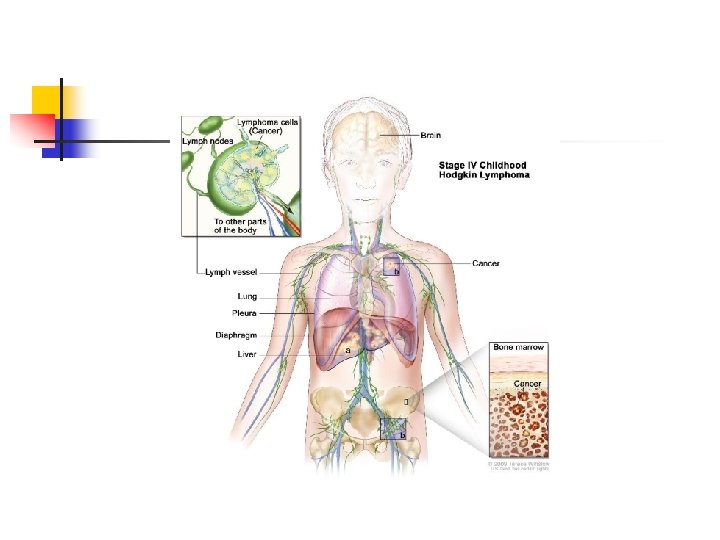
Leukemia vs Lymphoma n n Leukemia= increased WBC in blood and marrow Lymphoma usually starts in secondary lymphoid tissues, especially lymph nodes, so usually the patient is presented to the physician with lymphoadenopathy
Lymphomas n Could be classified as: - Hodgkin’s Lymphoma - Non-Hodgkin’s Lymphoma
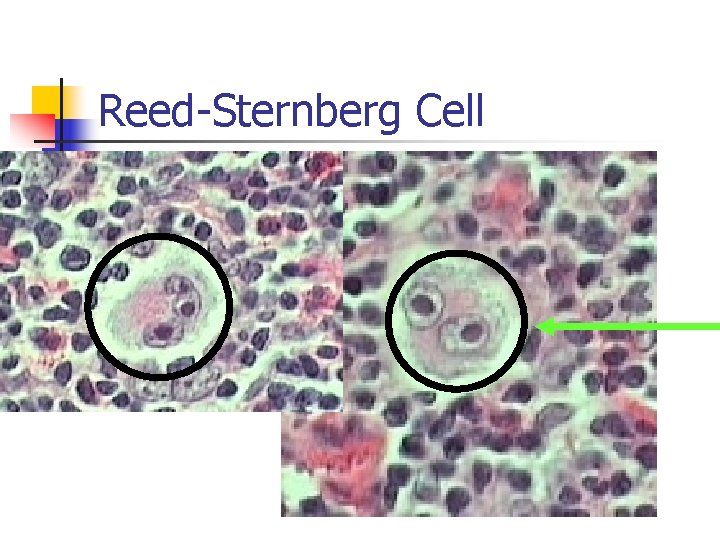
Hodgkin’s Lymphoma n It is characterized by: - B cell in origin, and the presence of: REED-STERNBERG CELLS
Reed-Sternberg Cell
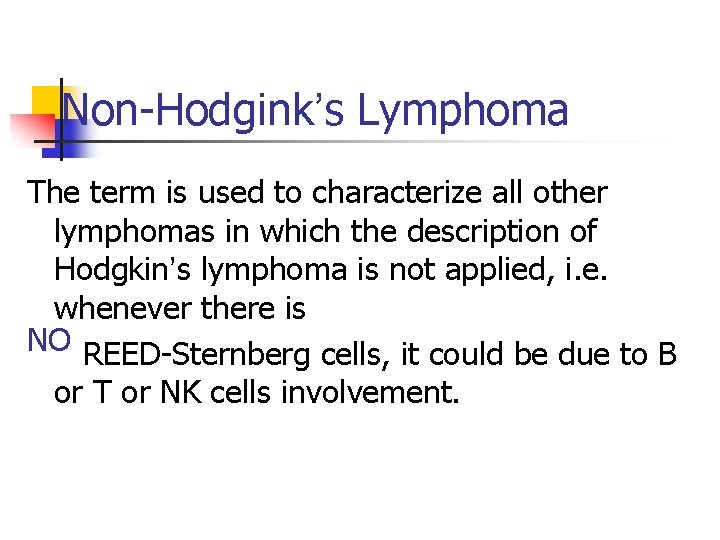
Non-Hodgink’s Lymphoma The term is used to characterize all other lymphomas in which the description of Hodgkin’s lymphoma is not applied, i. e. whenever there is NO REED-Sternberg cells, it could be due to B or T or NK cells involvement.
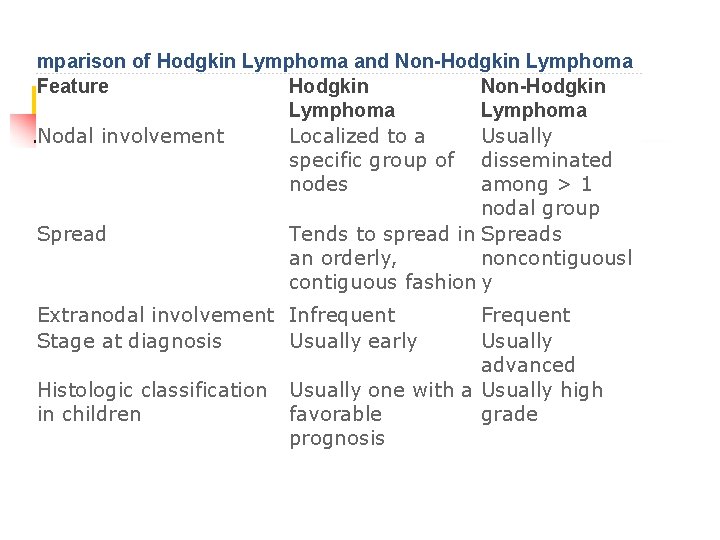
mparison of Hodgkin Lymphoma and Non-Hodgkin Lymphoma Feature Hodgkin Non-Hodgkin Lymphoma Nodal involvement Localized to a Usually specific group of disseminated nodes among > 1 nodal group Spread Tends to spread in Spreads an orderly, noncontiguousl contiguous fashion y Extranodal involvement Infrequent Stage at diagnosis Usually early Frequent Usually advanced Histologic classification Usually one with a Usually high in children favorable grade prognosis
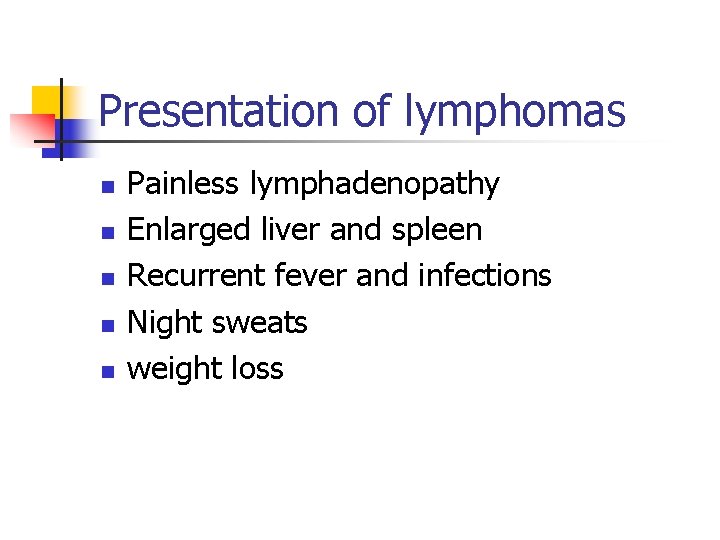
Presentation of lymphomas n n n Painless lymphadenopathy Enlarged liver and spleen Recurrent fever and infections Night sweats weight loss
Thank you…