
Helping Struggling Readers Presented by Donna Whyte thesmartiezone
Helping Struggling Readers Presented by Donna Whyte thesmartiezone. com Author – The Reading Aptitude Continuum Copyright 2015 - D. Whyte 1
Reading to Children Reading with Children Reading by Children Phonemic Awareness & Phonics Vocabulary, Fluency & Comprehension Copyright 2015 - D. Whyte 2
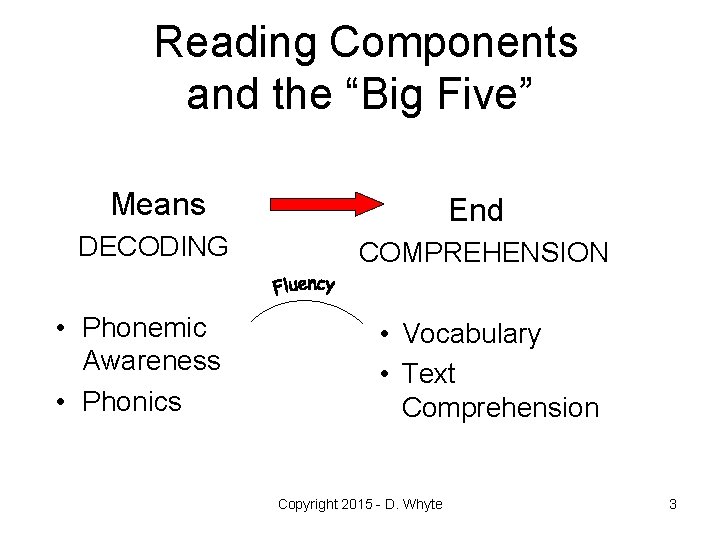
Reading Components and the “Big Five” Means End DECODING COMPREHENSION • Phonemic Awareness • Phonics • Vocabulary • Text Comprehension Copyright 2015 - D. Whyte 3
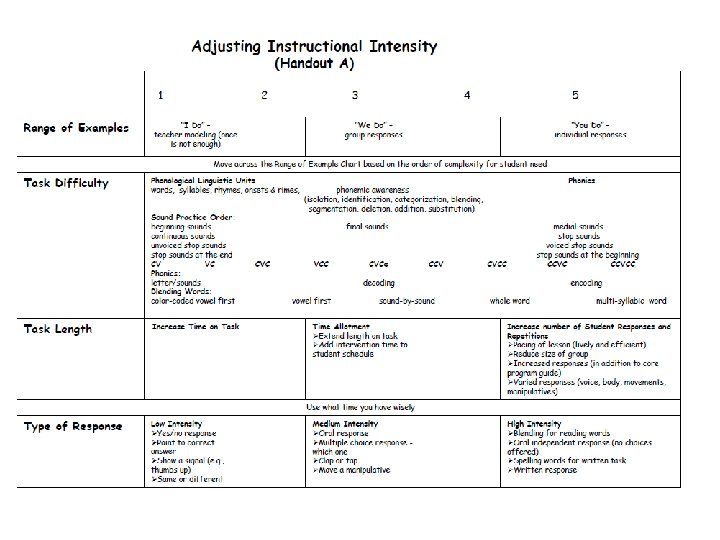
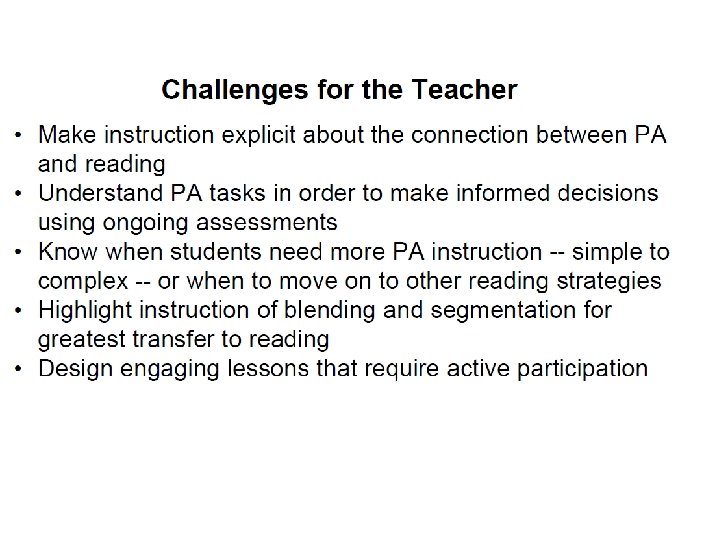
~Instruction is focused on one or two PA skills NOT a multi-skilled approach ~ Children are taught in small groups ~ Instruction is based upon needs assessment ~ Quick and Fun ~ Application is the goal – how does this help us to become readers and writers?
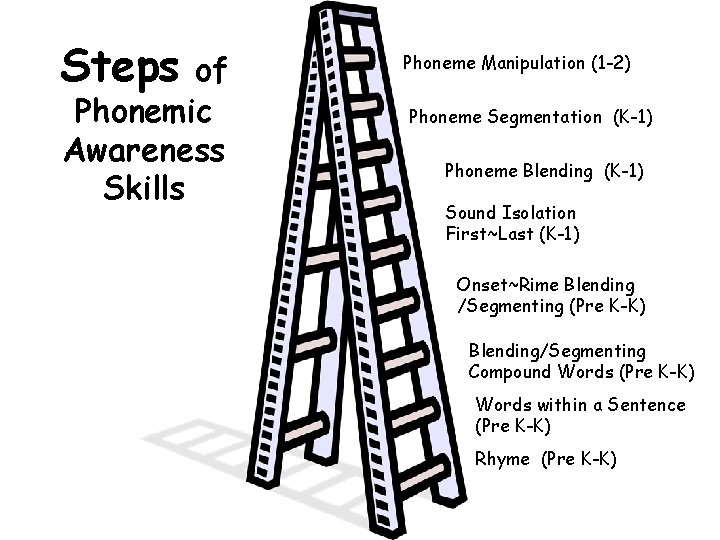
Steps of Phonemic Awareness Skills Phoneme Manipulation (1 -2) Phoneme Segmentation (K-1) Phoneme Blending (K-1) Sound Isolation First~Last (K-1) Onset~Rime Blending /Segmenting (Pre K-K) Blending/Segmenting Compound Words (Pre K-K) Words within a Sentence (Pre K-K) Rhyme (Pre K-K)
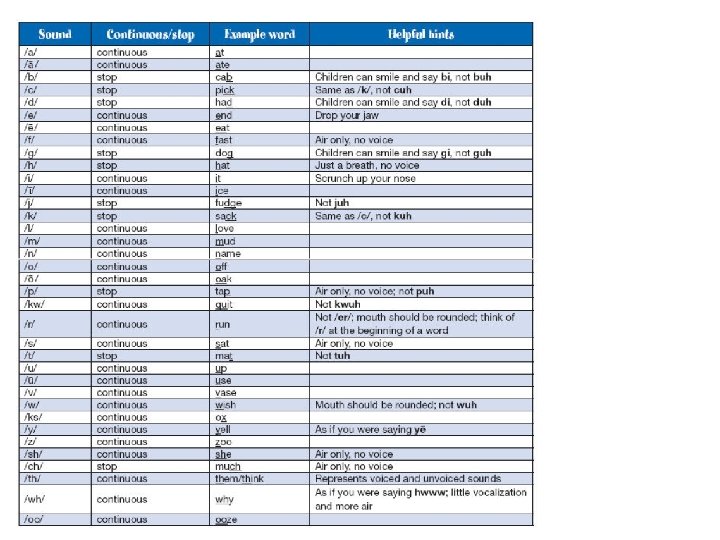
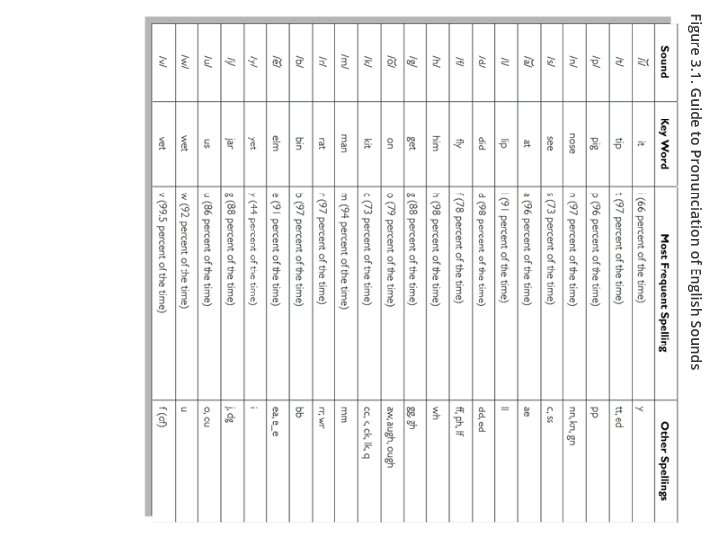
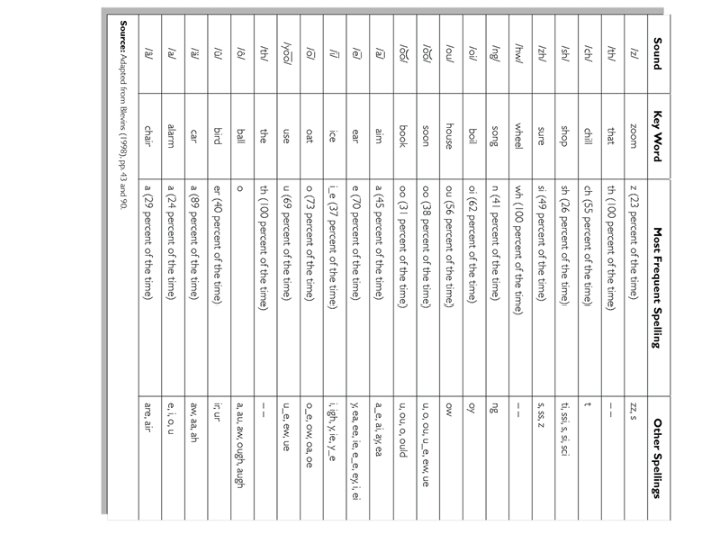
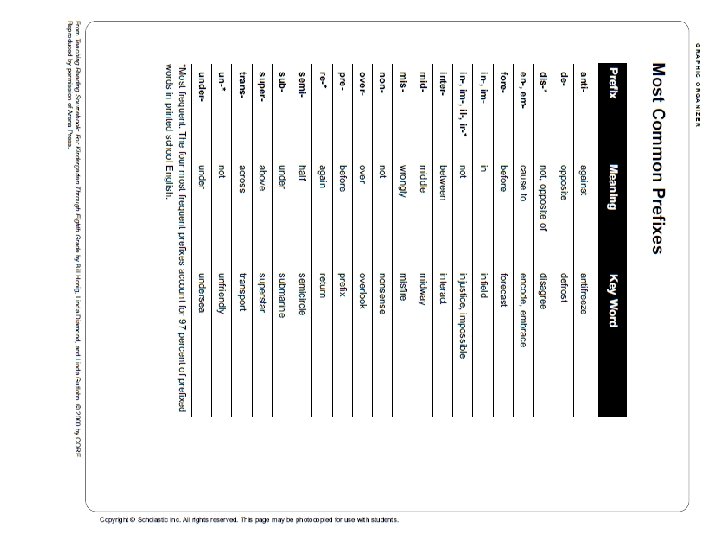
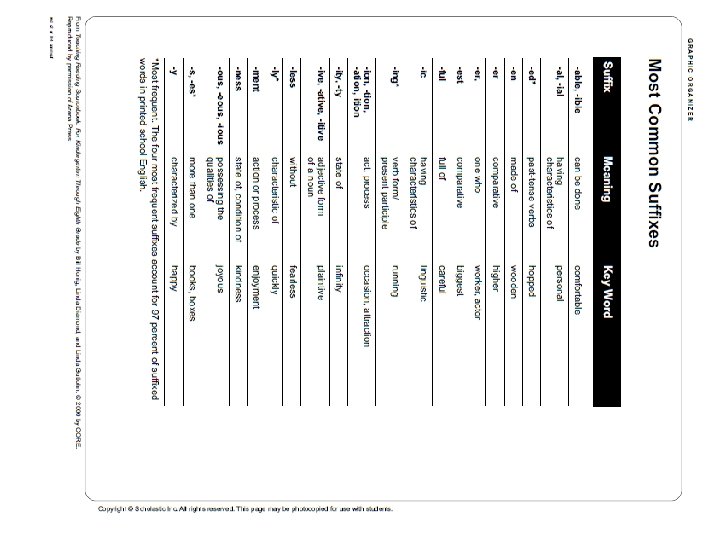
What’s so Difficult? • There are 26 letters in the English language, but approximately 40 phonemes, or sound units, in the English language. • Sounds are represented in 250 different spellings (/f/ as in ph, f, gh, ff).
Reading Skills and Strategies Phase 1 • Alphabet • Phonemic Awareness • Phonics • Decoding/Word Recognition • Use of Contextual Clues • Word Analysis • Sentence Structure • Story Structure Phase 2 • Experience • Forming Inferences • Questioning • Developing Meaning • Assessing Reading (Self-Check) • Creating of Sensory Images • Synthesizing Information • Evaluating Key Concepts • Forming Opinions Copyright 2015 - D. Whyte 14
Recreate Reading Experiences that Create Literacy • • Comfortable Interaction Learn Strategies Fun Ask Questions Compare/Contrast Choice Questioning Kids What do you notice? Can anyone tell me anything about this ______? Has anything on the chart, in the picture, in the writing made you think of something in your life? What part did you spot? What do you think? Do you see something _____? (Different, Familiar, Weird, etc. ) What do you recognize? Can you tell me what you see? Can you show me something on the chart? What do you know about this _____? Does anyone have any ideas about ____? Copyright 2015 - D. Whyte 15
When we say a student can’t read, that might mean he or she… • • • has no or little sight word vocabulary has few/no strategies for recognizing unknown single or multi syllable words won’t reads one word at a time reads very slowly – too much effort on individual words reads very fast with little/no understanding Copyright 2015 - D. Whyte 16
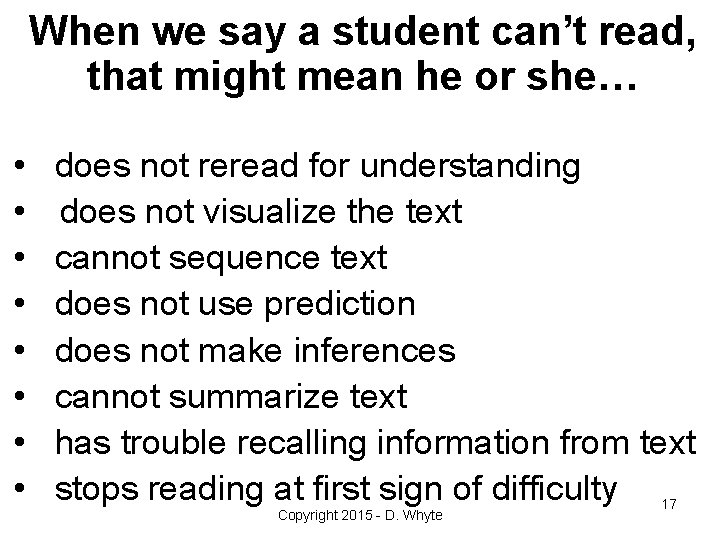
When we say a student can’t read, that might mean he or she… • • does not reread for understanding does not visualize the text cannot sequence text does not use prediction does not make inferences cannot summarize text has trouble recalling information from text stops reading at first sign of difficulty Copyright 2015 - D. Whyte 17
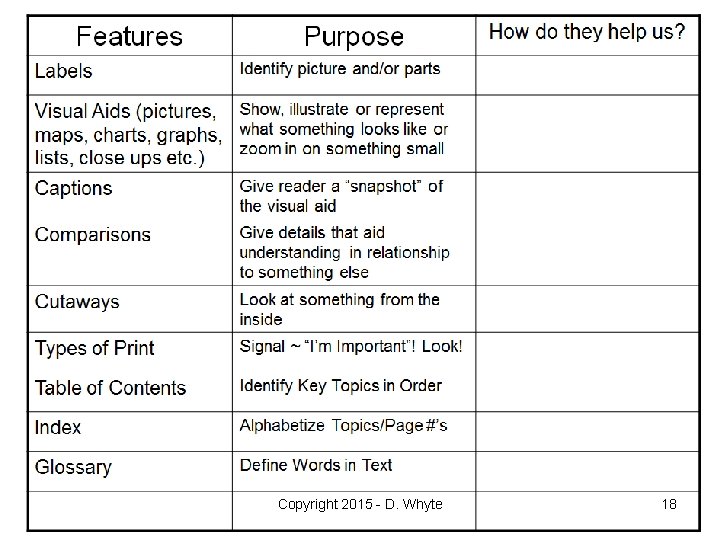
Copyright 2015 - D. Whyte 18
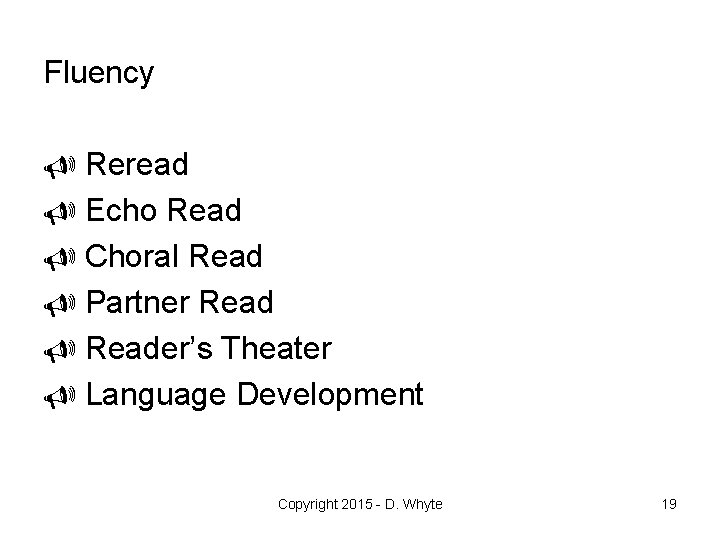
Fluency U Reread U Echo Read U Choral Read U Partner Read U Reader’s Theater U Language Development Copyright 2015 - D. Whyte 19
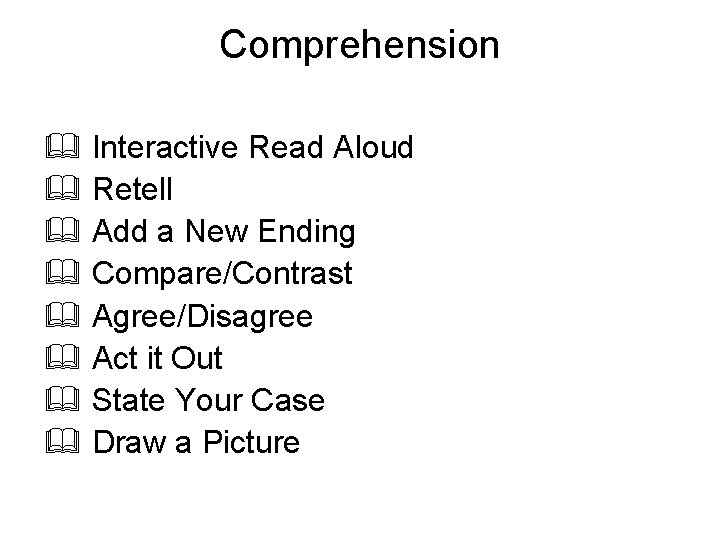
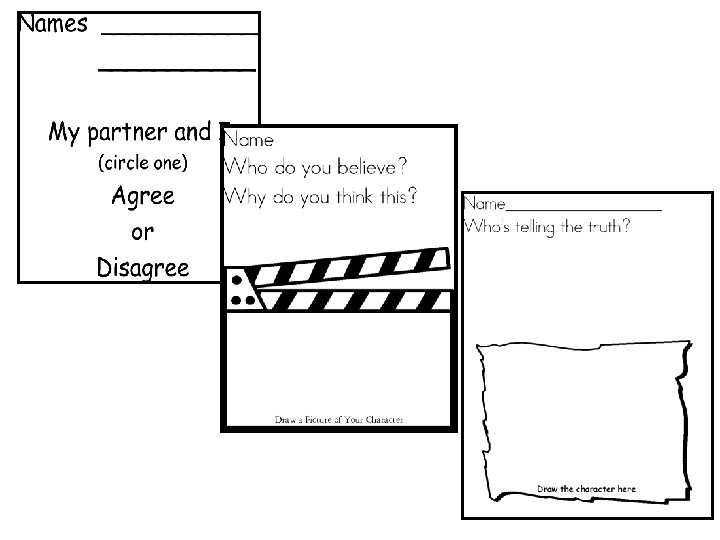
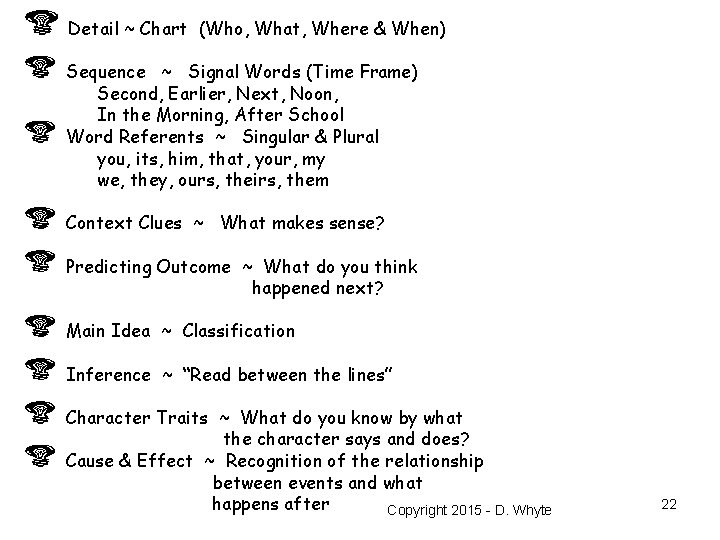
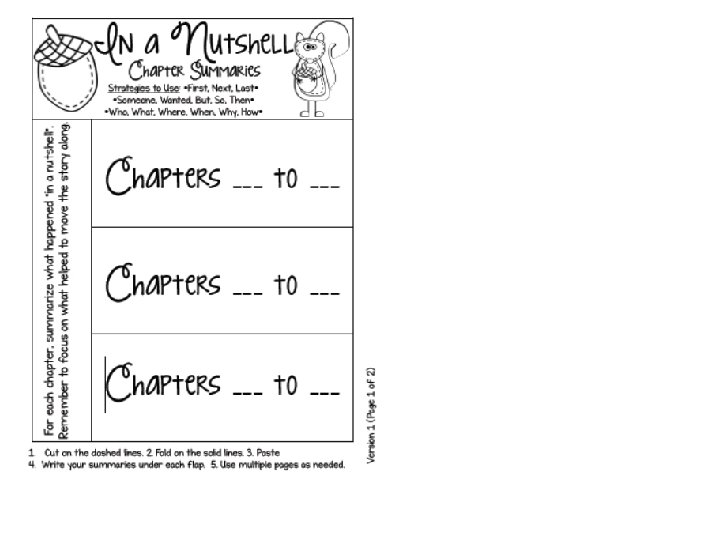
Comprehension & Interactive Read Aloud & Retell & Add a New Ending & Compare/Contrast & Agree/Disagree & Act it Out & State Your Case & Draw a Picture
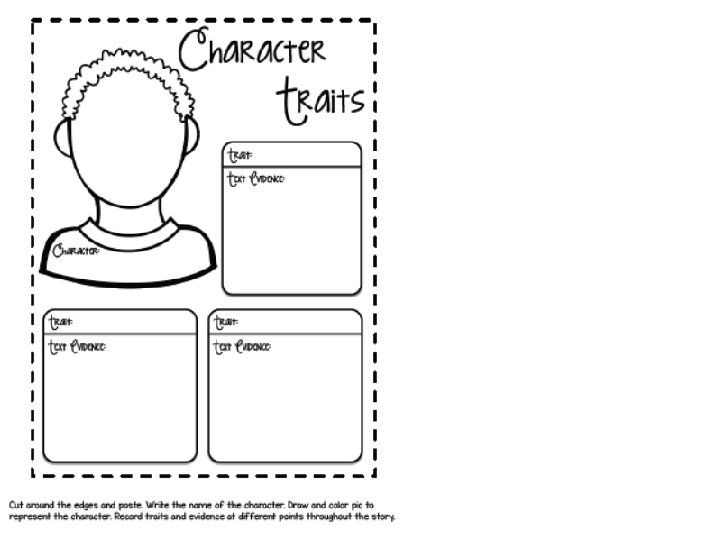
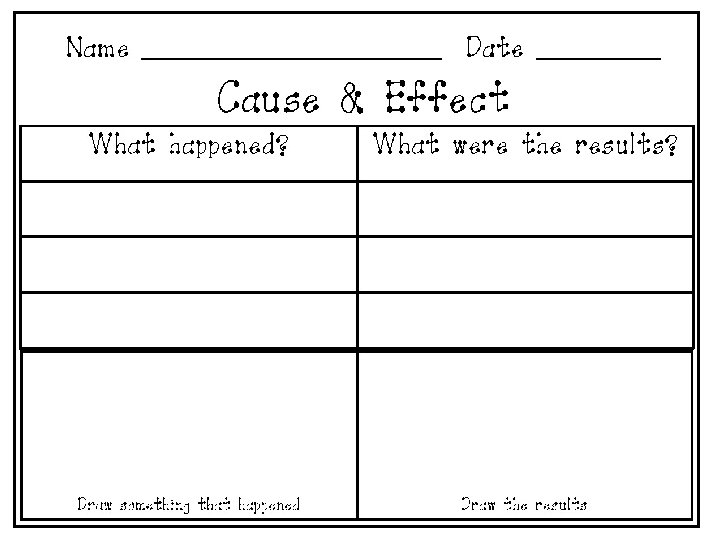
Detail ~ Chart (Who, What, Where & When) Sequence ~ Signal Words (Time Frame) Second, Earlier, Next, Noon, In the Morning, After School Word Referents ~ Singular & Plural you, its, him, that, your, my we, they, ours, theirs, them Context Clues ~ What makes sense? Predicting Outcome ~ What do you think happened next? Main Idea ~ Classification Inference ~ “Read between the lines” Character Traits ~ What do you know by what the character says and does? Cause & Effect ~ Recognition of the relationship between events and what happens after Copyright 2015 - D. Whyte 22
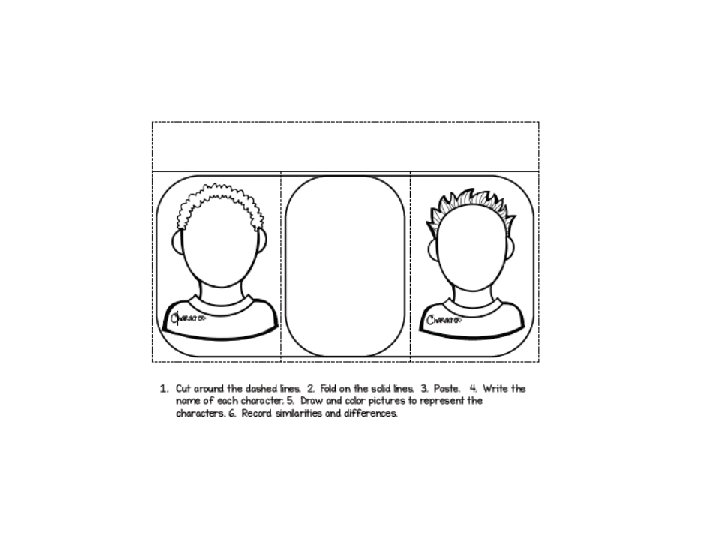
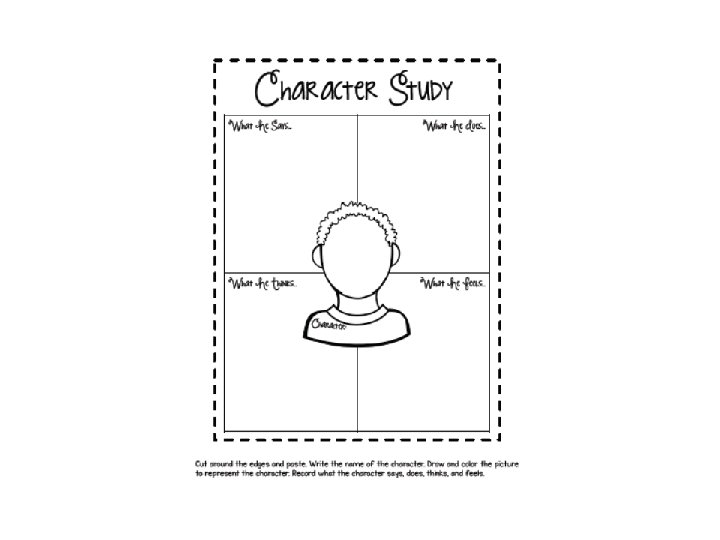
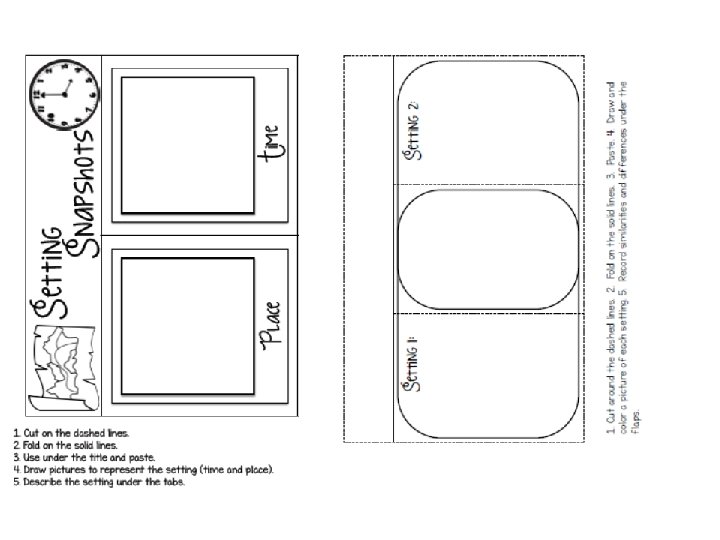
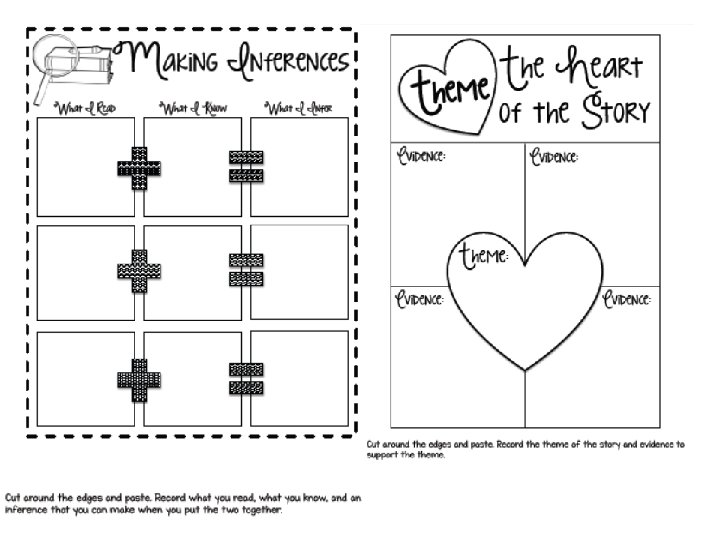
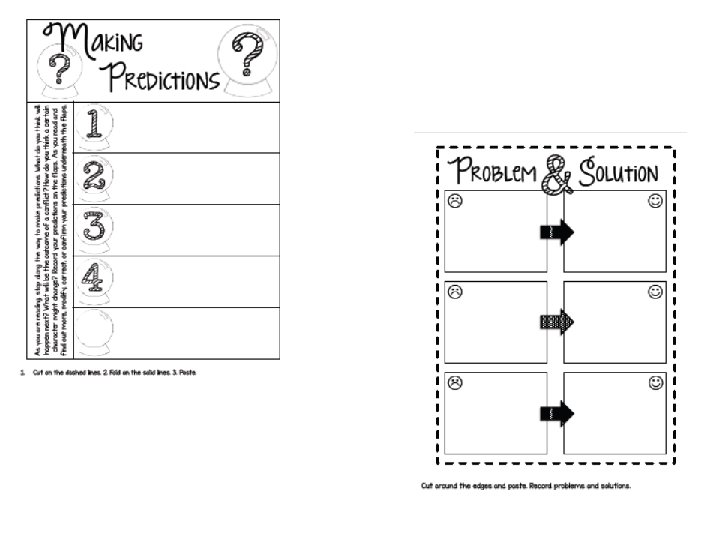
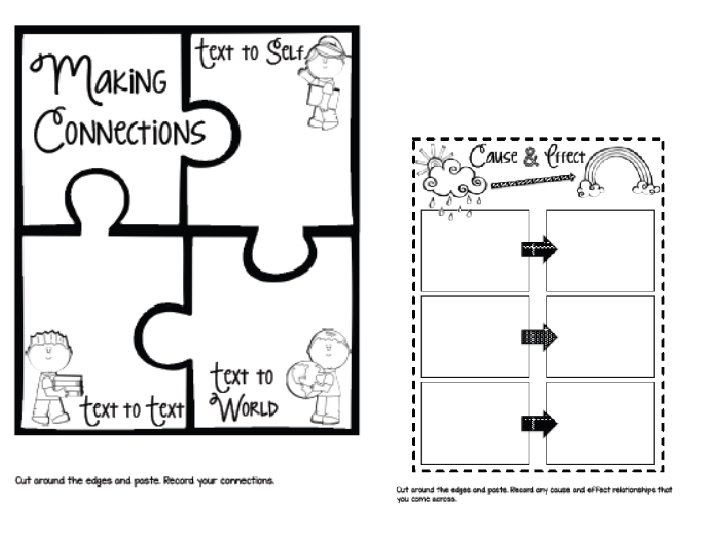
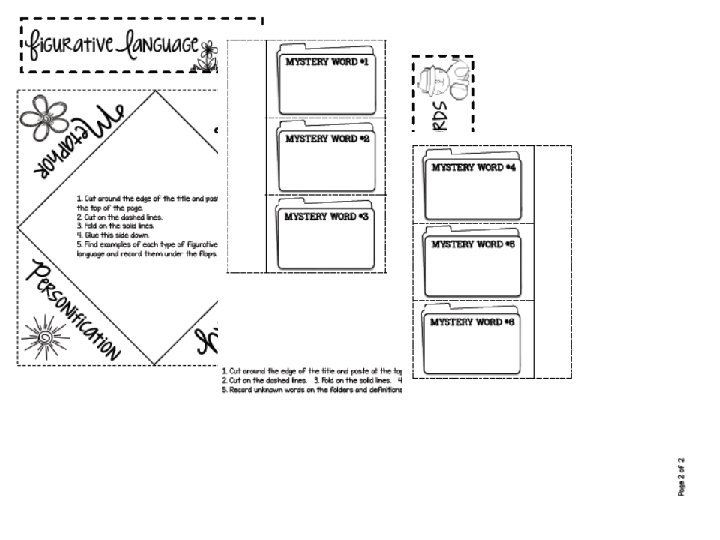
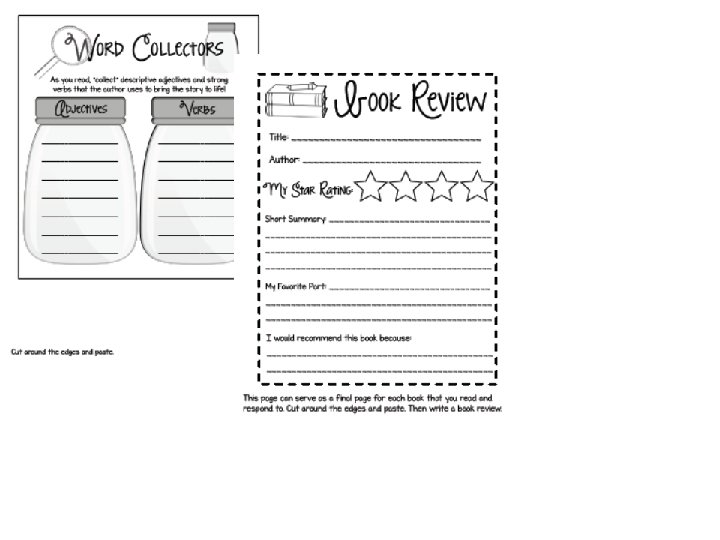
Copyright 2015 - D. Whyte 35
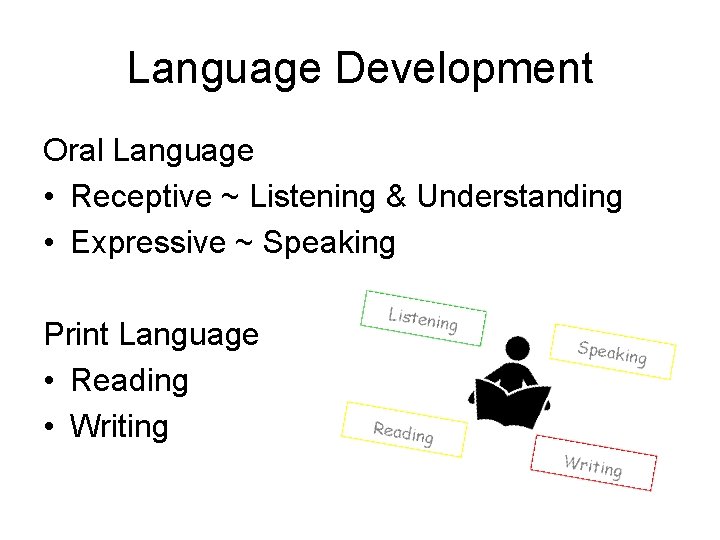
Language Development Oral Language • Receptive ~ Listening & Understanding • Expressive ~ Speaking Print Language • Reading • Writing
How do Children Acquire Vocabulary? q Verbal interaction q Reading q They are TAUGHT
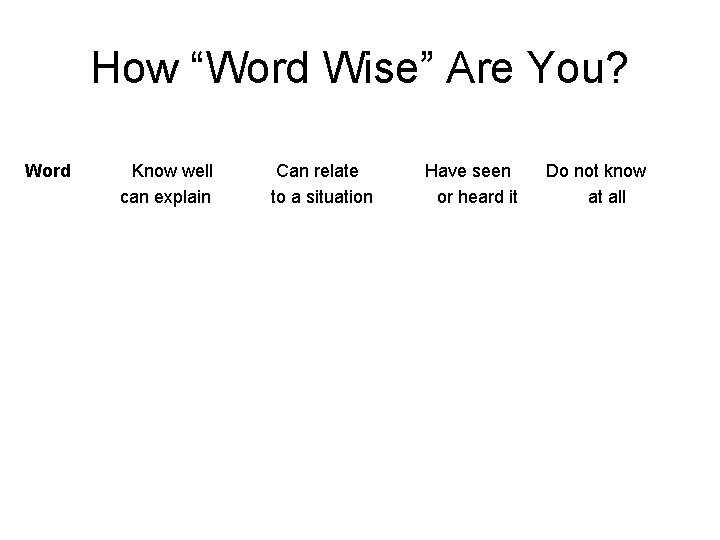
How “Word Wise” Are You? Word Know well can explain Can relate to a situation Have seen or heard it Do not know at all
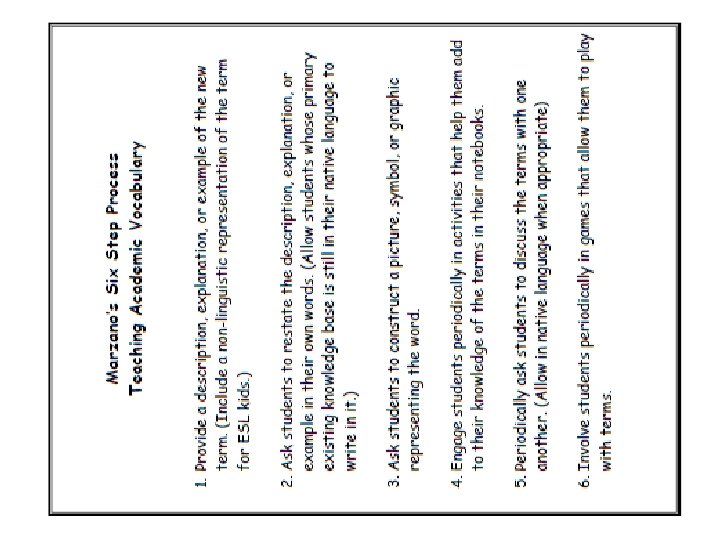
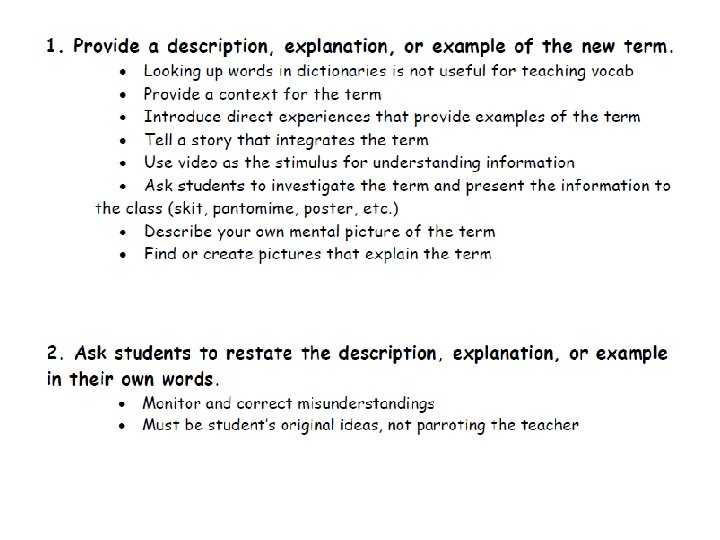
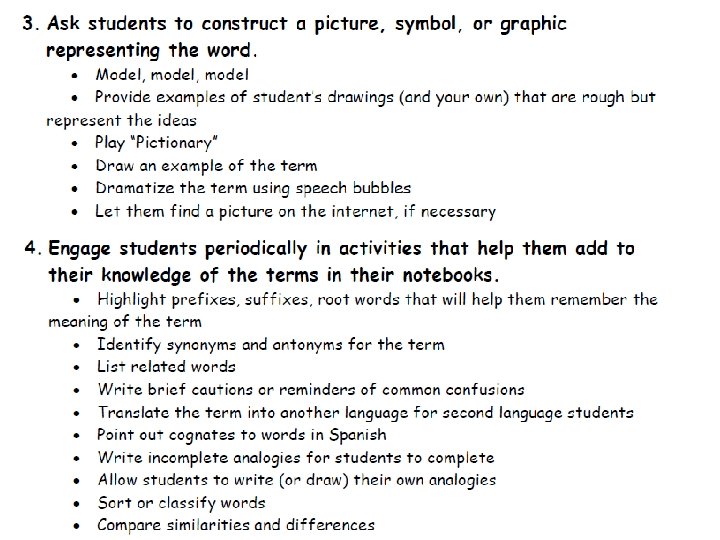
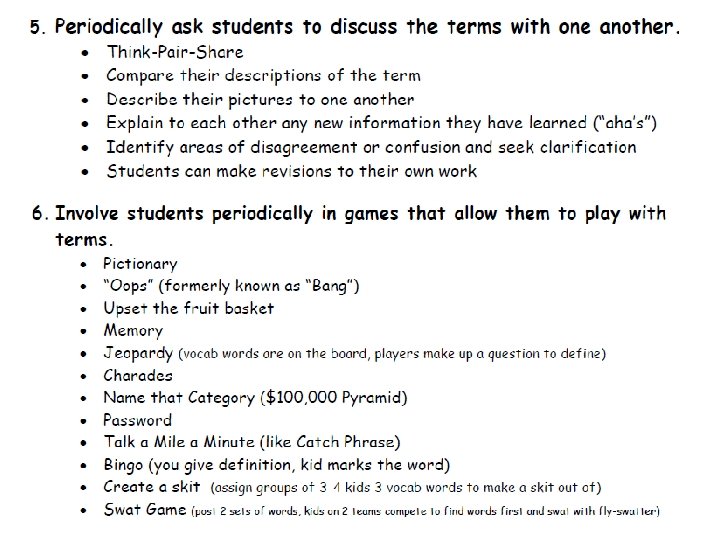
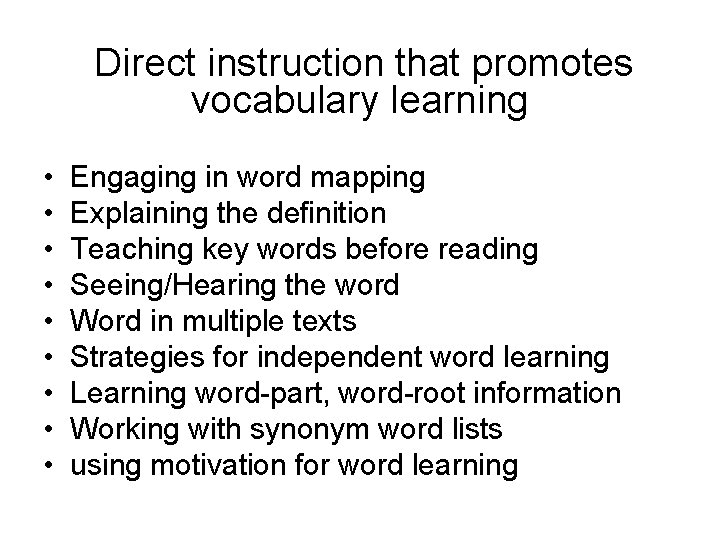
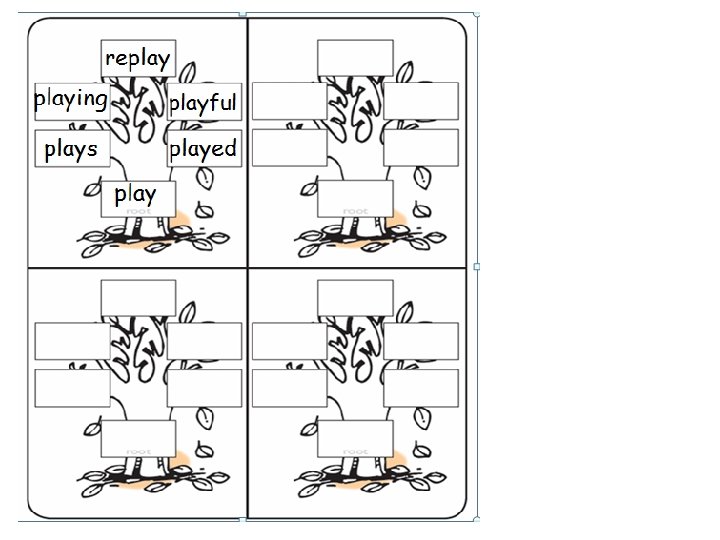
Direct instruction that promotes vocabulary learning • • • Engaging in word mapping Explaining the definition Teaching key words before reading Seeing/Hearing the word Word in multiple texts Strategies for independent word learning Learning word-part, word-root information Working with synonym word lists using motivation for word learning
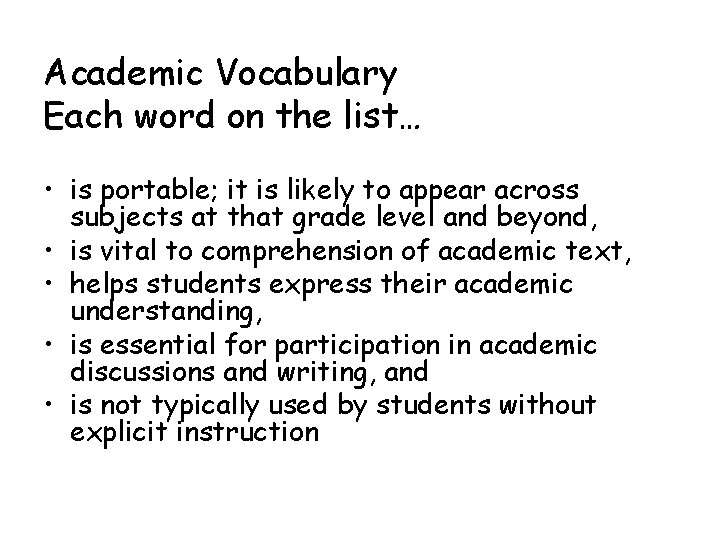
Academic Vocabulary Each word on the list… • is portable; it is likely to appear across subjects at that grade level and beyond, • is vital to comprehension of academic text, • helps students express their academic understanding, • is essential for participation in academic discussions and writing, and • is not typically used by students without explicit instruction
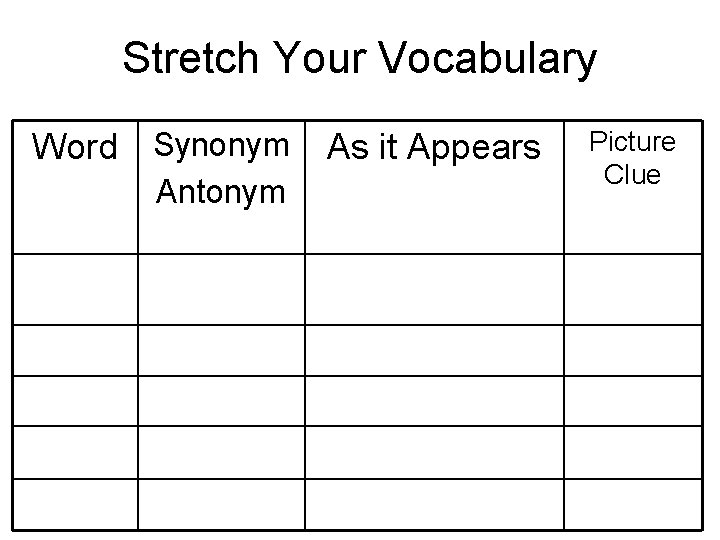
Stretch Your Vocabulary Word Synonym Antonym As it Appears Picture Clue
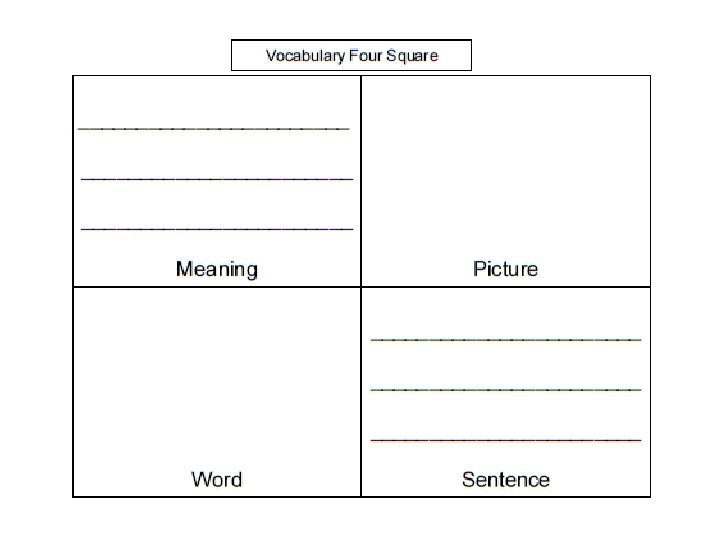
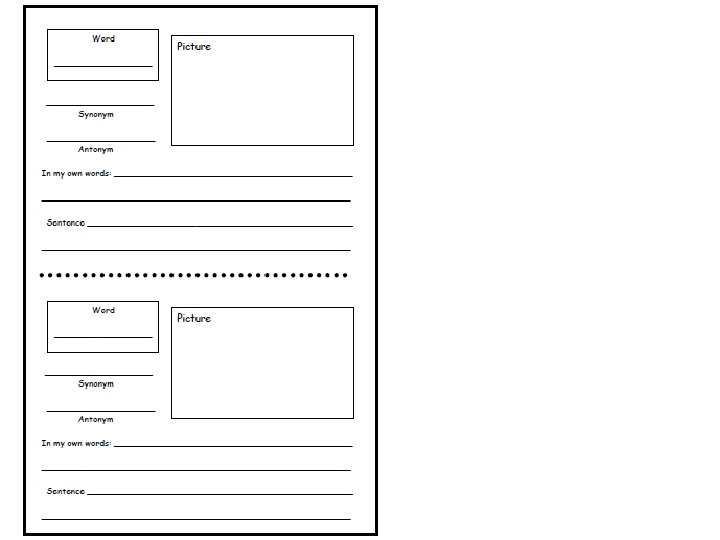
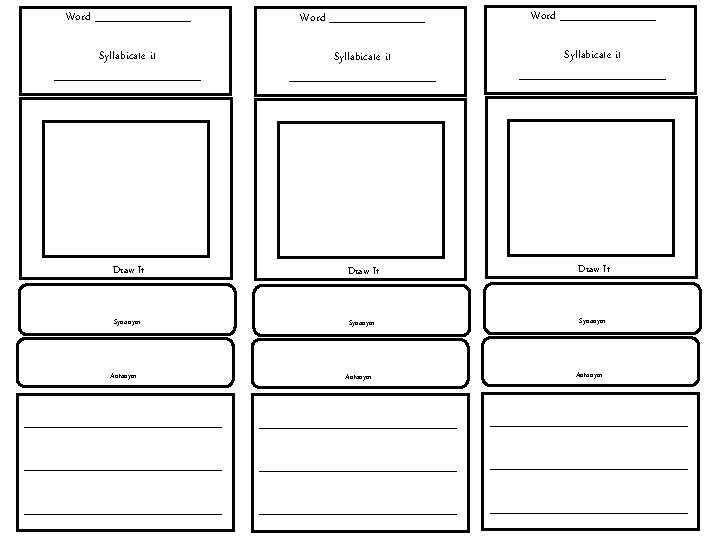
Word ____________ Syllabicate it ____________ Syllabicate it _________ Draw It Synonym Antonym ___________ _________________
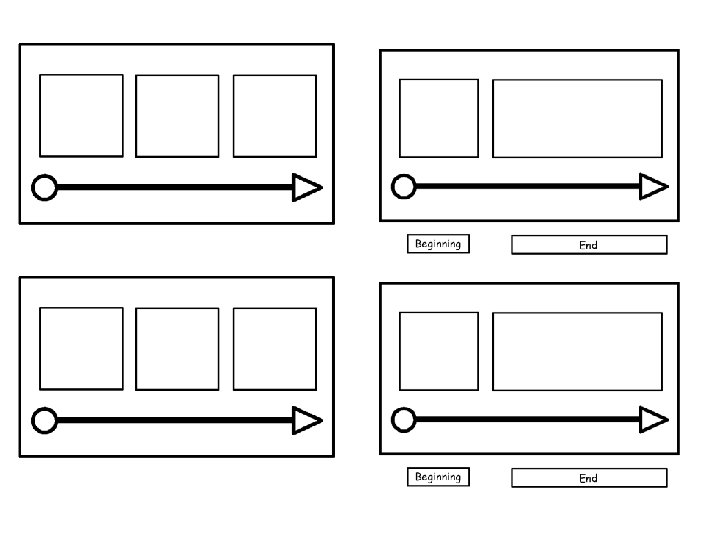
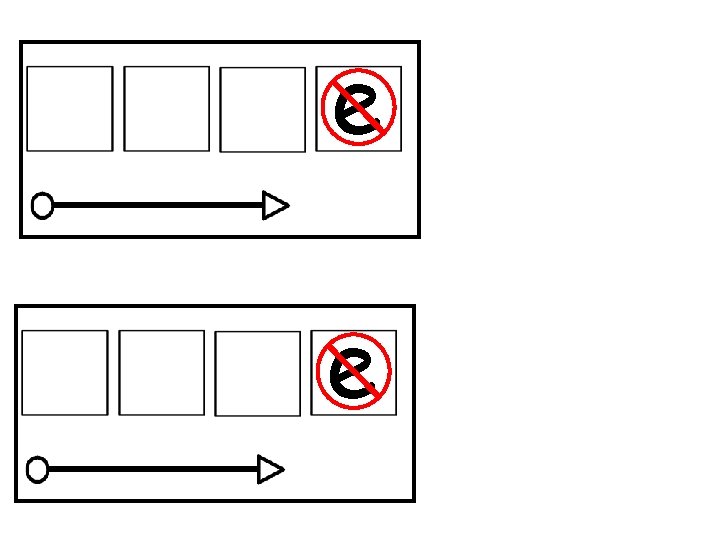
e e
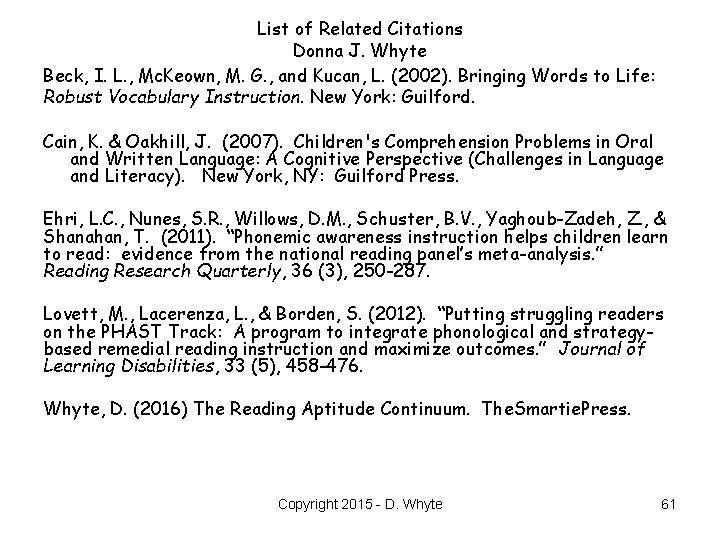
List of Related Citations Donna J. Whyte Beck, I. L. , Mc. Keown, M. G. , and Kucan, L. (2002). Bringing Words to Life: Robust Vocabulary Instruction. New York: Guilford. Cain, K. & Oakhill, J. (2007). Children's Comprehension Problems in Oral and Written Language: A Cognitive Perspective (Challenges in Language and Literacy). New York, NY: Guilford Press. Ehri, L. C. , Nunes, S. R. , Willows, D. M. , Schuster, B. V. , Yaghoub-Zadeh, Z. , & Shanahan, T. (2011). “Phonemic awareness instruction helps children learn to read: evidence from the national reading panel’s meta-analysis. ” Reading Research Quarterly, 36 (3), 250 -287. Lovett, M. , Lacerenza, L. , & Borden, S. (2012). “Putting struggling readers on the PHAST Track: A program to integrate phonological and strategybased remedial reading instruction and maximize outcomes. ” Journal of Learning Disabilities, 33 (5), 458 -476. Whyte, D. (2016) The Reading Aptitude Continuum. The. Smartie. Press. Copyright 2015 - D. Whyte 61
- Slides: 61