
Hello Farmington Bill Wilder Boston Azure User Group
Hello Farmington!
Bill Wilder Boston Azure User Group @codingoutloud & http: //blog. codingoutloud. com Building Cloud Applications with Roles and Queues
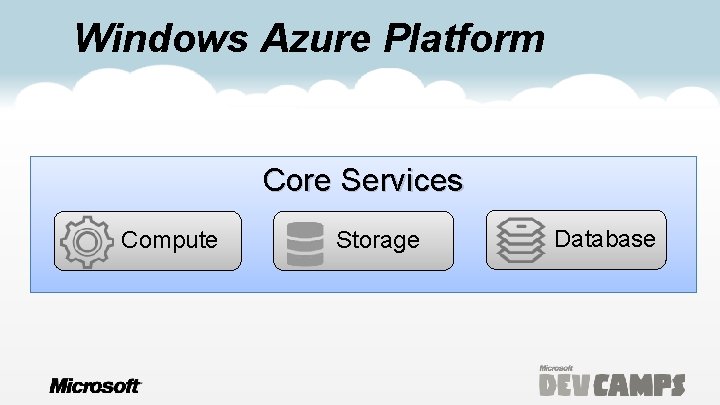
Windows Azure Platform Core Services Compute Storage Database
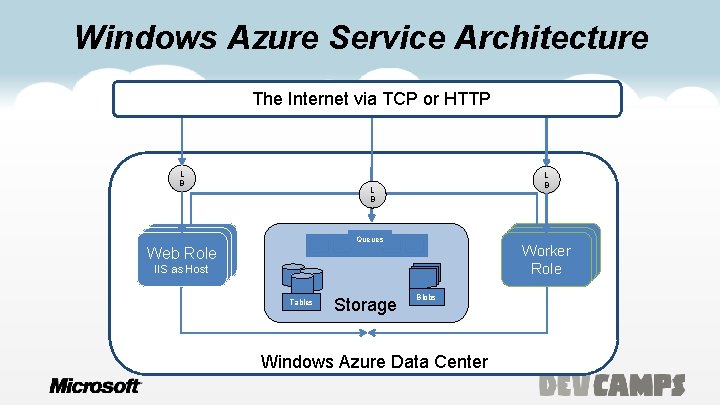
Windows Azure Service Architecture The via Internet The Internet TCP or HTTP L B L B Worker Service Role Queues Web Role IIS as Host Tables Storage Blobs Windows Azure Data Center
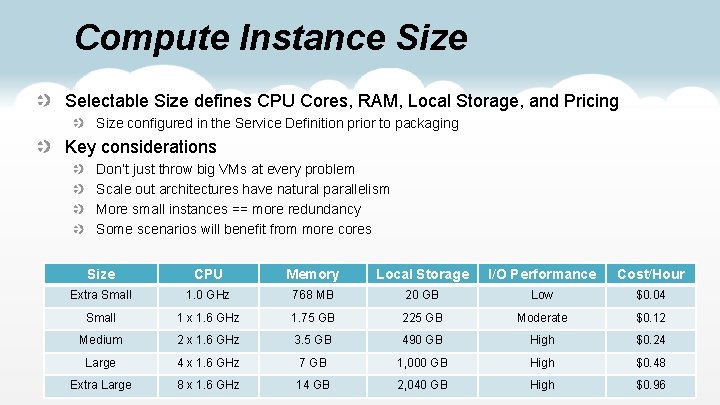
Compute Instance Size Selectable Size defines CPU Cores, RAM, Local Storage, and Pricing Size configured in the Service Definition prior to packaging Key considerations Don’t just throw big VMs at every problem Scale out architectures have natural parallelism More small instances == more redundancy Some scenarios will benefit from more cores Size CPU Memory Local Storage I/O Performance Cost/Hour Extra Small 1. 0 GHz 768 MB 20 GB Low $0. 04 Small 1 x 1. 6 GHz 1. 75 GB 225 GB Moderate $0. 12 Medium 2 x 1. 6 GHz 3. 5 GB 490 GB High $0. 24 Large 4 x 1. 6 GHz 7 GB 1, 000 GB High $0. 48 Extra Large 8 x 1. 6 GHz 14 GB 2, 040 GB High $0. 96
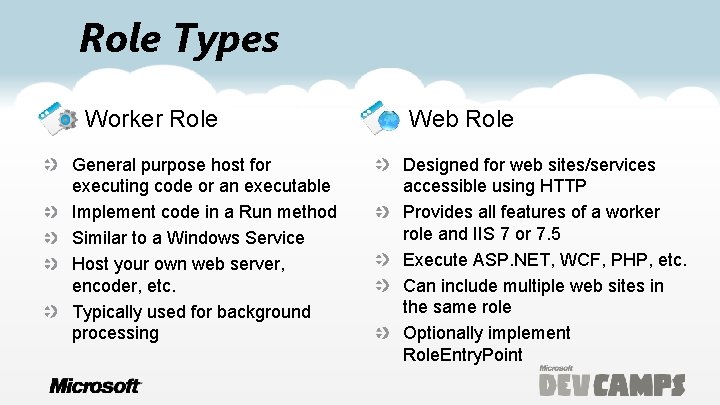
Role Types Worker Role General purpose host for executing code or an executable Implement code in a Run method Similar to a Windows Service Host your own web server, encoder, etc. Typically used for background processing Web Role Designed for web sites/services accessible using HTTP Provides all features of a worker role and IIS 7 or 7. 5 Execute ASP. NET, WCF, PHP, etc. Can include multiple web sites in the same role Optionally implement Role. Entry. Point
Hello Windows Azure
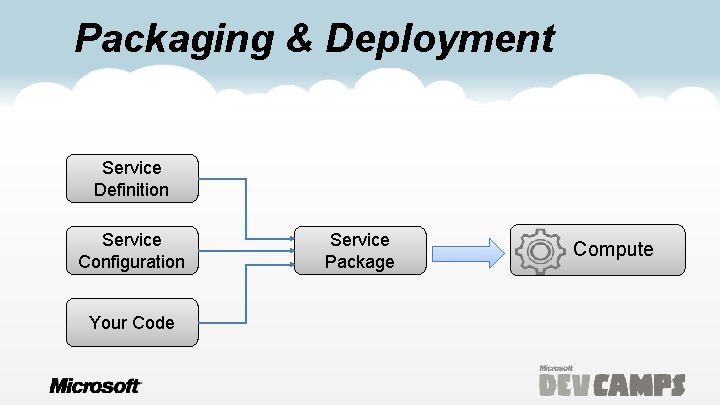
Packaging & Deployment Service Definition Service Configuration Your Code Service Package Compute
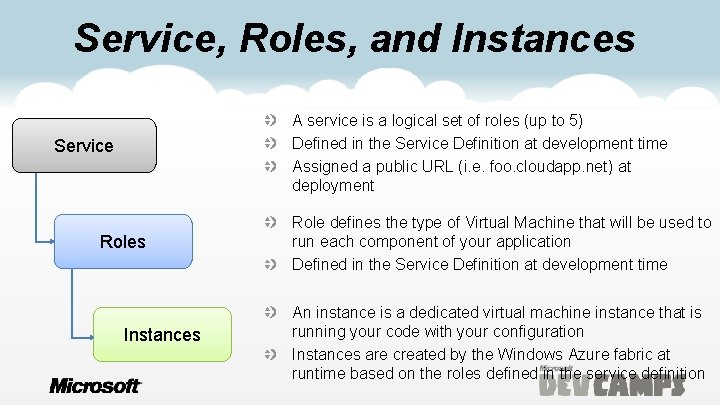
Service, Roles, and Instances A service is a logical set of roles (up to 5) Defined in the Service Definition at development time Assigned a public URL (i. e. foo. cloudapp. net) at deployment Service Roles Instances Role defines the type of Virtual Machine that will be used to run each component of your application Defined in the Service Definition at development time An instance is a dedicated virtual machine instance that is running your code with your configuration Instances are created by the Windows Azure fabric at runtime based on the roles defined in the service definition
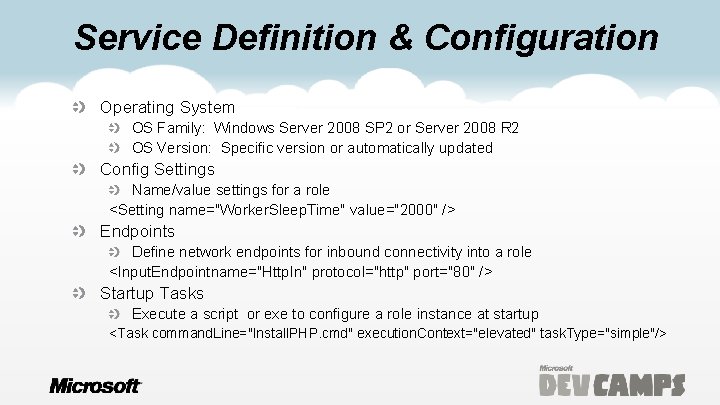
Service Definition & Configuration Operating System OS Family: Windows Server 2008 SP 2 or Server 2008 R 2 OS Version: Specific version or automatically updated Config Settings Name/value settings for a role <Setting name="Worker. Sleep. Time" value="2000" /> Endpoints Define network endpoints for inbound connectivity into a role <Input. Endpointname="Http. In" protocol="http" port="80" /> Startup Tasks Execute a script or exe to configure a role instance at startup <Task command. Line="Install. PHP. cmd" execution. Context="elevated" task. Type="simple"/>
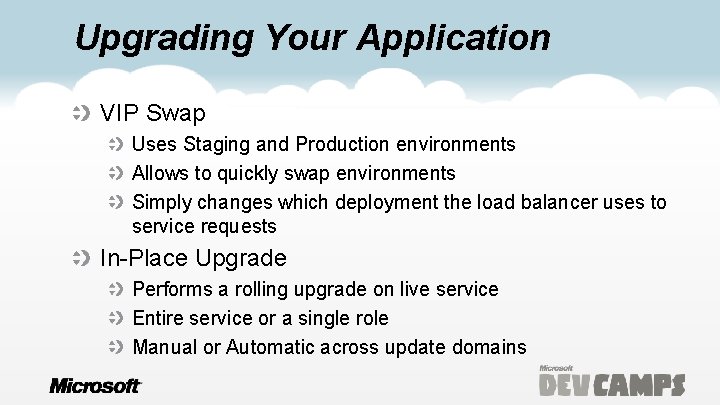
Upgrading Your Application VIP Swap Uses Staging and Production environments Allows to quickly swap environments Simply changes which deployment the load balancer uses to service requests In-Place Upgrade Performs a rolling upgrade on live service Entire service or a single role Manual or Automatic across update domains
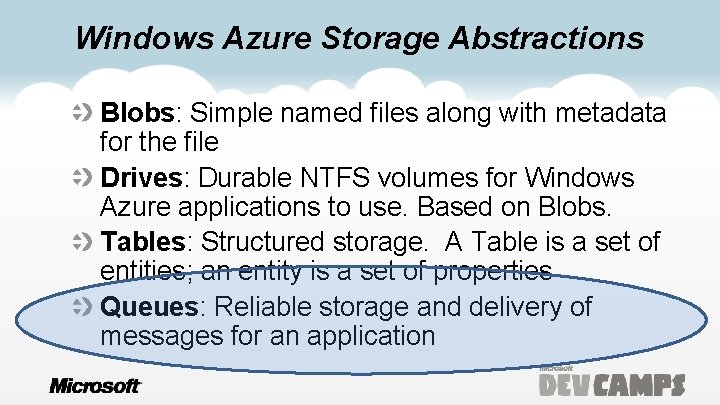
Windows Azure Storage Abstractions Blobs: Simple named files along with metadata for the file Drives: Durable NTFS volumes for Windows Azure applications to use. Based on Blobs. Tables: Structured storage. A Table is a set of entities; an entity is a set of properties Queues: Reliable storage and delivery of messages for an application
Queues Messaging
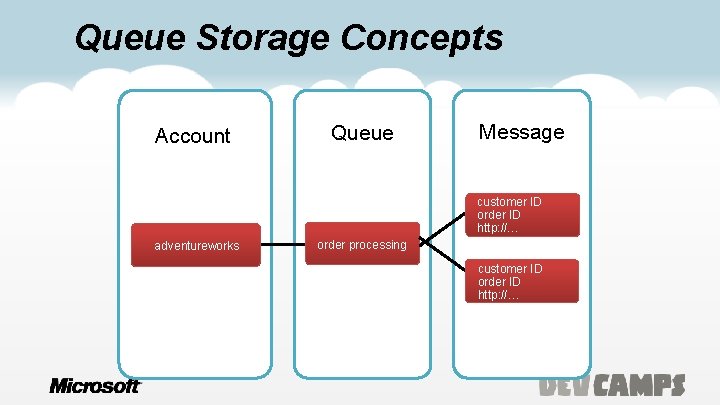
Queue Storage Concepts Account Queue Message customer ID order ID http: //… adventureworks order processing customer ID order ID http: //…
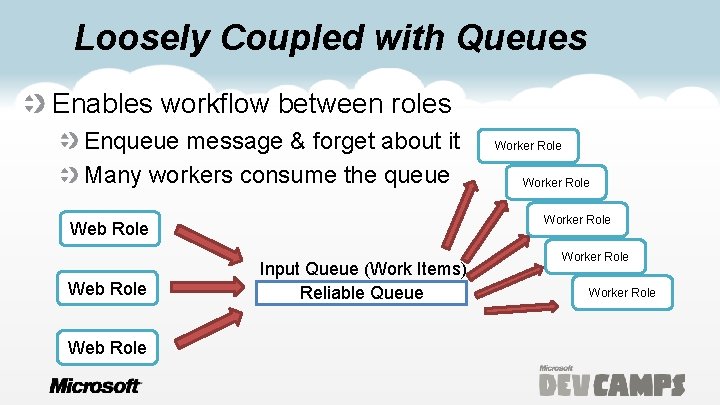
Loosely Coupled with Queues Enables workflow between roles Enqueue message & forget about it Many workers consume the queue Web Role Worker Role Input Queue (Work Items) Reliable Queue Worker Role
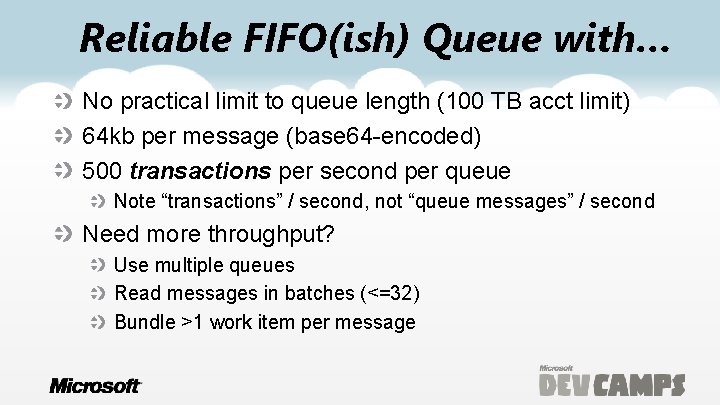
Reliable FIFO(ish) Queue with… No practical limit to queue length (100 TB acct limit) 64 kb per message (base 64 -encoded) 500 transactions per second per queue Note “transactions” / second, not “queue messages” / second Need more throughput? Use multiple queues Read messages in batches (<=32) Bundle >1 work item per message
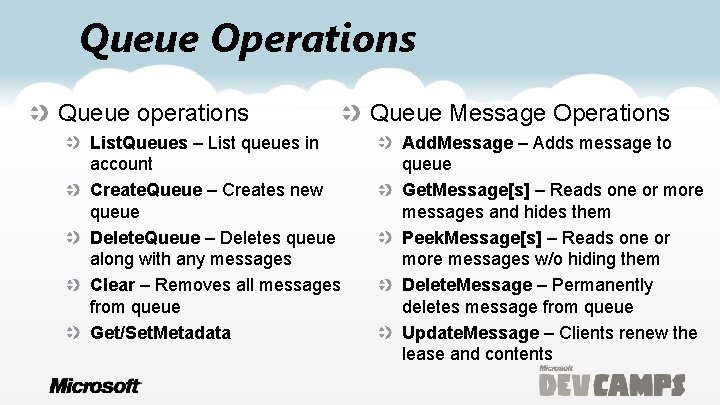
Queue Operations Queue operations List. Queues – List queues in account Create. Queue – Creates new queue Delete. Queue – Deletes queue along with any messages Clear – Removes all messages from queue Get/Set. Metadata Queue Message Operations Add. Message – Adds message to queue Get. Message[s] – Reads one or more messages and hides them Peek. Message[s] – Reads one or more messages w/o hiding them Delete. Message – Permanently deletes message from queue Update. Message – Clients renew the lease and contents
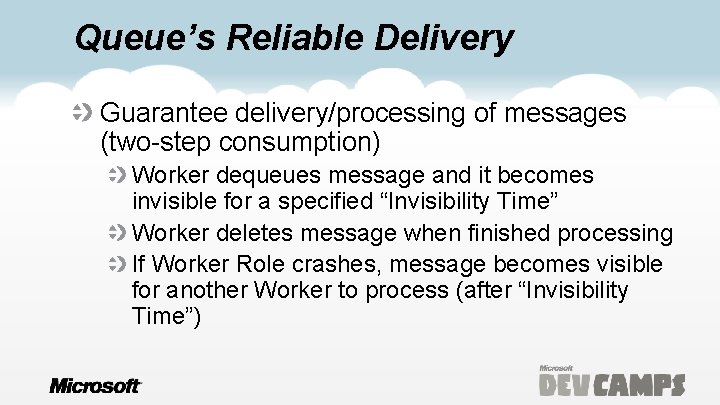
Queue’s Reliable Delivery Guarantee delivery/processing of messages (two-step consumption) Worker dequeues message and it becomes invisible for a specified “Invisibility Time” Worker deletes message when finished processing If Worker Role crashes, message becomes visible for another Worker to process (after “Invisibility Time”)
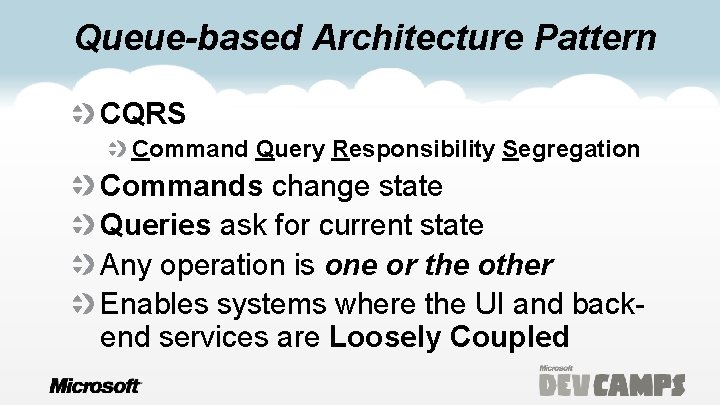
Queue-based Architecture Pattern CQRS Command Query Responsibility Segregation Commands change state Queries ask for current state Any operation is one or the other Enables systems where the UI and backend services are Loosely Coupled
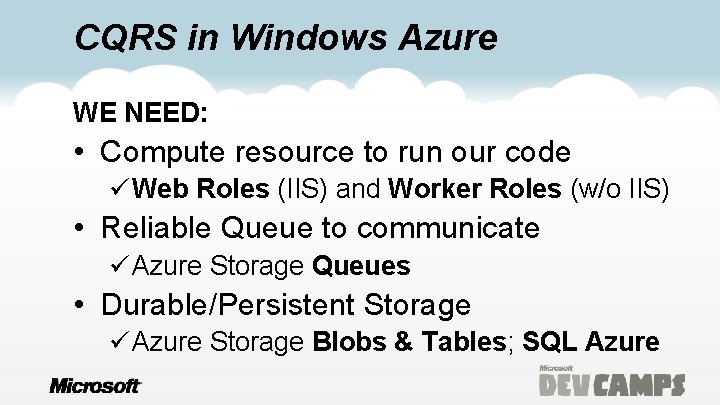
CQRS in Windows Azure WE NEED: • Compute resource to run our code ü Web Roles (IIS) and Worker Roles (w/o IIS) • Reliable Queue to communicate ü Azure Storage Queues • Durable/Persistent Storage ü Azure Storage Blobs & Tables; SQL Azure
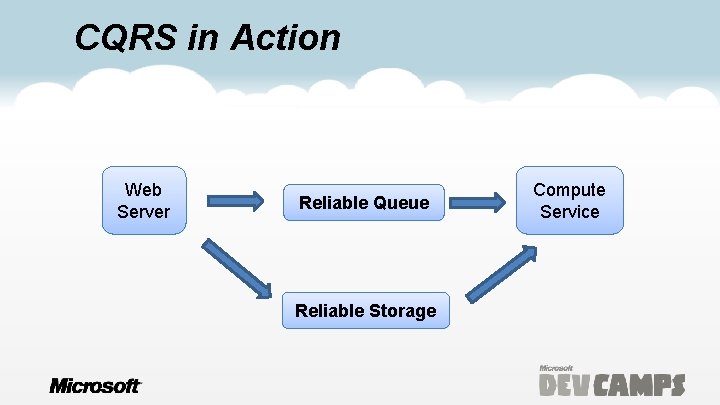
CQRS in Action Web Server Reliable Queue Reliable Storage Compute Service
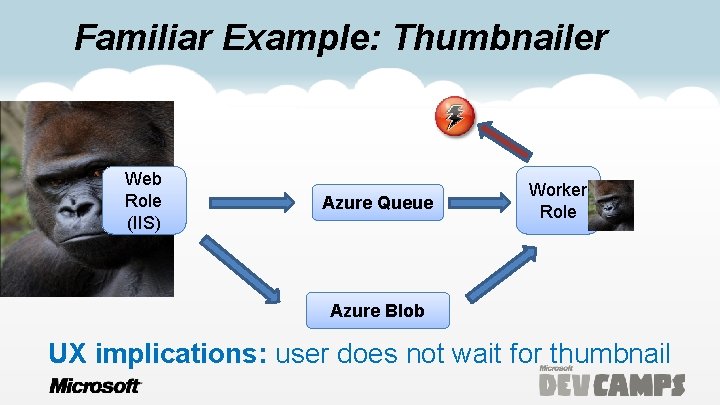
Familiar Example: Thumbnailer Web Role (IIS) Azure Queue Worker Role Azure Blob UX implications: user does not wait for thumbnail
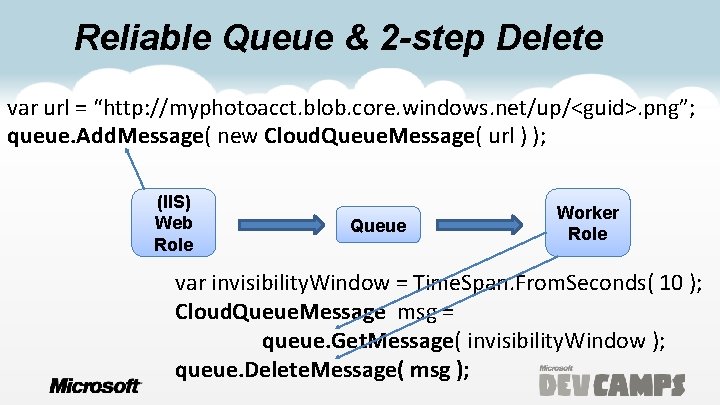
Reliable Queue & 2 -step Delete var url = “http: //myphotoacct. blob. core. windows. net/up/<guid>. png”; queue. Add. Message( new Cloud. Queue. Message( url ) ); (IIS) Web Role Queue Worker Role var invisibility. Window = Time. Span. From. Seconds( 10 ); Cloud. Queue. Message msg = queue. Get. Message( invisibility. Window ); queue. Delete. Message( msg );
CQRS requires Idempotent Perform idempotent operation more than once, end result same as if we did it once Example with Thumbnailing (easy case) App-specific concerns dictate approaches Compensating transactions Last in wins Many others possible – hard to say
CQRS expects Poison Messages A Poison Message cannot be processed Error condition for non-transient reason Detect via Cloud. Queue. Message. Dequeue. Count property Be proactive Falling off the queue may kill your system Message TTL = 7 days by default in Azure Determine a Max Retry policy May differ by queue object type or other criteria Then what? Delete, move to “bad” queue, alert human, …
CQRS enables Responsive Response to interactive users is as fast as a work request can be persisted Time consuming work done asynchronously Comparable total resource consumption, arguably better subjective UX UX challenge – how to express Async to users? Communicate Progress Display Final results
CQRS enables Scalable Loosely coupled, concern-independent scaling Get Scale Units right Blocking is Bane of Scalability Decoupled front/back ends insulate from other system issues if… Order processing partner doing maintenance Twitter down Email server unreachable Internet connectivity interruption
CQRS enables Distribution • Scale out systems better suited than monolithic for geographic distribution More granular flexible Reduce latency via geographic distribution Failure need not be binary
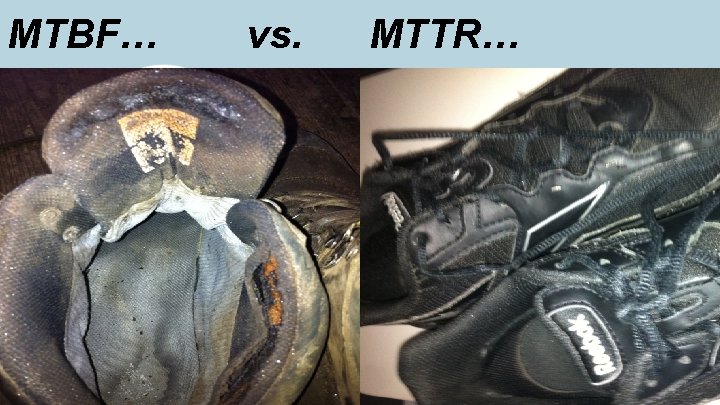
MTBF… vs. MTTR…
CQRS requires “Plan for Failure” There will be VM (or Azure role) restarts Hardware failure, O/S patching, crash (bug) Fabric Controller honors Fault Domains Bake in handling of restarts into our apps Restarts are routine: system “just keeps working” Idempotent support important again Not an exception case! Expect it!
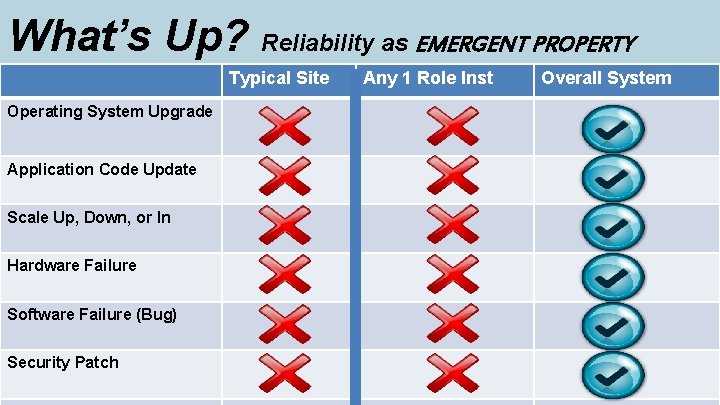
What’s Up? Reliability as EMERGENT PROPERTY Typical Site Operating System Upgrade Application Code Update Scale Up, Down, or In Hardware Failure Software Failure (Bug) Security Patch Any 1 Role Inst Overall System
What about the DATA? Azure Web Roles and Azure Worker Roles Taking user input, dispatching work, doing work Follow a decoupled queue-in-the-middle pattern Stateless compute nodes “Hard Part” – persistent data, scalable data Azure Queue, Blob, Table, SQL Azure 3 x copies of each byte Blobs and Tables geo-replicated Retry and Throttle!
Thank You! QUESTIONS?
- Slides: 33