
Heatinternal vibration of molecules within the body Conductionheat
Heat-internal vibration of molecules within the body • Conduction-heat lost or gained by direct contact • Convection-movement through air or H 2 O tranfers heat to our body • Radiation-transfer of heat from warmer source to cooler one • Evaporation-transfer from liquid to gas state • Superficial heat-HP, W/P paraffin • Deep heat-diathermy, ultra sound
• Thermotherapy-heat modalities, used when goal is to increase temperature • Cryotherapy-cold modalities • Hydrotherapy-H 2 O is used as medium to increase or decrease tissue temp. • Heat: – produces analgesic affect – promotes ms. Relaxation – increases elasticity – decreases viscocity of C. T. – Increases local metabolism of A’s and
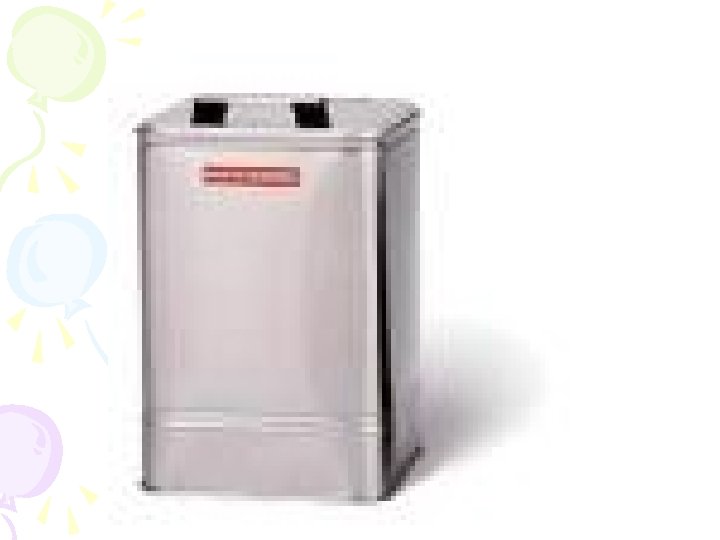
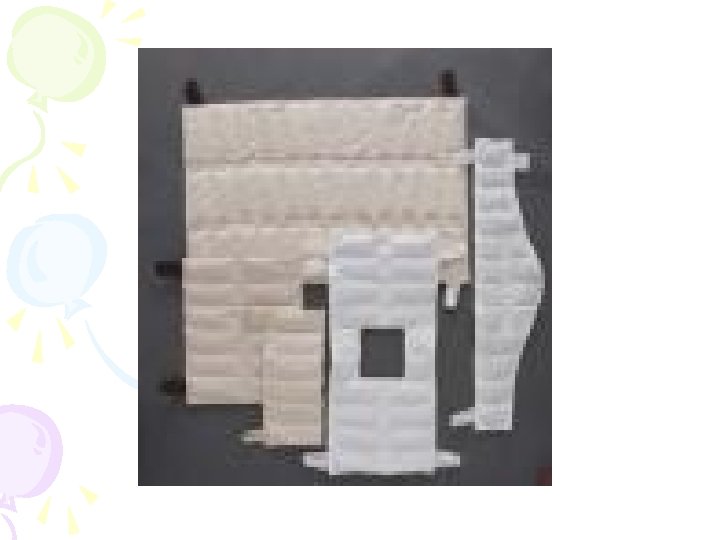
• Examples of superficial heat<1 cm. • Hot packs – moist heat-stored in hydrocollator units -165 F – 6 -8 layers for insulation – towel for perspiration – consider body part treated, position of pt. , weight of HP – Cervical, lumbar, small and large – describe to pt. what to expect • Paraffin – 1 cm. Mineral oil and wax (5# wax/1 part oil) temp. 125 F, retains
• Good for distal parts of extremities • Methods – Glove-dip 8 -10 times, bag, towel, elevate, treatment time 20 min. return wax to unit – Immersion-dip once to coat, then immerse remainder of time, temp. Increase is greater than glove-edema may result – Advantages • Conforms to body part treated – Disadvantages • can’t use with open wound – Fluidotherapy
• Contraindications for heat – acute inflammation, fever, malignancies, acute hemorrhage, PVD, overradiated pt, cardiac insufficiency, unexplained pain, acute infection coma, int bleed; precautions -impaired circulation, pregnancy, older adults and children<4 yo – Precautions: previous existing edema, sensory loss, confused patients
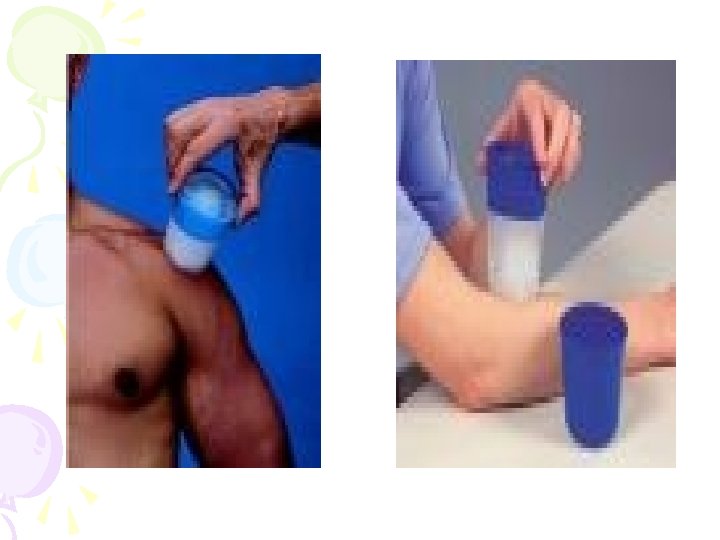
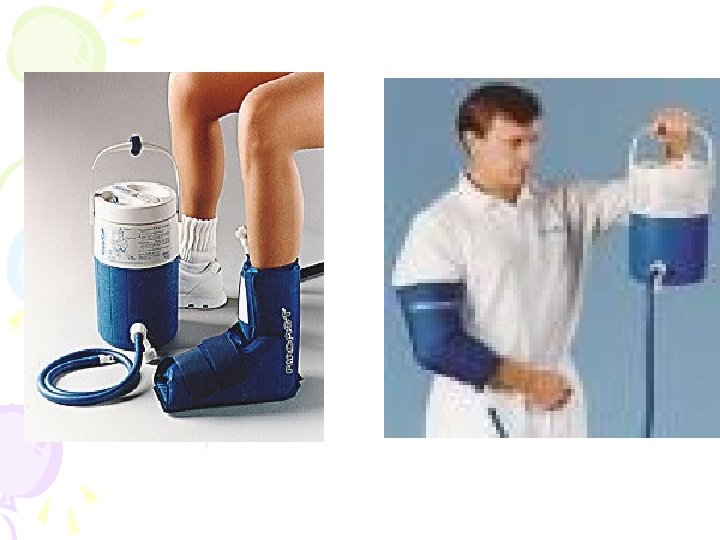
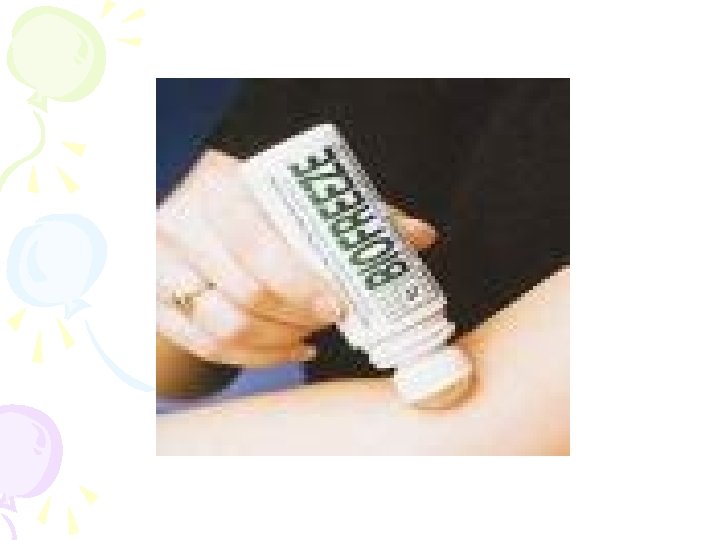
• Cryotherapy-use of cold-goal it to decrease tiss temp, it dec metabolism, causes vasocon, dec bl flow, nerve ms excitability, ms spindle activity, edema and promotes analgesia • Ice-silica gel in frig, cold W/P, ice w/p, massage, cold spray, contrast baths, normal cold progressioncold, stinging, burning, numbness Indications-spasticity, acute inf, ms spasm, edema
Contraindications • Raynaud’s disease, cardiac dysfunction open wounds after 48 -72 hours, arterial insufficiency, cold urticaria
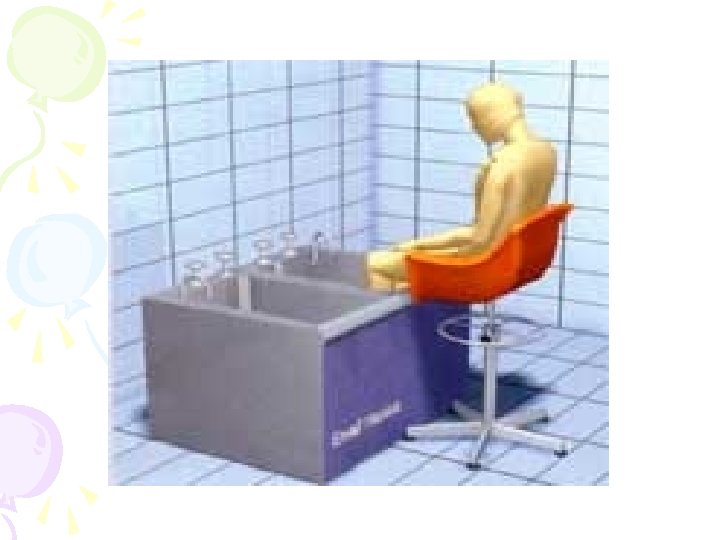
Contrast Baths -two containers with warm/cool water -warm 80 -104 degrees F -cool 55 -67 -Immerse in warm 3 -4 min, then cool 1 min. -Repeat 5 -6 times -Always finish with warm -used for chronic edema, infl. conditions, hypersensitization
• Hydrotherapy-Archimedes principle -an immersed object exerts an upward thrust = wt. Of H 2 O displaced (buoyancy) • viscocity-resistance to flow • W/P source of moist heat • hydrostatic pressure-exerted agst skin • Pascal’s law- fluid exerts = pressure on all surfaces of a body at rest which increases in
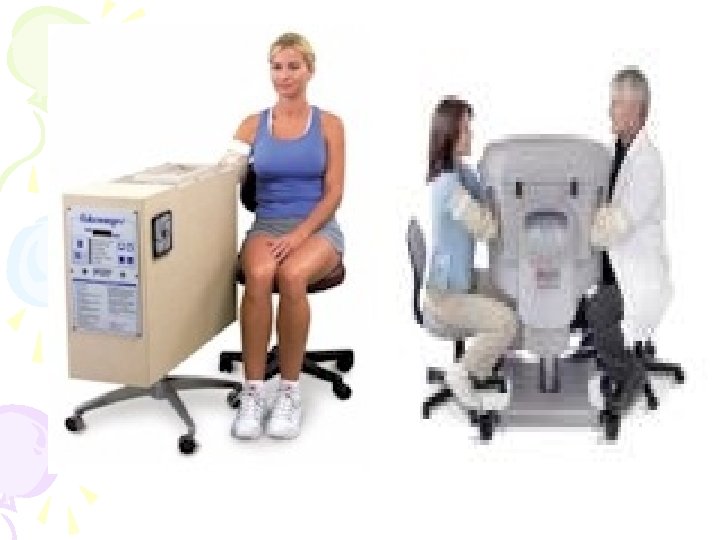
Whirlpool • Conduction and convection • Get inc rate of lymph flow, local met inc. , perspiration inc, debridement, vasodiation, ms relax, inc cell perm and assist or resis with ROM • Increases hydrostatic pressure which may increase lymph circulation • Graded exercise (with or against turbulence • Debrides necrotic tissue therefore decreasing bacterial load
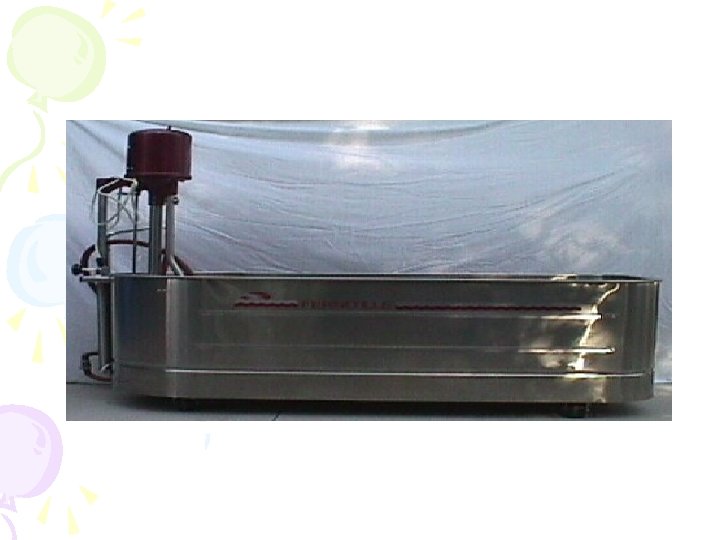
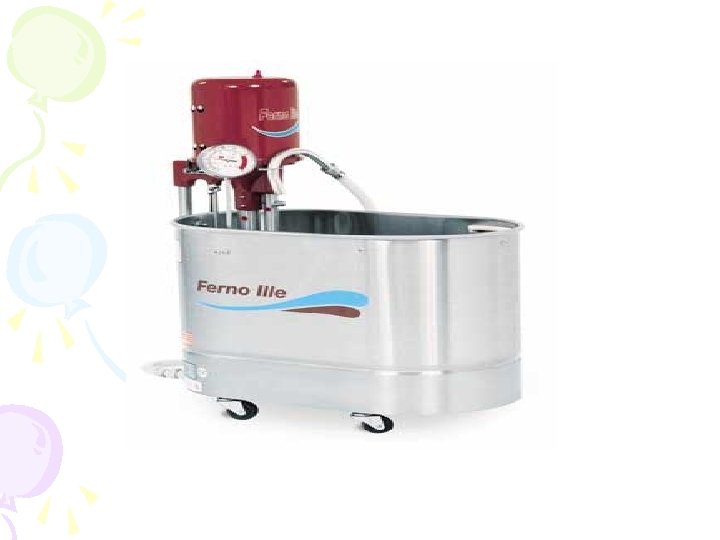
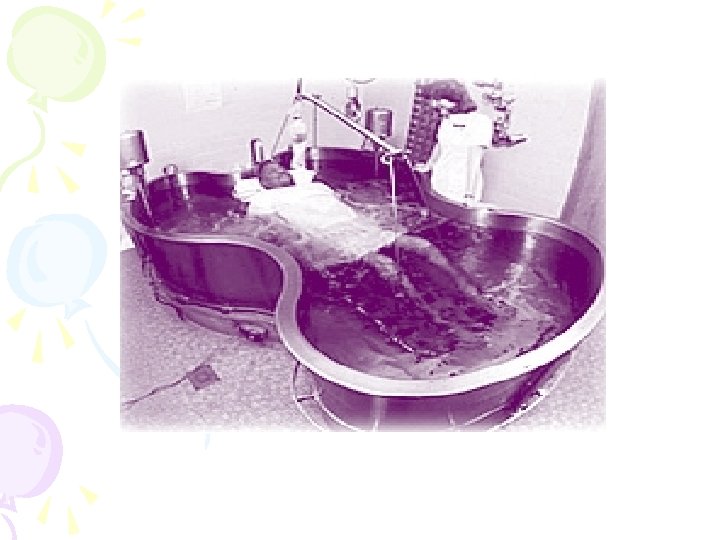
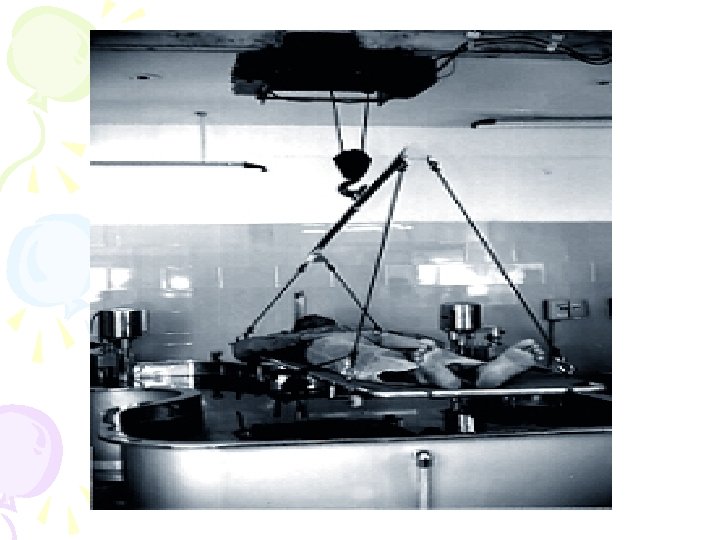
Indications Stage III and IV wounds Subacute and chronic inflammatory conditions Early PVD Peripheral nerve injuried Muscle weakness
Contraindications • Same as those for heat • Venous ulcers
Temperatures • Very hot-104 -110 • Hot-99 -104 • Mild Warm-96 -98 • Neutral-92 -96 • Tepid-79 -92 • Cold-32 -79 • Soft tissue extens, chronic • Pain • Burn patients • Open wounds, circ, sensory, cardiac disorder, decrease tone • Exercise, acute inflam (if not able to tol cold) • Acute inflammation
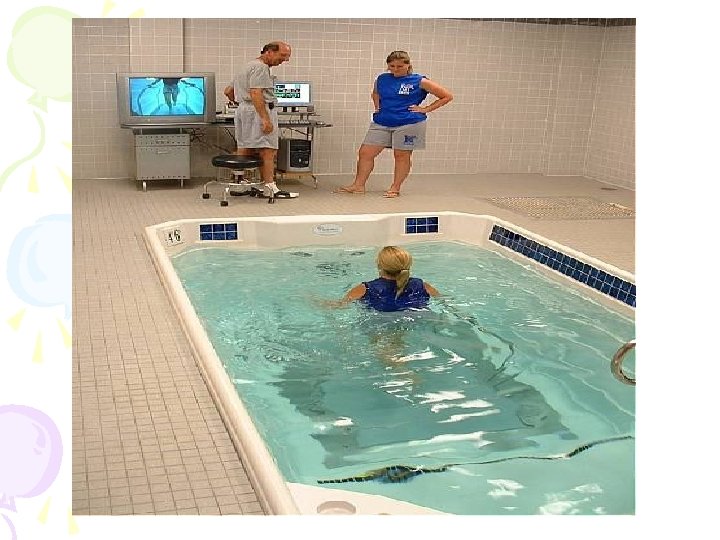
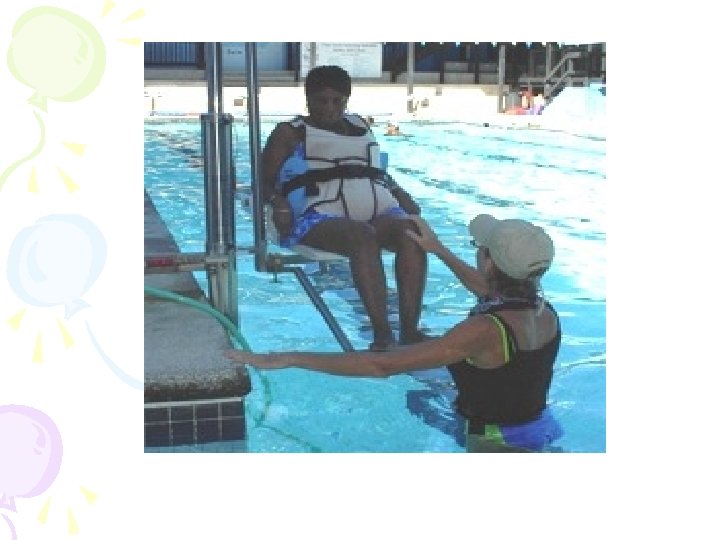
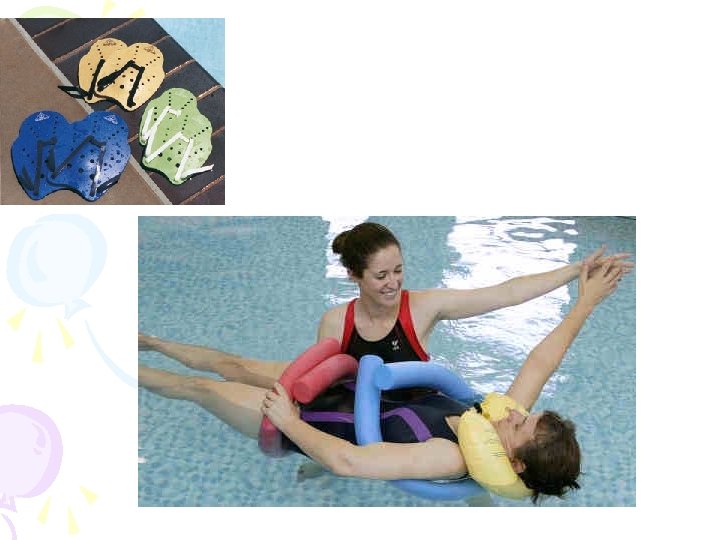
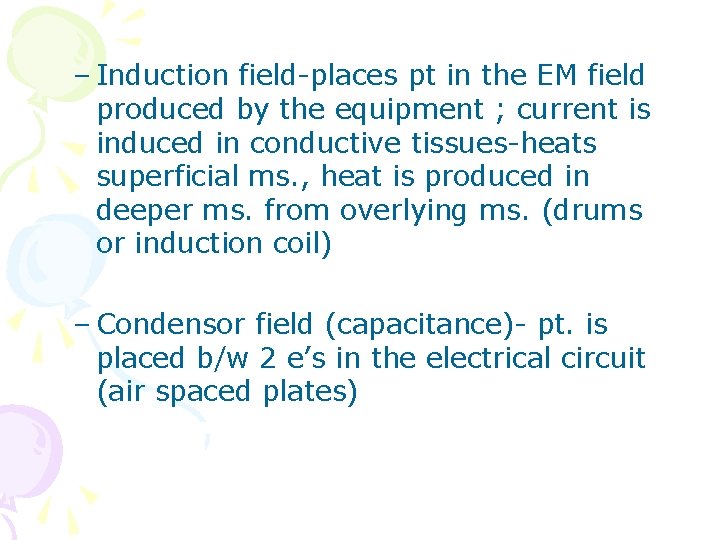
Aquatic therapy • Same principles apply • Water temp-79 -97 degrees F – 93 -97 for light exercise by elderly deconditoned – 79 -83 for more intense exercise and recreational pools – Should not go below 65 F (may impair ms. contract) • % of WB with depth immersion: – C 7 -8% – Xiphoid-28% – ASIS-47%
Advantages • Ease of movement, weightlessness • Progressive WB • Can facilitate, support or resist mvmt • Ease of pt handling • Total body mvmt • Easy to progress program • Can perform many types of exercise
Laws for dosage of EM radiation • Cosine law-absorption of ray is optimal when it strikes the surface at the perpendicular • Inverse square law-Intensity of radiation at any distance is inversely proportional to the square of the distance b/w the sure face and the source of radiation • Arndt-Schultz law-a certain minimum stimulus is needed to initiate a biological process
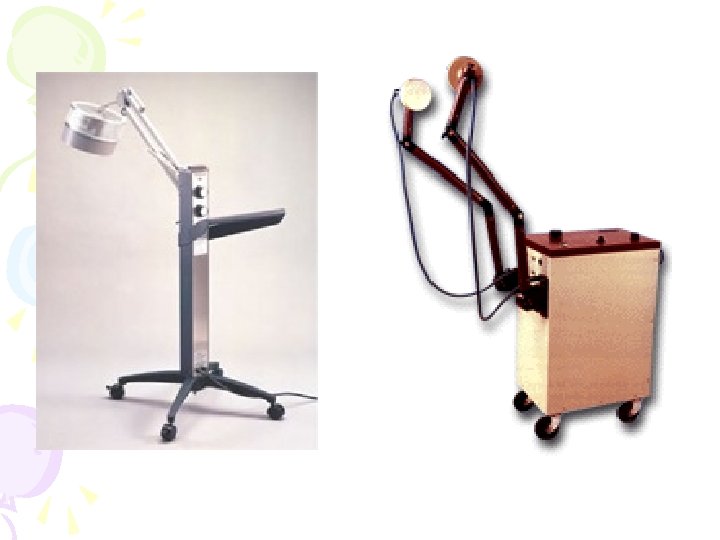
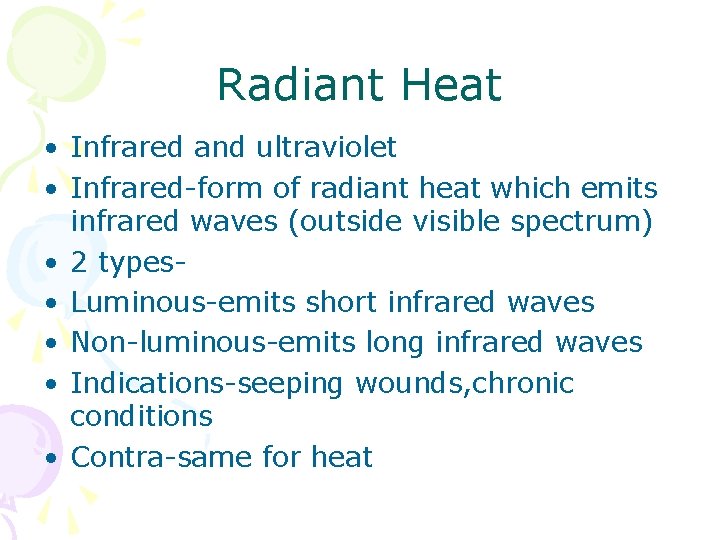
Diathermy • To heat through (3 -5 cm. ) • Converts hi fx electromag E to heat in tissues • Frequency 27. 12 MHz • Contraindications – General for heat – Pacemakers – Metal implants – Epiphyses – Eyes, testes, malignancy, pregnancy
Disadvantages • Pool cost/ maintenance and upkeep • Time in commuting/changing • Limited carryover • Additional risk
Precautions • Bowel/bladder incontinence • Open wounds • Infectious disease • Seizures • Tracheotomy tubes • Severe cardiovascular disease • Orthopedic instability
– Induction field-places pt in the EM field produced by the equipment ; current is induced in conductive tissues-heats superficial ms. , heat is produced in deeper ms. from overlying ms. (drums or induction coil) – Condensor field (capacitance)- pt. is placed b/w 2 e’s in the electrical circuit (air spaced plates)
Radiant Heat • Infrared and ultraviolet • Infrared-form of radiant heat which emits infrared waves (outside visible spectrum) • 2 types • Luminous-emits short infrared waves • Non-luminous-emits long infrared waves • Indications-seeping wounds, chronic conditions • Contra-same for heat
Ultraviolet • Causes a chemical change in tissues • Both UV and infrared possess these characteristics • Direction of travel is in straight line that can be reflected, refracted, absorbed or passed through depending on the medium they strike
• Light is characterized by: • Wavelength-measured in nanometers • Visible-b/w 400 -800 nm • UV light-180 -400 • Infrared-800 -1500 • Frequency-# of oscillations or vibrations in 1 second-expressed in hertz • The higher the frequency, the shorter the wavelength
• UVA-320 -400 nm. -penetrates furthest (into dermis) • UVB-290 -320 -psoriasis • UVC-<290, cold quartz-operates at low temps. Used to promote bacteriocidal effects, wound debridement, tissue regeneration • UV is used to promote erythemal response w/in 12 hours of exposure-causes chemical reaction that impacts on the immune system
• Indications • -pressure sores, acne, wound care, psoriasis, to decrease bacteria in pressure sores (especially after pulsed lavage) • Contraindications • -photosensitivity, cancer, systemic lupus errythmatosis, cardiac, kidney or liver disease active TB, fever, acute diabetes, drugs, direct eye contact
Precautions • Photosensitivity as a result of drugs • Drugs such as gold salts, psoralens, tetracyclines • Syphilis • Alcohol • Elevated levels of estrogen • Foods such as shellfish, strawberries
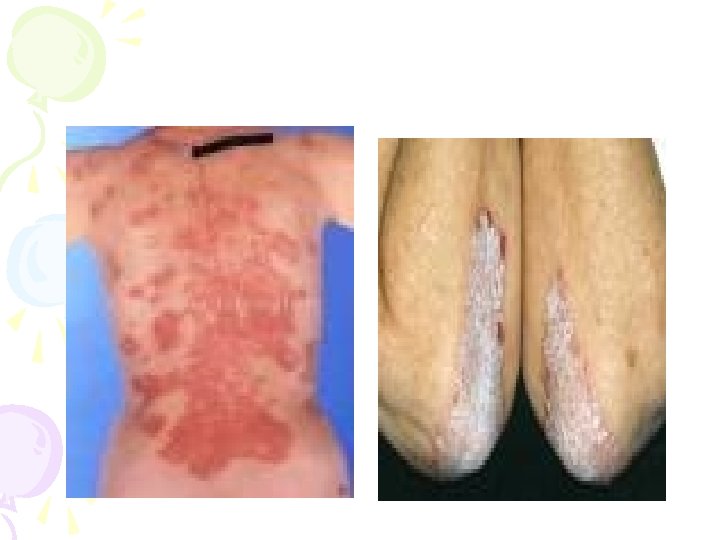
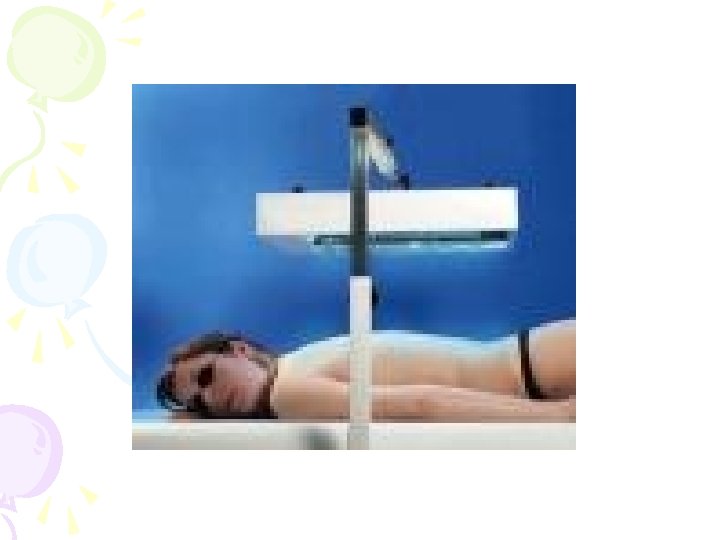
• Must establish MED-exposure time necessary to produce mild erythemal dose-lasts to 48 hours • SED-no erythema • MED-smallest dose producing erythema • Appears 1 -6 hrs, fades in 24
Technique • • Goggles Place body part perpedicular Protect skin not treated Use same lamp Cover genitals, nipples Place lamp 24 -36 inches away Use test strip to test-uncover each hole so 1 st hole will have greatest exposure
Procedure • Cut six holes with different shapes • Use skin not exposed to uv light • Remove clothing, jewelry, wash area • Attach MED strip and cover with towel • Position lamp perpend to treated surface • 30 sec hole 1, 2. 15 sec. 3 -6
• Instruct pt. to check arm in bright area every 2 hrs. and document which symbols appear and fade • Dosage time should be increased by 25% next treatment as long as effects of previous dose have disappeared
Lasers • EM E within visible spectrum • Low level laser therapy • Used for tissue healing and pain management • Contraindicated for pregnant women, unclosed fontanelles of children, cancerous lesions, cornea, endocrine glands and hemorrhaging lesions
- Slides: 56