
Heath Behaviours Nutrients and its importance A nutrients
Heath Behaviours
Nutrients and its importance A nutrients are substance used by an organism to survive, grow and reproduce. These are compounds in foods essential to life and health, providing us with energy, building blocks for repair and growth and substances necessary to regulate chemical processes. �Generally nutrients are classified as either macro or micronutrients, based on the amounts we require from the diet. �A lack of nutrients or an excess of these can cause poor health. Where one poverty led to malnutrition because of a lack of food. (energy or specific nutrients), poverty of knowledge and cheap foods high in fat , sugar and salt are leading to weight gain and obesity as well as specific deficiencies(e. g. , vitamin D)
�Macronutrients �There are three macronutrients- Carbohydrate, fat and protein. �They provide “structural material” (e. g. , amino acids , lipid) and energy (joules or kilocalories). �When necessary or as a result of disease, protein can be broken down to generate energy, but carbohydrates and fats are used preferentially for energy).
Micronutrients �Micronutrients are generally, minerals and vitamins. �Dietary minerals are inorganic elements, besides carbon, hydrogen, nitrogen and oxygen, which are present in most organic molecules. �some elements are only required in trace amount(<200 mg) for e. g. , iodine, iron, manganese, molybdenum, nickel, selenium and zinc. �Deficient or excess intakes of minerals can have serious health consequences. �Vitamin deficiency may result in diseases including goiter, scurvy, oesteoporosis, certain forms of cancer and poor psychological health.
NUTRITION AND DIET �Diet is an important and controllable risk factor for many of the leading cause of death and contributors substantially to risk for disease. �For example- diet is related to serum cholesterol level and to lipid profiles. �How ever only 14% of adults get the recommended serving of fruits and vegetables. �Experts estimate that healthful eating contributes to more than 400, 000 deaths per year.
�Unhealthy eating habits have contributed to the obesity epidemic in the U. S : about one-third of U. S adults (33. 8%) are obese and approximately 17% (or 12. 5 million) of children and adolescents aged 2 -19 years are obese. �Even for people at a healthy weight, a poor diet is associated with major health risks that can cause illness and even death. �These include heart disease, hypertension , type 2 diabetes, osteoporosis, and certain types of cancer.
�Dietary changes is critical for people at risk or already diagnosed with chronic diseases such as coronary artery diseases, hypertension, diabetes , and cancer.
Changing diet and health benefits �Changing one’s diet can improve one’s health. �A diet high in fibber can protect against obesity and cardiovascular diseases by lowering insulin levels. �A diet high in fruits, vegetables , whole grains , peas and beans, poultry and fish and low in refines grains, lowers the risk of coronary heart disease. �Switching from trans fat (as are used for fried and fast foods) and saturated fats (from meat and dairy products) to polysaturated fats and monosaturated fats is a healthful change as well.
�Several diets , in addition to low –fat diets have health benefits. �Healthy “Mediterranean” diets are rich in vegetables, nuts, fruits and fish and low in red meats. �Low-carbohydrates diets with vegetarian sources of fat and protein and little bread and other highcarbohydrate foods can have healthful effects.
Why do we stick with unhealthy diet �Change in diet habits and behavioural habits. �Drastic change in shopping, meal planning, cooking methods and eating. �Tastes are hard to alter. �So called comfort foods, many of which are high in fat and sugars, help turn off stress hormones, such as cortisol contributing to an unhealthy diet. � A preference for meat, a lack of health consciousness, a limited interests in exploring new foods, and low awareness of the link between eating habits and illness are all tied to poor dietary habits.
STRESS AND DIET �Stress has a direct and negative effects on diet. �People under stress eat more fatty foods, fewer fruits and vegetables and are more likely to snack and skip breakfast. �People with low status jobs, high workloads and little control at work also have less healthy diets. � when people are under stress, they are distracted , may fail to practice self-control, and may not pay much attention to what they are eating. �So sheer cognitive burden of daily life can interfere with the ability to control food consumption by preventing people from monitoring their eating.
Who controls their diet? �People who are high in conscientiousness and intelligence do a better job of adhering to a healthy diet. � people who have high self control are better able to manage a healthy diet than people without executive control skills. �A strong sense of self-efficacy knowledge about dietary issues, family support, and the perception that dietary change has important health benefits are also critical to developing a healthy diet.
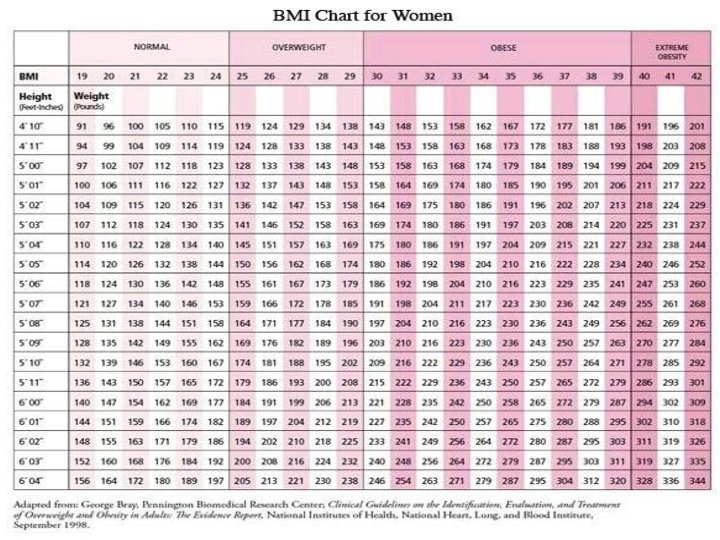
Obesity �Obesity is an excessive accumulation of body fat. �Generally fat should constitute about 20 -30 % of body tissue in women and about 15 -20 % in men. �Who estimates that 500 million people worldwide are obese and 1. 5 billion are overweight, including 43 million children under age 5. �Obesity is now so common that it has replaced malnutrition as the most prevalent dietary contributor to poor health world wide.
�The obesity problem is most severe in the United sates. �Americans are the fattest people in the world. �At present, 68% of the adult U. S. population are overweight, and 34% are obese. �The average intake of calorie intake increased manifold. �The average American’s food intake rose from 1, 826 calories a day in the 1970 s to more than 2000 by the mid -1990 s.
�Soda consumption has skyrocketed from 22. 2 gallons to 56 gallons person per year. �Portion sizes of meals have increased substantially for example- where as the original French fries order at Mc. Donald’s was 200 calories in 1970 s, today’s surprize serving has 610 calories. �Muffins that weight 1. 5 ounces in 1957 now average half a pound each. �Snacking has increased more than 60 per cent over the last three decades.
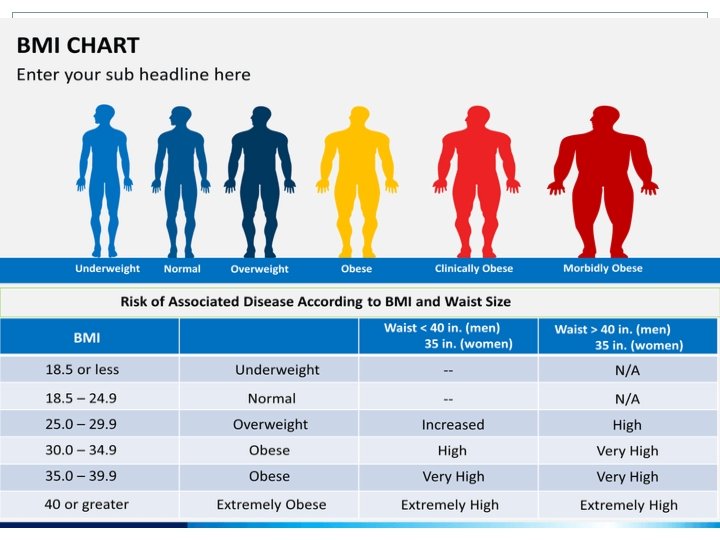
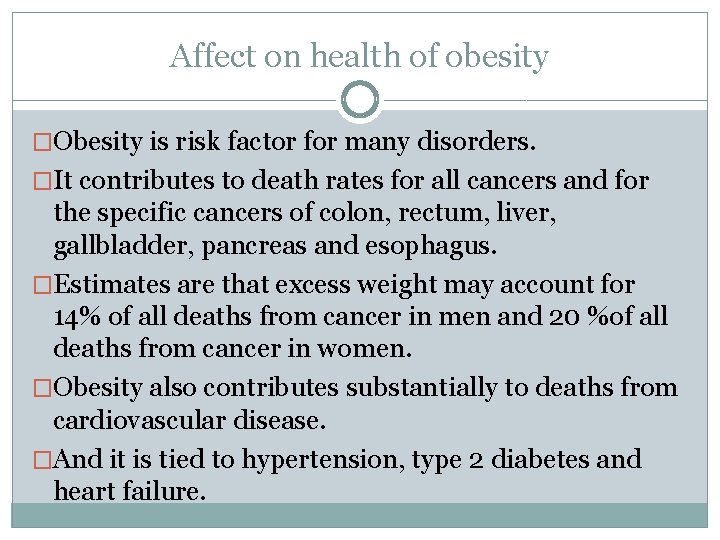
Affect on health of obesity �Obesity is risk factor for many disorders. �It contributes to death rates for all cancers and for the specific cancers of colon, rectum, liver, gallbladder, pancreas and esophagus. �Estimates are that excess weight may account for 14% of all deaths from cancer in men and 20 %of all deaths from cancer in women. �Obesity also contributes substantially to deaths from cardiovascular disease. �And it is tied to hypertension, type 2 diabetes and heart failure.
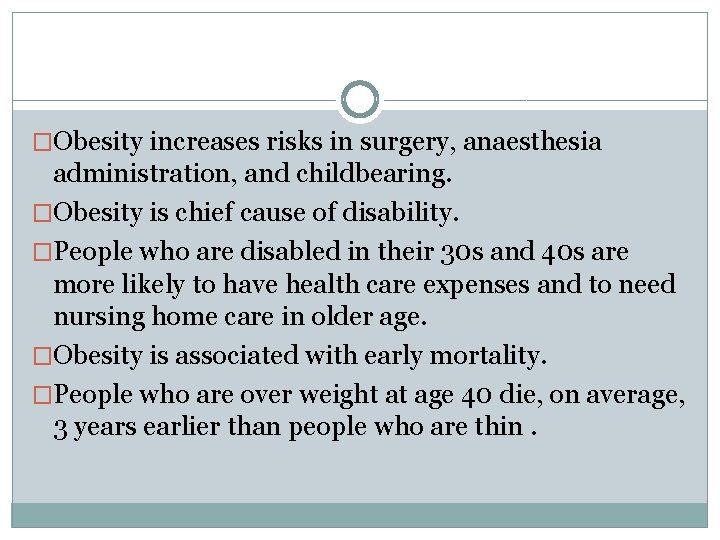
�Obesity increases risks in surgery, anaesthesia administration, and childbearing. �Obesity is chief cause of disability. �People who are disabled in their 30 s and 40 s are more likely to have health care expenses and to need nursing home care in older age. �Obesity is associated with early mortality. �People who are over weight at age 40 die, on average, 3 years earlier than people who are thin.
�Although there is a robust stereotypes of overweight people are as ”jolly. ” studies suggest that the obese are prone to have personality disorders and psychiatric conditions especially depression.

HEALTH PROMOTION AND HEALTH BEHAVIOUR �Health promotion is a philosophy that has its core the idea that good health, or wellness, is a personal and collective achievement. �For the individual , it involves developing a program of good health habits. For the medical practitioner. �health promotion involves teaching people how to achieve a healthy lifestyle and helping people at risk for particular health problems offset or monitor those risks.
�For community and national policy makers, health promotions involves emphasizing good health and providing information and resources to help people change poor health habits.
Health behaviours �Health behaviours are behaviours undertaken by people to enhance or maintain their health. �Health habit- a health habit is a health behaviour that is firmly established and often performed automatically, without awareness. �These habits usually develop in childhood and begin to stabilize around age 11 -12. Wearing a seat belt, brushing one’s teeth, and eating a healthy diet are examples of these kinds of behaviours.
�Such habits can be highly resistant to change because they are induced by some positive reinforcement but becomes automatic after some time even in the absence of enforcement. �Study by Belloc and Breslow (1972) conducted in Alameda, California. �These scientists focused on several important health habits: �Sleeping 7 -8 hours �Not smoking �Eating breakfast each day �Having no more than one or two alcoholic drinks each day. �Getting regular exercise �Not eating between meals �Being no more than 10 % overweight.
�The researchers found that the more good health habits people practiced , the fewer illness they had, the better they had felt, and less disabled they had been. �A follow up of these people 9 -12 years later found that mortality rates were dramatically lower for people practicing the seven health habits. �Men following these practices had a mortality rate of only 28% and women had a mortality rate of 43% , compered to men and women who practiced zero to three of these health habits.
�Primary prevention: Instilling good health habits and changing poor ones is the task of primary prevention. �This means taking measures to combat risk factors for illness before an illness has a chance to develop. �The first and foremost common strategy is to get people to alter their problematic health behaviours, such as helping people lose weight through an intervention. �The second , more recent approach is to keep people from developing poor health habits in the first place. Smoking prevention programs with young adolescents are example of this approach.
What factors lead one person to live a healthy life and another to compromise his or health? �I. Younger, more affluent, better educated people with low levels of stress and high levels of social support typically practice better health habits than people under higher levels of stress with fewer resources. �II. Heath habits are typically good in childhood, deteriorate in adolescence and young adulthood, but improve again among older people.
�iii. Values affect the practice of health habits. For example, exercise for women may be considered desirable in one culture but undesirable in another. �Iv. People who regard their health as under their personal control practice better health habits than people who regard their health as due to chance. The health locus of control scale �V. Family friends and workplace companions influence health related behaviours, sometime in a beneficial direction, other time in a adverse direction.
�Vii. Tied to personal goals. If personal fitness is an important goal, a personal is more likely to exercise. �Viii. Some health habits are controlled by perceived symptoms. For ex- a smoker who wakes up with a smoker’s cough and raspy throat may cut back in the belief he or she is vulnerable to health problems that time. �Ix. Access to the health care behaviour system affects health behaviours. Obtaining a regular pap smear , getting mammograms, and receiving immunization for childhood diseases depend on access to health care.
�X. The practice of health behaviours is tied to cognitive factors, such as knowledge and intelligence. More knowledge and smatter people typically take better care of themselves. �Xi. People who are identified as intelligent in childhood have better health related biological profiles in adulthood, which may be explained by their practice of better health behaviour in early life.
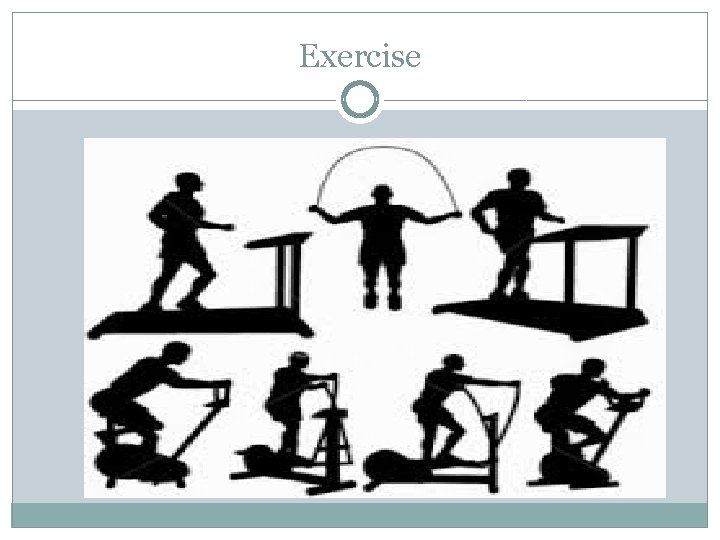
Exercise
�Psychologists have focused on aerobic exercises. �Aerobic exercises are sustained exercises that stimulate and strengthen heart and lungs, improving the body’s utilization of oxygen. �All aerobic exercises are high intensity , long duration and requires high endurance. �For e. g- jogging, bicycling, rope jumping, swimming etc. �Other forms of exercises such as weight lifting or spiriting may be satisfying and may built up specific parts of the body but have less effect on overall fitness. �Because they draw on short term stores of glycogen rather than on the long term energy conversation systems associated with aerobics.
�Benefits of exercise�Aerobic exercise has been tied to increase in cardio vascular fitness and endurance and reduced risk of heart attacks. �Increase efficiency of cardio respiratory system. �Improve physical work capacity. �Optimization of body weight. �Improvement of mussel tone and strength. �Increasing in soft tissue and joint flexibility. �Reduction and control of hypertension. �Decrease cholesterol level. �Improved glucose tolerance. �Improved tolerance of stress. �Reduction in poor health habits (smoking, alcohol, poor diet)
�Increase immune system function. �Decrease negative mood. �These benefits of exercise directly translate into, increase longevity. �Higher levels of physical fitness both in man and women delay mortality, particularly due to cardiovascular diseases and cancer. Physical exercise can increase life by 2 years. �Exercise is highly beneficial for elderly people and children too.
How much exercise �Normal adult- 30 minutes or more of moderate intensity activity on most days of week. �Or 20 minutes or more of vigorous activity at 3 days a week. �People with limitations such as low cardiopulmonary fitness may derive benefits with even less exercise each week. �Short walks are also beneficial for older individual. �For sedentary adults a lifestyle intervention aimed at increasing physical activity may be beneficial.
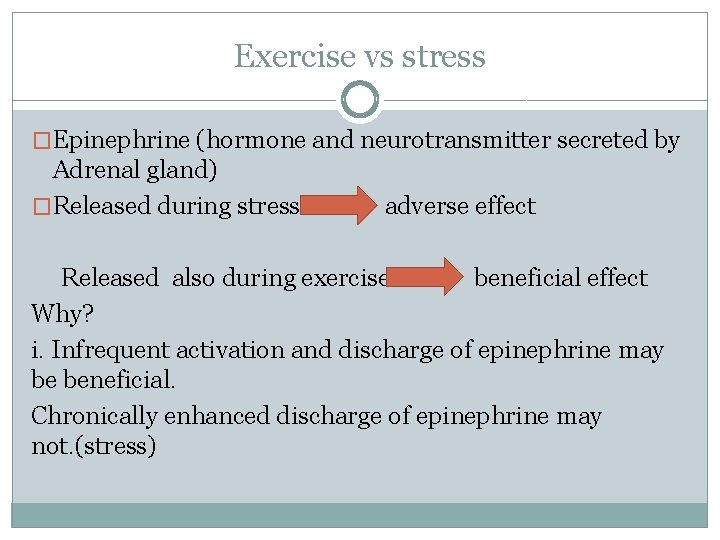
Exercise vs stress �Epinephrine (hormone and neurotransmitter secreted by Adrenal gland) �Released during stress adverse effect Released also during exercise beneficial effect Why? i. Infrequent activation and discharge of epinephrine may be beneficial. Chronically enhanced discharge of epinephrine may not. (stress)
� 2. epinephrine discharge under conditions for which it was intended is metabolised differently than when discharge in response to stress. � 3. under stress conditions HPA (hypothalamic pituitary adrenal) axis gets activated which is not activated during exercise. Where as, sympathetic nervous system arousal happens alone and have less adverse effect.
Effect of exercise on psychological health �Researchers have found benefits in both mental and physical health. �Regular exercise improves mood and generate feelings of well-being immediately after work out. Long tem participation will lead to improved in general mood and well-being.
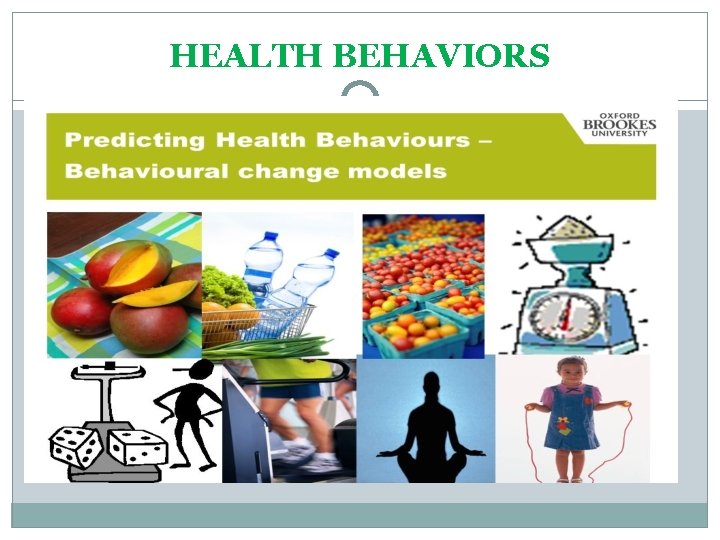
HEALTH BEHAVIORS
- Slides: 40