
Heat S 1 Physics Energy sources and sustainability
Heat S 1 Physics Energy sources and sustainability
Learning outcomes Success criteria Know what is meant by the words “conductor” and “insulator”. You can define the words “conductor” and “insulator”. Know which types of substance are good or poor conductors of heat. You can state whether as a rule metals or non-metals are better conductors of heat. You can rank solids, liquids and gases in terms of how good they are at conducting heat. Given the name of a substance, you can classify it as a good conductor or poor conductor of heat. Understand how heat travels by conduction. You can explain how heat travels by conduction, referring to: – particles – collisions – energy
Learning outcomes Success criteria Know examples of everyday situations where the use of good conductors or insulators is important or useful. You can describe at least two examples for both conductors and insulators. Understand why conductors and insulators at the same temperature feel different to touch. You can state whether an insulator will feel hotter or colder than a conductor when they are at the same temperature. You can explain why there is this difference.
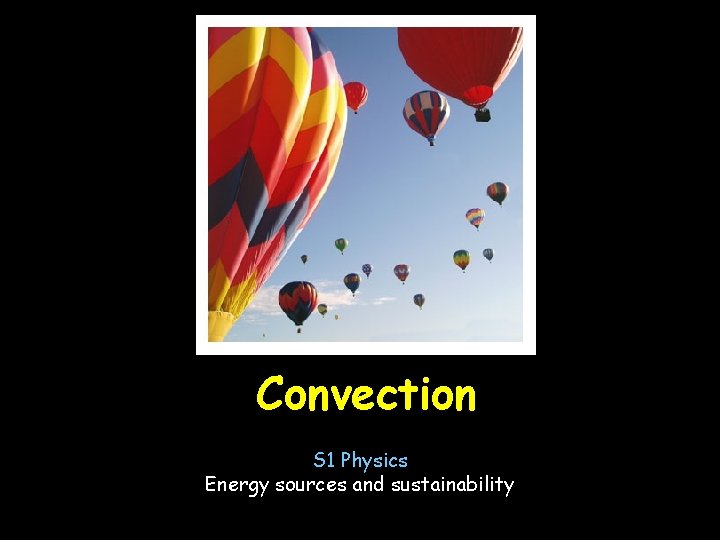
Convection S 1 Physics Energy sources and sustainability
Learning outcomes Success criteria Know in which two states heat can travel by convection. You can name the two states in which convection can happen. Understand what a “convection current” is. You can draw a diagram to illustrate a convection current. You can explain why a convection current happens, referring to: – heat – energy – particles
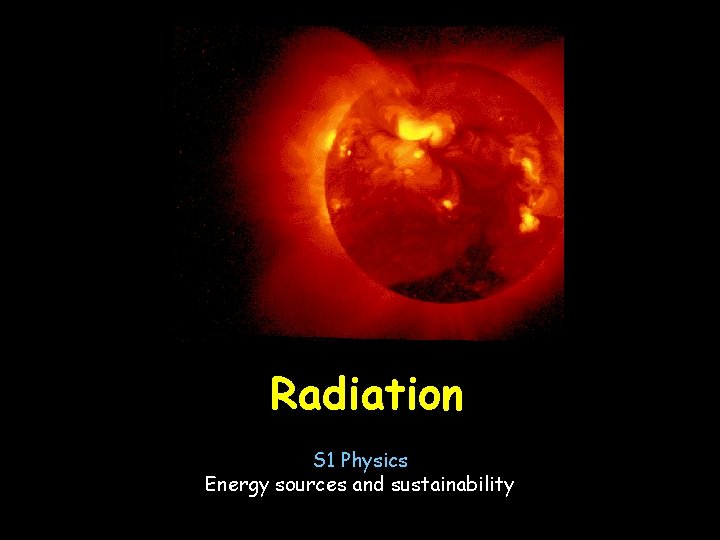
Radiation S 1 Physics Energy sources and sustainability
Learning outcomes Understand what is meant by heat radiation. Success criteria You can describe how heat radiation travels. You can describe examples of situations where heat travels by radiation. You can state whether or not radiation can travel through solids, liquids, gases or a vacuum.
• Which will be hotter to touch on a hot day?


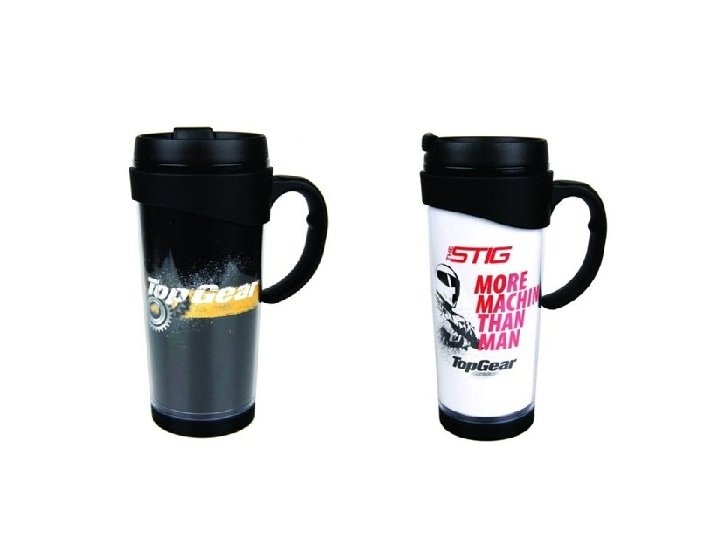
• Which flask will cool down fastest?

Learning outcomes Understand what is meant by heat radiation. Success criteria You can describe how heat radiation travels. You can describe examples of situations where heat travels by radiation. You can state whether or not radiation can travel through solids, liquids, gases or a vacuum.
Reducing heat loss S 1 Physics Energy sources and sustainability
Learning outcomes Know heat loss can be reduced. Success criteria You can describe at least three ways in which heat loss can be reduced in an everyday situation. You can explain why each method works, making reference to conduction, convection or radiation.
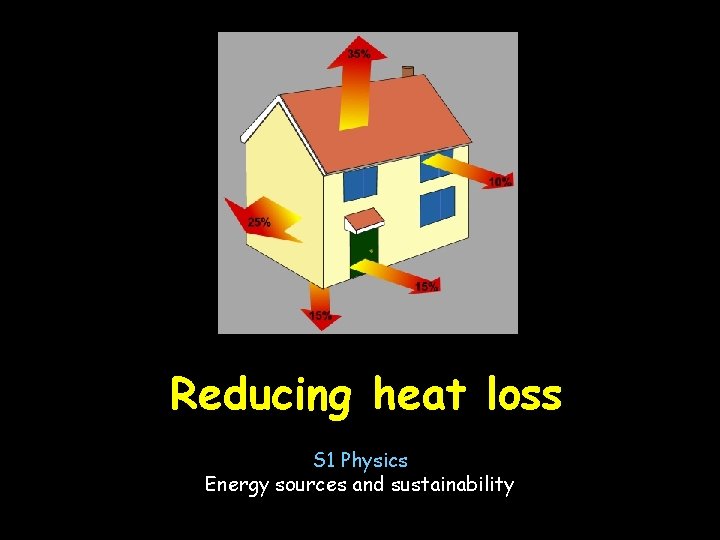
• Design a house which will minimise energy loss by heat. • Include: – Descriptions of where heat is lost – How heat is being lost (conduction, convection, radiation) – What method(s) you would use to minimise this.
- Slides: 17