
Heat A form of Energy Heat is a
- Slides: 27
Heat A form of Energy
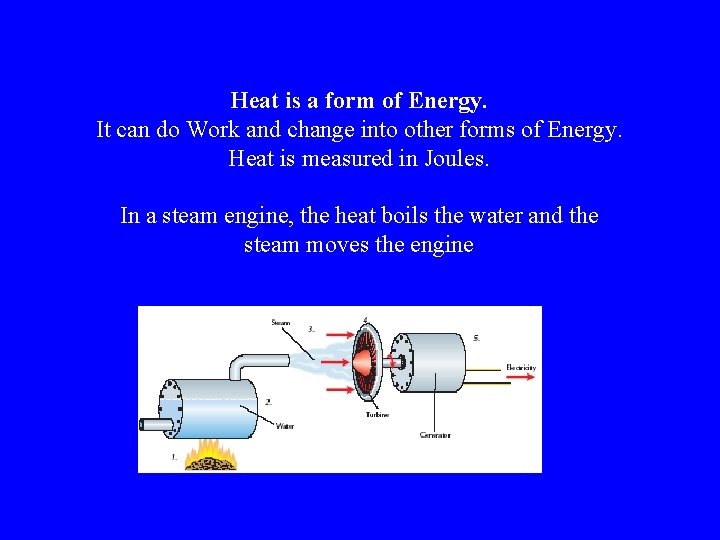
Heat is a form of Energy. It can do Work and change into other forms of Energy. Heat is measured in Joules. In a steam engine, the heat boils the water and the steam moves the engine
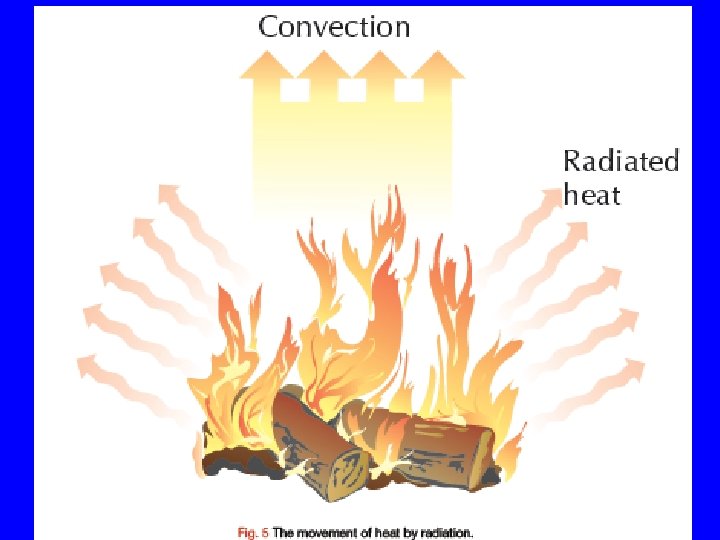
Heat will always move from a hot object to a cold object until they are both at the same temperature Heat Transfer There are 3 ways that heat can move from a hot place to a cold place. These are: Conduction Convection Radiation
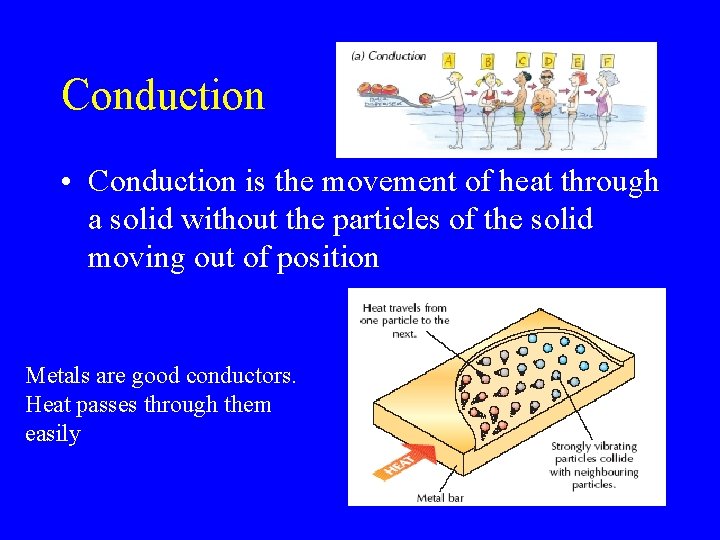
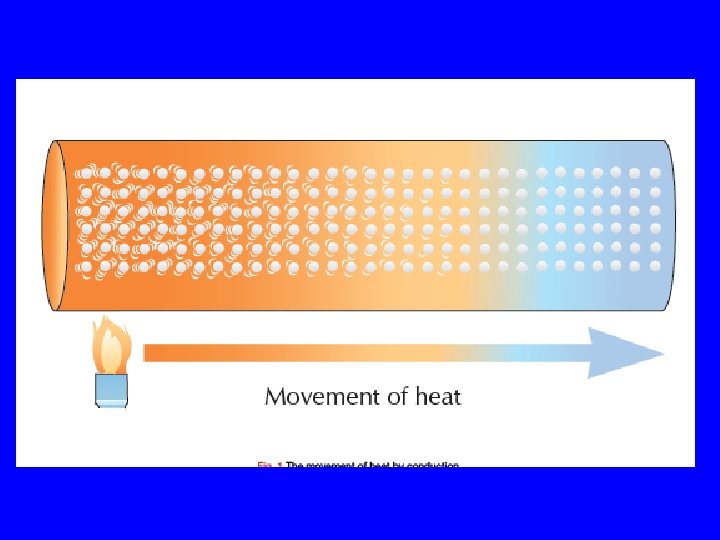
Conduction • Conduction is the movement of heat through a solid without the particles of the solid moving out of position Metals are good conductors. Heat passes through them easily
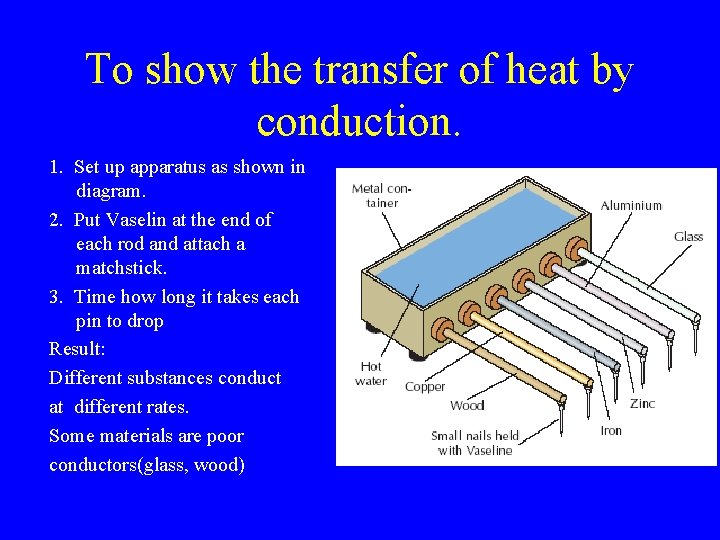
To show the transfer of heat by conduction. 1. Set up apparatus as shown in diagram. 2. Put Vaselin at the end of each rod and attach a matchstick. 3. Time how long it takes each pin to drop Result: Different substances conduct at different rates. Some materials are poor conductors(glass, wood)
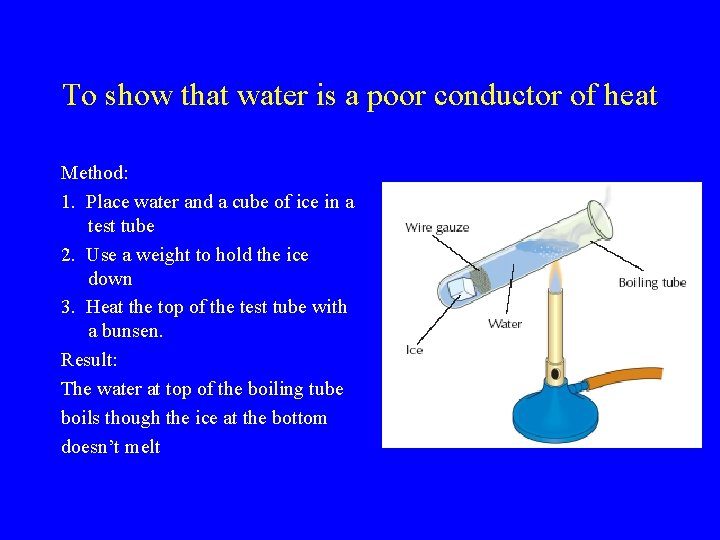
To show that water is a poor conductor of heat Method: 1. Place water and a cube of ice in a test tube 2. Use a weight to hold the ice down 3. Heat the top of the test tube with a bunsen. Result: The water at top of the boiling tube boils though the ice at the bottom doesn’t melt
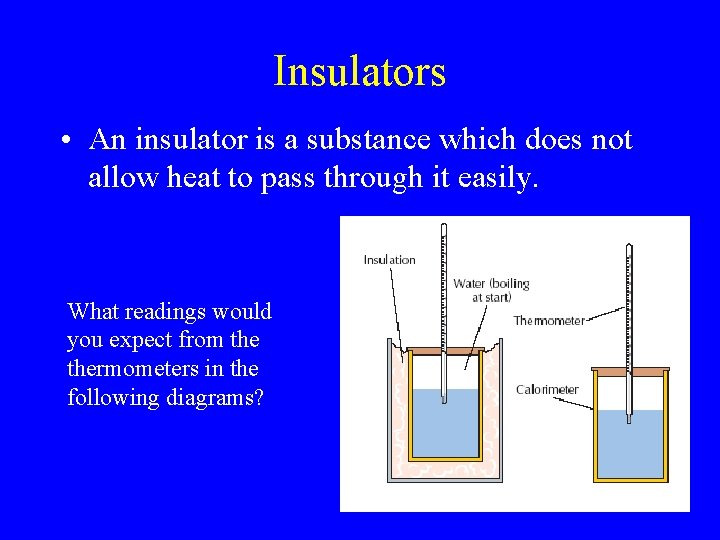
Insulators • An insulator is a substance which does not allow heat to pass through it easily. What readings would you expect from thermometers in the following diagrams?
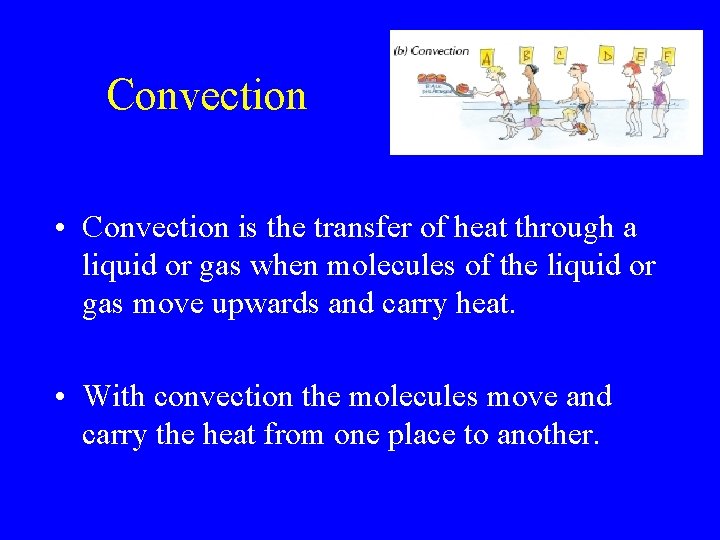
Convection • Convection is the transfer of heat through a liquid or gas when molecules of the liquid or gas move upwards and carry heat. • With convection the molecules move and carry the heat from one place to another.
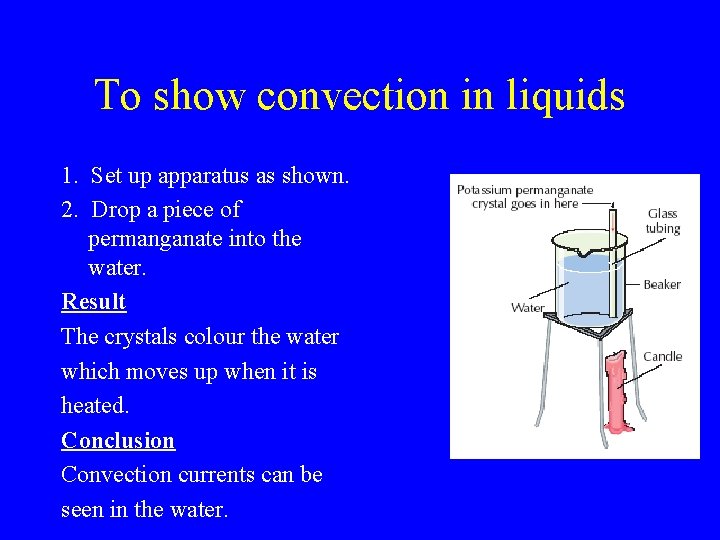
To show convection in liquids 1. Set up apparatus as shown. 2. Drop a piece of permanganate into the water. Result The crystals colour the water which moves up when it is heated. Conclusion Convection currents can be seen in the water.
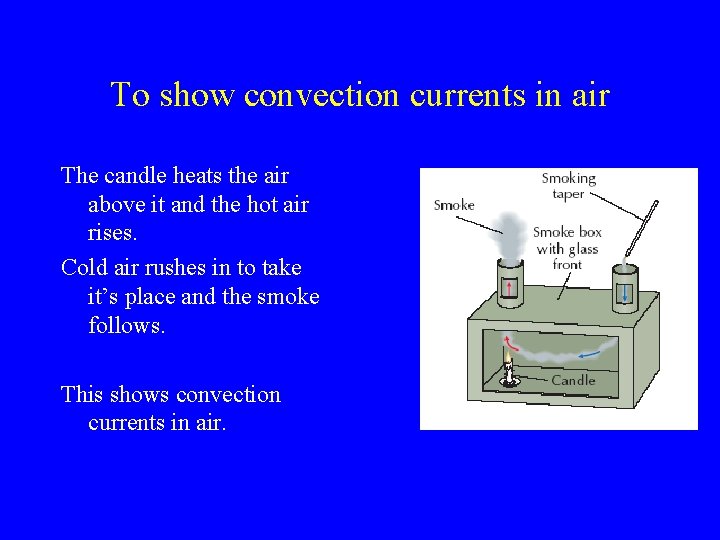
To show convection currents in air The candle heats the air above it and the hot air rises. Cold air rushes in to take it’s place and the smoke follows. This shows convection currents in air.
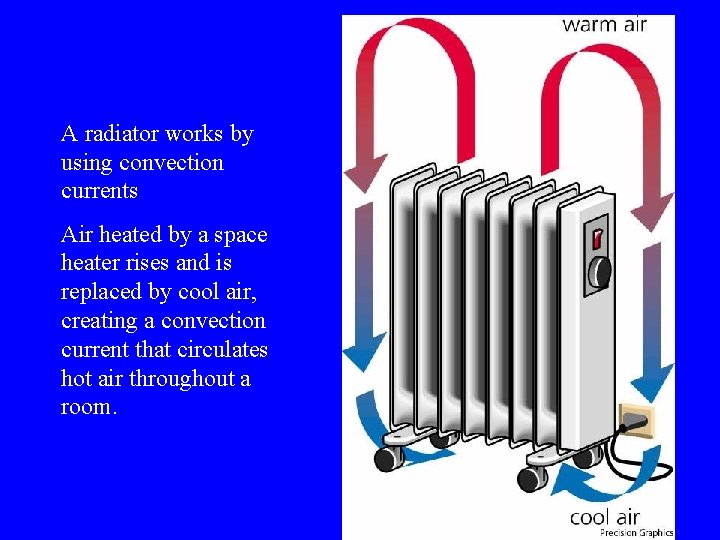
A radiator works by using convection currents Air heated by a space heater rises and is replaced by cool air, creating a convection current that circulates hot air throughout a room.
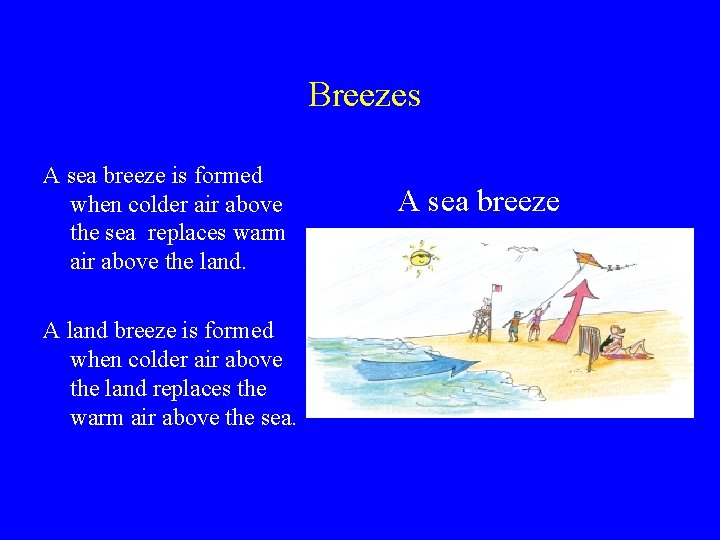
Breezes A sea breeze is formed when colder air above the sea replaces warm air above the land. A land breeze is formed when colder air above the land replaces the warm air above the sea. A sea breeze
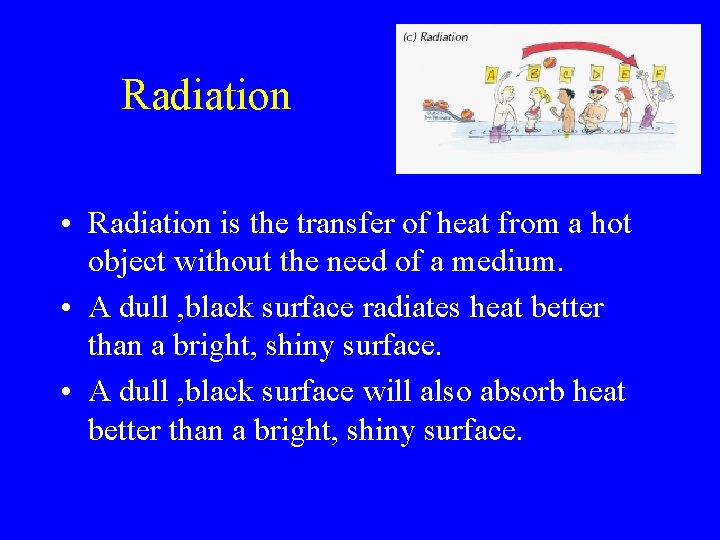
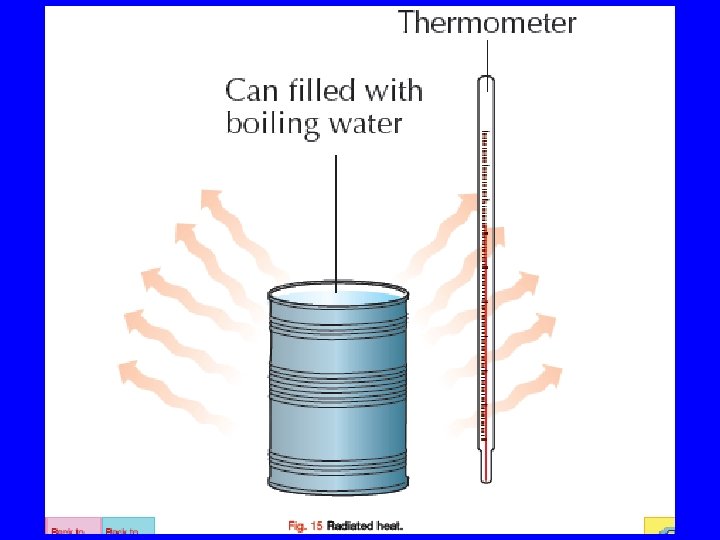
Radiation • Radiation is the transfer of heat from a hot object without the need of a medium. • A dull , black surface radiates heat better than a bright, shiny surface. • A dull , black surface will also absorb heat better than a bright, shiny surface.
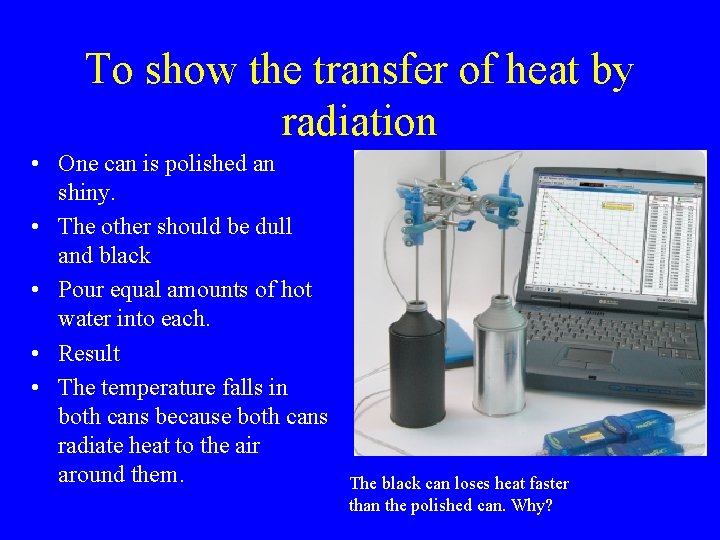
To show the transfer of heat by radiation • One can is polished an shiny. • The other should be dull and black • Pour equal amounts of hot water into each. • Result • The temperature falls in both cans because both cans radiate heat to the air around them. The black can loses heat faster than the polished can. Why?
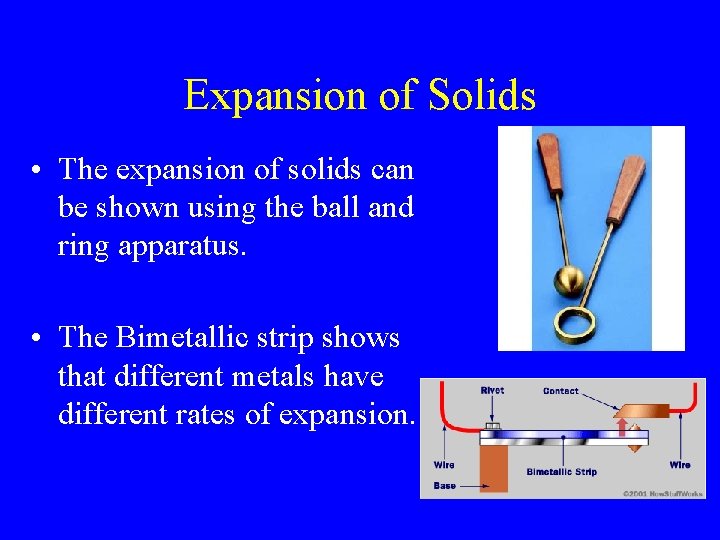
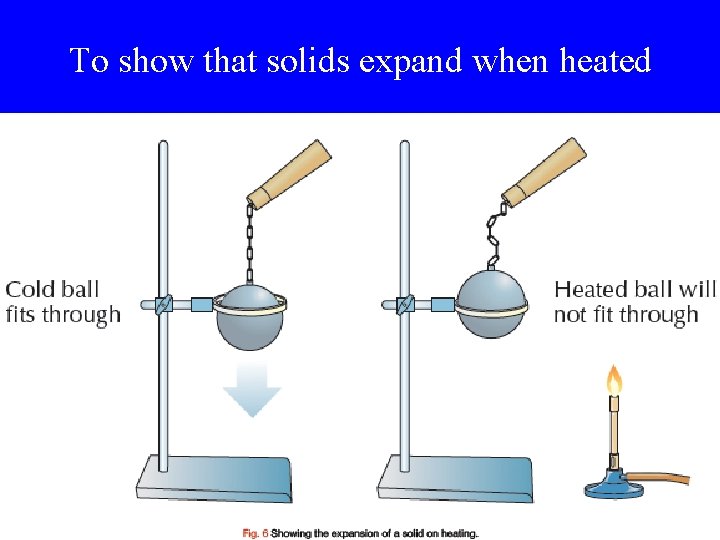
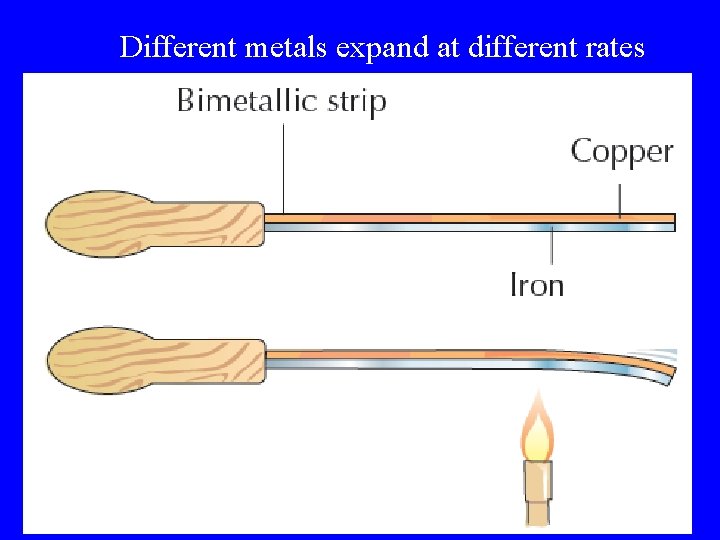
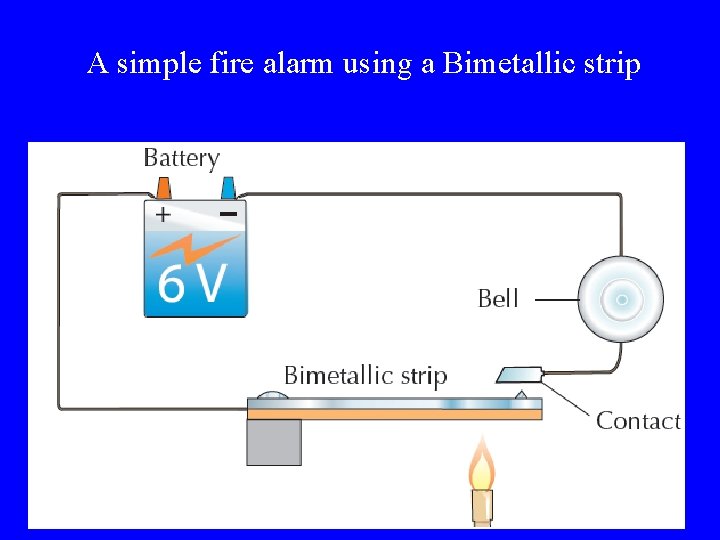
Expansion of Solids • The expansion of solids can be shown using the ball and ring apparatus. • The Bimetallic strip shows that different metals have different rates of expansion.
To show that solids expand when heated
Different metals expand at different rates
A simple fire alarm using a Bimetallic strip
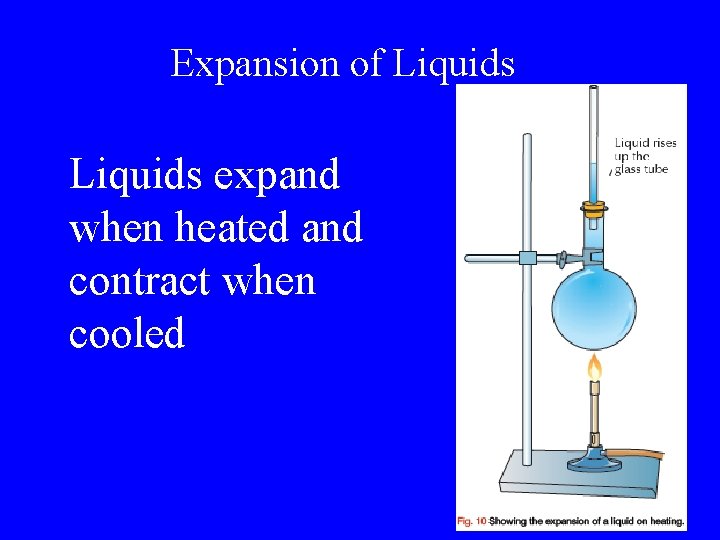
Expansion of Liquids expand when heated and contract when cooled
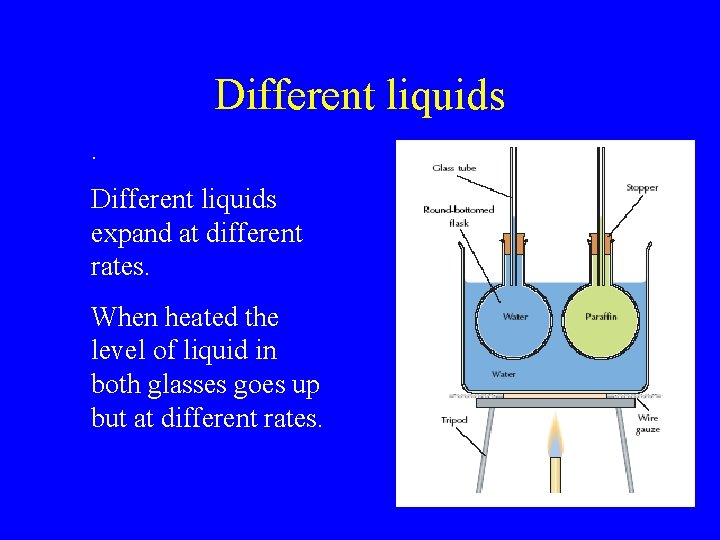
Different liquids. Different liquids expand at different rates. When heated the level of liquid in both glasses goes up but at different rates.
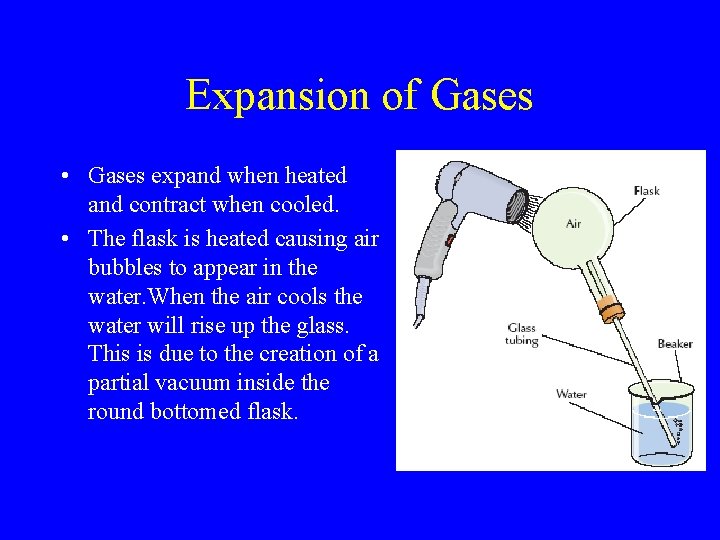
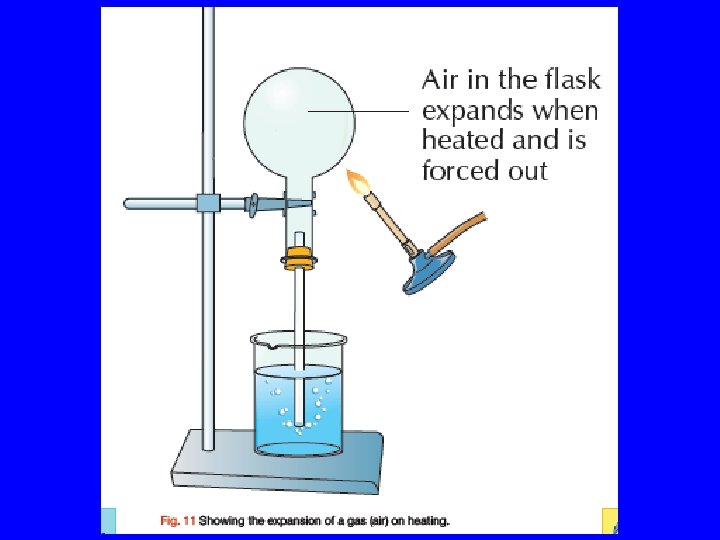
Expansion of Gases • Gases expand when heated and contract when cooled. • The flask is heated causing air bubbles to appear in the water. When the air cools the water will rise up the glass. This is due to the creation of a partial vacuum inside the round bottomed flask.
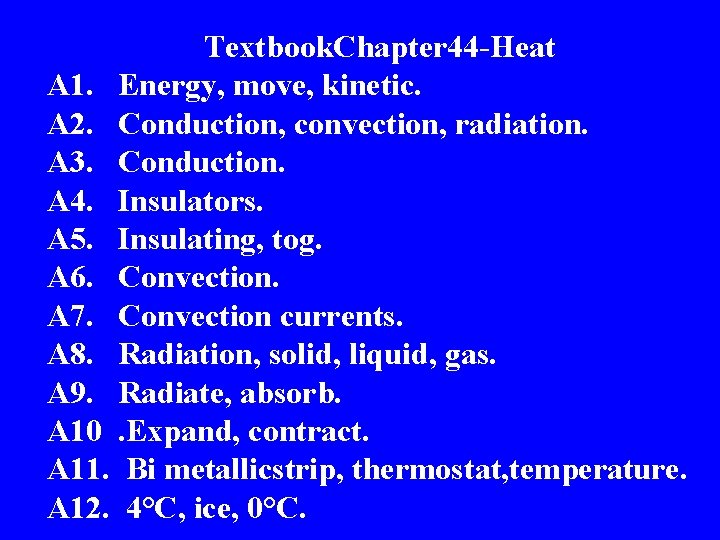
Textbook. Chapter 44 -Heat A 1. Energy, move, kinetic. A 2. Conduction, convection, radiation. A 3. Conduction. A 4. Insulators. A 5. Insulating, tog. A 6. Convection. A 7. Convection currents. A 8. Radiation, solid, liquid, gas. A 9. Radiate, absorb. A 10. Expand, contract. A 11. Bi metallicstrip, thermostat, temperature. A 12. 4°C, ice, 0°C.
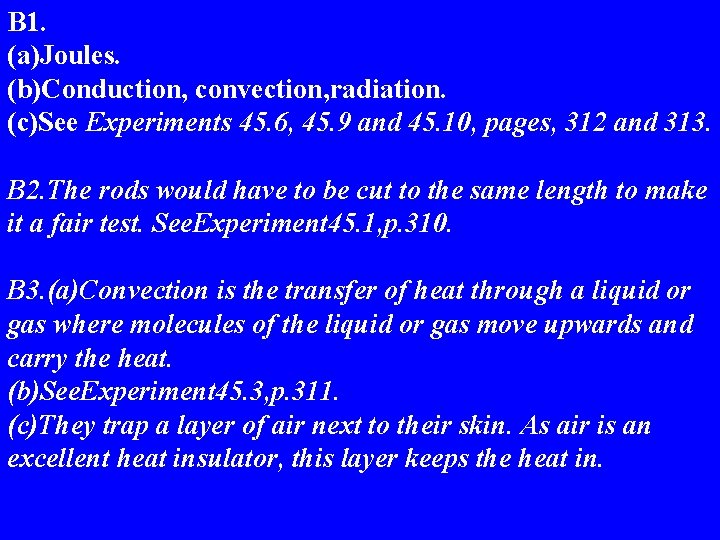
B 1. (a)Joules. (b)Conduction, convection, radiation. (c)See Experiments 45. 6, 45. 9 and 45. 10, pages, 312 and 313. B 2. The rods would have to be cut to the same length to make it a fair test. See. Experiment 45. 1, p. 310. B 3. (a)Convection is the transfer of heat through a liquid or gas where molecules of the liquid or gas move upwards and carry the heat. (b)See. Experiment 45. 3, p. 311. (c)They trap a layer of air next to their skin. As air is an excellent heat insulator, this layer keeps the heat in.