
Heart Failure Overview n n n Heart failure

- Slides: 73
Heart Failure
Overview n n n Heart failure is a complex progressive disorder in which the heart is unable to pump sufficient blood to meet the needs of the body 1) Due to an impaired ability of the heart to adequately fill with blood and/or 2) An impaired ability of the heart to eject blood
Overview n Heart failure is often accompanied by abnormal increases in blood volume that leads to edema ¡ ¡ n Results in pulmonary congestion (lungs) Results in peripheral edema Often called congestive heart failure (CHF) ¡ Due to accumulation of fluid
Symptoms of Heart Failure n Dyspnea from pulmonary congestion ¡ n Peripheral edema or pitting edema ¡ n Dyspnea: difficulty breathing Fluid retention, swelling, pitting with applied pressure Fatigue
Underlying Causes n Arteriosclerotic cardiovascular disease (ASCVD) ¡ ¡ n Myocardial Infarction (heart attack) ¡ n Also known as Coronary Artery Disease (CAD) *main thing that causes heart failure Heart attack part of the heart dies, if severe enough you get inability of heart to function normally Less likely: ¡ ¡ Severe hypertension Disease of the valves of the heart Dilated cardiomyopathy Congenital heart disease
Underlying Causes n n Left ventricular failure secondary to coronary artery disease is most common cause of heart failure 70% of all cases of heart failure are caused by CAD
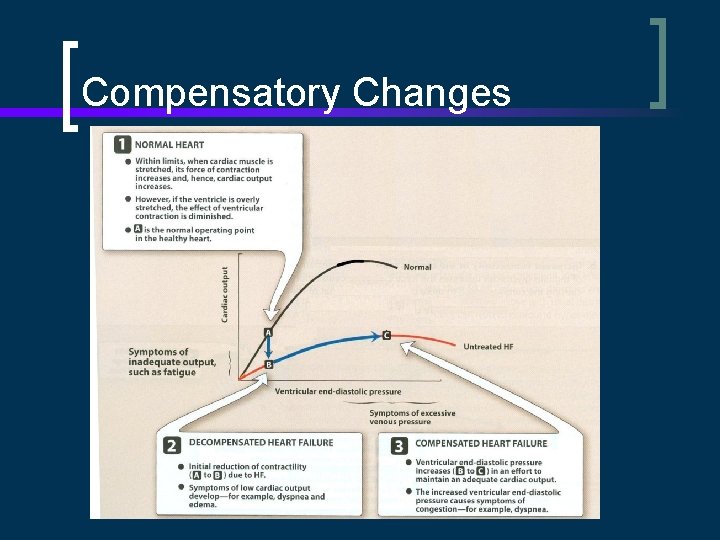
Compensatory Changes
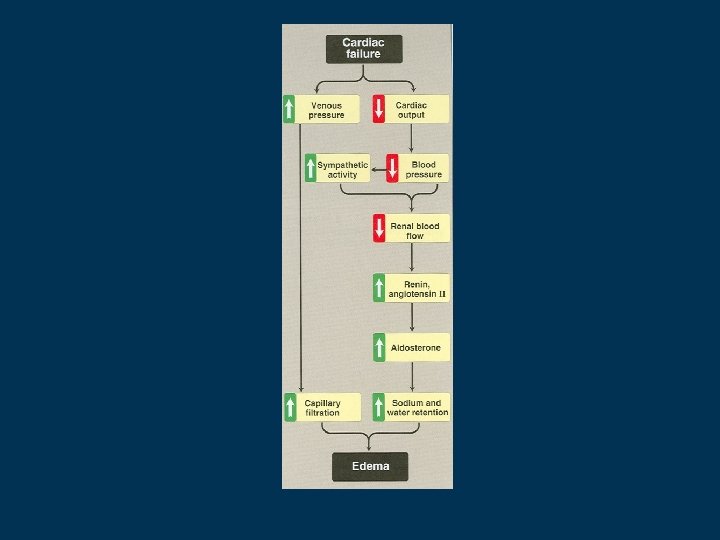
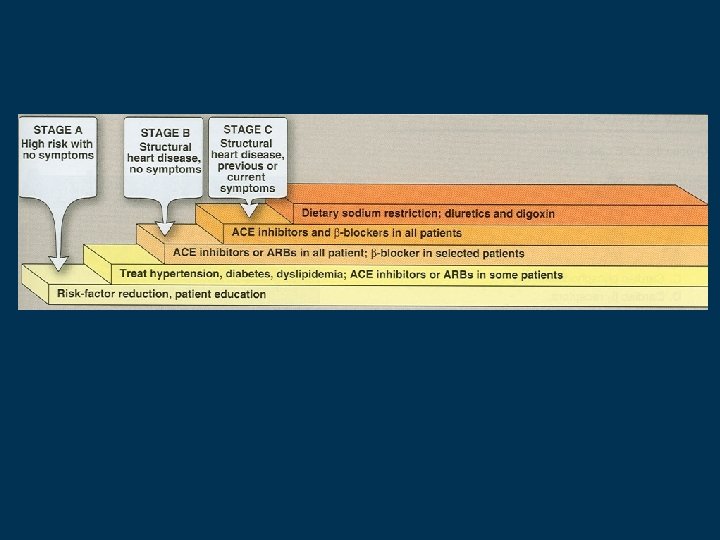
Compensatory Changes n Failing heart activates 3 major compensatory changes ¡ Increased sympathetic activity w/hope of raising BP n ¡ Activation of renin-angiotensin-aldosterone system n n ¡ Retention of sodium and water to increase fluid If sxs of heart failure is fluid retention, THIS WILL MAKE IT WORSE Myocardial hypertrophy n n (1 st thing that happens w/heart failure BP goes down) Cardiac pneumonally Initially beneficial, these alternations ultimately cause deterioration of cardiac function
Increased Sympathetic Activity n n Decrease in BP causes activation of sympathetic nervous system Results in increased HR, force of contraction, vasoconstriction, and increased in preload and afterload ¡ ¡ Afterload Preload: return of blood back to heart (superior vena cava) n n When you get return to heart, heart stretches, L ventricular diastolic pressure goes up But if heart isn’t pumping efficiently, can’t get extra blood out If heart isn’t pumping efficiently, can’t get extra blood out, blood has hard time pumping against pressure of vena cava everything backs up…into lungs, periphery Compensatory changes increase work of the heart and eventually make HF worse
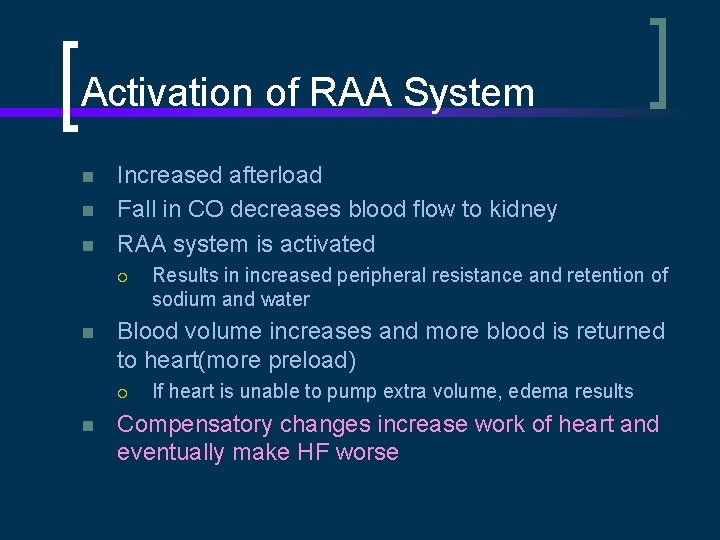
Activation of RAA System n n n Increased afterload Fall in CO decreases blood flow to kidney RAA system is activated ¡ n Blood volume increases and more blood is returned to heart(more preload) ¡ n Results in increased peripheral resistance and retention of sodium and water If heart is unable to pump extra volume, edema results Compensatory changes increase work of heart and eventually make HF worse
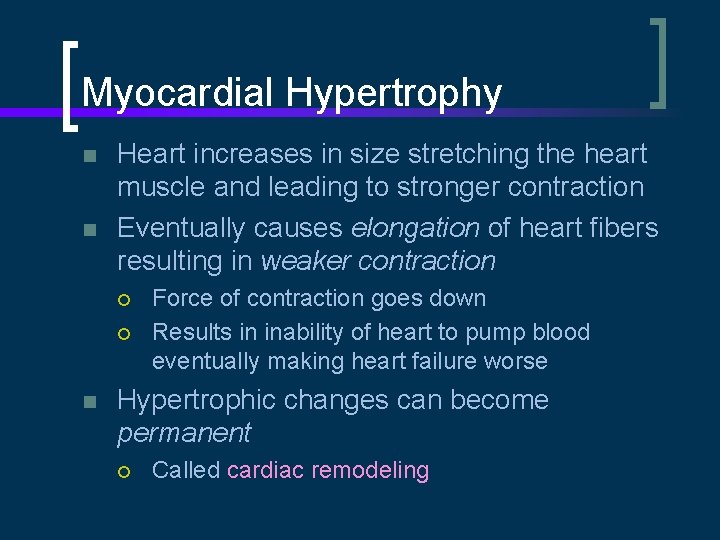
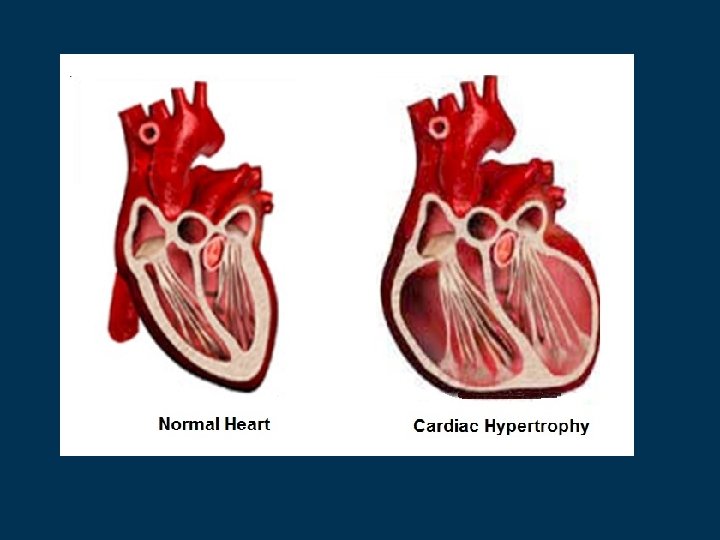
Myocardial Hypertrophy n n Heart increases in size stretching the heart muscle and leading to stronger contraction Eventually causes elongation of heart fibers resulting in weaker contraction ¡ ¡ n Force of contraction goes down Results in inability of heart to pump blood eventually making heart failure worse Hypertrophic changes can become permanent ¡ Called cardiac remodeling
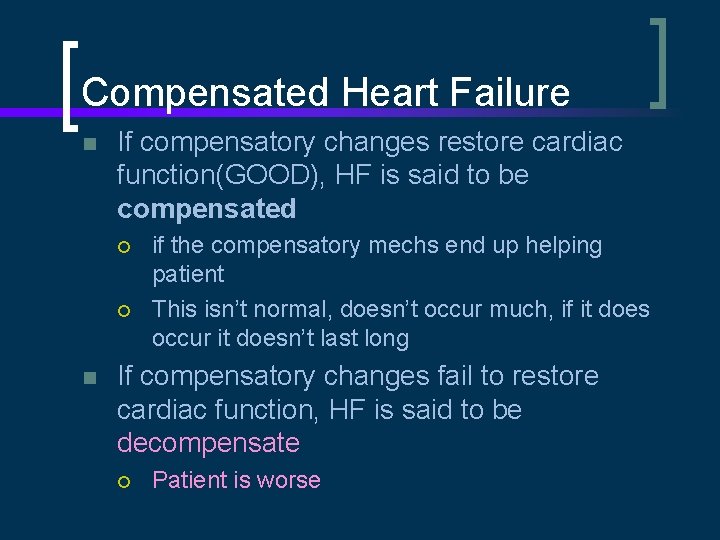
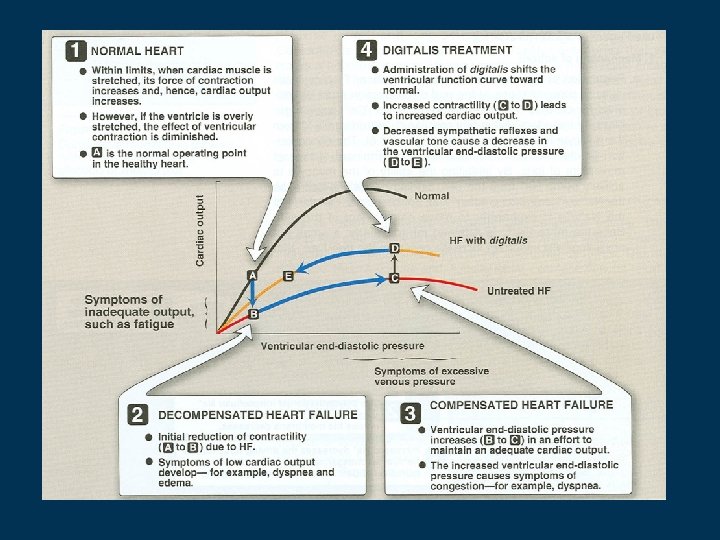
Compensated Heart Failure n If compensatory changes restore cardiac function(GOOD), HF is said to be compensated ¡ ¡ n if the compensatory mechs end up helping patient This isn’t normal, doesn’t occur much, if it does occur it doesn’t last long If compensatory changes fail to restore cardiac function, HF is said to be decompensate ¡ Patient is worse
Goals of Therapy n n n Alleviate symptoms Slow progression of disease Improve patient survival
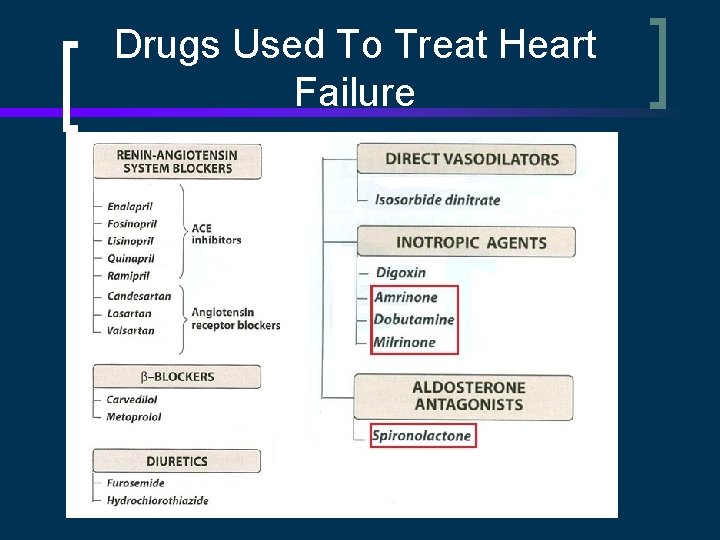
Drugs Used To Treat Heart Failure
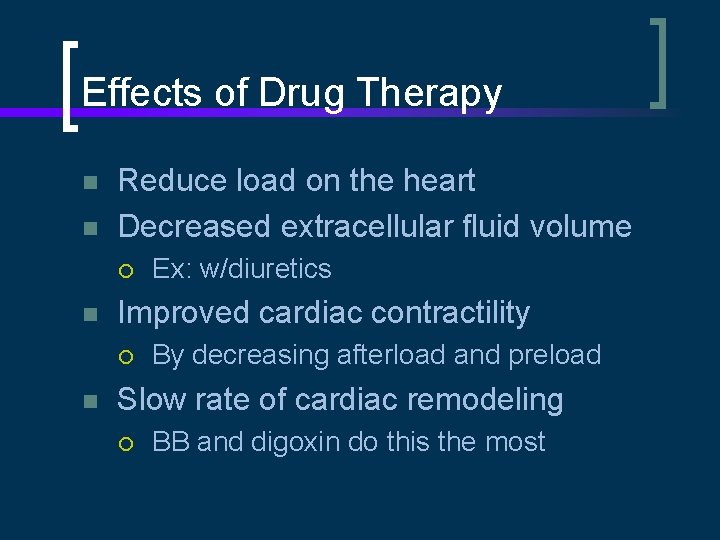
Effects of Drug Therapy n n Reduce load on the heart Decreased extracellular fluid volume ¡ n Improved cardiac contractility ¡ n Ex: w/diuretics By decreasing afterload and preload Slow rate of cardiac remodeling ¡ BB and digoxin do this the most
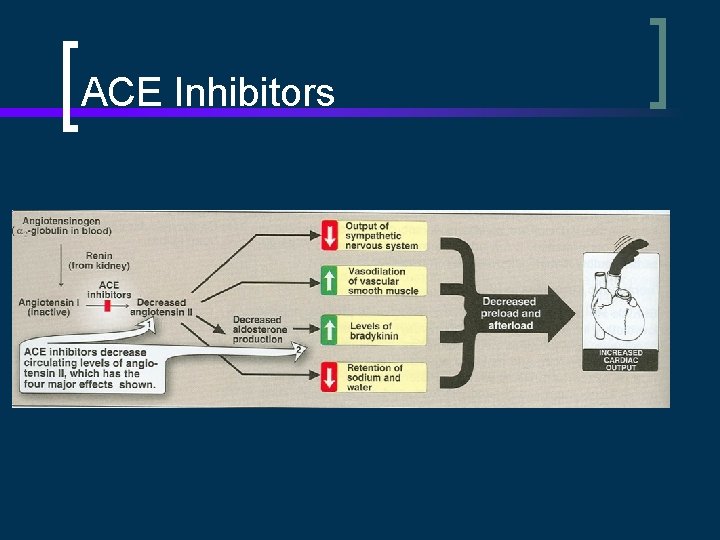
ACE Inhibitors
ARBs n n Similar effect as ACE inhibitors but are not therapeutically identical Used as substitute for ACE inhibitors in patients who have developed angioedema or in patients who have developed severe cough
-Blockers n n Seems counterintuitive to administer a drug whose major therapeutic effect is to lower cardiac output to a patient with heart failure Block chronic activation of sympathetic nervous system ¡ ¡ n Decreases sympathetic tone, decreased comepnsatory mechs Improved left ventricular functioning Reverses cardiac remodeling
Consultation (β-blockers) n n Consultation for β-blocking drugs used to treat patients with CHF should include warnings about increasing symptoms of heart failure early in the course of treatment Pt: can get mild worsening initially, BUT if it stays for a long time contact PCP
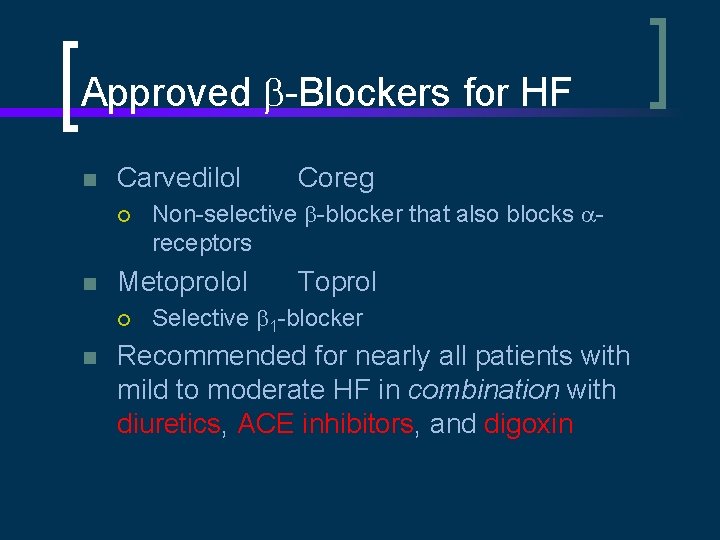
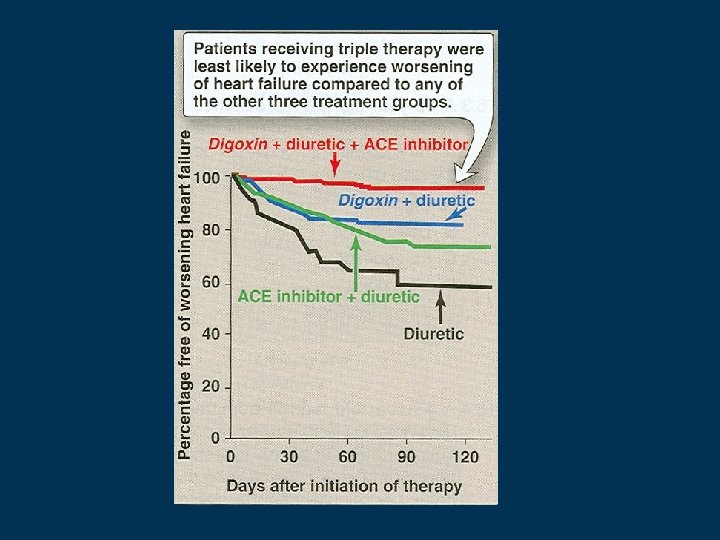
Approved -Blockers for HF n Carvedilol ¡ n n Non-selective -blocker that also blocks receptors Metoprolol ¡ Coreg Toprol Selective 1 -blocker Recommended for nearly all patients with mild to moderate HF in combination with diuretics, ACE inhibitors, and digoxin
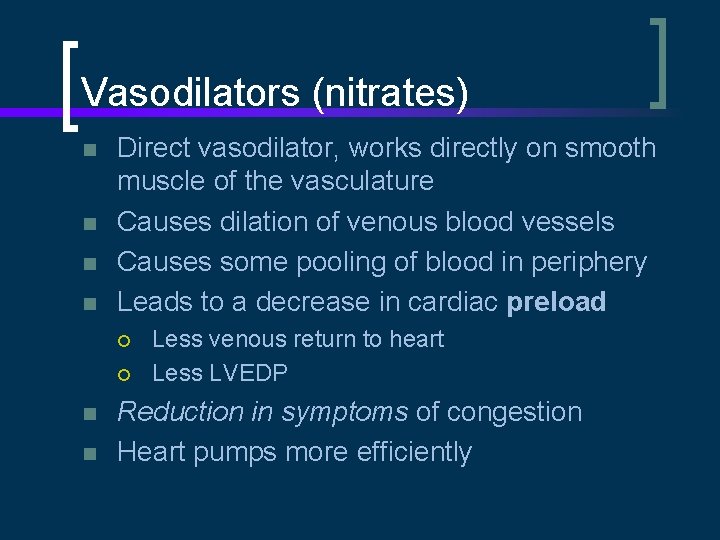
Vasodilators (nitrates) n n Direct vasodilator, works directly on smooth muscle of the vasculature Causes dilation of venous blood vessels Causes some pooling of blood in periphery Leads to a decrease in cardiac preload ¡ ¡ n n Less venous return to heart Less LVEDP Reduction in symptoms of congestion Heart pumps more efficiently
Direct Vasodilators n Isosorbide dinitrate Isordil
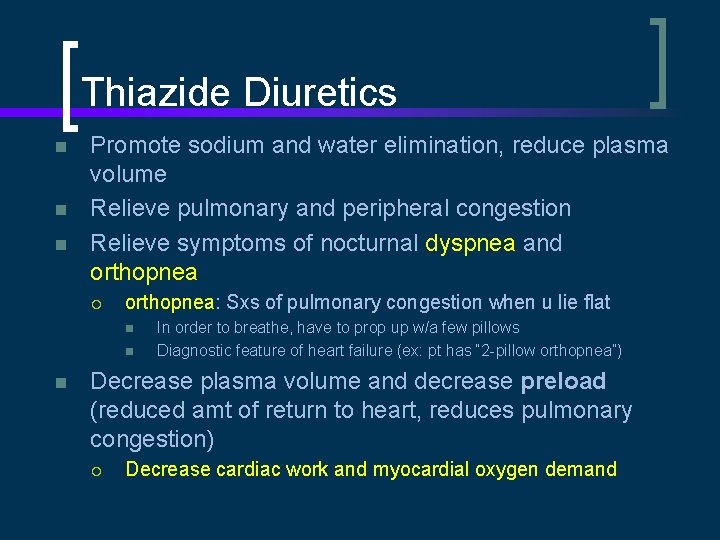
Thiazide Diuretics n n n Promote sodium and water elimination, reduce plasma volume Relieve pulmonary and peripheral congestion Relieve symptoms of nocturnal dyspnea and orthopnea ¡ orthopnea: Sxs of pulmonary congestion when u lie flat n n n In order to breathe, have to prop up w/a few pillows Diagnostic feature of heart failure (ex: pt has “ 2 -pillow orthopnea”) Decrease plasma volume and decrease preload (reduced amt of return to heart, reduces pulmonary congestion) ¡ Decrease cardiac work and myocardial oxygen demand
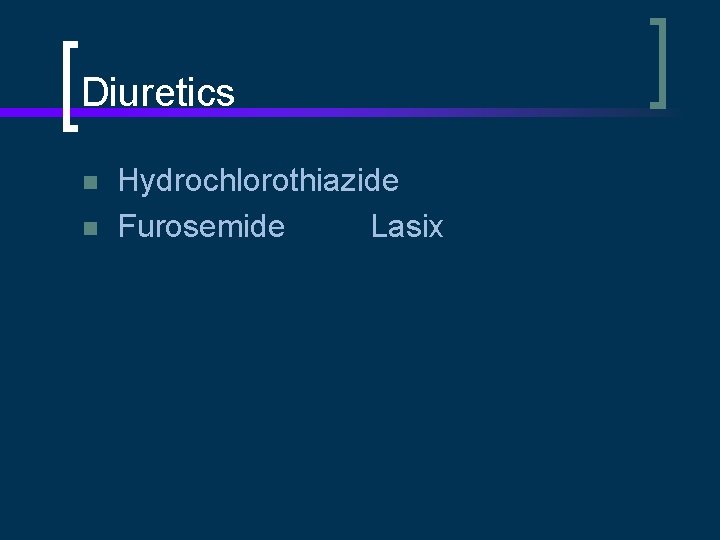
Diuretics n n Hydrochlorothiazide Furosemide Lasix
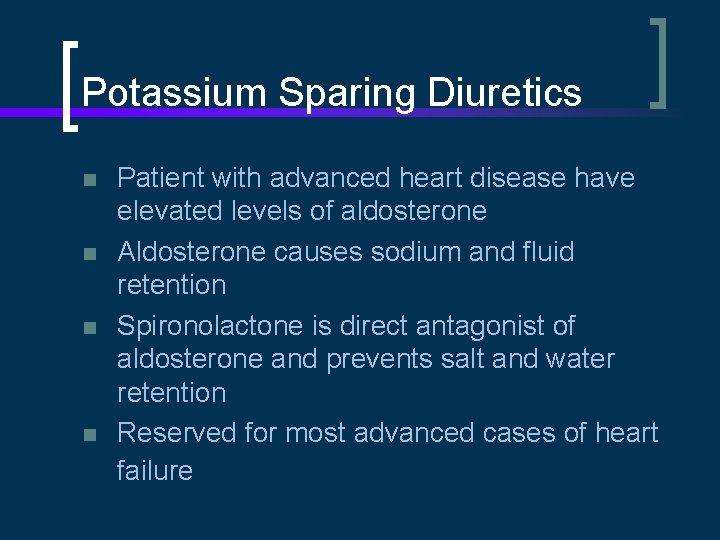
Potassium Sparing Diuretics n n Patient with advanced heart disease have elevated levels of aldosterone Aldosterone causes sodium and fluid retention Spironolactone is direct antagonist of aldosterone and prevents salt and water retention Reserved for most advanced cases of heart failure
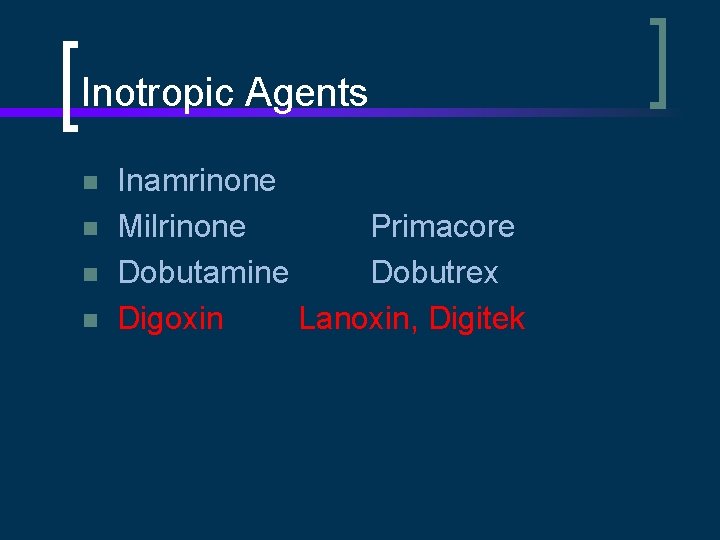
Inotropic Agents n n Inamrinone Milrinone Primacore Dobutamine Dobutrex Digoxin Lanoxin, Digitek
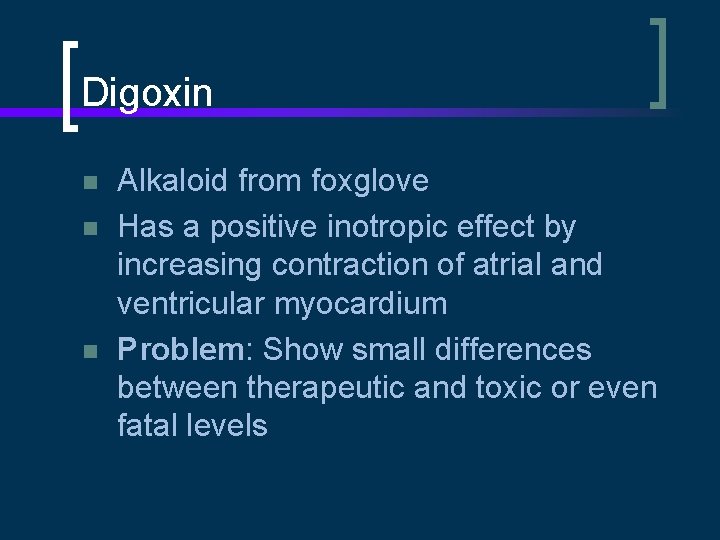
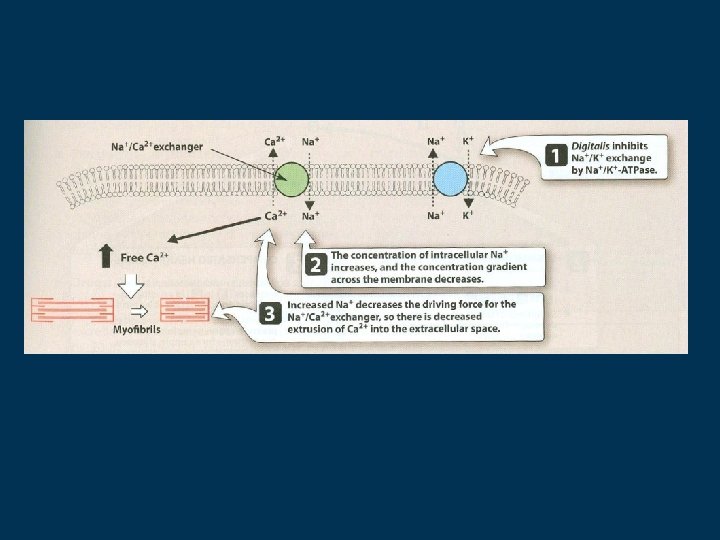
Digoxin n Alkaloid from foxglove Has a positive inotropic effect by increasing contraction of atrial and ventricular myocardium Problem: Show small differences between therapeutic and toxic or even fatal levels
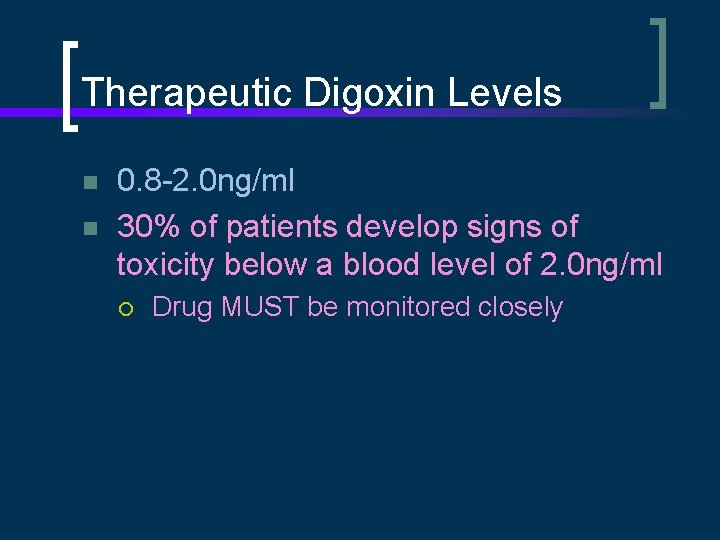
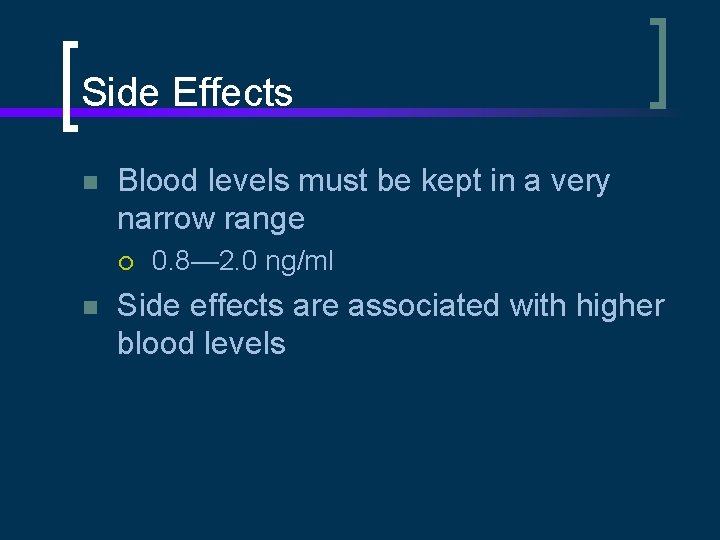
Therapeutic Digoxin Levels n n 0. 8 -2. 0 ng/ml 30% of patients develop signs of toxicity below a blood level of 2. 0 ng/ml ¡ Drug MUST be monitored closely
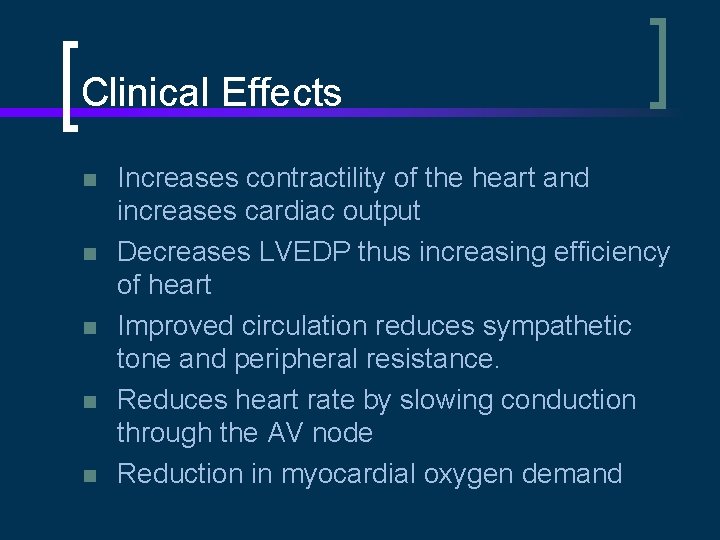
Clinical Effects n n n Increases contractility of the heart and increases cardiac output Decreases LVEDP thus increasing efficiency of heart Improved circulation reduces sympathetic tone and peripheral resistance. Reduces heart rate by slowing conduction through the AV node Reduction in myocardial oxygen demand
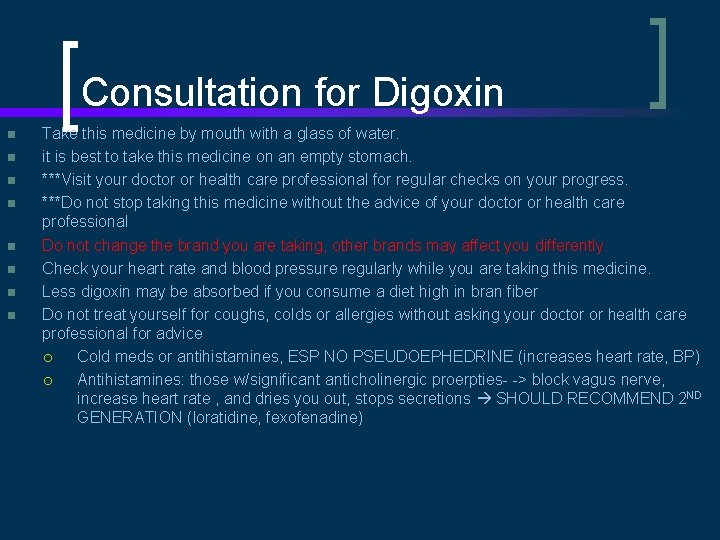
Consultation for Digoxin n n n n Take this medicine by mouth with a glass of water. it is best to take this medicine on an empty stomach. ***Visit your doctor or health care professional for regular checks on your progress. ***Do not stop taking this medicine without the advice of your doctor or health care professional Do not change the brand you are taking, other brands may affect you differently. Check your heart rate and blood pressure regularly while you are taking this medicine. Less digoxin may be absorbed if you consume a diet high in bran fiber Do not treat yourself for coughs, colds or allergies without asking your doctor or health care professional for advice ¡ Cold meds or antihistamines, ESP NO PSEUDOEPHEDRINE (increases heart rate, BP) ¡ Antihistamines: those w/significant anticholinergic proerpties- -> block vagus nerve, increase heart rate , and dries you out, stops secretions SHOULD RECOMMEND 2 ND GENERATION (loratidine, fexofenadine)
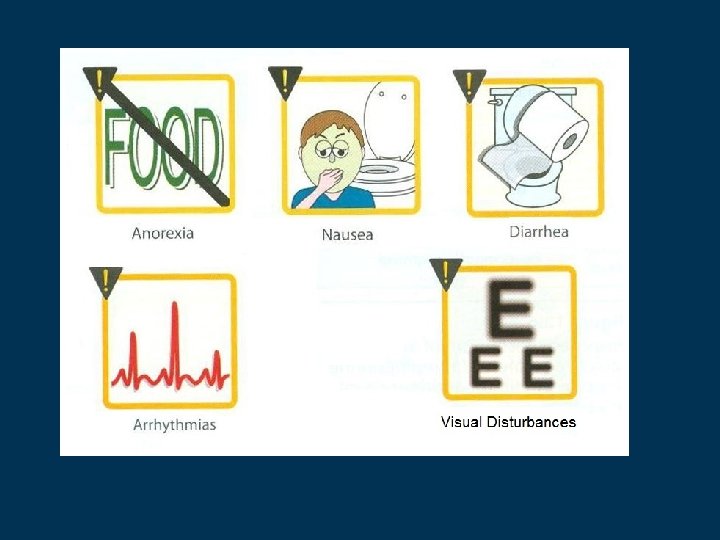
Side Effects n Blood levels must be kept in a very narrow range ¡ n 0. 8— 2. 0 ng/ml Side effects are associated with higher blood levels
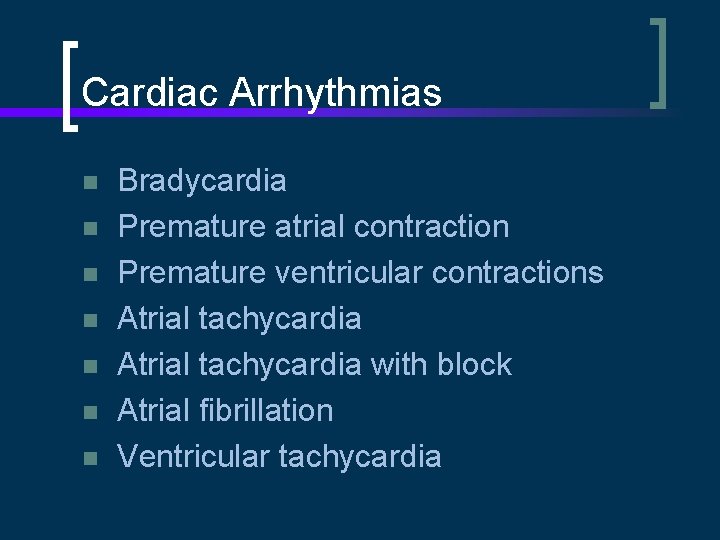
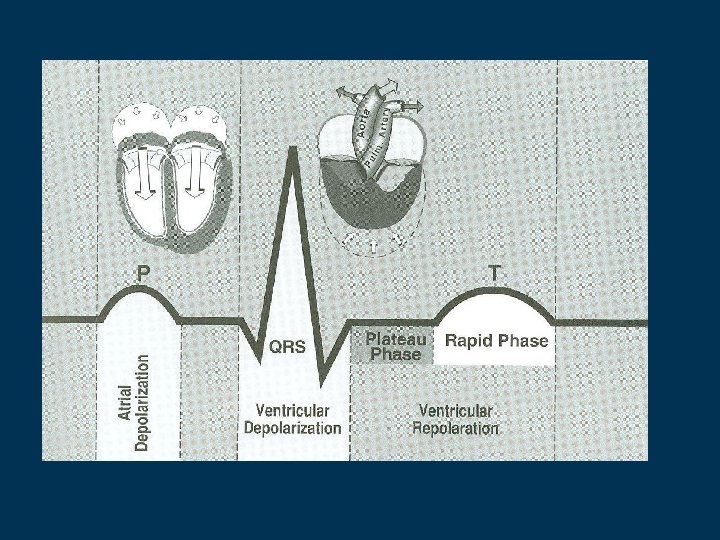
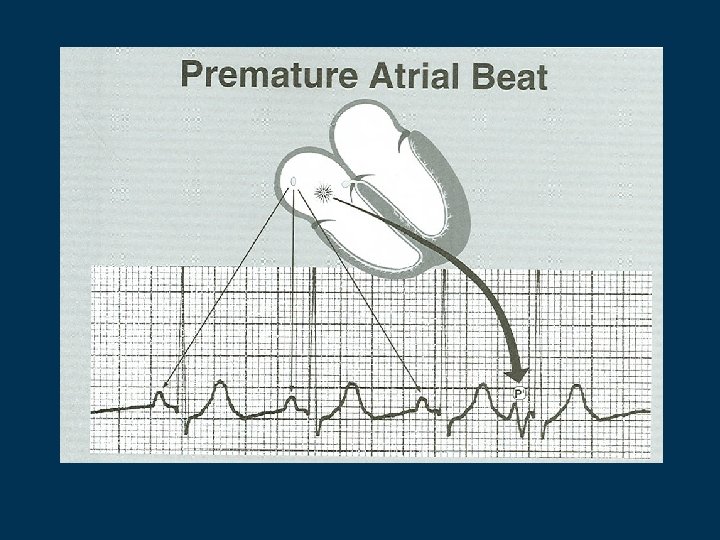
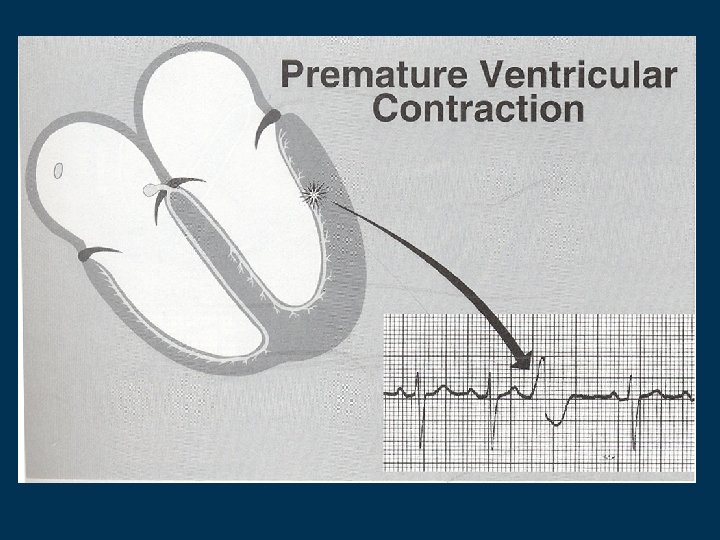
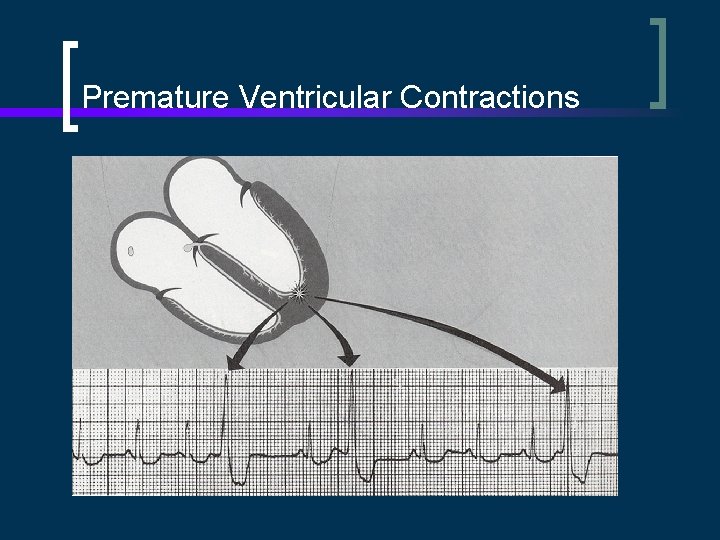
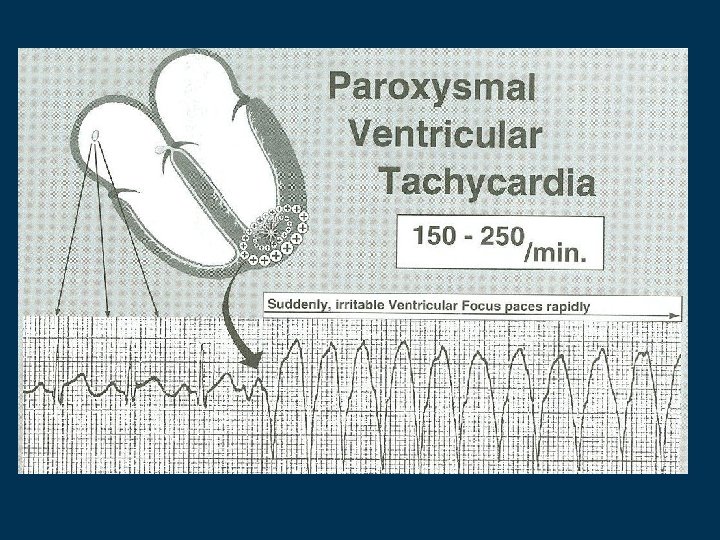
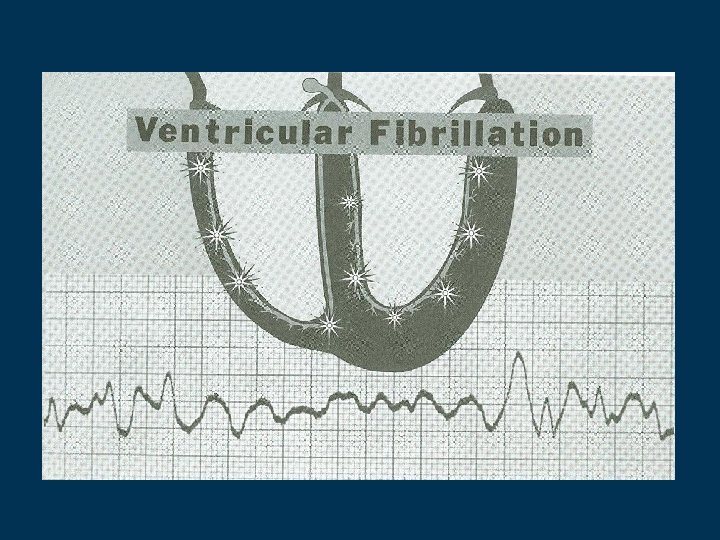
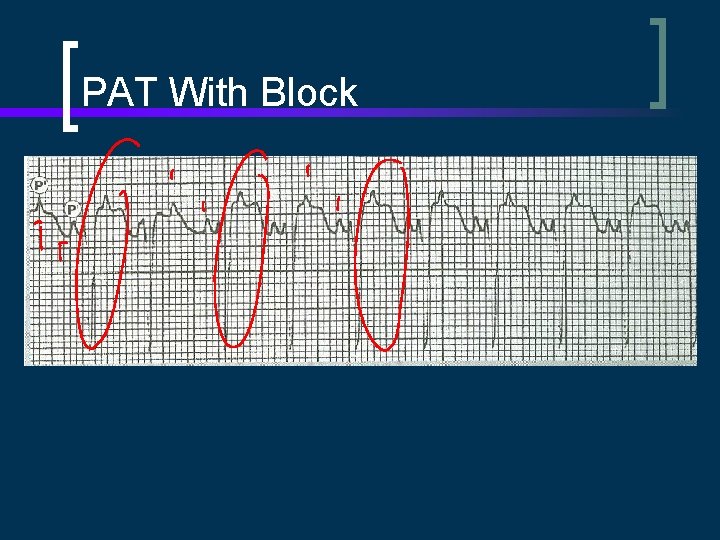
Cardiac Arrhythmias n n n n Bradycardia Premature atrial contraction Premature ventricular contractions Atrial tachycardia with block Atrial fibrillation Ventricular tachycardia
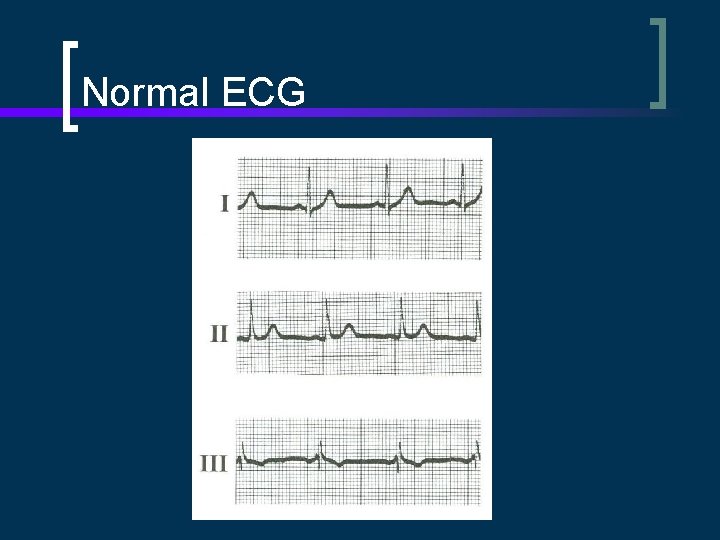
Normal ECG
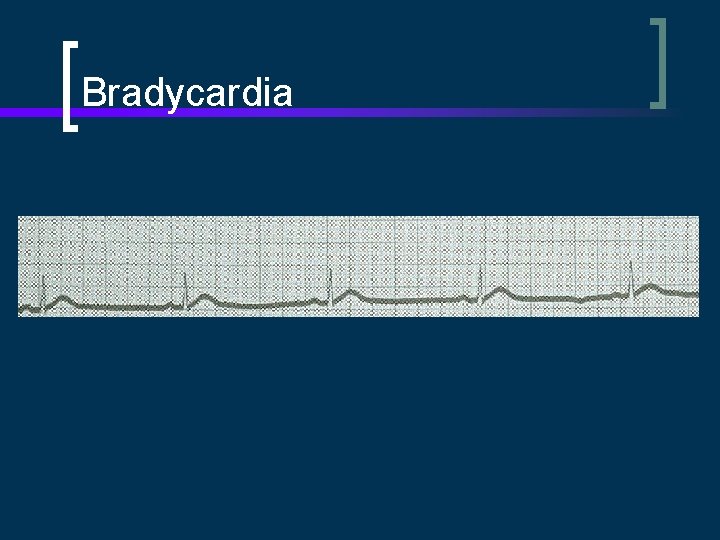
Bradycardia
Premature Ventricular Contractions
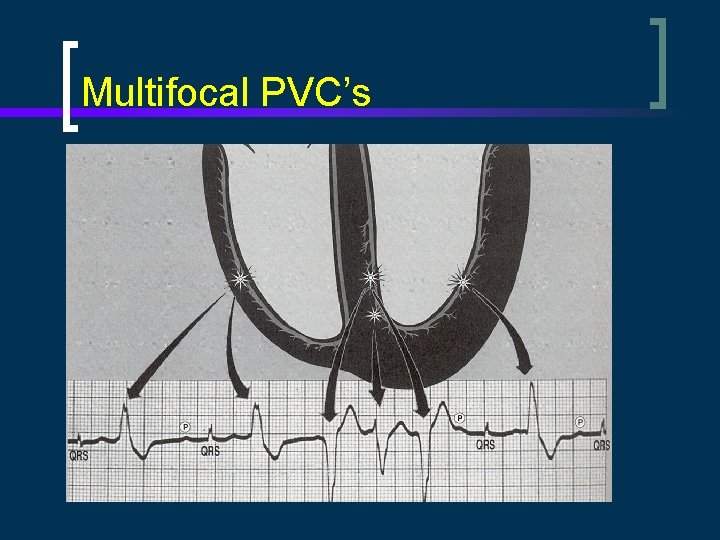
Multifocal PVC’s
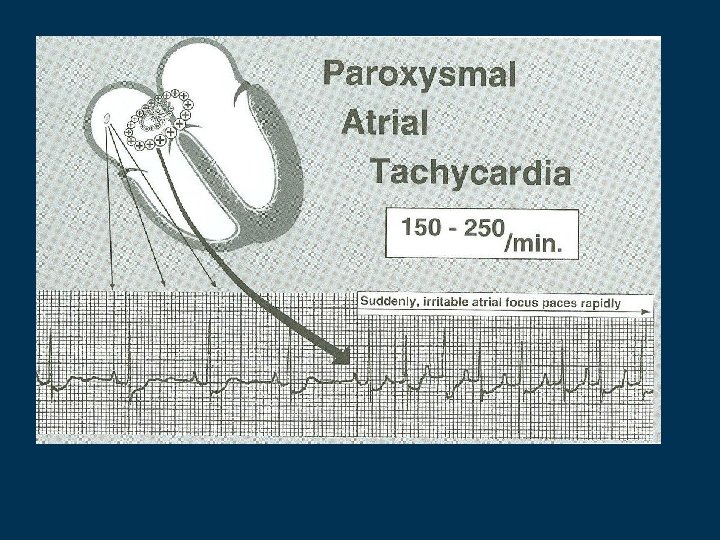
PAT With Block
Angina Pectoris
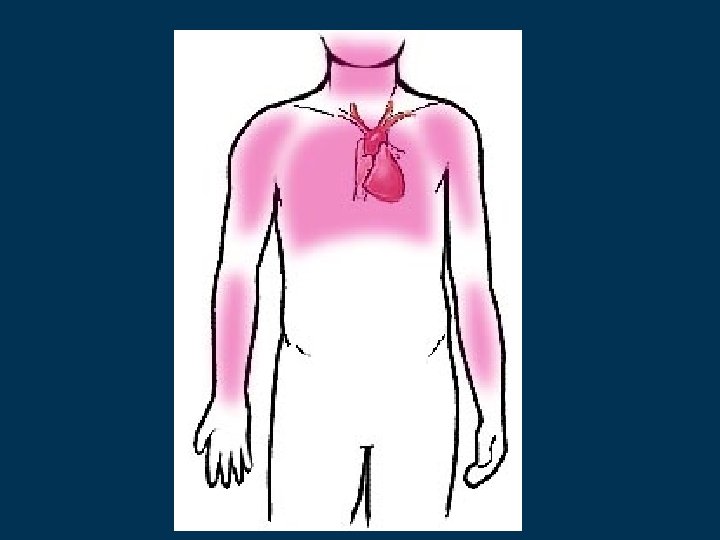
Overview n n n Sudden severe pressing chest pain radiating to neck back jaw and arms Maybe associated with nausea shortness of breath, sweating, light-headedness, or weakness. Caused by imbalance between myocardial oxygen demand myocardial oxygen supply Episodes 15 -30 seconds Episodes do not cause myocardial cellular damage
Types of Angina n n n Stable Unstable Printzmetal ¡ n n n Most common form Symptoms occur whenever there is increased oxygen demand Usually induced by exercise, large meals, cold etc. ¡ n Stable Angina Cold? Hands/feet get vasocontriction to preserve warmth heart increases afterload (increase vasocontriction in periphery) Promptly relieved by nitroglycerin
Unstable Angina n n Progressive with increasing frequency Takes less and less to precipitate episode May occur at rest May not be relieved by nitroglycerin ¡ A bad sign
Printzmetal’s Angina n n Rare type of angina cause by coronary vasospasm Usually occurs during periods of rest Episodes appear in clusters. In men prinzmetal's angina is often associated CAD, in women it is not
Drug Therapy n Three classes of drug are useful ¡ ¡ ¡ n n Nitrates -blockers Calcium channel blockers All work by lowering myocardial oxygen demand In printzmetal’s angina CCB help to prevent coronary vasospasm
Nitroglycerin n Nitroglycerin works by decreasing myocardial oxygen demand by dilating veins *Reduces venous return to the heart (preload) which lowers myocardial work and thus decreases oxygen demand Some evidence that nitroglycerin dilates coronary arteries thus increasing myocardial oxygen supply
Dose of Nitroglycerin Tablets n n n Take one NTG tablet dissolved under the tongue immediately when symptoms of angina occur. During drug administration, the patient should rest, preferably in the sitting position. Symptoms typically improve within 5 minutes. If needed, SL NTG may be repeated every 5 minutes as needed, up to 3 doses If not response after 15 minutes and 3 doses of NTG, call for help
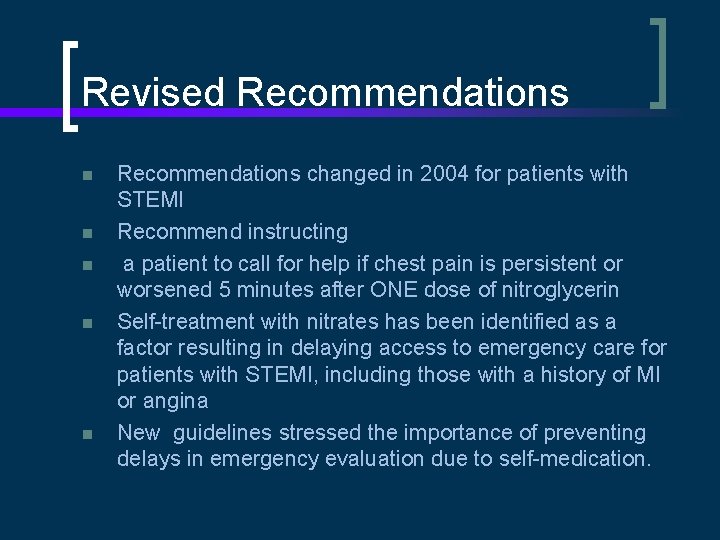
Revised Recommendations n n n Recommendations changed in 2004 for patients with STEMI Recommend instructing a patient to call for help if chest pain is persistent or worsened 5 minutes after ONE dose of nitroglycerin Self-treatment with nitrates has been identified as a factor resulting in delaying access to emergency care for patients with STEMI, including those with a history of MI or angina New guidelines stressed the importance of preventing delays in emergency evaluation due to self-medication.
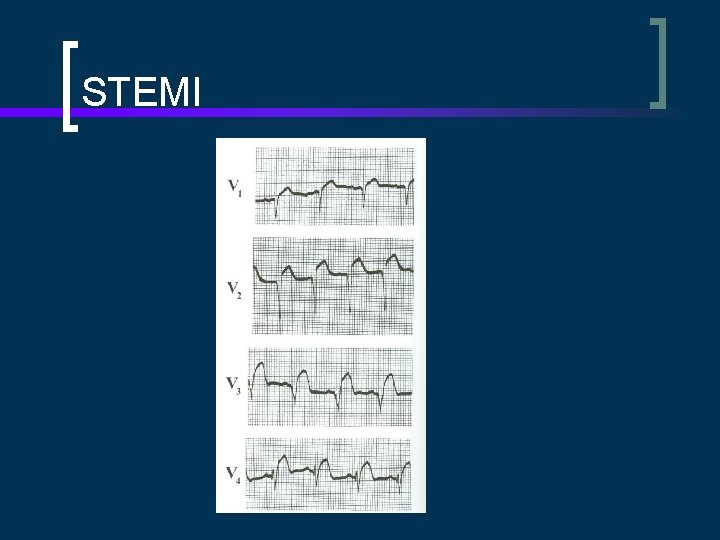
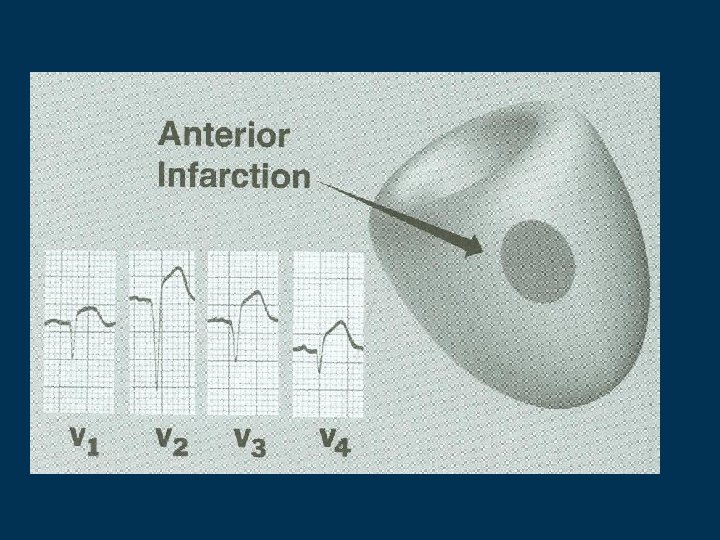
STEMI
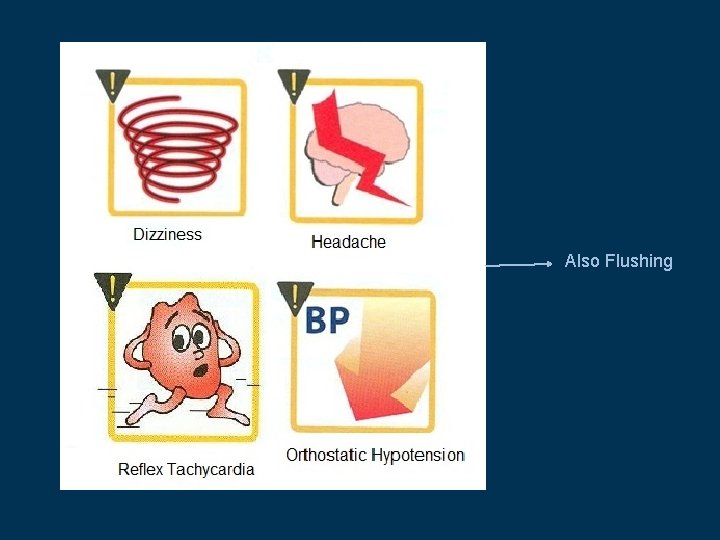
Adverse Effects n All side effects are associated with vasodilatation
Also Flushing
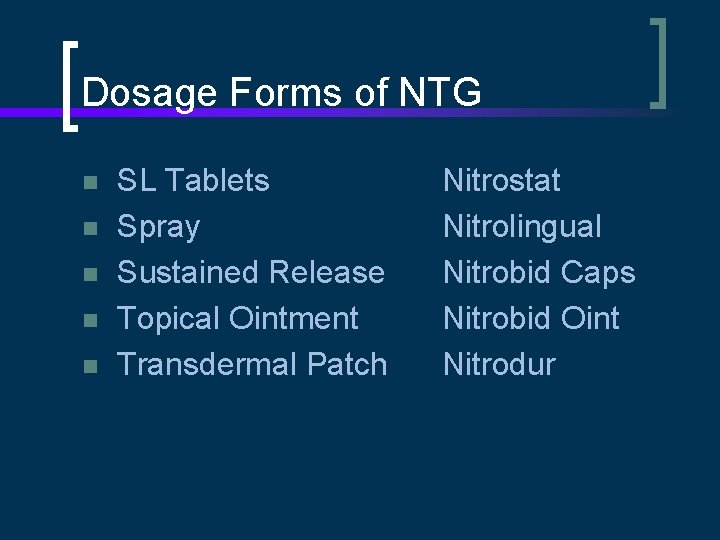
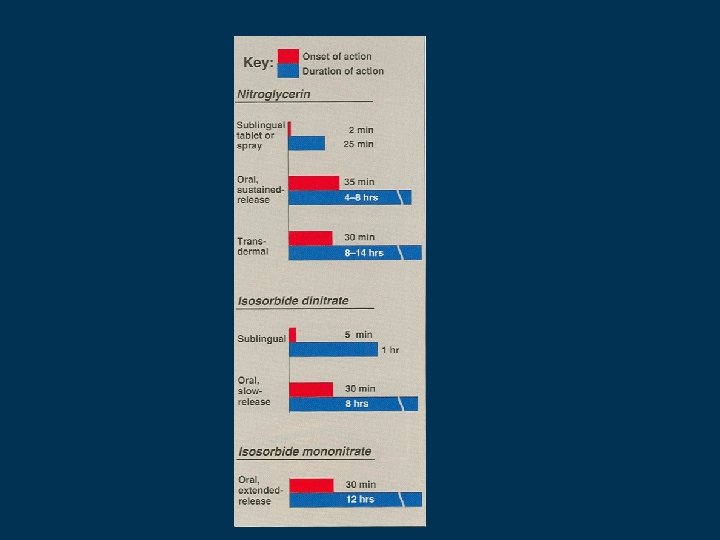
Dosage Forms of NTG n n n SL Tablets Spray Sustained Release Topical Ointment Transdermal Patch Nitrostat Nitrolingual Nitrobid Caps Nitrobid Oint Nitrodur
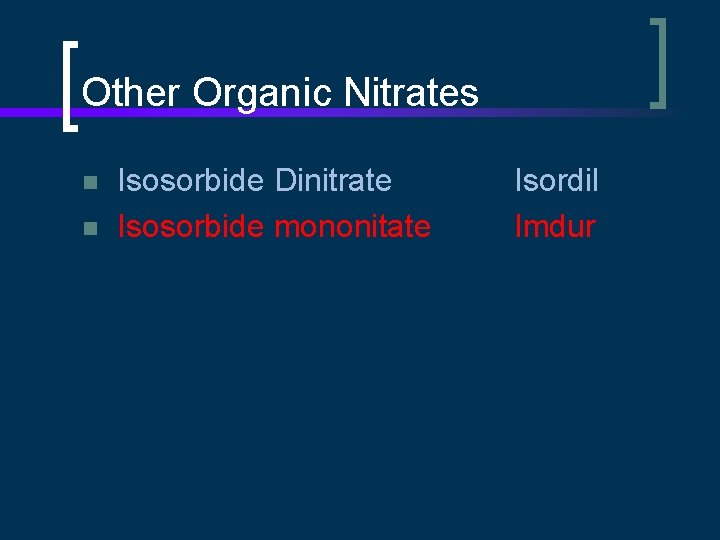
Other Organic Nitrates n n Isosorbide Dinitrate Isosorbide mononitate Isordil Imdur
Nitrate Tolerance n n n Tolerance rapidly develops Tolerance can be minimized by permitting a 10 -12 hour nitrate-free interval each day Angina during nitrate free interval can be controlled with β-blockers and calcium channel blockers
Asymmetric Dosing for Imdur n n n 20 mg po bid Give two doses/day 7 hours apart This allows 10 hour nitrate-free interval
-Blockers n Decrease oxygen demand ¡ ¡ Decrease heart rate Decrease force of contraction
Calcium Channel Blockers n n n Cause coronary vasodilatation? Cause peripheral vasodilatation and lower preload and afterload Good for angina caused by coronary vasospasm