
Heart Failure Khalid Al Habib Professor of Cardiac
Heart Failure Khalid Al. Habib Professor of Cardiac Sciences Cardiology Consultant
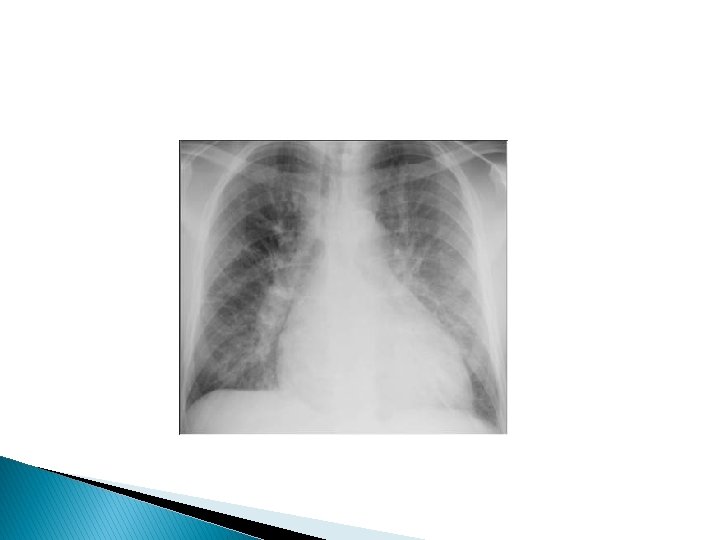
� � � 50 y/o man chest pain for 1 day ECG: STEMI Exam: High JVP, chest crackles, S 3 Echo: EF 30% HFr. EF
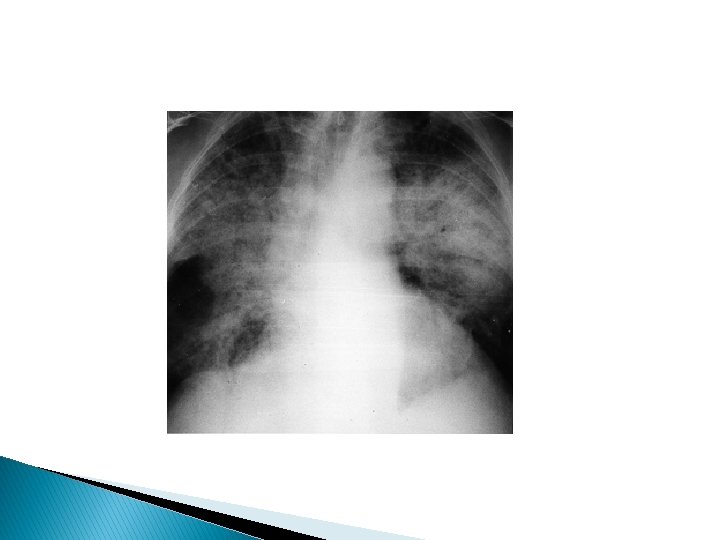
� � � � 70 y/o F HTN, DM SOBOE + LL swelling for 2 weeks BP 180/100 JVP high, LL edema, chest crackles Echo: EF 55% HFp. EF
Definition � Heart failure is a complex clinical syndrome Can result from: � structural or functional cardiac disorder � impairs the ability of the ventricle to fill with or eject blood
� Inability of the heart to pump blood at an output sufficient to meet the body’s demands

� Characterized � signs by: and symptoms of intravascular and interstitial volume overload and/or � manifestations of inadequate tissue perfusion
� Heart failure may result from an acute insult to cardiac function, such as a large myocardial infarction, valvular diseas, myocarditis, and cardiogenic shock � More commonly, from a chronic process
Common Causes � Coronary artery disease � Hypertension � Valvular heart disease � Dilated cardiomyopathy
Nomenclature � Heart failure vs. � Cardiomyopathy � LV dysfunction � Pulmonary edema
Classification � Left vs. Right � Systolic � High vs. Diastolic output vs. low output
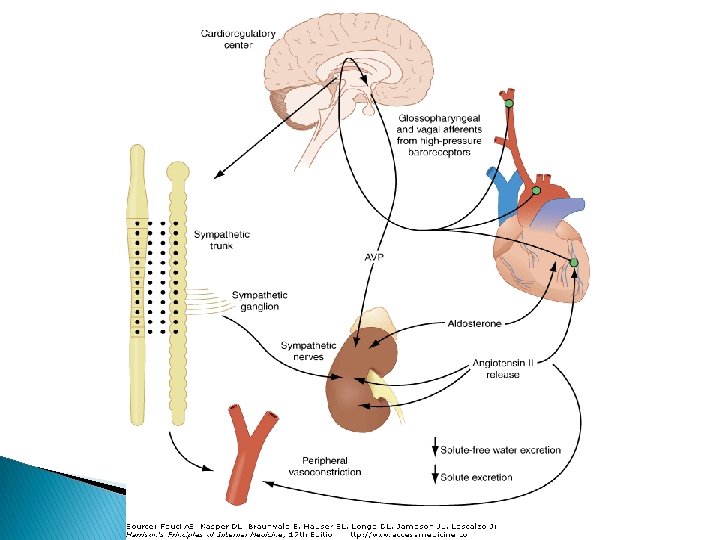
Heart Failure Syndrome � The initial manifestations of hemodynamic dysfunction are a reduction in stroke volume and a rise in ventricular filling pressures under conditions of increased systemic demand for blood flow � This stimulates a variety of interdependent compensatory responses involving the cardiovascular system, neurohormonal systems, and alterations in renal physiology
� FACTORS THAT MAY PRECIPITATE ACUTE DECOMPENSATION OF CHRONIC HEART FAILURE
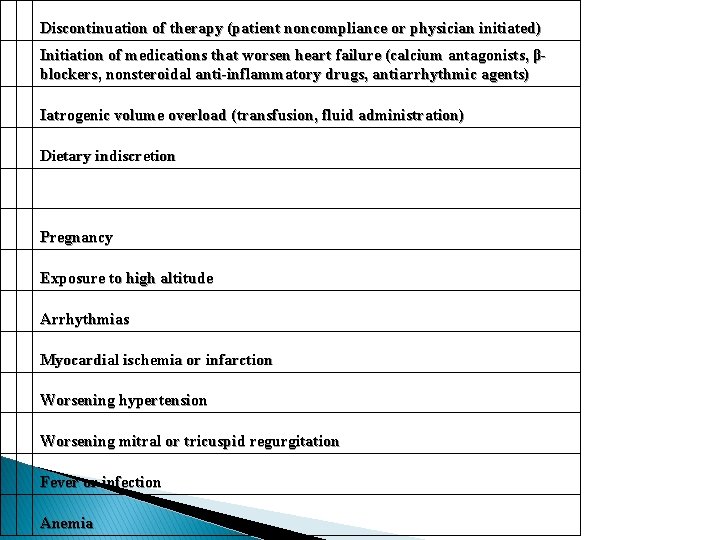
Discontinuation of therapy (patient noncompliance or physician initiated) Initiation of medications that worsen heart failure (calcium antagonists, βblockers, nonsteroidal anti-inflammatory drugs, antiarrhythmic agents) Iatrogenic volume overload (transfusion, fluid administration) Dietary indiscretion Pregnancy Exposure to high altitude Arrhythmias Myocardial ischemia or infarction Worsening hypertension Worsening mitral or tricuspid regurgitation Fever or infection Anemia
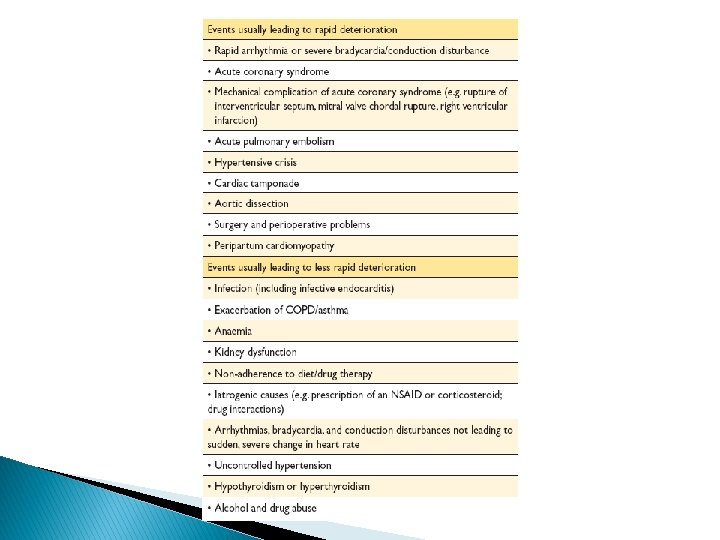
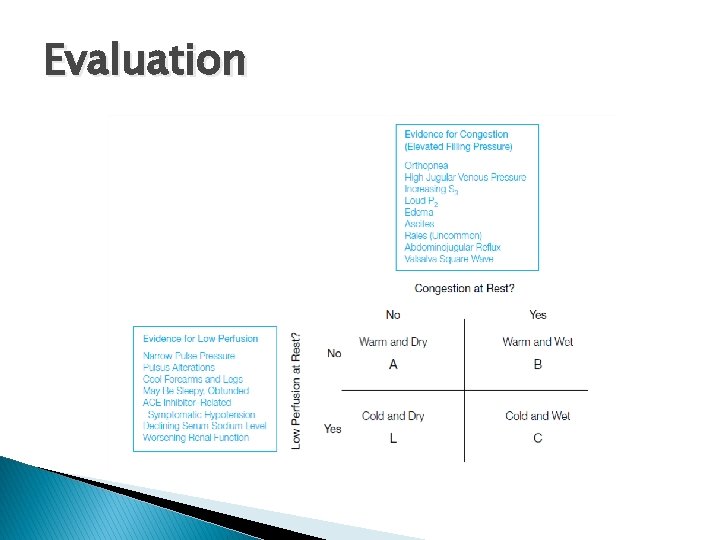
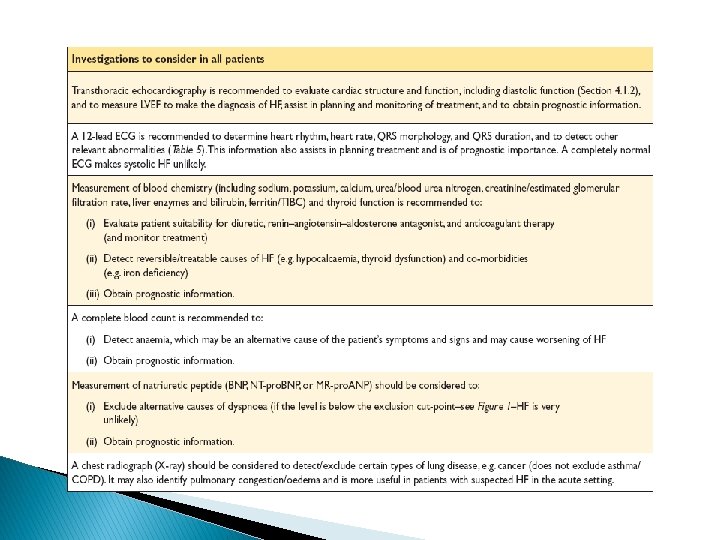
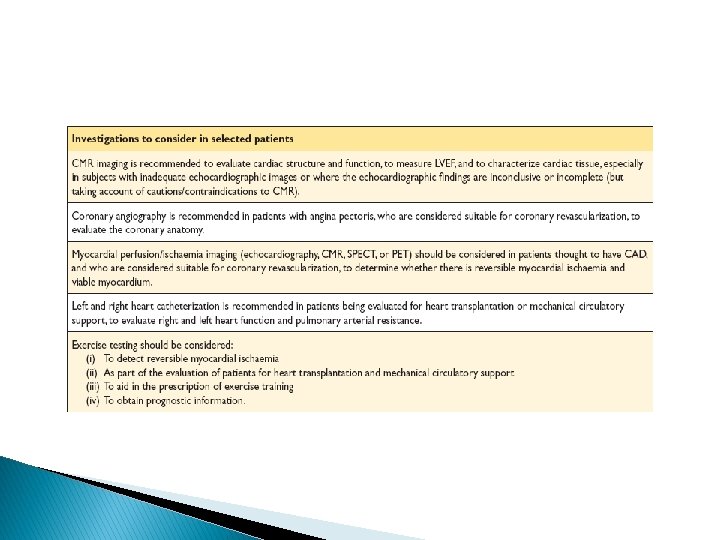
Evaluation
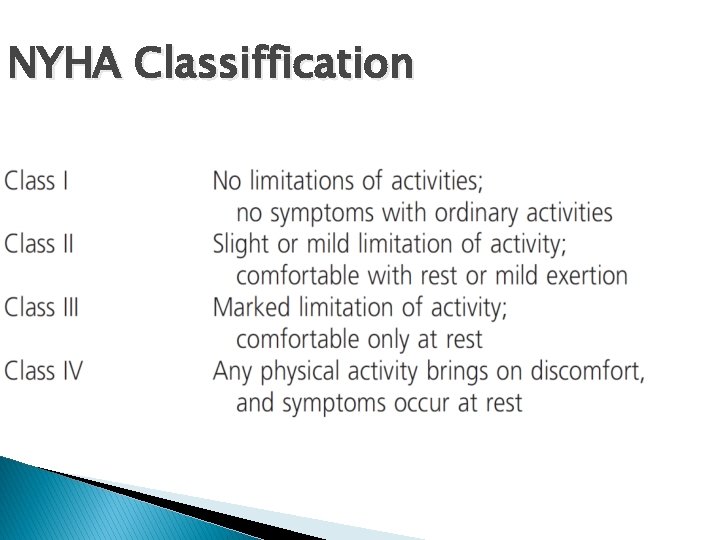
NYHA Classiffication
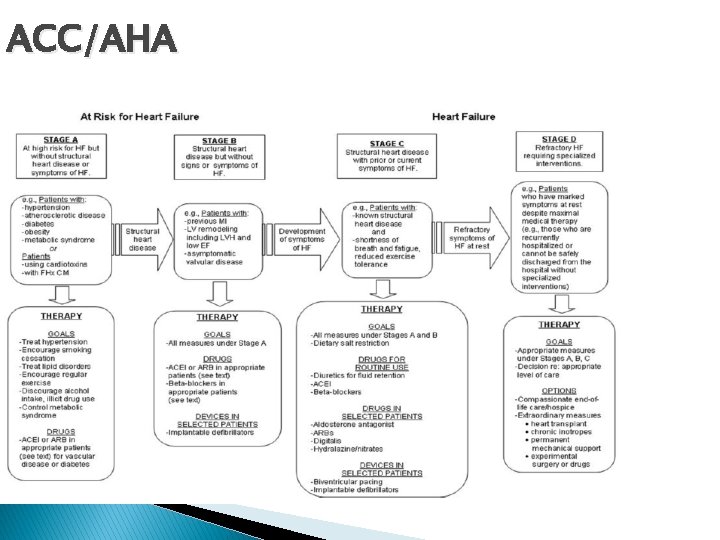
ACC/AHA
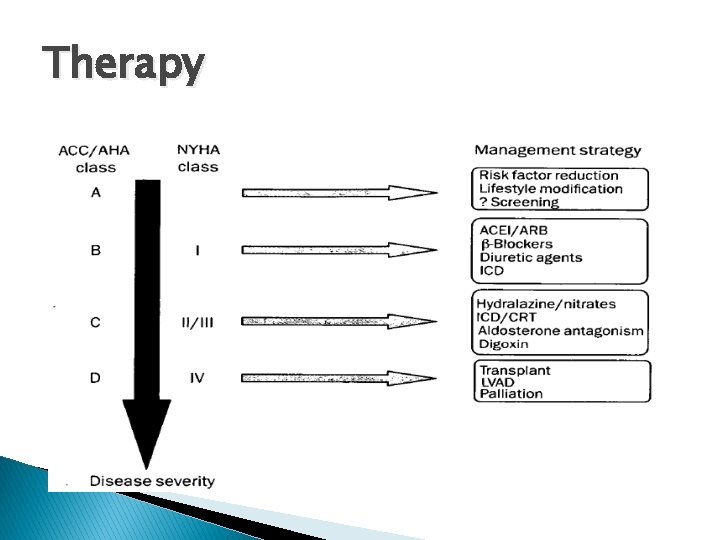
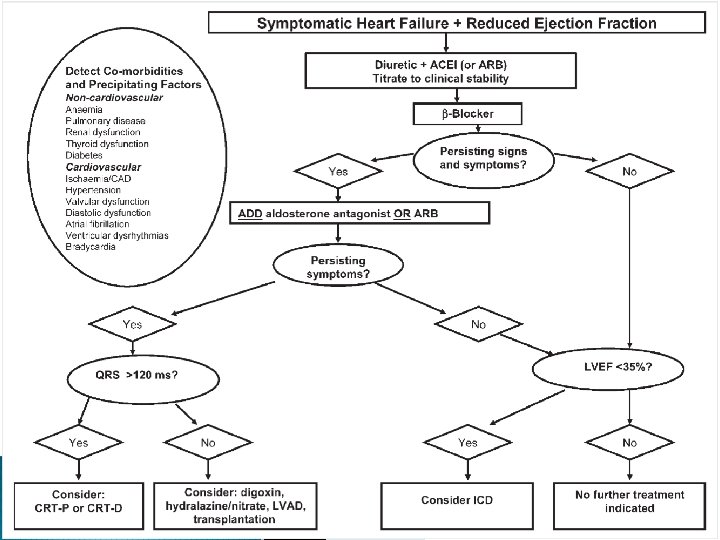
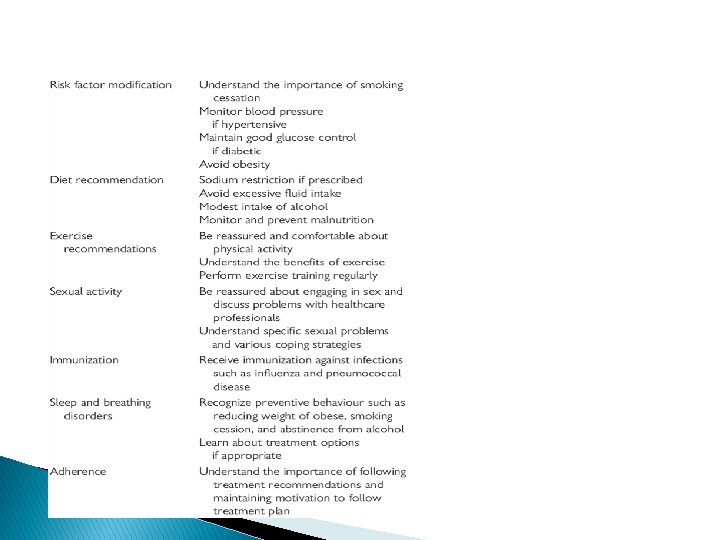
Therapy
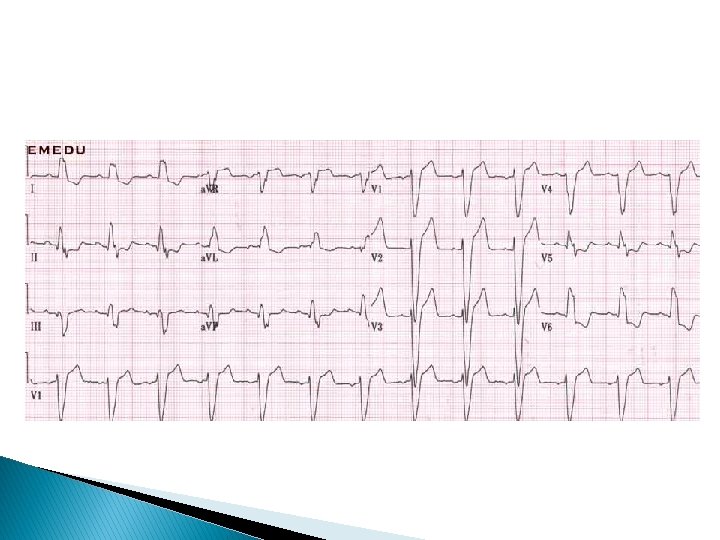
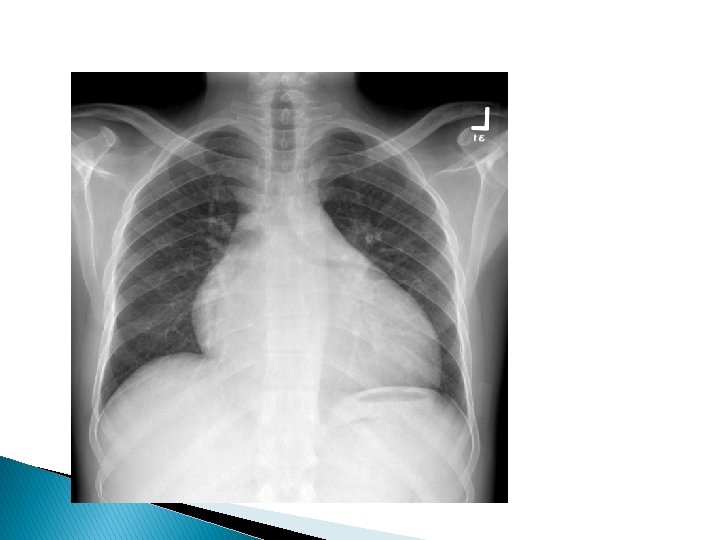
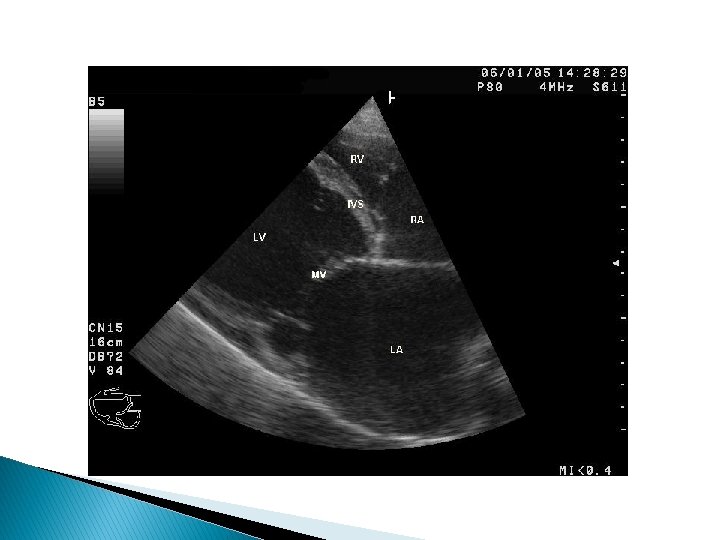
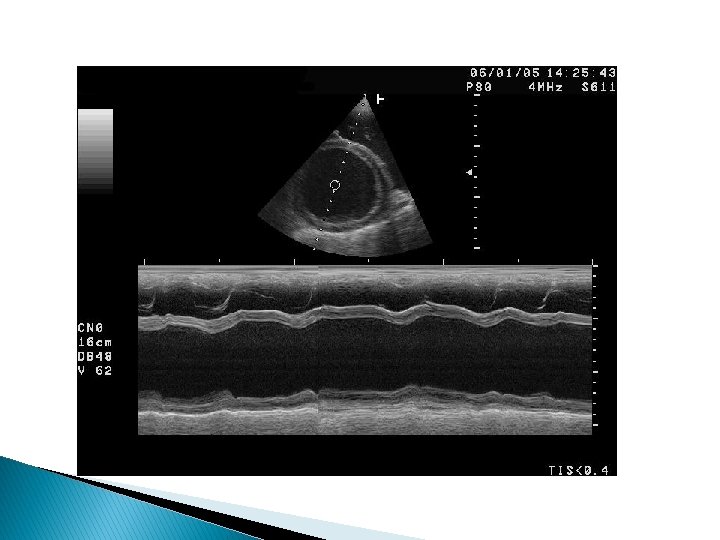
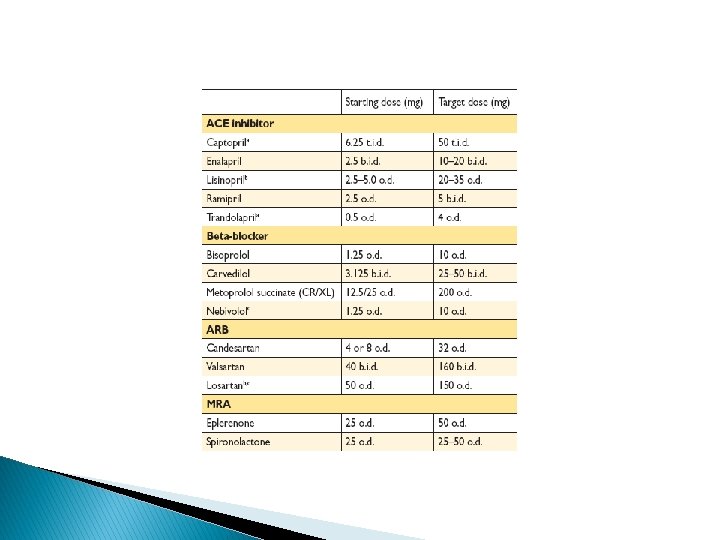
� 56 Y/O gentleman � Diagnosed dilated cardiomyopathy � LVEF 25% � NYHA class II � O/E B/P 112/68 HR 82 bpm � JVP 7 cm water, � Soft S 3 and grade 2 PSM � Chest clear, � No LL edema and warm extremities
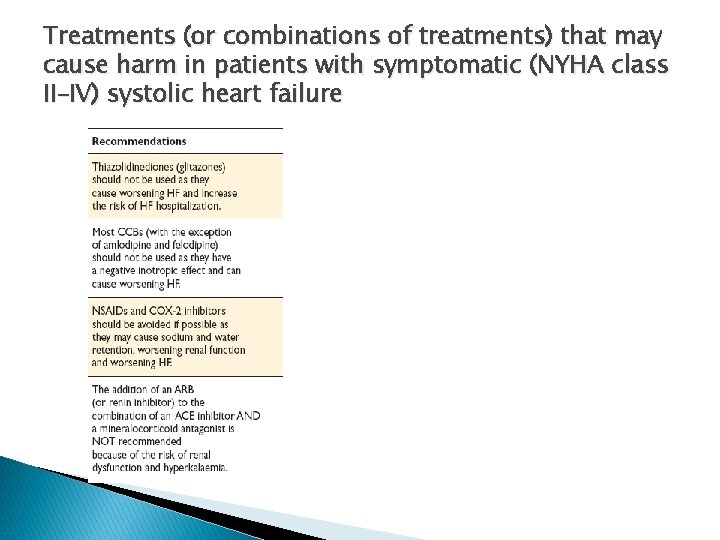
Treatments (or combinations of treatments) that may cause harm in patients with symptomatic (NYHA class II–IV) systolic heart failure
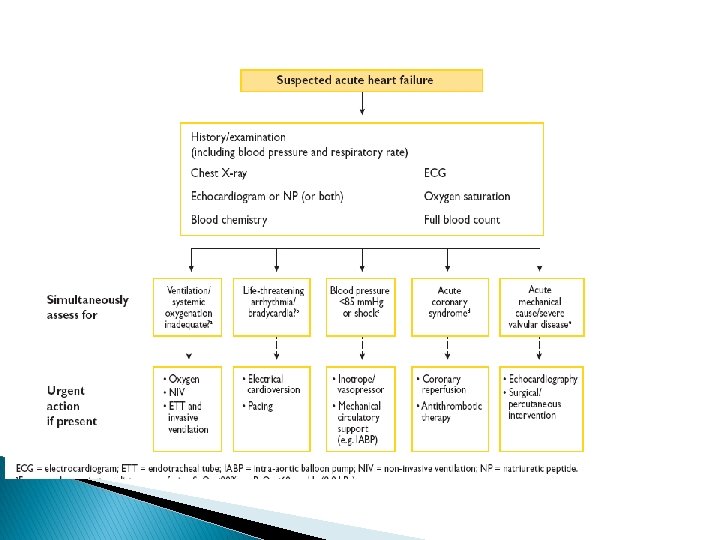
Acute Heart Failure
- Slides: 38