
Health EduCare Scientific Life Style Medicine Breast Cancer
Health Edu-Care Scientific Life Style Medicine Breast Cancer Awareness
Holistic Perspectives On Breast Cancer Dr. J. Satish Kumar, MD Consultant Physiologist – Life Style Medicine
Scheme of Presentation • Current Knowledge & Status of Problems • Futuristic Research & Holistic Trends • Breast health a component of Women’s Health • Women’s health a component of Global Health • Environment & Human Health • Simple, Natural & Holistic Remedies • Take Home Message Total Slides: 45 Time Duration 40 min Video : 10 minutes Discussion: 10 min
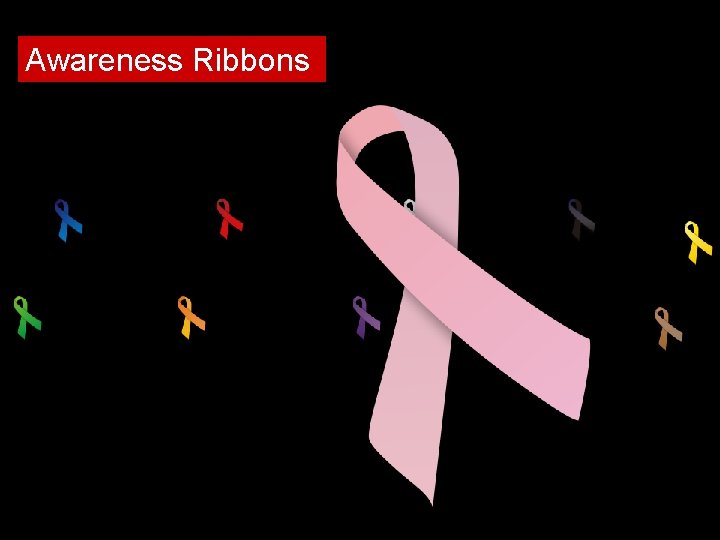
Awareness Ribbons
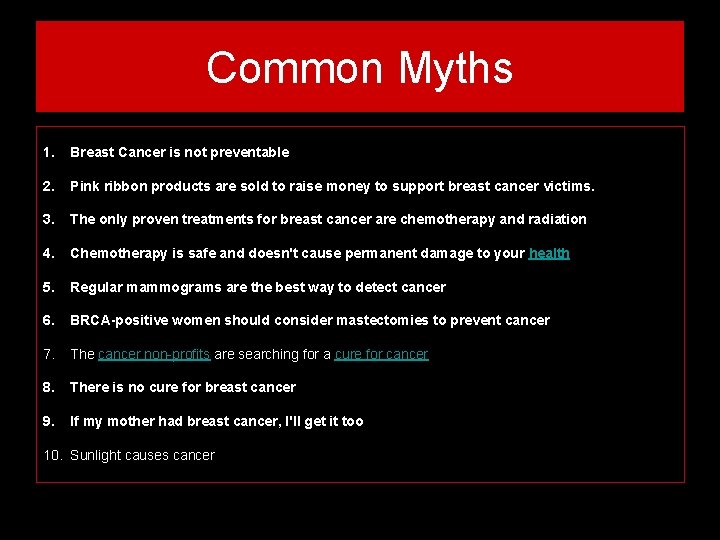
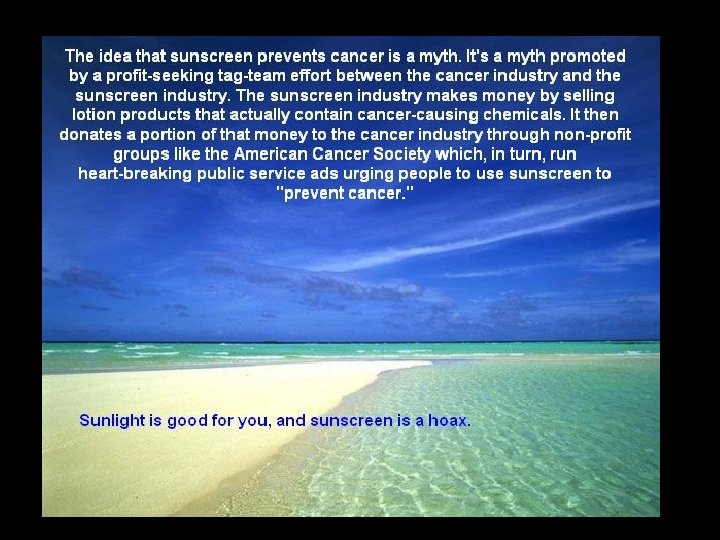
Common Myths 1. Breast Cancer is not preventable 2. Pink ribbon products are sold to raise money to support breast cancer victims. 3. The only proven treatments for breast cancer are chemotherapy and radiation 4. Chemotherapy is safe and doesn't cause permanent damage to your health 5. Regular mammograms are the best way to detect cancer 6. BRCA-positive women should consider mastectomies to prevent cancer 7. The cancer non profits are searching for a cure for cancer 8. There is no cure for breast cancer 9. If my mother had breast cancer, I'll get it too 10. Sunlight causes cancer
Is Screening the only solution that can save a woman from Breast Cancer ?
Lets open our eyes to newer, deeper perspectives…. …. in our endeavor to find the true causes of diseases
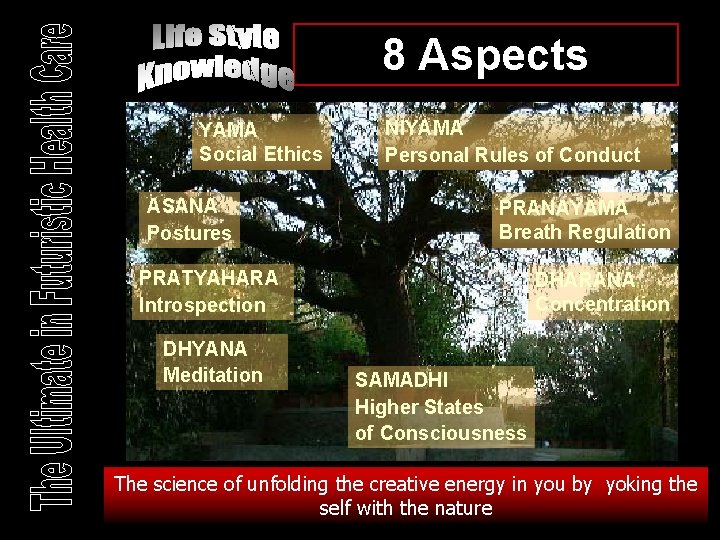
8 Aspects YAMA Social Ethics ASANA Postures NIYAMA Personal Rules of Conduct PRANAYAMA Breath Regulation PRATYAHARA Introspection DHYANA Meditation DHARANA Concentration SAMADHI Higher States of Consciousness The science of unfolding the creative energy in you by yoking the self with the nature
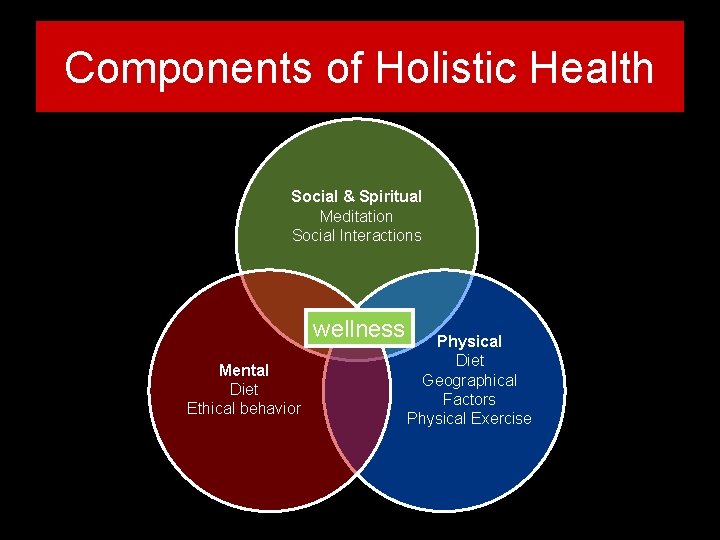
Components of Holistic Health Social & Spiritual Meditation Social Interactions wellness Mental Diet Ethical behavior Physical Diet Geographical Factors Physical Exercise
breast cancer incidence was "In general, highest at the highest latitudes in both hemispheres, " said Garland. "Even after controlling for known variables such as meat, vegetable and alcohol intake, cigarette consumption, weight, fertility and others, the inverse association of modeled vitamin D status with breast cancer incidence remained strong. " Journal reference: Sharif B. Mohr MPH, Cedric F. Garland Dr. PH, Edward D. Gorham MPH, Ph. D, William B. Grant Ph. D, Frank C. Garland Ph. D (2008) Relationship between Low Ultraviolet B Irradiance and Higher Breast Cancer Risk in 107 Countries The Breast Journal 14 (3) , 255– 260 doi: 10. 1111/j. 1524 4741. 2008. 00571. x
Breast cancer risk is high in industrialized societies, and increases as developing countries become more Westernized. The reasons are poorly understood This paper used worldwide data only recently available through a new tool called GLOBOCAN, developed by the World Health Organization's International Agency for Research on Cancer. GLOBOCAN is a database of cancer incidence, mortality and prevalence for 175 countries.
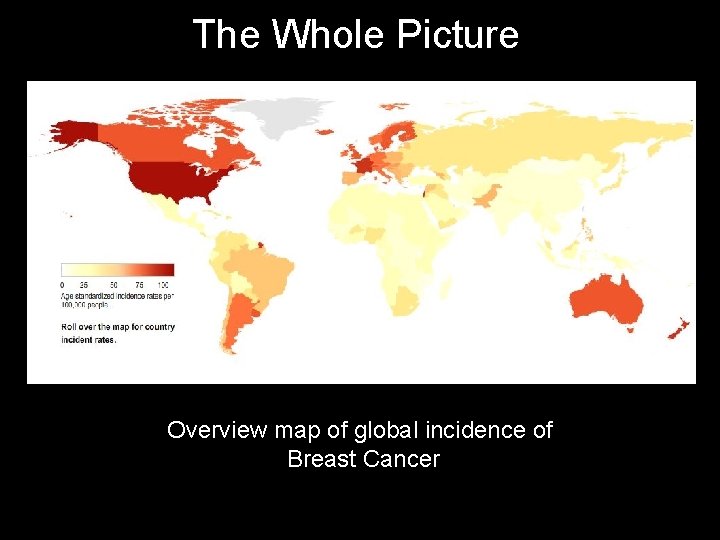
The Whole Picture Overview map of global incidence of Breast Cancer
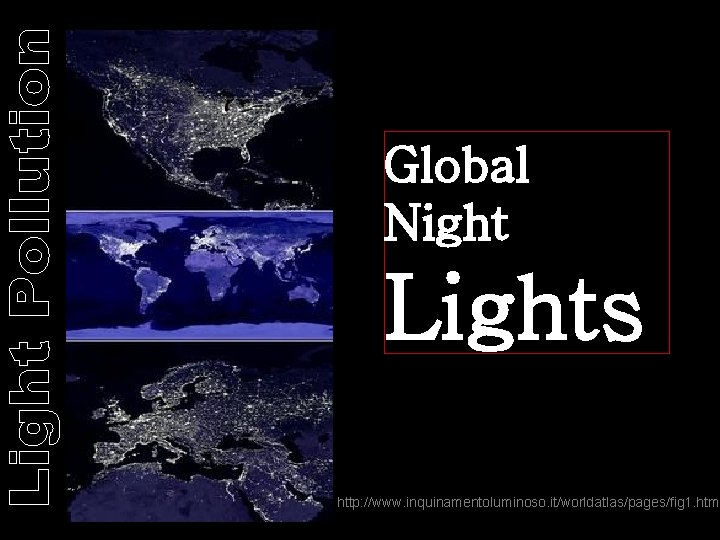
Global Night Lights http: //www. inquinamentoluminoso. it/worldatlas/pages/fig 1. htm
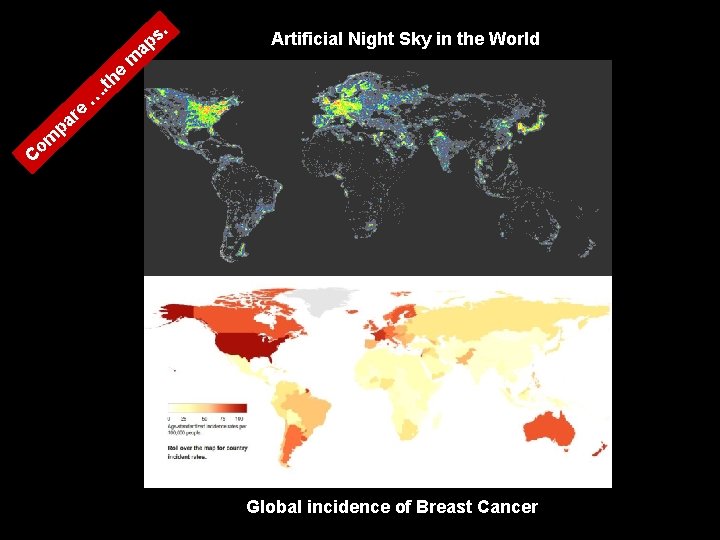
m a e h … e r . s p Artificial Night Sky in the World . t pa om C Global incidence of Breast Cancer
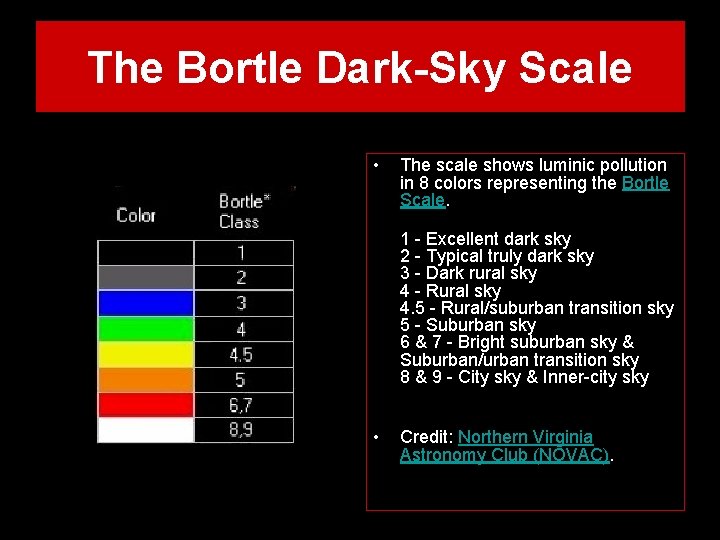
The Bortle Dark-Sky Scale • The scale shows luminic pollution in 8 colors representing the Bortle Scale. 1 Excellent dark sky 2 Typical truly dark sky 3 Dark rural sky 4 Rural sky 4. 5 Rural/suburban transition sky 5 Suburban sky 6 & 7 Bright suburban sky & Suburban/urban transition sky 8 & 9 City sky & Inner city sky • Credit: Northern Virginia Astronomy Club (NOVAC).
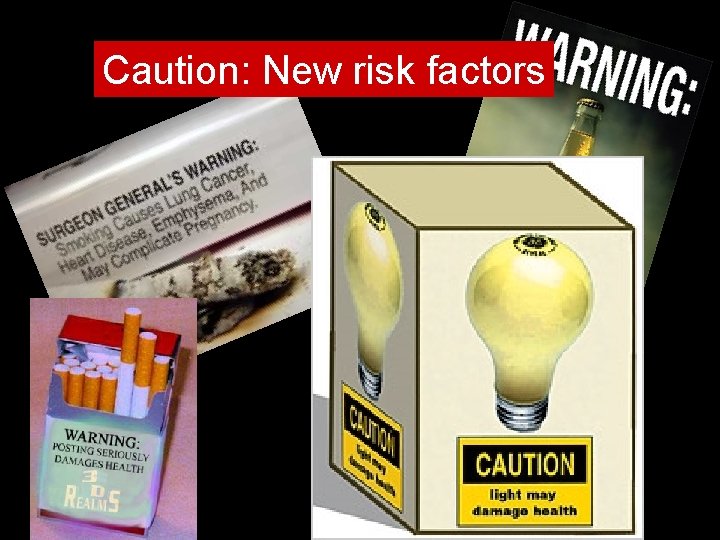
Caution: New risk factors
Artificial Light At Night Evidence is emerging that disruption of one's circadian clock is associated with cancer in humans, and that interference with internal timekeeping can tip the balance in favor of tumor development. .
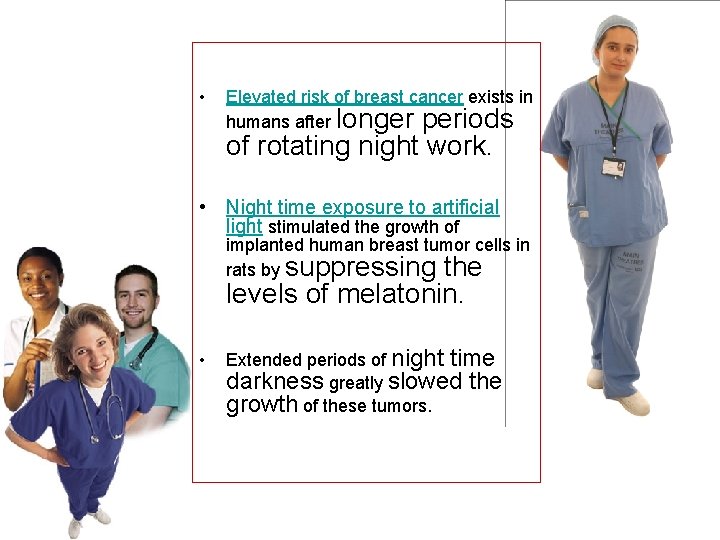
• Elevated risk of breast cancer exists in humans after longer periods of rotating night work. • Night time exposure to artificial light stimulated the growth of implanted human breast tumor cells in rats by suppressing the levels of melatonin. • Extended periods of night time darkness greatly slowed the growth of these tumors.
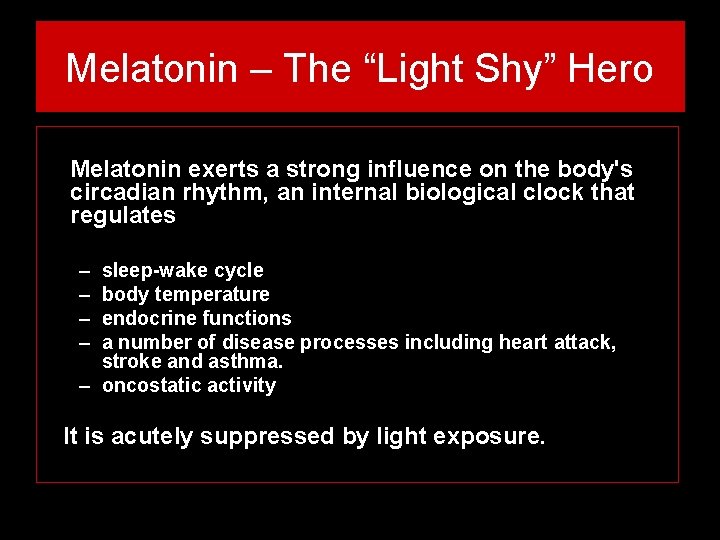
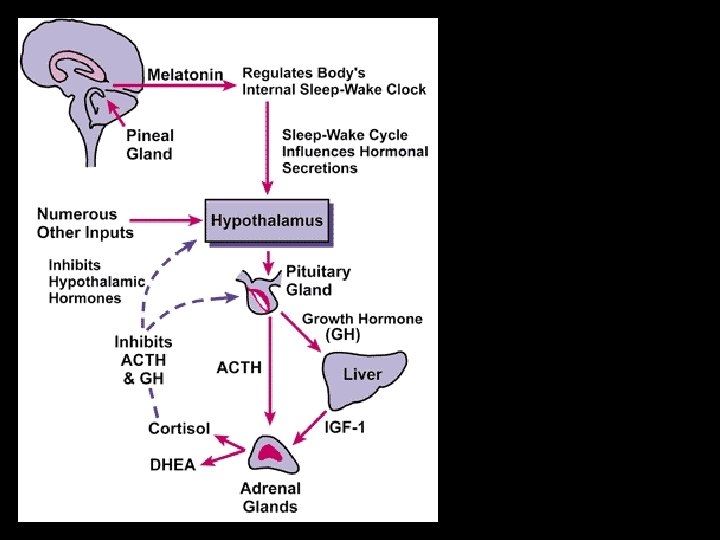
Melatonin – The “Light Shy” Hero Melatonin exerts a strong influence on the body's circadian rhythm, an internal biological clock that regulates – – sleep-wake cycle body temperature endocrine functions a number of disease processes including heart attack, stroke and asthma. – oncostatic activity It is acutely suppressed by light exposure.
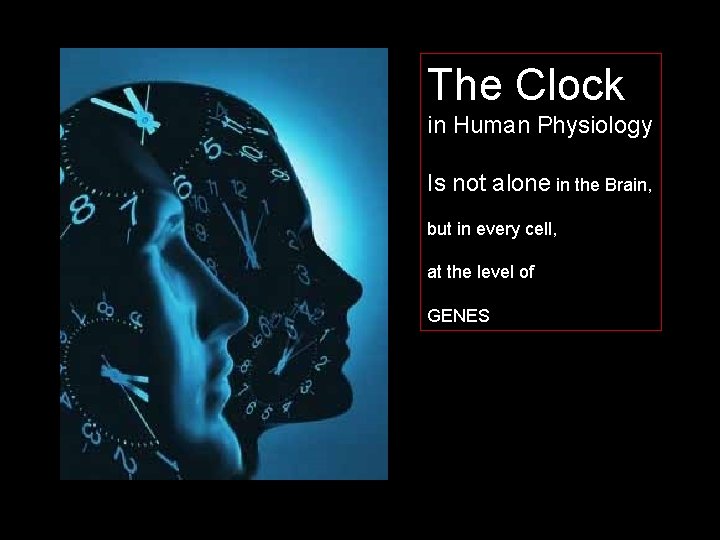
The Clock in Human Physiology Is not alone in the Brain, but in every cell, at the level of GENES
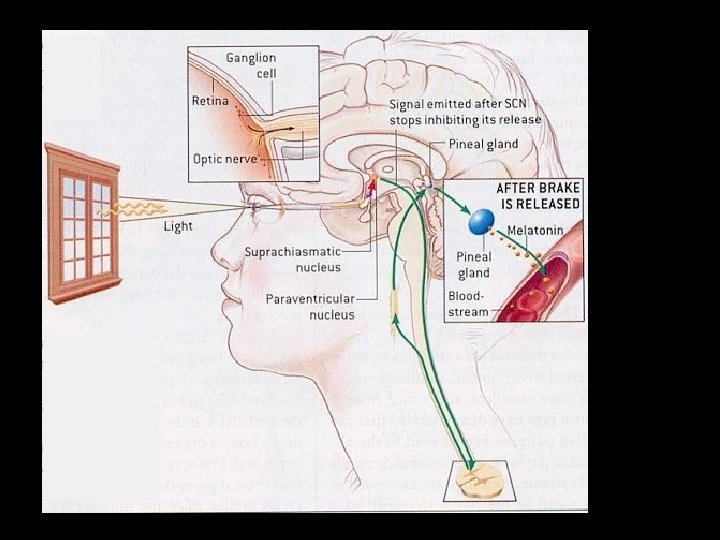
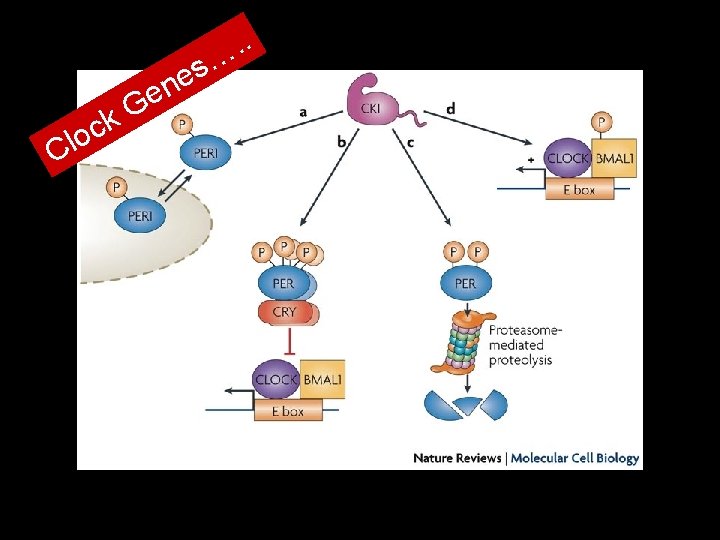
. . s… e n e Clo G k c
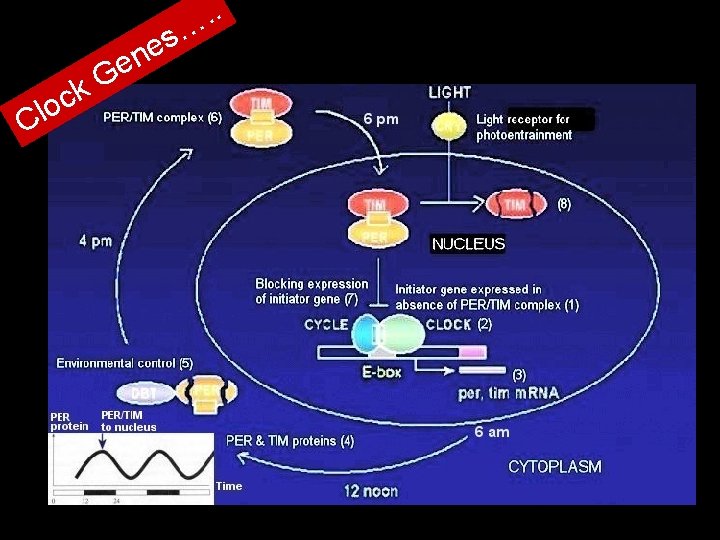
. . s… e n e C G k loc
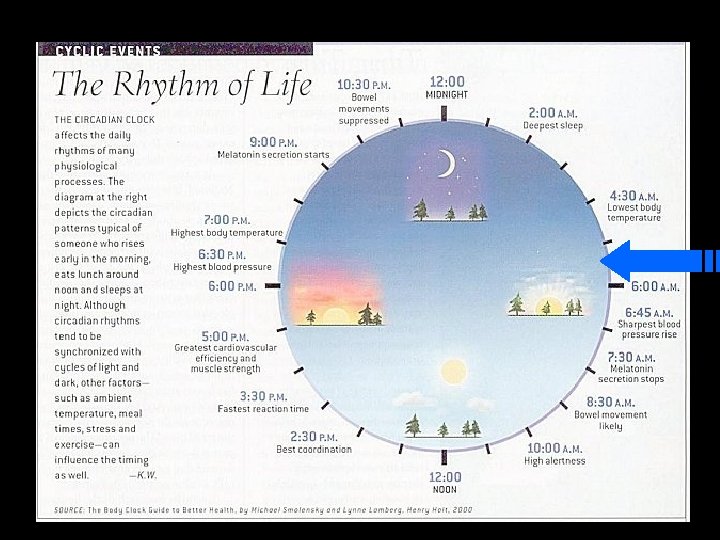
Maintenance of a solar day aligned circadian rhythm in endogenous melatonin & in clock gene expression by exposure to a bright day and a dark night, may be a worthy goal.
“Big No” to Mammograms Danish study published in The Lancet revealed some startling data. The study concluded that previous research showing a benefit was flawed and that widespread mammogram screening is unjustified. Gotzsche PC, Olsen O. Is screening for breast cancer with mammography justifiable? Lancet 2000; 355: 129 134[Medline]
Is the doctor inside you more powerful than the doctor who treats you?
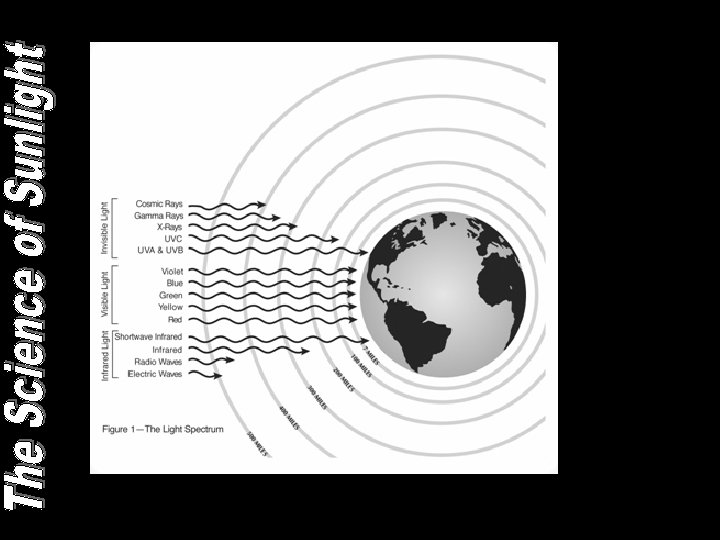
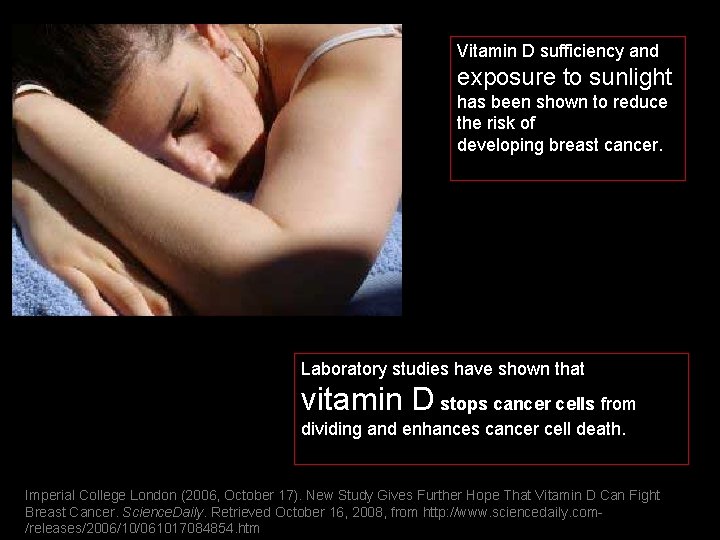
Vitamin D sufficiency and exposure to sunlight has been shown to reduce the risk of developing breast cancer. Laboratory studies have shown that vitamin D stops cancer cells from dividing and enhances cancer cell death. Imperial College London (2006, October 17). New Study Gives Further Hope That Vitamin D Can Fight Breast Cancer. Science. Daily. Retrieved October 16, 2008, from http: //www. sciencedaily. com /releases/2006/10/061017084854. htm

Be in Sync with Nature
and only
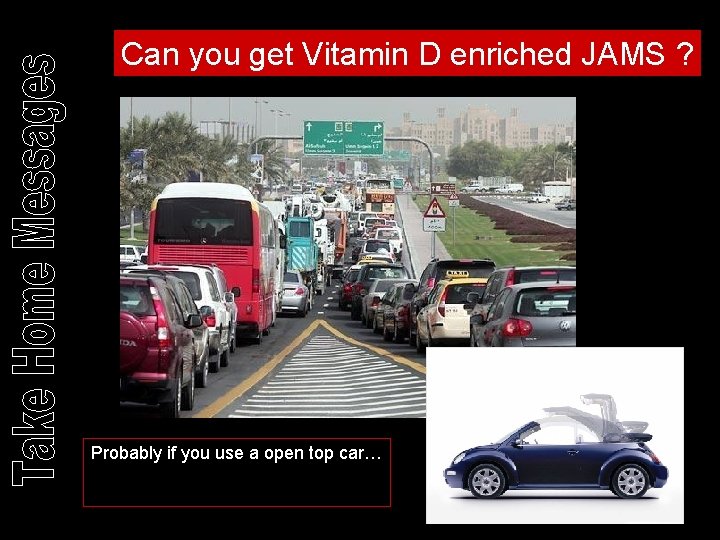
Can you get Vitamin D enriched JAMS ? Probably if you use a open top car…
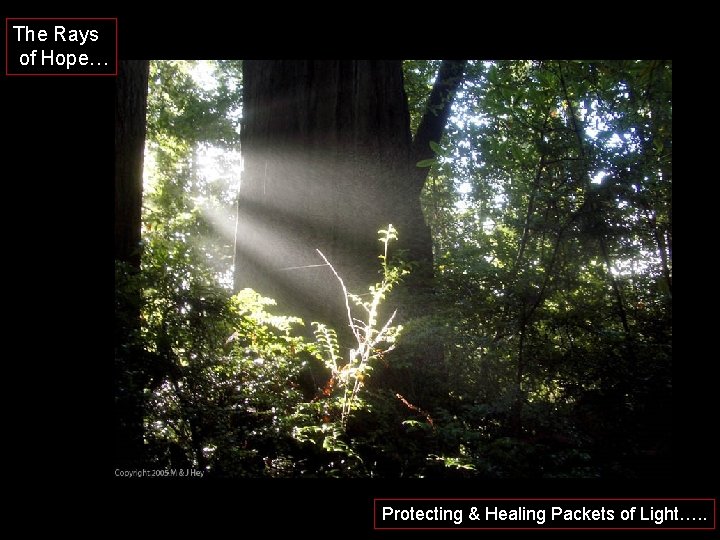
The Rays of Hope… Protecting & Healing Packets of Light…. .
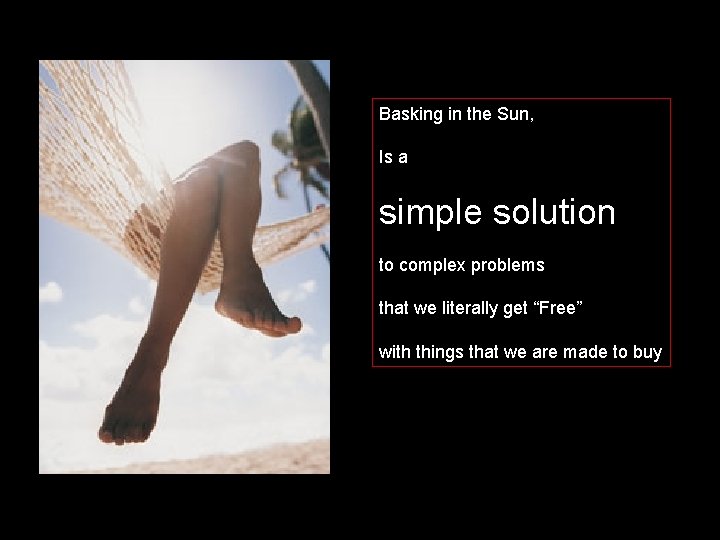
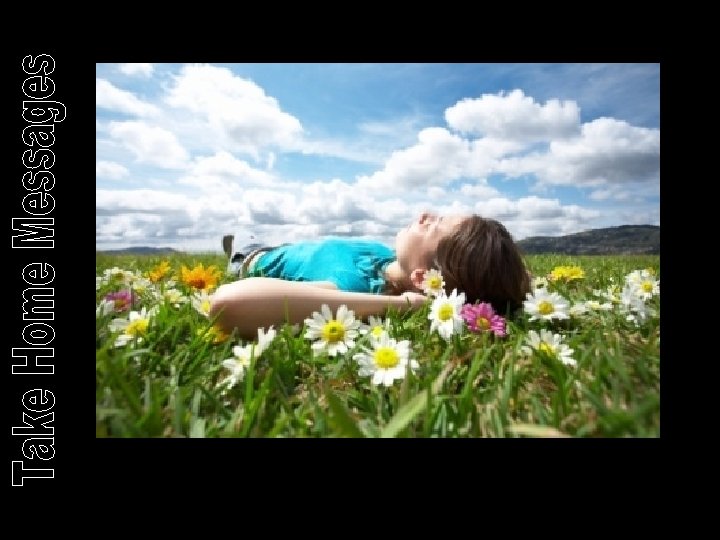
Basking in the Sun, Is a simple solution to complex problems that we literally get “Free” with things that we are made to buy
Candle Light dinners are not only romantic But Healthy too…
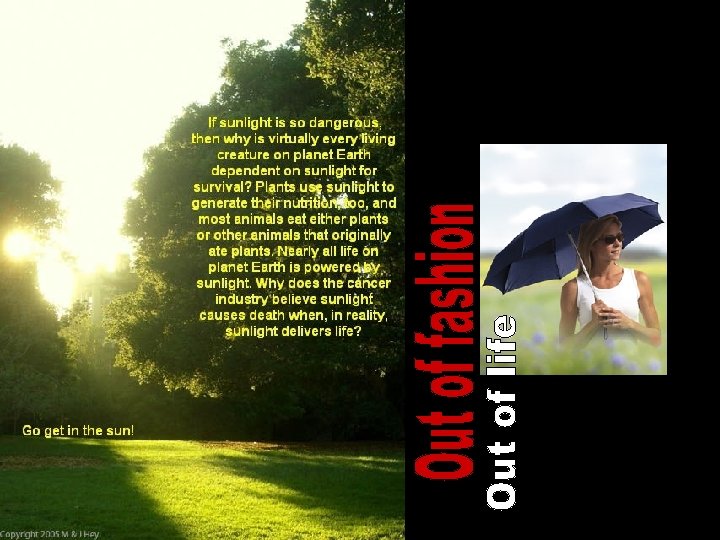
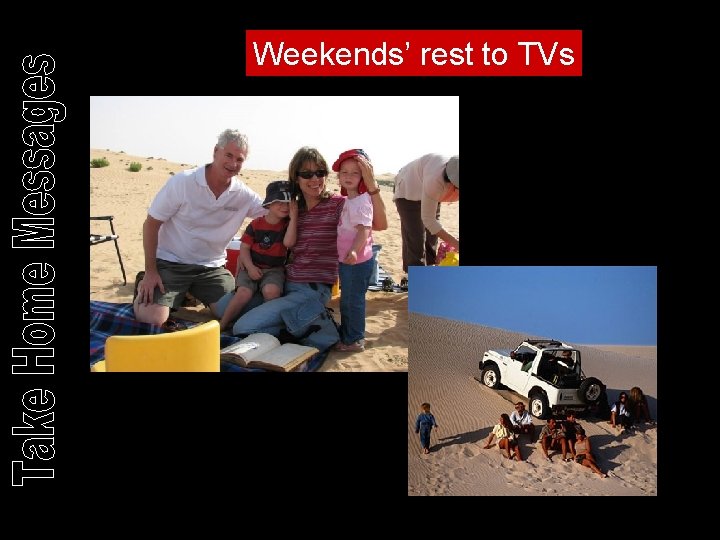
Weekends’ rest to TVs
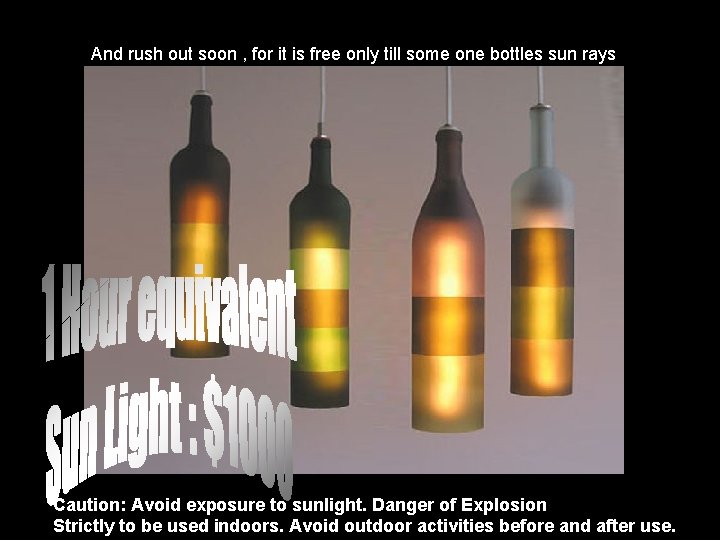
And rush out soon , for it is free only till some one bottles sun rays Caution: Avoid exposure to sunlight. Danger of Explosion Strictly to be used indoors. Avoid outdoor activities before and after use.
REFERENCES (1) Schernhammer ES, Laden F, Speizer FE, Willett WC, Hunter DJ, Kawachi I, et al. Rotating night shifts and risk of breast cancer in women participating in the nurses’ health study. J Natl Cancer Inst 2001; 93: 1563– 8. (2) Davis S, Mirick DK, Stevens RG. Night shift work, light at night, and risk of breast cancer. J Natl Cancer Inst 2001; 93: 1557– 62. (3) Sephton SE, Sapolsky RM, Kraemer HC, Spiegel D. Diurnal cortisol rhythm as a predictor of breast cancer survival. J Natl Cancer Inst 2000; 92: 994– 1000. (4) Mormont MC, Waterhouse J, Bleuzen P, Giacchetti S, Jami A, Bogdan A, et al. Marked 24 h rest/activity rhythms are associated with better quality of life, better response, and longer survival in patients with metastatic colorectal cancer and good performance status. Clin Cancer Res 2000; 6: 3038– 45.
- Slides: 45