
Head Start A to Z 2 0 Recordkeeping

- Slides: 33
Head Start A to Z, 2. 0 Recordkeeping and Reporting
Learning Objectives As a result of this session, participants will: • Understand why accurate recordkeeping is a prerequisite for effective reporting • Learn how the recordkeeping and reporting system supports other Head Start management systems • Review regulatory requirements for recordkeeping and reporting • Understand the Four Data Activities and Responsible Data Life Cycle as frameworks for information management • Identify the role of leaders in supporting effective recordkeeping and reporting
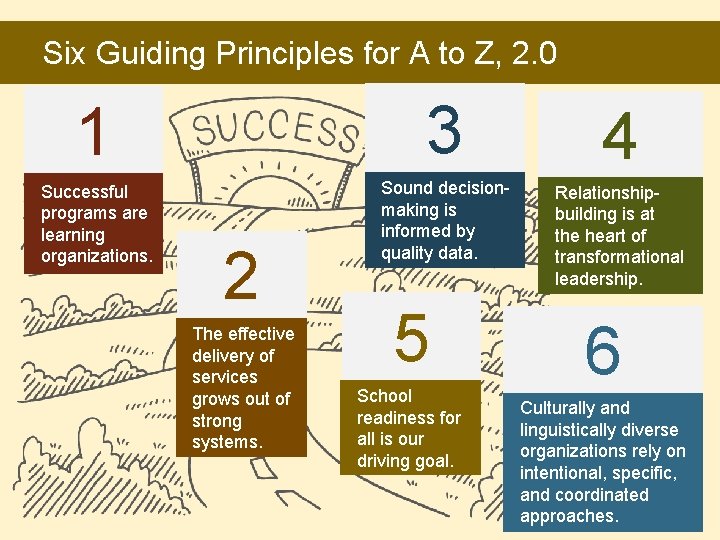
Six Guiding Principles for A to Z, 2. 0 1 3 4 Successful programs are learning organizations. Sound decisionmaking is informed by quality data. Relationshipbuilding is at the heart of transformational leadership. 2 The effective delivery of services grows out of strong systems. 5 School readiness for all is our driving goal. 6 Culturally and linguistically diverse organizations rely on intentional, specific, and coordinated approaches.
Recordkeeping and Reporting: Setting the Stage 4
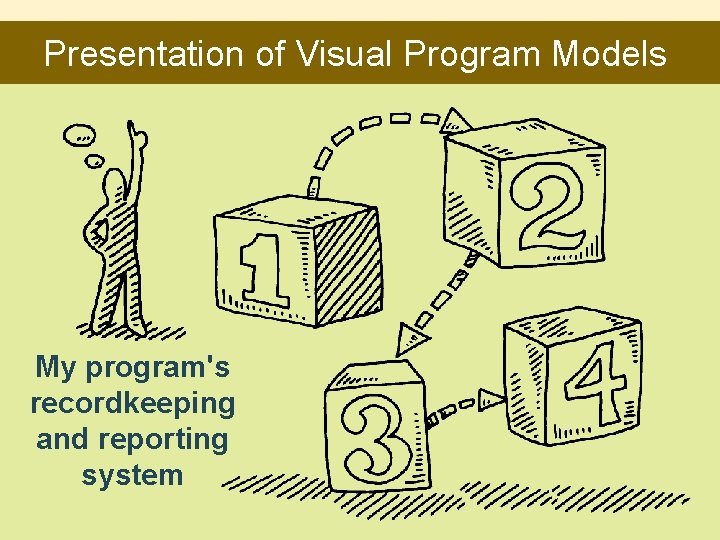
Activity: Visual Program Model My program's recordkeeping and reporting system 5
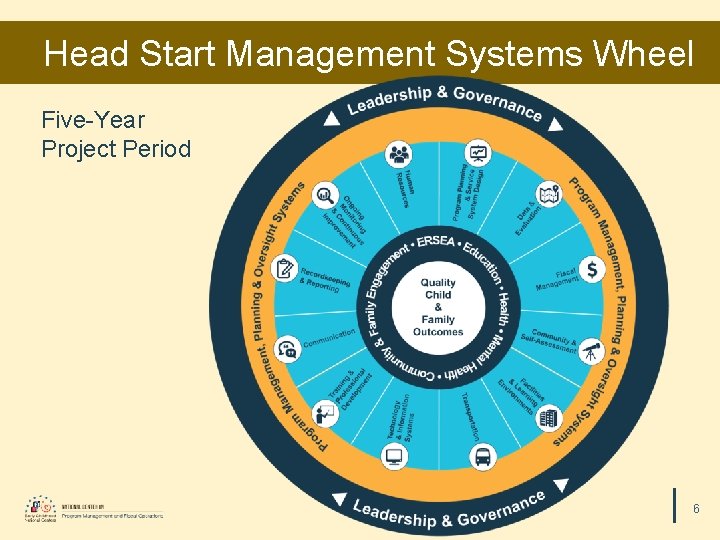
Head Start Management Systems Wheel Five-Year Project Period 6
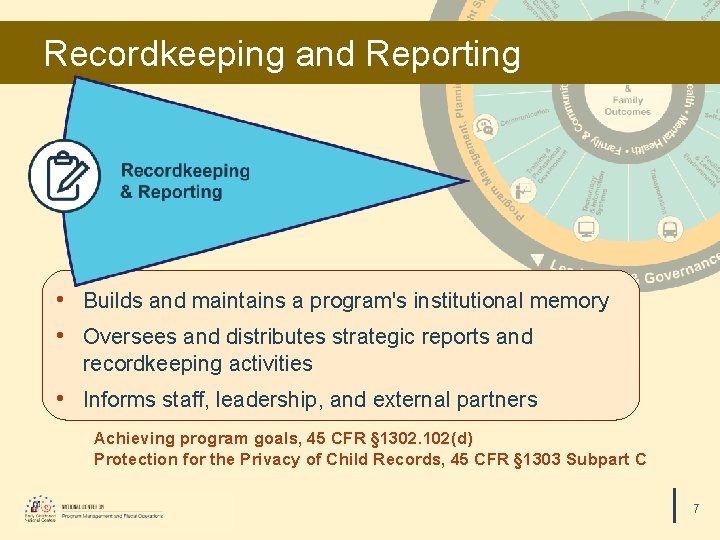
Recordkeeping and Reporting • Builds and maintains a program's institutional memory • Oversees and distributes strategic reports and recordkeeping activities • Informs staff, leadership, and external partners Achieving program goals, 45 CFR § 1302. 102(d) Protection for the Privacy of Child Records, 45 CFR § 1303 Subpart C 7
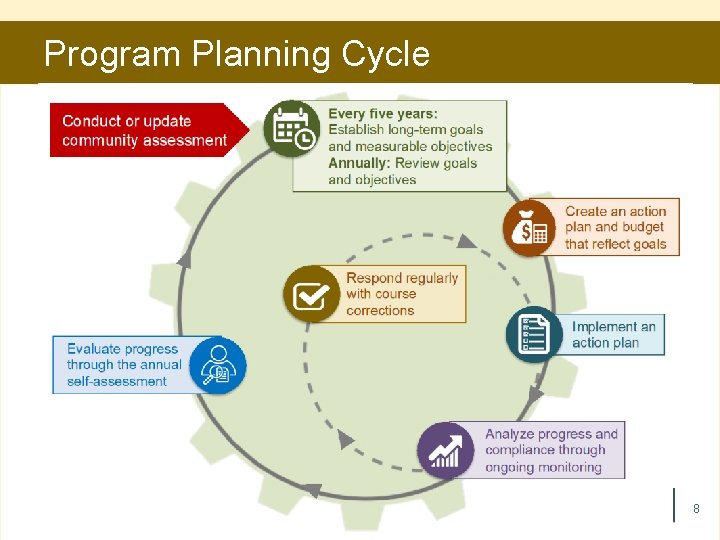
Program Planning Cycle 8
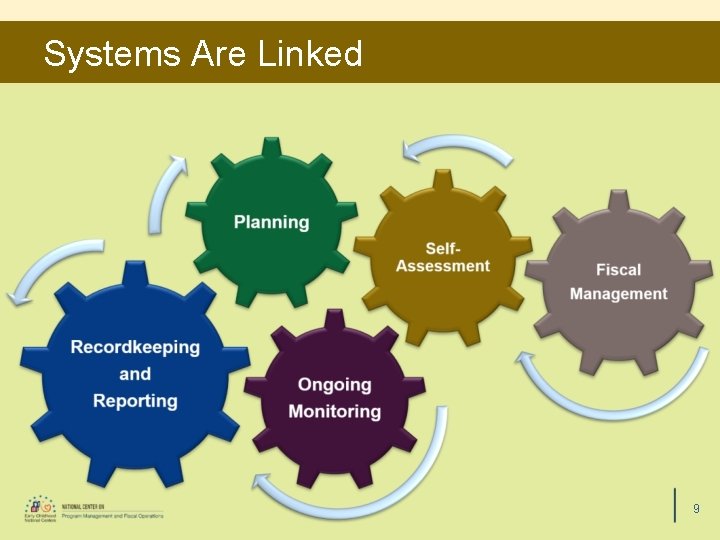
Systems Are Linked 9
Why Is Recordkeeping and Reporting Important? • • • Documentation of completed work Program planning Program operations Program evaluation Ongoing monitoring and self-assessment Continuous improvement Communication Knowledge transfer Institutional memory Legal issues Risk management Leadership continuity 10
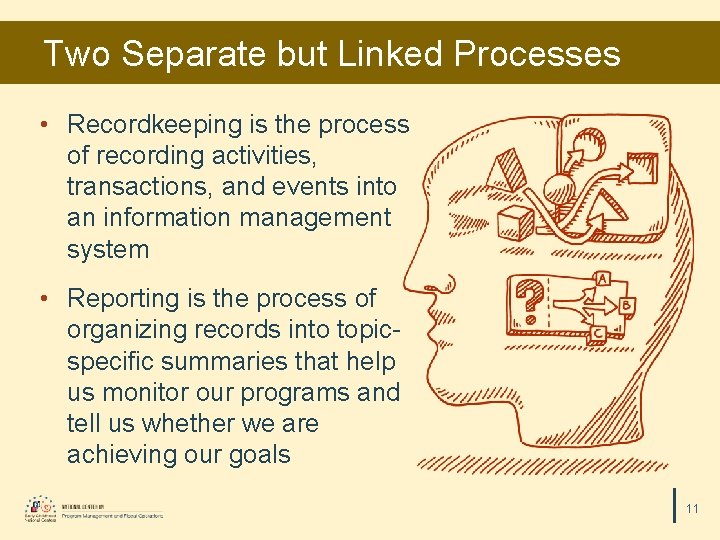
Two Separate but Linked Processes • Recordkeeping is the process of recording activities, transactions, and events into an information management system • Reporting is the process of organizing records into topicspecific summaries that help us monitor our programs and tell us whether we are achieving our goals 11
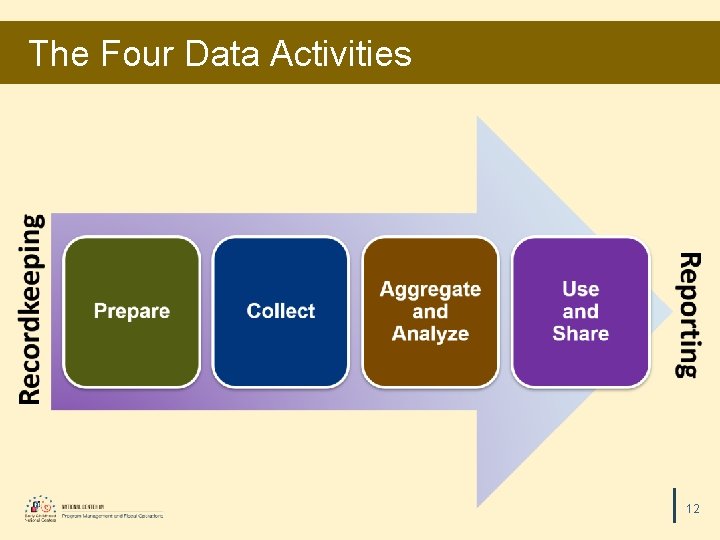
The Four Data Activities 12
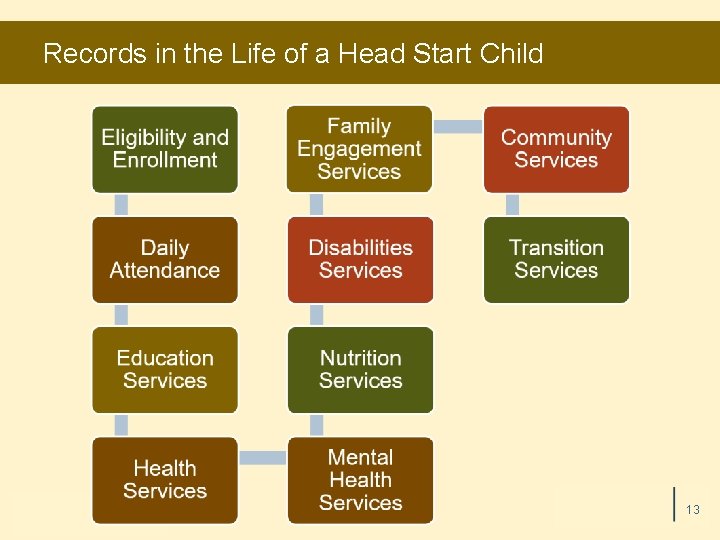
Records in the Life of a Head Start Child 13
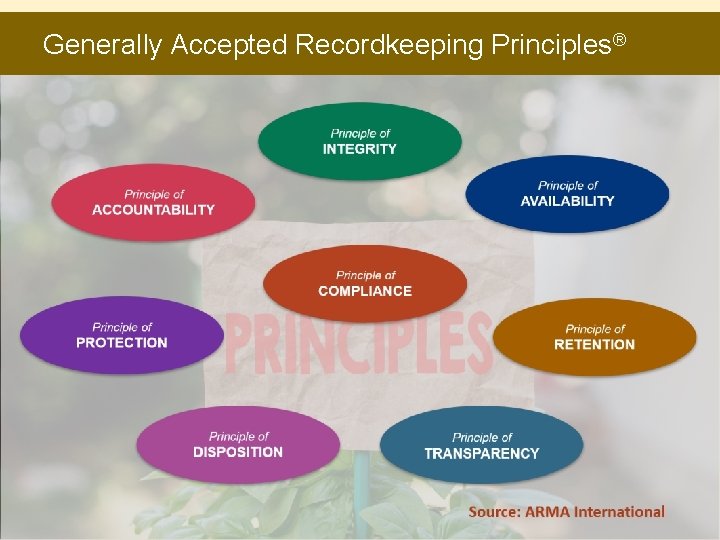
Generally Accepted Recordkeeping Principles®
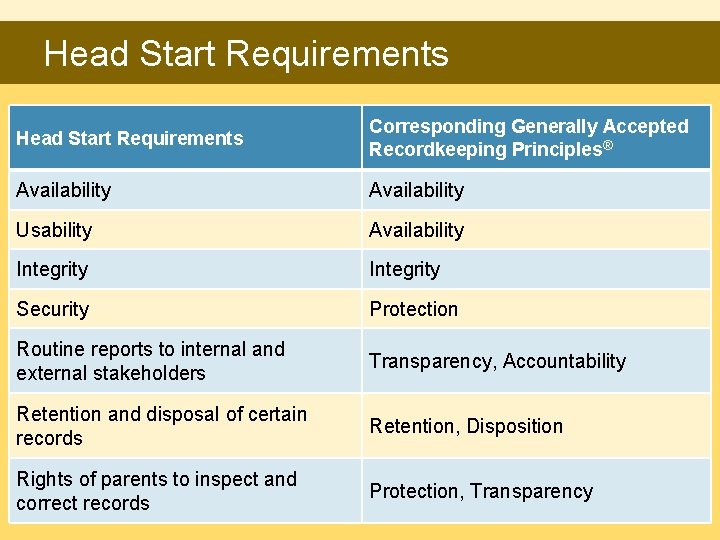
Head Start Requirements Corresponding Generally Accepted Recordkeeping Principles® Availability Usability Availability Integrity Security Protection Routine reports to internal and external stakeholders Transparency, Accountability Retention and disposal of certain records Retention, Disposition Rights of parents to inspect and correct records Protection, Transparency
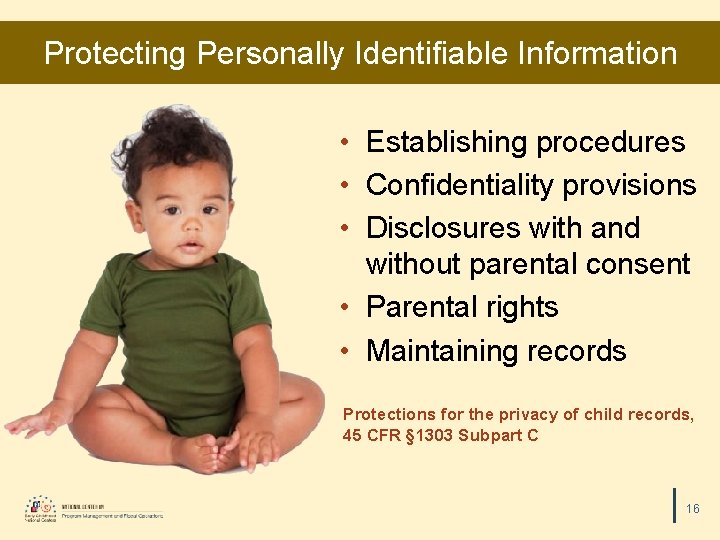
Protecting Personally Identifiable Information • Establishing procedures • Confidentiality provisions • Disclosures with and without parental consent • Parental rights • Maintaining records Protections for the privacy of child records, 45 CFR § 1303 Subpart C 16
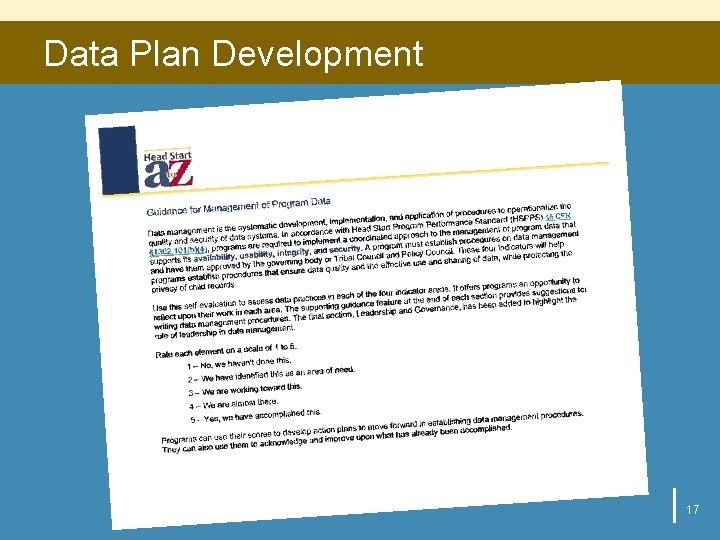
Data Plan Development 17
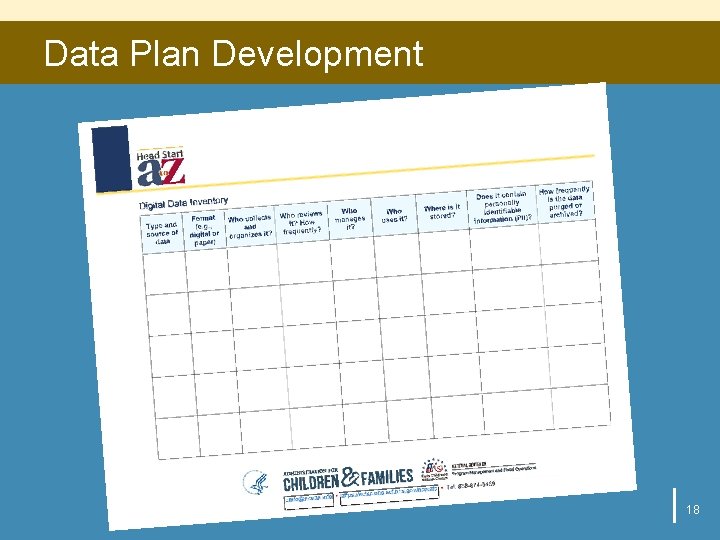
Data Plan Development 18
A short break for participants to review their visual program models… 19
Head Start Reporting Programs must submit: • Self-assessment and improvement plan • Community assessment • Financial, enrollment, PIR, and other regular reports • Status reports • Significant incident reports • Annual report • Quality improvement plan in case of deficiency 1. Achieving program goals, 45 CFR § 1302. 102(d) 2. Grantee reporting requirements concerning certain conditions, 45 CFR § 1304. 12 3. Sec. 641 A(g)(2) and 642(d)(2) 20
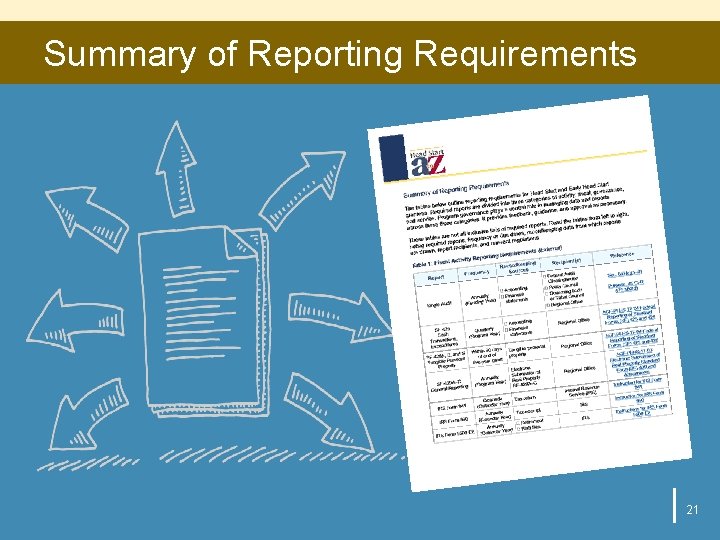
Summary of Reporting Requirements 21
Writing Reports That Tell Your Story • Stories bring us together and move us to action • Combining storytelling with data is powerful 22
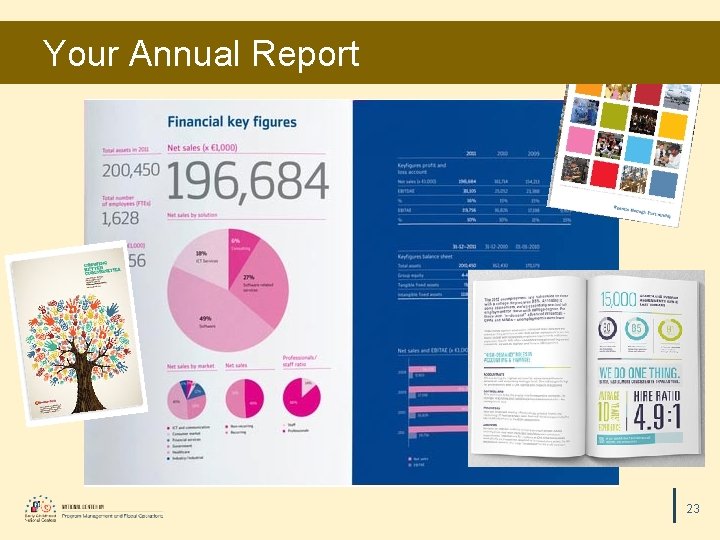
Your Annual Report 23
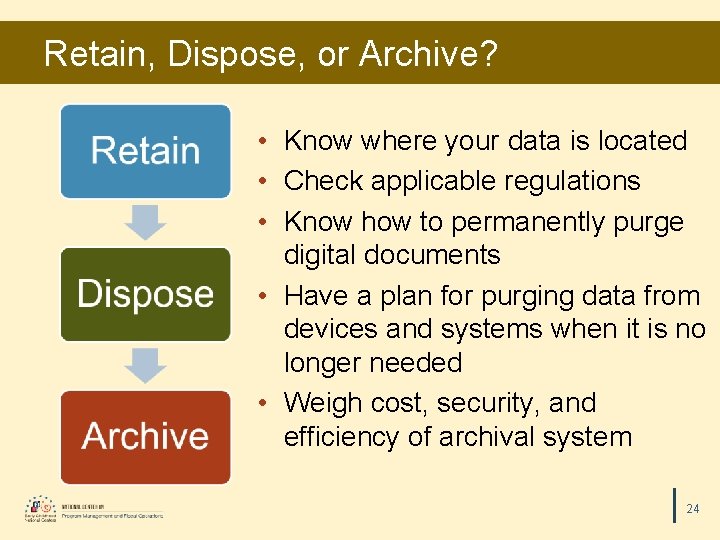
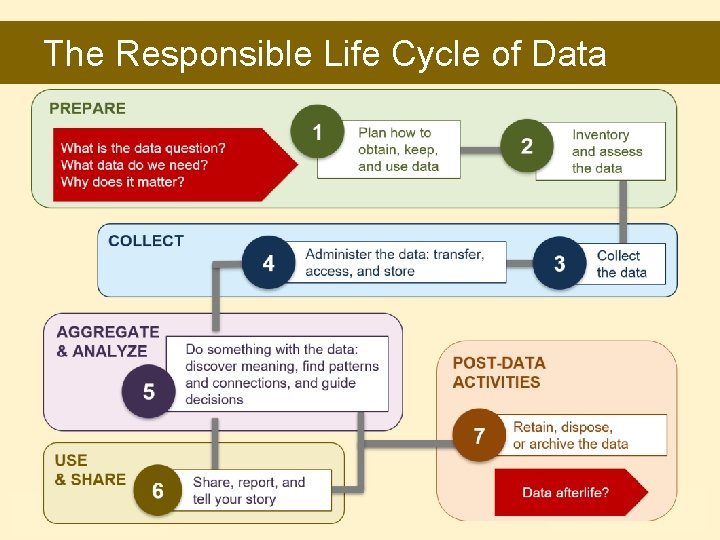
Retain, Dispose, or Archive? • Know where your data is located • Check applicable regulations • Know how to permanently purge digital documents • Have a plan for purging data from devices and systems when it is no longer needed • Weigh cost, security, and efficiency of archival system 24
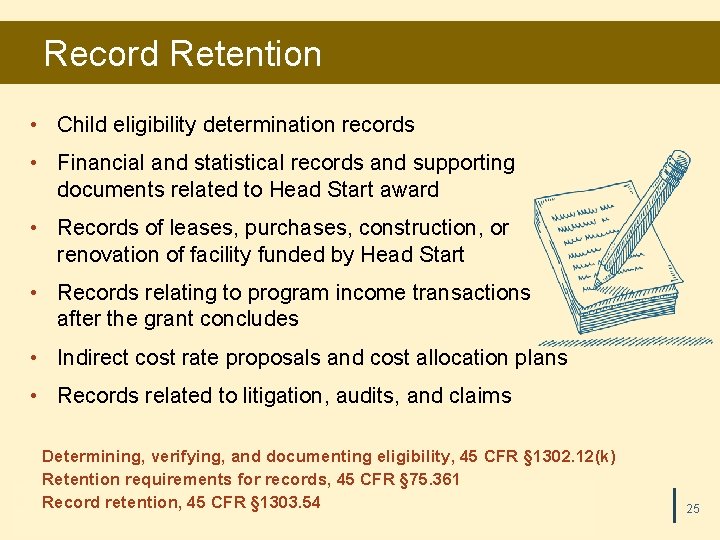
Record Retention • Child eligibility determination records • Financial and statistical records and supporting documents related to Head Start award • Records of leases, purchases, construction, or renovation of facility funded by Head Start • Records relating to program income transactions after the grant concludes • Indirect cost rate proposals and cost allocation plans • Records related to litigation, audits, and claims 1. Determining, verifying, and documenting eligibility, 45 CFR § 1302. 12(k) 2. Retention requirements for records, 45 CFR § 75. 361 3. Record retention, 45 CFR § 1303. 54 25
The Responsible Life Cycle of Data
The Leader's Role • Supervise recordkeeping and reporting activities • Communicate the importance of recordkeeping and reporting to staff • Ensure staff are trained to manage data through its life cycle • Use data generated from the records to craft and share compelling messages 27
Break
Presentation of Visual Program Models My program's recordkeeping and reporting system
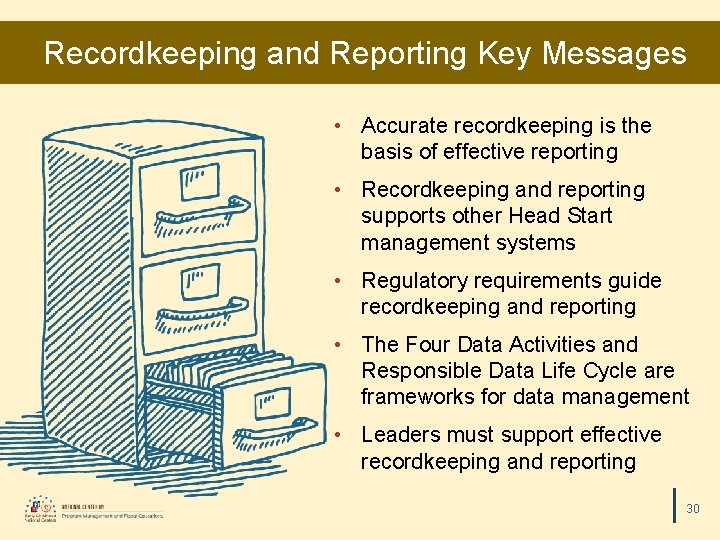
Recordkeeping and Reporting Key Messages • Accurate recordkeeping is the basis of effective reporting • Recordkeeping and reporting supports other Head Start management systems • Regulatory requirements guide recordkeeping and reporting • The Four Data Activities and Responsible Data Life Cycle are frameworks for data management • Leaders must support effective recordkeeping and reporting 30
Closing Reflections What have I learned? What will I do with what I've learned? What excites or concerns me about what I learned? Adapted from Professional Development Guides for Implementing PFCE 31
Related ECLKC Resources About Us https: //eclkc. ohs. acf. hhs. gov/aboutus/article/office-head-start-ohs Head Start Programs https: //eclkc. ohs. acf. hhs. gov/progra ms/article/head-start-programs Head Start Act https: //eclkc. ohs. acf. hhs. gov/ policy/head-start-act 32
Contact PMFO pmfo@ecetta. info https: //eclkc. ohs. acf. hhs. gov/ncpmfo Call us: 888 -874 -5469