
Head Region Scalp and General structure Head Region
- Slides: 18
Head Region Scalp and General structure
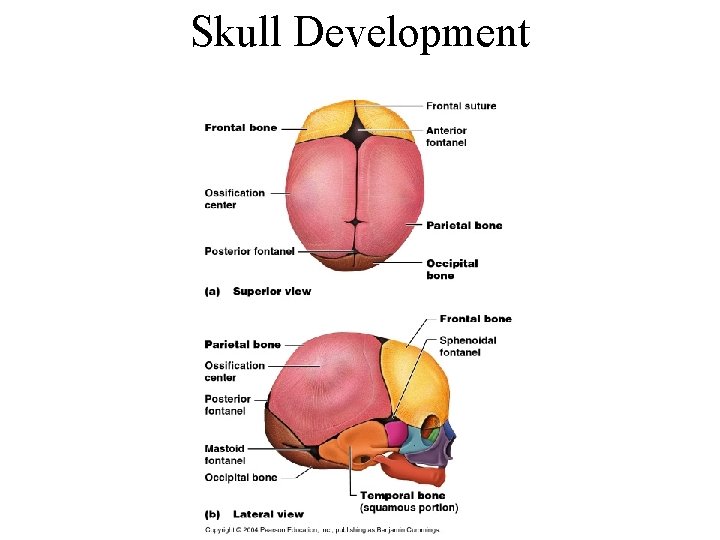
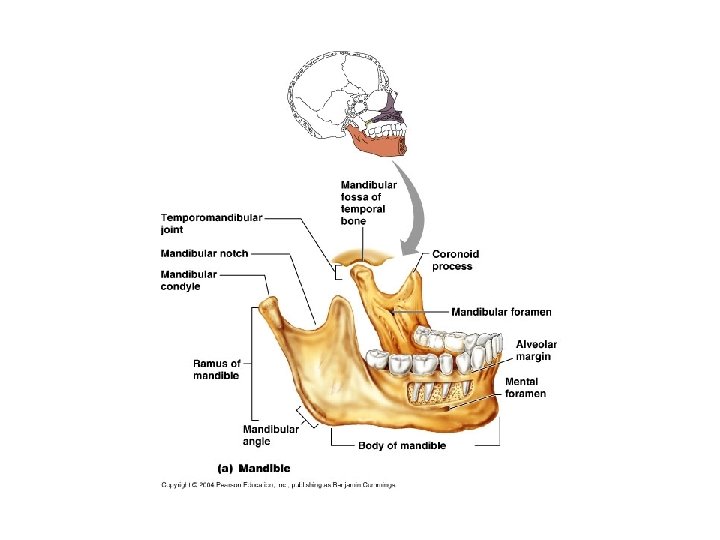
Head Region: Topic Objectives • Be able to list and identify the parts of the adult skull, fetal skull, scalp, face, and mandible. • Understand importance of “danger area” of scalp and be able to predict spread of infection from scalp to meninges • Be able to relate soft tissue structures to skeletal and surface anatomy • List and identify the functions of CN V and VII • List and identify the blood and lymph flow of the head
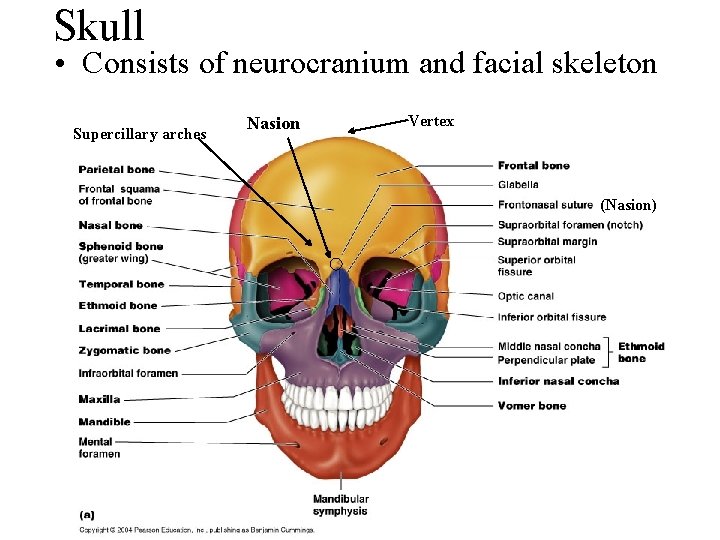
Skull • Consists of neurocranium and facial skeleton Supercillary arches Nasion Vertex (Nasion)
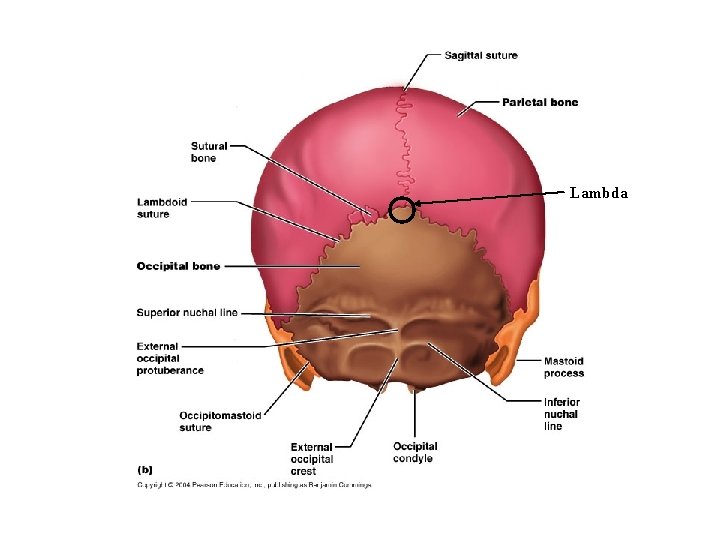
Lambda
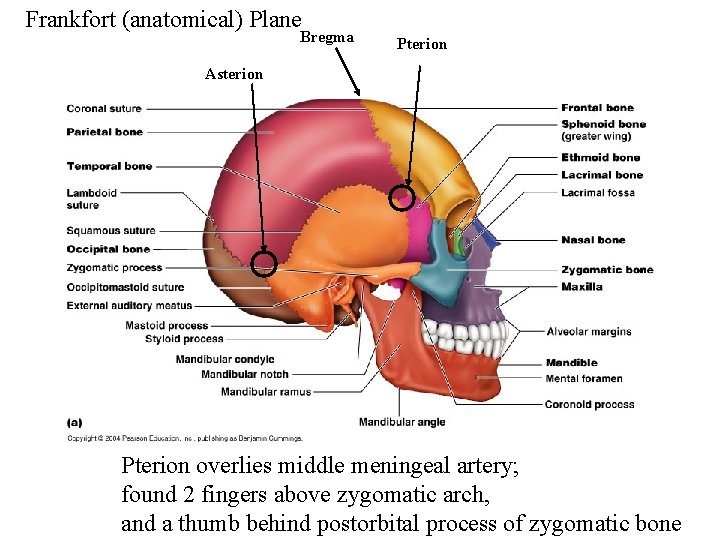
Frankfort (anatomical) Plane Bregma Pterion Asterion Pterion overlies middle meningeal artery; found 2 fingers above zygomatic arch, and a thumb behind postorbital process of zygomatic bone
Skull Development
Mandible
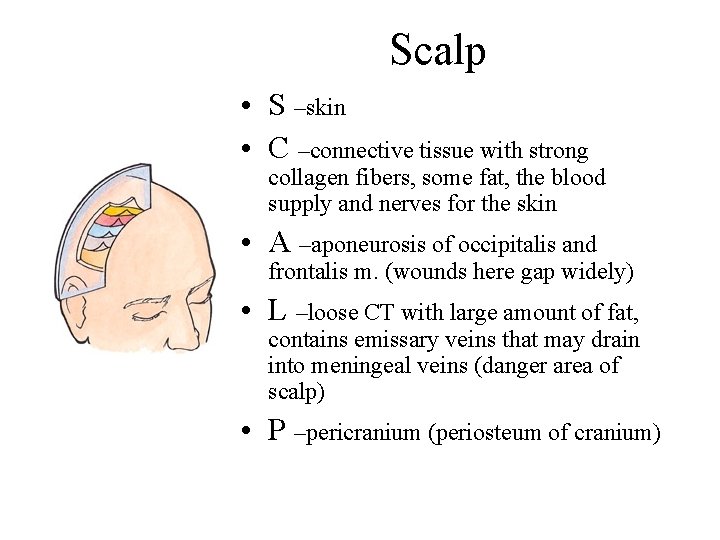
Scalp • S –skin • C –connective tissue with strong collagen fibers, some fat, the blood supply and nerves for the skin • A –aponeurosis of occipitalis and frontalis m. (wounds here gap widely) • L –loose CT with large amount of fat, contains emissary veins that may drain into meningeal veins (danger area of scalp) • P –pericranium (periosteum of cranium)
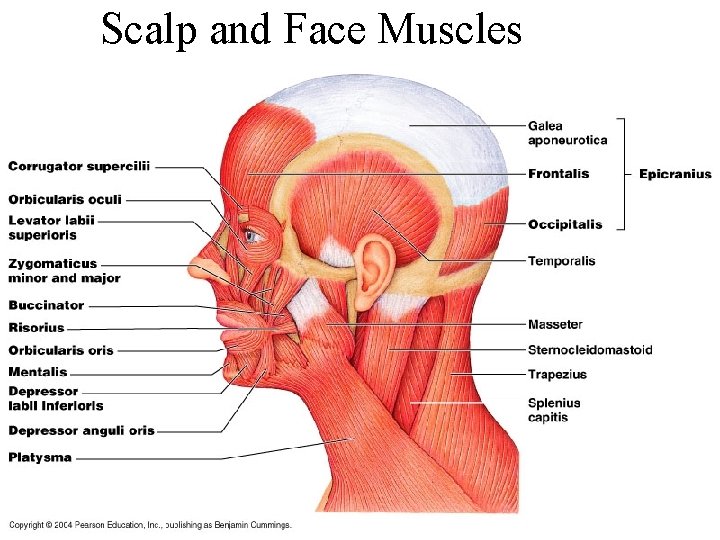
Scalp and Face Muscles
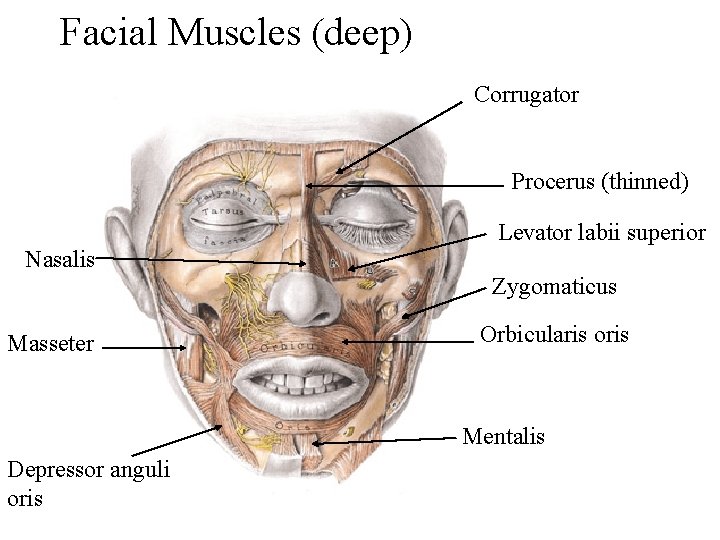
Facial Muscles (deep) Corrugator Procerus (thinned) Levator labii superior Nasalis Zygomaticus Masseter Orbicularis oris Mentalis Depressor anguli oris
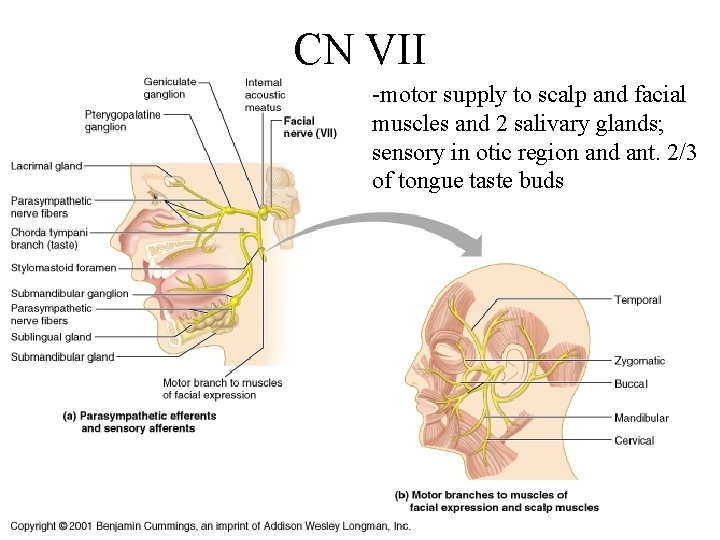
CN VII -motor supply to scalp and facial muscles and 2 salivary glands; sensory in otic region and ant. 2/3 of tongue taste buds
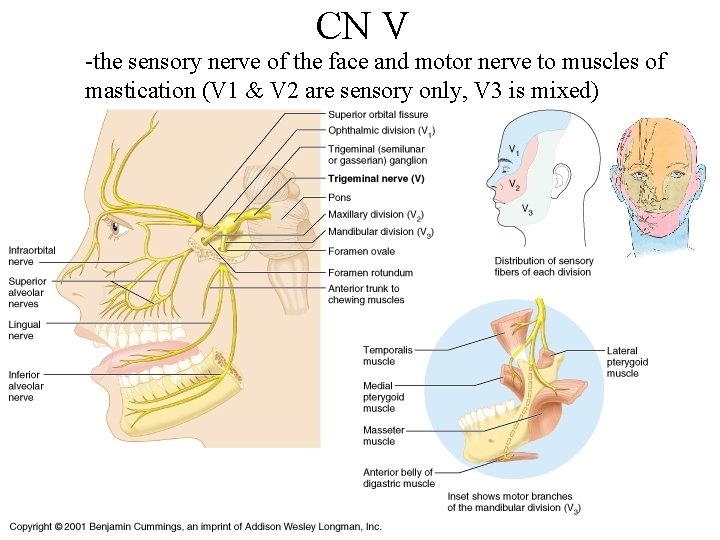
CN V -the sensory nerve of the face and motor nerve to muscles of mastication (V 1 & V 2 are sensory only, V 3 is mixed)
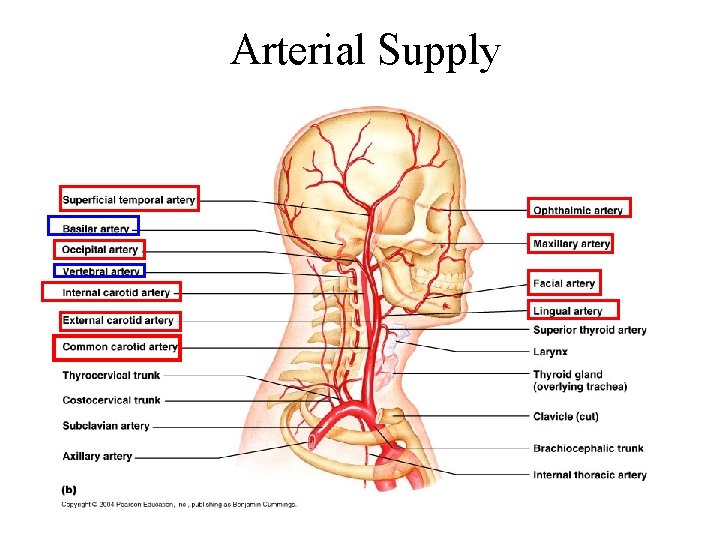
Arterial Supply
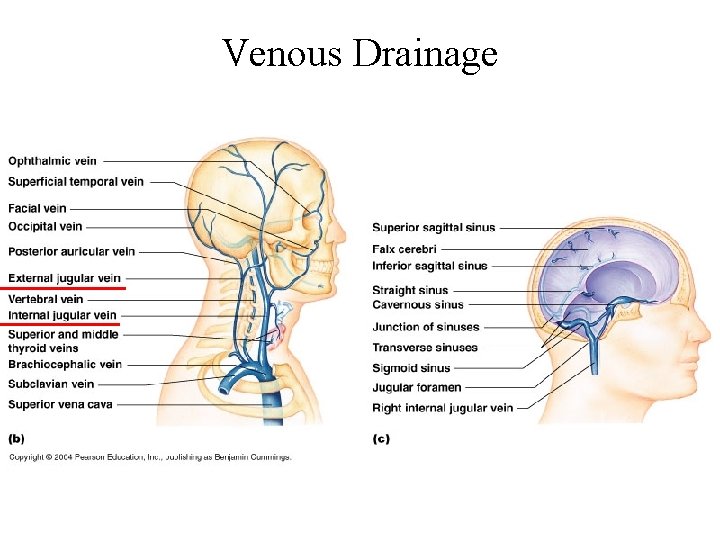
Venous Drainage
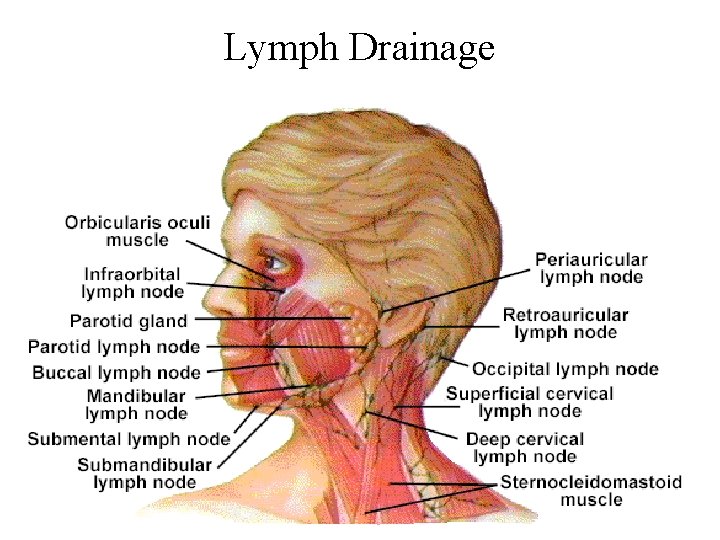
Lymph Drainage