
Head Face Ear Eye Nose Throat Cranial Skull
- Slides: 26
Head, Face, Ear, Eye, Nose, Throat
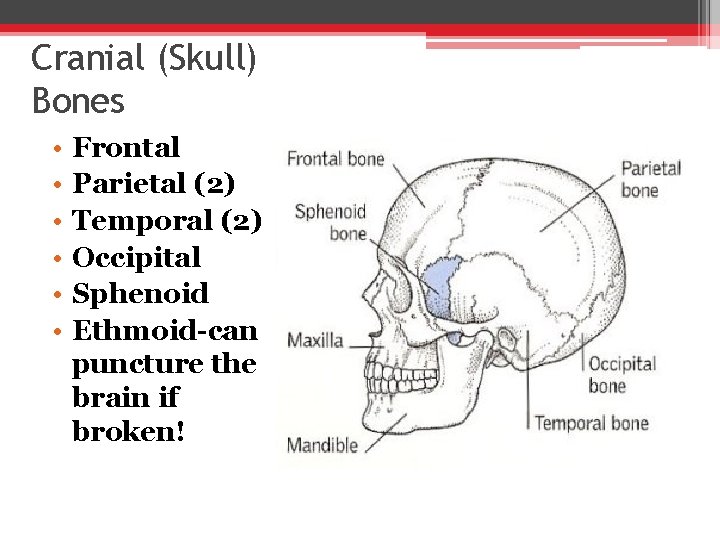
Cranial (Skull) Bones • • • Frontal Parietal (2) Temporal (2) Occipital Sphenoid Ethmoid-can puncture the brain if broken!
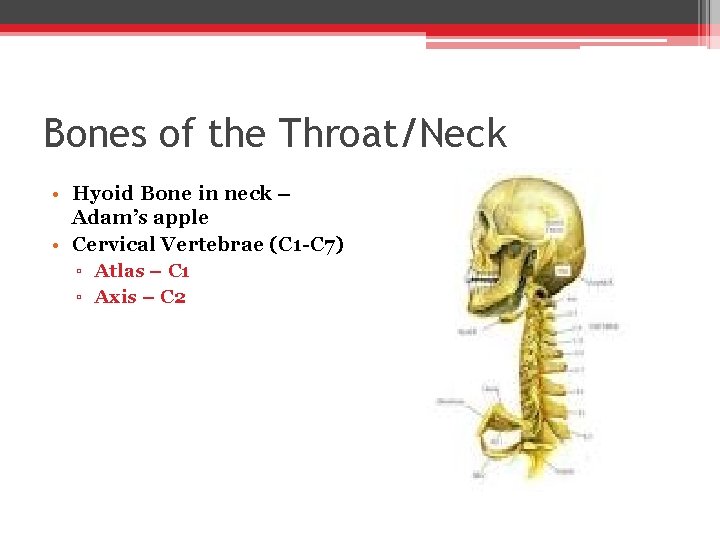
Bones of the Throat/Neck • Hyoid Bone in neck – Adam’s apple • Cervical Vertebrae (C 1 -C 7) ▫ Atlas – C 1 ▫ Axis – C 2
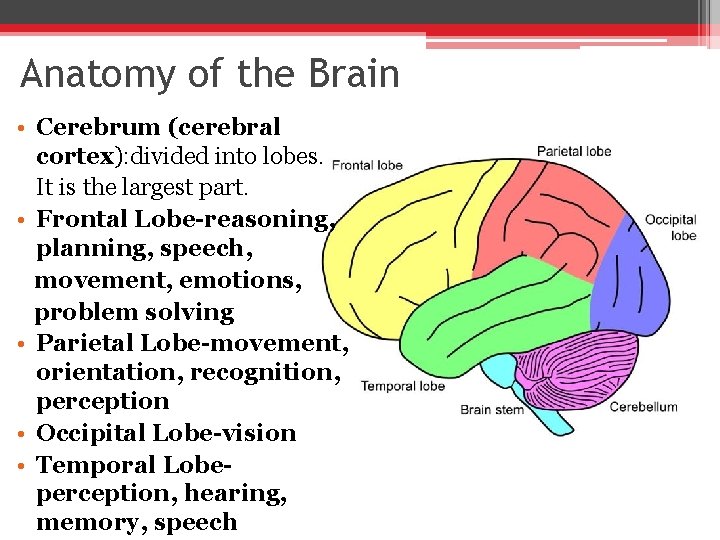
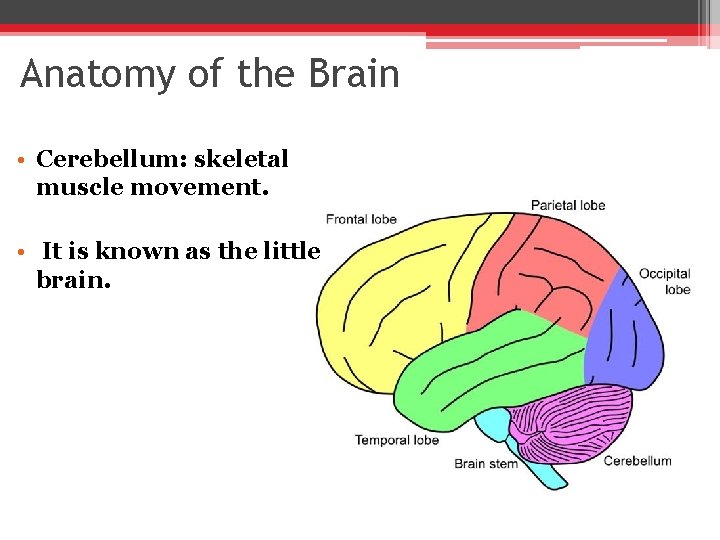
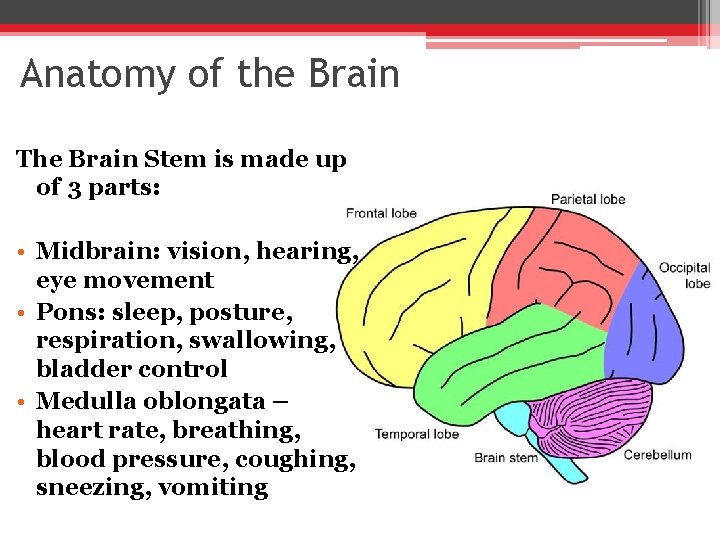
Parts of the BRAIN • Cerebrum • Cerebellum • Brain stem ▫ Medulla Oblongata ▫ Pons ▫ Midbrain
Anatomy of the Brain • Cerebrum (cerebral cortex): divided into lobes. It is the largest part. • Frontal Lobe-reasoning, planning, speech, movement, emotions, problem solving • Parietal Lobe-movement, orientation, recognition, perception • Occipital Lobe-vision • Temporal Lobeperception, hearing, memory, speech
Anatomy of the Brain • Cerebellum: skeletal muscle movement. • It is known as the little brain.
Anatomy of the Brain The Brain Stem is made up of 3 parts: • Midbrain: vision, hearing, eye movement • Pons: sleep, posture, respiration, swallowing, bladder control • Medulla oblongata – heart rate, breathing, blood pressure, coughing, sneezing, vomiting
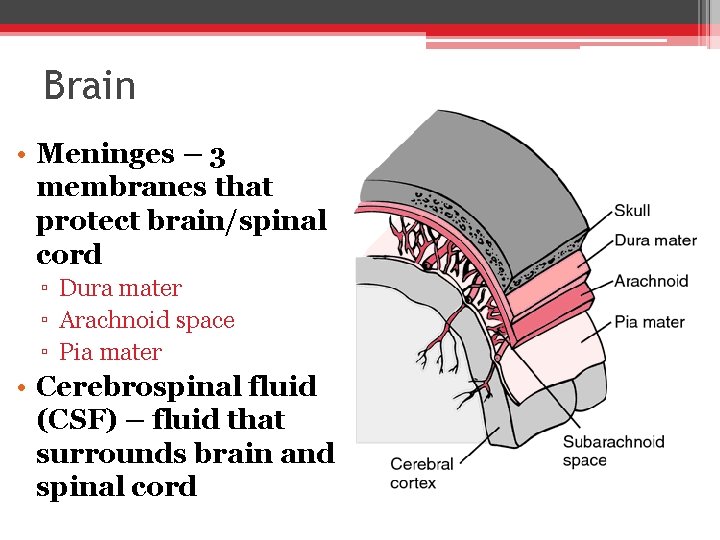
Brain • Meninges – 3 membranes that protect brain/spinal cord ▫ Dura mater ▫ Arachnoid space ▫ Pia mater • Cerebrospinal fluid (CSF) – fluid that surrounds brain and spinal cord
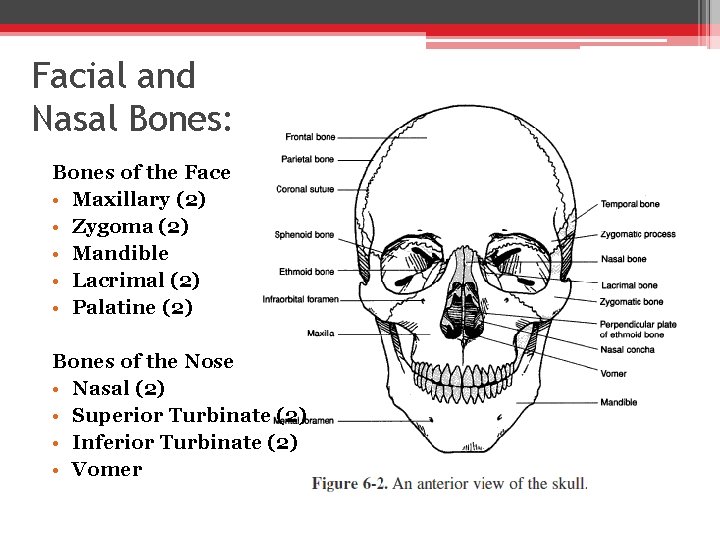
Facial and Nasal Bones: Bones of the Face • Maxillary (2) • Zygoma (2) • Mandible • Lacrimal (2) • Palatine (2) Bones of the Nose • Nasal (2) • Superior Turbinate (2) • Inferior Turbinate (2) • Vomer
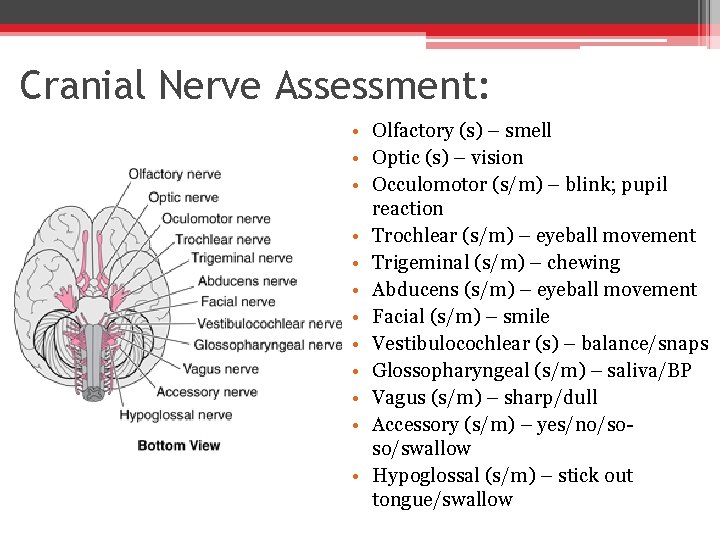
Cranial Nerve Assessment: • Olfactory (s) – smell • Optic (s) – vision • Occulomotor (s/m) – blink; pupil reaction • Trochlear (s/m) – eyeball movement • Trigeminal (s/m) – chewing • Abducens (s/m) – eyeball movement • Facial (s/m) – smile • Vestibulocochlear (s) – balance/snaps • Glossopharyngeal (s/m) – saliva/BP • Vagus (s/m) – sharp/dull • Accessory (s/m) – yes/no/soso/swallow • Hypoglossal (s/m) – stick out tongue/swallow
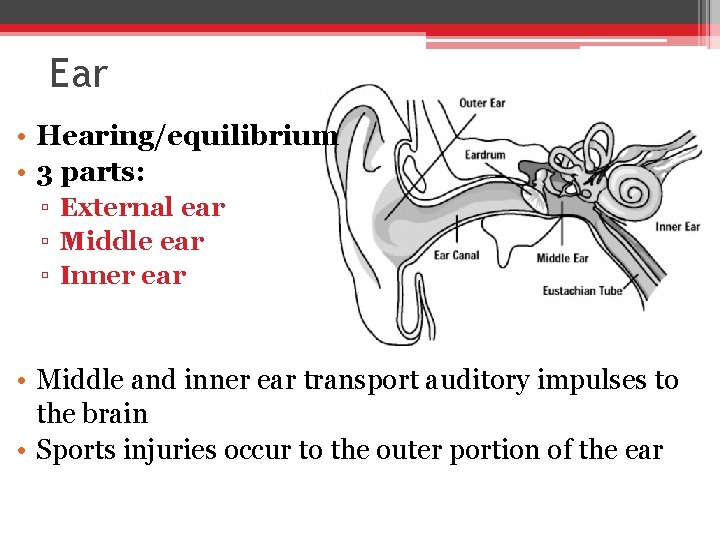
Ear • Hearing/equilibrium • 3 parts: ▫ External ear ▫ Middle ear ▫ Inner ear • Middle and inner ear transport auditory impulses to the brain • Sports injuries occur to the outer portion of the ear
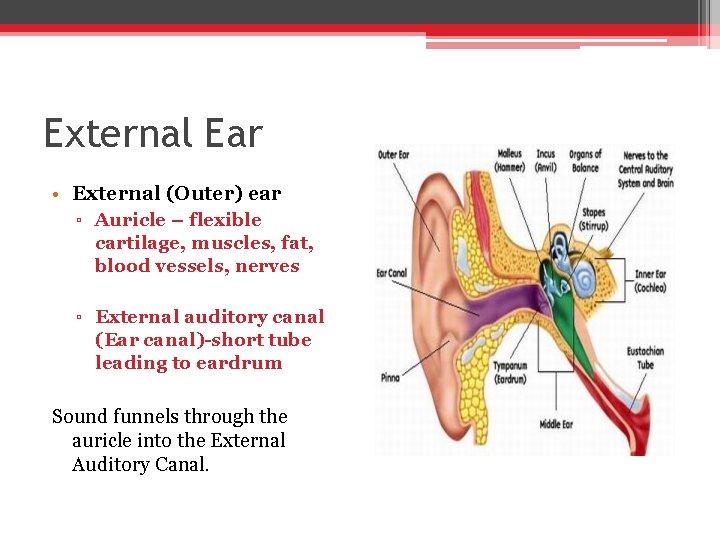
External Ear • External (Outer) ear ▫ Auricle – flexible cartilage, muscles, fat, blood vessels, nerves ▫ External auditory canal (Ear canal)-short tube leading to eardrum Sound funnels through the auricle into the External Auditory Canal.
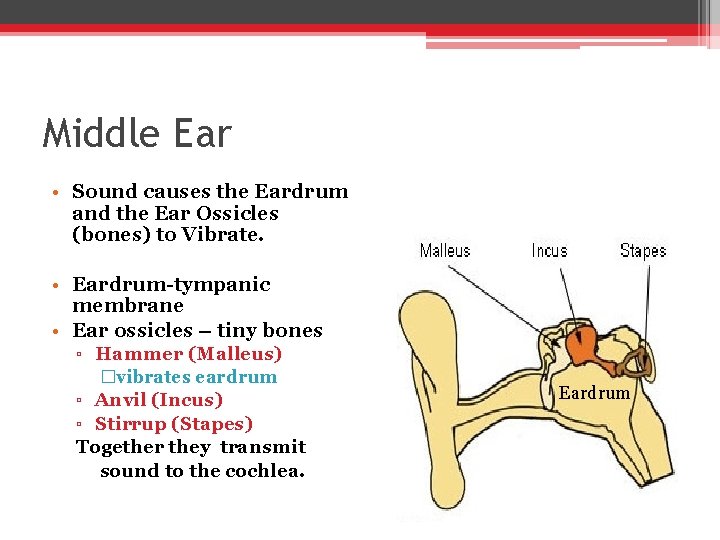
Middle Ear • Sound causes the Eardrum and the Ear Ossicles (bones) to Vibrate. • Eardrum-tympanic membrane • Ear ossicles – tiny bones ▫ Hammer (Malleus) �vibrates eardrum ▫ Anvil (Incus) ▫ Stirrup (Stapes) Together they transmit sound to the cochlea. Eardrum
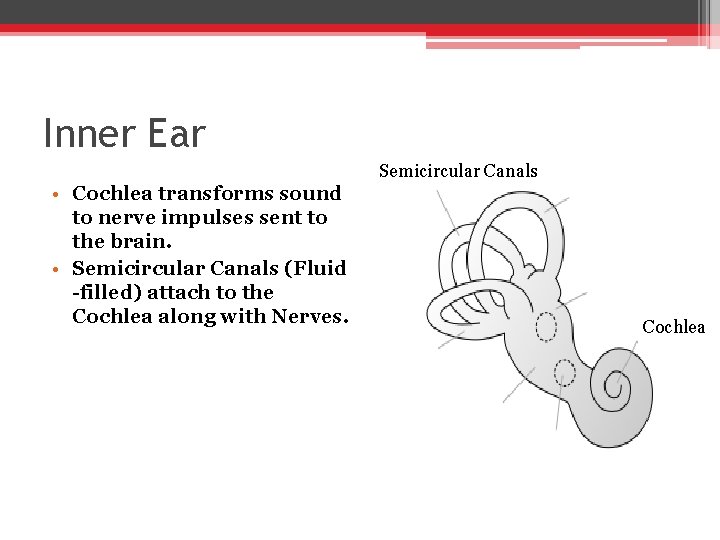
Inner Ear Semicircular Canals • Cochlea transforms sound to nerve impulses sent to the brain. • Semicircular Canals (Fluid -filled) attach to the Cochlea along with Nerves. Cochlea
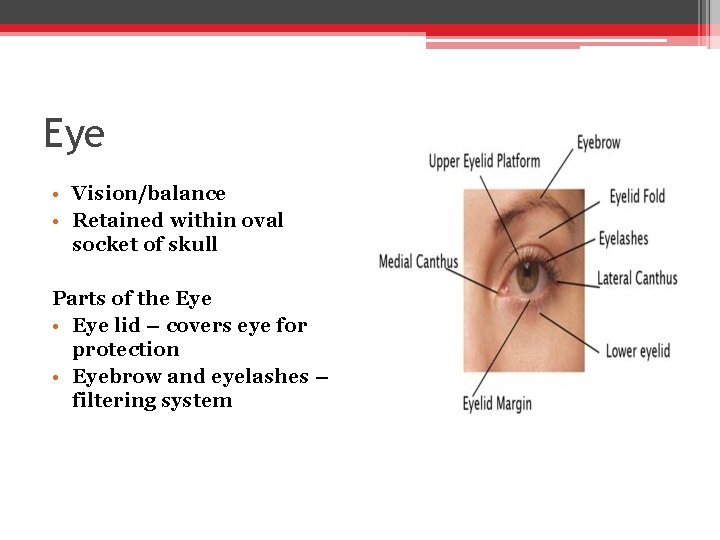
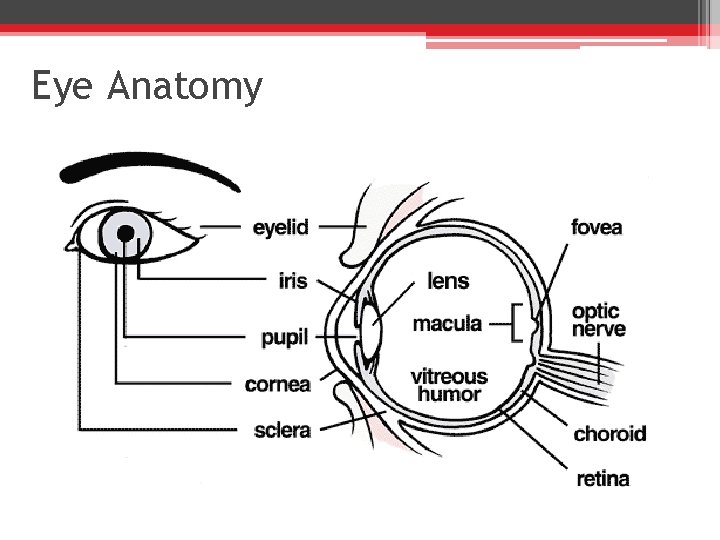
Eye • Vision/balance • Retained within oval socket of skull Parts of the Eye • Eye lid – covers eye for protection • Eyebrow and eyelashes – filtering system
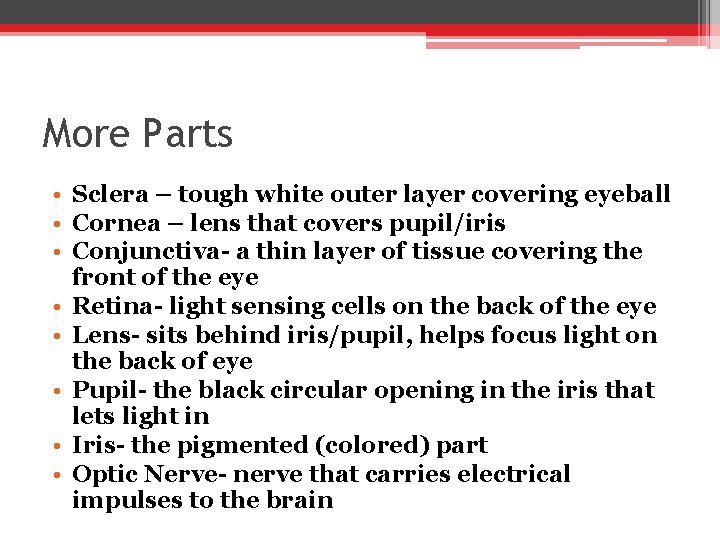
More Parts • Sclera – tough white outer layer covering eyeball • Cornea – lens that covers pupil/iris • Conjunctiva- a thin layer of tissue covering the front of the eye • Retina- light sensing cells on the back of the eye • Lens- sits behind iris/pupil, helps focus light on the back of eye • Pupil- the black circular opening in the iris that lets light in • Iris- the pigmented (colored) part • Optic Nerve- nerve that carries electrical impulses to the brain
Eye Anatomy
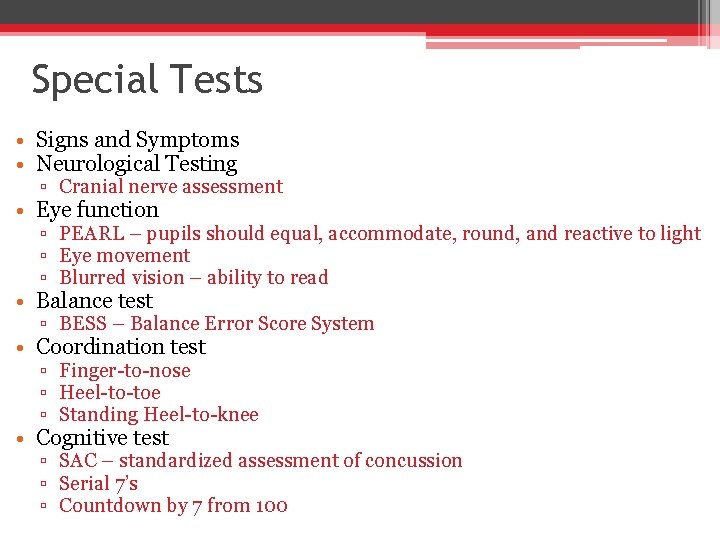
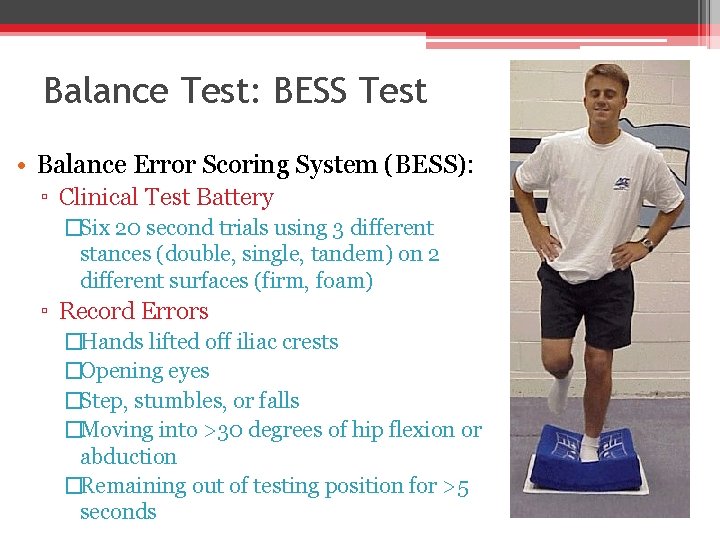
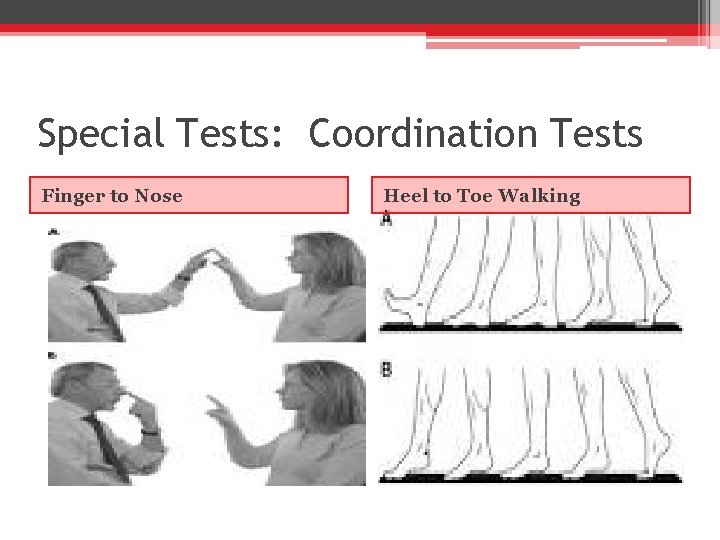
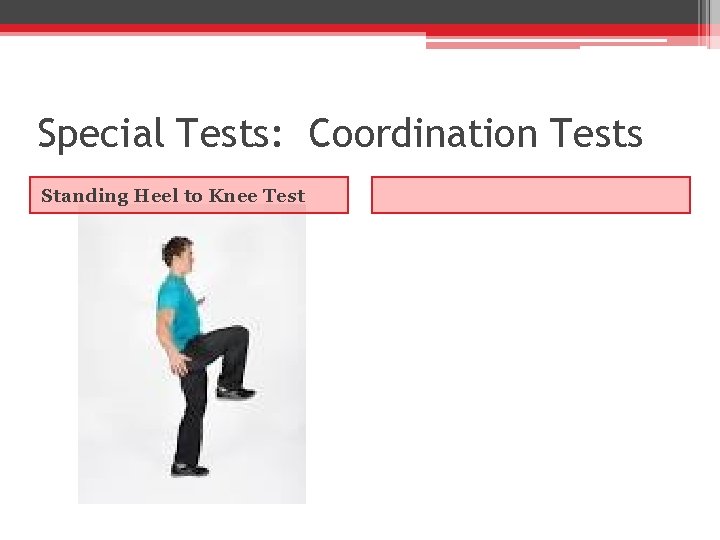
Special Tests • Signs and Symptoms • Neurological Testing ▫ Cranial nerve assessment • Eye function ▫ PEARL – pupils should equal, accommodate, round, and reactive to light ▫ Eye movement ▫ Blurred vision – ability to read • Balance test ▫ BESS – Balance Error Score System • Coordination test ▫ Finger-to-nose ▫ Heel-to-toe ▫ Standing Heel-to-knee • Cognitive test ▫ SAC – standardized assessment of concussion ▫ Serial 7’s ▫ Countdown by 7 from 100
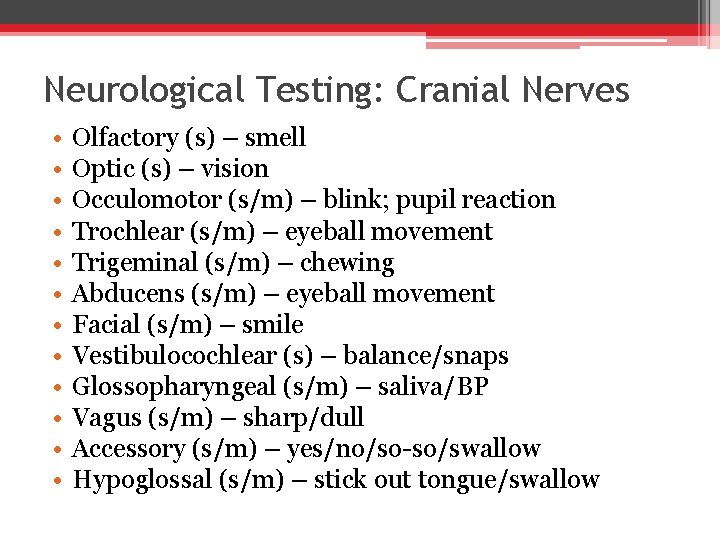
Neurological Testing: Cranial Nerves • • • Olfactory (s) – smell Optic (s) – vision Occulomotor (s/m) – blink; pupil reaction Trochlear (s/m) – eyeball movement Trigeminal (s/m) – chewing Abducens (s/m) – eyeball movement Facial (s/m) – smile Vestibulocochlear (s) – balance/snaps Glossopharyngeal (s/m) – saliva/BP Vagus (s/m) – sharp/dull Accessory (s/m) – yes/no/so-so/swallow Hypoglossal (s/m) – stick out tongue/swallow
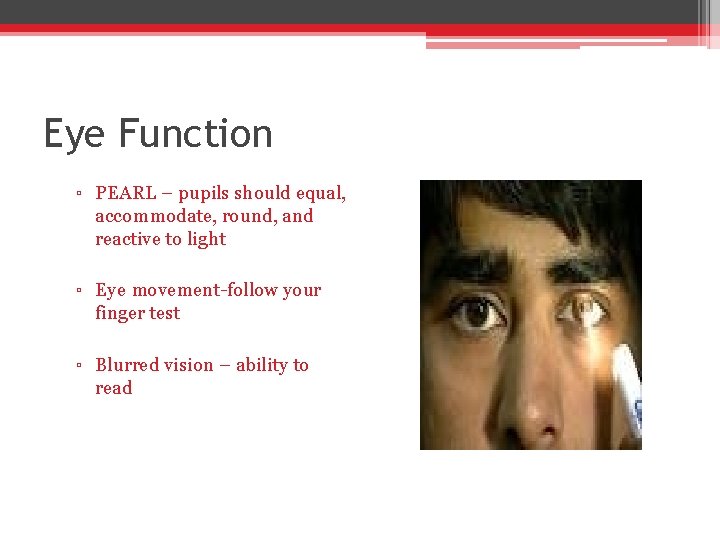
Eye Function ▫ PEARL – pupils should equal, accommodate, round, and reactive to light ▫ Eye movement-follow your finger test ▫ Blurred vision – ability to read
Balance Test: BESS Test • Balance Error Scoring System (BESS): ▫ Clinical Test Battery �Six 20 second trials using 3 different stances (double, single, tandem) on 2 different surfaces (firm, foam) ▫ Record Errors �Hands lifted off iliac crests �Opening eyes �Step, stumbles, or falls �Moving into >30 degrees of hip flexion or abduction �Remaining out of testing position for >5 seconds
Special Tests: Cognitive Tests SAC Test Reverse Thinking Activities • http: //www. mc. edu/faculty/fil es/2113/3364/5950/Concussio n_Standardized_SAC_Concus sion_form_b. pdf • Serial 7 s ▫ Count backwards from 100 by 7 • Months in Reverse Order • ABCs in Reverse Order
Special Tests: Coordination Tests Finger to Nose Heel to Toe Walking
Special Tests: Coordination Tests Standing Heel to Knee Test
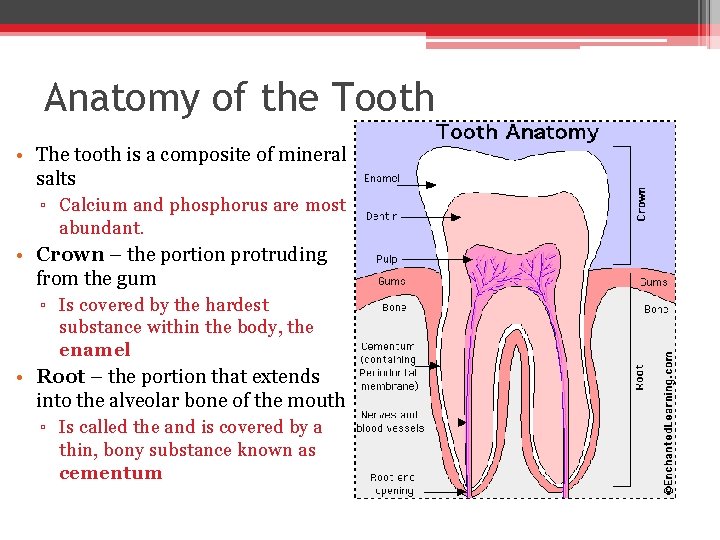
Anatomy of the Tooth • The tooth is a composite of mineral salts ▫ Calcium and phosphorus are most abundant. • Crown – the portion protruding from the gum ▫ Is covered by the hardest substance within the body, the enamel • Root – the portion that extends into the alveolar bone of the mouth ▫ Is called the and is covered by a thin, bony substance known as cementum
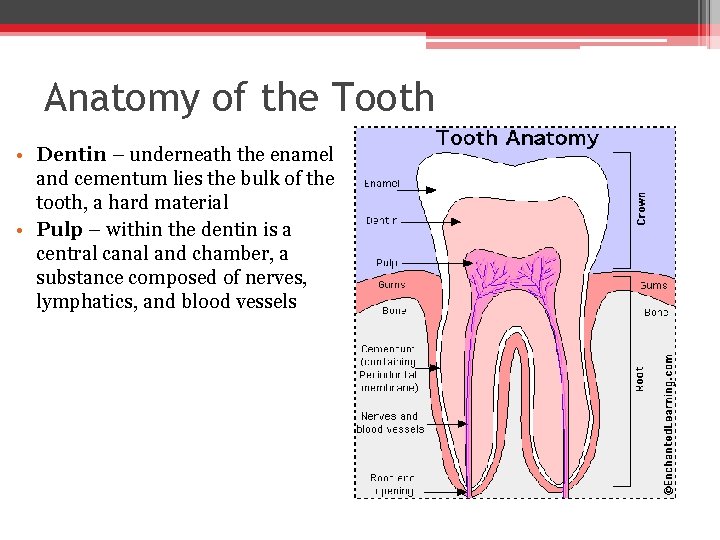
Anatomy of the Tooth • Dentin – underneath the enamel and cementum lies the bulk of the tooth, a hard material • Pulp – within the dentin is a central canal and chamber, a substance composed of nerves, lymphatics, and blood vessels