
HB 2 A 1 Intro to Macromolecules Construct

HB 2. A. 1 Intro to Macromolecules Construct explanations of how the structures of lipids, proteins and nucleic acids are related to their functions in organisms.
What is Caloric Value? • Any food we eat is metabolized (digested and energy used) • The Caloric Value is the amount of energy produced (heat energy) when that food is digested. • Monomers small units of organic molecule • polymers large units of organic molecules • Monomers make polymers
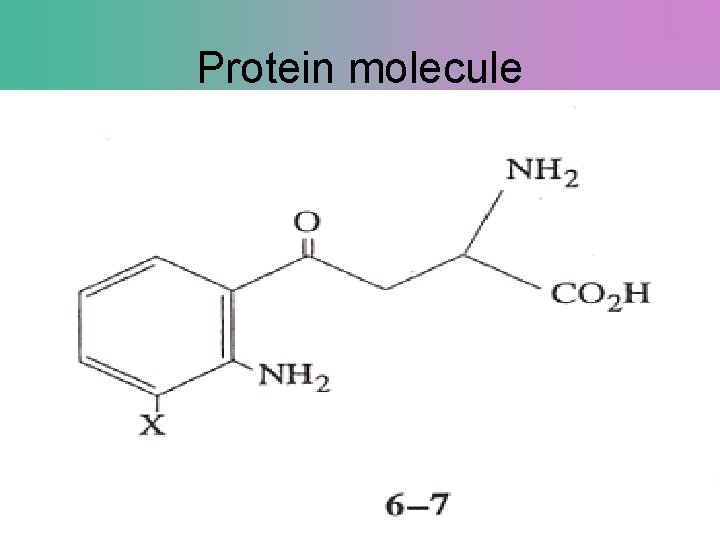
Macromolecules: Proteins • Proteins- molecules composed of chains of amino acids. – Amino acids- molecules composed of C, H, O N and sometimes S. They bond together to make proteins • There are 20 common amino acids • Bond together in various ways to make proteins • 12 of these are made in the human body; others must be consumed in foods such as nuts, beans, or meat. • Proteins are mainly for building blocks, amino acids may be used for a source of energy. • Proteins have the same caloric value per gram as carbohydrates.
Macromolecules: Carbohydrates • Also known as sugars and starches • Carbohydrates- made of C, H, and O in a 1: 2: 1 ratio. There are simple and complex forms – Simple sugars or carbohydrates aka monosaccharides (i. e. glucose) can bond together to make complex carbohydrates aka polysaccharides (i. e. starch or cellulose) • Main source of energy for a cell • In photosynthesis by plants or other organisms carbs are synthesized, and the energy is either used or stored in cells
Macromolecules: Carbohydrates • In digestion, the bonds between polysaccharides are broken down then: – Absorbed in to the blood stream – Carried in to the cell through the cell membrane – Simple sugars used a fuel in respiration releasing energy stored in the bonds of ATP. – Caloric value depends on number of carbonhydrogen bonds – If a supply of carbs is more than needed for energy extra energy is converted to fats and stored
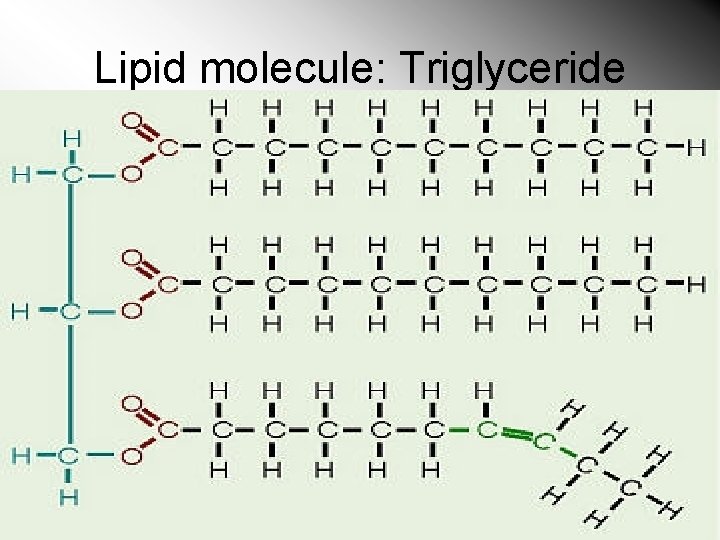
Macromolecules: Fats • Lipids- organic molecules used for storage composed of hydrogen and carbon atoms and two molecules (glycerol and fatty acids) making them different from carbs • Used for energy when no carbs are present • Broken down to glycerol and fatty acids and carried through the blood stream and move into cells using the cell membrane • Once in the cell stored for later use or used as fuel for respiration • Have the greatest caloric value due to – long chains of C and H – Contain more energy or ATP per gram

Carbohydrate molecules
Lipid molecule: Triglyceride
Protein molecule
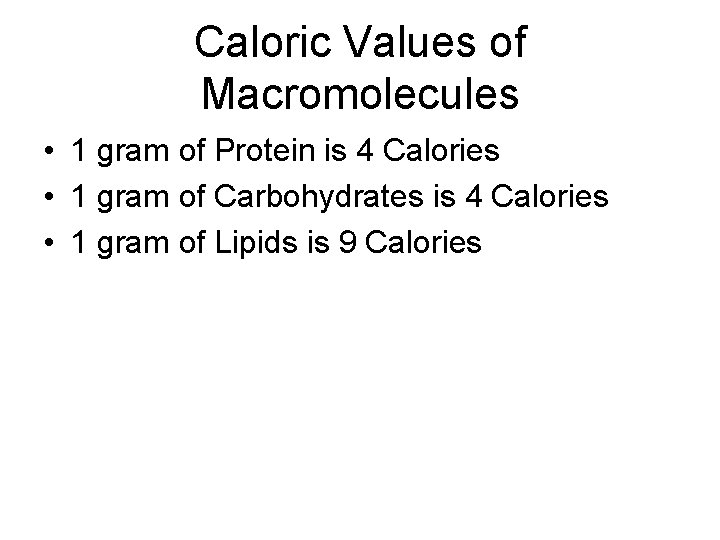
Caloric Values of Macromolecules • 1 gram of Protein is 4 Calories • 1 gram of Carbohydrates is 4 Calories • 1 gram of Lipids is 9 Calories
Comparison of Macromolecules • http: //biology. unm. edu/ccouncil/Biology_12 4/Summaries/Macromol. html
- Slides: 11