
Hartzell Composite Propellers l The information in this



- Slides: 52
Hartzell Composite Propellers l. The information in this presentation is not intended to supersede, replace, or be used in lieu of approved published documentation. 1
Composite Propeller Topics l Hartzell Composite History l General Composite Info l Composite Prop Myths 2
Composite Propeller Topics 3
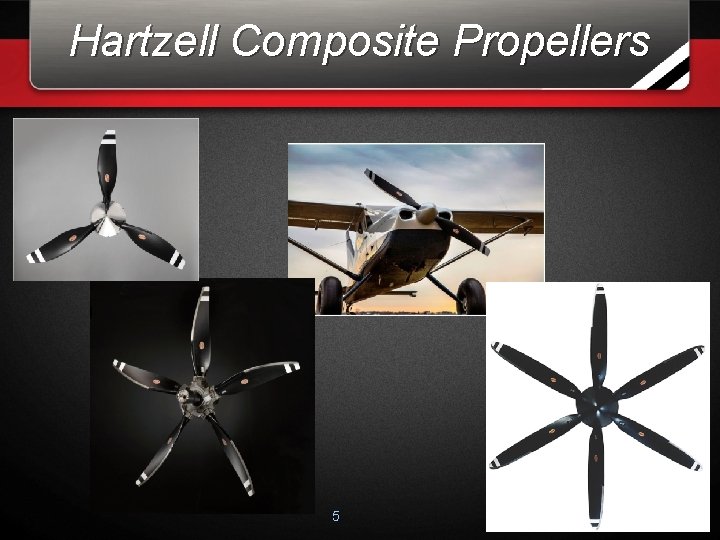
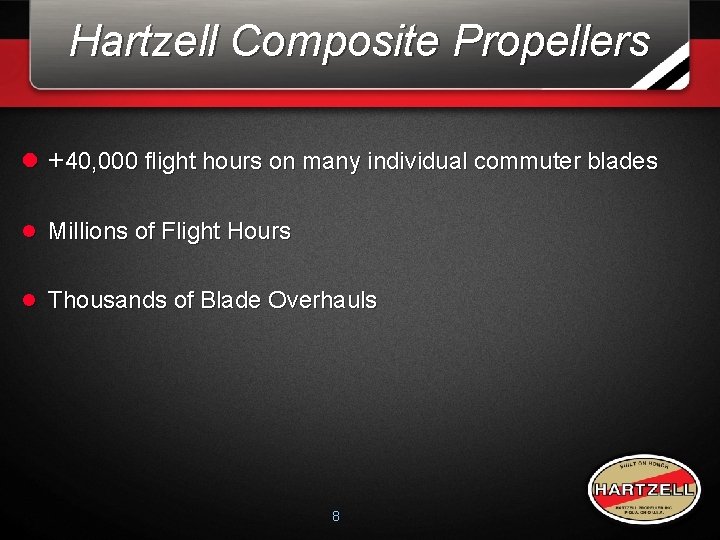
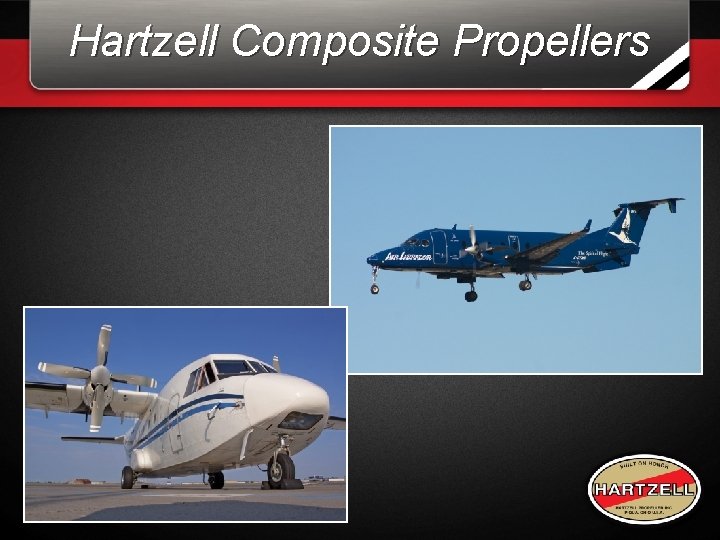
Hartzell Composite Propellers l Hartzell has manufactured composite propellers since 1978 l Over 20 aircraft applications; 80 hp to 2, 180 shp 4
Hartzell Composite Propellers 5
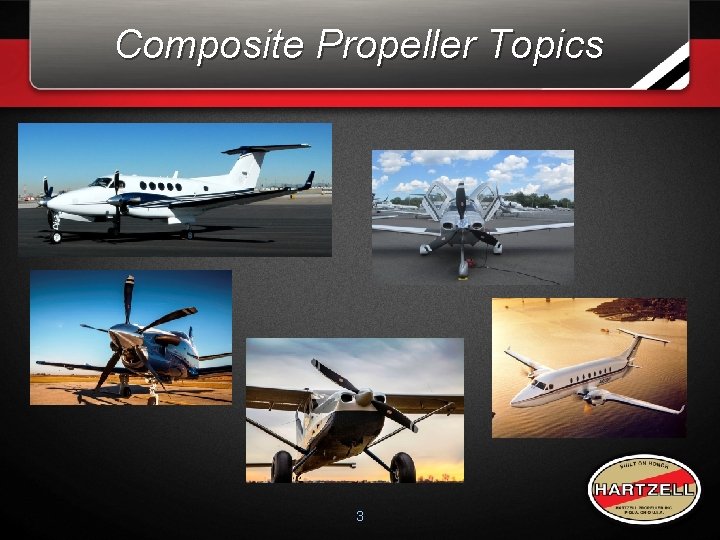
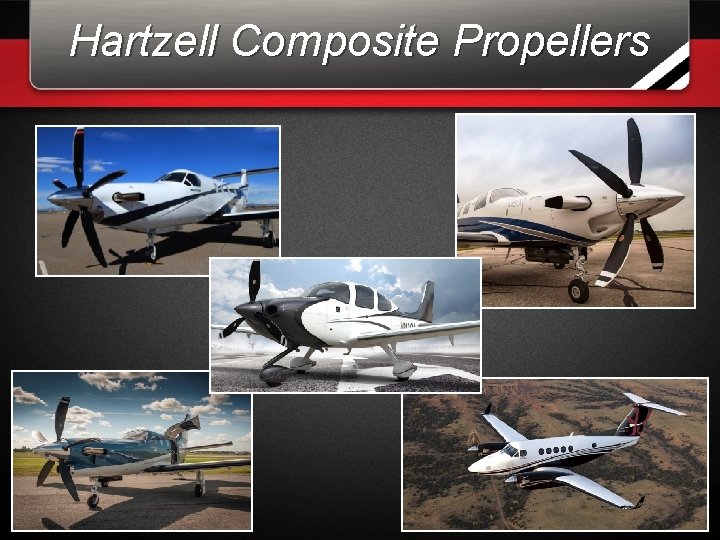
Hartzell Composite Propellers • Introduced resin transfer molding technology in 2006 (Next Generation ASC-II composite) • Now on many piston and turboprop applications, including Cirrus SR 22, Pilatus PC-12, Beech King Air 250, Socata TBM 900, and Piper M 500 • Over 10, 000 ASC-II blades manufactured to date
Hartzell Composite Propellers
Hartzell Composite Propellers l +40, 000 flight hours on many individual commuter blades l Millions of Flight Hours l Thousands of Blade Overhauls 8
Hartzell Composite Propellers 9
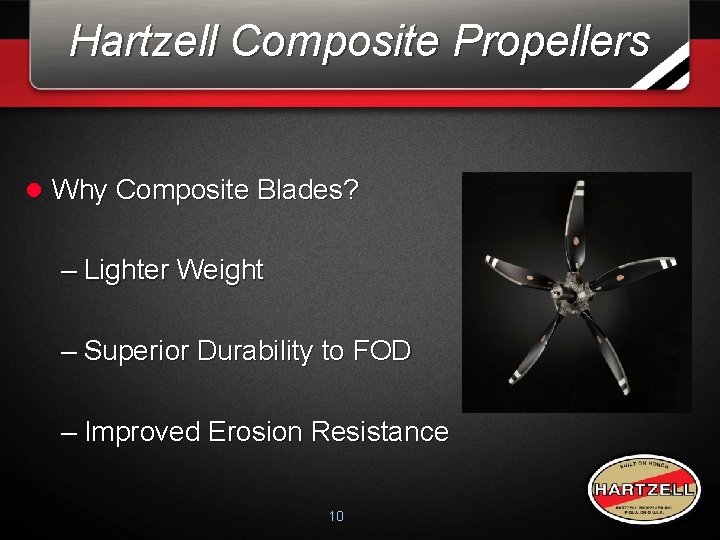
Hartzell Composite Propellers l Why Composite Blades? – Lighter Weight – Superior Durability to FOD – Improved Erosion Resistance 10
Hartzell Composite Propellers l Why Composite Blades? – Outstanding Reparability – MUCH longer Composite Blade Life Expectancy (40, 000+ hours) vs typical Aluminum Blade (8, 000 -10, 000 hours) – Greater Blade Design Flexibility 11
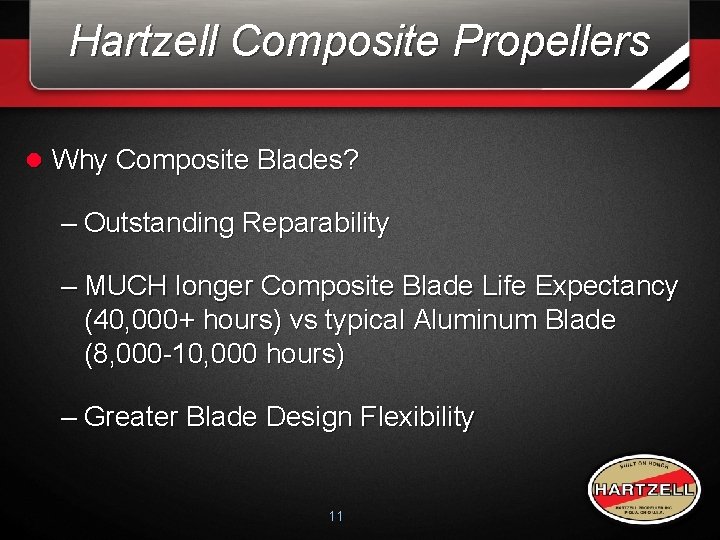
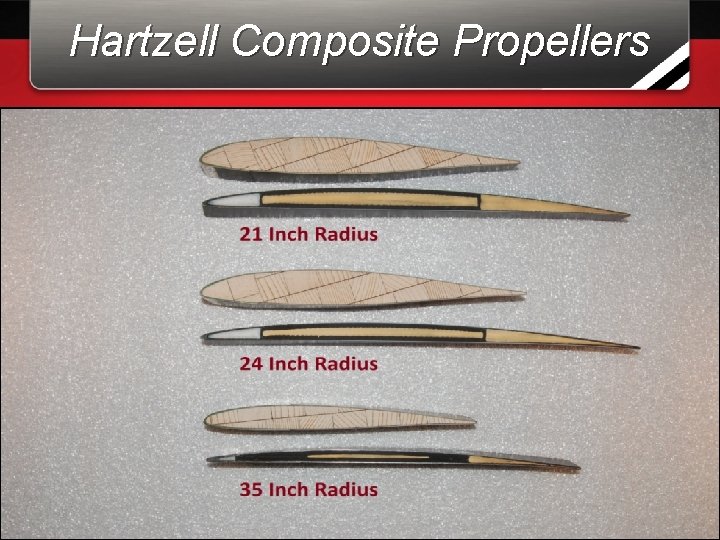
Hartzell Composite Propellers l Comparison of Hartzell ASC-II structural composite vs. wood core alternative l Carbon fiber enables wider, thinner airfoil that produces more thrust & better performance
Hartzell Composite Propellers
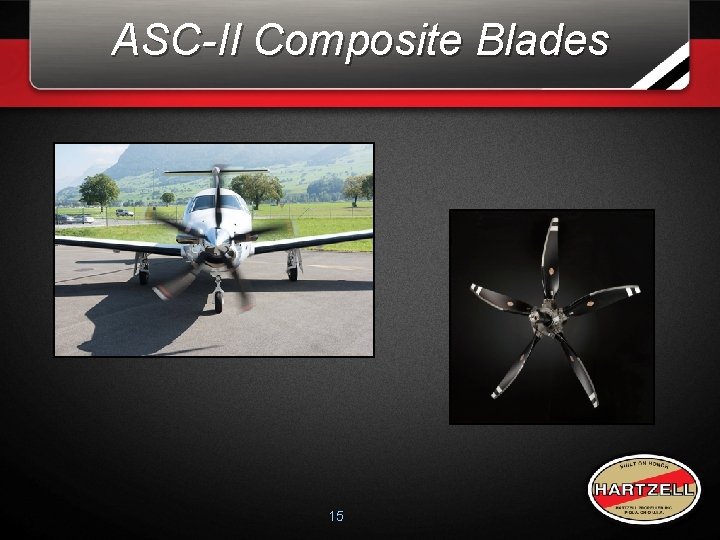
ASC-II Composite Blades l Approved on Multiple Turbine and Piston Applications l OEM Standard Equipment and STC conversions 14
ASC-II Composite Blades 15
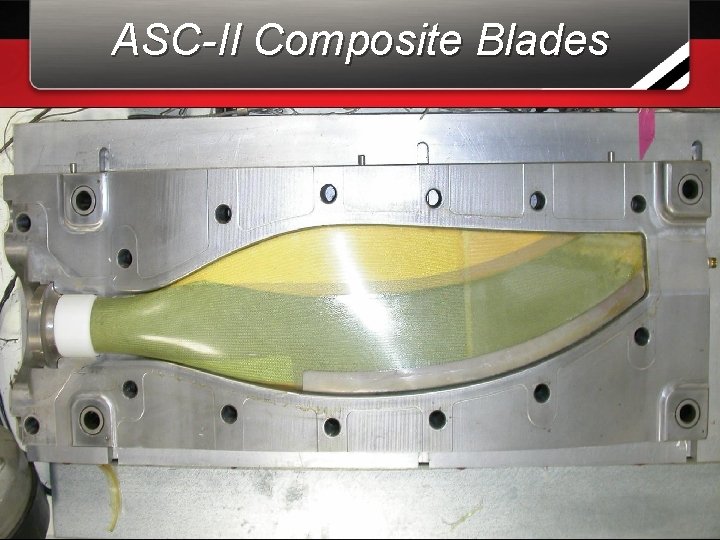
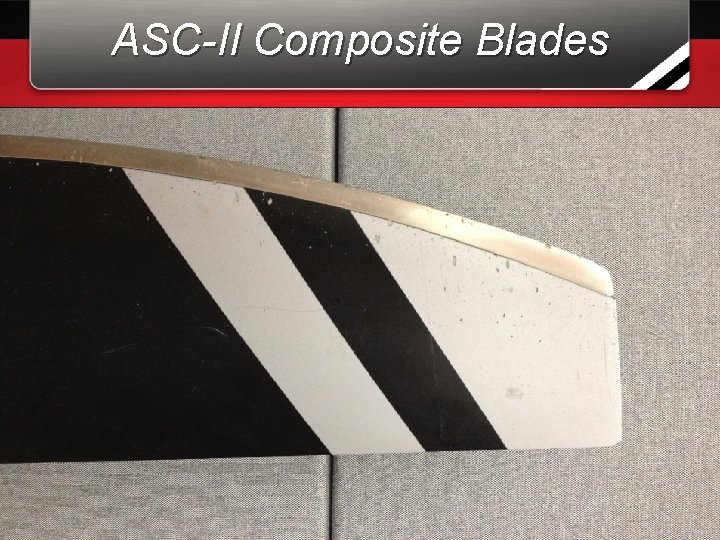
ASC-II Composite Blades l Original ASC-II Design was Hybrid Kevlar/Carbon l Next Generation resin transfer process l Used stainless steel mesh as conductive material l Co-molded nickel leading edge 16
ASC-II Composite Blades 17
ASC-II Composite Blades l Most new blade models are all-carbon design l Conductive mesh not required with carbon 18
ASC-II Composite Blades 19
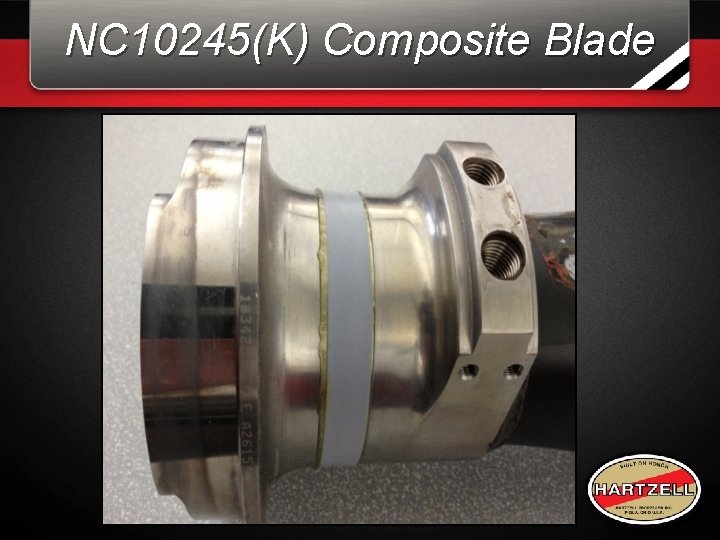
NC 10245(K) Composite Blade l Stainless steel blade retention shank l Integral counterweight boss – easier overhaul 20
NC 10245(K) Composite Blade 21
Hartzell Composite Propellers Composite Myths 22
Myth #1 Composite Blades are Fragile False Myth: l “Composite blades are fragile, and not nearly as robust as traditional aluminum blades” 23
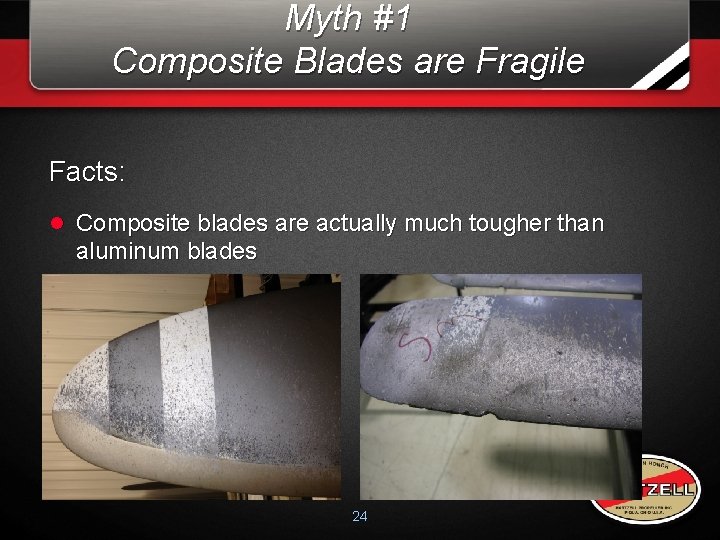
Myth #1 Composite Blades are Fragile Facts: l Composite blades are actually much tougher than aluminum blades 24
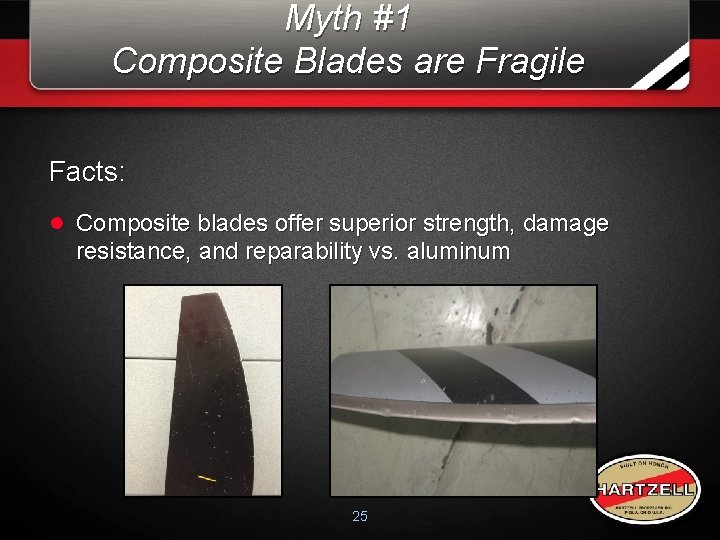
Myth #1 Composite Blades are Fragile Facts: l Composite blades offer superior strength, damage resistance, and reparability vs. aluminum 25
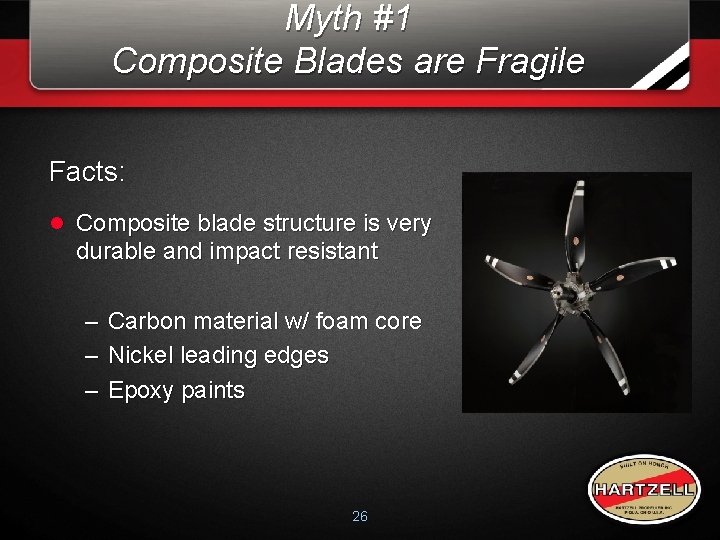
Myth #1 Composite Blades are Fragile Facts: l Composite blade structure is very durable and impact resistant – – – Carbon material w/ foam core Nickel leading edges Epoxy paints 26
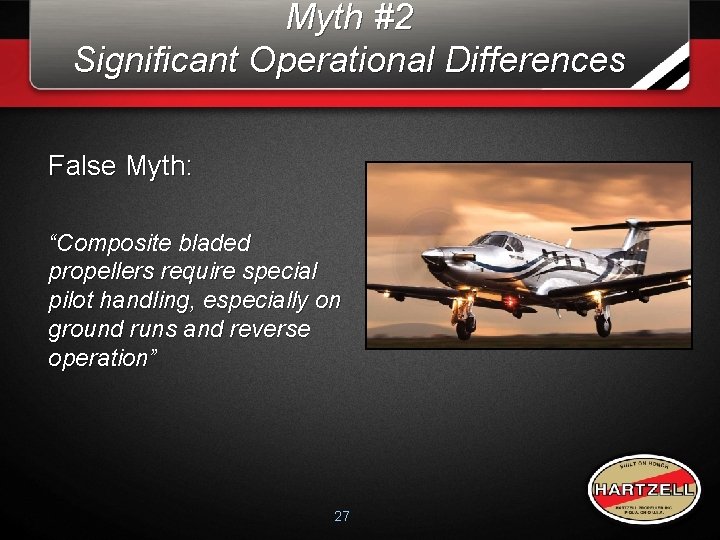
Myth #2 Significant Operational Differences False Myth: “Composite bladed propellers require special pilot handling, especially on ground runs and reverse operation” 27
Myth #2 Significant Operational Differences Fact: Reducing operations that cause unnecessary blade damage should be avoided on any propeller, composite or aluminum. However, composite bladed propellers do NOT require handling any differently than traditional aluminum blades operating in the same environment. 28
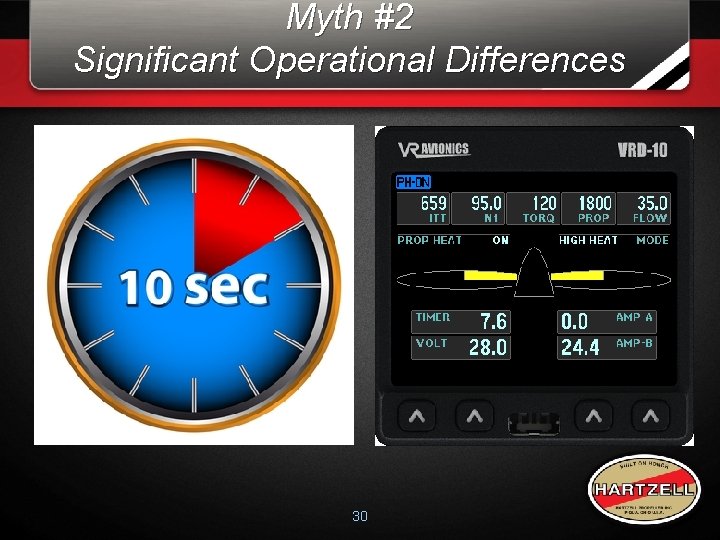
Myth #2 Significant Operational Differences Fact: On-Wing De-ice Operational Testing IS Handled Differently l On-wing de-ice testing must be performed carefully. l Composite blades are generally limited to 10 seconds of de- ice operation with engine off. l Exact limit should be defined in aircraft Flight and Maintenance Manuals 29
Myth #2 Significant Operational Differences 30
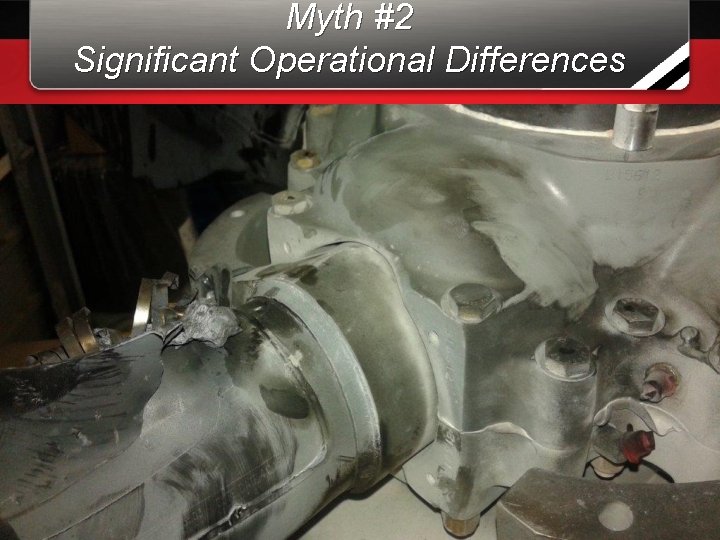
Myth #2 Significant Operational Differences Fact: On-Wing De-ice Operational Testing IS Handled Differently l Exceeding this de-ice testing limitation significantly can SEVERELY damage a composite blade l Extreme heat can result in burning, internal delamination, and blade scrappage l Severe cases have actually caused smoking/fire 31
Myth #2 Significant Operational Differences 32
Myth #3 Composite Blades Difficult to Maintain False Myth: l “Composite blades are difficult to maintain in the field, requiring special training and certifications to accomplish” 33
Myth #3 Composite Blades Difficult to Maintain Facts: l Repair categories are identical to aluminum blades: – Minor repairs are performed by a certified mechanic – Major repairs performed at a propeller shop – Factory-only repairs performed at Hartzell 34
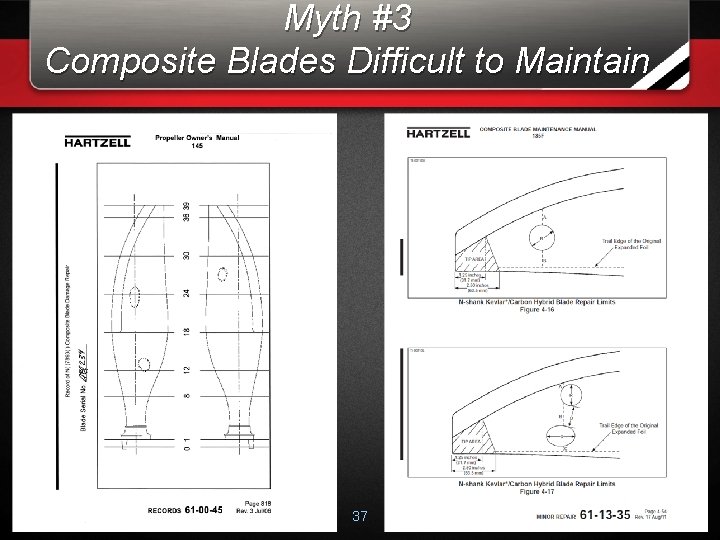
Myth #3 Composite Blades Difficult to Maintain Facts: l Minor repairs can be performed by A&P Mechanics following publically available manuals and procedures l No special certifications or training are required to perform damage evaluation and minor repairs l A large number of propeller shops are currently certified to perform major repairs on composite blades, with the number growing. 35
Myth #3 Composite Blades Difficult to Maintain Facts: l There are some repair limitations that must be considered: – Some Kevlar models have screen mesh repair limitations – Repairs should be documented in Owner’s Manual/Logbook 36
Myth #3 Composite Blades Difficult to Maintain 37
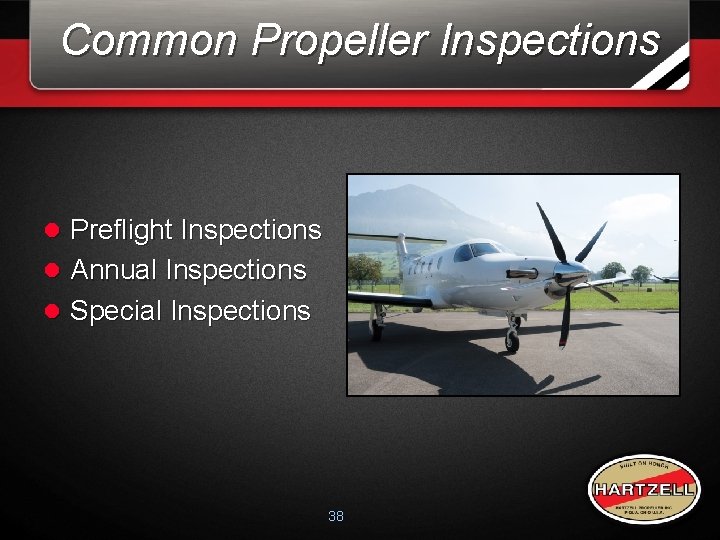
Common Propeller Inspections l Preflight Inspections l Annual Inspections l Special Inspections 38
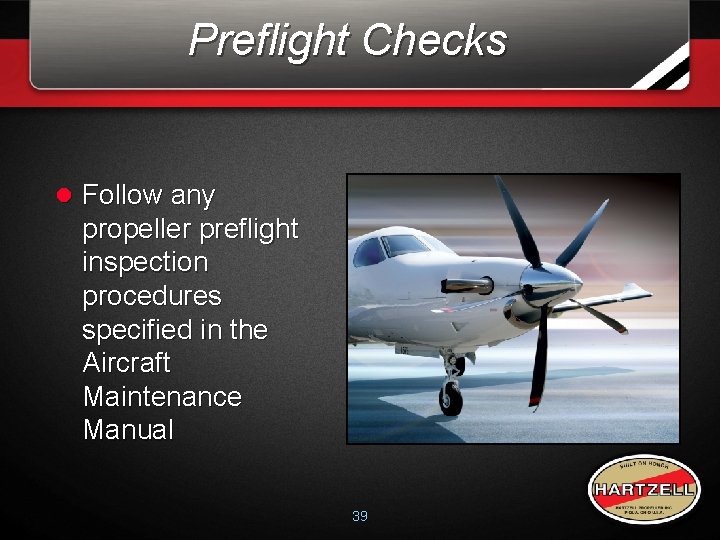
Preflight Checks l Follow any propeller preflight inspection procedures specified in the Aircraft Maintenance Manual 39
Preflight Checks l Traditional Aluminum blades: – Visually inspect lead edge, trail edge, face and camber sides for nicks, gouges, and cracks – Normal erosion (sand-blasted appearance) is acceptable, and does not require removal before flight
Preflight Checks l Traditional Aluminum blades: – Nicks and gouges must be repaired before further flight – A suspect cracked blade must NEVER be flown
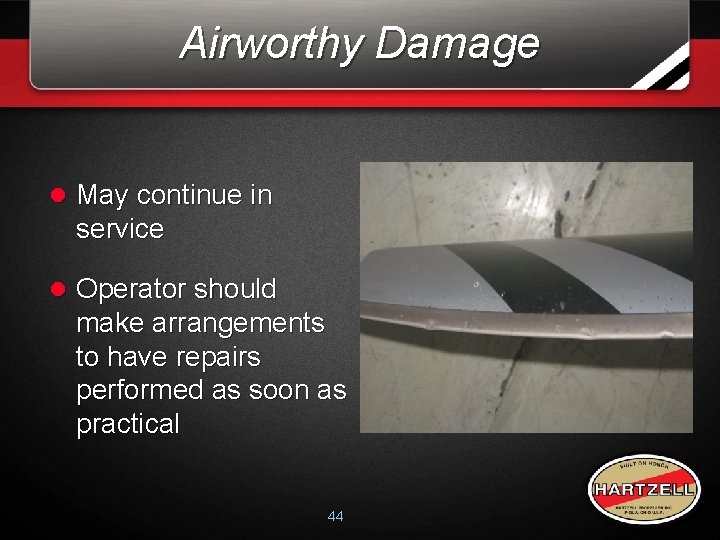
Preflight Checks l Composite blades: – Visually entire blade for nicks, gouges, loose material, cracks, and de-bonds – very similar to aluminum – Damage should be checked against Owner’s Manual 147 limits – In many cases, damage is considered minor and can be flown as “airworthy damage”
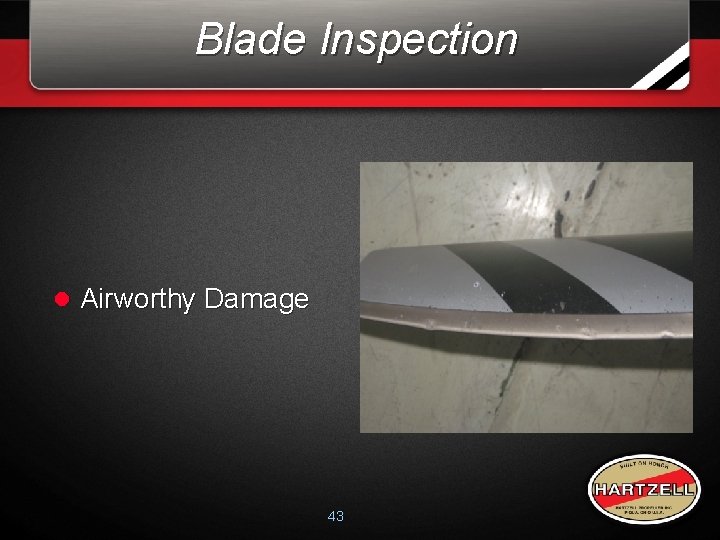
Blade Inspection l Airworthy Damage 43
Airworthy Damage l May continue in service l Operator should make arrangements to have repairs performed as soon as practical 44
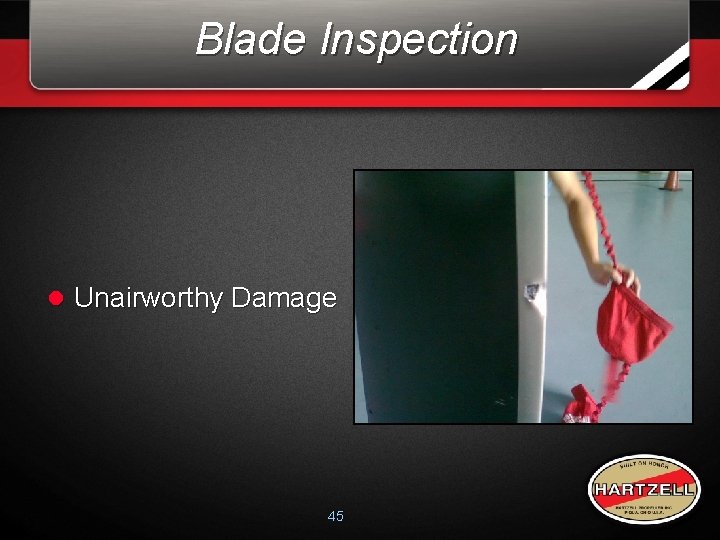
Blade Inspection l Unairworthy Damage 45
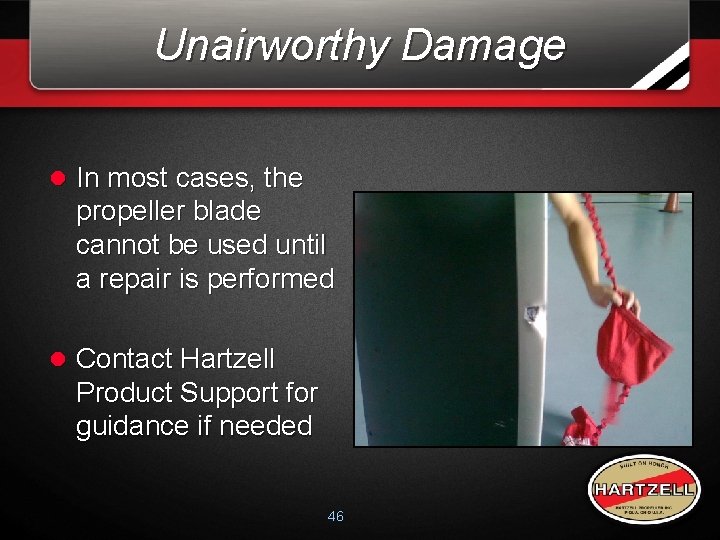
Unairworthy Damage l In most cases, the propeller blade cannot be used until a repair is performed l Contact Hartzell Product Support for guidance if needed 46
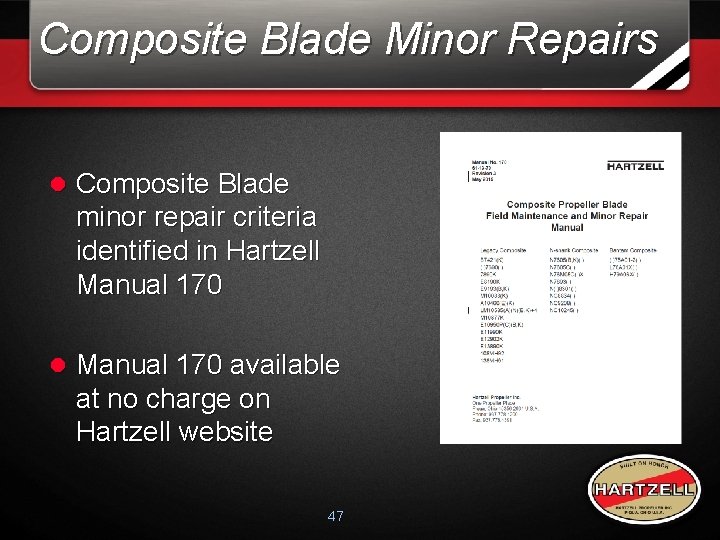
Composite Blade Minor Repairs l Composite Blade minor repair criteria identified in Hartzell Manual 170 available at no charge on Hartzell website 47
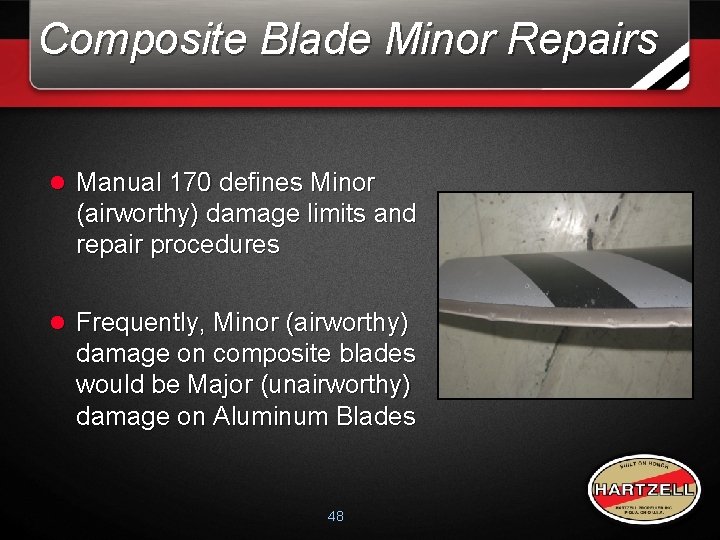
Composite Blade Minor Repairs l Manual 170 defines Minor (airworthy) damage limits and repair procedures l Frequently, Minor (airworthy) damage on composite blades would be Major (unairworthy) damage on Aluminum Blades 48
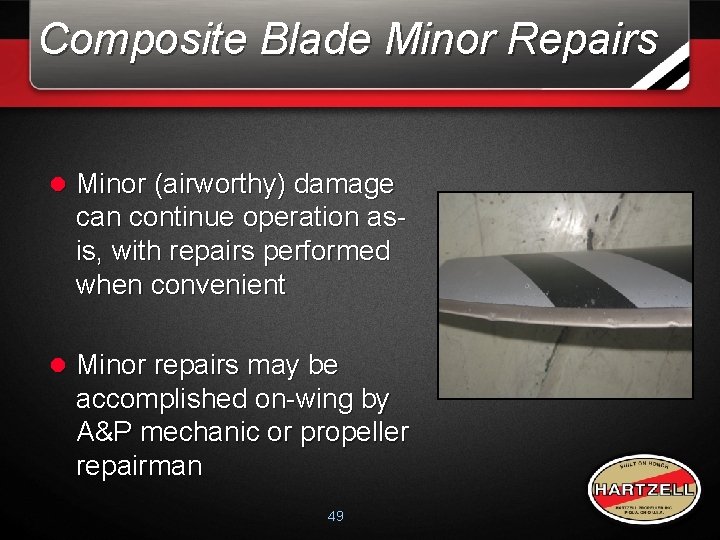
Composite Blade Minor Repairs l Minor (airworthy) damage can continue operation asis, with repairs performed when convenient l Minor repairs may be accomplished on-wing by A&P mechanic or propeller repairman 49
Composite Blade Major Repairs l Like aluminum blades, composite Major repairs must go to a certified propeller repair facility l Like aluminum blades, factory-only repairs must be returned to Hartzell 50
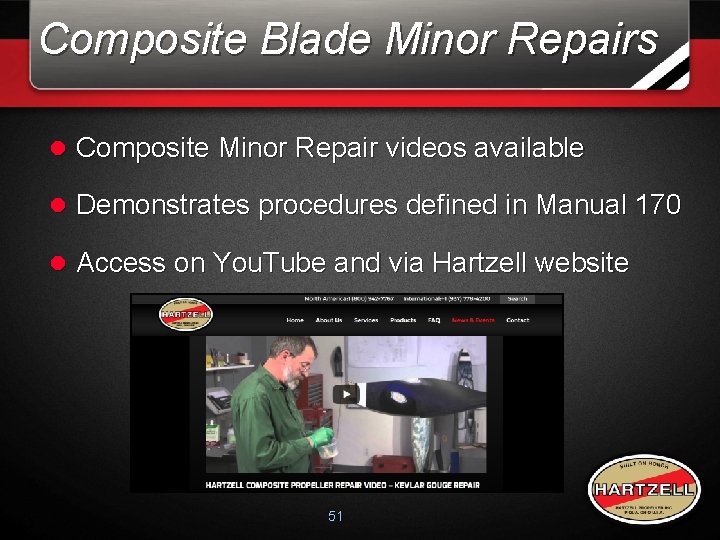
Composite Blade Minor Repairs l Composite Minor Repair videos available l Demonstrates procedures defined in Manual 170 l Access on You. Tube and via Hartzell website 51