
Harnessing for Body Powered Prostheses Ryan Spill CP
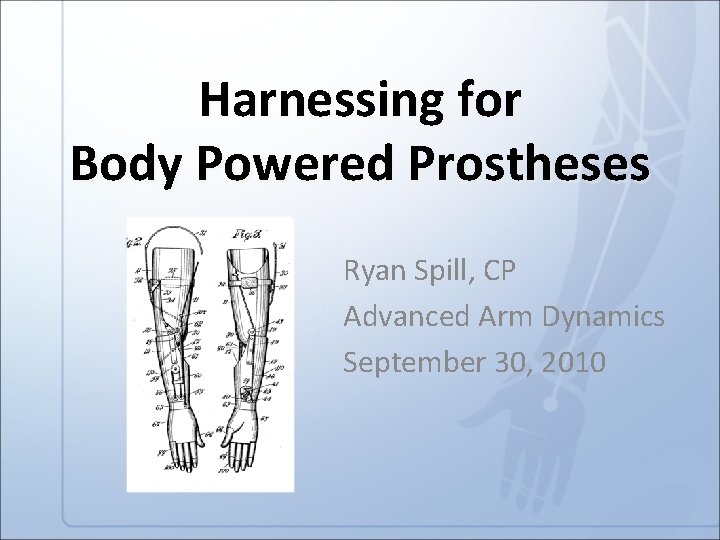
Harnessing for Body Powered Prostheses Ryan Spill, CP Advanced Arm Dynamics September 30, 2010
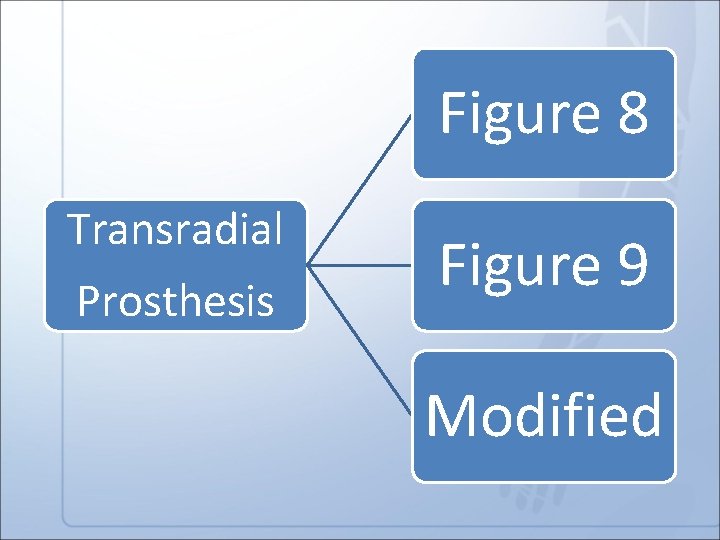
Figure 8 Transradial Prosthesis Figure 9 Modified
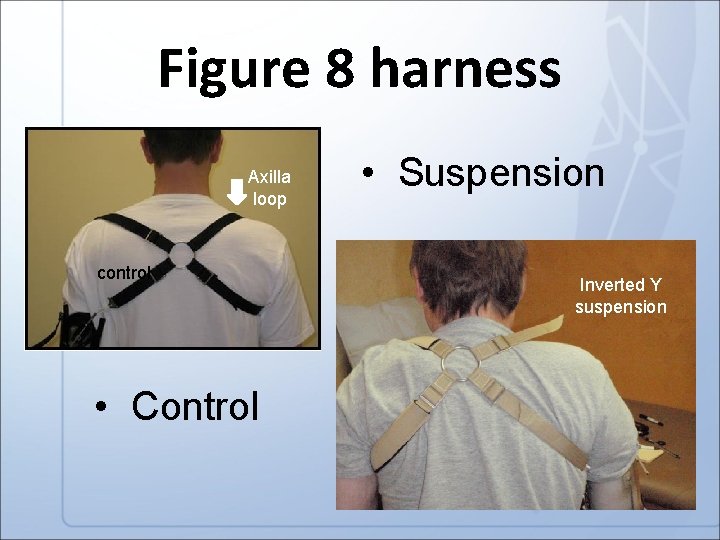
Figure 8 harness Axilla loop control • Control • Suspension Inverted Y suspension
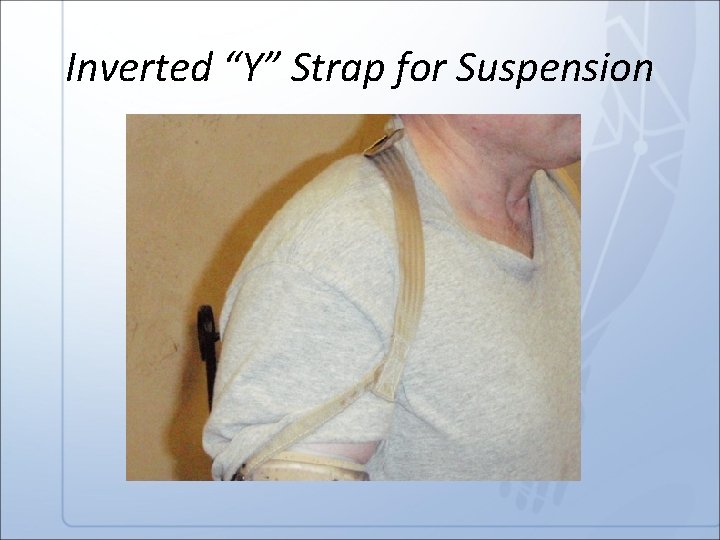
Inverted “Y” Strap for Suspension

Control Strap

Figure 9 Harness • Provides control of TD only • Alternate suspensory technique
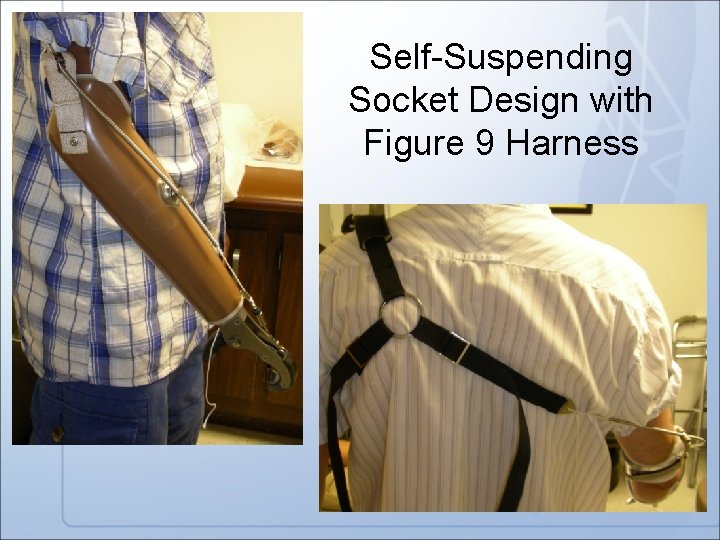
Self-Suspending Socket Design with Figure 9 Harness
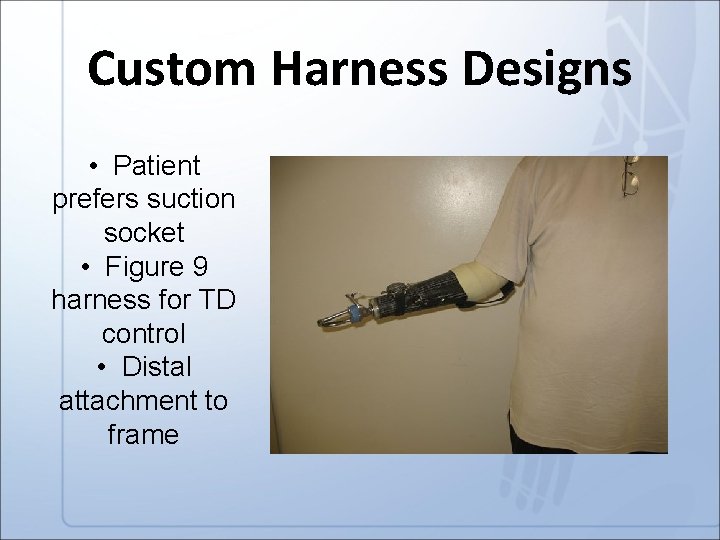
Custom Harness Designs • Patient prefers suction socket • Figure 9 harness for TD control • Distal attachment to frame

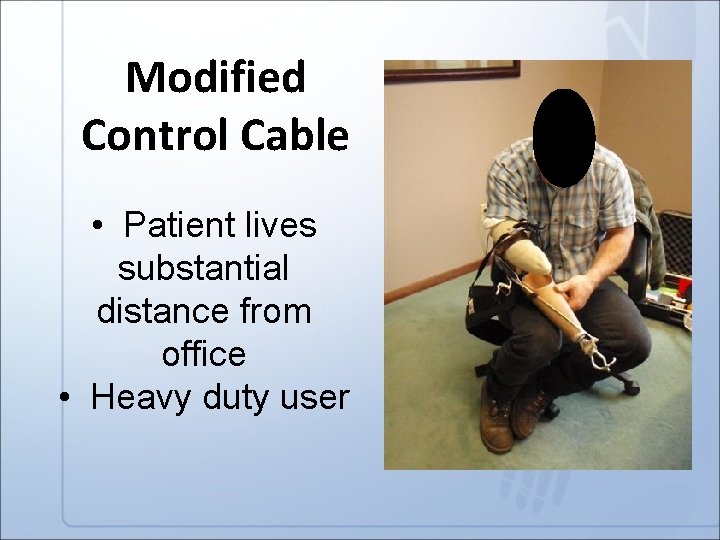
Modified Control Cable • Patient lives substantial distance from office • Heavy duty user
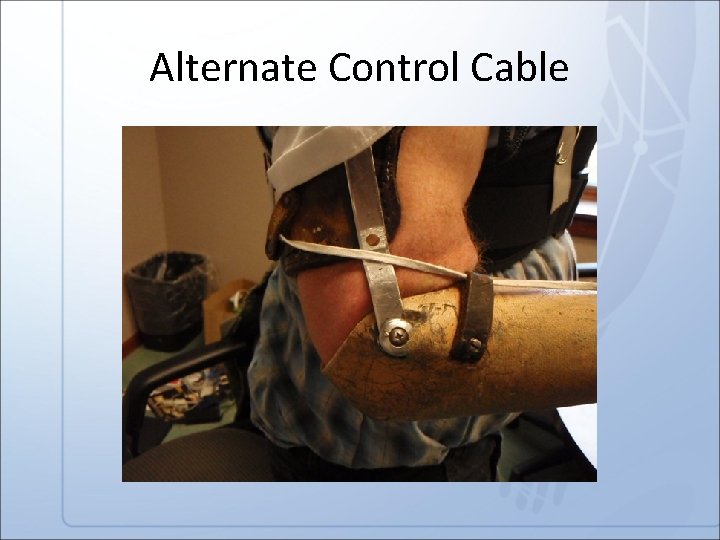
Alternate Control Cable
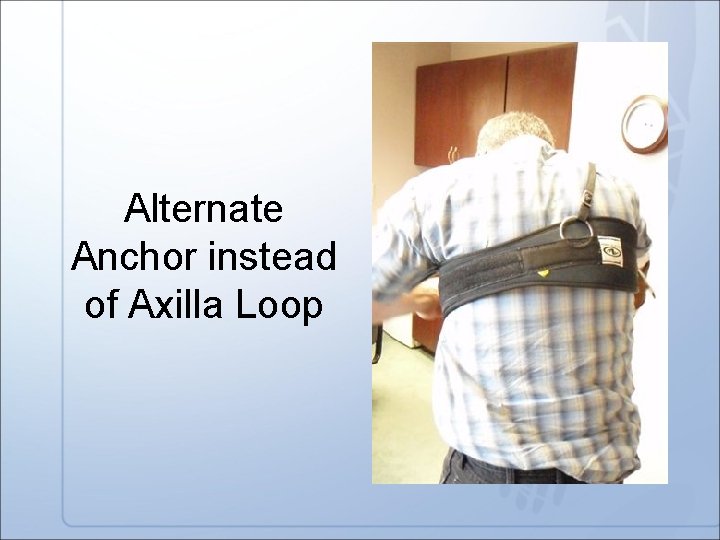
Alternate Anchor instead of Axilla Loop
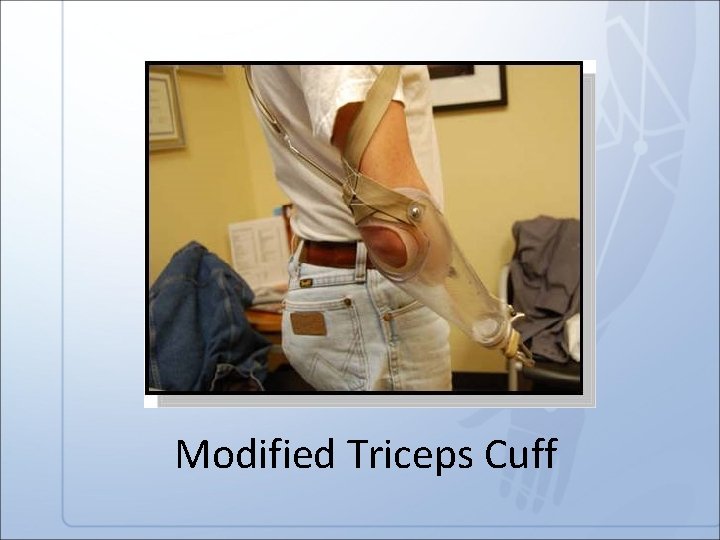
Modified Triceps Cuff
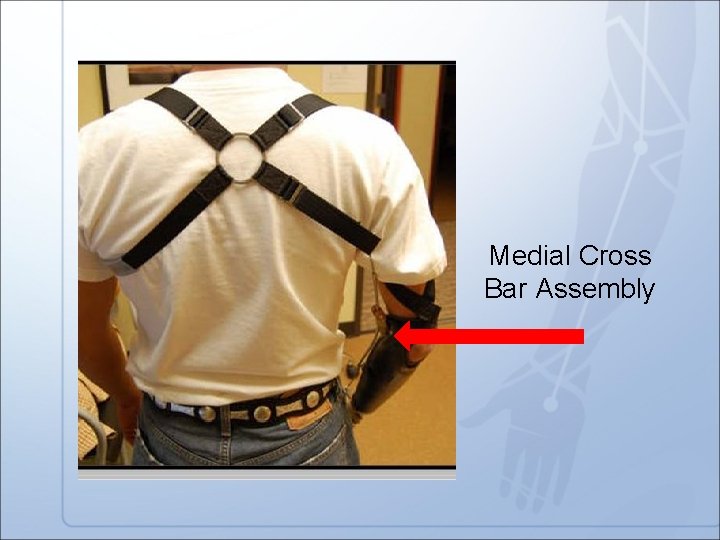
Medial Cross Bar Assembly
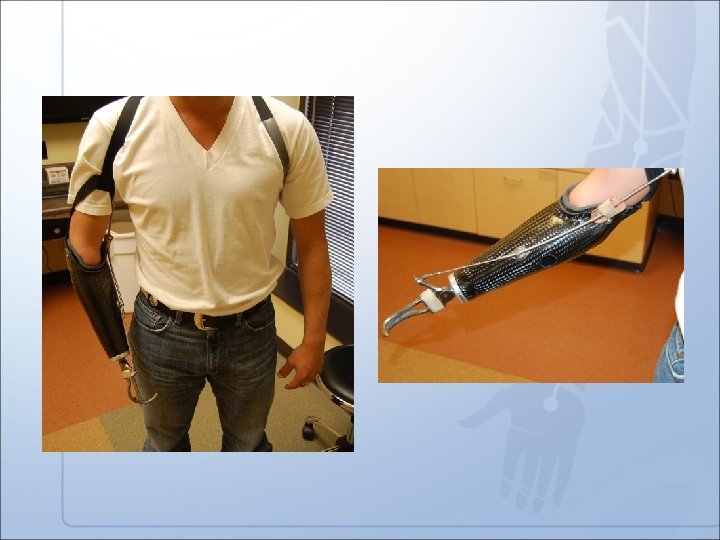
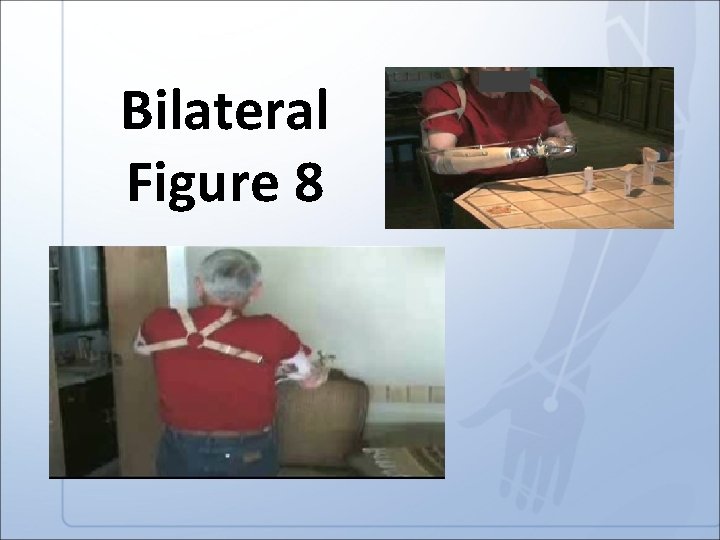
Bilateral Figure 8
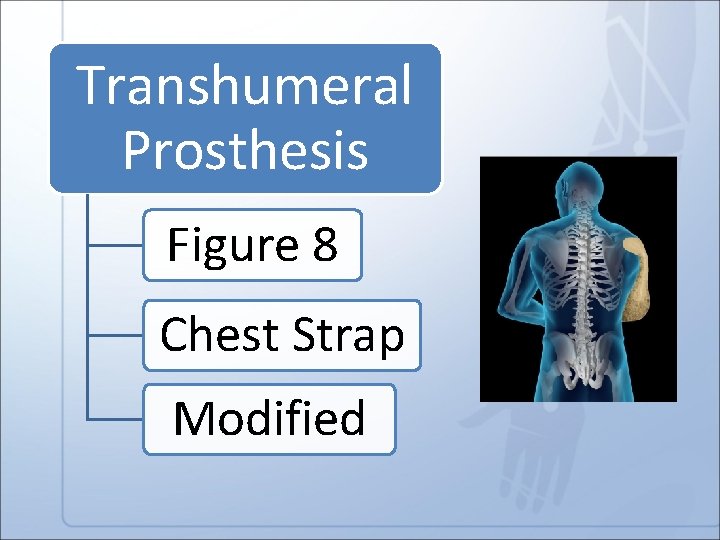
Transhumeral Prosthesis Figure 8 Chest Strap Modified
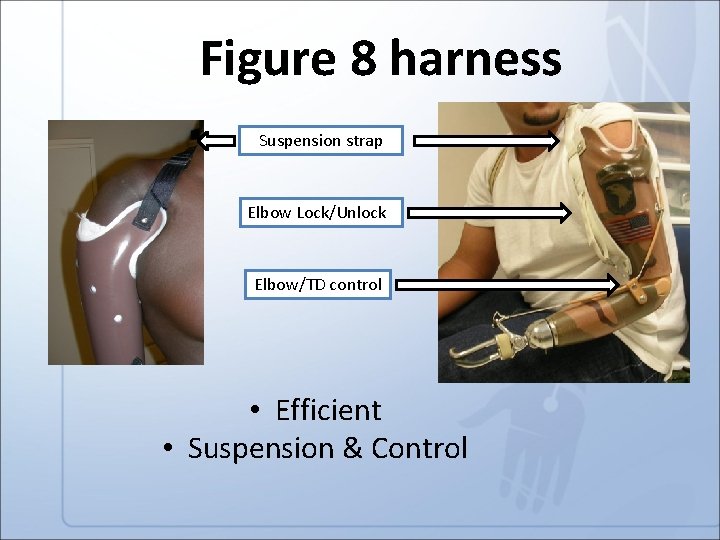
Figure 8 harness Suspension strap Elbow Lock/Unlock Elbow/TD control • Efficient • Suspension & Control
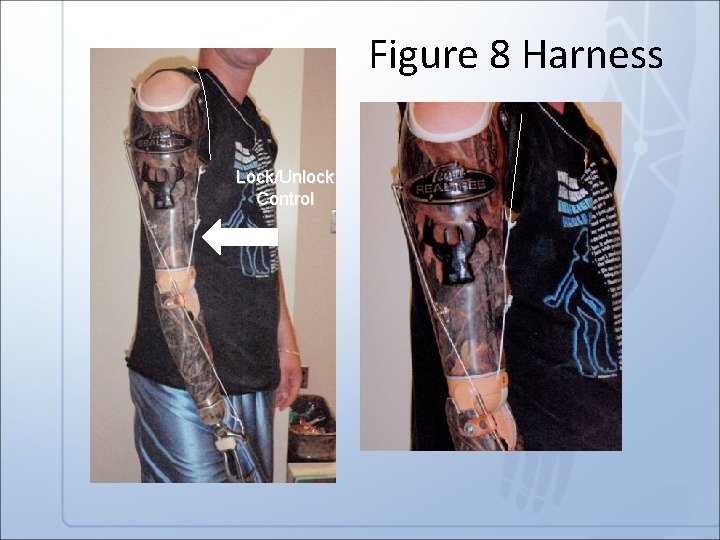
Figure 8 Harness Lock/Unlock Control
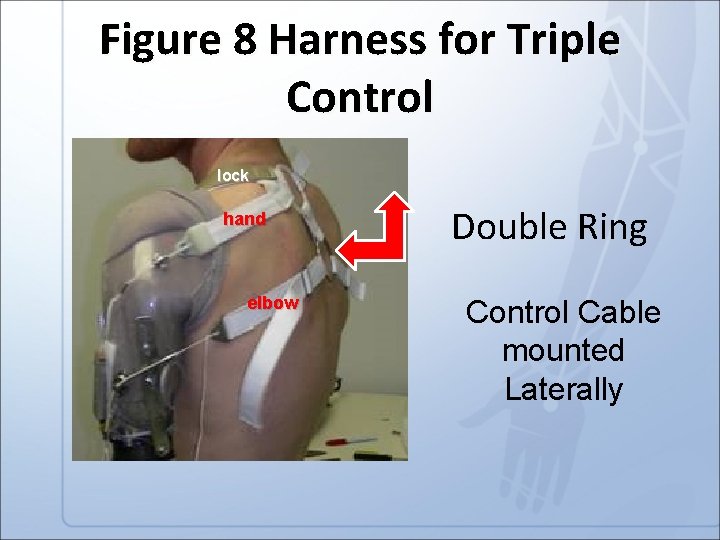
Figure 8 Harness for Triple Control lock hand elbow Double Ring Control Cable mounted Laterally
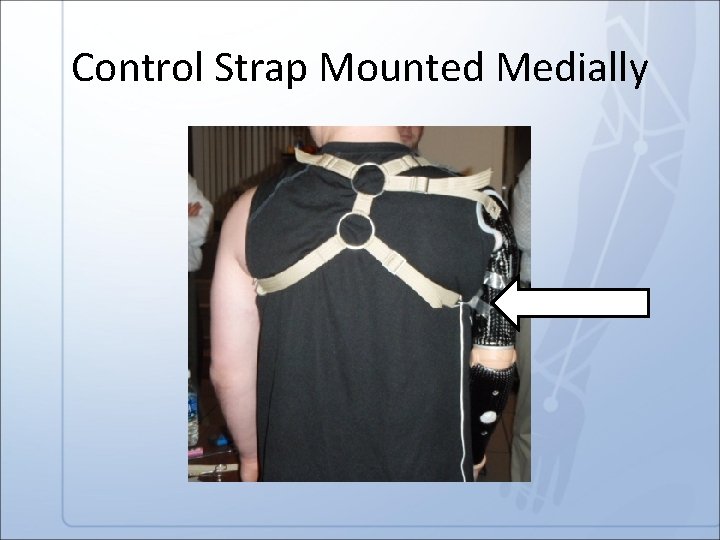
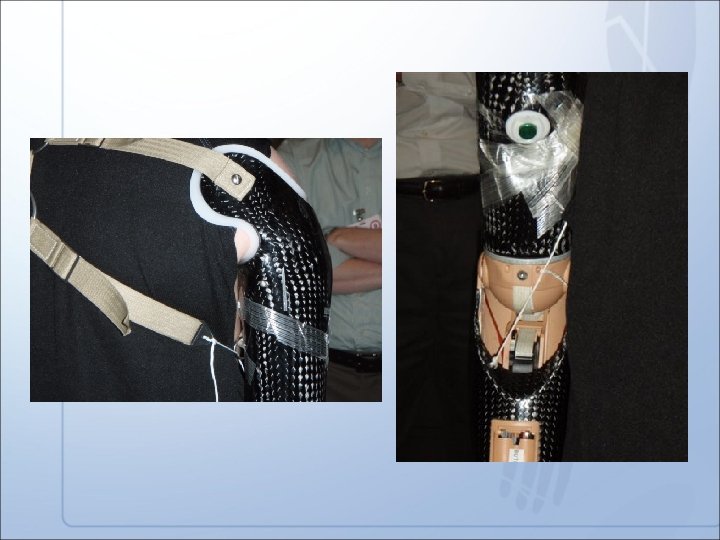
Control Strap Mounted Medially
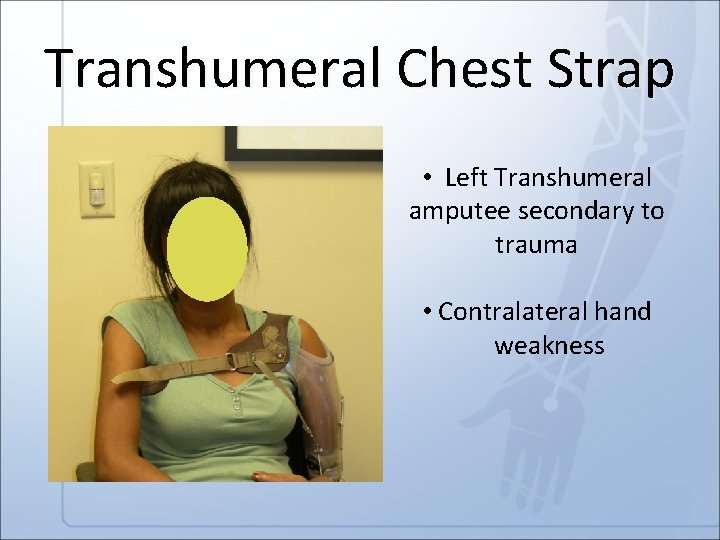
Transhumeral Chest Strap • Left Transhumeral amputee secondary to trauma • Contralateral hand weakness
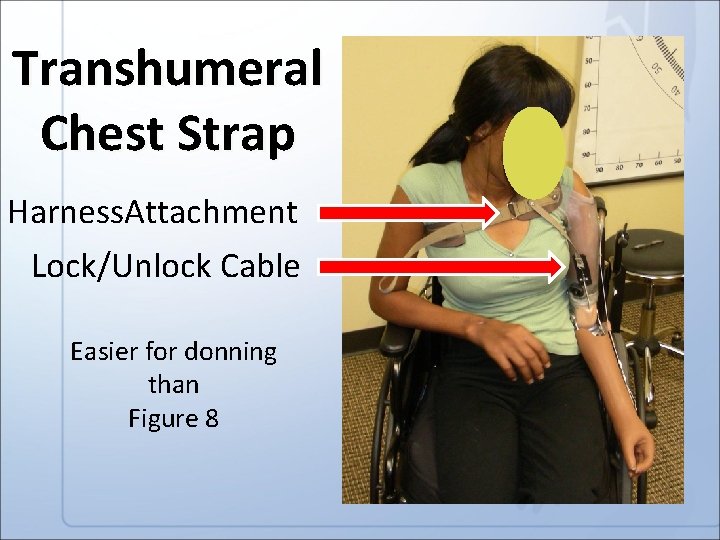
Transhumeral Chest Strap Harness. Attachment Lock/Unlock Cable Easier for donning than Figure 8

Control Strap
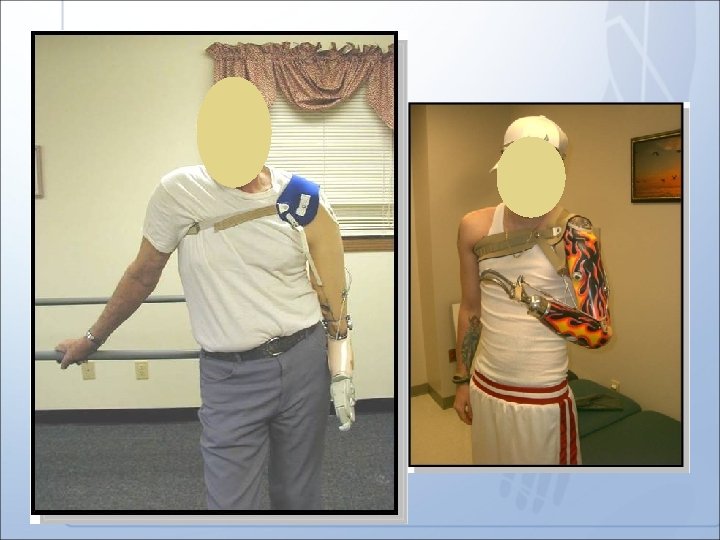
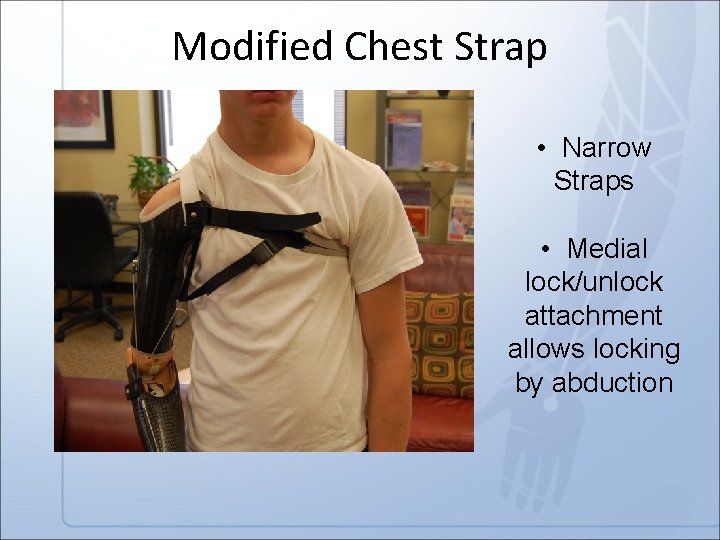
Modified Chest Strap • Narrow Straps • Medial lock/unlock attachment allows locking by abduction
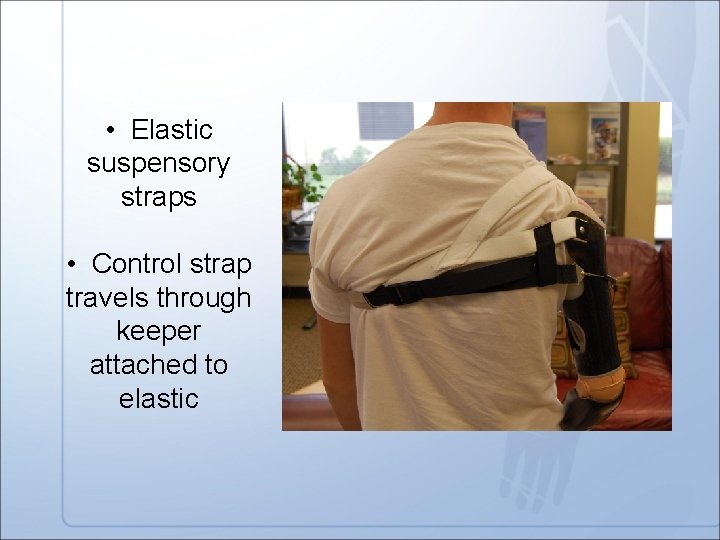
• Elastic suspensory straps • Control strap travels through keeper attached to elastic
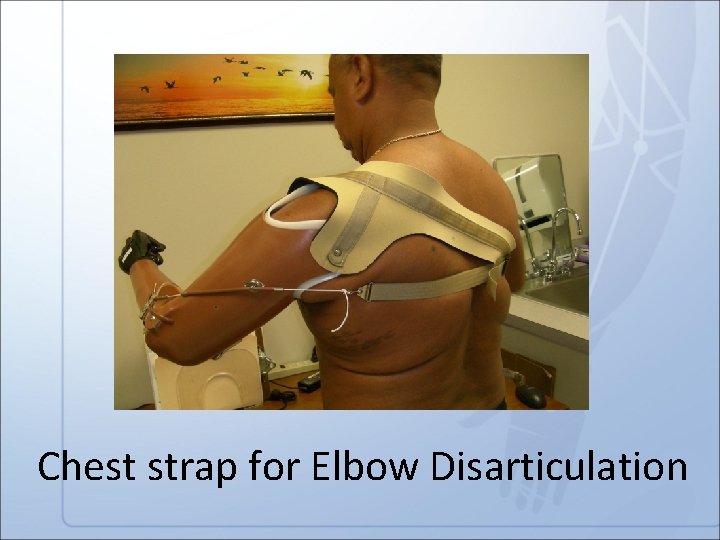
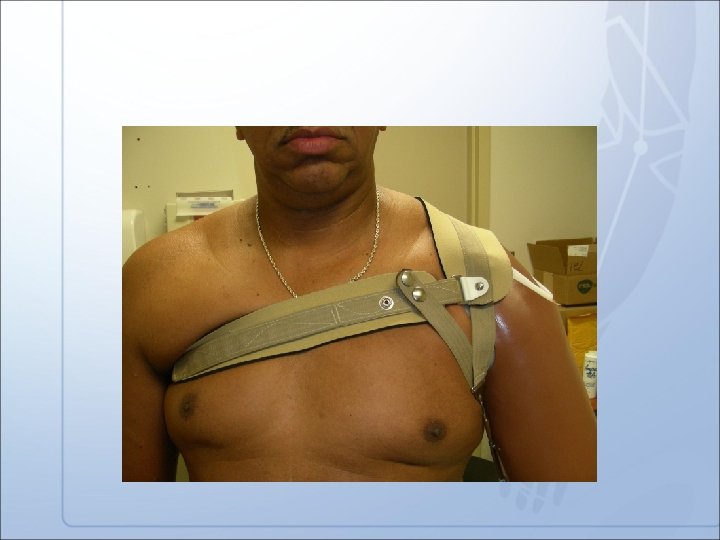
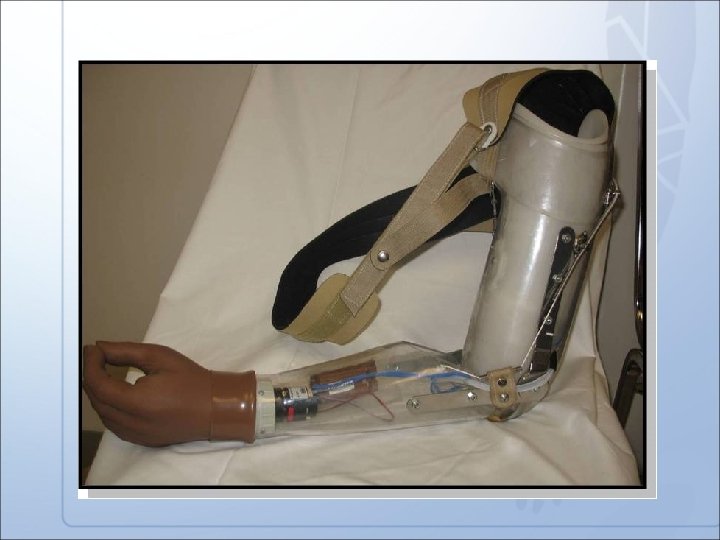
Chest strap for Elbow Disarticulation
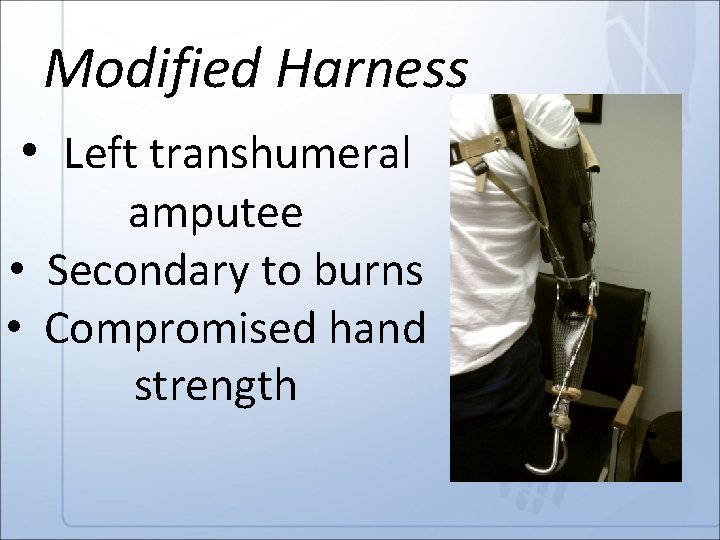
Modified Harness • Left transhumeral amputee • Secondary to burns • Compromised hand strength

Initial Chest Strap
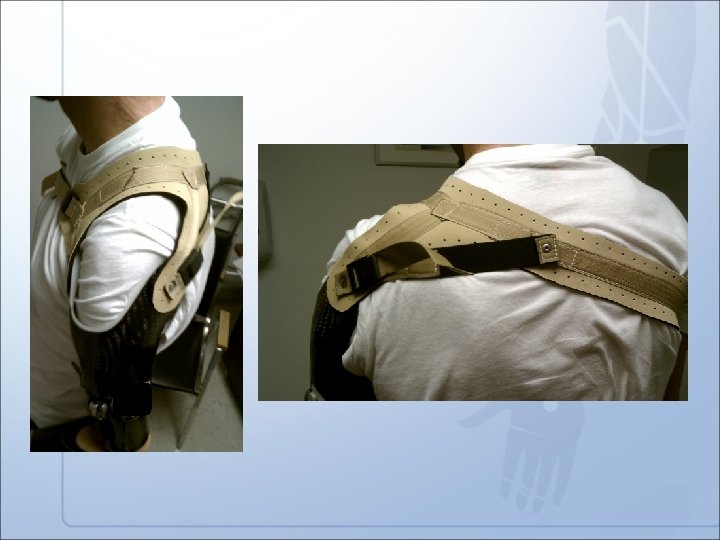
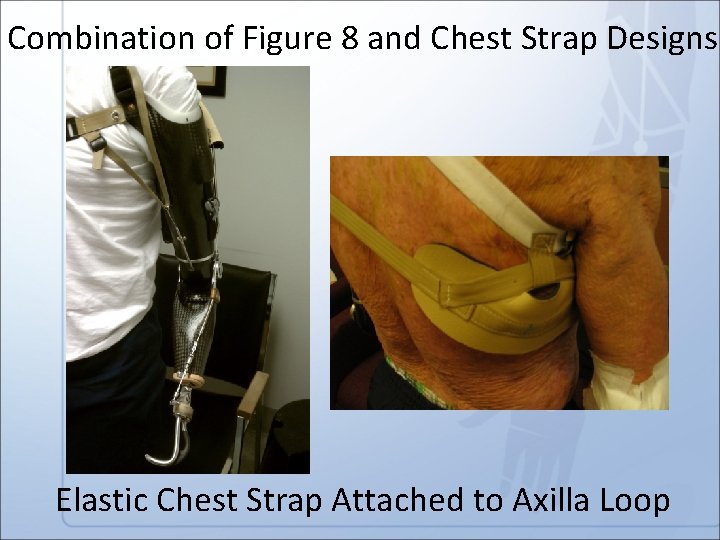
Combination of Figure 8 and Chest Strap Designs Elastic Chest Strap Attached to Axilla Loop
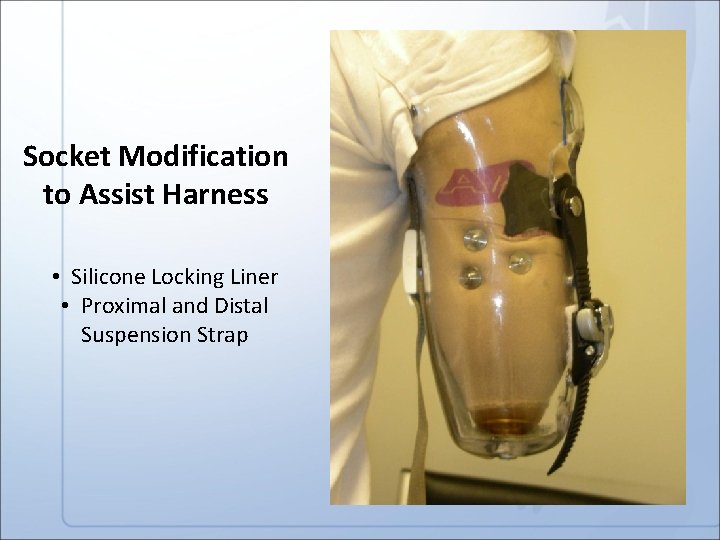
Socket Modification to Assist Harness • Silicone Locking Liner • Proximal and Distal Suspension Strap

Thank You!
- Slides: 37