
Haiti 2010 earthquake and aftermath 22 Jan 2010
- Slides: 20
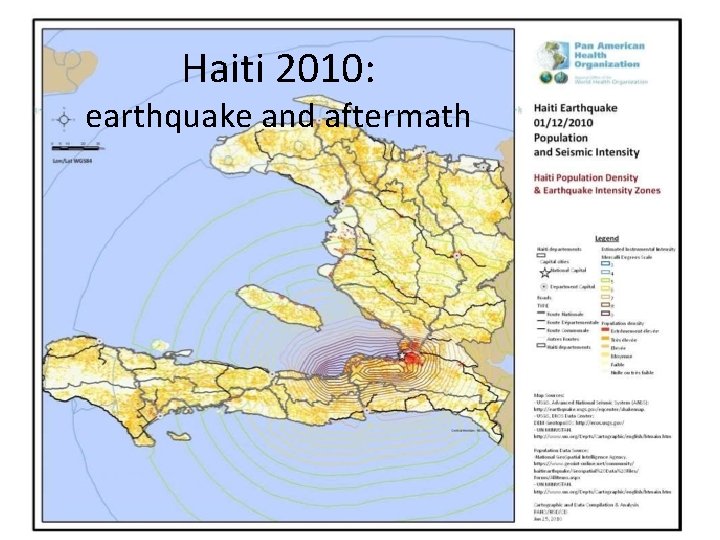
Haiti 2010: earthquake and aftermath
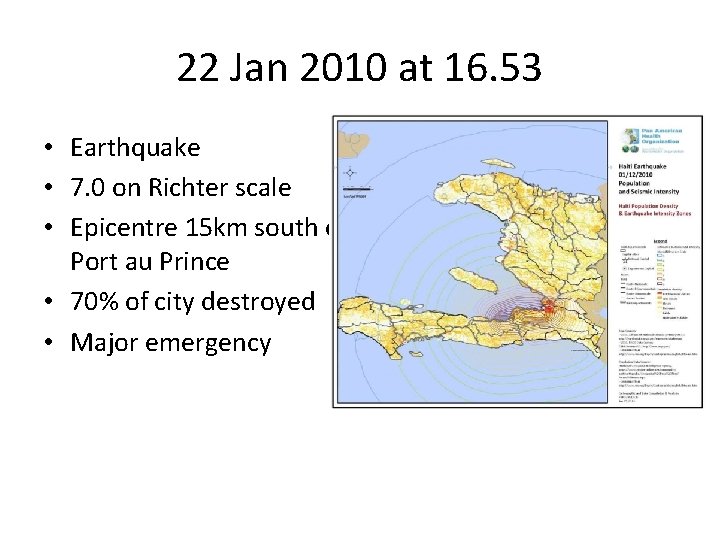
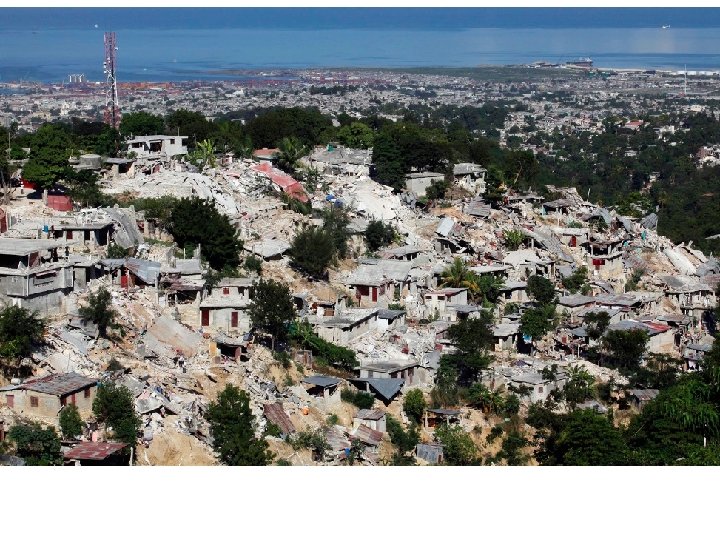
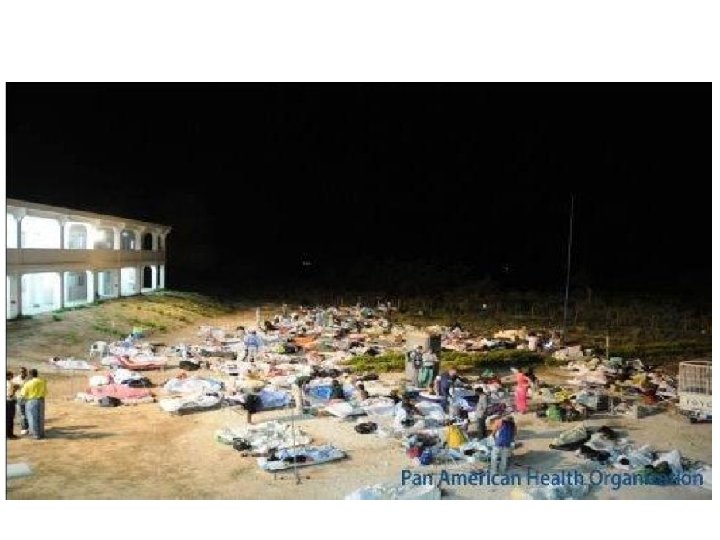
22 Jan 2010 at 16. 53 • Earthquake • 7. 0 on Richter scale • Epicentre 15 km south of Port au Prince • 70% of city destroyed • Major emergency
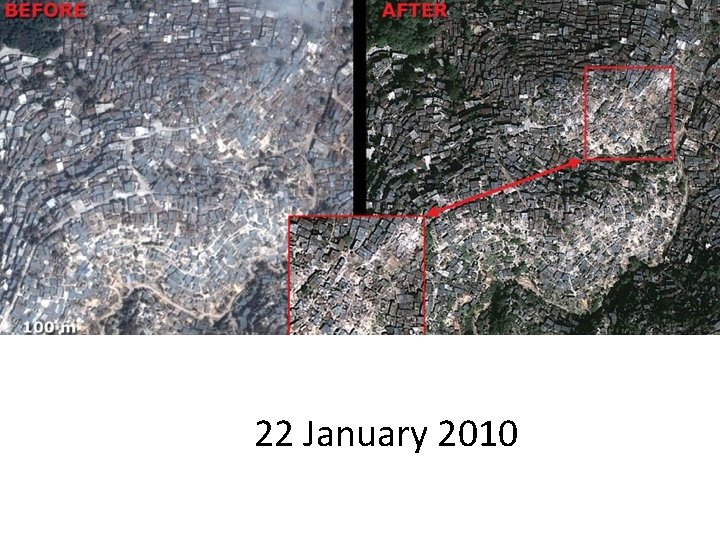
22 January 2010
What are the basic humanitarian needs of the population?
Initial Rapid Assessment • Assessing needs? • What information is needed? • Sources of information?
What does a person need? • Water? • Shelter? • Food? • Sanitation? • Healthcare? – Hospital: orthopaedics, reconstructive surgery, wounds, burns, obstetric, surgical – Health centre: diarrhoea, measles, ARI
What are the basic humanitarian needs of the population? • Water • Shelter 20 l person / day 3. 5 m 2 / person in each tent 30 m 2 / person camp area • Food 2000 kcal / person / day • Sanitation safe disposal of human waste • Healthcare – Hospital: orthopaedics, reconstructive surgery, wounds, burns, obstetric, surgical – Health centre: diarrhoea, measles, ARI
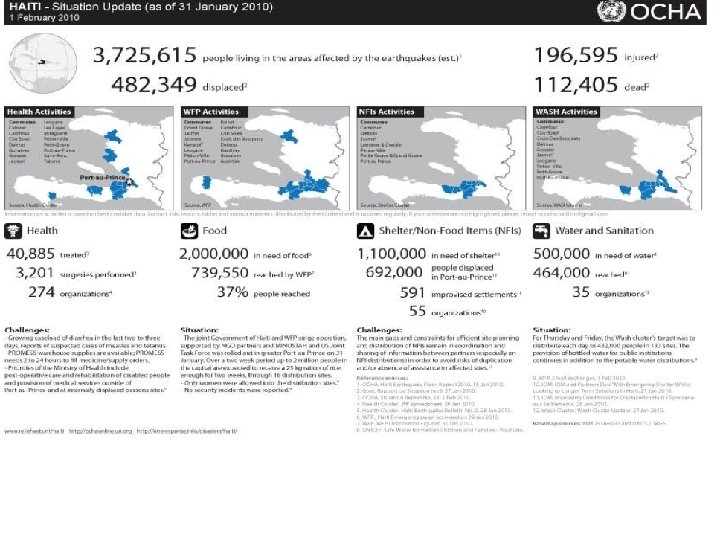
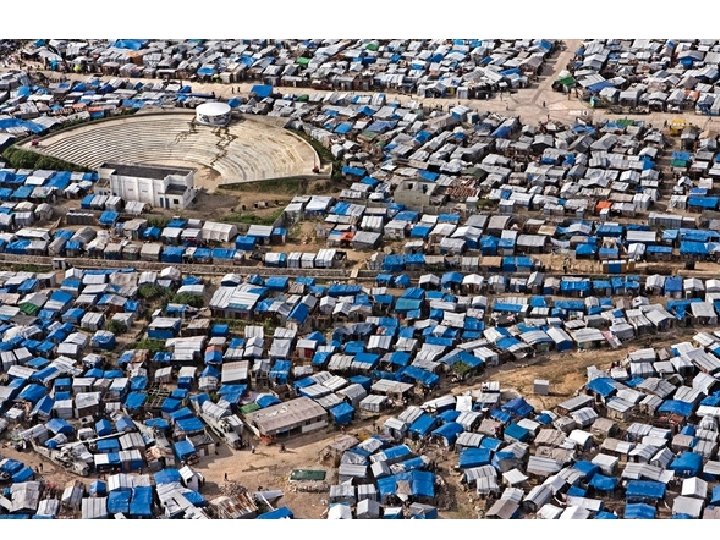
30 January 2010 • 400 international agencies have arrived • Estimates: – 220, 000 deaths – 300, 000 injuries – 1. 5 million people displaced You have arrived to work in a camp with 10, 000 displaced Haitians in a tented settlement
Where you work • 1500 tents in 10 sectors • Water delivered and stored in aluminium drums • Trench latrine • 80 bed tented hospital – 18 Haitian and 5 international staff – 3 doctors, 8 nurses What are major health threats?
Major health threats • Injuries, trauma • Communicable diseases – IIDs, ARI, measles, risk of outbreaks? • • • Non-communicable diseases Mental health Obstetric emergencies Malnutrition Potential contamination of water supply
You are asked to set up an early warning surveillance system • Health events? • What information do you want? • How will this be collected?
• Mortality – Hospital – Community health workers – Burials • Morbidity – Hospital – OPD