
Haiku and the Seasons Haiku is a contemplative
- Slides: 26
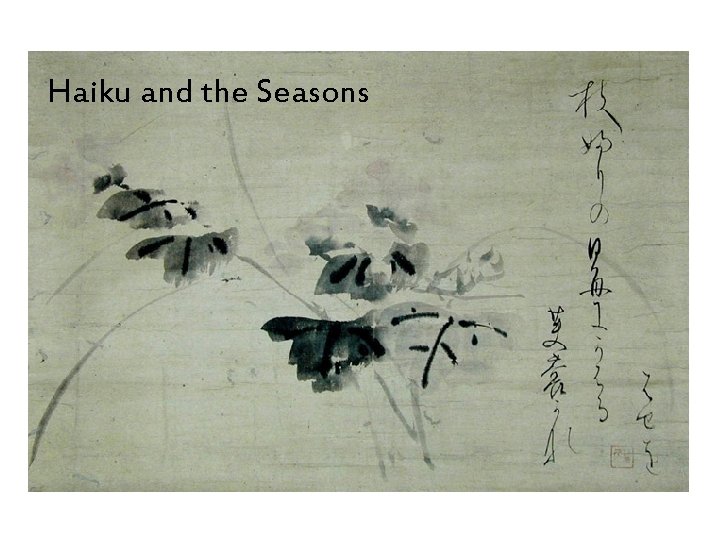
Haiku and the Seasons
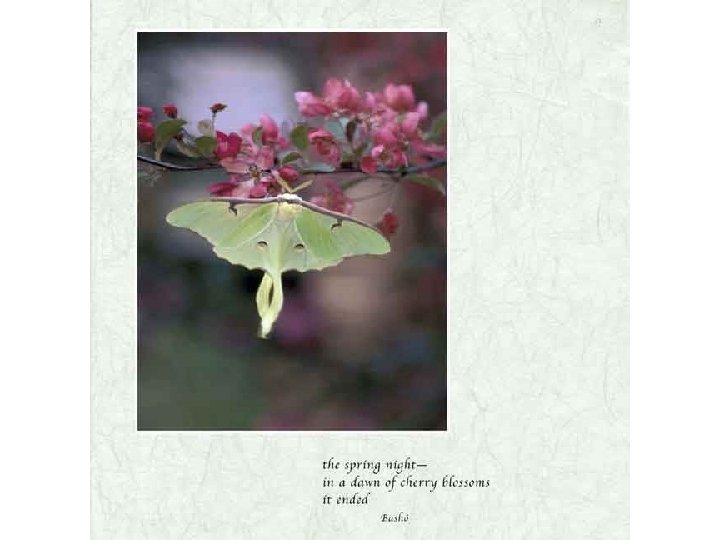
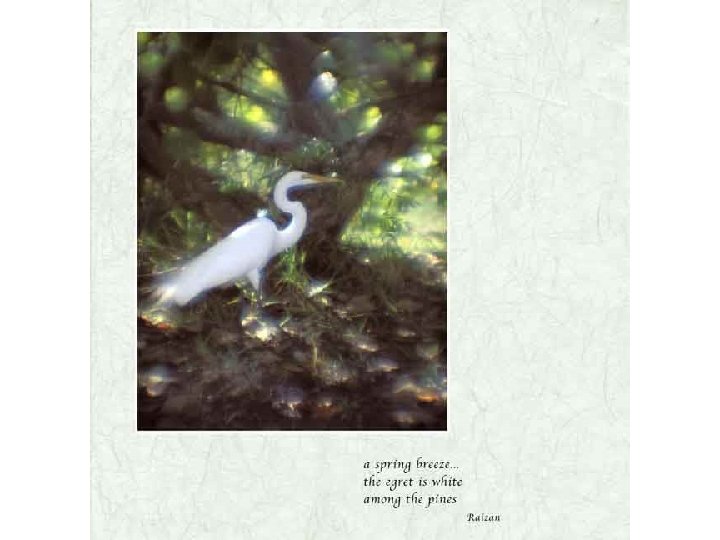
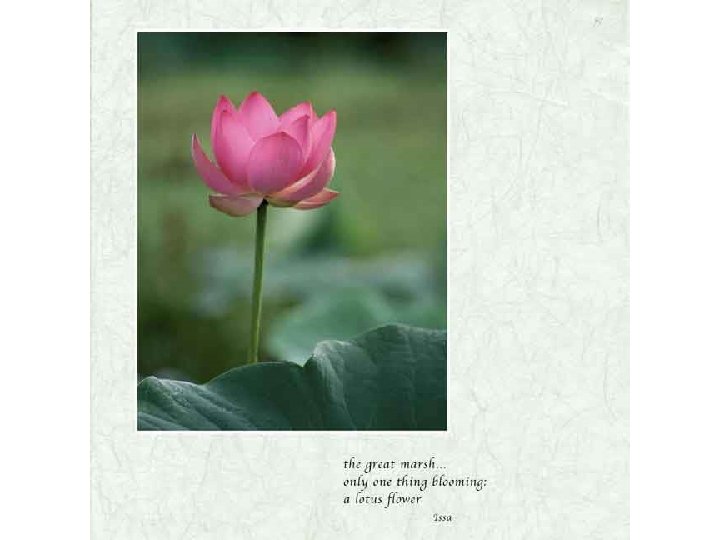
Haiku is a contemplative, unrhymed Japanese poem that attempts to capture the essence of a moment in which nature is linked to human life. And as one of the most important forms of traditional Japanese poetry, a well-written haiku creates tension between contrasting elements.
Haiku Form Guidelines of traditional haiku writing in Japanese; Syllable Count: : The poem consists of 17 syllables, a must in Japanese; Kigo: The poem should indicate through a kigo, a seasonal word, the season in which the haiku is set. Often the kigo is not obvious and may therefore be implied; Division: The poem contains a division between two contrasting parts, a certain imaginative distance should exist between the two sections, both of which must enrich the understanding of the other.
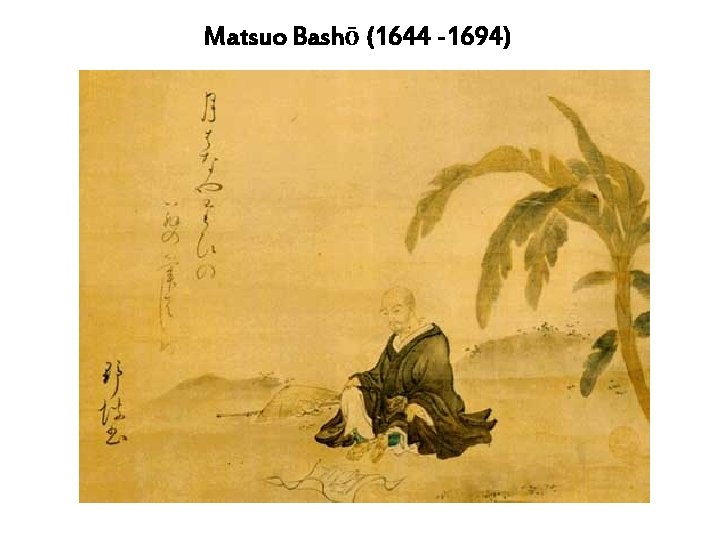
Matsuo Bashō (1644 -1694)
Showing no sign of an early death— a cicada’s voice —Matsuo Basho Under the tree in the soup, salad, and everywhere— cherry blossoms —Matsuo Basho
A lightning flash— and piercing the darkness a heron’s shriek —Matsuo Basho A giant firefly flickers and then moves on —Kobayashi Issa
A cherry petal flies back up to its branch— oh, a butterfly! —Arakide Moritake (1473 -1549) A small frog rides a banana leaf trembling —Kikaku (1600 -1707)
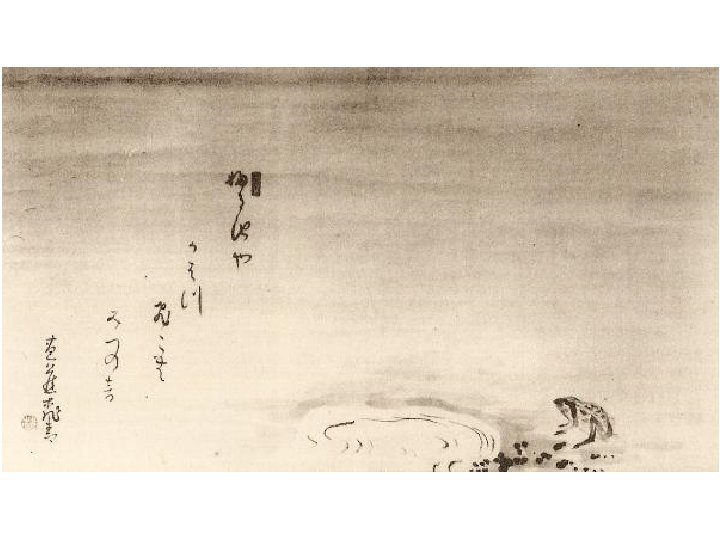
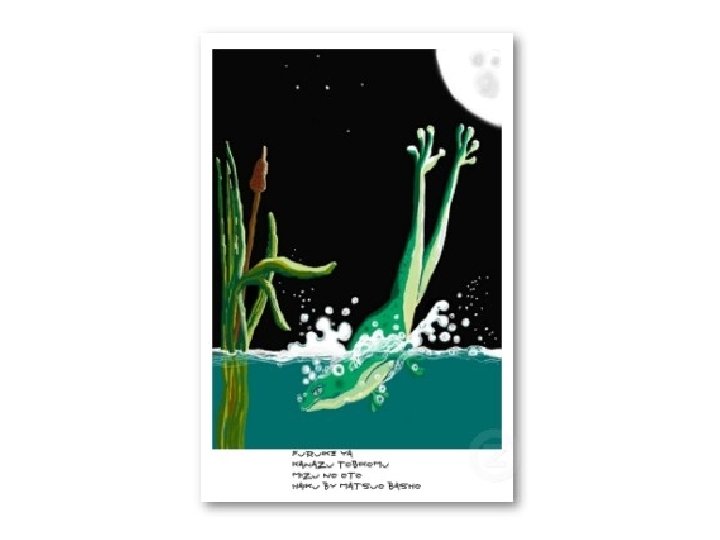
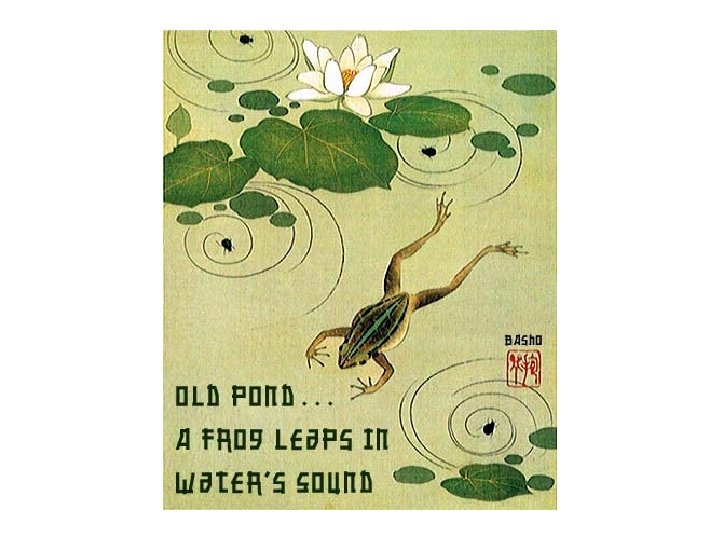
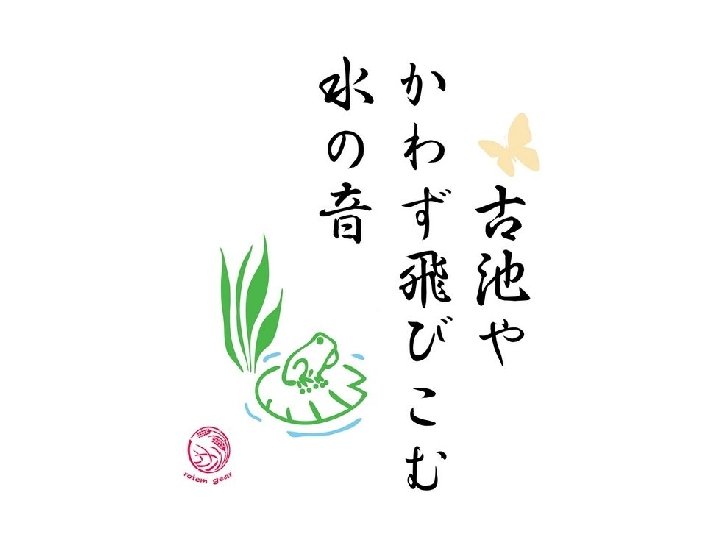
An old pond; A frog jumps in. The sound of water. —Matsuo Basho
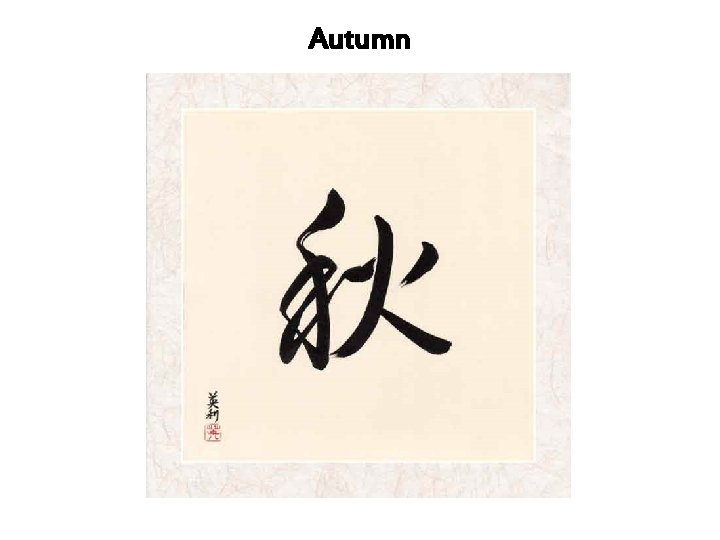
Autumn
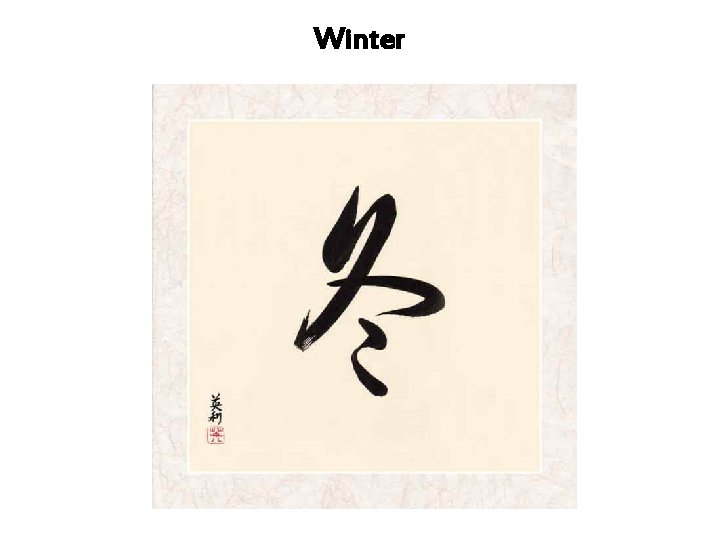
Winter
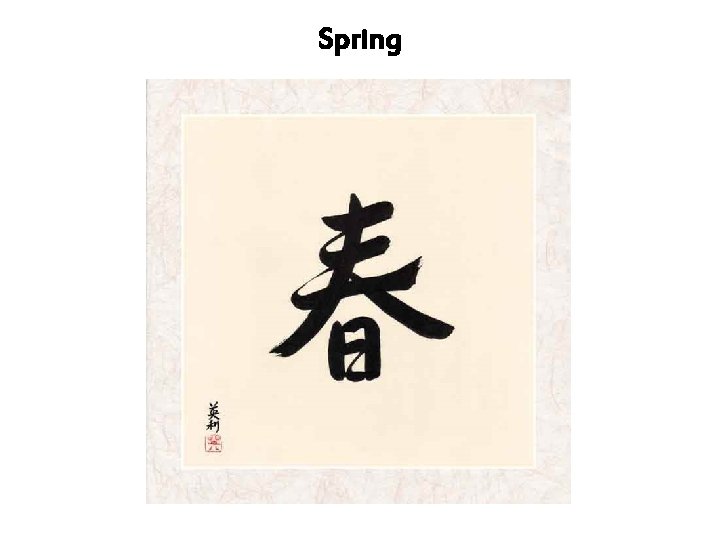
Spring
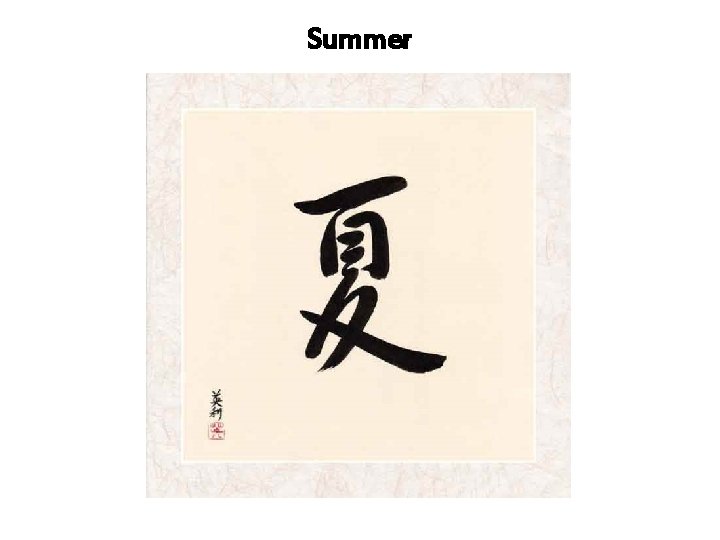
Summer