
Habitat RestorationEnhancement Fort Hall Reservation Project 199201000 ShoshoneBannock
Habitat Restoration/Enhancement Fort Hall Reservation Project 199201000 Shoshone-Bannock Tribes Fish and Wildlife Department Presenter: Hunter Osborne
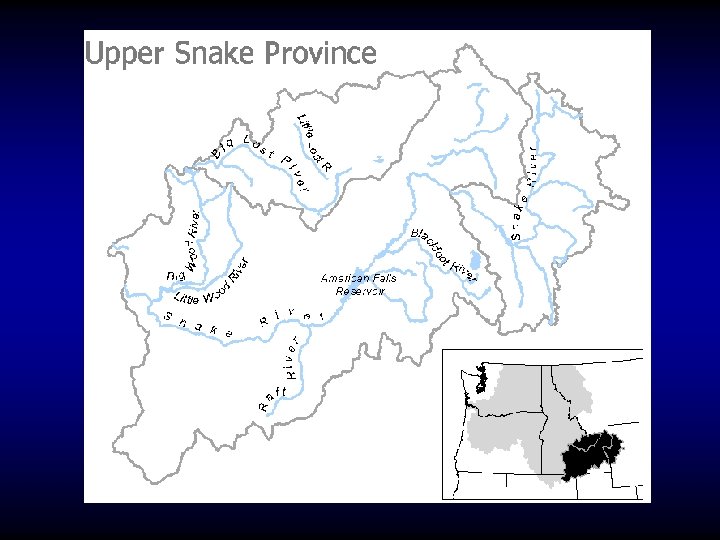
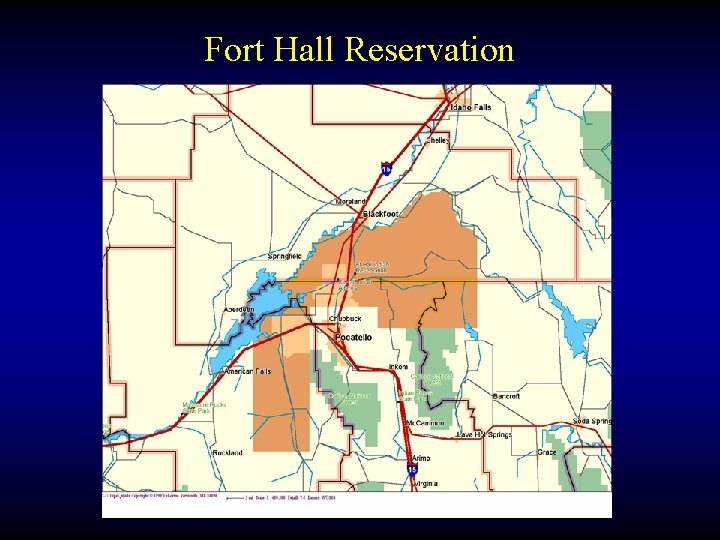
Fort Hall Reservation
Tribal Policy and Objectives n Pursue promote and initiate efforts to restore the Snake River ecosystem to a normative state which supports diverse native assemblages of species. n Provide conditions to maintain a self-perpetuating Tribal subsistence and trophy trout fishery through implementation of habitat restoration, enhancement and protection activities on the Fort Hall Indian Reservation.
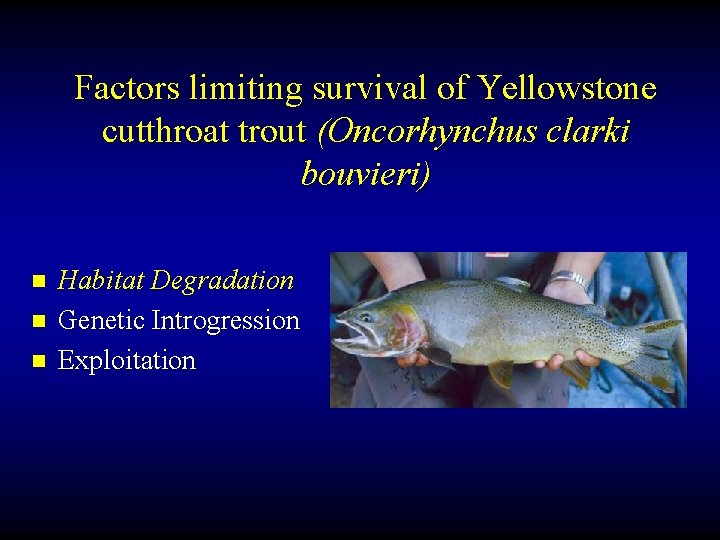
Factors limiting survival of Yellowstone cutthroat trout (Oncorhynchus clarki bouvieri) n n n Habitat Degradation Genetic Introgression Exploitation
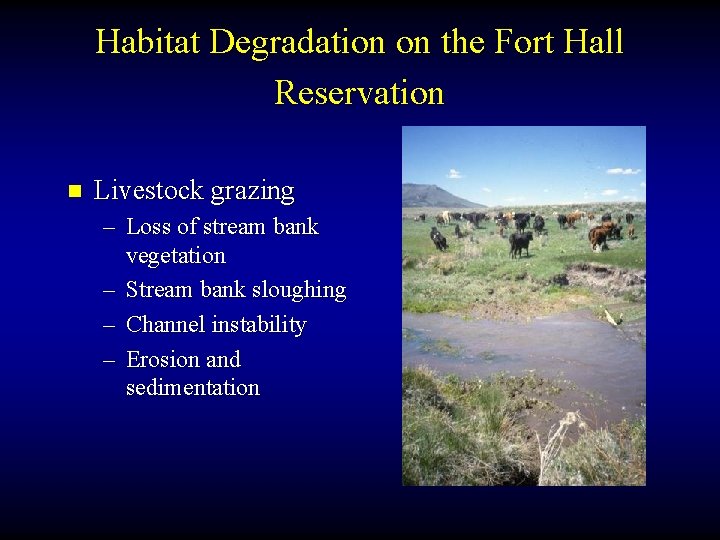
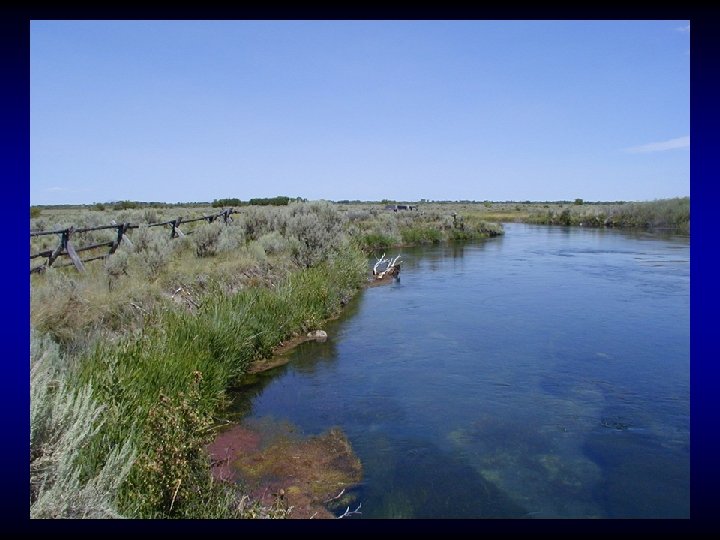
Habitat Degradation on the Fort Hall Reservation n Livestock grazing – Loss of stream bank vegetation – Stream bank sloughing – Channel instability – Erosion and sedimentation
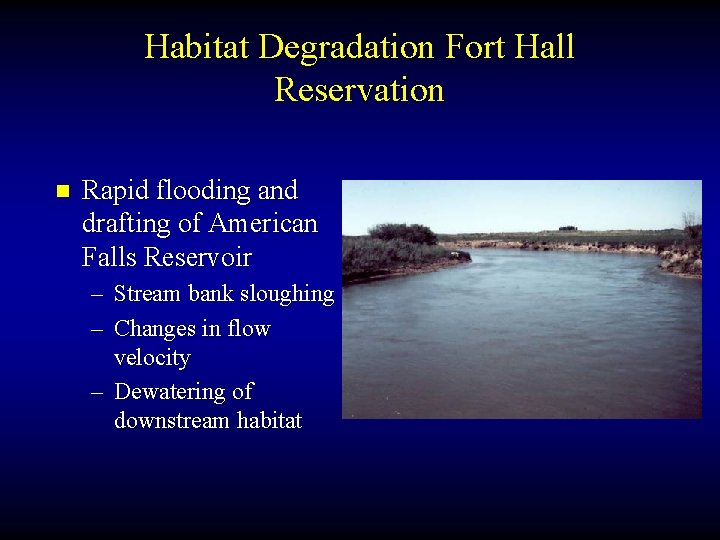
Habitat Degradation Fort Hall Reservation n Rapid flooding and drafting of American Falls Reservoir – Stream bank sloughing – Changes in flow velocity – Dewatering of downstream habitat
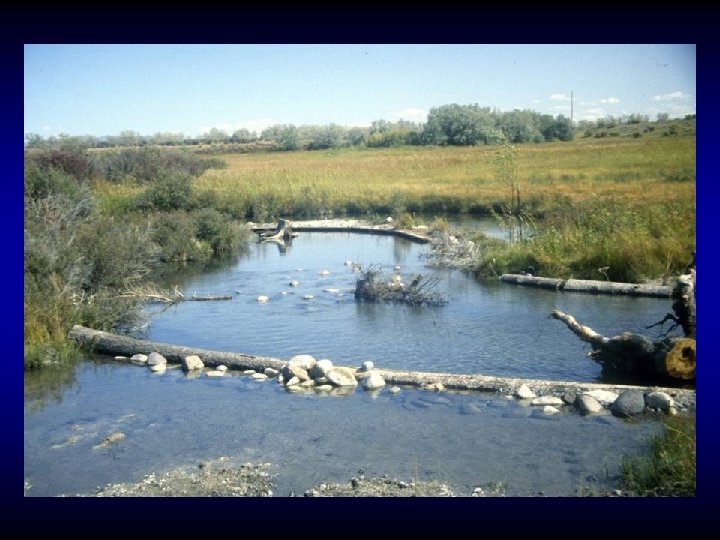
Restoration Steps n Collect baseline information – – n Implement restoration projects – – – n n Stream channel morphology Fish density and biomass Sediment levels Riparian vegetation Fence or exclude livestock Slope bank using hand tools Rock barbs to direct current away from bank Plant willows and native grass mix Line with anchored evergreen revetments Monitor and evaluate restoration projects Adapt restoration techniques based on successes
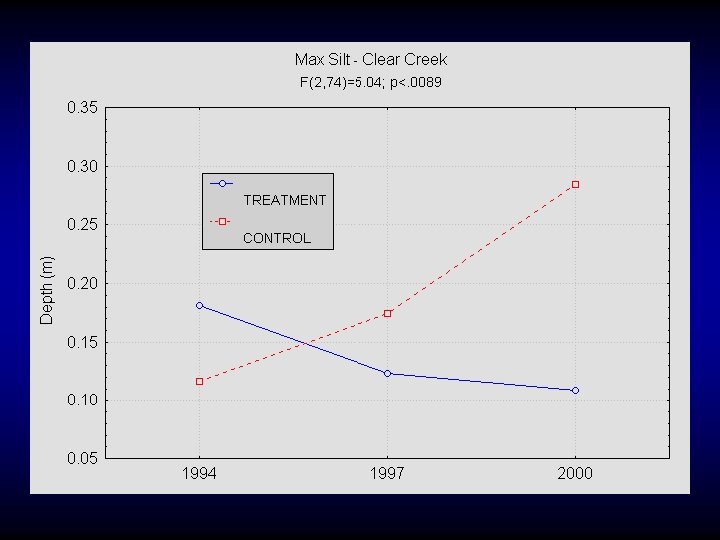
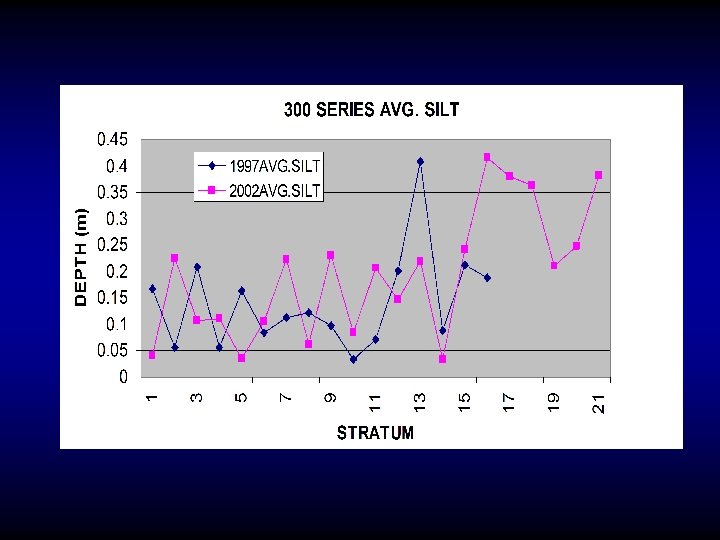
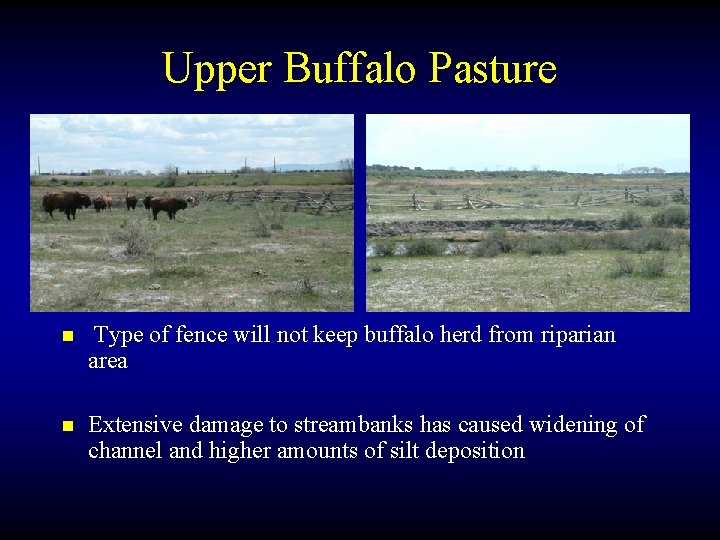
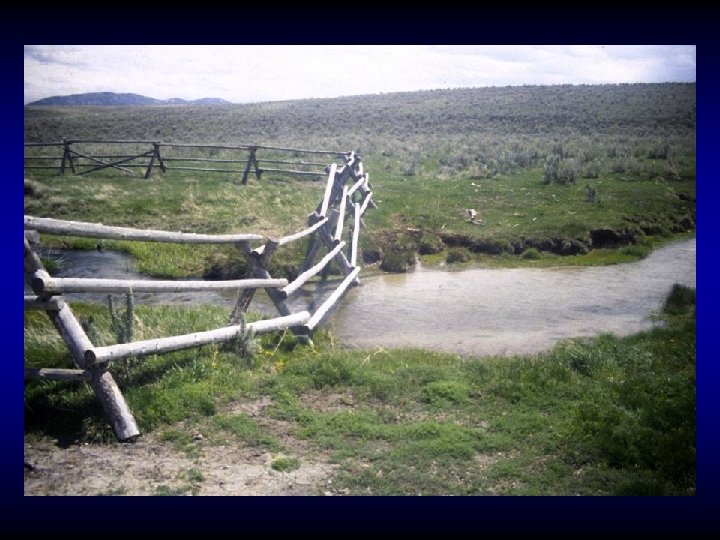
Upper Buffalo Pasture n Type of fence will not keep buffalo herd from riparian area n Extensive damage to streambanks has caused widening of channel and higher amounts of silt deposition
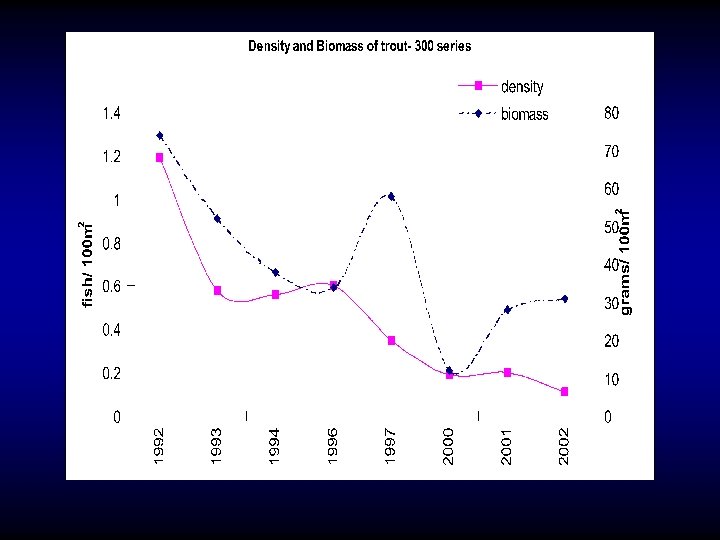
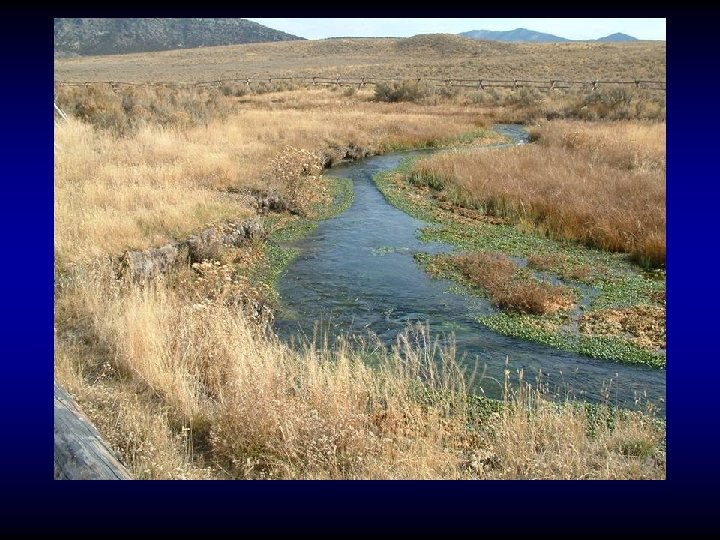
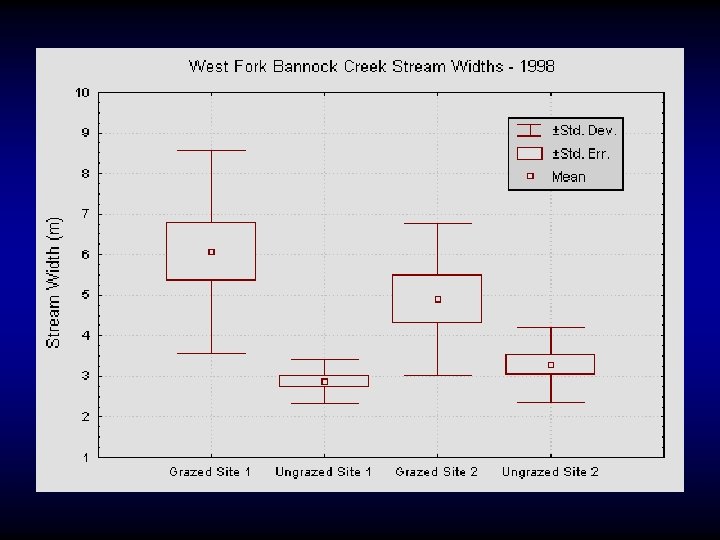
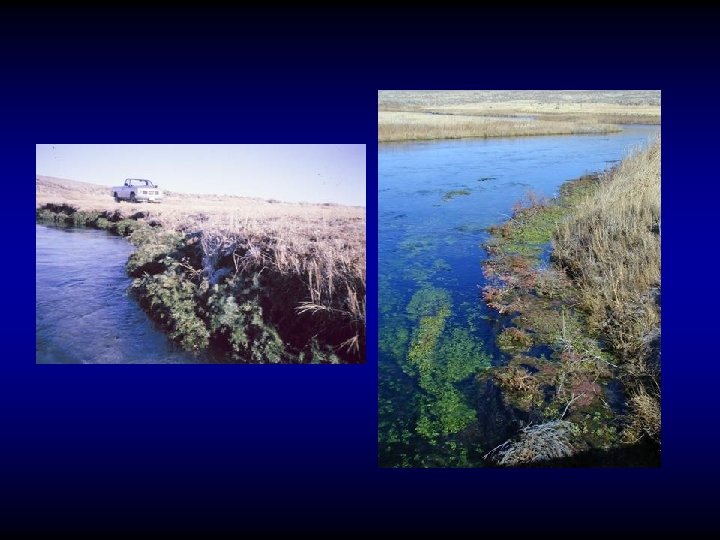
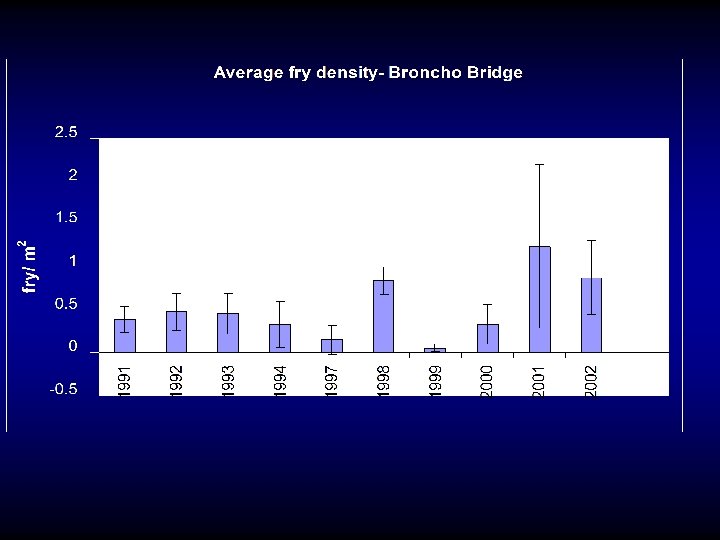
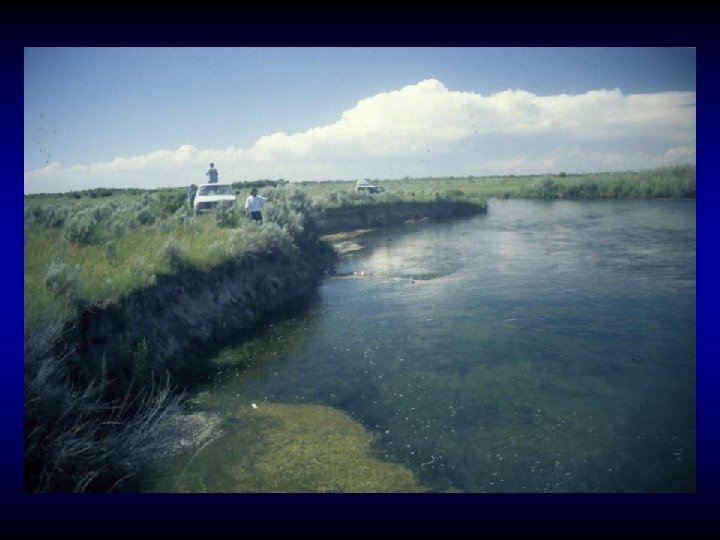
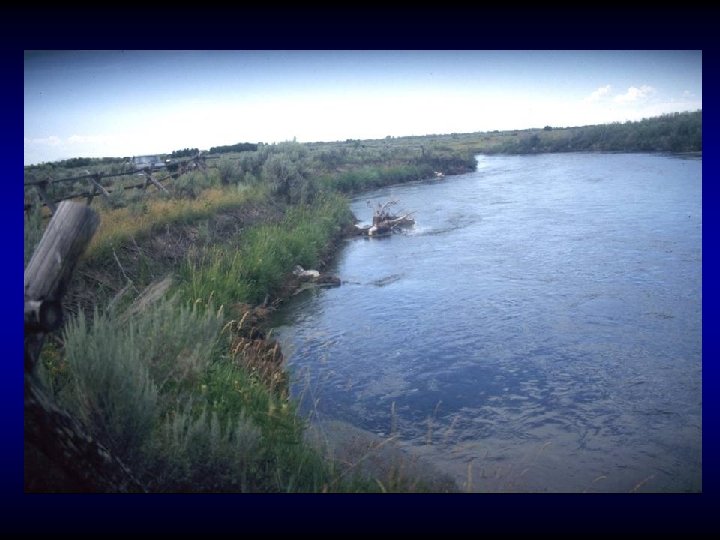
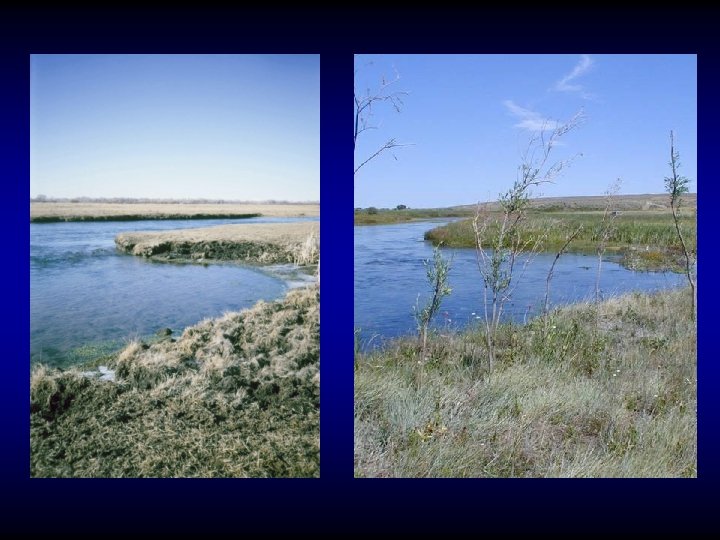
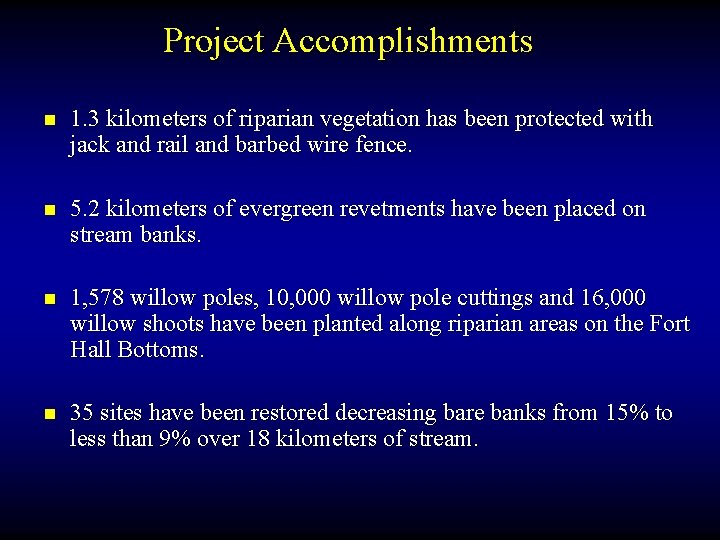
Project Accomplishments n 1. 3 kilometers of riparian vegetation has been protected with jack and rail and barbed wire fence. n 5. 2 kilometers of evergreen revetments have been placed on stream banks. n 1, 578 willow poles, 10, 000 willow pole cuttings and 16, 000 willow shoots have been planted along riparian areas on the Fort Hall Bottoms. n 35 sites have been restored decreasing bare banks from 15% to less than 9% over 18 kilometers of stream.
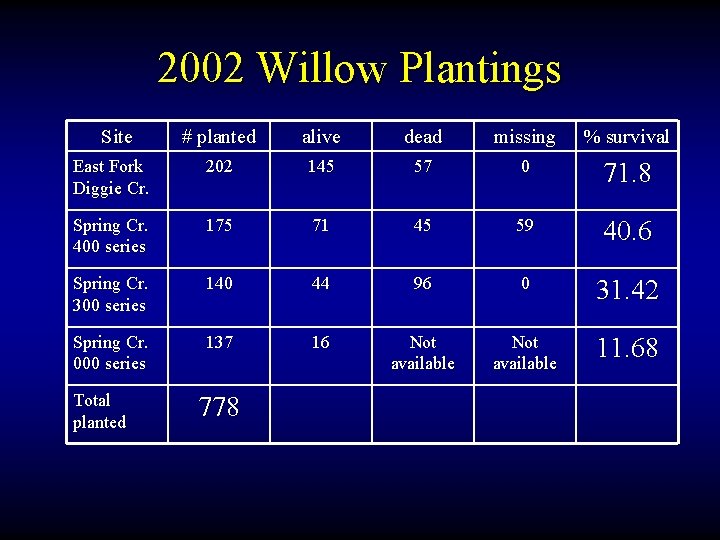
2002 Willow Plantings Site # planted alive dead missing % survival East Fork Diggie Cr. 202 145 57 0 71. 8 Spring Cr. 400 series 175 71 45 59 40. 6 Spring Cr. 300 series 140 44 96 0 31. 42 Spring Cr. 000 series 137 16 Not available 11. 68 Total planted 778
Other methods used to protect streams from livestock damage n Allotment management plans (rest rotation grazing and alternate water sources) n Acquiring pasture and range leases with Permit Fishing Program monies
New Projects for Restoration Program n Bottoms Trout Telemetry Study n Planting of Wetlands Plugs on Restoration Sites
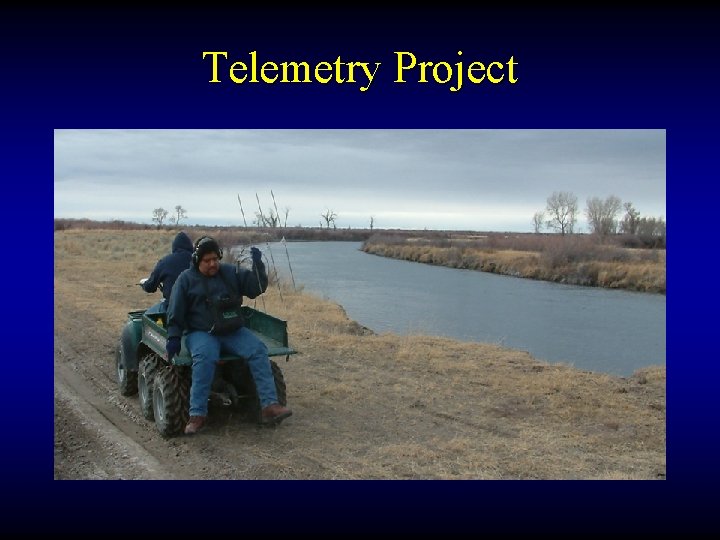
Telemetry Project
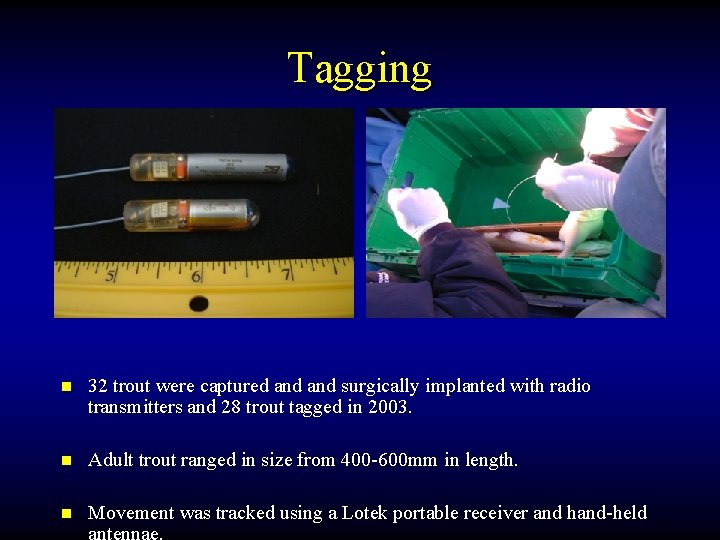
Tagging n 32 trout were captured and surgically implanted with radio transmitters and 28 trout tagged in 2003. n Adult trout ranged in size from 400 -600 mm in length. n Movement was tracked using a Lotek portable receiver and hand-held
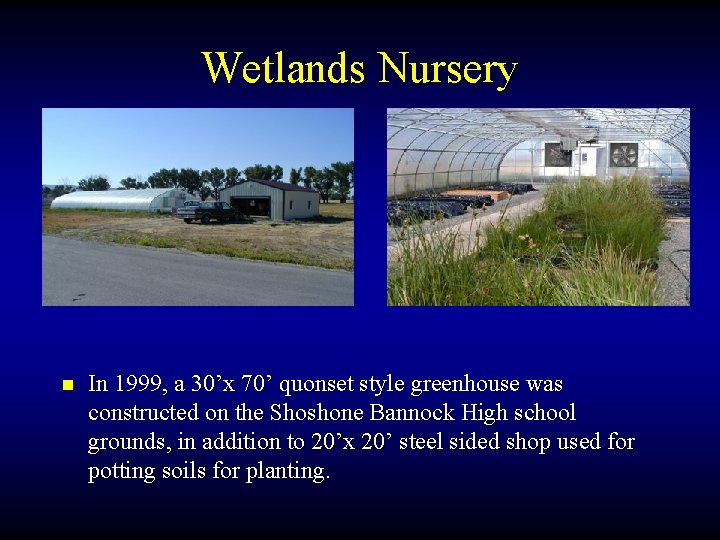
Wetlands Nursery n In 1999, a 30’x 70’ quonset style greenhouse was constructed on the Shoshone Bannock High school grounds, in addition to 20’x 20’ steel sided shop used for potting soils for planting.
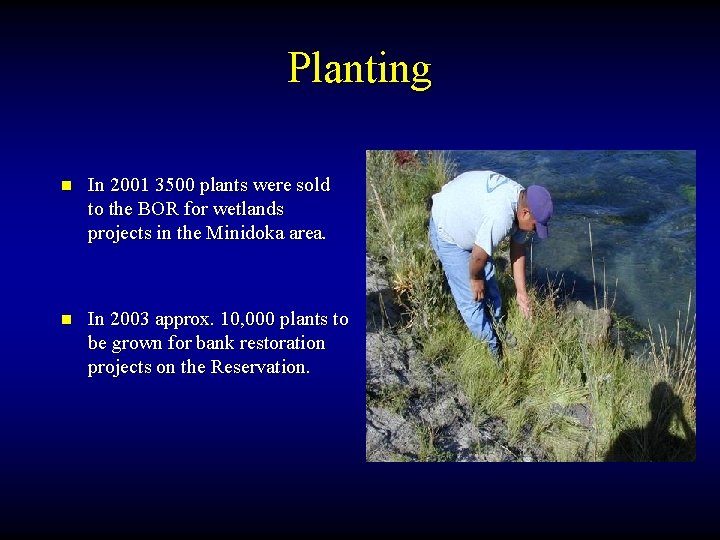
Planting n In 2001 3500 plants were sold to the BOR for wetlands projects in the Minidoka area. n In 2003 approx. 10, 000 plants to be grown for bank restoration projects on the Reservation.
- Slides: 31