
Habitat Connections Why is wildlife connectivity important to
Habitat Connections
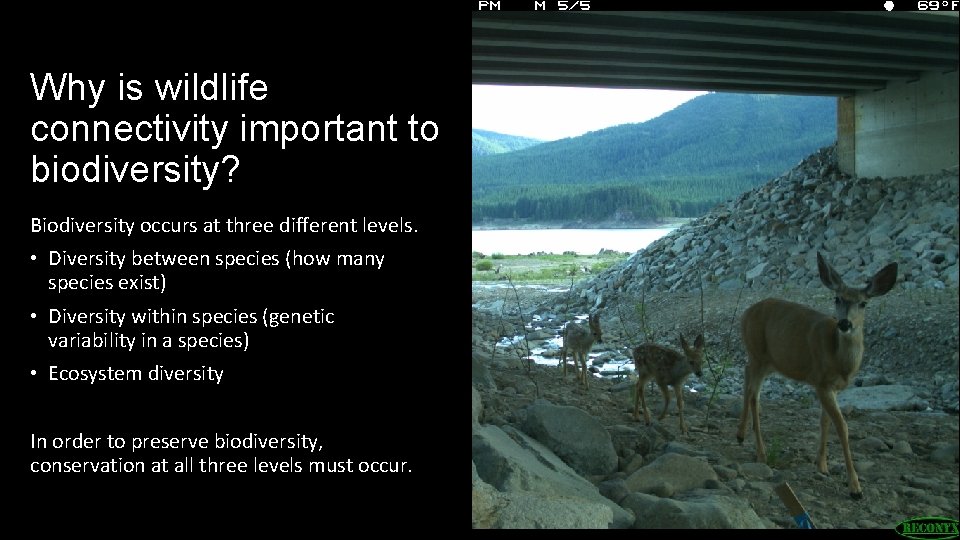
Why is wildlife connectivity important to biodiversity? Biodiversity occurs at three different levels. • Diversity between species (how many species exist) • Diversity within species (genetic variability in a species) • Ecosystem diversity In order to preserve biodiversity, conservation at all three levels must occur.
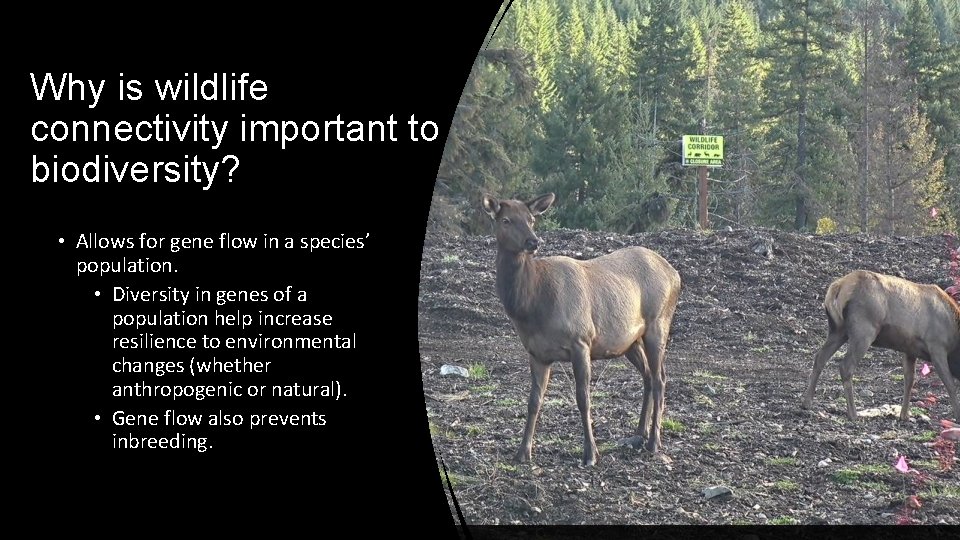
Why is wildlife connectivity important to biodiversity? • Allows for gene flow in a species’ population. • Diversity in genes of a population help increase resilience to environmental changes (whether anthropogenic or natural). • Gene flow also prevents inbreeding.
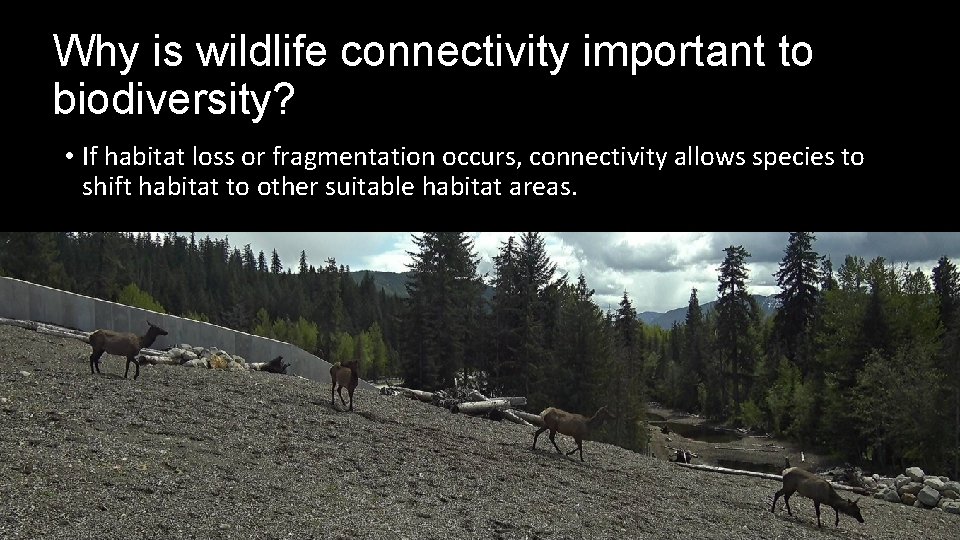
Why is wildlife connectivity important to biodiversity? • If habitat loss or fragmentation occurs, connectivity allows species to shift habitat to other suitable habitat areas.
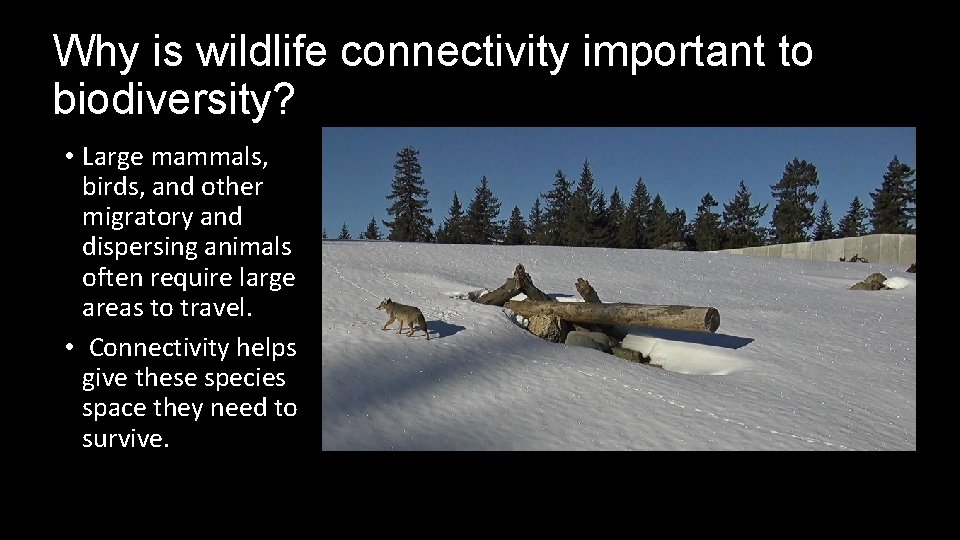
Why is wildlife connectivity important to biodiversity? • Large mammals, birds, and other migratory and dispersing animals often require large areas to travel. • Connectivity helps give these species space they need to survive.
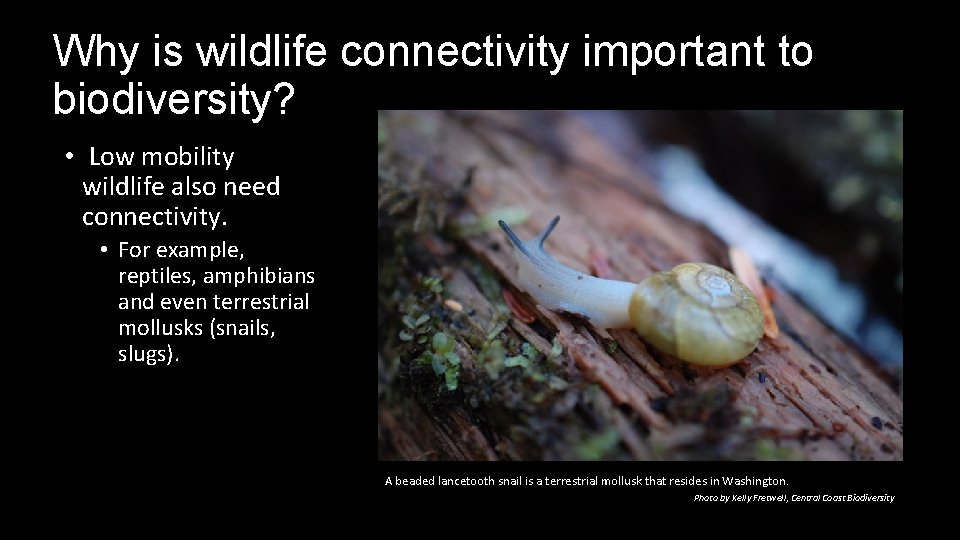
Why is wildlife connectivity important to biodiversity? • Low mobility wildlife also need connectivity. • For example, reptiles, amphibians and even terrestrial mollusks (snails, slugs). A beaded lancetooth snail is a terrestrial mollusk that resides in Washington. Photo by Kelly Fretwell, Central Coast Biodiversity
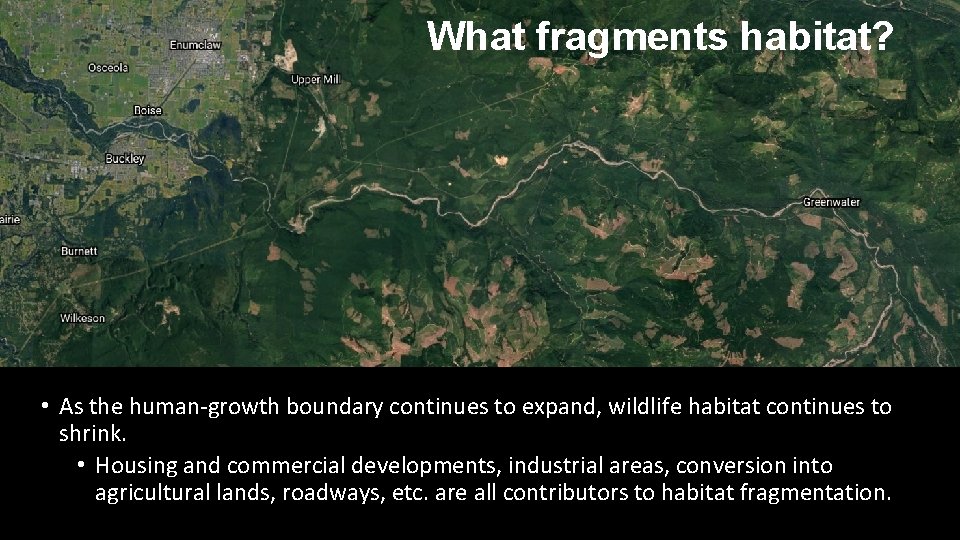
What fragments habitat? • As the human-growth boundary continues to expand, wildlife habitat continues to shrink. • Housing and commercial developments, industrial areas, conversion into agricultural lands, roadways, etc. are all contributors to habitat fragmentation.
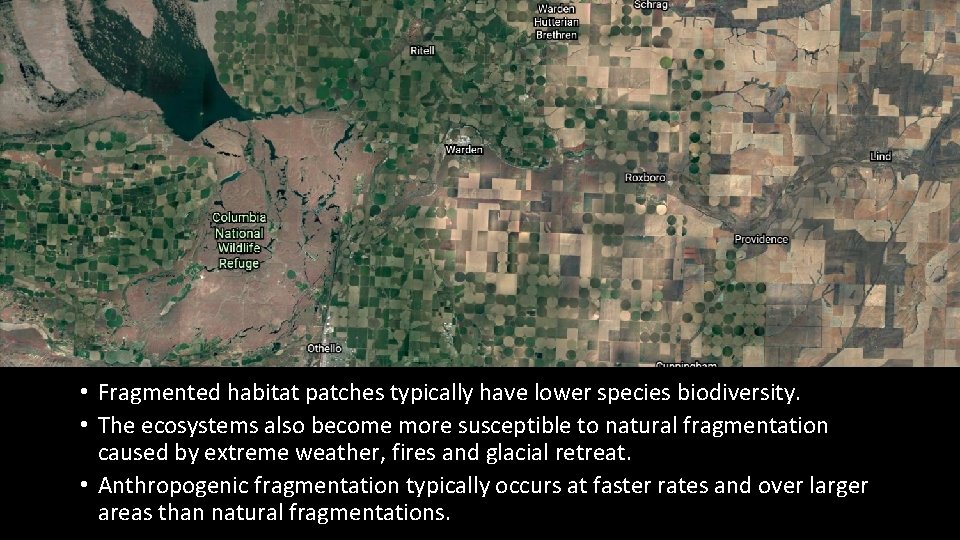
• Fragmented habitat patches typically have lower species biodiversity. • The ecosystems also become more susceptible to natural fragmentation caused by extreme weather, fires and glacial retreat. • Anthropogenic fragmentation typically occurs at faster rates and over larger areas than natural fragmentations.
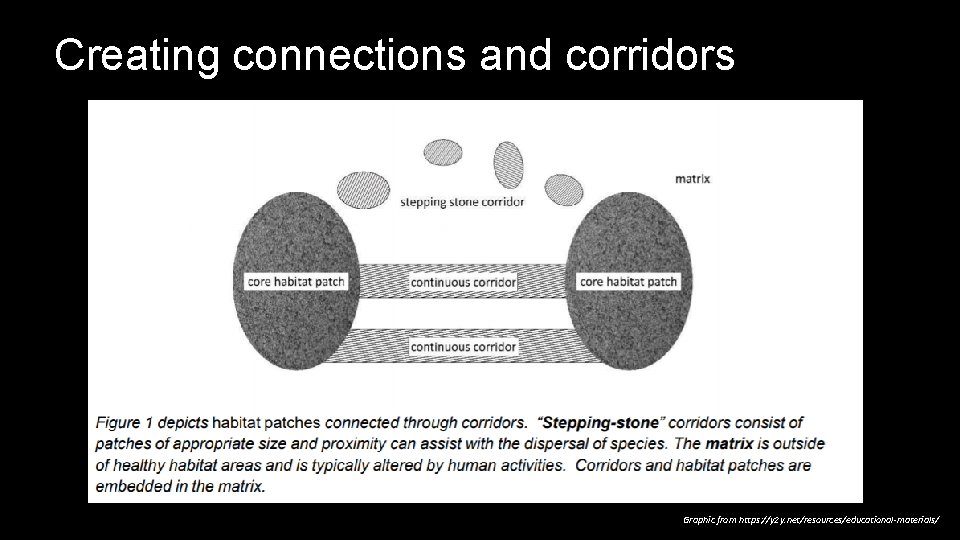
Creating connections and corridors Graphic from https: //y 2 y. net/resources/educational-materials/
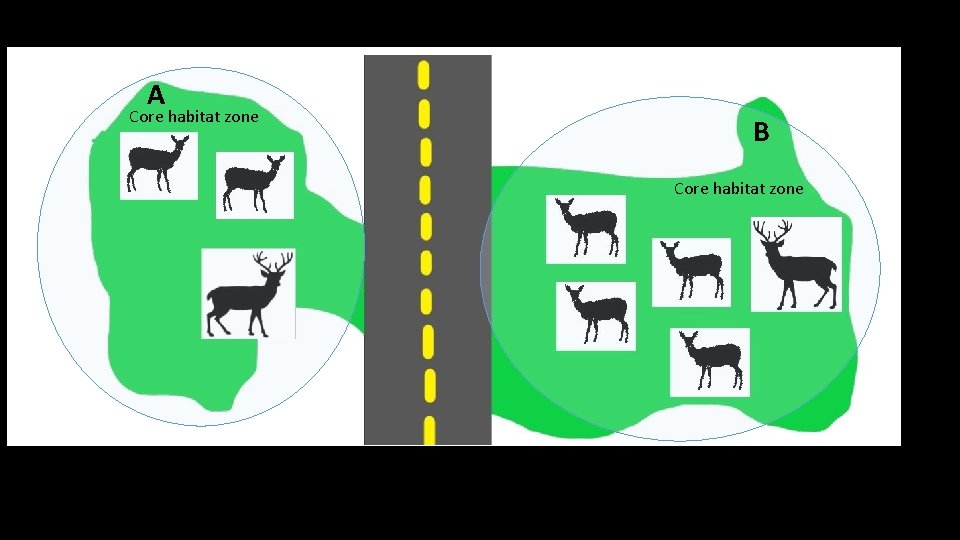
A Core habitat zone B Core habitat zone
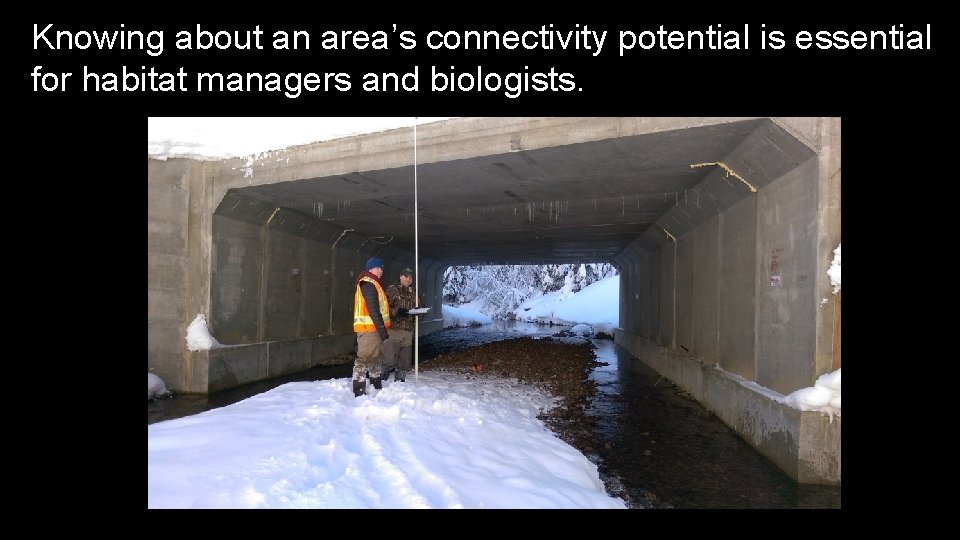
Knowing about an area’s connectivity potential is essential for habitat managers and biologists.
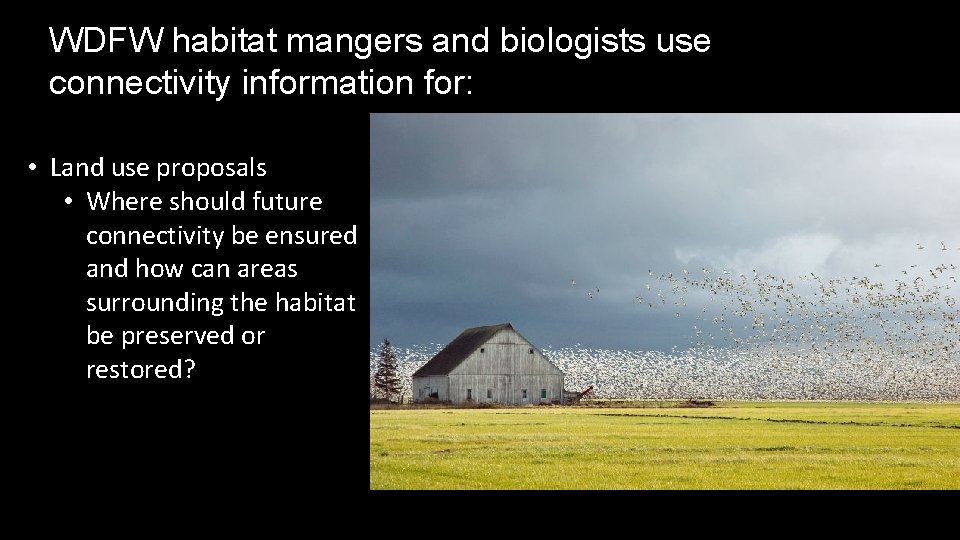
WDFW habitat mangers and biologists use connectivity information for: • Land use proposals • Where should future connectivity be ensured and how can areas surrounding the habitat be preserved or restored?
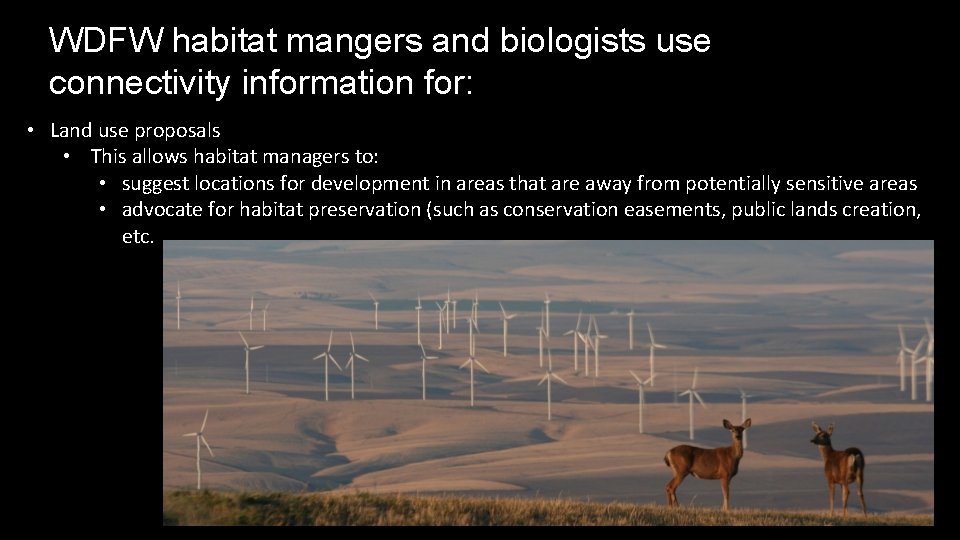
WDFW habitat mangers and biologists use connectivity information for: • Land use proposals • This allows habitat managers to: • suggest locations for development in areas that are away from potentially sensitive areas • advocate for habitat preservation (such as conservation easements, public lands creation, etc.
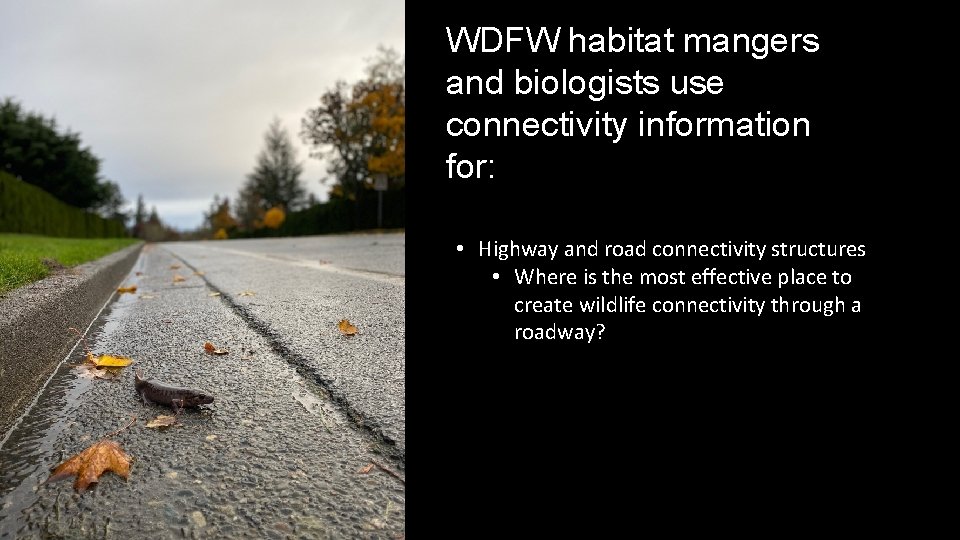
WDFW habitat mangers and biologists use connectivity information for: • Highway and road connectivity structures • Where is the most effective place to create wildlife connectivity through a roadway?
- Slides: 14